Skip to content
Private Label Glycolic Acid Cream: How Can Brands Design an Effective Texture-Smoothing Hero Product?
A winning glycolic acid cream feels like a real moisturizer first, and an exfoliant second: it hydrates comfortably, improves the look of roughness and dullness over time, and sits well under sunscreen—so customers can actually finish the jar and repurchase.
Most brands fail by pushing strength without guardrails (too low pH with no buffer/soothers), pairing incompatible actives that spike irritation, or building a base that feels greasy yet still dries users out. The reliable approach is a clearly defined strength lane (daily gentle vs night treatment) plus a barrier-friendly cream base, then validation under real routines and sunscreen.
GMP/ISO • EU/US compliant docs • Samples in 3–7 days • MOQ from 1,000 pcs
What are the key specifications of this custom glycolic acid cream?
Define the strength lane, tolerance target, usage frequency, and sun-exposure/labeling boundaries before development—because glycolic performance is tightly linked to pH, base design, and routine behavior.


Spec / Parameter Card
| Field | Options / Recommendations |
|---|---|
| Core Formats | Daily gentle AHA cream • Overnight resurfacing cream • AHA gel-cream (oil-free feel) • Sensitive-leaning low-sting AHA cream • Dark-spot-support night cream (cosmetic) |
| Strength Lane | 5–8% (daily gentle / beginners) • 8–10% (regular night use) • 10–12%+ (experienced users / weekly or short-cycle use) |
| Skin Feel Target | Fast-absorbing • low tack • non-greasy • minimal residue • layers cleanly under SPF |
| Exfoliation Goal | Smoother-looking texture • more even-looking tone • reduces the look of dullness (cosmetic) |
| pH Window | Typically ~3.5–4.2 depending on lane, buffering, and tolerance target (low pH requires stronger guardrails) |
| Barrier & Comfort Supports | Panthenol • allantoin • beta-glucan • bisabolol • gentle humectants; optional ceramide support if compatible with lane |
| “Actives to avoid” by default | High niacinamide loads in low-pH systems (flush risk) • multiple strong acids stacked without tolerance plan |
| Fragrance Strategy | Fragrance-free (lowest complaint risk) • very light low-allergen scent for retail lanes (only if tolerance target allows) |
| Skin Type Fit | Normal/combination • textured/dull • post-acne marks look (cosmetic) • mature/roughness; acne-prone only in “light, non-greasy, low-residue” lane |
| Labeling & Sun Guidance | FDA recommends AHA products carry a “Sunburn Alert” statement under specified conditions. |
| Stability & QC | pH drift • viscosity drift • odor/color shift • emulsion stability • pump/closure compatibility |
| Docs | COA, SDS, stability & micro data; routine rules (frequency ladder + sunscreen guidance) |
| Sampling & Lead Time | Validated bases = faster; new sensorial targets or higher-acid lanes = more iterations |
| Typical MOQ | 1,000–3,000 pcs/SKU for validated bases; higher for custom airless/premium packs |
Which customers and channels is this glycolic acid cream for?
Glycolic acid cream wins when it’s positioned as a routine tool with clear rules: who it’s for, how often to use it, what not to pair it with, and how to protect results with sunscreen. The best-performing launches build one “safe daily” lane and one “strong night” lane instead of one formula trying to please everyone.
Glycolic acid is powerful, but reviews are driven by tolerance and consistency. This tab shows how lane design changes by concern—texture, dullness, visible marks, mature roughness, or acne-prone needs—so each SKU feels intentionally built, not risky.
Textured / Dull (Smooth + Glow Lane)
- Texture: Gel-cream or light cream
- Core stack: Glycolic lane + humectants + soothing supports
- Notes: “Smoother-looking texture” with low residue for SPF layering
- Micro-CTA: Build a Daily AHA Gel-Cream
Uneven Tone / Post-Acne Marks Look (Cosmetic Brightening Support)
- Texture: Night cream with clean finish
- Core stack: Glycolic + comfort supports; optional antioxidants
- Notes: Position as “tone-clarifying” with strict sunscreen guidance
- Micro-CTA: Design a Tone-Refining Night Cream
Mature / Roughness Lines Look (Overnight Renewal)
- Texture: Cushion cream (non-greasy)
- Core stack: Mid-strength glycolic lane + barrier supports
- Notes: Comfort-first to reduce “too harsh” returns
- Micro-CTA: Develop an Overnight Renewal Cream
Sensitive-Leaning (Low-Sting Starter AHA)
- Texture: Soft cream with minimal sting profile
- Core stack: Lower % glycolic + buffering + panthenol/allantoin/beta-glucan
- Notes: “Beginner-friendly” rules and slower frequency ladder
- Micro-CTA: Launch a Gentle AHA Starter Cream
Acne-Prone (Texture Without Heavy Occlusives)
- Texture: Oil-free feel gel-cream
- Core stack: Low-residue hydration + glycolic lane + soothing supports
- Notes: Avoid heavy oils/waxes; keep finish clean and fast-set
- Micro-CTA: Create a Lightweight AHA Cream for Acne-Prone Skin
Age changes tolerance and routine discipline. Younger users want “easy glow” without peeling. 30–40s want visible texture improvement with low irritation. 50+ users want comfort, not raw strength. The lane is set by frequency rules.
Teens & 20s – Beginner “Glow” With Minimal Peeling
- Texture: Light gel-cream
- Lane: 5–8% + strong comfort supports
- Notes: Simple rules, fewer conflicts with acne routines
20s–30s – SPF Layering + Even Look Priority
- Texture: Fast-absorbing light cream
- Lane: 5–10% depending on tolerance
- Notes: “Night use + daily SPF” habit is the conversion point
30s–40s – Overnight Renewal With Low Complaint Risk
- Texture: Soft cushion cream
- Lane: 8–10% with buffering/soothers
- Notes: Clear “don’t stack with retinoids the same night” guidance
40s–50s – Texture + Comfort (Not Aggression)
- Texture: Barrier-friendly renewal cream
- Lane: 8–10% or short-cycle stronger lane
- Notes: Reduce dryness rebound, keep finish elegant
60s+ – Comfort-First, Simplified Schedule
- Texture: Fragrance-free comfort cream
- Lane: Gentle lane + slower ramp-up
- Notes: Fewer steps, fewer conflicts, better adherence
What can top-selling glycolic/AHA leave-on products teach your formula design?
Amazon best-sellers show that “results” are not the whole story—repeat purchase comes from a product that feels safe to use consistently. The clearest pattern is strength segmentation (5%, 7%, 8%, 10%, 12%, 20%) plus comfort cues (soothing extracts, fragrance-free lanes, gel textures), and strong routine rules.
| Brand / Product | Core Actives (typical) | Format / Texture | Strengths | Gaps / Considerations |
|---|---|---|---|---|
| The Ordinary Glycolic Acid 7% Exfoliating Toner | 7% glycolic acid | Water toner | “Strength clarity” + huge adoption; easy habit builder | Still too strong for some; cream must add stronger comfort guardrails |
| Pixi Glow Tonic (5% Glycolic Acid) | 5% glycolic acid | Toner | Gentler daily lane; broad appeal | Lower strength means sensorial + adherence must be excellent |
| Paula’s Choice Skin Perfecting 8% AHA Gel Exfoliant | 8% glycolic acid + soothing extracts | Hydrating gel | Leave-on gel feel; often used nightly | Low-pH systems need careful compatibility to avoid tack/pilling |
| Alpha Skin Care Enhanced Renewal Cream (12% Glycolic AHA) | 12% glycolic AHA (listing notes pH 3.8) | Cream | Proves high-AHA creams can sell at scale | Higher complaint risk; needs strict frequency ladder + strong comfort base |
| Reviva Labs 10% Glycolic Acid Creme | 10% glycolic acid | Cream | “Moisturize + resurface” positioning is familiar | Must control dryness/peeling and keep finish non-greasy |
| L’Oréal Revitalift 10% Pure Glycolic Acid Serum (fragrance-free) | 10% glycolic acid | Lightweight serum | Mass-market proof that “high acid + tolerable feel” is possible | Teaches cream developers: keep it light; don’t overload oils/occlusives |
| QRxLabs Glycolic Acid 20% Resurfacing Pads | 20% glycolic acid + soothing add-ons | Pads | Strong “at-home peel” value story | Not a daily lane; a cream at this strength needs tighter guardrails |
| Dr. Dennis Gross Alpha Beta Universal Daily Peel | Multi-acid system | Two-step pads | Premium pricing driven by experience design + predictable results | Complexity lives in system design; cream version must simplify safely |
Custom Funtion Formula for your brand? You can review skincare function formulation pages:
Custom Brightening Formulations→, Custom Anti Aging Formulations→,Custom Moisturizing Formulations→,Custom Exfoliating Formulations→,
Glycolic Acid Cream Finish Products you may want to reference:


Make A Sample First?
If you have your own formula, packaging idea, logo artwork, or even just a concept, please share the details of your project requirements, including preferred product type, ingredients, scent, and customization needs. We’re excited to help you bring your personal care product ideas to life through our sample development process.
How should you design the formula and active stack for glycolic acid cream?
Build it like a controlled night moisturizer: comfort + predictable exfoliation + routine safety first. Then add “nice-to-have” actives only if they don’t increase sting, destabilize pH, or create stacking conflicts.
Step 1 – Define the lane, strength, and frequency rules
- Choose your lane: daily gentle (5–8%) vs night treatment (8–10%) vs short-cycle stronger (10–12%+)
- Set the tolerance target: “no sting” vs “mild tingle acceptable”
- Decide usage rules: 2–3 nights/week ramp to nightly, or fixed schedule for sensitive lanes
Step 2 – Engineer the glycolic delivery conditions
- Lock the working pH window and buffering approach (pH drift is a top failure mode)
- Keep the base supportive: humectants + barrier supports to reduce dryness rebound
- Avoid over-stacking acids unless the product is explicitly a peel system
Step 3 – Build the cream base for low irritation and clean layering
- Choose lightweight emollients/esters for slip without grease
- Add comfort supports (panthenol, allantoin, beta-glucan, bisabolol) to reduce complaint rate
- Be conservative with “conflict actives” (for example, high niacinamide loads in low-pH systems)
Step 4 – Validate real-world performance and label discipline
- Check pilling/rolling under sunscreen and makeup (morning after use)
- Run stability gates: pH drift, viscosity drift, odor/color shift, packaging compatibility
- Align labeling with AHA guidance, including sunscreen messaging where applicable

| Active (Use Range) | Key Features | Suitable Uses / Skin Types | Recommended Combinations | Suggested Packaging |
|---|---|---|---|---|
| Glycolic Acid (5–12% typical lane) | Surface renewal, smoother look | Dull/texture, uneven look, mature roughness | With panthenol + allantoin + humectants | Airless pump preferred |
| Panthenol (0.2–2%) | Comfort + barrier support | Most, especially irritation-prone | With beta-glucan/allantoin | Any |
| Allantoin (0.1–0.5%) | Soothing support | Sensitive-leaning lanes | With panthenol | Any |
| Beta-glucan (0.1–1%) | Comfort, redness-prone support | Reactive routines | Fragrance-free lanes | Any |
| Bisabolol (0.05–0.5%) | Calming support | Sensitive/irritation-prone | With panthenol + gentle emollients | Airless/pump |
| Humectants (glycerin/betaine/PCA) | Hydration without heaviness | Most lanes | With barrier supports | Any |
| Antioxidants (optional) | “daily defense” story | Tone/texture routines | Keep compatible with low pH | Airless preferred |
Which textures work best for glycolic acid cream?
The best glycolic acid cream textures feel light, non-greasy, and comfort-first, with a quick-set finish that reduces sting perception and makes it easy to stick to a night schedule.
Considerations by market and user
- Climate:Hot / humid: gel-cream and light creams with low residue to avoid “sticky night” complaints. Cold / dry: cushioned creams that reduce dryness rebound and tightness.
- Skin type & routine:Beginner/sensitive-leaning: lower strength + richer comfort system, slower ramp-up. Oily/acne-prone: oil-free feel, minimal waxy occlusives, fast absorption. Mature/roughness: cushion without grease; fewer conflicts with other actives.
- Channel:Amazon: tolerance and “how to use” clarity protect ratings. Derm-adjacent: fragrance-free, predictable schedule, conservative claims. Retail/DTC: sensorial elegance + clear strength ladder drive conversion.
Lightweight overnight gel-cream (oil-free feel)

A fast-set gel-cream designed for low residue; typical viscosity around 3,000–10,000 cps.
- Best for: oily/combination, humid climates, beginners who hate heavy creams
- Selling points: clean finish, less “sticky sting,” easy nightly adherence
- Packaging/use: airless pump or tube for controlled dosing
Silky renewal cream (balanced cushion, low tack)

A soft cream that moisturizes while supporting exfoliation; typical viscosity around 10,000–25,000 cps.
- Best for: most skin types as a night treatment
- Selling points: comfort-first resurfacing, smoother feel by morning
- Packaging/use: pump bottle or airless to protect stability and hygiene
Barrier-comfort renewal cream (non-greasy cushion)
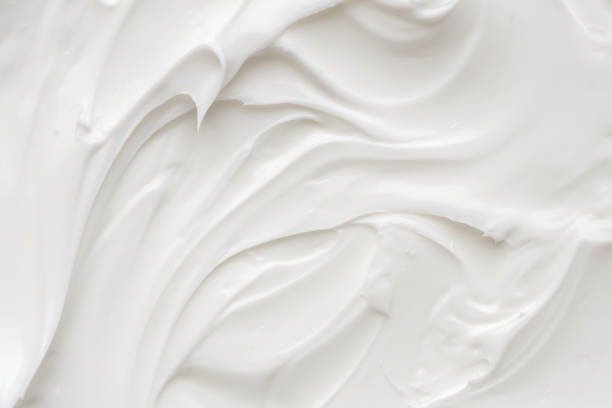
A richer comfort cream that avoids heavy greasiness; typical viscosity around 25,000–60,000 cps.
- Best for: dry/mature users, cold/dry markets, “dryness rebound” complaints
- Selling points: reduced tightness/flake-look, better tolerance perception
- Packaging/use: airless pump to reduce contamination and protect sensorial integrity
Which packaging options make sense for glycolic acid cream?
Choose packaging that protects a low-pH active cream from air exposure, supports hygienic dosing, and reduces oxidation/odor shift—because AHA products live or die by stability and user trust.
Factors to align with your brand
- Application and dosing:Airless pumps for controlled nightly dosing and better hygiene. Standard pumps for mid-viscosity creams. Tubes for gel-creams and travel sizes. Jars only if the positioning demands it and contamination risk is managed.
- Brand positioning:Derm/clinical: simple airless silhouettes, fragrance-free cues. Premium: frosted airless, refined caps, upgraded tactile feel. Clean beauty: minimalist components and recycling-friendly choices.
- Sustainability.:PCR bottles/tubes where feasible. Reduced-component designs to improve recyclability. Refill concepts for premium programs (project-dependent).
- Label and panel space:Strength lane + frequency ladder (beginner vs experienced). Sunscreen reminder and conflict guidance (retinoids/other acids).
- Channel needs:Amazon: leak testing + durability for shipping. Retail: shelf presence and hand-feel. Kits: lighter packaging, low breakage formats.

Airless Pump (30/50/100ml)
Best for stability perception and controlled dosing

Pump Bottle (50–150 ml)
Strong for daily-night staple programs

Squeeze Tube (30–100 ml)
Great for gel-cream lanes and travel sizes
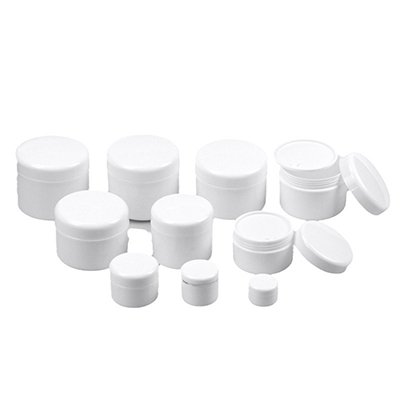
PCR Options
Post-consumer recycled components where feasible
What do brands most often ask about this glycolic acid cream?
Buyers usually focus on irritation risk, the “right” strength lane, how to prevent peeling complaints, what not to pair with glycolic, and how to message sunscreen and usage rules clearly—because those details decide ratings and repurchase.
1. What glycolic acid percentage sells best for a leave-on cream?
- 5–8%: beginner-friendly, higher adherence, lower complaint rate
- 8–10%: stronger night lane for regular users
- 10–12%+: experienced users only, often better as short-cycle/weekly positioning
2. How can irritation and peeling complaints be reduced without making it “too weak”?
- Use a clear ramp-up schedule (2–3 nights/week → increase as tolerated)
- Add comfort supports (panthenol, allantoin, beta-glucan)
- Keep the texture low-residue to reduce “sting + sticky” perception
3. What ingredients should not be paired in the same product (or same night)?
- Avoid stacking multiple strong exfoliating acids unless it’s designed as a peel system
- Recommend separating strong retinoids and glycolic on different nights
- Keep routines simple for beginners to reduce over-exfoliation complaints
4. Does an AHA cream need a specific warning or sunscreen message?
- FDA recommends a “Sunburn Alert” statement under certain conditions for AHA cosmetics
- Daily sunscreen guidance is part of preventing “it made me sensitive” reviews
- Clear instructions improve both safety perception and conversion
5. Is this suitable for acne-prone users?
- A gel-cream, low-residue lane is usually safest for acne-prone positioning
- Avoid heavy oils/waxes; keep finish clean and fast-set
- Pair with comfort supports to reduce irritation-triggered breakouts
6. What are typical MOQs, lead times, and cost drivers?
- MOQs often start around 1,000–3,000 units/SKU, higher for custom airless packs
- Lead time depends on packaging sourcing and stability/micro gates
- Cost drivers: glycolic strength lane, buffering/comfort system, packaging grade, testing plan
How will Zerun Cosmetic support private label 产品 projects?
- Our team will answer your inquiries within 12 hours.
- Your information will be kept strictly confidential.





Zerun supports anti-aging brands with evidence-aware active stacks, texture design, packaging choices and realistic claim language, helping you build a hero cream that fits your market, price point and brand story.
We start from your reality:
Your target age groups, skin types, key anti-aging concerns (firmness, wrinkles, glow), channels and price positioning.
We co-develop formulas and formats:
Day and night anti-aging creams mapped to your routine – plus serums, eye care, neck creams and body firming options when you are ready.
We help plan claims, tests and documentation:
Wrinkle, firmness and texture claims, with sensible stability, compatibility and tolerance testing support for your main markets.
We think in routines, not single SKUs:
Anti-aging cream concepts that anchor simple, repeatable routines your customers can understand, follow and repurchase.
If you already have reference products or ideas, share:
Links or photos of anti-aging creams you like today.
Your target consumers, priority benefits and main markets.
Your initial volume expectations and desired launch timing.
Based on this, we can propose a clear anti-aging cream development roadmap and sampling plan.
Use the contact form, email or WhatsApp on this site to start your private label anti-aging cream project with Zerun.