Skip to content
How do I brief a cosmetic OEM to build a complete skincare line for my brand?
To brief a cosmetic OEM for a complete skincare line, you need a clear project overview, a mapped-out product range, defined skin types and concerns, target markets and claims, texture and packaging preferences, compliance boundaries, realistic MOQs and timelines, plus a simple sampling and approval roadmap. A good brief translates “brand vision” into concrete decisions your manufacturer can cost, formulate, test and deliver.
Table of Contents
Can't find the answers?
Please rest assured—you are always welcome to contact us. Throughout the entire customization process for your beauty and skincare products, we will be available at any time to answer all your questions.
Why does your OEM brief decide 80% of your skincare line’s success?
A strong OEM brief turns vague ideas into concrete decisions: how many SKUs, which skin types, what claims, what textures, what budgets and deadlines. It lets your manufacturer design the right formula routes, packaging and timelines from day one instead of guessing.
Common problems vs what a strong brief prevents:
| Common problem in OEM projects | How a strong brief prevents it |
|---|---|
| Samples don’t match the brand’s positioning | You defined target market, price tier and hero competitors. |
| Texture feels wrong for climate or skin type | You specified climates, skin types and example product feel. |
| Claims are rejected by retailers or regulators | You set compliance boundaries and priority markets upfront. |
| Packaging looks random across SKUs | You mapped a unified packaging and design system for the line. |
| Launch date keeps slipping | You agreed a realistic timeline and approval steps in advance. |

When an OEM project goes wrong, most founders blame “the factory” or “the formula”. In reality, many problems can be traced back to the very first document: the brief. If your brief is fuzzy, contradictory or incomplete, your manufacturer has no choice but to guess – and those guesses show up later as wrong textures, missing claims, unexpected costs and delays.
A strong brief does three critical jobs at once:
- It connects your brand strategy to technical decisions – which formulas, which formats and which packaging make sense for your concept and price tier.
- It tells the OEM what is fixed (non-negotiable) and what is flexible (open to suggestions) so the team can prioritise.
- It creates a shared roadmap for samples, approvals and production, instead of relying on assumptions or vague expectations.
For Zerun Cosmetic, a good brief is not a “nice to have”. It is the basis for choosing the right base systems, actives, packaging families and testing plans. The clearer your brief, the faster we can propose smart options, and the fewer sampling rounds you need before you feel, “this is exactly my brand”.
Step 1 – Define your project overview before you contact the OEM
Before you talk about formulas, your OEM needs a simple project snapshot: brand concept, target customers, key channels, price tier and launch goals. This tells the manufacturer which base technologies, packaging families and testing depth make sense for your line.
Most enquiries start with a single product: “I want a brightening cream” or “I like this serum on Amazon, can you copy it?”. That is useful, but for a full line it is not enough. Your OEM first needs a top-level view of the project so they can design the right technical route, instead of treating each SKU as an isolated, one-off product.
Before you send the first email, write down:
- Brand story in one sentence – how you explain your brand to a stranger in 10 seconds.
- Target customer – age range, skin types, regions, sensitivity to price and claims.
- Main sales channels – DTC website, Amazon, Sephora, pharmacies, salons, clinics, etc.
- Price tier – are you building an entry level line, masstige, or prestige positioning?
- Launch scope – how many SKUs you realistically want to launch in the first wave.
- Launch markets – which countries and regions you must comply with from day one.
- Hero competitors – 3–5 products or brands that feel “close” to what you want.

At Zerun Cosmetic, this project overview is what our 26-person R&D team and our project managers use in the very first internal meeting. It tells us whether to lean more “clinical and functional”, or more “sensorial and spa-like”; whether to prioritise cost-efficiency or heavy active loads; and which packaging and testing paths will fit your price tier and channels.
Project overview template:
| Field | What you should decide | Example |
|---|---|---|
| Brand name / working title | Current or planned brand identity | “LumaSkin Lab” |
| Target consumer | Who will use it | Women 25–40, combination and sensitive skin |
| Main sales channels | Where you will sell | Own Shopify + Amazon US + EU marketplaces |
| Positioning & price tier | Entry / masstige / prestige | Masstige, dermatologist-inspired |
| Core line idea | 1–2 lines of concept | Barrier-repair + brightening routine |
| Launch markets | Countries / regions | US, Canada, UK, Germany |
| Target launch date / season | Month / season | Q1 next year, pre-spring hydration focus |
| Must-have competitors | 3–5 benchmark products for feel and story | Links to 3 serums and 2 creams |
Step 2 – Map your skincare line by skin types, concerns and product roles
A complete skincare line brief lists each planned SKU, its role in the routine, target skin types and main concerns. This lets the OEM balance overlap, avoid redundant products and design formulas that work together instead of competing on your shelf.
Many founders jump straight into individual product ideas: “I want a niacinamide serum”, “I also want a vitamin C serum”, “maybe an AHA toner too”. Without a line map, you risk ending up with products that fight for the same slot in the routine, confuse customers and make inventory harder to manage.
A line map forces you to answer three basic questions for each SKU:
Where does this product sit in the daily routine?
Cleanser, toner/essence, serum, cream, mask, eye product, SPF – or a special treatment.
Who is it really for?
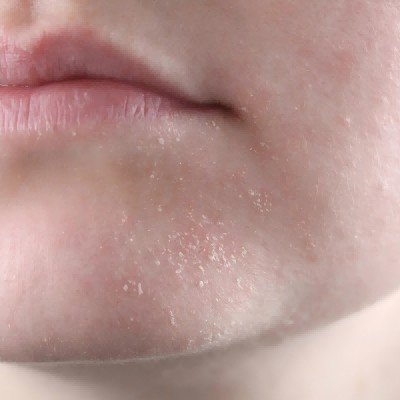
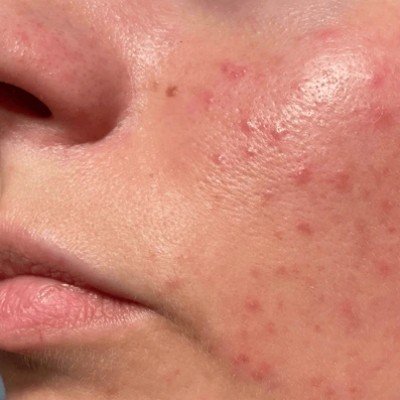
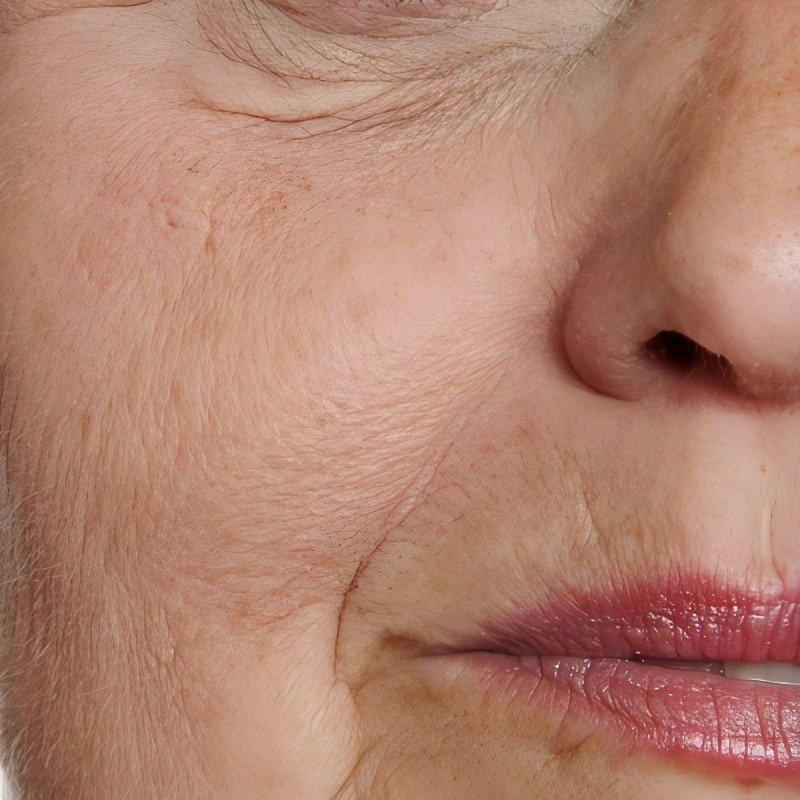
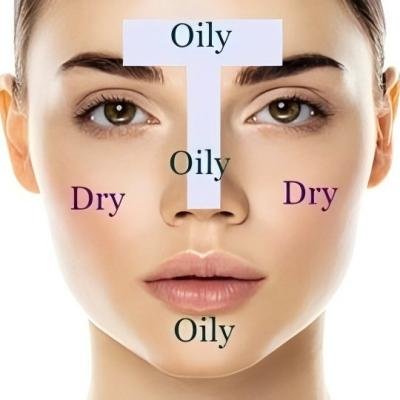
Oily, dry, combination, sensitive, acne-prone, aging – or a mix of profiles.
What is the main job of this formula?
For example: “oil-control and anti-blemish”, “barrier repair and redness-relief”, “firming and elasticity”, “tone-evening and brightening”.
For Zerun, this line map is what we put on the whiteboard in the first R&D meeting. It lets us see immediately whether we can build a shared base system for multiple SKUs, which SKUs should be your hero products and which ones are “supporting actors”.
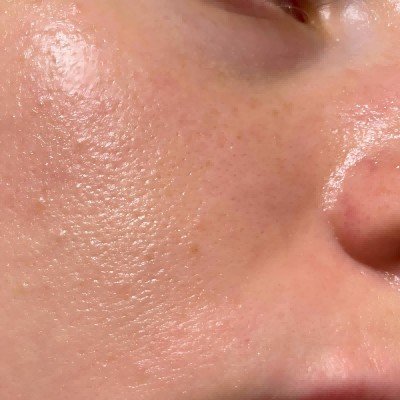
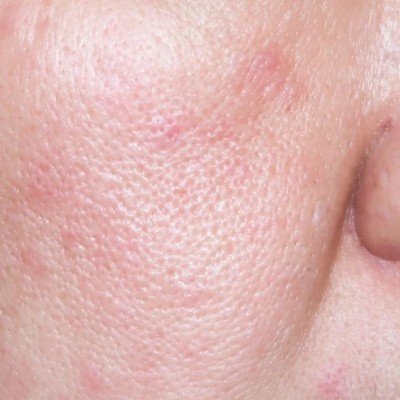
Line mapping template:
| SKU # | Product role in routine | Product name (working) | Target skin types | Main concerns | Priority (High / Medium / Low) |
|---|---|---|---|---|---|
| 1 | Cleanser | Amino Acid Gentle Gel Cleanser | Oily / Combination / Sensitive | Blemishes, barrier support | High |
| 2 | Toner / Essence | Rice Brightening Treatment Toner | All / Sensitive-friendly | Dullness, uneven tone | High |
| 3 | Serum | 10% Niacinamide + Zinc Serum | Oily / Combination | Acne marks, oil control | High |
| 4 | Serum | Multi-Peptide Firming Serum | Normal / Dry | Fine lines, elasticity | Medium |
| 5 | Cream | Barrier-Repair Cream | Dry / Sensitive | Barrier damage, redness | High |
| 6 | Eye product | De-puffing Peptide Eye Cream | All | Dark circles, puffiness | Medium |
| 7 | Mask | Overnight Hydration Sleeping Mask | All | Dehydration, glow | Medium |
| 8 | SPF | Daily Facial Sunscreen SPF 50 | All | UV protection, tone-evening | High |
You do not need final product names yet – working titles are enough. The important part is clarity: which SKU plays which role, who it serves, and how important it is for your first launch.
Once this table is clear, your OEM can:
- Suggest where to merge or simplify SKUs to keep your launch focused.
- Propose common base systems to reduce cost and speed up development.
- Identify which SKUs deserve more R&D depth and which can use existing mature formulas.
In the next step, you will translate this line map into specific textures, sensorials and hero ingredients, so chemists can start building real formulas that feel like your brand.
Step 3 – Decide textures, sensorials and hero ingredients for each SKU
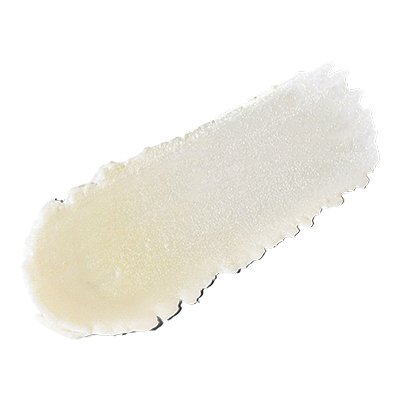
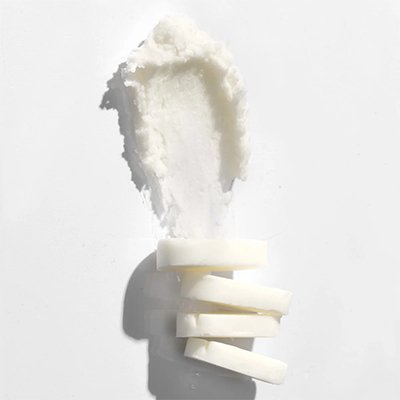
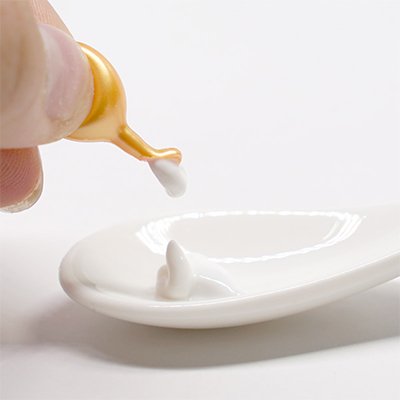
Your brief should describe the desired feel of each product – gel, lotion, cream, balm – plus “must-have” and “avoid” ingredients. This helps the OEM choose the right emulsion systems, oils, gelling agents and active stacks without endless trial-and-error.
Once your line map is clear, the next question is simple: how should each product actually feel on the skin? Texture, finish and absorption speed are not “small details” – they decide whether customers love your products, or leave them unused on the bathroom shelf.
Most founders try to describe textures using brand adjectives only: “luxurious”, “light”, “non-greasy”. For a chemist, this is too vague. Your brief works much better if you translate these feelings into texture families and finishing types that can be linked to real formulation strategies.
For each SKU, try to specify:
Texture family
Water-light serum, gel, gel-cream, lotion, rich cream, balm, oil, stick, jelly, mask.
Finish on the skin
Matte, semi-matte, natural, satin, dewy, glossy.
Absorption behavior
Fast-absorbing, medium, cocooning film, overnight veil.
Fragrance direction
Fragrance-free, ultra-low fragrance, or a clear direction: herbal, citrus, floral, gourmand, spa-like.
In the same section, list:
Hero ingredients you prefer
For example: niacinamide, hyaluronic acid, ceramides, peptides, centella, rice extract, panthenol, gentle acids, antioxidant blends.
Ingredients or categories you want to avoid
Specific allergens, essential oils, silicones, sulfates, drying alcohol, certain preservatives, or anything that conflicts with your brand story.
At Zerun Cosmetic, this level of detail lets our chemists pick the right bases quickly: oil-in-water vs water-in-oil, gel network vs rich lamellar cream, with or without silicones, with certain esters or plant oils. It also guides us on which hero ingredient stacks will support your claims without over-complicating the formula.
Playlist

0:16
0:16
0:16



Texture & active mapping:
| SKU # | Texture & viscosity | Finish / feel | Hero actives (directional) | Do not include |
|---|---|---|---|---|
| 1 | Low-foam gel cleanser | Clean, non-stripping | Mild amino-acid surfactants, HA, panthenol | SLS/SLES, strong fragrance |
| 2 | Watery lotion-toner | Fresh, non-sticky | Rice ferment, niacinamide (2–4%), glycerin | Alcohol denat. as main solvent |
| 3 | Water-light serum | Fast-absorbing, non-oily | Niacinamide (5–10%), zinc PCA, green tea | Heavy oils, comedogenic esters |
| 4 | Silky serum-emulsion | Cushioned, satin finish | Peptides, gentle retinoid or bakuchiol | High-level retinol, strong acids |
| 5 | Rich cream | Cocooning, not greasy | Ceramides, cholesterol, fatty acids, HA | Strong fragrance, drying alcohol |
| 6 | Light cream | Soft-focus around eyes | Peptides, caffeine, centella | Essential oils near eye area |
| 7 | Gel-cream sleeping mask | Bouncy, overnight film | HA, beta-glucan, soothing botanicals | Rinse-off surfactants |
| 8 | Lightweight emulsion SPF (face) | Non-whitening, non-greasy | Region-appropriate UV filters, antioxidants | Heavy fragrance, unstable filters |
You do not need to know exact percentages yet. It is enough to give direction: high niacinamide, low-level acids, gentle retinoid, strong barrier lipids, etc. Your OEM will then propose specific active stacks and use levels that fit your markets and claim strategy.
Step 4 – Set compliance and claim boundaries with your OEM
A serious brief tells the OEM which markets and claim levels you are targeting. It defines where your line can sound “clinical” and where it must stay purely cosmetic, and which ingredients or claim types your brand prefers to avoid entirely.
One of the biggest gaps between brand owners and manufacturers is the difference between what you want to say and what regulations allow you to say. If you only brief your OEM with marketing slogans, they will have to guess how close to the regulatory line you are comfortable going.
Instead, your brief should state clearly:
Which markets you will sell in
For example, EU, UK, US, Canada, GCC, Japan, Korea, Australia. Different markets have different expectations on ingredients, documentation and claims.
Which regulatory frameworks you must respect
EU Cosmetic Regulation, FDA cosmetic guidance, local authority rules, retailer policies and marketplace rules (like Amazon’s content guidelines).
How strong you want your claims to sound
Mild and caring (“hydrates, softens, cares for sensitive skin”), medium-level (“visibly brightens dull skin”), or as close to clinical language as possible while staying cosmetic.
Your red lines for claims and actives
For instance: no drug-style claims (“treats eczema”, “cures acne”), no restricted whitening agents, no prescription-level actives, no ingredients under heavy regulatory pressure.
At Zerun Cosmetic, we use this section of your brief to choose safe yet effective claim wordings, compatible actives and appropriate testing depth. For sensitive-skin, dermocosmetic or high-functional lines, we can also outline which additional studies (like basic irritation screening or in-use tests) might be relevant, working with third-party labs if needed.
Compliance & claims template:
| Item | Your decision / notes | Example |
|---|---|---|
| Primary markets | Countries / regions | EU (Germany, France), US, UK, Canada |
| Regulatory framework | Main rules to respect | EU Cosmetic Regulation, FDA cosmetic guidance |
| Claim tone | Mild / moderate / strong (cosmetic only) | Moderate: “brightening”, “tone-evening”, “barrier care” |
| Drug-style claims | Allowed? | No: avoid “treats”, “cures”, “heals acne or eczema” |
| Ingredient black list | Internal exclusions | No hydroquinone, no steroids, no drug-level actives |
| Sensitivities & allergens | Any allergens or categories to avoid | Avoid certain fragrance allergens and common irritants |
| Animal testing / vegan | Requirements | Vegan-friendly, no animal testing statements where legal |
| Documentation required | Which documents you must receive | COA, MSDS, GMP cert, basic stability and safety data |
If you already know that some retailers or marketplaces will audit your products, mention this in your brief. That way, your OEM can prepare the right documentation structure from the start instead of scrambling to assemble it right before a listing or launch.
Step 5 – Design your packaging system as part of the brief
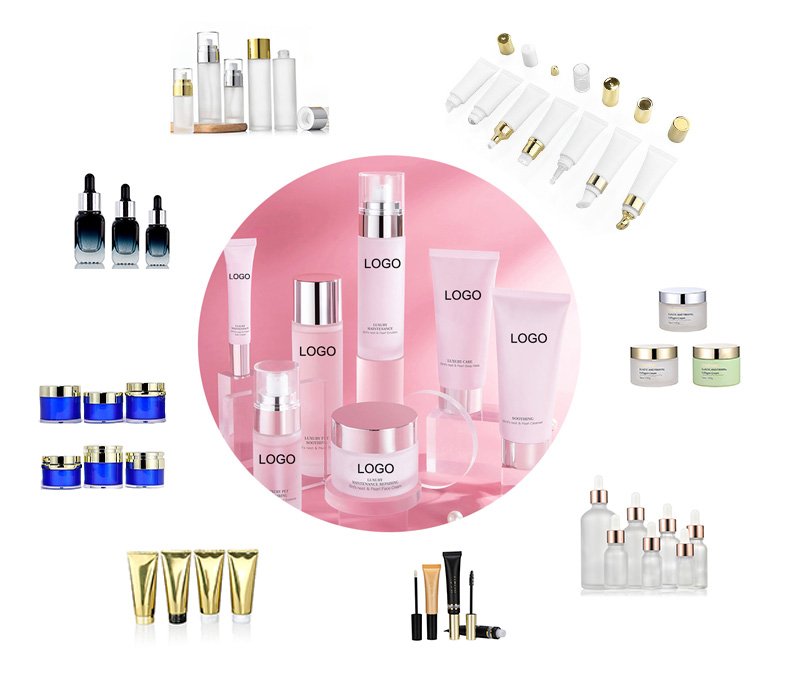
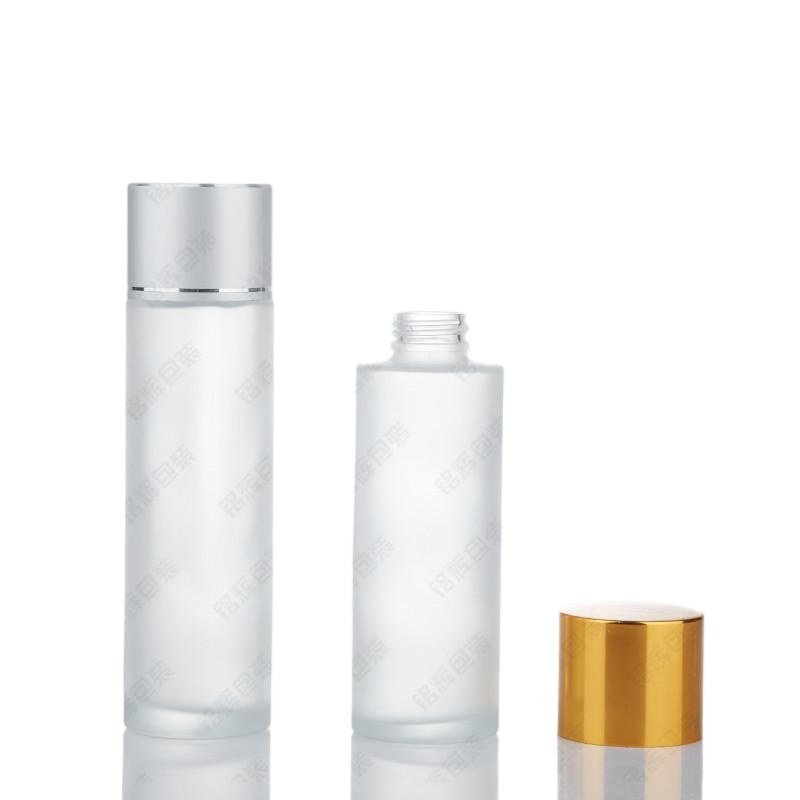
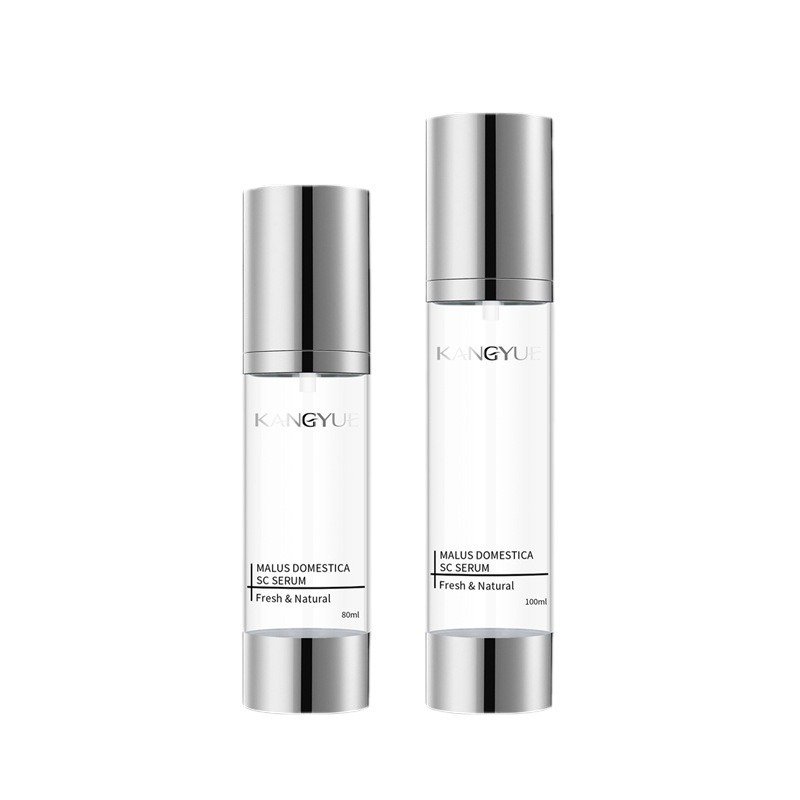
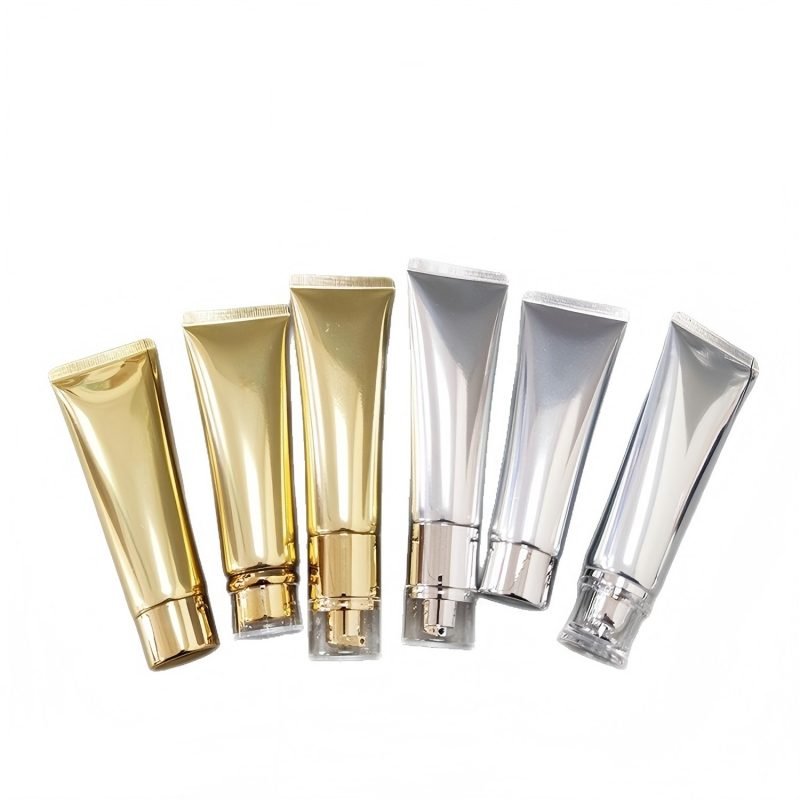
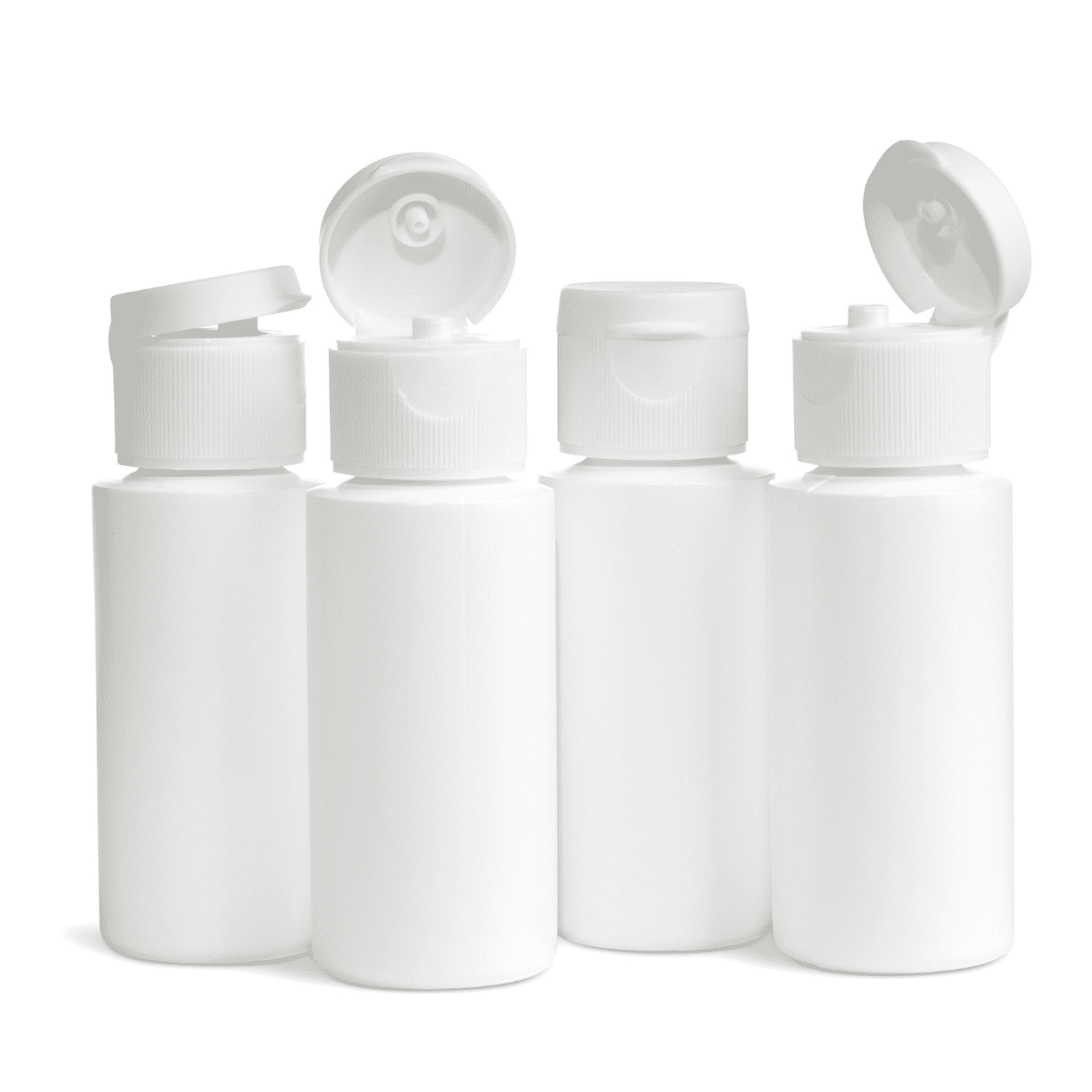
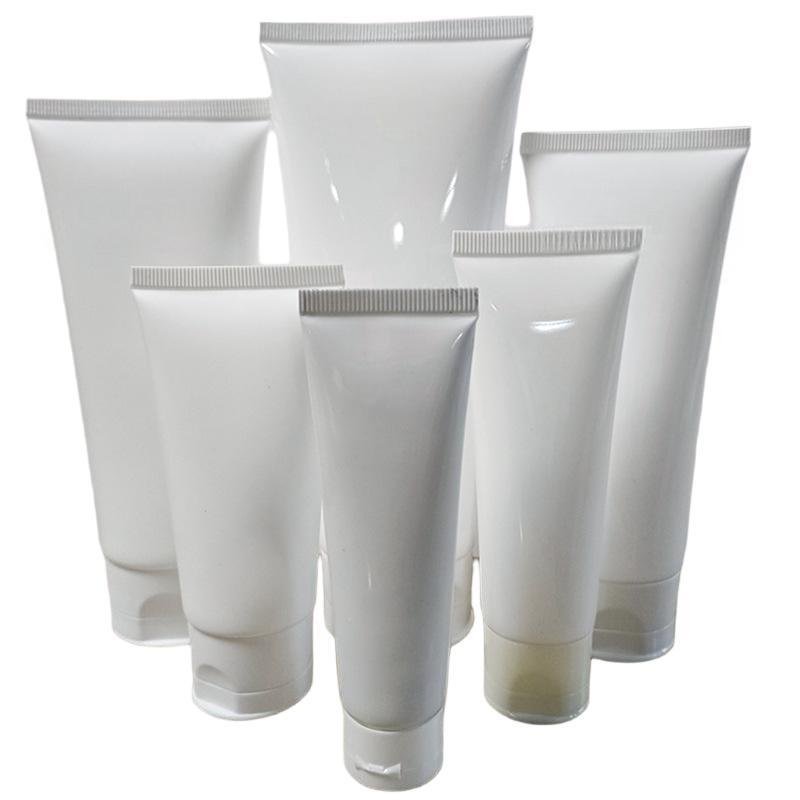
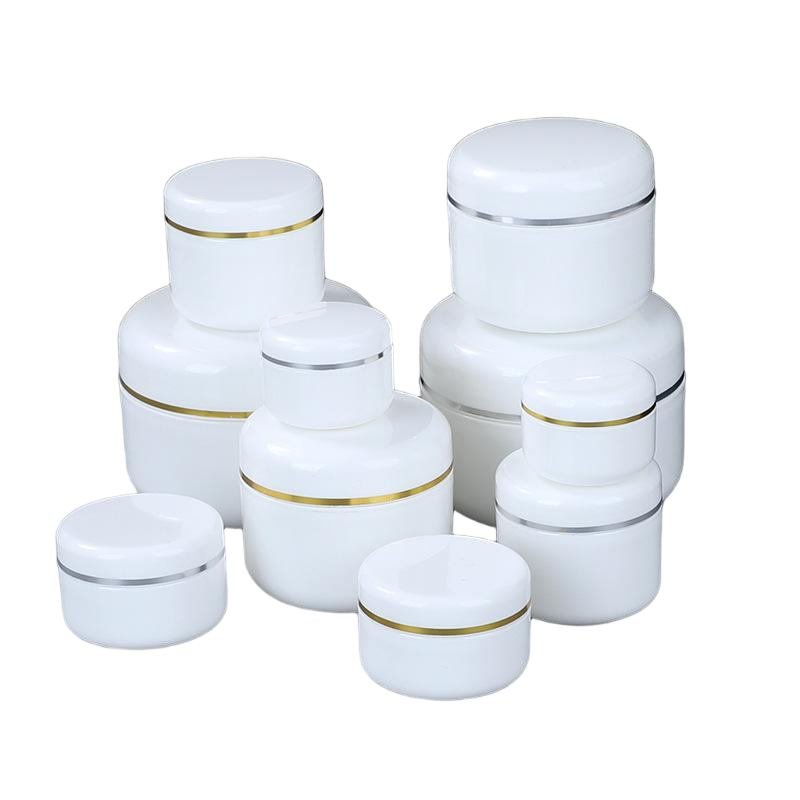
Instead of picking random bottles later, define a packaging system in your brief: families of bottles, jars and pumps, preferred materials, volumes and finishing. This helps your OEM propose existing molds, control MOQ and keep your line visually consistent.
-2.jpg)
-3.jpg)
.jpg)
-1.jpg)
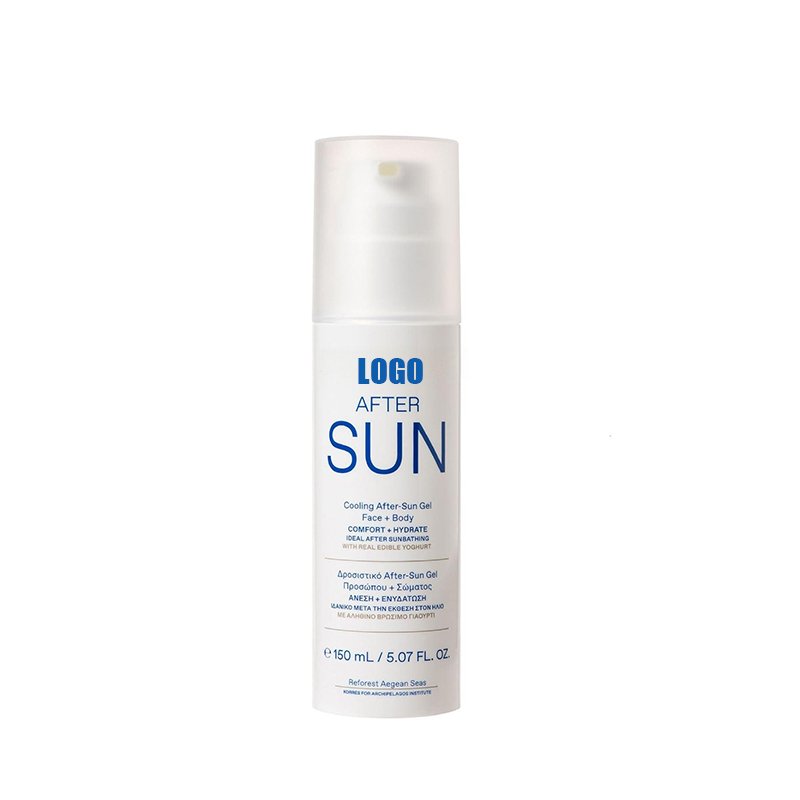
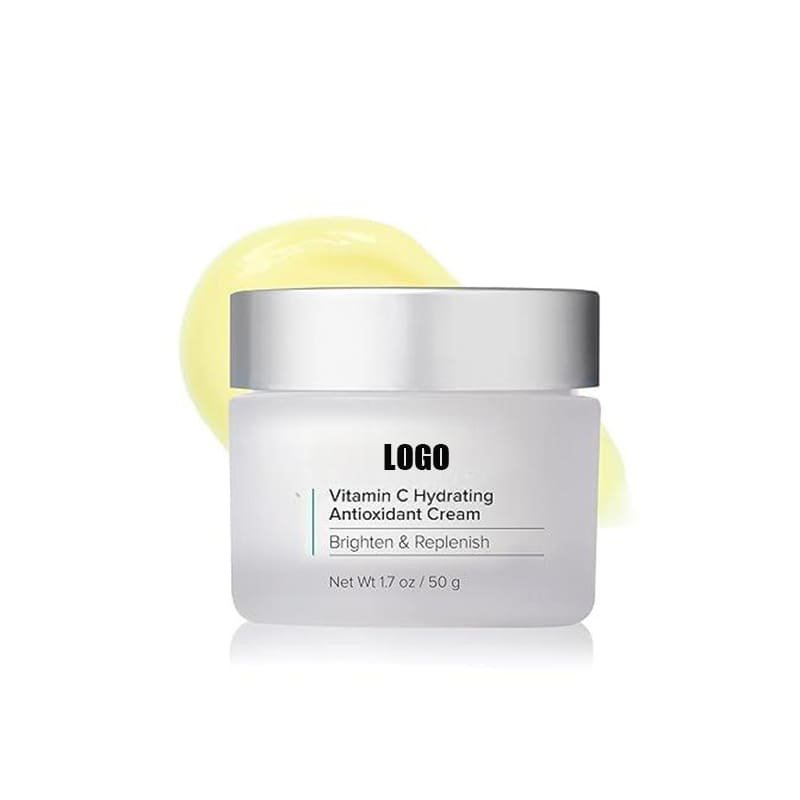
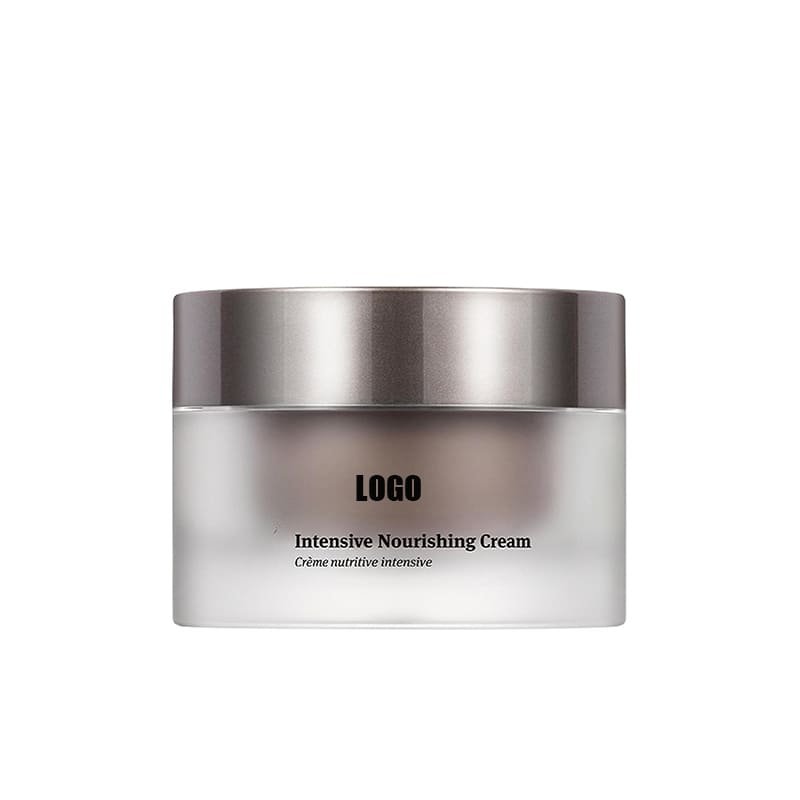
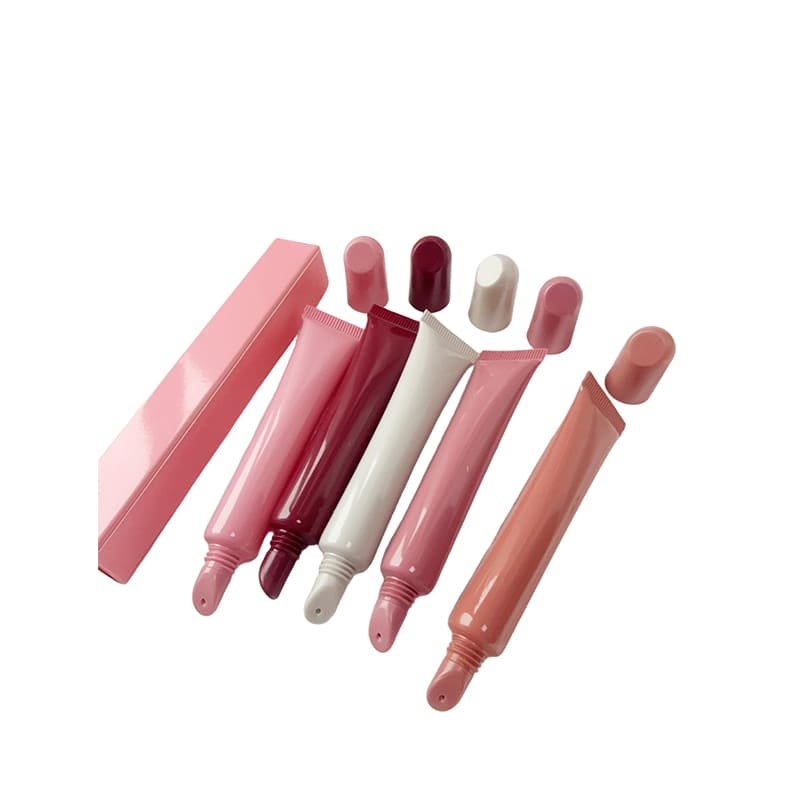
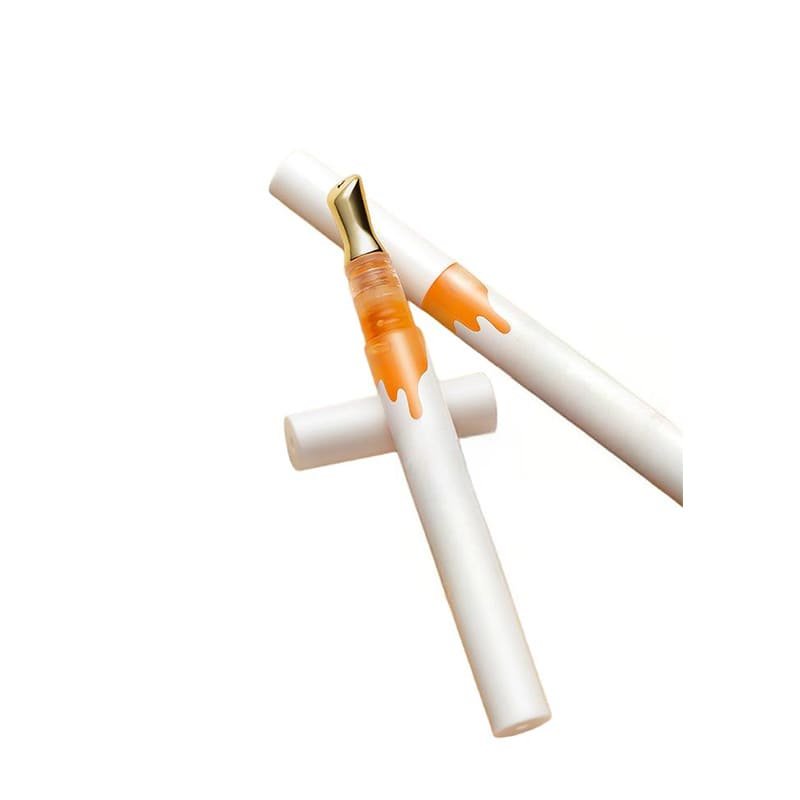
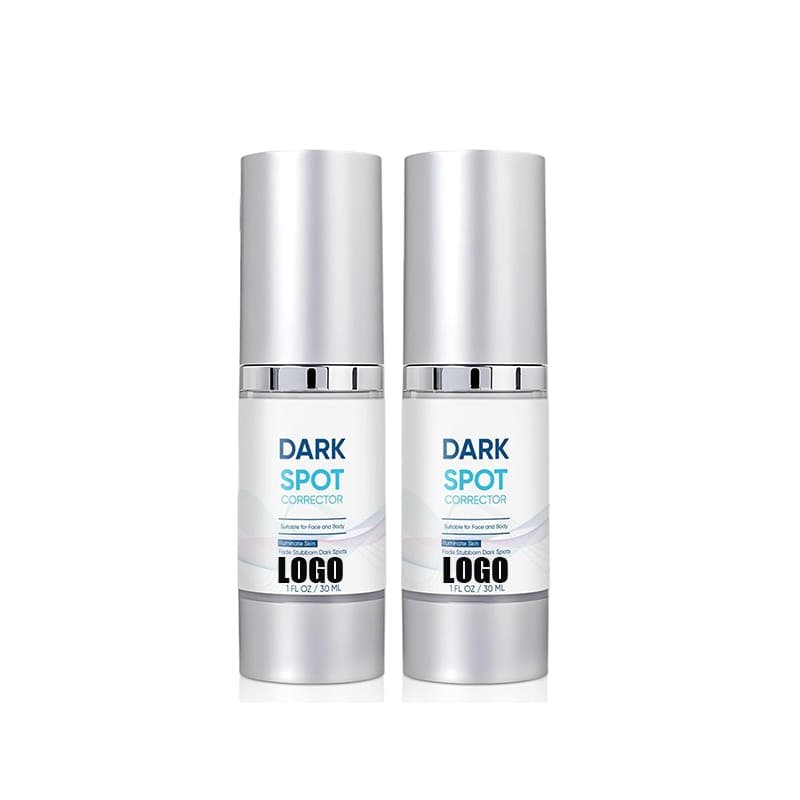
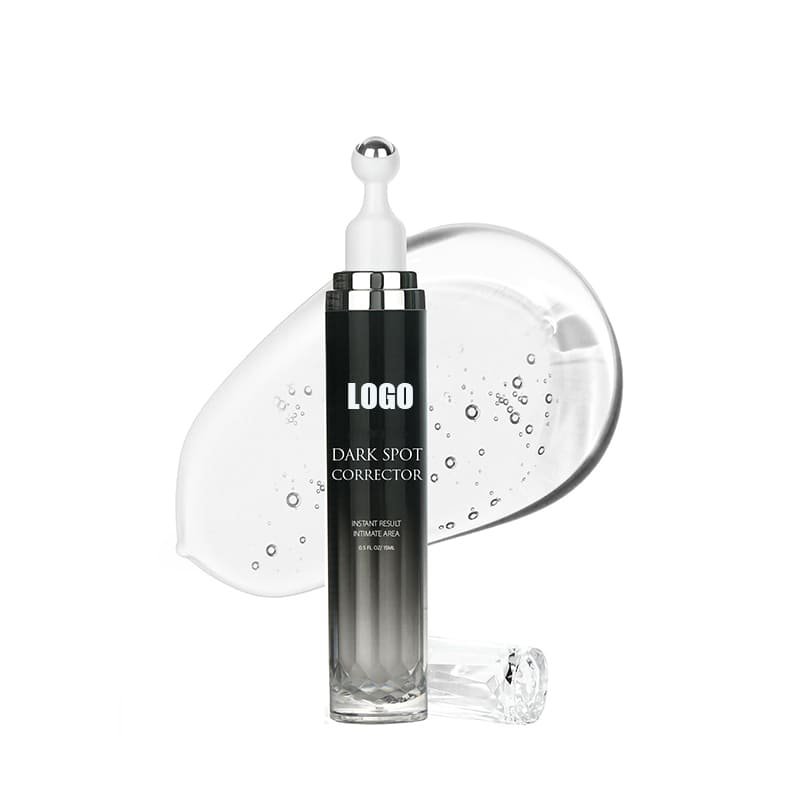
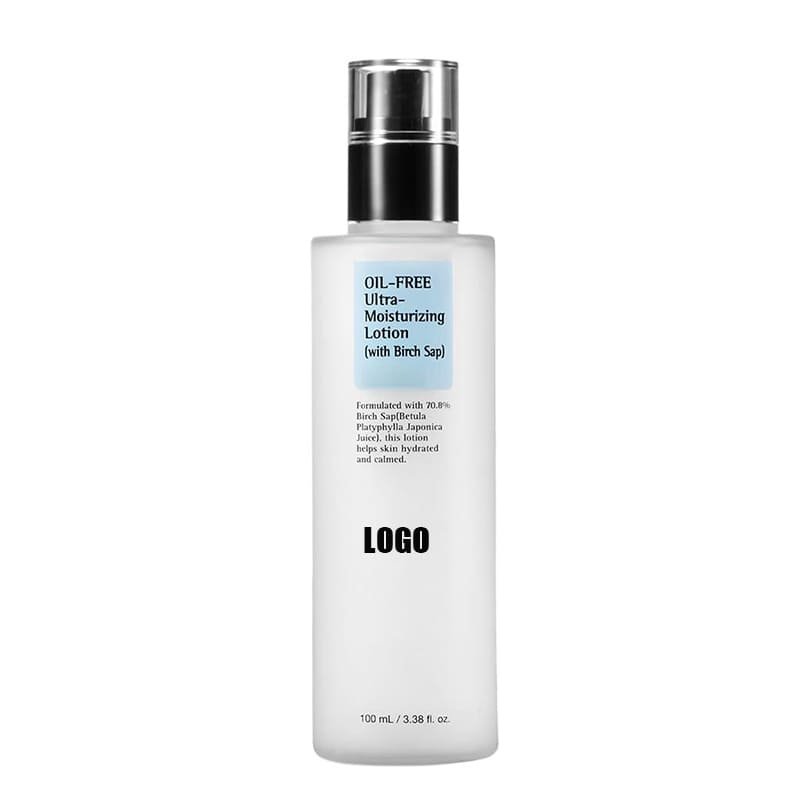
Packaging is not just about “which bottle looks nice”. For a full skincare line, packaging is a system: a set of bottles, jars, pumps and tubes that share the same visual DNA and work across multiple SKUs and future extensions.
When you leave packaging decisions until the very end, three things usually happen:
- Your line looks inconsistent – too many shapes, heights and materials on shelf.
- Your MOQs and costs go up because each SKU uses a different mold and different supplier.
- Your launch date moves because packaging lead times were not planned with formulas.
To avoid this, include a packaging section in your brief that answers:
What should be the core packaging family?
For example: a modern airless family (bottles + jars) or a glass + dropper look, or minimal tubes and bottles for dermocosmetic positioning.
Which volumes make sense for each SKU?
Typical ranges: 30 ml for serums, 40–50 ml for eye creams or SPF, 50 ml for face creams, 100–150 ml for cleansers, 100–200 ml for toners.
Which materials fit your brand and channels?
Glass for a premium feel, PET or recycled PET for lighter shipping and online channels, PP airless for sensitive formulas, mono-material options for easier recycling.
Which visual codes should repeat across the line?
Cap color, pump style, label layout, accent color bands for different concerns (hydrating, brightening, repairing), and finishes such as matte vs glossy surfaces.
Zerun Cosmetic’s packaging factory works with more than 3000 existing molds for bottles, jars and tubes. When we receive a clear packaging brief, we can quickly match your desired look and volumes to existing options – or, if your volumes justify it, discuss custom mold development and long-term line architecture.
Packaging system template:
| SKU # | Product type | Volume | Preferred pack format | Material preference | Visual notes |
|---|---|---|---|---|---|
| 1 | Cleanser | 150 ml | Soft-touch pump bottle | PET / PCR PET | White bottle, soft-grey pump |
| 2 | Toner | 120 ml | Slim bottle with small orifice | PET / Glass | Frosted bottle, minimal label |
| 3 | Serum | 30 ml | Airless pump or glass dropper | Airless PP or glass | White airless with accent color ring |
| 4 | Anti-aging serum | 30 ml | Prestige glass dropper | Glass | Amber glass, matte label |
| 5 | Cream | 50 ml | Low jar or airless jar | PP / Acrylic-free | White jar, soft-touch lid |
| 6 | Eye cream | 15–20 ml | Slim airless or metal-tip tube | PP / Aluminium tip | Narrow applicator, medical look |
| 7 | Overnight mask | 50–80 ml | Low jar | PP / PET | Clear jar with inner lid |
| 8 | Facial SPF | 40–50 ml | Compact pump tube | Laminated tube | Travel-friendly, precise nozzle |
You can use this table as a starting point and adjust the volumes, formats and notes to match your brand idea. When you send this along with your line map and texture preferences, your OEM can:
- Suggest existing molds that fit your system and keep MOQs manageable.
- Highlight where packaging and formula need to be aligned (for example, viscous creams needing certain pumps, or UV-sensitive actives needing opaque packs).
- Plan ahead for future SKUs that could reuse the same packaging family, lowering your long-term costs.
A clear packaging system in your brief makes your line look intentional and professional – and makes your manufacturer’s job much easier, from sourcing and printing to filling and final packing.
Step 6 – Set realistic MOQs, budget levels and timelines
Your OEM brief should state expected MOQs per SKU, overall launch budget level and a realistic timeline from brief to shipment. This tells the manufacturer whether to use mature bases or deeper custom R&D, which packaging options fit, and how to plan capacity.
Even the best formula and packaging ideas will struggle if your MOQ, budget and timing expectations are unrealistic. Many brands lose months because they ask for “premium textures at entry-level cost” or want a complex eight-SKU line ready “in two months” for multiple markets.
Your brief does not need exact numbers for every item, but it should provide ranges and priorities so your OEM can design a realistic development and production plan.
Think about three dimensions:
MOQ strategy for your first launch
Do you want to keep risk low with 500 pcs per SKU, or are you ready for higher volumes on hero products? Are you planning kits that group several SKUs together?
Budget level per SKU
Not every product needs the same level of investment in actives, packaging and testing. Your hero serum may justify a premium budget, while a basic cleanser can stay more cost-efficient.
Timeline
How much time do you truly have from brief to first delivery, including sampling, approvals, packaging and transport? Are you working towards a specific season, retailer slot or launch event?
At Zerun Cosmetic, we use these inputs to choose between mature formula platforms (faster, more cost-efficient) and deeper custom R&D (more unique, but more time-consuming). We also coordinate with our packaging and printing factories to align lead times, so your SKUs are ready together instead of in a chaotic sequence.
MOQ & budget planning:
| SKU # | Product role | Planned first MOQ (pcs) | Budget level (Entry / Balanced / Premium) | Notes |
|---|---|---|---|---|
| 1 | Cleanser | 500–1000 | Entry / Balanced | High volume, more cost-sensitive |
| 2 | Toner | 500–1000 | Balanced | Key sensorial step |
| 3 | Niacinamide serum | 500–1000 | Balanced / Premium | Hero SKU, allow higher active cost |
| 4 | Anti-aging serum | 500–1000 | Premium | Smaller volume, higher perceived value |
| 5 | Barrier cream | 500–1000 | Balanced | Everyday “workhorse” product |
| 6 | Eye cream | 500 | Premium | Niche but important for brand positioning |
| 7 | Overnight mask | 500 | Balanced | Seasonal or campaign hero |
| 8 | SPF | 500–1000 | Balanced / Premium | Needs stronger testing and packaging focus |
You can adjust these numbers and labels according to your strategy. The important part is that the OEM sees which SKUs can be simplified and which deserve extra investment.
Timeline roadmap:
| Phase | Main activities | Your target timing | Notes |
|---|---|---|---|
| Brief & alignment | Fill brief, call with OEM, confirm scope | Week 0–2 | All SKUs and markets agreed |
| Concept & formula proposal | OEM proposes formula routes + packaging options | Week 2–4 | You choose directions |
| Sampling round 1 | Lab samples prepared and shipped | Week 4–8 | You test, collect structured feedback |
| Sampling round 2 / adjustments | Tweaks to texture, actives, fragrance | Week 8–12 | Final approval per SKU |
| Packaging confirmation | Final packs selected, artwork, printing files | Week 8–12 | Dielines and print proofs approved |
| Pilot / first batch production | Bulk production, filling, packing | Week 12–16 | Optional pre-shipment inspection |
| Shipment | Export docs, logistics, customs | Week 16–20 | Sea / air choice affects arrival date |
You can share this filled timeline with your Zerun project manager. It becomes a shared reference that keeps everyone honest about what can and cannot fit into your launch window.
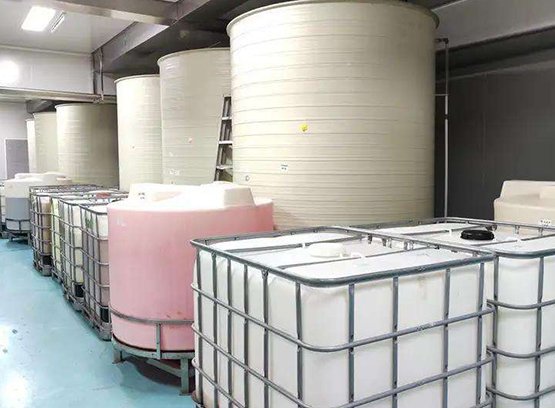
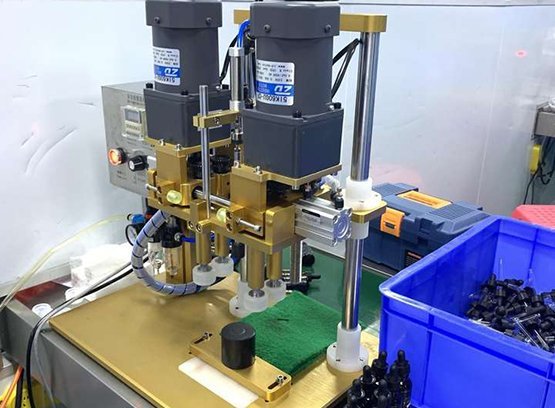
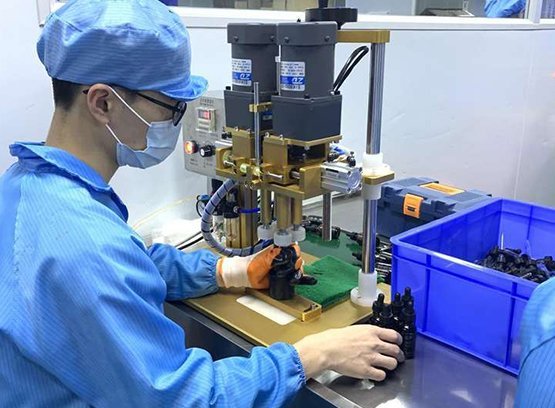
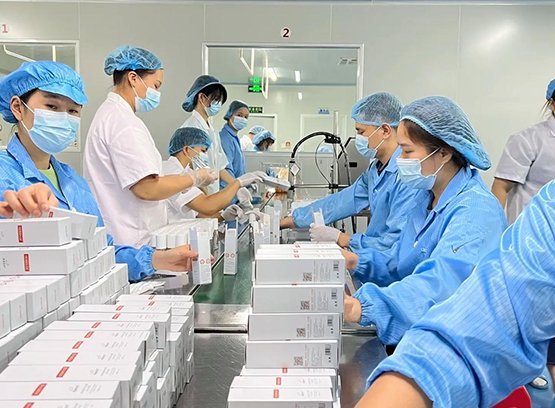
OEM Process flow chart


Step 7 – Use this OEM brief template to structure your request
You can copy-paste this brief template into a document or email. Fill each section with your decisions and examples. A clear, structured brief means fewer emails, faster samples and a skincare line that looks, feels and performs exactly as your brand needs.
Brief sections checklist:
| Section | What to include | Completed? (Yes/No) |
|---|---|---|
| 1. Brand & project overview | Brand story, channels, price tier, launch markets, timing | |
| 2. Line mapping | List of planned SKUs, roles, skin types and concerns | |
| 3. Benchmark products | Links, liked/not liked points for each reference | |
| 4. Textures & sensorials | Desired textures, finishes, absorption, fragrance directions | |
| 5. Hero actives & black list | Preferred actives, “avoid” ingredients or categories | |
| 6. Claims & compliance boundaries | Target claims, no-go claim types, required markets | |
| 7. Packaging system | Pack families, volumes, materials, visual codes | |
| 8. MOQ & budget level | First MOQs, budget levels per SKU | |
| 9. Testing expectations | Stability, compatibility, extra tests if needed | |
| 10. Logistics & documentation | Shipping preferences, documents required (COA, MSDS, certs) |
You can adjust these numbers and labels according to your strategy. The important part is that the OEM sees which SKUs can be simplified and which deserve extra investment.
How to use this template with Zerun Cosmetic
- Copy the sections into your own document or email.
- Add your answers, links and comments under each heading.
- Mark anything you are unsure about as “open to OEM suggestions” instead of leaving it blank.
- Attach photos or links to your favorite competitor products for feel, packaging and overall story.
When Zerun receives a brief in this format, we can:
- Hold an efficient kick-off call where we clarify details instead of starting from zero.
- Prepare a coherent formula and packaging proposal that treats your skincare line as a system, not as isolated products.
- Give you realistic expectations on sampling rounds, lead times and documentation for your target markets.
The result is simple: fewer surprises, fewer misunderstandings, and a much higher chance that your first production run looks and performs like the brand you had in mind.
You can share this filled timeline with your Zerun project manager. It becomes a shared reference that keeps everyone honest about what can and cannot fit into your launch window.

How Zerun Cosmetic turns a good brief into a complete skincare line
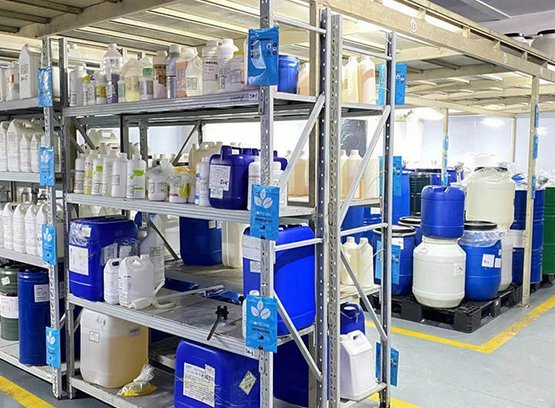
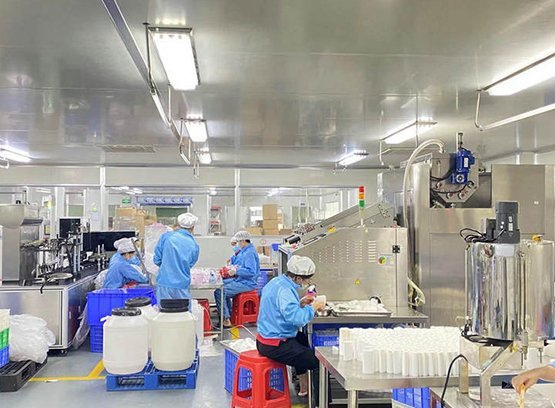
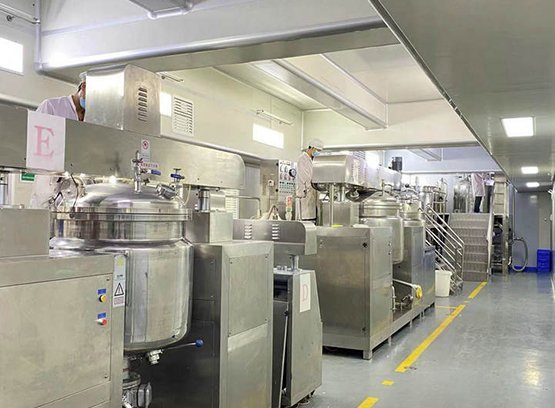
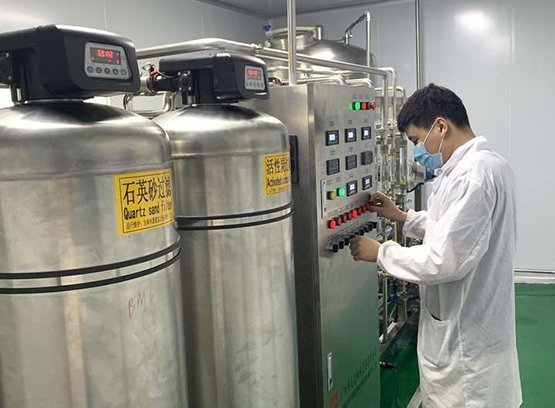
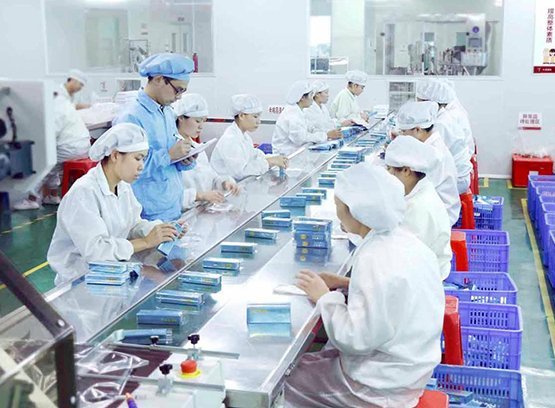
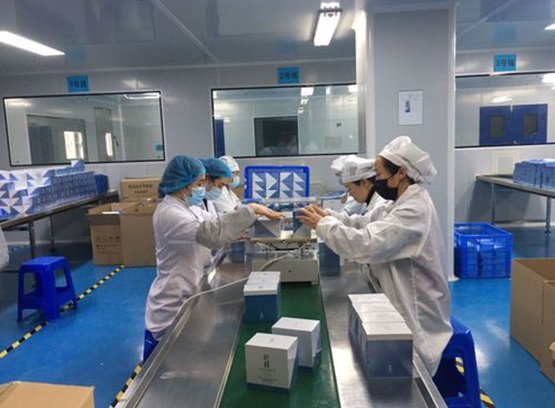
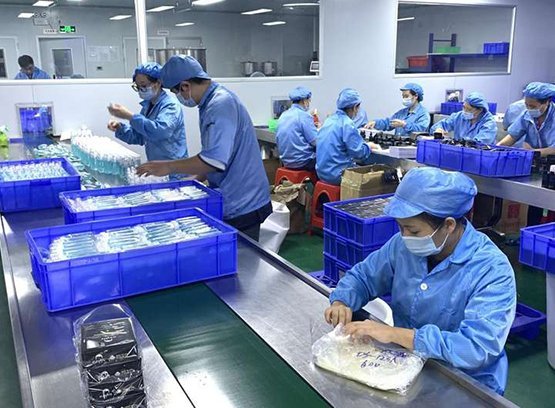
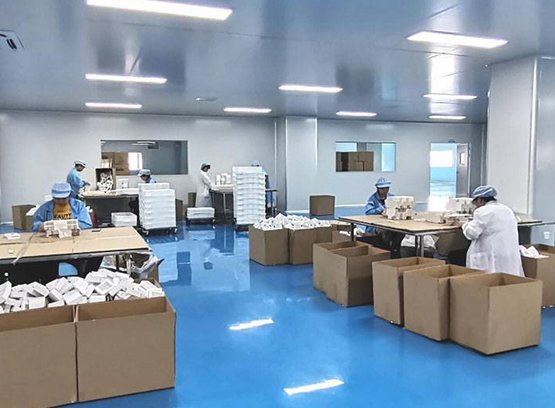
With four specialized factories, over 5,000 mature formulas and 26 R&D chemists, Zerun Cosmetic can translate a clear brief into a full skincare line: from lab concept and customized packaging to printing, international shipping and long-term line extensions.
Playlist
0:16
0:16
0:16

A strong brief is only useful if your OEM has the capability to act on it. Zerun Cosmetic is structured specifically for full-line development: we do not just fill one bottle and send you elsewhere for packaging or printing. Instead, we connect formulation, packaging, design and export into one continuous workflow.
Full-chain manufacturing capability
Personal care factory
Skincare, body care and haircare products across creams, lotions, gels, serums, masks, toners and cleansers. More than 5,000 mature formulas across brightening, anti-aging, barrier repair, acne, scalp care, hair growth and more.
Packaging factory
Over 3,000 molds for bottles, jars and tubes in glass, PET, PP, aluminium and more. Options for standard packs, travel sizes and, when volumes justify, custom mold development for signature shapes.
Printing and packaging factory
Custom boxes, labels, sleeves and gift sets with a range of finishes such as hot stamping, embossing, UV and matte coatings. Design support to translate your brand story into consistent on-shelf and online visuals.
Raw material factory and partner network
Access to global active and base ingredient suppliers, plus in-house R&D on functional ingredients. This allows us to combine high-performance actives with competitive cost and secure supply.
Line-level thinking, not one-off products
When we receive your line brief, our team does not treat each SKU as a separate, isolated project. Instead, we:
- Look for shared base systems that can support multiple SKUs with different actives or fragrances.
- Identify hero products that should receive deeper R&D and higher active budgets.
- Plan a coherent packaging system that works across your current SKUs and future extensions.
- Propose a development and production roadmap that balances speed, cost and performance.
This way, your cleanser, toner, serums, creams and SPF do not feel like products from five different brands. They fit together visually, technically and commercially.
Mini case story 1 – US indie brand, hydrating & brightening routine
A US indie brand approached us with a simple question: “Can you make a hydrating water-gel cream for face, 2 oz, with EU-certified ingredients and a custom label?”. We used the same line-briefing structure from this page to expand their idea into a full routine.
- We mapped a five-SKU line: cleanser, toner, hydrating serum, water-gel cream and brightening night mask.
- We proposed textures and actives suited for combination and sensitive skin in North America.
- We selected a unified packaging family with consistent volumes and matching labels.
The brand launched with a cohesive line instead of a single cream, which improved repeat purchase and made their online story more credible.
Mini case story 2 – Hair and body line around Batana and rice water
A Canada and US Amazon-focused company came to Zerun with interest in batana hair growth oil, batana body butter and rice water shampoo. The initial request was for private label products with custom logos and DDP shipping.
- We used their hero ingredients, batana oil and rice water, to build a connected ingredient story across hair and body.
- We aligned packaging formats and label design so all products clearly belonged to the same family.
- We coordinated formula, packaging and DDP logistics to Amazon warehouses, simplifying their operations.
Mini case story 3 – Men’s grooming: face, beard and scalp kits
A men’s grooming brand wanted to create complete kits, including shaving products, beard care and scalp care, all under one OEM partner.
- We mapped separate but connected routines for face care and beard/scalp care.
- We proposed formula stacks built around vitamin C, vitamin E, oil-control and hydration for men’s skin.
- We designed kit packaging that could be used for barbershops, e-commerce and gifting.
In each case, the starting point was not a product catalogue – it was a smart brief. Once that was in place, Zerun took responsibility for turning it into a consistent, manufacturable skincare or personal care line.
FAQ – Briefing a cosmetic OEM for a complete skincare line
Q: How detailed does my brief need to be for a first conversation?
A: For the very first conversation, your brief does not have to be perfect or final, but it should cover the basics: brand concept, target markets, main channels, rough SKU count, key concerns (brightening, acne, barrier repair, anti-aging) and your preferred launch window. If you can also share a simple line map and 3–5 competitor products you like, your OEM can give far more accurate feedback than if you only say “I want a serum and a cream”.
Q: Can Zerun help me refine my brief if I only have competitor links and rough ideas?
A: Yes. Many of our projects start with nothing more than competitor links, a moodboard and a target region. In those cases, we use a guided call and our internal brief template to turn your ideas into a structured document. We will ask about skin types, climate, claims, packaging direction, MOQs and timeline, then send you a clear summary to confirm before we move into formula and packaging proposals.
Q: Do I need final packaging designs before talking to the OEM?
A: You do not need final artwork or print-ready files before talking to your OEM, but you should have a sense of what kind of packaging system you want. For example: airless bottles and jars, glass droppers, minimal tubes, or a mix. Once we know the desired look, volumes and materials, our packaging and printing teams can propose suitable molds and dielines. Design work can then happen in parallel with formula development instead of delaying the project.
Q: What if I don’t know the exact actives or percentages I want in each formula?
A: You do not need to specify exact percentages in your brief. It is more helpful to describe what you want the formula to achieve and what kind of claim intensity you are aiming for. For example, “strong brightening for post-acne marks” or “gentle barrier repair for sensitive skin”. If you mention a few preferred hero ingredients and any ingredients you absolutely want to avoid, Zerun’s R&D team can propose appropriate active stacks and use levels based on your markets and positioning.
Q: How many SKUs should I launch in my first skincare line?
A: There is no single correct number, but most successful first lines launch with 3 to 8 SKUs. A typical structure is: cleanser, toner/essence, one or two serums, one cream, and optionally an eye product, mask or SPF. The goal is to cover a complete routine without overwhelming your customers or your budget. You can always extend the line later once you see which SKUs perform best and which concerns need deeper solutions.
Q: Can I start with existing formulas and later move to deeper custom R&D?
A: Absolutely. Many brands begin with mature, proven formulas adapted with their own packaging, fragrance and branding, especially when they are testing a new market or channel. Once sales are stable and feedback is clear, we can then develop deeper custom R&D for hero SKUs or new lines. Starting this way reduces risk and speeds up your first launch while still leaving room for more unique, advanced formulas later.
Q: How many sampling rounds are realistic before final approval?
A: Most well-structured projects need one to two main sampling rounds per SKU. If your brief is clear on textures, actives, markets and claims, the first round is usually very close. The second round then focuses on fine-tuning feel, fragrance and minor details. Extra rounds may be needed if your preferences change significantly during the project, or if you adjust markets and claims mid-way, so a precise brief helps keep sampling focused.
Q: What happens if retailers or regulators request changes after launch?
A: If a retailer or regulator flags an issue with claims, labelling or ingredients, the first step is to review the feedback together. In many cases, small adjustments to wording, layout or documentation are enough. If formulation changes are required, we will evaluate the impact on performance, stability and cost, then propose a revised roadmap. A clear brief and sound initial decisions reduce the chance of major changes later, but Zerun can support you in managing updates when markets or regulations evolve.
Start To brief Your cosmetic oem skincare line Today
You do not need a huge team or an in-house lab to build a serious skincare line. You need a clear brief, a capable manufacturing partner, and a roadmap that turns your ideas into stable, compliant, beautiful products your customers actually rebuy.