Skip to content
OEM & ODM Solutions for Growing Beauty Brands
As beauty brands grow, they need more than a one-off supplier. Zerun Cosmetic acts as an OEM/ODM partner for skincare, hair care and body care brands that want reliable manufacturing, smarter product architecture and realistic roadmaps across channels and regions – not just a price list.
Table of Contents
Can't find the answers?
No worries, please contact us and we will answer all the questions you have during the whole process of leather goods customization.
Who we support as OEM & ODM beauty brand partners?
We partner with growing beauty brands that already sell products and now need structured OEM/ODM support – from DTC skincare labels and multi-category brands to clinics, salons, spas, retailers and distributors looking for a more reliable, long-term manufacturer.
Partner profiles we serve
- Brand maturity and profiles
- Scaling DTC and marketplace brands
- Established skincare and hair care brands
- Multi-brand groups and house-of-brands structures
- Clinic, salon and spa brands formalising OEM relationships
- Retailer and distributor-led own-label projects
- Typical triggers for OEM/ODM search
- Supply issues or quality inconsistency with current factories
- Desire to move from basic private label to more differentiated formulas
- Need for stronger documentation and compliance support
- Plans to enter stricter markets (EU/US, etc.) or new channels
- How we frame early conversations
- Clarify your current assortment and performance
- Identify gaps, risks and growth opportunities
- Decide where OEM vs ODM vs private label makes most sense
Example growing beauty partner profiles
| Partner Type | Main Channels | OEM/ODM Needs | Typical Project Start Point |
|---|---|---|---|
| DTC skincare brand | Own site, marketplaces | Reliable scaling and new SKUs | Move key SKUs to new factory + develop 2–4 new products |
| Multi-category beauty brand | Retail, DTC | Cross-category OEM partner | Consolidate skincare, body and hair with fewer manufacturers |
| Clinic / salon / spa brand | On-site + online | Treatment + retail OEM support | Build or refine house-branded lines around core services |
| Distributor / retailer brand | Retail + pharmacy | Regional adaptation and documentation | Localise or rebuild SKUs for new markets while ensuring compliance |
What product categories and ranges we manufacture for your brand?
We manufacture facial skincare, body and hand/foot care, hair and scalp products plus selected niches like men’s grooming, pet, intimate, tan, tattoo, sports and spa/clinic care, so your brand can grow multiple categories under one coordinated OEM/ODM partner.

Facial skincare
- Cleansers, toners, essences, serums, creams, masks
- Eye, lip, neck and specialised treatment products

Body and hand/foot care
- Lotions, creams, butters, scrubs, washes
- Hand and foot creams, heel balms, targeted care

Hair and scalp care
- Shampoos, conditioners, masks, leave-ins, serums
- Scalp tonics and treatments for specific concerns


Niche and specialised lines
- Men’s grooming, beard care and kits
- Pet, intimate, tan, tattoo, sports & muscle relief
- Spa, bath, aromatherapy and clinic-adjacent care
Example cross-category capability overview
| Category | Example Product Types | Typical Brand Use Case |
|---|---|---|
| Facial skincare | Cleansers, serums, creams, masks | Core skincare ranges, hero product extensions |
| Body & hand/foot | Lotions, butters, scrubs, hand/foot creams | Companion body lines and gifting |
| Hair & scalp | Shampoo, conditioner, mask, scalp serum | Add-on category for face/body-led brands |
| Men’s & niche | Beard care, men’s kits, pet/intimate/tan/tattoo | Category expansion and vertical brand concepts |
| Spa & clinic | Spa rituals, post-treatment care, aroma lines | Professional back-bar + retail extensions |
OEM vs ODM – which collaboration model makes sense for your beauty brand?
If you already own formulations, OEM keeps your IP while we scale manufacturing. If you need new concepts or upgrades, ODM and hybrid models use our platforms and R&D to co-develop differentiated products matched to your strategy and channels.
Collaboration models
- OEM (your formulas, our manufacturing)
- You bring formula, process or tech transfer documentation
- We industrialise, scale and manufacture under agreed specs
- Ideal when formula IP and positioning are already set
- ODM (our platforms, co-developed formulas)
- We propose base systems and active directions
- Together we refine textures, actives and claims emphasis
- Good for faster innovation with shared expertise
- Hybrid and stepwise approaches
- Start with ODM or private label, move to more custom over time
- Combine OEM for existing SKUs plus ODM for new concepts
- Adapt level of innovation based on category, risk and channel
OEM/ODM model comparison
| Model | When It Fits | You Provide | We Provide |
|---|---|---|---|
| OEM | You own existing formulas and IP | Formula files, specs, quality standards | Scale-up, manufacturing, quality systems |
| ODM | You want new products with our R&D support | Brief, benchmarks, brand strategy | Concept, formulas, sampling, optimisation |
| Hybrid | Mix of legacy and new, or gradual evolution | Existing SKUs + new ideas | OEM on some SKUs, ODM on others, long-term roadmap |

How does our OEM/ODM development process work from brief to launch?
Projects move through clear phases: discovery and scoping, concept and feasibility, formulation and sampling, validation and testing, then packaging, artwork and production. At each step we align performance, cost, timing and documentation so your team always knows next actions.
Development workflow
- Step 1 – Discovery and scoping
- Review your brand, portfolio and target markets
- Define project scope, concerns, price tiers and deadlines
- Decide which SKUs are priority and which can wait
- Step 2 – Concept and feasibility
- Benchmark key reference products and competitor lines
- Propose concept directions, textures and active stacks
- Validate feasibility against regulations, cost and timelines
- Step 3 – Formulation and sampling
- Lab development and first-round samples
- Structured feedback rounds (texture, fragrance, claim fit)
- Refinement cycles until formulas and sensorials are agreed
- Step 4 – Validation and pre-production
- Stability and compatibility testing as agreed
- Additional tests (tolerance, consumer, clinical-style) where needed
- Pre-production samples and final specification sign-off
- Step 5 – Packaging and artwork integration
- Align formula, pack and artwork (claims, INCI, usage)
- Check pack compatibility and filling assumptions
- Prepare for production with clear component timelines

What regulatory, testing and documentation support can Zerun provide?
We help map target regions and channels, propose appropriate stability, compatibility, tolerance and consumer tests, then compile INCI, specifications and test summaries so you can satisfy retailers, clinics, pharmacies and platforms while staying realistic about cost and timelines.
Compliance and testing planning
- Regulatory mapping
- Clarify target regions and regulatory frameworks
- Identify documentation expectations by channel (pharmacy, clinic, online, retail)
- Flag ingredient/claim sensitivities early in the project
- Testing options
- Stability and compatibility as baseline
- Patch/tolerance tests for sensitive or face-focused products
- Consumer perception studies for hero SKUs
- Additional testing (e.g. clinical-style) discussed case by case
- Documentation deliverables
- INCI lists, product data sheets, quality-related documents where applicable
- Test summaries, usage guidelines and claim support dossiers
- Assistance with retailer and platform questionnaires based on available data

How do we align packaging, branding and line architecture with your growth plan?
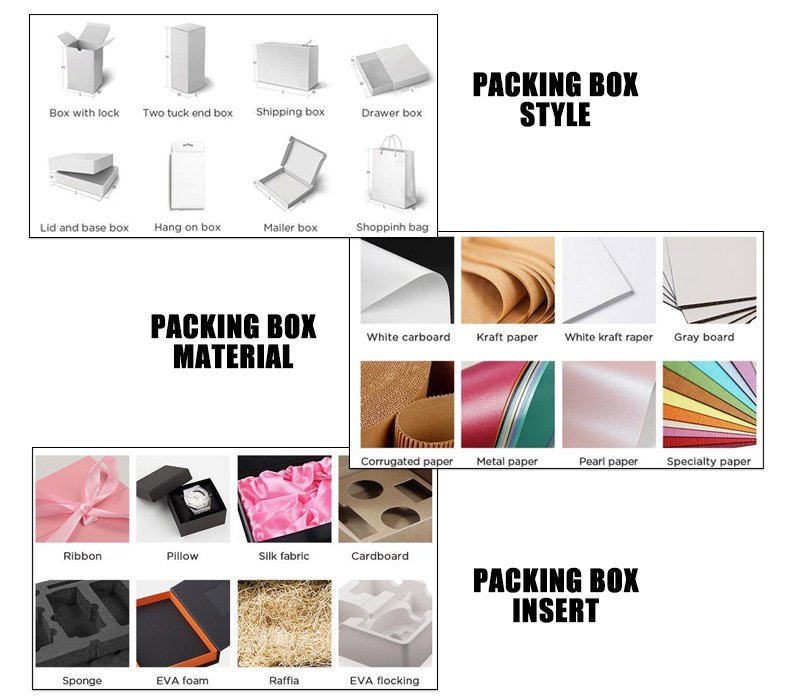
We design packaging families and line structures that fit your brand story, channels and logistics: coherent bottle and tube systems, clear tiering across ranges and sizes, and architecture that can extend into new categories without fragmenting your visual identity.
Packaging and line architecture strategy
- Packaging families and systems
- Families of bottles, tubes, jars, pumps and droppers
- Distinct but related looks for different concern or price tiers
- Consistency between back-bar, retail and travel sizes
- Channel and logistics considerations
- Packs that are robust for e-commerce and FBA
- Shelf presence and facing strategies for retail and pharmacy
- Space and handling constraints in spas, salons and clinics
- Line architecture and naming
- Group SKUs into clear ranges (e.g. Hydration, Brightening, Men’s)
- Harmonise naming, visuals and claims across categories
- Design extensions so future launches fit naturally into existing structure
MOQs, cost models and phased roadmaps
We map MOQs by format and packaging, identify key cost levers and propose phased launches. You start with the most strategic SKUs, share components where sensible, then expand into further categories once performance and cash-flow are proven.
Volume, cost and roadmap strategy
- MOQ and volume planning
- MOQ bands for core categories (skincare, hair, body, niche)
- Shared components or bases to optimise volume where sensible
- Advice on which SKUs must launch together vs later phases
- Cost and margin modelling
- Raw materials, actives and fragrance complexity
- Packaging type, material and decoration impact
- Pack sizes tuned to target retail prices and desired margins
- Roadmap phasing
- Phase 1: secure or migrate core SKUs and must-have launches
- Phase 2: add supporting SKUs and category expansions
- Phase 3: develop more advanced or higher-risk innovations

How does a long-term OEM/ODM partnership with Zerun help your portfolio grow?
Over time we help you stabilise supply, rationalise underperforming SKUs, refresh ageing formulas and design new concepts. As trust grows, more categories and regions can be consolidated under one OEM/ODM roadmap, reducing operational complexity while building a stronger portfolio.
Playlist
0:16
0:16
0:16

Collaboration journey with Zerun
- Onboarding and first wave
- Migrate or launch priority SKUs with stable supply
- Align on documentation, packaging and claim frameworks
- Put basic forecasting and reorder logic in place
- Optimisation and expansion
- Review early data and feedback by channel and region
- Optimise underperforming SKUs or upgrade older formulas
- Extend into adjacent categories or new price tiers
- Long-term portfolio strategy
- Plan annual or seasonal innovation cycles
- Build category-specific or region-specific sub-ranges
- Use learnings from OEM projects to inform future ODM or custom R&D


Case study: How brands chose between private label and OEM/ODM?
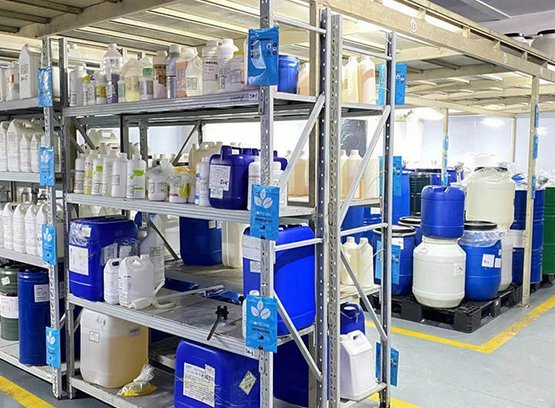
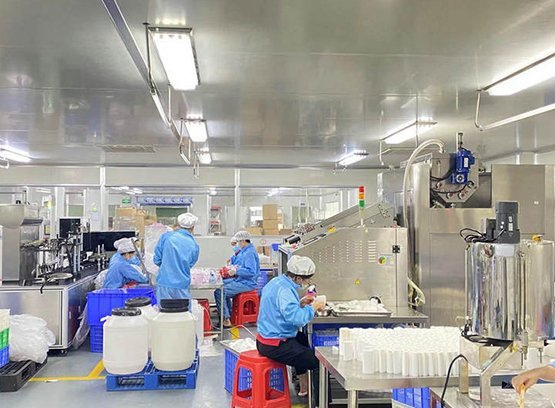
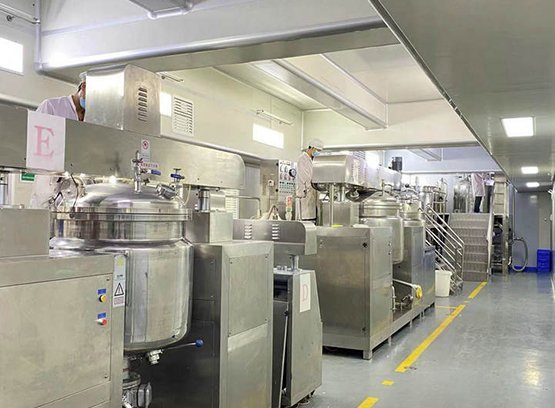
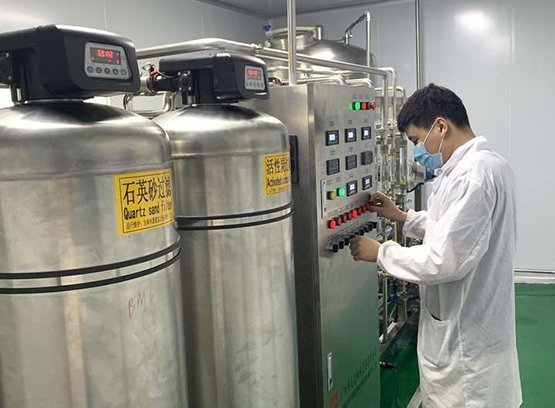
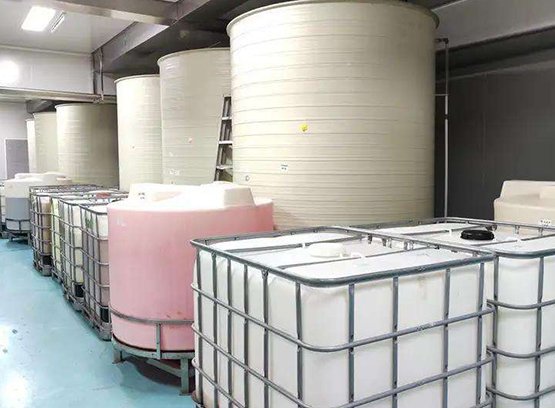
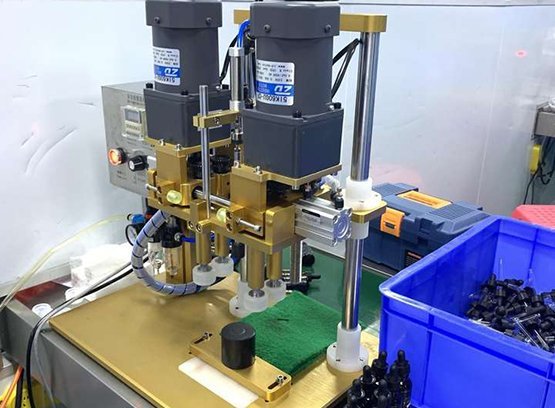
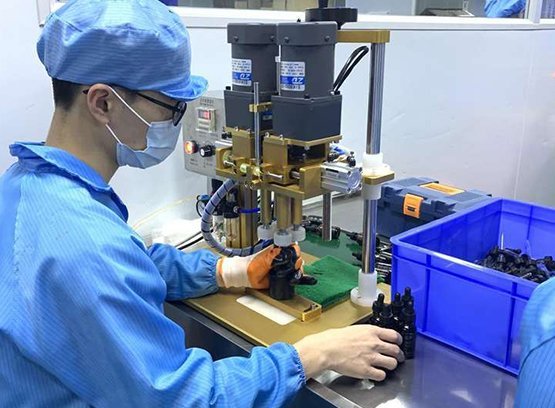
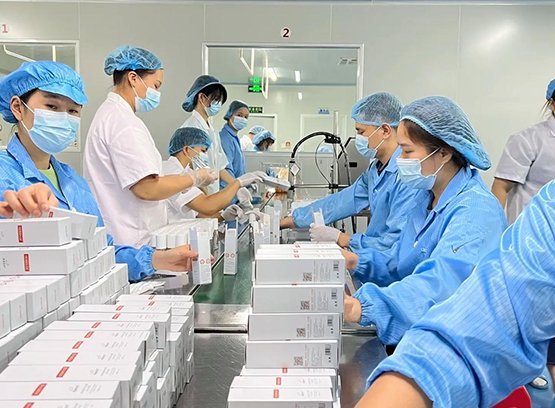
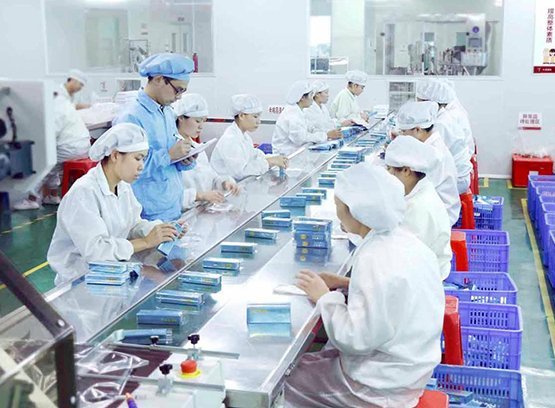
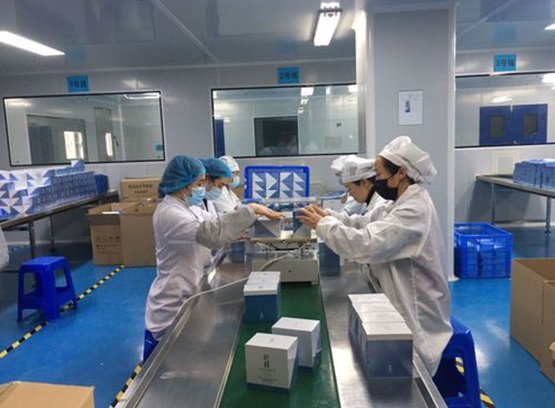
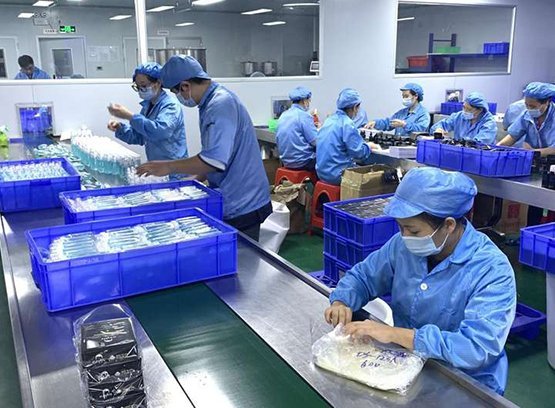
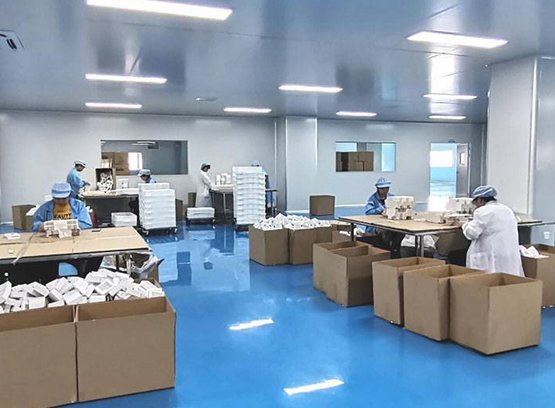
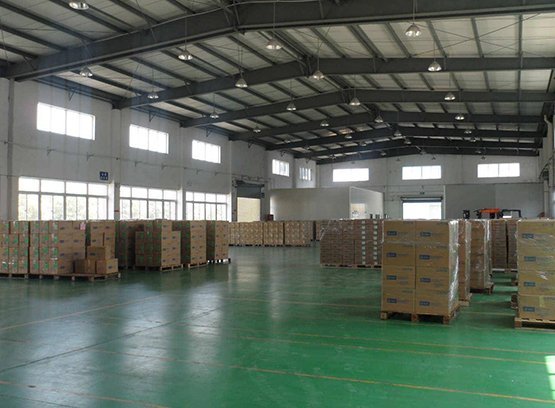
With four specialized factories, over 5,000 mature formulas and 26 R&D chemists, Zerun Cosmetic can translate a clear brief into a full skincare line: from lab concept and customized packaging to printing, international shipping and long-term line extensions.
Mini case story 1 – US Amazon brand: start private label, then upgrade serums
A new US Amazon brand wanted to enter the brightening and hydrating skincare niche with limited team size and no in-house chemist. They needed professional-looking products, but their main goal was to test category, pricing and marketing angles as fast as possible.
- We helped them choose a small private label line: cleanser, toner, hydrating serum and cream, all based on proven formulas.
- They selected packaging from existing bottles and jars and focused their energy on branding, listing optimisation and reviews.
- After one year, two serums emerged as clear heroes. We then upgraded these to custom formulas, keeping the same global concept but strengthening the active stacks and textures.
This path let them move from “generic-looking” to more unique over time, using real sales data as their guide.
Mini case story 2 – European derm-style brand: direct to custom for sensitive skin
A European brand approached us with a clear mission: a line for sensitive, redness-prone skin that would be sold in pharmacies and clinic-like environments. Their brand promise depended on tolerance, barrier repair and careful ingredient selection.
- From the start, we recommended a full custom route for their core cleanser, serum and cream.
- We worked within strict requirements around surfactants, fragrance, allergens, preservatives and pH, and we designed textures that felt medical yet pleasant.
- For some secondary SKUs (like hand cream and body lotion), we used customized private label bases aligned with the same positioning.
Here, generic formulas would not have supported their claims or retailer expectations. Custom development was a strategic necessity, not a luxury.
Mini case story 3 – Middle Eastern salon chain: hybrid model for in-salon and retail
A salon chain in the Middle East wanted both professional in-salon treatments and retail sets clients could take home. They needed:
- Distinctive, sensorially rich formulas for in-salon use, and
- A reliable, scalable line for retail shelves without excessive R&D.
We proposed a hybrid plan:
- In-salon hero treatments (masks, serums, intensive creams) were built as custom formulas, co-created with the salon team to match their treatment protocols.
- The retail line used customized private label products with coordinated packaging and scents, keeping lead times and complexity under control.
This way, the chain gained both signature professional products and an accessible retail range, while managing risk and timelines.
FAQ – Frequently Asked Questions about OEM & ODM for Growing Beauty Brands
Q1: How do I know if my brand is ready for an OEM/ODM partnership?
You are ready when you already sell products and now need more structured supply, better quality, more SKUs or new regions, not just one-off “cheap” production.
You have at least one product or line already in market.
You need a more reliable factory or more capacity.
You want to expand categories, regions or channels.
You are thinking in 6–24 month roadmaps, not one shipment.
Q2: What is the difference between OEM, ODM and private label in practice?
OEM means we manufacture your existing formulas; ODM means we co-develop formulas based on our platforms; private label uses ready or lightly customised formulas under your brand.
OEM: your IP, our manufacturing.
ODM: our platforms + your brief = new formula.
Private label: fastest route, lower development cost.
Many brands use a mix, depending on SKU and risk.
Q3: Can a growing beauty brand start small with MOQ and still work with Zerun?
Yes, we can start with focused SKUs, shared components and realistic MOQs, as long as the project is serious and part of a longer-term brand plan.
Start with key SKUs or one hero routine.
Group formats or packaging where sensible.
Increase volumes as demand proves itself.
Use early results to plan later phases.
Q4: How long does it usually take from OEM/ODM brief to first shipment?
Typical lead time from clear brief to first production run is several months, depending on formula complexity, tests, packaging choices and how fast feedback and approvals happen.
Concept and sampling often takes several weeks.
Tests and packaging decisions add extra time.
Final production scheduling depends on line capacity.
Good planning early reduces delays later.
Q5: Can Zerun help if I want to move existing SKUs from another factory?
Yes, we can review your current formulas and documents, then propose OEM transfer, re-development or close equivalents, depending on what information and rights you actually have.
Check if you legally own or can access formulas.
Review documentation and regulatory status.
Decide between exact tech transfer or reformulation.
Plan transition to avoid gaps in your supply.
Q6: How do you handle compliance for EU, US and other strict markets?
We help map target regions, choose suitable ingredients and tests, and prepare documentation that supports your regulatory strategy, while staying within cosmetic, not drug, categories.
Identify which markets are priority now vs later.
Flag sensitive ingredients and claim language early.
Align tests with your channels and budgets.
Provide supporting documents within agreed scope.
Q7: Can you support brands that sell on Amazon, DTC and retail at the same time?
Yes, we design formulas, packaging and claims that can work across multiple channels, while adjusting pack sizes, artwork details and storytelling for Amazon, DTC and offline shelves.
Strong core formulas usable across channels.
Packs and sets tuned to e-commerce and retail.
Claims and visuals adjusted per listing context.
Roadmaps that consider each channel’s requirements.
Q8: What information should I prepare before sending an OEM/ODM brief?
Prepare basic brand information, target markets, reference products, estimated volumes and timelines, plus any must-have or must-avoid ingredients, price tiers and packaging expectations.
Brand story, positioning and target consumers.
Links or samples of benchmark products you like.
Channel mix, markets and target price levels.
Planned launch dates and realistic volume ranges.
Q9: Do I have to know the exact formula and INCI list before contacting you?
No, you do not need a finished formula. It is enough to share your problems, benchmarks and constraints so we can recommend OEM, ODM or private label paths and next steps.
Share “what it should do” and “what it should not do”.
Describe textures, fragrances and claims you prefer.
Tell us your markets and any regulatory concerns.
We help translate this into a technical brief.
Q10: How does Zerun keep communication clear during OEM/ODM projects?
We work in defined stages with written summaries and checklists, so each side knows decisions, open points and next steps, rather than relying on scattered messages and samples.
Structured emails and documents at each milestone.
Clear owners for decisions on both sides.
Simple trackers for SKUs, status and timings.
Regular review points instead of last-minute surprises.
Start to OEM ODM Your Bueaty Brand with zerun?
You do not need a huge team or an in-house lab to build a serious skincare line. You need a clear brief, a capable manufacturing partner, and a roadmap that turns your ideas into stable, compliant, beautiful products your customers actually rebuy.