Skip to content
Top 15 Most Expensive Hair Serum
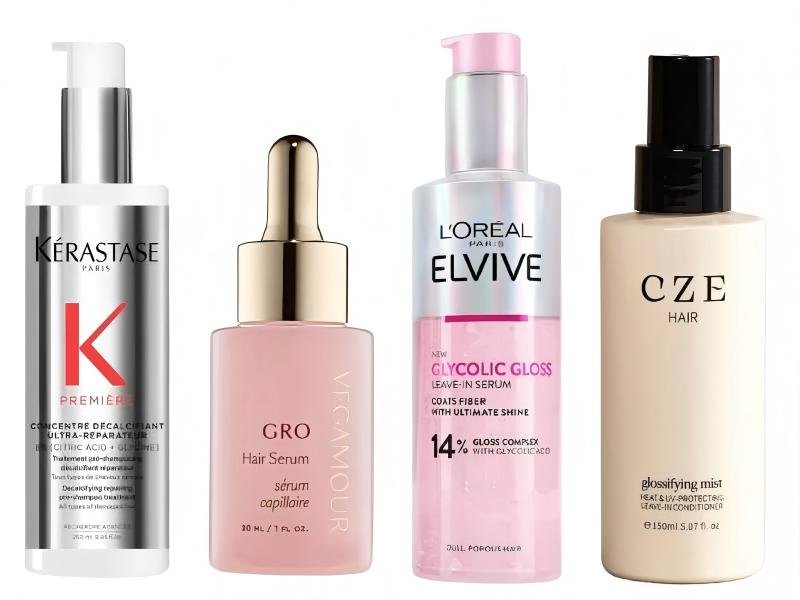
“Most expensive hair serum” isn’t just about a higher ingredient bill. In real markets, two serums can cost similar to manufacture—yet one looks and feels premium, earns better reviews, and supports a higher retail price.
From an OEM/ODM factory perspective, the “most expensive” effect is built through visible cues (packaging + design), tactile cues (spread, slip, dry-down), sensorial cues (fragrance curve), and risk control (stability + compatibility + realistic claims). If you’re mapping your hair-serum project, start from your main tank page and then use this article as the premium positioning bridge: Private Label Hair Serum.
Why do some hair serums look “most expensive” even at similar cost?
A hair serum looks “most expensive” when customers can instantly feel better control, cleaner finish, and a more refined fragrance—plus packaging that dispenses perfectly. Premium is often an experience upgrade, not a raw-material upgrade.
What premium brands do differently (the real “expensive cues”)
- Packaging that behaves like luxury
- Controlled dosage (one pump = consistent coverage)
- No leaking, no messy neck, no sticky cap
- Glass or premium-feel plastics where it matters (touchpoints)
- A clean “dry-down” profile
- Fast spread, no drag
- Finishes smooth, not greasy; hair stays airy, not flat
- Minimal build-up on day 2–3 (crucial for repeat purchase)
- A fragrance curve that feels high-end
- “Clean salon” freshness that doesn’t turn heavy after 30 minutes
- Low “headache risk” (especially for daily-use serums)
- Better instruction design (reduces bad reviews)
- Clear “how much + where” guidance (mid-lengths/ends vs roots)
- Wet-hair vs dry-hair use cases, and heat-styling guidance
- System thinking
- The serum fits into a routine (mask, heat protect, oil finish), not a random standalone SKU
- Bridge into your routine strategy hub: Hair & Scalp Care OEM/ODM Solutions
Premium cues checklist (buyer-friendly spec view)
| Premium cue | What customers notice | What brands should lock in |
|---|---|---|
| Dispensing feel | “One pump is enough” | Pump output, viscosity window, pack compatibility |
| Finish | “Smooth but not oily” | Dry-down time, anti-greasy balance, build-up control |
| Shine | “Glossy, not wet-looking” | Film former balance, slip system, sensory modifiers |
| Fragrance | “Smells expensive” | Scent direction, intensity curve, market fit |
| Repeatability | “Works the same every time” | Stability plan, batch consistency, QC checkpoints |
Top 15 Most Expensive Hair Serum
Most searches for “most expensive hair serum“ and “best hair serum for hair growth” are consumer lists. For brands, the better play is to build sellable hair-growth serum concept directions—each with a clear target user, a feelable experience story, and a packaging/channel plan that reduces complaints and supports repeat purchase. If you’re planning your hero SKU and extensions, start from your core product tank page: Private Label Hair Serum.
1) Lightweight daily scalp growth serum (dropper)
Built for oily to normal scalps and people who hate greasy roots. The experience is fast-absorbing, non-sticky, with a “clean scalp” finish that works under daily styling. Best packaged in a glass dropper or slim treatment bottle for DTC and Amazon, with clear dosage instructions to reduce over-application.
2) Scalp growth tonic mist (spray)
Ideal for beginners and busy users who want a quick routine between washes. The selling point is even coverage and easy application, plus a lightweight feel that won’t weigh hair down. A fine-mist spray bottle performs well for Amazon and salon retail because it looks professional and is simple to demo.
3) Sensitive-scalp “calm + growth support” serum
Designed for users who experience tightness, itch, or reactivity and still want fuller-looking hair support. The experience story is comfort-first: soothing feel, low sting risk, and gentle daily use. Position it for DTC and EU-style markets with a minimalist pump or dropper and optional low-fragrance/fragrance-free variants.
4) Men’s oil-control growth serum (fresh finish)
Built for men with oily scalp, frequent hat use, or gym routines who want a “cleaner look” at the roots. The experience focuses on non-greasy absorption and fresh sensory, avoiding heavy perfume. Package in a matte pump or spray for Amazon and men’s grooming channels, and cross-sell via your Beard Care OEM/ODM style positioning if relevant.
5) Postpartum / stress-thinning support serum (gentle routine)
Targets users noticing shedding or thinning related to life stages and stress, who respond well to education and realistic timelines. The experience should feel gentle, reassuring, and easy to stick with, emphasizing scalp comfort and routine compliance. Packaging works best as a dropper + calendar-style usage guide for DTC, where storytelling increases retention.
6) “Root lift + growth support” hybrid (scalp + styling)
Made for fine-hair users who want immediate cosmetic improvement while they commit to a longer-term growth routine. The experience combines lighter roots, airy volume, and scalp-refresh feel without chalky residue. This concept performs well as a spray tonic for Amazon because benefits can be communicated quickly in visuals and reviews.
7) Color-treated scalp growth support serum
Ideal for color-treated or bleached-hair users who worry about dryness and sensitivity at the scalp. The experience story is gentle scalp conditioning with no heavy build-up that could dull the hair’s finish. Package in a dropper or airless pump for premium DTC and link into your broader routine strategy like Hair & Scalp Care OEM/ODM Solutions.
8) Textured-hair friendly growth serum (protective styles compatible)
Built for textured hair customers who may wear braids, twists, or protective styles and need a product that won’t flake. The experience emphasizes non-flaking, non-sticky, scalp comfort, and easy application to parts/sections. Best delivered as a nozzle-tip bottle or targeted applicator for DTC and salon retail where technique can be taught.
9) Night repair scalp growth serum (overnight ritual)
Targets routine-driven users who prefer “set it and forget it” products at night. The experience is calm, lightweight, and pillow-friendly, avoiding tackiness and strong scent that lingers. Premium DTC packaging works well here—glass dropper or sleek pump—supported by ritual-style instructions.
10) Scalp barrier + “micro-ecosystem” growth support serum
Designed for users who bounce between products and end up with stressed scalps, itching, or sensitivity cycles. The experience is balanced, comfort-led, positioned around scalp resilience and healthy-looking hair density over time. This sells best in DTC and EU-leaning channels in airless pump packaging to signal “clinical care” and stability.
11) Exfoliating pre-treatment + daily growth serum (2-step system)
For advanced users who believe scalp cleanliness affects hair appearance and routine success. Step 1 feels like a reset (gentle scalp prep), Step 2 feels like the daily serum—together creating a premium protocol. This is ideal for salon and premium DTC bundles, and it pairs naturally with Gift Set Solutions for higher AOV.
12) Travel-size growth serum (mini for repeat purchase)
Made for travelers, gym bags, and “try-before-commit” shoppers. The experience should match the full size: same finish, same comfort, just a smaller format for convenience. Minis work best for Amazon bundles and DTC sampling programs, with a 10–30 ml bottle depending on channel.
13) Salon retail growth serum (protocol-friendly)
Built for salons that want a retail add-on after scalp services or styling appointments. The experience must be demo-able: fast absorption, no visible residue, and immediate scalp comfort. Packaging should look professional and durable—pump or fine-mist spray—and include short “how to use” cards for staff training.
14) Fragrance-free / low-fragrance growth serum (low complaint risk)
Targets sensitive users, pregnancy/postpartum cautious buyers, and EU-style preference segments. The experience should be neutral and comfortable, avoiding “perfumey” cues that trigger returns. Best packaged as an airless pump or clean dropper for DTC, with conservative, realistic claim language.
15) Premium “signature scent” growth serum (luxury sensorial)
Aimed at premium users who want haircare to feel like fragrance-led luxury, not a medical routine. The experience combines refined scent curve + elegant slip + non-greasy finish, so it feels expensive every day. Best for DTC and giftable sets in glass packaging with upgraded pumps and visual identity, often bundled with a mask or treatment from your hair line hub: Hair & Scalp Care OEM/ODM Solutions.
If you plan to sell these as a routine (not a single SKU), it’s worth linking into your set strategy page for higher AOV: Gift Set Solutions.
Compare table for Top 15 most expensive hair serum for hair growth:
| # | Hair Growth Serum Concept Direction | OEM/ODM Advantages (Why this concept is manufacturer-friendly) | Best Channels / Launch Approach |
|---|---|---|---|
| 1 | Lightweight daily scalp growth serum (dropper) | Clear “non-greasy + daily” positioning; straightforward sampling path; easy to offer fragrance-free/low-scent variants; scalable into entry → premium ladder | Amazon/DTC hero SKU first, then routine bundles |
| 2 | Scalp growth tonic mist (spray) | Strong “easy to use” benefit; delivery experience can be standardized; easy to extend into multiple variants (fresh, calming, oil-control) | Amazon conversion-focused, salon retail add-on |
| 3 | Sensitive-scalp calm + growth serum | Comfort-first story reduces complaint risk; supports documentation-led selling; extends naturally into scalp-care line extensions | DTC, EU-sensitive segments |
| 4 | Men’s oil-control growth serum | Clear target user and scent/finish direction; easy visual differentiation; cross-sells into men’s grooming ranges | Amazon men’s category, distributors |
| 5 | Postpartum / stress-thinning support serum | High education + content marketing upside; gentle positioning supports repeat purchase; strong story for long-term programs | DTC content-driven launches |
| 6 | Root lift + growth hybrid | “Instant cosmetic effect + long-term narrative” improves ads; flexible format options (mist, light gel-serum); clear review hooks | Amazon hero product play, fast-moving DTC |
| 7 | Color-treated scalp growth support serum | Strong linkage to color-care routines; easy to build bundles with color-protect lines; clear premium justification | Salon color-care brands, DTC routines |
| 8 | Textured-hair friendly growth serum | Clear complaint targets (non-flaking, non-sticky); applicator choices improve controlled use; strong niche differentiation | DTC niche segments, salon education channels |
| 9 | Night repair growth serum | Ritual-based usage improves compliance; premium storytelling potential; easier to bundle as “overnight protocol” | Premium DTC, giftable sets |
| 10 | Scalp barrier + micro-ecosystem growth support | “Professional/dermo” positioning builds brand moat; scalable into a full scalp-health range; strong documentation narrative | EU/clinic-style positioning, premium DTC |
| 11 | 2-step exfoliating prep + daily serum system | Higher AOV via set architecture; factory pre-kitting is a strong OEM advantage; clear replenishment pathway | Salon protocols, DTC sets and kits |
| 12 | Travel-size growth serum mini | Ideal for sampling and trial; easy bundling and promo mechanics; flexible capacity planning with shared pack families | Amazon bundles, DTC trial programs/subscription |
| 13 | Salon retail protocol-friendly serum | Professional credibility; easy to create training cards and usage protocols; supports stable reorder cycles | Salon distribution, pro retail |
| 14 | Fragrance-free / low-fragrance growth serum | Lower return/complaint risk; fits sensitive and EU-leaning preferences; easier claim language and compliance handling | DTC, EU-sensitive markets |
| 15 | Premium signature-scent growth serum | High margin potential; pairs well with scent design service; premium packaging upgrades support price justification | Premium DTC, seasonal gift sets |
What performance cues justify expensive hair serum positioning?
Expensive hair serum positioning is justified when users feel a clear upgrade: less frizz, cleaner finish, better shine, easier detangling, and stronger humidity/heat-styling compatibility—without greasiness or build-up.
Performance cues customers will actually pay for
- Anti-frizz that survives real life
- Humid commute, gym day, helmet/hat hair, air-dry days
- “Weightless slip” detangling
- Hair feels easier to comb with less snagging and breakage feel
- Gloss that looks premium
- Smooth cuticle look, not oily “wet shine”
- Heat-styling friendliness
- Works with blow-dry/flat iron routines without sticky residue
- No “serum regret”
- Doesn’t flatten volume, doesn’t separate strands, doesn’t feel tacky
- Day-2/Day-3 behavior
- Re-apply without heavy build-up (this is where many serums lose reviews)
How to translate those cues into a brand spec (OEM/ODM practical)
- Define your hero claim as a feelable outcome (“humidity frizz returns slower”)
- Set the “no-greasy” finish as a hard requirement for premium tiers
- Validate usage across hair types (fine vs thick; straight vs textured)
For brands also building frizz-control and glossy-finish lines, you can cross-link readers into your related tank pages to keep them in the same cluster, for example:
Which fragrance and sensorial profiles feel luxury in hair serums?
Luxury in hair serums is usually felt before it’s “proven”: a refined scent curve, silkier spread, cleaner dry-down, and a finish that looks glossy without feeling oily. Premium brands treat fragrance and sensorials as part of performance—not decoration.
Luxury scent directions that convert (and why)
- Clean salon / “fresh laundry”
- Target users: daily serum users, office-friendly routines, sensitive-to-strong-scent buyers
- Experience hook: “smells clean, not perfumey,” low headache risk
- Best channels: Amazon + DTC (broad acceptance)
- Soft floral / modern musk
- Target users: premium haircare shoppers who want “beauty-brand” vibes
- Experience hook: soft, elegant, not sharp; feels “expensive” quickly
- Best channels: DTC, premium retail
- Warm amber / woody
- Target users: luxury customers, colder climates, evening ritual users
- Experience hook: richer and more “perfume-like,” but must avoid heaviness
- Best channels: premium DTC, gift sets
- Fresh citrus / green
- Target users: oily scalp, men’s lines, sporty lifestyles
- Experience hook: crisp clean feeling; pairs well with “fresh scalp” messaging
- Best channels: Amazon, men’s grooming
- Fragrance-free / low-fragrance
- Target users: sensitive users, EU-leaning preferences, clinic-style lines
- Experience hook: low complaint risk; “serious care” positioning
- Best channels: DTC, professional/dermo positioning
Sensorial profiles that signal “most expensive”
- Weightless “dry oil” slip (spreads fast, no greasy after-feel)
- Silky non-tacky dry-down (hair stays airy; doesn’t clump strands)
- Glossy but not wet-looking shine (premium finish, camera-friendly)
- Low build-up reapply behavior (still feels clean on day 2–3)
If you’re building a premium story across multiple categories, it helps to mirror the same “luxury cue” language used in your high-click pages like Most Expensive Hair Oil in the World.
How should brands build an entry–core–premium serum ladder?
A premium ladder isn’t “charging more.” It’s packaging, sensorials, and performance stacked in a way customers can understand—and repurchase. The most profitable brands use a ladder to keep both conversion and margins healthy.
Entry tier (accessible, fast adoption)
- Target users: first-time serum users, price-sensitive shoppers, mass Amazon traffic
- Experience hook: “smooths frizz, adds shine, not heavy”
- Packaging/channel: PET bottle or simple pump; Amazon single hero SKU
- What OEM/ODM should optimize: easy-to-like fragrance, brush-out feel, no sticky finish
Core tier (brand-defining, best seller)
- Target users: repeat serum users, frizz + shine shoppers, routine buyers
- Experience hook: “cleaner dry-down + better humidity behavior”
- Packaging/channel: upgraded pump + better label design; DTC routines + Amazon bundles
- What OEM/ODM should optimize: stable texture, consistent dispensing, reduced complaint triggers
Premium tier (the “most expensive” halo)
- Target users: premium DTC, gift buyers, salon retail shoppers
- Experience hook: “luxury scent + weightless finish + polished shine”
- Packaging/channel: glass or premium-feel airless/pump; giftable presentation
- What OEM/ODM should optimize: sensorial signature, low build-up, compatibility with heat styling
A simple ladder that’s easy to sell
Hero serum → Serum + mask duo → Premium set (serum + heat protect + gloss finisher)
If you want to push AOV and gifting, route this directly into Gift Set Solutions.
Which tests and claims support premium pricing responsibly?
Premium pricing becomes fragile when complaints rise (greasiness, irritation, separation, leaky packs) or when claim language feels unrealistic. The safest premium strategy is experience-first claims supported by stability and compatibility discipline.
Claim language that premium brands can defend
- “Helps reduce frizz and improve manageability”
- “Adds shine and smooth feel without heavy residue”
- “Helps protect hair from dryness caused by styling” (avoid absolute “repair” claims unless supported)
Key testing / validation checkpoints (brand-buyer friendly)
- Stability basics
- Appearance, odor, viscosity drift over time
- Separation risk (especially with lightweight “dry oil” profiles)
- Packaging compatibility
- Pump output consistency, leakage risk, gasket/swelling issues
- Glass vs plastic considerations for weight and shipping damage
- User-experience validation
- Dry-down time, tackiness, build-up on reapplication
- Performance across hair types (fine vs thick; straight vs textured)
- Tolerance / scalp-use caution
- If positioning includes scalp application, keep sensorial intensity and irritation risk conservative
For scalp-facing claims and routines, it’s useful to align language with your high-click education pages such as Best Anti Dandruff Shampoo—not to mix claims, but to keep your “scalp quality” standards consistent across the site.
How does Zerun build premium hair serum concepts for brands?
We build premium hair serums by translating “most expensive” from a vague aspiration into a repeatable development system: premium cues → format decisions → sensorial signature → packaging performance → stability/compatibility validation.
Step 1 — Define your premium cue strategy
- Is your premium anchor signature fragrance, weightless dry-down, humidity control, or giftable packaging?
- What channel will carry the premium price: Amazon, DTC, salon retail, or sets?
Step 2 — Lock the user experience (before you chase actives)
- Target feel: “silky, airy, non-greasy” vs “richer, smoothing, more protective”
- Define the no-go list: greasy finish, sticky dry-down, clumping strands, strong perfume complaints
Step 3 — Choose packaging that performs like premium
- Decide dropper vs pump vs airless based on viscosity and dosing control
- Validate leakage, output consistency, and shipping robustness early (prevents costly rework)
Step 4 — Build the premium ladder and the expansion path
- Entry/core/premium ladder mapping (one hero SKU first, then bundles)
- Optional set architecture for seasonal pushes and higher margins
Step 5 — Validate and launch with realistic claim language
- Stability and pack compatibility checks
- Claim phrasing designed for your target markets and channels
If you want a “most expensive” intent bridge inside your hair category, you can also link this article’s premium logic to your broader premium content hub, such as Top 10 Most Expensive Shampoo in the World—then bring readers back to the conversion page: Private Label Hair Serum.
Brand FAQ for Most Expensive Hair Serum
What is the most expensive hair serum in the world?
There isn’t one universally agreed “most expensive hair serum in the world,” because pricing varies by market, size, channel, and whether a brand sells a serum as a single hero or as part of a premium routine. For OEM/ODM brands, the better takeaway is why some serums command luxury pricing: signature sensorials, clean dry-down, reliable premium packaging, and a repeatable routine story—not a single “magic” ingredient.
If you want to build a premium-priced serum that still converts, focus on:
- Invisible, non-greasy finish that works on day 1 and day 3
- Luxury scent curve (clean salon / soft musk / warm amber) with low complaint risk
- Packaging performance (dose control, no leaks, stable dispensing)
- Set architecture that raises AOV (serum + mask + heat protect)
To anchor this strategy inside your site’s premium cluster, you can bridge readers through your high-click “most expensive” content (value-explanation intent), then return to the conversion page:
- Most Expensive Hair Oil in the World
- Top 10 Most Expensive Shampoo in the World
- Private Label Hair Serum
Is expensive hair serum worth it?
It’s worth it when customers can clearly feel the upgrade: cleaner dry-down, better frizz control in humidity, more polished shine, and a refined scent—without greasy roots or heavy build-up. If the “expensive” version only adds marketing language, shoppers will trade down quickly.
Expensive hair serum is usually worth it when:
- Your target channel supports premium AOV (premium DTC, salon retail, gift sets)
- Your customers complain about common issues (greasy finish, sticky feel, white build-up, overpowering scent)
- You can show “premium proof” in visuals and instructions (how much to use, where to apply, expected feel)
It may NOT be worth it when:
- Your audience is primarily price-led Amazon shoppers with low tolerance for subtle differences
- Your formula feels similar to entry-tier serums after 30–60 minutes (no real sensorial upgrade)
- Packaging is premium-looking but unreliable (leaks, inconsistent pump output)—this creates returns and destroys reviews
If you’re balancing conversion and premium positioning, a ladder strategy works best: start with a strong core serum, then build the premium halo SKU. You can map that ladder directly from your main page: Private Label Hair Serum.
More Related
Custom Formulations
Hot Private label Beauty products
Hot ingredients
Custom cosmetic solutions
FAQ Categories
Can't find the answers?
Please rest assured—you are always welcome to contact us. Throughout the entire customization process for your beauty and skincare products, we will be available at any time to answer all your questions.
Make A Sample First?
If you have your own formula, packaging idea, logo artwork, or even just a concept, please share the details of your project requirements, including preferred product type, ingredients, scent, and customization needs. We’re excited to help you bring your personal care product ideas to life through our sample development process.