Skip to content
Fragrance & Scent Design OEM/ODM Solutions for Beauty Brands
Fragrance is the fourth dimension of a cosmetic product. Beyond actives, texture and packaging, scent is often what customers remember and recognise when they repurchase.
For OEM/ODM brands, the challenge is clear:
how do you design signature fragrances that feel premium or even perfume-inspired, while staying safe, compatible and cost-controlled across skincare, haircare and body products?
Zerun Cosmetic helps beauty brands translate perfume ideas – even references from the most expensive perfume brands – into IFRA-compliant cosmetic fragrances that work in real formulas, real markets and real price points.
What does fragrance do in skincare, haircare and body products?
Fragrance shapes first impression, routine enjoyment and brand memory. In skincare, haircare and body products, scent can drive loyalty – or clash with your positioning – depending on how well it matches your customer, category and market.
- First impression & trial
- Scent is noticed in the first seconds of use.
- Pleasant fragrance encourages longer massage, lather time and repeat testing.
- Routine enjoyment & adherence
- Products that smell good are used more regularly.
- Better adherence means your active ingredients get more consistent exposure.
- Brand signature
- A coherent scent family across lines creates “this smells like our brand”.
- Even simple citrus, powdery or musky notes can become a recognisable signature.
- Different roles by category
- Face: gentle, low-scent or fragrance-free; trust and tolerance first.
- Body & hand: broader palette; more playful, seasonal or gourmand.
- Hair: more diffusive and long-lasting; closer to fine fragrance.

Is fragrance good or bad for your brand?
Fragrance in skincare is neither good nor bad by default – it is a strategic brand decision. Some brands need strong, recognisable scents; others need low-scent or fragrance-free ranges as a trust signal.

When fragrance supports your brand
- Emotional self-care
- Soft florals, clean musks, spa-like herbals boost perceived pampering.
- Perceived cleanliness & freshness
- Citrus, herbal and aquatic notes reinforce “fresh” and “clarifying” claims.
- Culture & market norms
- Some regions expect noticeable scent in body and haircare products.
When low-scent or fragrance-free is smarter
- Sensitive / reactive skin ranges
- “Fragrance-free” becomes part of the promise itself.
- Clinical / dermocosmetic brands
- Almost no scent, or very soft accords, support a serious, tolerant image.
- Active-heavy formulas
- Retinoids, acids or post-procedure products should keep scent minimal.
Positioning decision checklist
- Who is your core consumer (age, concerns, sensitivity)?
- Do you want a clinical, spa, or luxury perfume-inspired identity?
- Which lines should be low-scent, and which can carry a stronger signature?
Which fragrance directions work best for different categories and markets?
The best fragrance in cosmetics is contextual. Direction and intensity must align with product category (face, body, hair) and market culture (Europe, North America, Middle East, Asia), not just personal preference.
Category × fragrance direction
- Facial skincare
- Soft, skin-like scents; light florals, watery notes, clean musks.
- For sensitive lines: almost imperceptible, or fragrance-free.
- Body & hand care
- Wide palette: citrus, floral, gourmand, woody, spa-like herbal.
- Great space to echo accords from luxury perfumes in a softer, skin-care-safe form.
- Haircare & styling
- Stronger, more diffusive; fruity, floral, perfumey directions are common.
- Scalp-care lines may need cleaner, lighter or more clinical profiles.
- Deodorant & freshening
- Clean, long-lasting, confidence-giving notes with careful regulatory checks.
- Men’s grooming
- Aromatic herbs, woods, spices, fresh fougère, or more subtle clean accords depending on market.
Market preferences (high-level)
- Northern Europe
- Lighter, clean, less intrusive scents; strong preference for low-scent facial care.
- Southern Europe
- More open to noticeable perfume-like notes in body & haircare.
- North America
- Split between fragrance-free trends and “fun” scented products; clean & gourmand both strong.
- Middle East & Gulf
- High tolerance and love for strong, long-lasting fragrance (oud, amber, rose, gourmand) in many categories.
- East & Southeast Asia
- Preference for fresh, watery, soft floral notes, especially in face products.
Fragrance Strategy Matrix by Category
| Category / Use Area | Typical fragrance intensity | Recommended directions | When to keep it low-scent or fragrance-free | Notes for OEM/ODM projects |
|---|---|---|---|---|
| Facial skincare (lotions, creams, serums) | Very low to moderate | Soft floral, watery, powdery, “skin-like” clean notes | Sensitive / reactive lines, clinical and post-procedure ranges | Decide early which lines will be fragrance-free; adjust IFRA category and allergen labelling for face use. |
| Body & hand care (lotions, butters, scrubs, hand cream) | Moderate to high | Citrus, floral, gourmand, woody, spa-like herbal | Ultra-sensitive body care, baby products, medical-adjacent lines | Best place to echo luxury perfume-inspired scents while keeping cosmetic usage levels under control. |
| Haircare & styling (shampoo, conditioner, masks, oils) | Moderate to high | Fresh, fruity, floral, perfumey, clean musks | Medicated / scalp-treatment lines, anti-dandruff or very sensitive scalps | Hair is a strong scent carrier; align intensity with channel (salon, mass, dermo) and region. |
| Deodorant & freshening products | Moderate to high | Clean, aquatic, citrus, soapy, powdery | Very sensitive-skin or post-shaving products | Needs strong collaboration between actives and fragrance; always check IFRA, actives and market regulations. |
| Men’s grooming (beard, aftershave, men’s face & body) | Low to high (by market) | Woods, aromatics, spices, fougère, fresh “barbershop” | Men’s sensitive face lines, acne-prone skin | Fragrance style should follow brand image (barbershop, sporty, luxury, clinical); we can adapt per region. |
How do you brief fragrance for OEM/ODM?
A good fragrance brief translates “we love this perfume” into clear directions: target consumer, mood, category, intensity, market and any references – including most expensive perfume brands if you want a luxury feel.

What we need in a strong fragrance brief
- Brand & consumer
- Who is your target? Age, gender (if any), lifestyle, price tier.
- Product context
- Category (face lotion, hair oil, body butter, deodorant, etc.).
- Leave-on vs rinse-off; day vs night.
- Olfactive direction
- Fresh / floral / fruity / gourmand / woody / oriental / clean.
- 2–3 key words: “spa herbal”, “hotel clean”, “warm vanilla amber”.
- Intensity & role
- Very soft / moderate / bold.
- Main driver of experience vs subtle supporting note.
- Perfume references (optional but powerful)
- Names or types of high-end perfumes you like (including most expensive perfume brands or most expensive fragrance archetypes).
- We then translate them into cosmetic-friendly accords respecting IFRA and formula compatibility.
How Zerun turns briefs into real scents
- We work with professional fragrance houses to propose accords that fit:
- Your base formulas (oil-rich, water-light, foaming, etc.).
- Your regions (IFRA category, allergen labelling, local tastes).
- Your cost constraints (fine fragrance inspiration, cosmetic budget).
How do we work with fragrance houses and IFRA to keep your perfume in cosmetics compliant?
We collaborate with established fragrance houses and follow IFRA guidelines so that your perfume in cosmetics is not only beautiful, but also safe, compatible and ready for export.
Primary packaging options
Working with fragrance houses
- Professional perfumer input
- You get accords built by fragrance experts, not random “DIY” mixes.
- Category-appropriate design
- Different approaches for face, body, hair, intimate care, deodorant, etc.
- Stability & compatibility checks
- Fragrance tested in your actual base product, not only on paper.
IFRA, allergens and local rules
- IFRA categories & limits
- We ensure fragrance usage levels fit the right IFRA category (face cream vs shampoo vs perfume).
- Allergen labelling
- Support for ingredient declarations and EU allergen rules where relevant.
- Sensitive & fragrance-free lines
- Options with reduced or zero fragrance, and allergen-aware accords.

How can beauty brands create a “luxury perfume” feel with realistic fragrance budgets?
You don’t need to match the cost structure of the top 10 most expensive perfume in the world to create products that feel luxurious. You need smart use of key notes, storytelling and texture within a realistic cosmetic fragrance budget.

Translating “most expensive perfume brands” into cosmetics
- Borrow the mood, not the whole formula
- Use oud, rose, iris, amber or creamy woods as touches, not total recreations.
- Adjust concentration
- Cosmetic fragrances usually run at lower levels than fine perfume.
- Fit the format
- A body lotion or hair mask carries scent differently than an EDP.
Balancing luxury feel and cost
- Combine 1–2 prestige notes with more economical base materials.
- Let texture and packaging support the luxury story (silky gel-cream, frosted bottle, metallic details).
- Focus budget where customers notice it most: hero SKUs and sets.
Make A Sample First?
If you have your own formula, packaging idea, logo artwork, or even just a concept, please share the details of your project requirements, including preferred product type, ingredients, scent, and customization needs. We’re excited to help you bring your personal care product ideas to life through our sample development process.
Which textures, formats and packaging best support your fragrance and scent story?
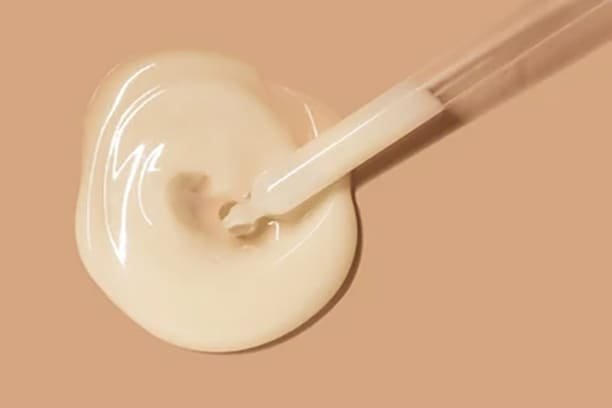
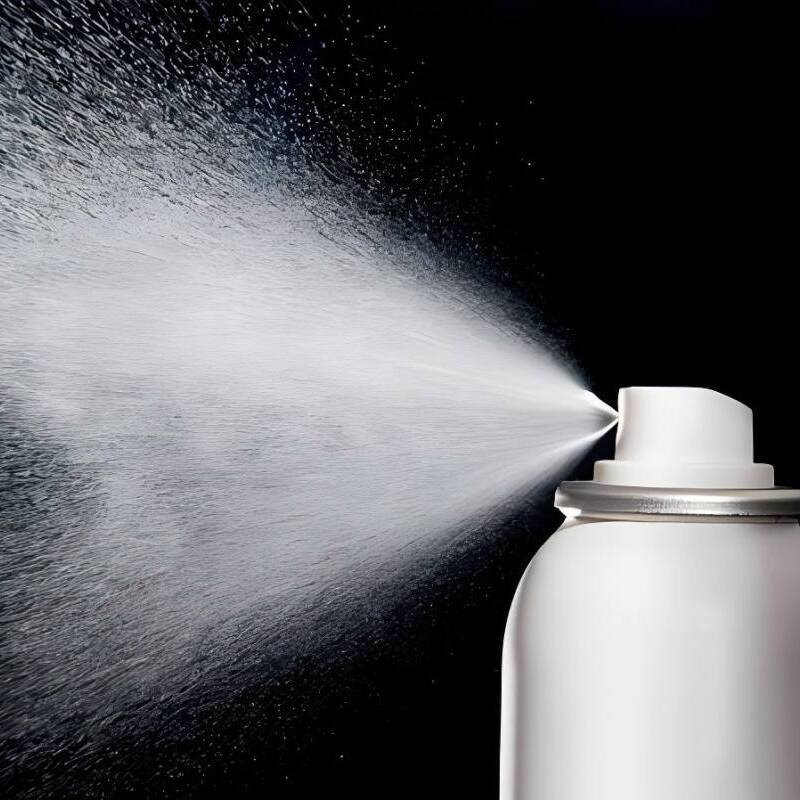
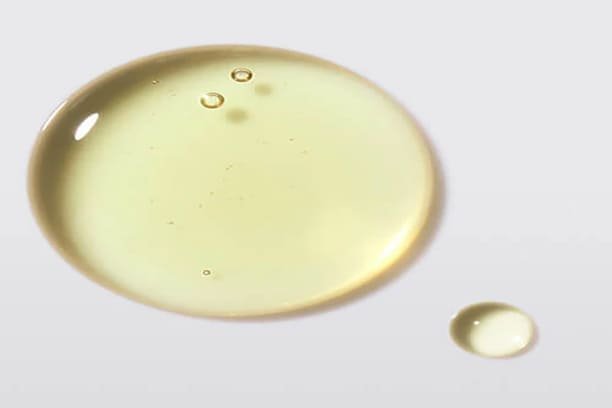
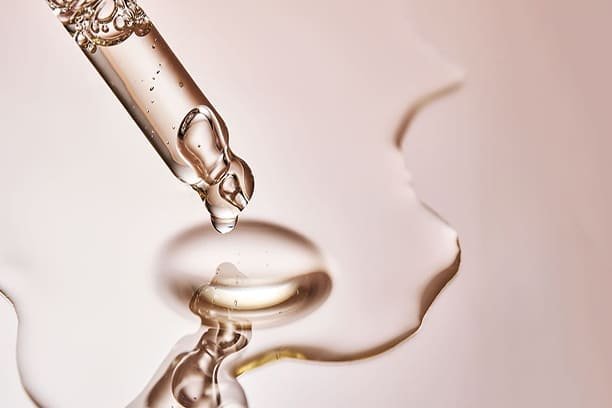
Fragrance does not live in isolation. The texture, format and packaging of a product strongly influence how your scent is perceived, diffused and remembered.


Texture & format impact
- Light lotions & gels
- Fresher, “clean” scents; good for face and hot climates.
- Rich creams & butters
- Cozy, gourmand, spa-like notes; ideal for night and winter care.
- Oils & hair products
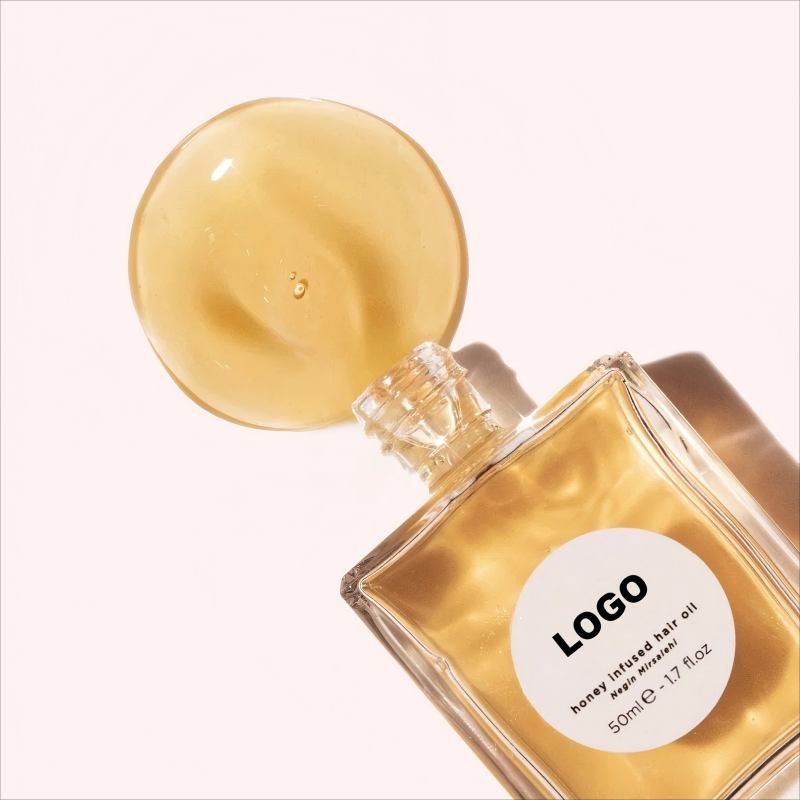
- Great carriers for perfume-like accords and linger-on-hair scents.
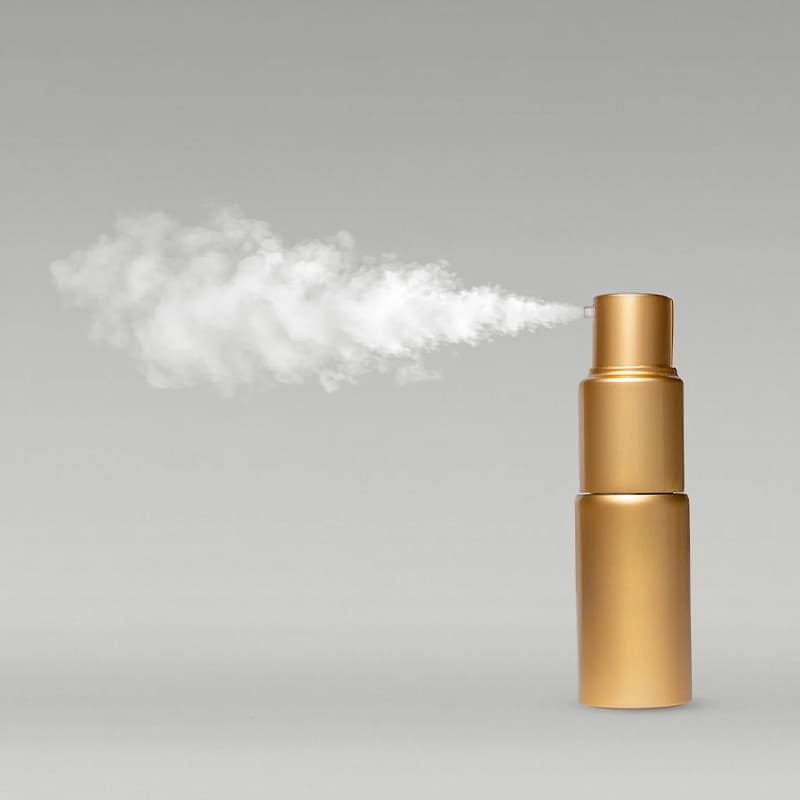
- Sprays, mists & foams
- Higher perceived freshness and immediate impact.
Packaging & perceived scent value
- Spray pumps & fine mists
- Enhance “fragrance moment” even at low dosage.
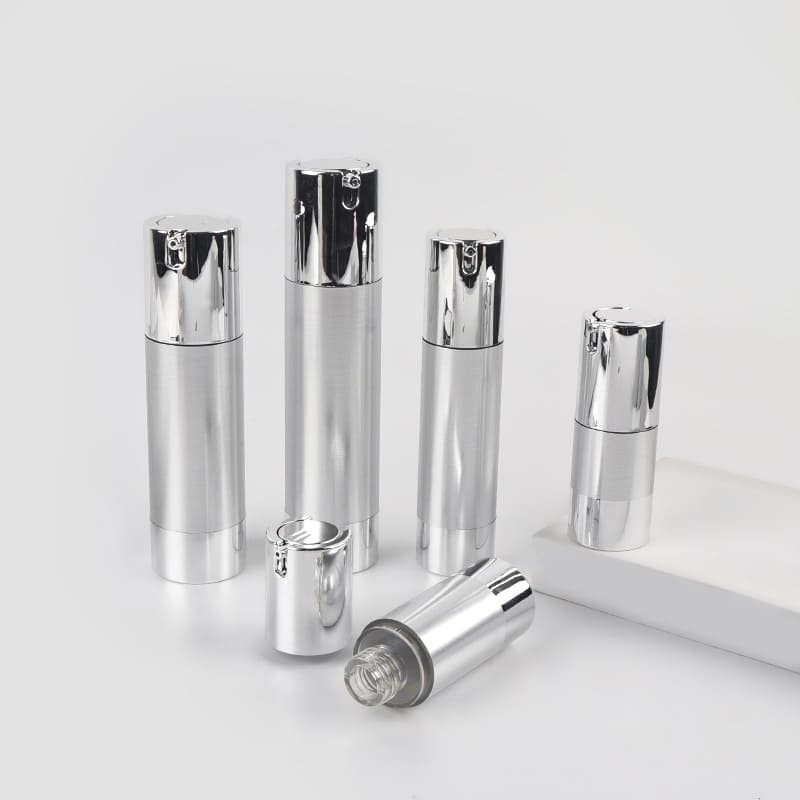
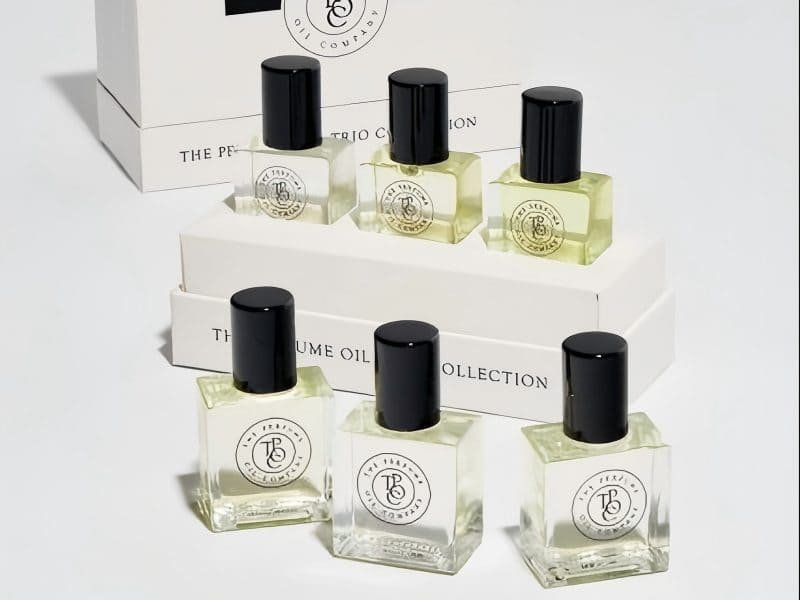
- Glass or high-end plastics
- Signal premium or luxury positioning for perfume-inspired lines.
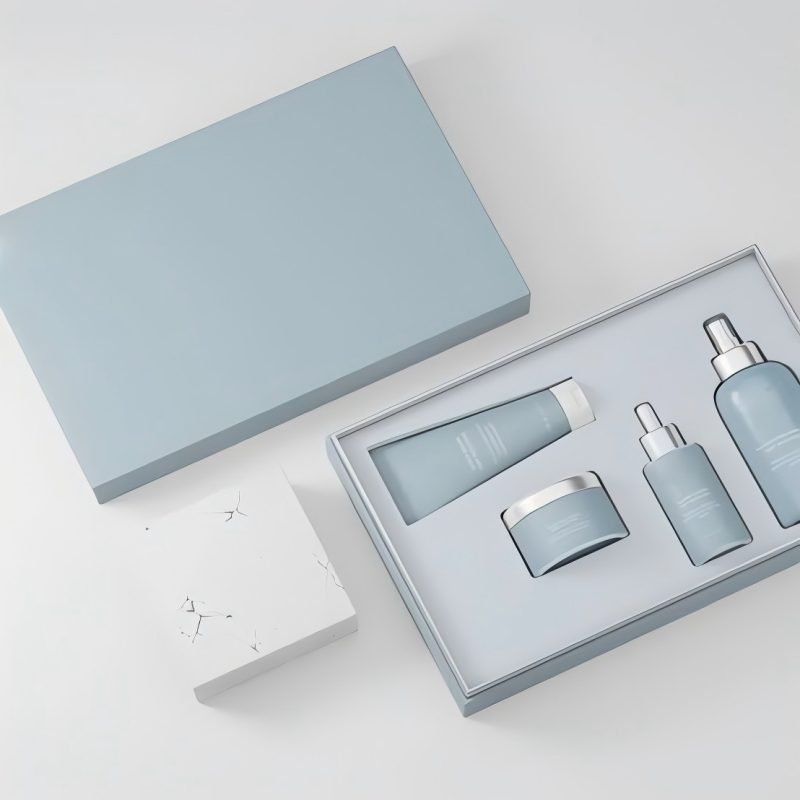
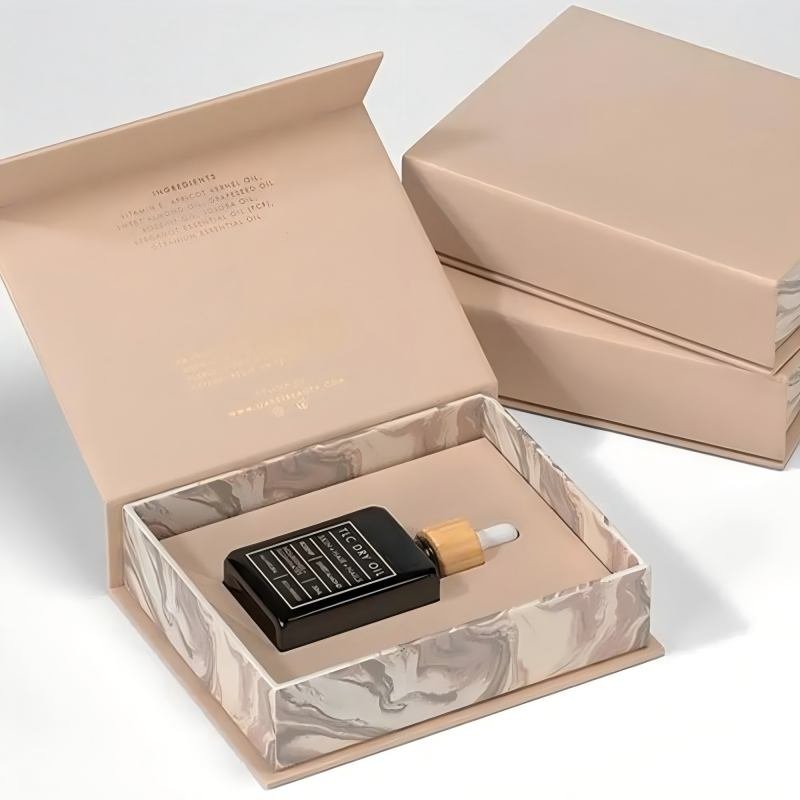
- Gift sets & coffrets
- Combine multiple products around one signature scent story.
Fragrance & Scent Design OEM/ODM FAQ
Q1: Can you copy my favourite perfume exactly into a cosmetic product?
In most cases, no. Fine fragrances and perfume in cosmetics follow different IFRA categories, usage levels and stability requirements. What we can do is create a cosmetic-friendly accord inspired by your reference—similar mood and direction, adjusted for safety, skin contact time and budget.
Q2: How do you make sure fragrance in skincare is safe for sensitive or reactive skin?
We work with professional fragrance houses and follow IFRA guidelines for each product type. For sensitive or dermocosmetic ranges, we can use low-fragrance or fragrance-free bases, allergen-aware accords, and support you with appropriate testing so the fragrance in skincare matches your tolerance claims.
Q3: Do I have to add fragrance to every product in my range?
No. Many brands use a mixed strategy: core actives (serums, treatments) with little or no fragrance, and scent-forward products (body lotions, hand creams, haircare) to build the brand’s olfactive identity. We can help you decide where fragrance adds value and where a low-scent approach is better.
Q4: Can you design different fragrance profiles for different markets from one base formula?
Yes. It’s common to adapt fragrance in cosmetics to local preferences—lighter, cleaner profiles for some regions; richer or more perfumey accords for others. We can keep the same functional base formula and develop regional fragrance variants that respect IFRA and your price structure.
Q5: How detailed should my fragrance brief be for an OEM/ODM project?
The more context, the better. Ideally you share your target consumer, price tier, category, markets, preferred olfactive directions and any perfume or expensive fragrance references you like. From there, we and our fragrance partners can turn vague ideas like “hotel spa clean” or “inspired by luxury perfume” into testable fragrance options.
Q6: What if I want a very subtle or fragrance-free skincare line? Can you still help?
Absolutely. Fragrance & scent design also includes deciding when not to use fragrance. We can create fragrance-free or ultra-low-scent formulas, help you avoid common irritants, and make sure your textures still feel pleasant even without a strong scent signature.
Q7: What is the typical lead time to develop and finalise fragrance in an OEM project?
Timings depend on the number of options and markets, but a typical flow is: brief → first fragrance options in base formula → 1–2 feedback rounds → final choice, often within the wider sampling timeline of your project. We’ll outline a realistic schedule once we understand your category, regions and launch plan.
How does Zerun Cosmetic support fragrance & scent design OEM/ODM from idea to launch?
Zerun Cosmetic supports you from fragrance strategy and briefing through to sample creation, IFRA-aware testing, packaging choices and mass production, so your scented skincare, haircare and body ranges are both beautiful and manufacturable.
- Our team will answer your inquiries within 12 hours.
- Your information will be kept strictly confidential.
Our typical project flow
- Step 1 – Discovery
- Understand your brand, consumer, price tier and markets.
- Collect references, including any perfume inspirations you love.
- Step 2 – Direction & co-creation
- Suggest fragrance directions per category (face, body, hair, spa).
- Work with fragrance houses to generate first accords in base formulas.
- Step 3 – Sampling & feedback
- Send multiple lab samples varying scent strength and profile.
- Optimise until scent, texture and performance align with your expectations.
- Step 4 – Compliance & scale-up
- Check IFRA/category usage levels, allergen declarations and stability.
- Finalise packaging and prepare for production.
What this means for your brand
- Signature fragrance in skincare and cosmetics that fits your story.
- A clear link between perfume inspiration and realistic cosmetic budgets.
- OEM/ODM support that treats scent as a strategic asset, not an afterthought.