Skip to content
Private label tattoo aftercare products: how can brands design a safe, soothing & colour-protecting healing routine that artists trust?
Successful tattoo aftercare products help calm fresh tattoo discomfort, support a clean healing environment, and keep the tattoo looking crisp as it heals—without clogging skin, stinging, trapping too much moisture, or triggering redness and bumps.
Many brands copy “regular moisturiser” formulas and fail in real tattoo healing: too occlusive, too fragranced, or unclear instructions that cause overuse. Others overpromise “fast healing” or cross into drug-style claims. The winning approach is a routine system (cleanse → soothe → protect), barrier-support + comfort actives, and simple, regulation-aware claims that tattoo artists can recommend confidently.
What are the key specifications of these custom tattoo aftercare products?
You need to define your routine architecture, skin-sensitivity boundaries, occlusivity level, and usage instructions before we start—because tattoo aftercare success depends on correct use as much as formula design.
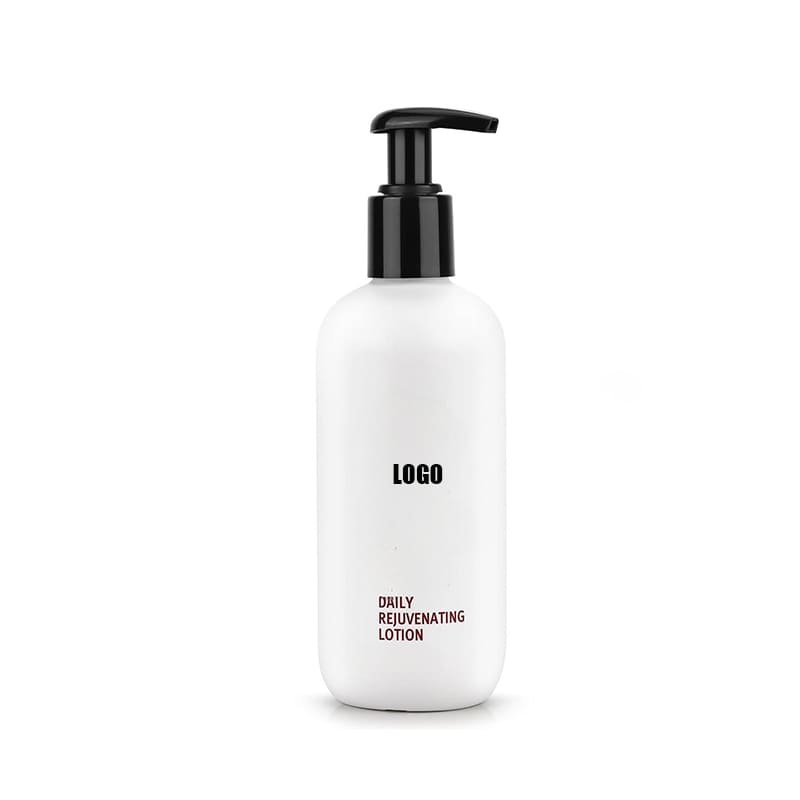
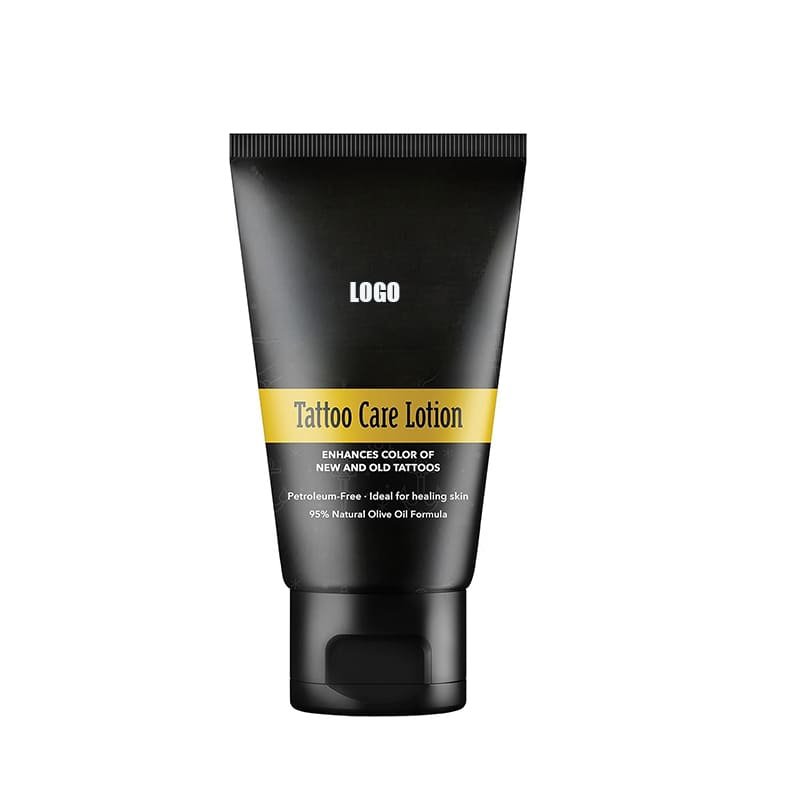
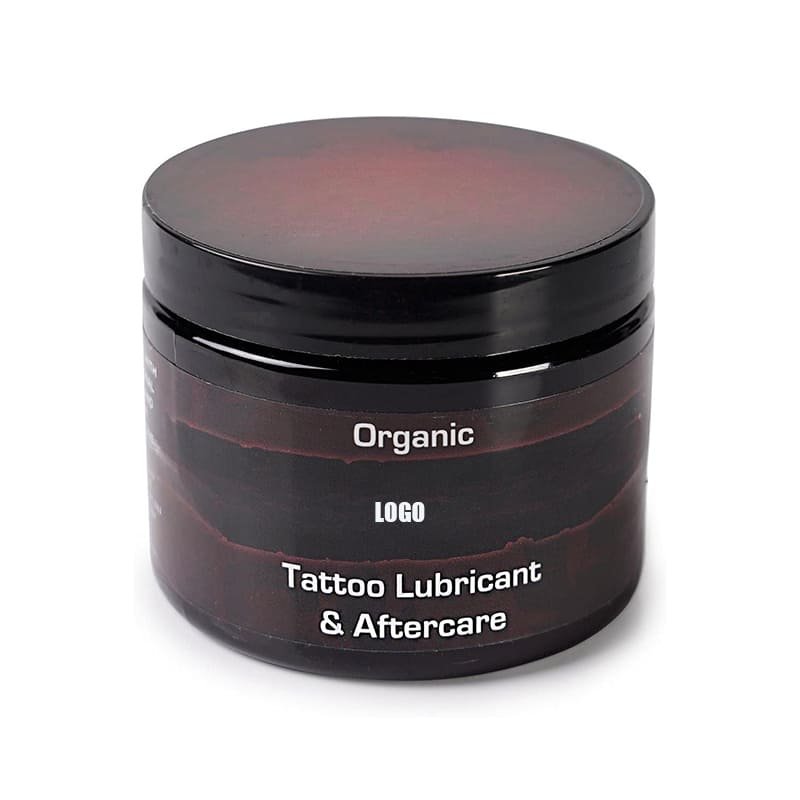
Spec / Parameter Card
| Field | Options / Recommendations |
|---|---|
| Core Formats | Tattoo cleanser • Tattoo soothing balm • Tattoo aftercare lotion • Tattoo repair cream • Tattoo sunscreen (market-dependent) • Tattoo wash foam • Aftercare spray/mist |
| Routine Structure | Cleanse → Soothe → Protect; optional “day vs night” pair |
| Base System | Ultra-gentle cleansing system + fragrance-minimized comfort emulsion + breathable balm |
| Supporting Actives | Panthenol, allantoin, bisabolol, colloidal oatmeal, ceramide-like lipids, glycerin, soothing botanicals |
| Occlusivity Level | “Breathable protect” vs “richer balm” versions; tuned to artist preferences |
| Claim Focus | Soothes discomfort • Reduces redness look • Supports barrier recovery • Helps prevent dryness/flaking look • Colour-protecting routine (cosmetic) |
| pH Window | Cleanser typically ~5–6; leave-ons tuned for skin comfort and stability |
| Skin Type Fit | Sensitive/reactive • dry • normal; plus users prone to bumps/folliculitis |
| Fragrance Strategy | Fragrance-free or low-allergen; avoid harsh essential oils for fresh tattoos |
| Stability & QC | Micro/challenge, viscosity, fragrance stability, preservative efficacy; packaging compatibility |
| Docs | COA, SDS, stability & micro data; label wording support for claim boundaries |
| Sampling & Lead Time | Existing bases: fast sampling; tattoo-artist feedback loops recommended |
| Typical MOQ | 1,000–3,000 pcs/SKU for validated bases; higher for custom packaging or kit assembly |
More Private Label Products
Private Label Anti Aging Serum →
Private Label Dark Spot Corrector→
Private Label Brightening Face Mask→
Private Label Brightening Serum→
Private Label Whitening Cream→
Private Label Even Tone Correcting Serum→
Private Label Under Eye Corrector→
Private Label Dark Spot Toner→
Which customers and channels are tattoo aftercare products for?
Tattoo aftercare products serve tattoo studios and end-users who want calm healing, a cleaner-looking tattoo during the peel phase, and long-term colour clarity—across studio recommendations, e-commerce kits, and retail.
Tattoo aftercare needs change by healing stage and skin sensitivity—fresh tattoos need gentle cleanse and breathable protection, while later stages need hydration and itch comfort without clogging. This tab shows how we adjust cleanser mildness, balm occlusivity and lotion comfort stacks so each SKU supports healing behaviour and fits sensitive, bump-prone or dry skin.
Fresh Tattoo (First 3–5 Days) – “Keep it clean and calm”
- Texture: Gentle cleanser + breathable balm.
- Core stack: Mild surfactants + panthenol/allantoin + fragrance-free base.
- Notes: Focus on clean rinse, comfort, and controlled protection without suffocation.
- Micro-CTA: Build a Studio-Grade Aftercare Starter Kit
Peeling / Itchy Phase – “Comfort without over-oiling”
- Texture: Comfort lotion or light balm.
- Core stack: Panthenol + oatmeal/bisabolol + barrier-support lipids.
- Notes: Reduce dryness and itch feel; prevent over-application mistakes.
- Micro-CTA: Create an Itch-Comfort Tattoo Lotion
Sensitive / Reactive Skin
- Texture: Fragrance-free cream with minimal irritants.
- Core stack: Glycerin + ceramide-like lipids + panthenol + soothing support.
- Notes: Designed to reduce sting and redness perception; clear patch guidance.
- Micro-CTA: Develop a Sensitive-Skin Tattoo Aftercare Cream
Dry Skin / Large Area Tattoos
- Texture: Rich but breathable cream.
- Core stack: Humectants + barrier lipids + comfort actives.
- Notes: Prevent cracked look and tightness; supports smoother healing appearance.
- Micro-CTA: Design a Large-Area Tattoo Repair Cream
Bump-Prone / Folliculitis-Prone Users
- Texture: Lightweight lotion or gel-cream.
- Core stack: Non-greasy base + comfort actives; avoid heavy occlusives.
- Notes: Clean feel reduces “clogged” complaints; careful claim language.
- Micro-CTA: Launch a Non-Greasy Tattoo Aftercare Lotion
Tattoo aftercare routines differ by lifestyle—first-timers need simple steps, busy workers need fast, clean textures, and heavy tattoo collectors want reliable healing kits for repeated sessions. We tailor texture weight, packaging size and instruction clarity so each group uses the product correctly and repurchases rather than switching after one bad healing experience.
First Tattoo – Nervous and Instruction-Dependent
- Texture: Simple cleanser + balm duo.
- Core stack: Fragrance-free comfort system.
- Notes: Clear “how much and how often” directions reduce misuse.
20s–30s – Active Lifestyle / Gym / Sweat
- Texture: Fast-rinse cleanser + non-sticky lotion.
- Core stack: Clean feel and comfort supports.
- Notes: “Breathable, non-greasy” is key to compliance.
30s–40s – Professional Life + Convenience
- Texture: Quick-absorb cream with controlled finish.
- Core stack: Barrier support + low scent.
- Notes: Non-transfer finish for clothing and office routines.
40s–50s – Dryness + Sensitivity Risk
- Texture: Richer comfort cream.
- Core stack: Humectants + barrier lipids + soothing support.
- Notes: Comfort-first and reduced tightness narrative.
Tattoo Collectors – Frequent Sessions
- Texture: Multi-pack sizes and kit logic.
- Core stack: Consistent cleanser + balm/cream lineup.
- Notes: Refill sizes and studio bundles increase AOV.
What can top-selling tattoo aftercare products teach your formula design?
Top tattoo aftercare brands prove that artists and users want: fragrance-free comfort, clean rinse, breathable protection, and very clear instructions. The winners sell a simple healing routine and avoid medical claims that create regulatory and trust problems
| Brand / Product | Core Actives (typical) | Format / Texture | Strengths | Gaps / Considerations |
|---|---|---|---|---|
| Hustle Butter Deluxe | Butters/oils, vitamin E | Balm | Strong artist adoption; rich comfort | Can feel heavy for bump-prone users |
| After Inked Tattoo Aftercare Lotion | Lightweight moisturising base | Lotion | Non-greasy daily use feel | Must support sensitive-skin narratives carefully |
| Aquaphor Healing Ointment (commonly used) | Occlusive petrolatum base | Ointment | Barrier protection and availability | Too occlusive for some; not tattoo-specific |
| Tattoo Goo Aftercare Kit | Cleanser + balm/lotion | Kit | Routine format reduces misuse | Must keep claims realistic |
| Mad Rabbit Tattoo Balm | Plant oils/butters | Balm | Lifestyle branding and “ink care” story | Texture weight may not suit all skin types |
| Bepanthen (market-dependent usage) | Pro-vitamin B5 positioning | Cream | Comfort story and recognition | Regulatory positioning varies by region |
Custom Funtion Formula for your brand? You can review skincare function formulation pages:
Custom Moisturizing Formulations→, Custom Barrier Repair Formulations→, Custom Anti Inflammatory Formulations→,Custom Sensitive Skin Care Formulations→
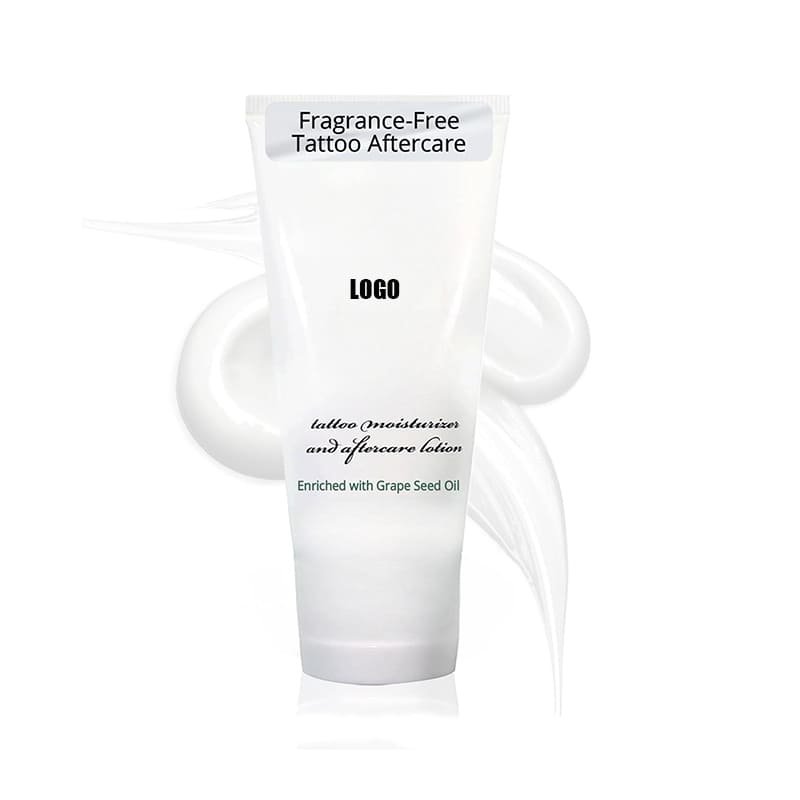
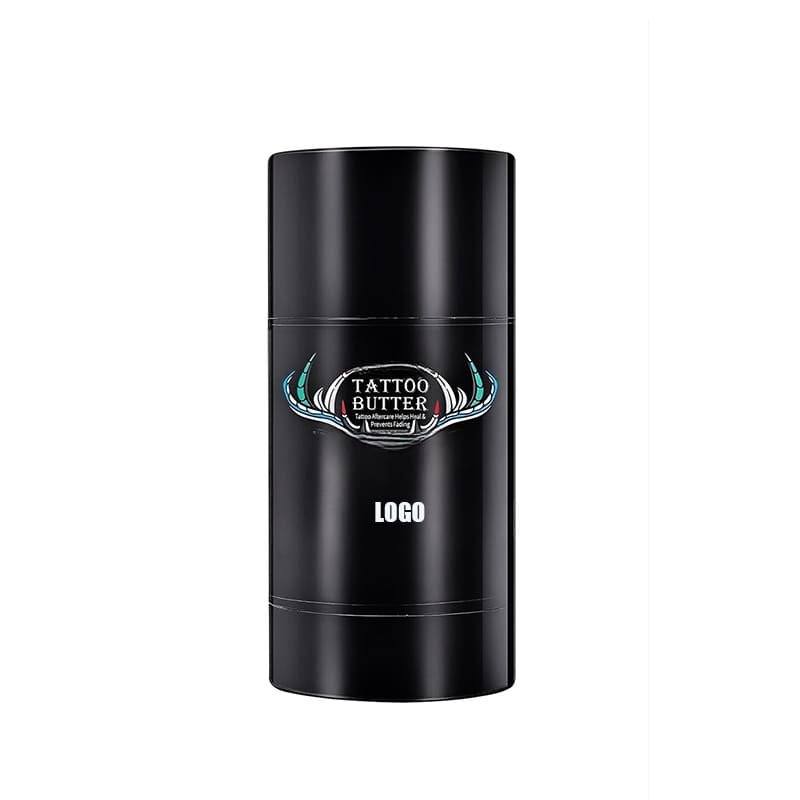
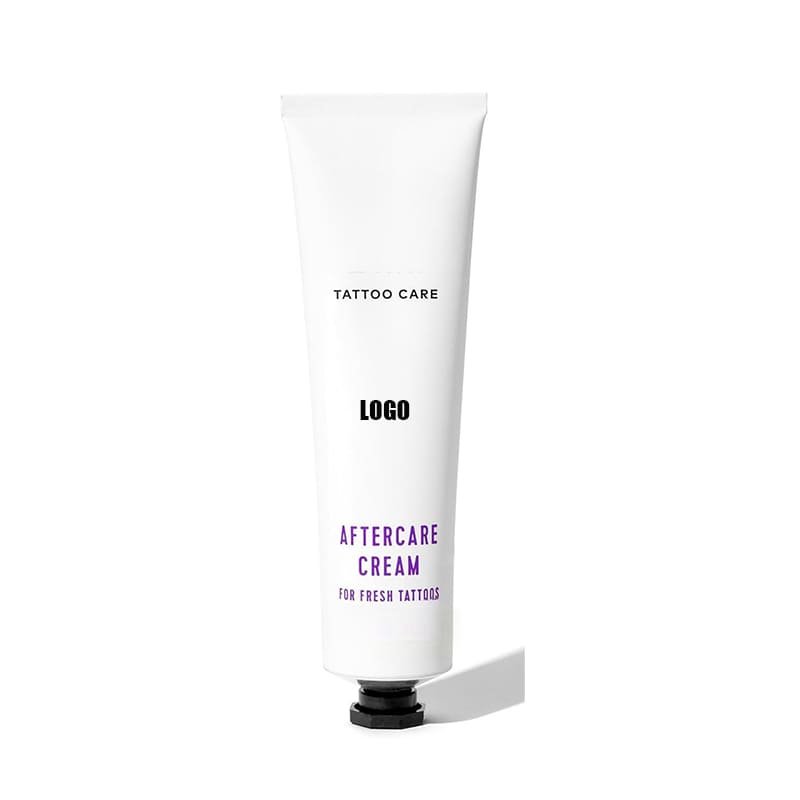
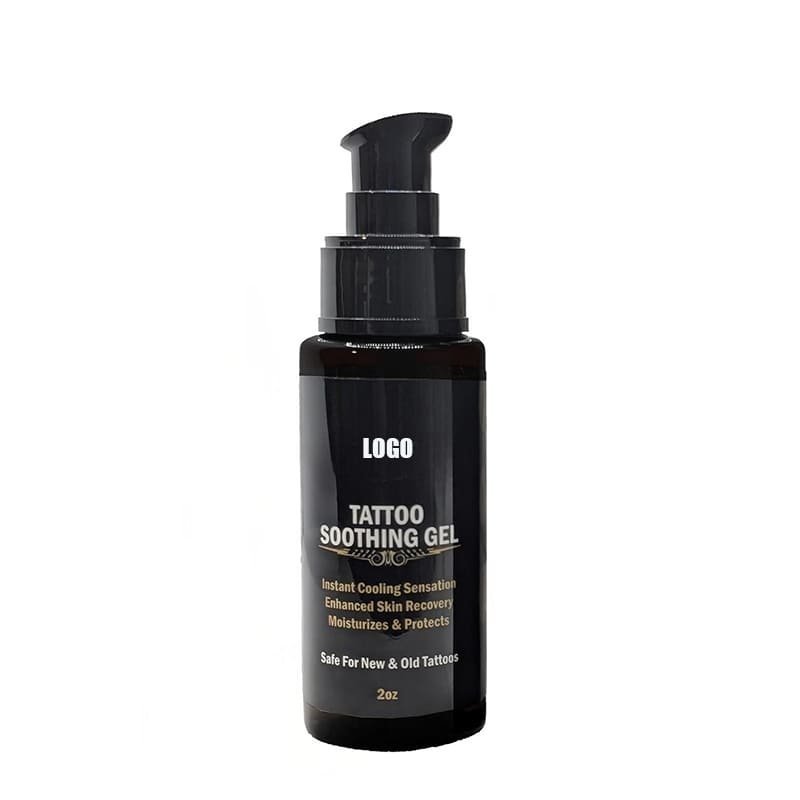
Tattoo Aftercare Finish Products you may want to reference:
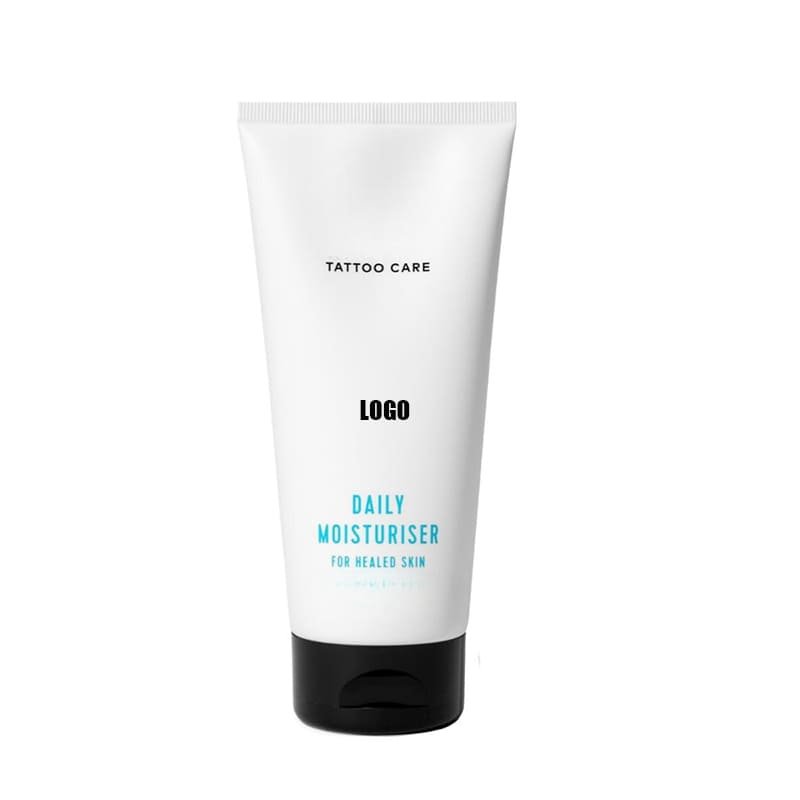
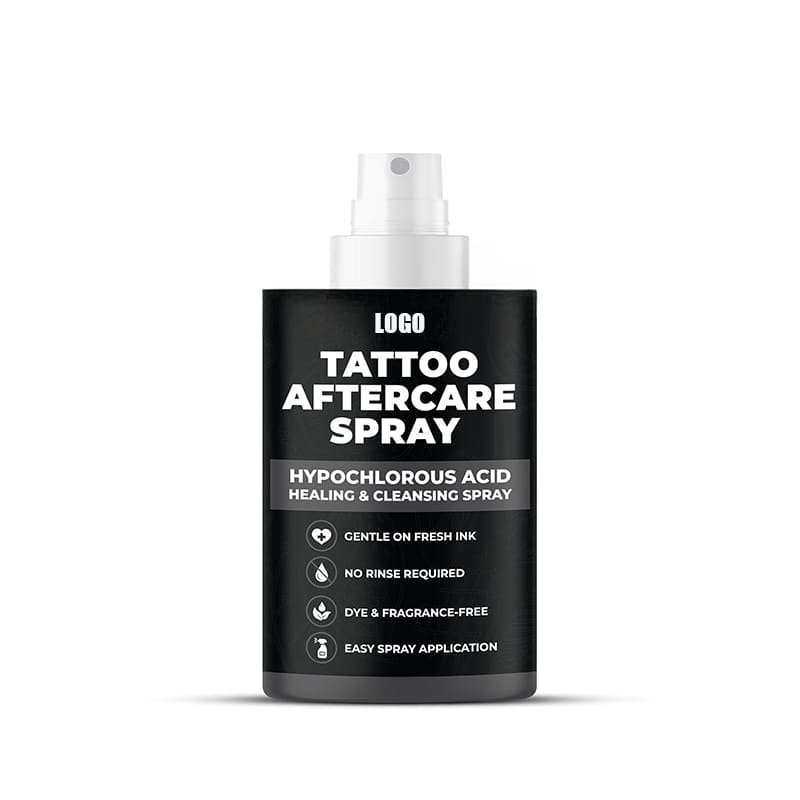
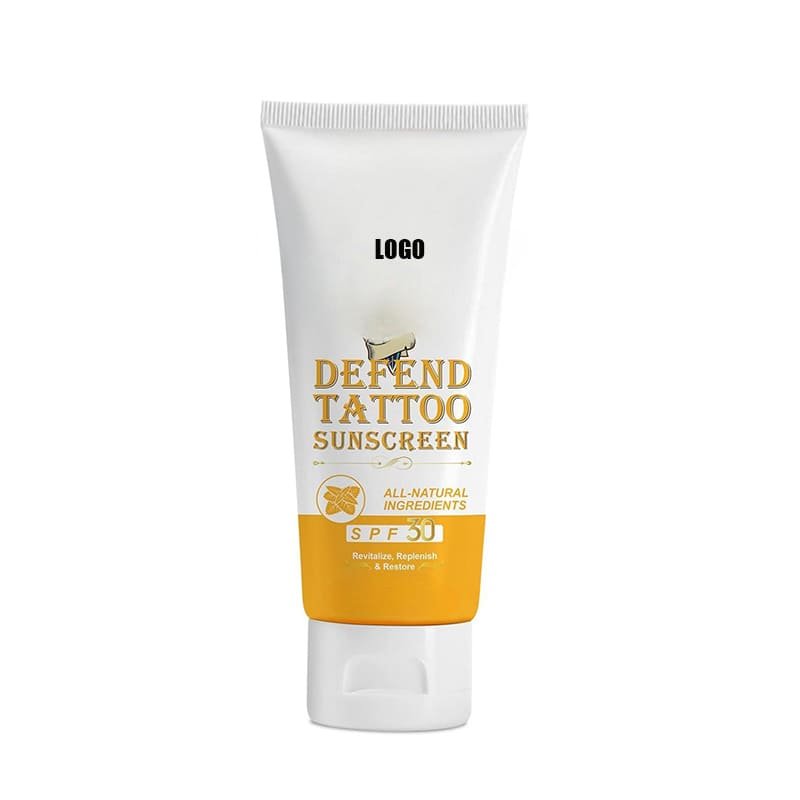
Make A Sample First?
If you have your own formula, packaging idea, logo artwork, or even just a concept, please share the details of your project requirements, including preferred product type, ingredients, scent, and customization needs. We’re excited to help you bring your personal care product ideas to life through our sample development process.
How should you design the formula and active stack for tattoo aftercare products?
Start with routine design (cleanse → soothe → protect), then tune textures and claims for correct usage and sensitive-skin tolerance—because tattoo aftercare fails when users over-apply, under-cleanse, or use heavily fragranced products on fresh tattoos.
Step 1 – Define your routine architecture and user instructions
- Minimum viable kit: gentle cleanser + breathable balm or cream
- Expand: day lotion + night balm; optional aftercare spray for convenience
Step 2 – Build ultra-gentle cleansing and comfort bases
- Cleanser: mild surfactants, low irritation, easy rinse, no harsh fragrance
- Leave-ons: barrier-support and comfort, minimal sting risk, non-sticky finish
Step 3 – Balance occlusivity and “breathable protection”
- Too occlusive can trap sweat and cause bumps; too light can let tattoos dry and crack-look
- Offer two weights: lightweight lotion + richer balm for dry areas or night use
- Make instructions explicit: thin layer, frequency, and wash steps
Step 4 – Validate micro safety, stability, and claim boundaries
- Micro/challenge testing is critical due to compromised skin use context
- Stability + packaging compatibility + preservative efficacy
- Claims stay cosmetic: comfort, hydration, barrier support, healthier-looking healing appearance

| Active (Use Range) | Key Features | Suitable Uses / Skin Types | Recommended Combinations | Suggested Packaging |
|---|---|---|---|---|
| Panthenol | Comfort + barrier-support story | Most users, fresh tattoos | With glycerin + ceramide-like lipids | Tube, pump |
| Allantoin | Soothing comfort narrative | Sensitive/reactive | With panthenol + mild base | Tube |
| Bisabolol | Calming support | Reactive redness look | With fragrance-free approach | Airless, tube |
| Colloidal Oatmeal | Itch-comfort story | Itchy phase, sensitive | With humectants | Tube |
| Ceramide-like lipids | Barrier-support positioning | Dry, mature skin | With glycerin + panthenol | Airless |
| Glycerin | Hydration and smoother feel | All | With barrier lipids | Tube, pump |
| Gentle cleansing system | Clean rinse without stripping | Fresh tattoo stage | With low fragrance | Pump, foam |
| Antioxidants | “Colour-care” and stability | Healed tattoos | With moisturiser base | Any |
Which textures work best for tattoo aftercare products?
The best tattoo aftercare textures spread in a thin, breathable layer, calm dryness and tightness fast, and absorb without a greasy film—so users avoid clogged bumps, stinging discomfort, and over-application mistakes during healing.
Considerations by market and user
- Climate: Hot / humid: lightweight lotions and fast-absorbing gel-creams that feel breathable. Cold / dry: richer creams and balms that prevent cracked-looking dryness.
- Skin type & healing habits: Fresh tattoos: thin-layer balm/cream that protects without suffocating skin. Itchy/peeling phase: comfort lotion that reduces tightness without heavy oiliness. Bump-prone users: non-greasy gel-cream textures to reduce “clogged” complaints.
- Channel: Tattoo studios: fast-acting comfort textures and simple “thin layer” instruction cues. E-commerce kits: clear day/night texture roles to reduce misuse. Retail: “fragrance-free,” “breathable,” and “non-greasy” cues drive trust.
Breathable repair cream
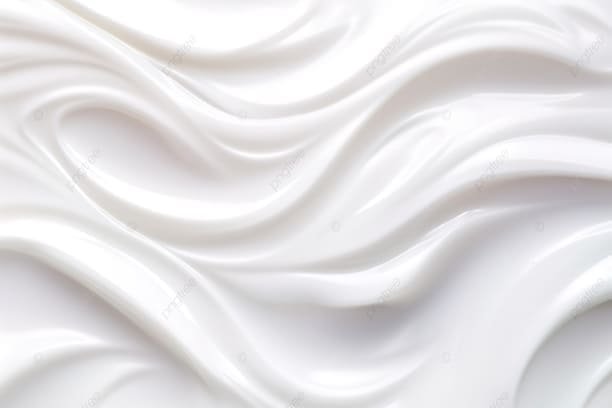
A medium-weight comfort cream; typical viscosity around 20,000–80,000 cps.
- Best for most fresh tattoos when applied in a thin layer
- Balances comfort with a “not too occlusive” feel for daily reapplication
- Works well in tubes or airless pumps with clear “thin layer” guidance
Lightweight non-greasy aftercare lotion
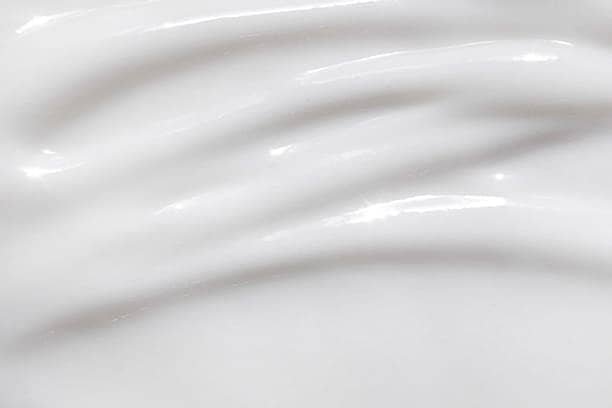
A lighter lotion or gel-lotion; typical viscosity around 6,000–25,000 cps.
- Best for hot climates, active lifestyles, and bump-prone users
- Absorbs faster with less residue, supporting better compliance
- Ideal for pumps or squeeze tubes for hygienic, frequent use
Protective night balm
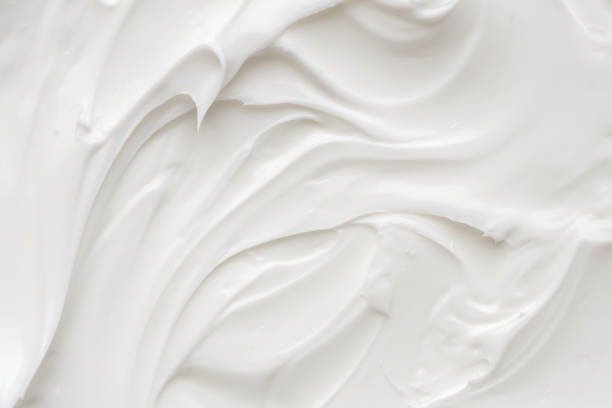
A richer balm/ointment texture; typical viscosity around 100,000–300,000+ cps.
- Best for very dry skin, large tattoos, and night-time comfort support
- Helps reduce cracked-looking dryness during the early healing phase
- Packaged in jars or twist-up tins with strict “use sparingly” directions
Which packaging options make sense for tattoo aftercare products?
Choose packaging that supports hygiene, controlled dosing, and clear instructions—because fresh tattoos are compromised skin and users often over-apply.
Factors to align with your brand
- Hygiene and dosing: Tubes and airless pumps reduce contamination risk. Pumps work well for studios and frequent daily reapplication. Jars only for balms when positioning is clear and use guidance is strict.
- Brand image: Studio-grade clinical (airless, minimal design). Lifestyle ink-care (premium tube, matte finishes). Kit-first (clearly labeled steps 1–2–3).
- Sustainability: PCR tubes and PCR PET where feasible. Refill programs for high-repeat tattoo collectors.
- Label and artwork space: Simple step-by-step instructions and frequency guidance. Safety language: thin layer, wash hands, avoid picking, external use.
- Channel needs: Amazon: seals, leak-proof packs, kit inserts, clear usage icons. Studio: back-bar sizes and easy dispensing. Retail: quick “fragrance-free” and “non-greasy” scanning cues.

Squeeze Tube (30–100ml)
Best for creams and lotions; hygienic and travel-friendly.

Airless Pump (30–80ml)
Premium and hygienic; ideal for studio-grade positioning.
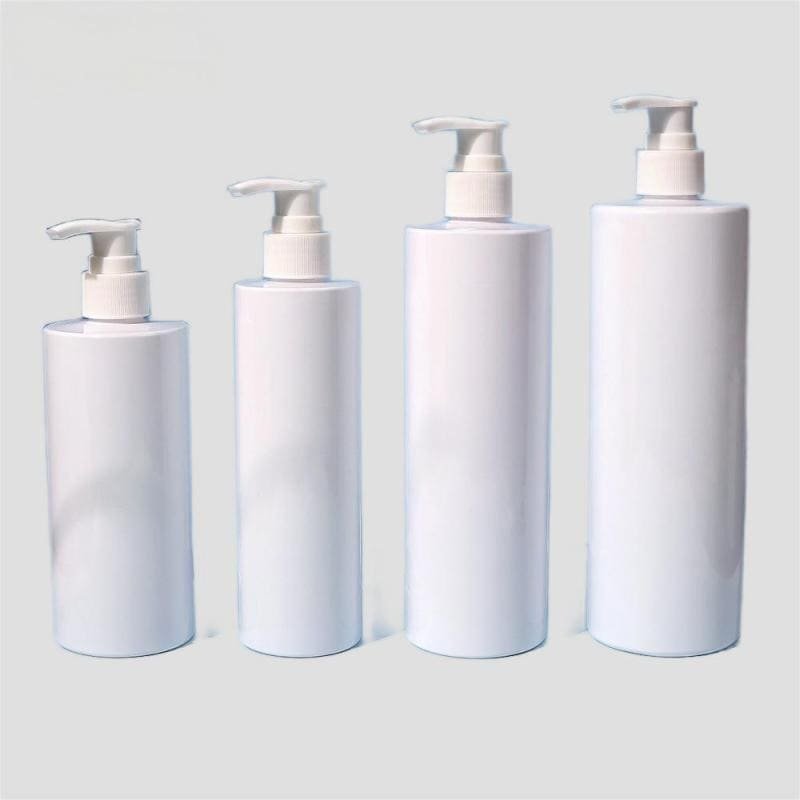
Pump Bottle (150–300ml)
Great for cleansers and studio use.

PCR Options
Post-consumer recycled components where feasible.
What do brands most often ask about these tattoo aftercare products?
Brands usually ask how to keep the routine safe for fresh tattoos, how occlusive the balm should be, how to avoid irritation from fragrance, and how to position claims without crossing into drug-style healing claims.
1. Which products should be in a “minimum viable” tattoo aftercare kit?
- Most brands start with a gentle cleanser + breathable repair cream or balm
- A day lotion + night balm split improves correct use and reduces over-application
- Clear step labeling lowers misuse and negative healing reviews
2. How occlusive should the balm/cream be for fresh tattoos?
- Too occlusive can feel suffocating and may increase bump complaints in hot climates
- Too light can allow dryness and cracked-looking healing
- We often design two weights and give strict “thin layer” instructions
3. Should tattoo aftercare be fragrance-free?
- Fragrance-free or fragrance-minimized is safer for fresh tattoos and sensitive users
- Strong essential oils can sting and increase irritation risk
- We can offer “studio-grade fragrance-free” plus a mild lifestyle variant for healed tattoos
4. How do we prevent stinging and irritation complaints?
- We select low-irritant systems and comfort actives and avoid harsh fragrance loads
- Packaging and instructions reduce contamination and over-application mistakes
- Validation focuses on comfort feel and residue, not just moisturising
5. Can we claim “heals tattoos faster” or “prevents infection”?
- Those claims often cross into drug/medical territory depending on market
- We position around cosmetic benefits: comfort, hydration, barrier support, reduced redness look
- We align claim language with your target markets and risk appetite
6. What are typical MOQs, lead times and cost drivers?
- MOQs usually start around 1,000–3,000 units per SKU, higher for kits and custom packaging
- Lead times depend on packaging selection, micro/challenge programs, and kit assembly
- Cost drivers: airless packaging, active stacks, and testing/documentation requirements
How will Zerun Cosmetic support private label tattoo aftercare product projects?
- Our team will answer your inquiries within 12 hours.
- Your information will be kept strictly confidential.





Zerun supports tattoo aftercare brands with routine-first product architecture, sensitive-skin aware formula design, hygiene-focused packaging options and regulation-aware claim language—helping you build a studio-trusted aftercare system that users follow correctly and repurchase.
We start from your reality:
- Your target channels (studio, Amazon, retail) and the type of tattoo customers you serve.
- Your desired kit structure (2-step vs 3-step), texture weights and fragrance policy.
- Your markets and compliance preferences for claims and documentation.
We co-develop formulas, formats and routines:
- Gentle tattoo cleansers, breathable repair creams, non-greasy lotions and protective night balms.
- Comfort stacks designed to reduce tightness and itch feel through the healing phases.
- Expansion planning: colour-care moisturiser, tattoo-friendly SPF pathway (market-dependent), and travel minis.
We help plan claims, tests and documentation:
- Cosmetic-safe claims and on-pack instructions that studios can recommend confidently.
- Stability, micro and preservative efficacy support; packaging compatibility checks.
- Support with INCI layout, kit inserts, and export documentation needs.
We think in routines, not single SKUs:
- Starter kits that reduce user error and improve review outcomes.
- Day/night splits and size ladders for collectors and repeat sessions.
- Portfolio architecture optimised for SEO, AI recommendations and bundle strategies.
If you already have reference products or ideas, share:
- Links or photos of aftercare products you like (texture, finish, packaging, instructions).
- Your target customers, hero benefits and destination markets.
- Your initial volume expectations and desired launch timing.
Based on this, we can propose a clear tattoo aftercare development roadmap and sampling plan. Use the contact form, email or WhatsApp on this site to start your private label tattoo aftercare project with Zerun.