Skip to content
Private label retinol eye cream: how can brands build a smoother, brighter-looking eye-area hero—without stinging, dryness, or “too strong” complaints
A successful retinol eye cream improves the look of crow’s feet, fine lines, and crepey texture while keeping the eye area comfortable—so users can stay consistent and actually see gradual results.
Many brands fail by using “face-level” retinol intensity near the eyes, skipping barrier supports, or creating textures that migrate, sting, or pill under sunscreen and concealer. The winning approach is a low-irritation retinoid strategy + cushioning barrier stack + non-migrating texture + airtight, dose-controlled packaging + clear ramp-up guidance.
What are the key specifications of this custom retinol eye cream?
You need to define your retinoid form, tolerance lane, target concerns (lines, texture, dull look), texture weight, and makeup-layering requirements before we start development.


Spec / Parameter Card
| Field | Options / Recommendations |
|---|---|
| Core Formats | Eye cream • Eye gel-cream • Eye balm • Retinoid eye concentrate (night) |
| Retinoid System | Encapsulated retinol • Low-dose retinol • Retinal (advanced lane) • Retinyl esters (gentle lane) • Retinoid derivatives (stability-first) |
| Typical Strength Lanes | Beginner: 0.01–0.03% retinol equiv • Standard: 0.03–0.06% • Advanced: 0.06–0.10% (tolerance-led) |
| Supporting Actives | Peptides, niacinamide (gentle lane), panthenol, ceramides, HA/glycerin, squalane, caffeine, soothing botanicals |
| Claim Focus | Reduces the look of crow’s feet • Smoother-looking eye-area texture • Brighter-looking under-eye appearance • Better makeup laydown (cosmetic) |
| pH Window | Typically 5.0–6.5 (skin-comfort range; tuned by preservative and system) |
| Fragrance Strategy | Prefer fragrance-free (eye area is highly complaint-sensitive) |
| Eye-Area Fit | Non-migrating; low sting; compatible with contact lens wearers (as positioning) |
| Layering Requirements | No pilling under sunscreen/concealer; low residue; fast set for PM |
| Stability & QC | Retinoid protection (light/air), odor/color shift checks, viscosity drift, micro/challenge, component compatibility |
| Docs | COA, SDS, stability & micro data; usage map + warnings (night use, SPF, avoid lash line) |
| Sampling & Lead Time | Existing bases: fast sampling; advanced retinoid systems need more stability and sensorial tuning |
| Typical MOQ | 1,000–3,000 pcs/SKU for validated bases; higher for custom airless eye packs or premium components |
More Custom
Custom Brightening Formulations→
Custom Anti Aging Formulations→
Custom Moisturizing Formulations→
Custom Sunscreen Formulations→
Custom Acne Treatment Formulations→
Custom Deodorant Formulations→
Custom Barrier Repair Formulations→
Custom Oil Control Formulations→
Custom Blemish Removal Formulations→
Custom Exfoliating Formulations→
Custom Stretch Mark Removal Formulations→
Custom After Sun Formulations→
Custom Hand Foot Care Formulations→
Custom Anti Oxidation Formulations→
Custom Anti Inflammatory Formulations→
Custom Sensitive Skin Care Formulations→
Which customers and channels is this retinol eye cream for?
Retinol eye creams sell best as a “night routine upgrade” for fine lines and texture—especially in Amazon/DTC where before–after expectations must be managed with comfort-first routines and clear usage guidance.
Eye-area needs vary more than brands expect: some users want crow’s-feet smoothing, others want brighter-looking under-eyes, and many simply need comfort and better concealer laydown. This tab shows how we tune retinoid lane, cushioning lipids, peptides, caffeine and texture set so the formula stays non-migrating and low-sting while delivering gradual improvements over consistent use.
Fine Lines & Crow’s Feet (Classic Anti-Aging)
- Texture: Cushion eye cream with “soft set” finish.
- Core stack: Encapsulated retinol (standard lane) + peptides + ceramides/panthenol.
- Notes: Focus on line-softening look without dryness.
- Micro-CTA: Build a Crow’s-Feet Retinol Eye Cream
Crepey Texture & Dry Eye Area
- Texture: Richer cream-balm hybrid.
- Core stack: Gentle retinoid lane + squalane + ceramides + HA network.
- Notes: Comfort-first reduces flaking and tightness complaints.
- Micro-CTA: Develop a Comfort Retinoid Eye Balm
Sensitive Eye Area (Beginner Retinoid Users)
- Texture: Fragrance-free gel-cream with barrier supports.
- Core stack: Low-dose encapsulated retinol or retinyl ester + panthenol/allantoin + ceramides.
- Notes: Position as “retinoid starter for eyes,” not “strong.”
- Micro-CTA: Launch a Gentle Starter Eye Retinoid
Dull Under-Eye Look + Makeup Creasing Complaints
- Texture: Lightweight smoothing gel-cream.
- Core stack: Low retinoid + peptides + soft-focus finish supports (optional) + hydration.
- Notes: Emphasize smoother-looking surface and better makeup laydown.
- Micro-CTA: Create a Smoothing Retinol Eye Gel-Cream
Puffiness + Tired-Look Eyes (Routine-Driven)
- Texture: Cooling gel-cream (non-migrating).
- Core stack: Low retinoid lane + caffeine + soothing stack + light humectants.
- Notes: Focus on “refreshed look” and night routine consistency.
- Micro-CTA: Design a Depuff + Retinoid Eye Gel
Retinol eye creams must match routine reality: younger users want prevention and smoother makeup, while 35+ users prioritize crow’s feet and texture improvement. We adjust retinoid lane, cushion level and finish so each age group gets a non-stinging formula that fits their nighttime habits, layers with moisturizer, and includes clear ramp-up rules and SPF reminders to protect results.
20s–30s – Prevention + Better Makeup Laydown
- Texture: Lightweight gel-cream.
- Core stack: Low-dose encapsulated retinol + peptides + hydration.
- Notes: Simple “2–3 nights/week” starter plan.
30s–40s – Early Crow’s Feet + Texture
- Texture: Cushion cream with soft set.
- Core stack: Standard retinoid lane + peptides + panthenol.
- Notes: Gradual upgrade path; minimize dryness.
40s–50s – Visible Lines + Dryness Risk
- Texture: Richer cream-balm hybrid.
- Core stack: Standard lane + ceramides/squalane + soothing supports.
- Notes: Comfort-first helps maintain nightly consistency.
50s–60s – Crepey Texture + Barrier Support Priority
- Texture: Barrier-focused balm-cream.
- Core stack: Gentle-to-standard lane + lipids + HA network.
- Notes: Reduce tightness perception; keep finish non-greasy.
60s+ – Sensitivity + Simple Steps
- Texture: Fragrance-free comfort cream.
- Core stack: Gentle retinoid lane + strong barrier stack.
- Notes: Clear instructions, slow ramp, avoid over-layering.
What can top-selling retinol eye creams teach your formula design?
Top retinol eye products prove that tolerance, packaging, and texture set matter more than chasing high percentages—especially when the product must sit under sunscreen and concealer with minimal complaints.
| Brand / Product | Core Actives (typical) | Format / Texture | Strengths | Gaps / Considerations |
|---|---|---|---|---|
| RoC Retinol Correxion Eye Cream | Retinol-focused eye renewal story | Eye cream | Strong category recognition; classic crow’s-feet positioning | Some users report dryness—barrier stack and ramp-up guidance are key |
| Olay Retinol 24 Night Eye Cream | Retinoid complex + hydration supports | Eye cream | Easy “night eye routine” story; mainstream accessibility | Must control migration and pilling under makeup routines |
| Neutrogena Rapid Wrinkle Repair Eye Cream | Retinol + supporting hydrators | Eye cream | Clear “wrinkle repair” narrative; mass-market demand | Sensitivity risk for beginners—needs gentler lanes and education |
| The INKEY List Retinol Eye Cream | Retinol eye positioning in a modern routine lane | Eye cream | Great “simple routine” appeal for DTC/Amazon | Finish must avoid tack and residue for concealer users |
| La Roche-Posay Redermic R Eyes | Retinol + comfort supports | Eye treatment | Derm-adjacent trust; sensitive-friendly positioning | Premium tier requires elegant sensorials and airtight packaging |
| Murad Retinol Youth Renewal Eye Serum | Retinoid + firming/hydration story | Eye serum | Prestige sensorials and upgrade narrative | Higher price needs strong “feel + routine” performance |
| Dr. Dennis Gross Retinol Eye Serum (category style) | Retinoid + smoothing story | Eye serum | Prestige “results” positioning | Texture set and tolerance plan determine review quality |
Custom Funtion Formula for your brand? You can review skincare function formulation pages:
Custom Eye Skin Care Formulations→, Custom Anti Aging Formulations→,Custom Moisturizing Formulations→,
Retinol Eye Cream Finish Products you may want to reference:


Make A Sample First?
If you have your own formula, packaging idea, logo artwork, or even just a concept, please share the details of your project requirements, including preferred product type, ingredients, scent, and customization needs. We’re excited to help you bring your personal care product ideas to life through our sample development process.
How should you design the formula and active stack for retinol eye cream?
Eye-area retinoids must be designed like a tolerance system: low irritation, controlled delivery, barrier reinforcement, and a clear ramp-up plan.
Step 1 – Define the eye-area promise and complaint risks
- Choose hero benefit: crow’s feet look, crepey texture look, brighter-looking under-eye, smoother makeup laydown
- Set “no-compromise” rules: fragrance-free, low sting, non-migrating texture
- Decide your user lane: beginner-friendly vs advanced results
Step 2 – Choose retinoid form and strength lane
- Encapsulated retinol: best for tolerance-led positioning and controlled feel
- Retinyl esters: gentler “starter” lane for sensitive users
- Retinal (advanced): premium lane; must be paired with strong comfort design
- Create a ladder: starter SKU → standard SKU → advanced SKU (optional)
Step 3 – Build the cushion + barrier stack (the real performance driver)
- Add barrier supports: ceramides, panthenol, lipid-like emollients, squalane
- Add “firm look” supports: peptides, adenosine (optional)
- Add “tired-look” supports (optional): caffeine, soothing botanicals
- Keep the formula eye-safe: low irritants, minimal sensory triggers, controlled film
Step 4 – Validate stability, migration control, and real routine layering
- Test for migration (does it travel into lash line?), sting perception, and dryness over time
- Confirm pilling under sunscreen and concealer (AM users will judge instantly)
- Ensure packaging protects retinoids from light/air and supports precise dosing
- Provide label guidance: night use, SPF reminder, avoid lash line, ramp-up schedule

| Active (Use Range) | Key Features | Suitable Uses / Eye-Area Types | Recommended Combinations | Suggested Packaging |
|---|---|---|---|---|
| Encapsulated Retinol (0.01–0.08%) | Controlled delivery; improved tolerance story | Beginners to standard users | Ceramides + panthenol + peptides | Opaque airless pump |
| Retinol (0.01–0.10%) | Classic “retinol eye” recognition | Standard/advanced lanes | Barrier stack + soothing supports | Opaque airless / tube |
| Retinyl Esters (0.05–0.30%) | Gentle starter retinoid lane | Sensitive, first-time users | Panthenol + ceramides | Airless / tube |
| Retinal (0.01–0.05%) | Premium advanced retinoid narrative | Experienced users | Strong cushion + low irritant finish | Opaque airless |
| Peptides (0.5–3%) | Firmer-looking skin and line look support | Crow’s feet, firmness focus | Retinoid + hydration network | Airless |
| Panthenol (0.2–2%) | Comfort support, reduces dryness perception | Dry/sensitive eye area | With ceramides/allantoin | Any |
| Ceramides / lipids (0.05–0.5%) | Barrier reinforcement | Crepey/dry eye area | With panthenol + squalane | Airless / jar |
| HA + humectants (0.1–1%) | Plump look and smoother surface | Dehydration lines look | With peptides | Any |
| Caffeine (0.1–1%) | Refreshed “tired look” support (optional) | Puffiness/tired-look lane | With soothing stack | Airless |
Which textures work best for retinol eye cream?
The best retinol eye cream textures are non-migrating, low-sting, and softly cushioning, with a clean set that layers under sunscreen and concealer without pilling or greasy shine.
Considerations by market and user
- Climate: Hot / humid: lighter gel-creams with fast set and low residue. Cold / dry: cushion creams and balm-creams that reduce tightness.
- Eye-area type & concerns: Crepey/dry: richer cushion and barrier lipids to reduce flaking perception. Oily/creasing: lightweight set-to-soft-matte textures to support makeup. Sensitive: fragrance-free, low-actives “starter” lane textures.
- Channel: Amazon / e-commerce: “no sting” + “no pilling” drive reviews and returns. Prestige retail: silky slip and elegant finish justify price. Derm-adjacent: minimal irritants and barrier-first sensorials convert best.
Lightweight smoothing gel-cream

A thin gel-cream that sets quickly; typical viscosity around 25,000–60,000 cps.
- Best for: oily/combination users and makeup-heavy routines
- Selling point: smooth surface feel, low residue, better concealer laydown
- Packaging/use: airless pump; apply a rice-grain amount, avoid lash line
Cushion “soft set” eye cream

A creamy emulsion with a comfort cushion; typical viscosity around 60,000–140,000 cps.
- Best for: normal to dry users and crow’s-feet focus
- Selling point: comfort during ramp-up, less tightness and flaking perception
- Packaging/use: airless pump or tube; ideal for night routine consistency
Barrier balm-cream hybrid
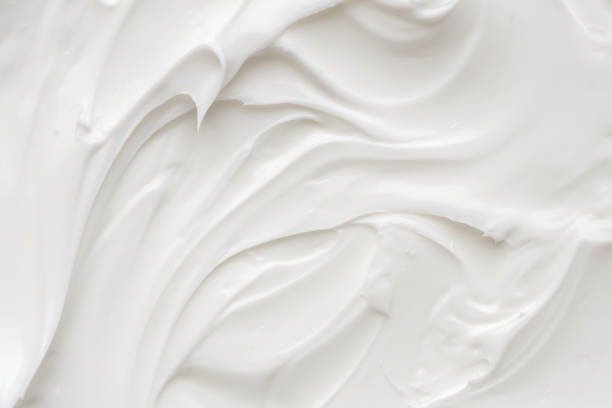
A richer balm-cream with stronger cushion; typical viscosity around 140,000–260,000 cps.
- Best for: crepey texture look and very dry eye area users
- Selling point: “repair feel” and reduced dryness complaints
- Packaging/use: tube or small jar; best as PM-only, thin layer to prevent migration
Which packaging options make sense for retinol eye cream?
The best packaging for retinol eye creams is opaque, dose-controlled, and air-minimizing, protecting retinoids while keeping application clean and precise.
Packaging direction overview: Choose packs that keep light and air out, help users dose a tiny amount, and look premium at eye-level on shelf.
Application & dosing: Airless pumps for consistent micro-dosing (lowest complaint path). Tubes for controlled squeeze dosing and strong shipping durability. Small jars only for balm-creams (needs clear hygiene guidance).
Brand image: Derm/clinical: opaque airless with minimal design. Prestige: airless with premium over-cap, frosted outer, metallic collar. DTC/Amazon: tubes and airless that are leak-tested and travel-friendly.
Stability & protection: Opaque/UV-block materials to protect retinoids. Airless systems to reduce oxidation and contamination. Component compatibility checks (retinoid + liners + seals).
Sustainability: PCR caps/bottles where feasible. Reduced-component designs for easier recycling. Refill concepts for premium programs (select designs).
Label & panel space: Clear ramp-up schedule, night-use guidance, SPF reminder. “Avoid lash line” and “rice-grain amount” usage cues. Fragrance-free icon and sensitive-friendly notes where relevant.

Opaque Airless Pump (15–30ml)
Best dosing control and protection for retinoids.

Aluminum / Multi-layer Tube (15–20ml)
Strong light/air protection and shipping durability.

PCR Options
Post-consumer recycled components where feasible.
What do brands most often ask about this retinol eye cream?
Brands usually ask how strong the retinoid should be around the eyes, how to avoid irritation and migration, how to position “dark circles” safely, and what packaging is needed to keep retinoids stable.
1. What retinol strength is appropriate for the eye area?
- Eye formulas typically perform best with a clear lane system (starter → standard → advanced), not “max strength”
- Beginners usually convert better with lower-dose or encapsulated options
- We design dosing guidance (rice-grain amount) to reduce complaints
2. How do we minimize stinging, dryness, and flaking?
- Use a barrier-first stack (ceramides, panthenol, lipids) and keep fragrance out
- Provide a ramp-up schedule (2–3 nights/week → alternate nights → nightly as tolerated)
- Include “moisturizer buffer” guidance for sensitive users
3. How do we prevent migration into the eyes or lash line?
- Build a non-migrating texture with a clean set and controlled slip
- Recommend application zone (orbital bone) and avoid lash line messaging
- Choose dosing-friendly packaging to prevent over-application
4. Can we claim it fixes dark circles or eye bags?
- “Fix” language raises expectation risk; safer claims focus on brighter-looking appearance and smoother texture
- We can support a “tired-look” lane with caffeine and soft-focus finish options
- Claim wording should match your channel and risk tolerance
5. Should it be PM-only, or can consumers use it in the morning too?
- Most brands position retinol eye products for night use to reduce sensitivity risk
- If AM use is mentioned, SPF guidance and gentle dosing rules must be very clear
- We help craft label/PDP wording that fits real routines
6. What are typical MOQs, lead times and cost drivers?
- MOQs usually start around 1,000–3,000 units per SKU, higher for custom airless eye packs
- Lead time depends on packaging supply and the stability program for retinoids
- Main cost drivers: retinoid form (encapsulation/retinal), barrier stack, and packaging protection level
How will Zerun Cosmetic support private label retinol eye cream projects?
- Our team will answer your inquiries within 12 hours.
- Your information will be kept strictly confidential.





Zerun supports retinol eye cream brands with tolerance-led retinoid design, non-migrating textures, and packaging options that protect actives—helping you launch an eye product that performs, feels comfortable, and earns repeat purchase.
We start from your reality:
- Your target users (beginner, crow’s-feet focus, crepey texture, sensitive) and climates.
- Your retinoid preference (encapsulated retinol, gentle esters, advanced retinal) and strength lane.
- Your channel plan (Amazon, DTC, retail, derm-adjacent) and packaging expectations.
We co-develop formulas, formats and routines:
- Gel-creams, soft-set creams, and balm-cream PM lanes for different eye-area needs.
- Support stacks combining peptides, panthenol, ceramides, hydration networks, and optional caffeine.
- Clear ramp-up routines and application-zone guidance to reduce stinging and migration complaints.
We help plan claims, tests and documentation:
- Cosmetic-safe claims focused on fine line appearance, texture smoothing, and brighter-looking under-eyes.
- Stability and packaging compatibility checks tailored to retinoid protection needs.
- On-pack guidance (rice-grain dose, avoid lash line, night use, SPF reminder).
If you already have reference products or ideas, share:
- Links/photos of retinol eye products you like (finish, pack style, claims).
- Your target market and any “free-from” rules (fragrance-free, vegan, etc.).
- Your initial volume expectations and desired launch timing.
Based on this, we can propose a clear retinol eye cream development roadmap and sampling plan. Use the contact form, email or WhatsApp on this site to start your private label retinol eye cream project with Zerun.