
Dry scalp vs oily scalp vs sensitive scalp: How to design 3 distinct scalp lines?
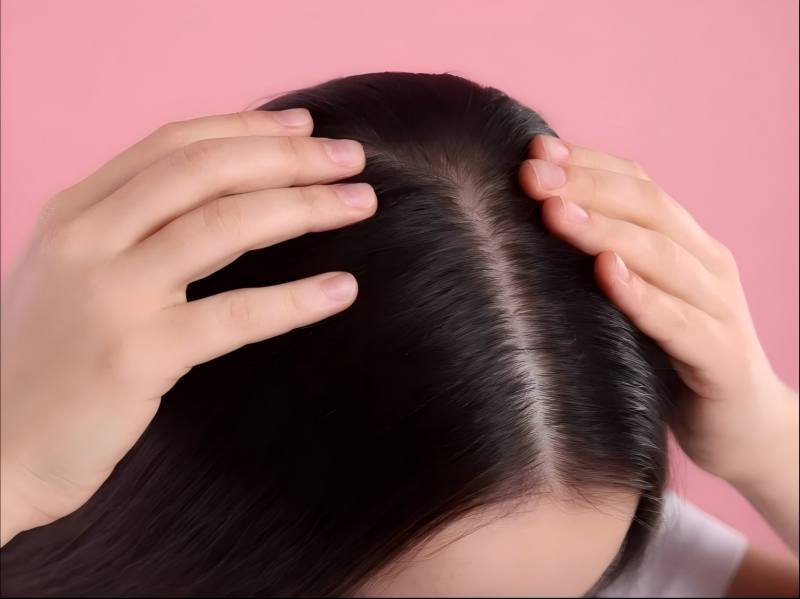
Many scalp lines fail for one simple reason: the three “options” feel like the same product with different labels. Customers pick the wrong one, overuse it, then leave “made it worse” reviews—especially when oil control, flake control, and soothing claims blur together.
Three distinct scalp lines are easiest to design when each line is built around a different root problem (barrier deficit vs excess sebum/buildup vs reactivity), then translated into clear SKU roles, differentiated formula systems, and non-negotiable usage rules. This approach matches how professional brands structure hair & scalp care OEM/ODM development: define the scalp target first, then build the routine around it.
How should brands define the 3 scalp archetypes without overlap?
A clean separation starts with signals that customers can recognize quickly, not dermatology jargon.
Dry scalp (barrier deficit pattern)
- Feels tight after washing, “dry and papery,” sometimes itchy
- Flaking tends to look small, light, and dry rather than sticky
- Scalp often feels worse in winter, after hot showers, or after strong shampoos
Oily scalp (sebum + buildup pattern)
- Greasy roots within 12–36 hours, “heavy” feel, flat hair at the crown
- Flaking can look larger or stickier when oil and styling residue mix
- Scalp often improves after clarifying, but rebounds if cleansing is too harsh
Sensitive scalp (reactivity pattern)
- Stinging, burning, or redness from “normal” products
- Complaints appear quickly (same day), not after weeks
- Triggers include fragrance, essential oils, strong surfactants, high-active leave-ons, or frequent exfoliation
A practical brand rule: dry scalp is about restoring comfort, oily scalp is about controlling “time-to-grease,” and sensitive scalp is about reducing triggers while supporting tolerance.
What should each line’s hero promise be?
The hero promise is the one outcome that the line can own, and it should sound different across all three.
Dry scalp line hero promise
Comfort + hydration support without making roots greasy.
Oily scalp line hero promise
Longer clean feel and less heavy buildup without stripping.
Sensitive scalp line hero promise
Fast calming and better tolerance with low-irritation design.
If two lines share the same hero wording (for example, all three claim “soothing”), customers will treat them as duplicates.
Which SKUs should exist in each line?
Three lines don’t need three full ranges. The simplest system is: one shared “length” product family, and three scalp-specific routines.
Recommended minimum per line (scalp-first, easy to explain):
- Scalp shampoo (the cleanser logic is different for each line)
- Scalp leave-on (serum/tonic/lotion — the daily “results” step)
- Weekly step (mask/peel/ampoule — used sparingly with strict rules)
Optional shared products across all lines (reduce complexity):
- A universal conditioner (length-only, not scalp-targeted)
- A universal heat protectant or smoothing serum (length-only)
This keeps the brand message clean: scalp is treated with line-specific products; hair lengths are supported with shared staples.
What should the three lines look like side-by-side?
| Design element | Dry scalp line | Oily scalp line | Sensitive scalp line |
|---|---|---|---|
| Core problem | barrier deficit + dehydration | excess sebum + buildup | reactivity + low tolerance |
| Cleansing direction | mild, barrier-friendly, non-stripping | effective cleansing + residue control, no squeaky feel | ultra-mild, low-allergen, minimal irritants |
| Leave-on direction | hydrating/comfort serum (non-greasy) | lightweight balancing tonic/serum (fast dry-down) | calming serum/lotion (fragrance-free, simple) |
| Weekly step | nourishing scalp mask or gentle hydration booster | gentle scalp exfoliation / reset | “recovery” mask or very gentle booster (no harsh acids) |
| Texture expectation | creamy-light, comfort finish | watery to light gel, clean finish | light lotion/serum, zero sting feel |
| Fragrance policy | soft or low-allergen | light/clean or low-allergen | fragrance-free preferred |
| Biggest “do not” | heavy oils that collapse hair | over-stripping surfactants that rebound oil | essential oils/high-sensory actives that trigger |
How should formulas and actives differ across the three lines?
Differentiation should happen in three layers: cleansing system, leave-on system, and the “weekly step.” Actives are only one part of the separation.
Dry scalp: comfort + hydration support
Cleansing system: mild surfactant blend, scalp-friendly pH, strong rinse feel without “squeak.”
Leave-on direction (non-greasy): humectant + barrier-support + anti-itch comfort.
Common directions: glycerin, panthenol, betaine, beta-glucan, colloidal oat-style soothing, ectoin-like stress support, bisabolol/allantoin-type comfort agents
Weekly step: scalp mask or hydration booster that reduces tightness, not a harsh exfoliant.
Oily scalp: clean feel + buildup control
Cleansing system: efficient cleansing that removes sebum/styling residue while avoiding harsh after-feel.
Leave-on direction: lightweight balancing, fast-dry, no residue.
Common directions: niacinamide-style oil balance support, zinc PCA-style sebum support, very controlled exfoliation support where appropriate, anti-odor freshness design without heavy fragrance
Weekly step: gentle scalp reset (carefully dosed exfoliation approach) with strict frequency rules.
Sensitive scalp: calm + tolerance engineering
Cleansing system: ultra-mild, low-irritation surfactants, minimal sensitizers, careful preservative/fragrance strategy.
Leave-on direction: calming + barrier support with a short ingredient story.
Common directions: panthenol, allantoin, centella-style soothing, beta-glucan/oat comfort, bisabolol-type soothing, ectoin-like stress support
Weekly step: recovery-focused mask/booster, usually avoiding strong acids, high alcohol systems, or heavy essential oils.
A useful product-development check: if oily scalp and sensitive scalp share the same “tingly fresh” sensation, sensitive users will reject it and oily users may overuse it.
How should usage rules prevent “made it worse” reviews?
The strongest differentiation often comes from instructions, not ingredients.
Dry scalp rules
- Cleanse scalp as needed, not “just in case”
- Use leave-on daily or after washes, focused on scalp feel
- Weekly step is hydration/comfort, not aggressive exfoliation
Oily scalp rules
- Cleanse to scalp, rinse thoroughly, avoid over-conditioning the roots
- Leave-on should be lightweight and clearly labeled as “non-greasy”
- Weekly reset is limited (example: once weekly), never daily
Sensitive scalp rules
- Introduce one new product at a time; avoid stacking multiple new actives
- Leave-on should specify “apply to dry scalp” and “stop if stinging occurs”
- Weekly step should be optional and ultra-gentle, with conservative frequency
Clear frequency guidance is not “nice to have.” It is a review-protection mechanism.
Which packaging and applicators fit each line?
Packaging should reinforce the promise and reduce misuse.
Dry scalp packaging
- Serum: precision nozzle for parting lines, controlled dose, non-drip
- Shampoo: standard bottle or pump; avoid overly strong “deep clean” cues
- Label cues: comfort, hydration support, non-greasy
Oily scalp packaging
- Serum/tonic: nozzle tip or comb-tip for fast coverage (if formula supports it)
- Shampoo: pump or flip-top designed for frequent use and quick rinse
- Acid-compatible materials if exfoliation is included
Sensitive scalp packaging
- Prefer controlled-dose nozzles or pumps that reduce contamination risk
- Fragrance-free positioning often benefits from clean, clinical labeling cues
- Avoid applicators that encourage over-application
One packaging decision often saves the most money: standardize bottle families across the three lines, then differentiate by label color and applicator top.
What testing and documentation should be planned before launch?
Three scalp lines multiply risk if stability and compatibility are treated casually.
Baseline checkpoints often used for scalp products:
- Stability across temperature cycles (especially for leave-ons and masks)
- Microbial control / preservative performance (leave-ons are higher risk)
- Packaging compatibility (acids, fragrances, and certain polymers can interact)
- Basic scalp tolerance screening (especially for sensitive line and oily line exfoliation)
- Claims support plan tied to cosmetic-safe language (comfort, oil balance, visible flake reduction, manageability)
The sensitive line typically sets the strictest standard; meeting that standard early reduces downstream reformulation.
How to position three lines across DTC and Amazon without cannibalization?
Positioning works when selection feels obvious at a glance.
Practical positioning moves:
- Name each line by the problem state (Dry / Oily / Sensitive), not vague emotions
- Use one hero proof point per line (comfort, time-to-grease, tolerance)
- Keep SKU roles consistent across lines (shampoo = cleanse, serum = daily results, weekly = reset/support)
- Add a simple “choose your line” selector: 3 questions max, no medical wording
If customers can’t self-select in 10 seconds, returns and negative reviews rise.
Conclusion
Three distinct scalp lines become clear—and scalable—when each one is anchored to a different root problem, translated into consistent SKU roles, and protected by strict usage rules. Dry scalp wins with comfort and hydration support without grease, oily scalp wins with longer clean feel without stripping, and sensitive scalp wins with calming, low-irritation design that improves tolerance.
More Related
Top 12 Most Expensive Hair Oil In The World: Value Ingredinets Guide→
18 Best Hair Oil Brands: Quality, Ingredients & Value Guide→
Most Expensive Hair Serum: OEM Formulations Guide→
Most Expensive Hair Care Products: OEM Cost Guide→
Most Expensive Hair Gel: Price Guide→
Most Expensive Hair Treatment: Product Function & Value Guide→
Custom Formulations
Custom Brightening Formulations→
Custom Anti-Aging Formulations→
Custom Sunscreen Formulations→
Custom Acne Treatment Formulations→
Custom Sensitive Skin Care Formulations→
Custom Hair Growth Formulations→
Custom Anti Hair Loss Formulations→
Custom Smooth And Shine Hair Formulations→
Custom Anti Frizz Formulations→
Custom Hair Gloss Formulations→
Custom Anti Static Hair Formulations→
Custom Hair Moisturizer Formulations→
Custom Hair Nourishing Formulations→
Custom Hair Strengthening Formulations→
Custom Hair Damage Repair Formulations→
Custom Hair Volumizing Formulations→
Custom Hair Fluffy Formulations→
Custom Curl Defining Formulations→
Hot Private label Hair products
Private Label Hair Growth Oil→
Private Label Anti Dandruff Shampoo→
Private Label Anti Fungal Shampoo→
Private Label Luxury Hair Oil→
Private Label Lightweight Conditioner→
Private Label Peppermint Hair Oil→
Private Label Leave In Conditioner→
Private Label Curl Defining Cream→
Private Label Hair Volume Powder→
Hot ingredients
Custom cosmetic solutions
FAQ Categories
Can't find the answers?
No worries, please contact us and we will answer all the questions you have during the whole process of OEM Cosmetic customization.
Make A Sample First?
If you have your own formula, packaging idea, logo artwork, or even just a concept, please share the details of your project requirements, including preferred product type, ingredients, scent, and customization needs. We’re excited to help you bring your personal care product ideas to life through our sample development process.