Skip to content
Private label tattoo antibacterial soap: how can brands design an effective tattoo-safe cleansing hero product?
A winning tattoo antibacterial soap gives brands a clear “clean without stress” story: removes ink residue and daily grime while keeping fresh tattoos comfortable—without stinging, over-drying, or that “my tattoo feels tight and itchy after washing” complaint.
Most failures come from chasing an “antibacterial” headline without considering claim classification and user reality. Fresh tattoos behave like compromised, irritated skin, so harsh surfactants, fragrance, dyes, and high-foam stripping washes can backfire fast. The winning approach is a tattoo-safe mild cleansing base + a market-appropriate antibacterial/antimicrobial lane (only where compliant) + packaging that makes correct use easy, with simple routine rules.
What are the key specifications of this custom tattoo antibacterial soap?
First decide the lane: a tattoo-safe gentle cleanser (cosmetic positioning) or an OTC consumer antiseptic wash (antibacterial drug positioning in the US). That choice drives actives, labeling, testing, claims, and even which channels can sell it smoothly.

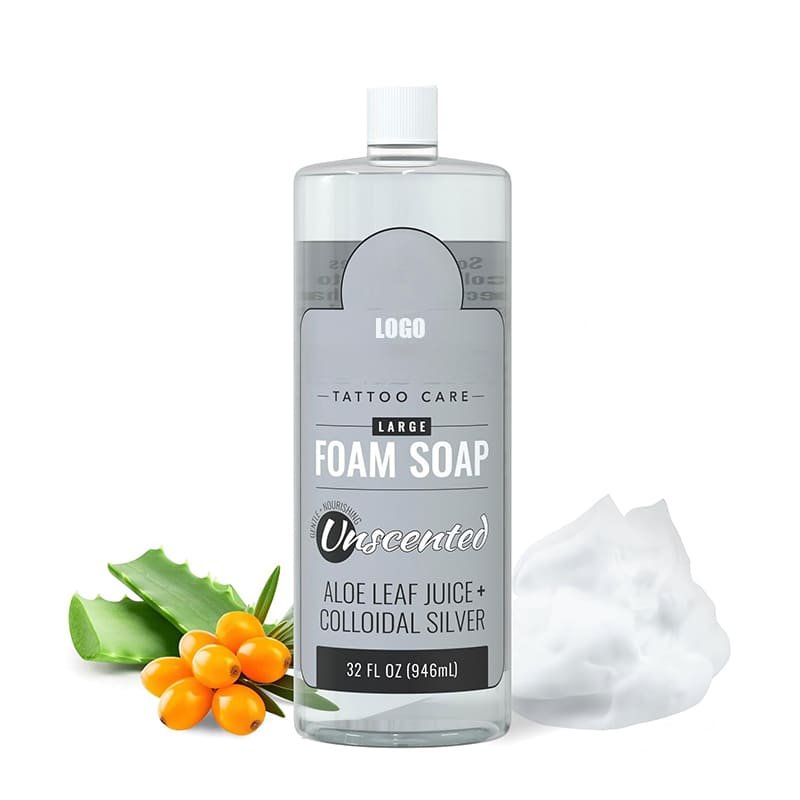

Spec / Parameter Card
| Field | Options / Recommendations |
|---|---|
| Core Formats | Foaming wash (studio + home) • Clear gel liquid wash • Creamy “comfort wash” • Bar soap (travel/value lane) |
| “Antibacterial” Strategy | Lane A (cosmetic): tattoo-safe cleansing + comfort claims; avoid biocidal promises • Lane B (OTC antiseptic wash, market-dependent): antibacterial active + Drug Facts (US) |
| Common Antibacterial Actives (market-dependent) | Benzalkonium chloride (rinse-off antiseptic wash lane) • Chloroxylenol/PCMX (antimicrobial wash lane) — verify allowed status + labeling per target market |
| Cleansing System | Mild surfactant blend (amphoteric + nonionic / amino-acid direction) to reduce sting and tightness; avoid overly stripping “squeaky clean” feel for fresh tattoos |
| Comfort Supports | Glycerin/betaine direction • panthenol/allantoin direction • aloe/beta-glucan direction (keep rinse-clean; avoid heavy residue) |
| Fragrance & Color | Fragrance-free (or ultra-low, allergen-conscious) + dye-minimal/none; “clean scent” without perfume is a common tattoo-safe preference |
| Claim Focus (by lane) | Cosmetic: “tattoo-safe cleansing,” “helps remove residue,” “helps keep skin feeling fresh,” “comfort-first” • OTC antiseptic wash: “for washing to decrease bacteria on the skin” (label-driven) |
| pH Window | Skin-comfort leaning (typically mildly acidic to near-neutral); tune to reduce sting on irritated skin and keep rinse feel clean |
| Skin Type Fit | Fresh tattoo / sensitive routines • oily/acne-prone body skin • dry/tight post-wash users • studio use (fast foam, fast rinse) |
| Usage Frequency | 1–2× daily during aftercare phase; “less friction, gentle wash, rinse well” positioning (avoid aggressive scrubbing guidance) |
| Stability & QC | Viscosity/foam consistency • preservative/challenge (liquids) • micro limits • active assay (if OTC lane) • pump performance + leak tests |
| Docs | COA, SDS, micro & stability data • claim boundary guidance by market • OTC label + manufacturing controls where applicable |
| Sampling & Lead Time | Most iterations come from sting/tightness feedback, fragrance tolerance, foam/rinse feel, and (if OTC lane) label/claim alignment |
| Typical MOQ | 1,000–3,000 pcs/SKU for validated liquid bases; higher for custom foaming pumps, unique molds, or premium decoration |
More Private Label Products
Private Label Sports Muscle Relief →
How to Launch Sports Muscle Relief Products →
Private Label Skincare Solutions→
Private Label Clinic Care Solutions→
Private Label Pet Care Solutions→
Private Label Tan Care Solutions→
Private Label Intimate Care Solutions→
Private Label Tattoo Care Solutions→
Private Label Facial Care Solutions→
Private Label Body Care Solutions→
Private Label Beard Care Solutions→
Private Label Hair Care Solutions →
Which customers and channels is this tattoo antibacterial soap for?
Tattoo cleansing products sell best when they reduce user anxiety: “I can wash my tattoo without hurting it.” The must-have experience is low-sting, rinse-clean, fragrance-minimal, and easy to dose (especially foaming pumps for beginners).
Tattoo-safe washes win when they cleanse without sting or tightness. This tab shows how foam vs gel, comfort supports, and antibacterial-lane choices shift for sensitive, oily, dry, and “fresh tattoo” users.
Fresh Tattoo / Irritation-Prone
- Texture: Soft foam or gentle low-foam gel.
- Core stack: Mild surfactants + glycerin/betaine + panthenol/allantoin direction.
- Notes: Minimize fragrance/dyes; “rinse clean” beats heavy conditioning residue.
- Micro-CTA: Create a Comfort-First Tattoo Wash
Sensitive / Reactive
- Texture: Foam or clear gel with ultra-clean rinse.
- Core stack: Mild surfactants + soothing supports; conservative preservative/fragrance strategy.
- Notes: Reduce sting risk; keep formula short and predictable.
- Micro-CTA: Design a Tattoo Wash for Sensitive Skin
Oily / Acne-Prone Body Skin
- Texture: Clear gel or crisp foam.
- Core stack: Mild surfactants + low-residue humectants; avoid heavy oils/butters.
- Notes: “No film” and “no clogged pores” positioning helps reviews.
- Micro-CTA: Develop a Clean-Rinse Tattoo Foam Wash
Dry / Tight After Washing
- Texture: Creamy low-foam wash (not greasy).
- Core stack: Humectant + barrier-feel supports (rinse-safe), low irritant profile.
- Notes: Avoid “squeaky clean”; tightness is a repeat-purchase killer.
- Micro-CTA: Build a Hydrating Tattoo Cleansing Wash
Studio / Artist Use
- Texture: Foaming pump, quick collapse foam, fast rinse.
- Core stack: Efficient mild cleansing + optional market-appropriate antiseptic lane (where compliant).
- Notes: Pump reliability and refill formats matter more than luxury scent.
- Micro-CTA: Launch a Studio-Ready Foaming Tattoo Soap
Routine maturity changes what matters: first-timers want “won’t hurt my tattoo,” 20s–30s want convenience and clean rinse, 40s+ want comfort, and 60+ want easy pumps and low irritation.
Teens & Early 20s – First Tattoo Aftercare Wash
- Texture: Foaming pump for easy dosing.
- Core stack: Mild surfactants + comfort supports.
- Notes: Simple rules reduce misuse: gentle hands, rinse well, pat dry.
20s–30s – Busy Routine + Gym/Sweat
- Texture: Crisp foam or clear gel, quick rinse.
- Core stack: Clean-rinse base + low-residue humectants.
- Notes: “Fresh feel without fragrance” converts strongly.
30s–40s – Sensitive Stackers
- Texture: Low-foam gel or soft foam.
- Core stack: Fragrance-minimal + soothing supports.
- Notes: Position as “tattoo-safe, skin-friendly cleansing,” not harsh antibacterial hype.
40s–50s – Comfort + Dryness Concerns
- Texture: Creamy comfort wash (still rinse-clean).
- Core stack: Humectant support + mild surfactants.
- Notes: Tightness/itch drives negative reviews—comfort is the hero.
60s+ – Simplicity and Low Irritation
- Texture: Pump or foam (easy handling).
- Core stack: Short formula, low sting profile.
- Notes: Clear “how much to use” guidance improves satisfaction.
What can top-selling tattoo cleansing / antibacterial soaps teach your formula design?
Top sellers show two winning lanes: OTC-style antiseptic washes that lead with a recognized antibacterial active, and tattoo-specific gentle cleansers that win on low sting, fragrance-minimal comfort. The best concepts make the routine foolproof with foam pumps, clean rinse, and “comfort-first” positioning.
| Brand / Product | Core Actives (typical) | Format / Texture | Strengths | Gaps / Considerations |
|---|---|---|---|---|
| Dial Antibacterial Gold (bar) | Benzalkonium chloride 0.10% | Bar soap | Familiar “antibacterial” equity; value + easy access | Bar format can feel stripping for some; fragrance/dyes can be a sensitivity trigger |
| H2Ocean Blue Green Foam Soap | Benzalkonium chloride 0.13% | Foaming wash | Tattoo-positioned antiseptic wash; foam pump convenience | Must manage dryness/sting risk; label/claim must match market classification |
| Hustle Bubbles Deluxe Antibacterial Foaming Soap | Benzalkonium chloride 0.10% | Foaming wash | Studio-friendly foam workflow; clear “antibacterial” lane | Can be too “active” for very reactive users; fragrance/feel must be controlled |
| Tattoo Goo Antimicrobial Soap | Chloroxylenol/PCMX (label varies by market) | Liquid wash | Tattoo aftercare positioning with antimicrobial story | PCMX lane requires tight label/claim discipline; sensory must stay gentle |
| INK-EEZE Prebiotic Foam Soap | Prebiotic + gentle cleansing direction (non-drug positioning) | Foaming wash | “Tattoo-safe gentle” lane; comfort-first appeal | Not an antibacterial-drug claim lane; avoid implying infection prevention |
| VI Tattoo Soap | Natural oil blend (sea buckthorn/hemp seed oil) | Bar soap | “Natural tattoo soap” story; moisturized feel | Bar can leave residue or feel heavy for oily users; not an antibacterial active lane |
| Vanicream Gentle Body Wash (often recommended for sensitive routines) | Fragrance-free gentle cleanser (non-drug) | Low-foam wash | Strong sensitive-skin trust; low-irritant positioning | Not tattoo-specific; not an antibacterial active lane—position as “tattoo-safe gentle cleansing” |
Custom Funtion Formula for your brand? You can review skincare function formulation pages:
Custom Anti Inflammatory Formulations→, Custom Sensitive Skin Care Formulations→, Custom Barrier Repair Formulations→,
Tattoo Antibacterial Soap Finish Products you may want to reference:
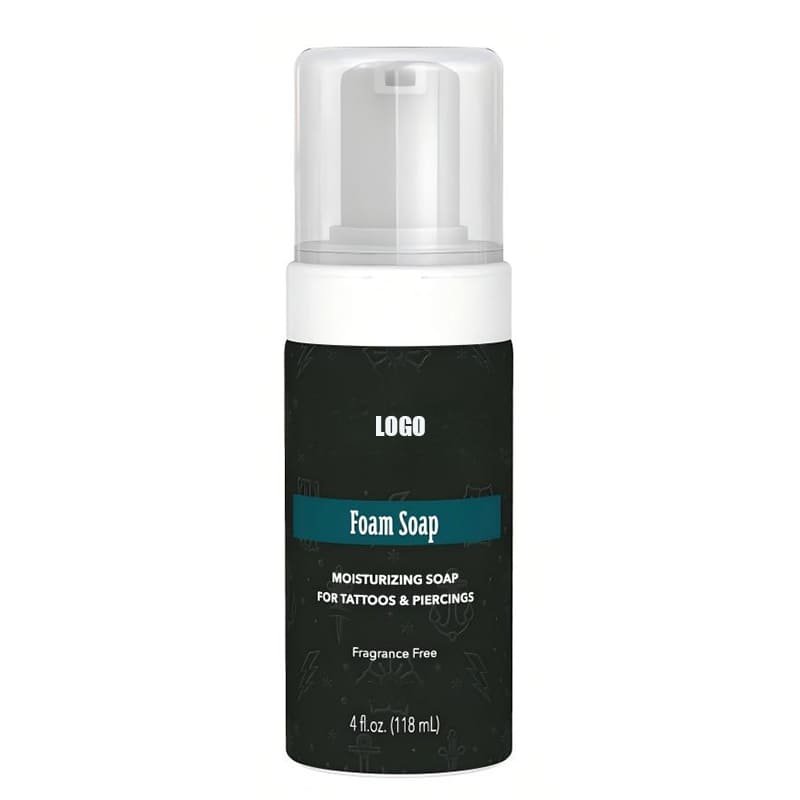


Make A Sample First?
If you have your own formula, packaging idea, logo artwork, or even just a concept, please share the details of your project requirements, including preferred product type, ingredients, scent, and customization needs. We’re excited to help you bring your personal care product ideas to life through our sample development process.
How should you design the formula and active stack for tattoo antibacterial soap?
Treat “antibacterial” as a regulatory + sensory decision, not just an ingredient choice. In the US, antibacterial wash products can fall under OTC antiseptic wash rules, and FDA has taken action on many antibacterial active ingredients—so the clean path is choosing a lane early and building claims/testing to match.
Step 1 – Define the job and usage lane
- Fresh tattoo comfort wash (cosmetic lane) vs antiseptic wash (OTC lane, market-dependent)
- Decide the hero promise: “tattoo-safe gentle cleansing” vs “decrease bacteria on skin” (label-driven)
- Set experience targets: low sting, low tightness, fragrance-minimal, rinse-clean, pump-easy dosing
Step 2 – Choose the cleansing base and (if applicable) antibacterial active strategy
- Build a mild surfactant system designed for irritated skin behavior (foam/gel depending on channel)
- If choosing an antiseptic lane: align active type and label language to the target market pathway (avoid “implied biocide/medical” drift)
- Avoid “banned/unsupported antibacterial actives” assumptions; the antibacterial landscape is not simply “add triclosan and go” (it isn’t allowed in US consumer antibacterial soaps)
Step 3 – Balance results with tolerance and rinse feel
- Control sting/tightness by avoiding overly stripping surfactants and heavy fragrance
- Use comfort supports that rinse clean (humectant + soothing direction)
- Keep residue low: residue can trigger “itchy,” “sticky,” or “broke me out” reviews in tattoo lanes (Men’s Health)
Step 4 – Validate stability, compatibility, and real-use behavior
- Run irritation-signal screening (sting/tightness feedback loops) and rinse-feel panels
- Validate micro/challenge for liquids; verify active level consistency if OTC lane
- Confirm pump/foamer performance, leakage resistance, and refill compatibility for e-commerce shipping

| Active (Use Range) | Key Features | Suitable Uses / Skin Types | Recommended Combinations | Suggested Packaging |
|---|---|---|---|---|
| Benzalkonium chloride (0.10–0.13% label-driven) | Common OTC antibacterial wash active; recognized “antibacterial” cue | Studio + home antiseptic-wash lanes (market-dependent) | With mild surfactant base + comfort supports to reduce tightness | Foaming pump / standard pump |
| Chloroxylenol / PCMX (range label-driven) | Antimicrobial wash direction; different sensory profile vs BAC | “Antimicrobial soap” lanes where pathway supports it | Pair with fragrance-minimal strategy + rinse-clean comfort | Pump / flip-top |
| Panthenol / Allantoin direction (0.2–2%) | Comfort support; helps reduce complaint risk | Fresh tattoo comfort-first users; sensitive routines | With mild surfactants + glycerin/betaine | Any (foam often preferred) |
| Glycerin / Betaine direction (1–5%, tuned) | Hydration support without heavy residue | Dry/tight after washing; frequent washers | With low-residue cleansing base | Any |
| Aloe / Beta-glucan direction (0.1–1%) | Soothing story; supports “tattoo-safe” positioning | Reactive users (keep formula simple) | With fragrance-minimal strategy | Pump/foamer |
| Mild surfactant system (amino-acid / amphoteric blend) | Lower sting and lower tightness vs harsh systems | All tattoo lanes | With comfort supports + clean rinse targets | Foam or gel packs |
Which textures work best for tattoo antibacterial soap?
The best tattoo antibacterial soap textures cleanse with minimal friction—quick foam or low-foam gel, clean rinse, and low sting—while avoiding the “tight, dry, itchy” feel that kills reviews during the healing window.
Considerations by market and user
- Climate:Hot / humid: foams and clear gels that rinse fast and leave no film. Cold / dry: creamy low-foam washes that reduce post-wash tightness
- Skin type & routine:Sensitive/new tattoo: low sting, fragrance-minimal, gentle rinse feel. Oily/acne-prone body: clean-rinse, low residue, no heavy oils. Dry/tight users: hydration support without slippery residue
- Channel:Amazon / e-commerce: dryness and sting complaints drive returns; pump leakage is a silent conversion killer. Studio: speed + dosing consistency matter; foaming pumps and refill options win. Retail: tactile feel and “gentle, dermatologist-adjacent” cues convert
Foaming tattoo wash (easy dosing lane)

A light, fast-dispensing foam system; typical liquid viscosity around 10–80 cps.
- Suitable for: first-timers, studio workflows, sensitive routines needing low friction
- Key selling points: easy dose control, quick rinse, low mess
- Packaging/use tips: foaming pump + optional refill pouch strategy
Clear gel tattoo cleanser (clean-rinse lane)

A clear, low-foam gel wash; typical viscosity around 2,000–12,000 cps.
- Suitable for: oily/acne-prone body skin, humid climates, “no residue” preferences
- Key selling points: crisp cleanse, low film, fragrance-minimal comfort
- Packaging/use tips: flip-top or pump; define “small amount, gentle hands” rules
Creamy comfort wash (dryness-control lane)

A creamy, mild low-foam wash; typical viscosity around 8,000–25,000 cps.
- Suitable for: dry/tight users, cold climates, frequent washers during aftercare
- Key selling points: reduced tightness, comfort-first story, still rinse-clean
- Packaging/use tips: pump preferred; keep residue controlled to avoid “slippery film” complaints
Which packaging options make sense for tattoo antibacterial soap?
Choose packaging that controls dosing, minimizes contamination, and survives shipping. For tattoo aftercare, the best packaging also reinforces “gentle, hygienic, easy to use” rather than “harsh disinfectant.”
Factors to align with your brand
- Application method:Foaming pumps for low-friction cleansing and repeatable dosing. Flip-tops for gel cleansers and travel-friendly routines. Bar wraps for value/travel lanes (but sensitivity and fragrance strategy matter)
- Hygiene & use control:Controlled-output pumps reduce overuse and rubbing. Leak resistance and lockable pumps reduce e-commerce losses
- Sustainability direction:PCR PET bottles where feasible. Refill pouches for studio/home repeat purchase. Simplify components for recyclability
- Label and artwork space:Clear “tattoo-safe cleansing” positioning. Simple routine rules (dose, rinse, pat dry). If OTC lane: required label structure and Drug Facts space (market-dependent)
- Channel needs:Amazon: leak tests + pump locks + ship-ready packs. Studio: refill formats and fast dispensing. Retail: premium but functional cues (clean, clinical-minimalist look)

Foaming Pump Bottle (150–250ml)
Best for easy dosing and low-friction cleansing.
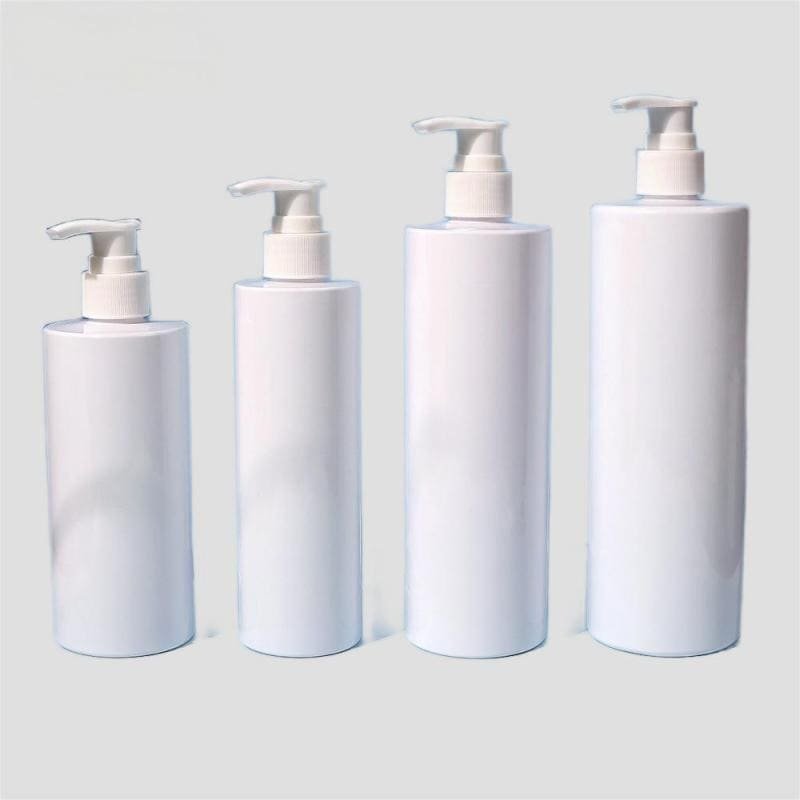
Pump Bottle (200–300ml)
Great for gel/creamy washes with controlled output.

PCR Options
Sustainability-forward repeat purchase formats.
What do brands most often ask about this tattoo antibacterial soap?
Brands usually ask whether “antibacterial” is worth the regulatory complexity, which active lane is acceptable by target market, how to avoid sting and tightness on fresh tattoos, and which foam/gel formats reduce misuse and negative reviews.
1. Is an “antibacterial” claim worth it for tattoo aftercare soaps?
- In the US, antibacterial wash positioning can trigger OTC antiseptic wash pathways and label requirements, so the “worth it” depends on channel and timeline
- Many tattoo buyers convert better on “tattoo-safe gentle cleansing” because sting and dryness are the biggest review risks
- A two-lane plan (gentle cosmetic wash + separate antiseptic SKU where compliant) often reduces launch risk
2. Which antibacterial actives are most common in rinse-off wash lanes?
- Benzalkonium chloride is widely used in antibacterial soap labels (often around 0.10–0.13% depending on product)
- Chloroxylenol/PCMX appears in some antimicrobial soap labels; claims and classification must match the market pathway
- Active choice should follow target-market rules first, then texture/sensory design
3. How can sting and “tight, itchy” after-wash complaints be prevented?
- Use a mild surfactant system and avoid harsh stripping cleanse cues
- Keep fragrance and dyes minimal; prioritize clean rinse over strong perfume masking
- Add rinse-safe comfort supports (humectant + soothing direction) without leaving a heavy film
4. Foam vs gel vs bar: which format sells best for tattoo aftercare?
- Foam pumps reduce friction and make dosing easy for first-timers and studio workflows
- Clear gels win for “clean rinse / no residue” buyers, especially oily body skin
- Bars can work for travel/value, but sensitivity and fragrance strategy must be controlled tightly
5. How should the label and positioning avoid risky “medical” implications?
- Keep cosmetic claims on cleansing, freshness, and comfort unless the product is built and labeled for an OTC antiseptic lane
- Avoid implying infection treatment/prevention in cosmetic lanes; routine guidance should focus on gentle cleansing behavior
- Align every hero line (site, ads, label) to the chosen classification to prevent compliance surprises
6. What are typical MOQs, lead times and cost drivers?
- Typical MOQ: 1,000–3,000 units per SKU, higher for custom foaming pumps, locks, or decorated packs
- Lead time depends on sensory iterations (sting/tightness), micro/challenge testing, and pump leak validation
- Cost drivers: packaging complexity (foamer quality), fragrance strategy, and (if OTC lane) label/testing controls
How will Zerun Cosmetic support private label tattoo antibacterial soap projects??
- Our team will answer your inquiries within 12 hours.
- Your information will be kept strictly confidential.





Zerun supports tattoo antibacterial soap brands with comfort-first cleansing design, market-appropriate antibacterial lane planning, and channel-ready packaging validation—helping you launch a tattoo-safe wash that customers trust and repurchase.
We start from your reality:
- Your target users (fresh tattoo comfort, sensitive routines, studio use) and climates
- Your lane choice (cosmetic gentle wash vs OTC antiseptic wash where applicable) and channel plan (Amazon, retail, studio)
- Your packaging preference (foam/gel/bar), fragrance policy, and timeline for testing and label work
We co-develop formulas, formats and routines:
- Foaming washes, clear gels, and creamy comfort washes engineered for low sting and clean rinse
- Market-appropriate antibacterial active lanes where compliant, without sacrificing tattoo-safe comfort
- Simple routine rules (dose, gentle hands, rinse, pat dry) that reduce misuse reviews
We help plan claims, tests and documentation:
- Cosmetic-safe cleansing and comfort claims, plus boundary guidance by market
- Micro/challenge testing, stability, and packaging leak/pump validation for e-commerce
- If OTC lane: label structure alignment and documentation planning consistent with pathway requirements
If you already have reference products or ideas, share:
- Links/photos of soaps you like (rinse feel, foam type, fragrance level, packaging)
- Your “must avoid” issues (sting, tightness, heavy residue, leaking pumps)
- Your target markets, initial volumes, and desired launch timing
Based on this, we can propose a clear tattoo antibacterial soap development roadmap and sampling plan. Use the contact form, email or WhatsApp on this site to start your private label tattoo antibacterial soap project with Zerun.