Skip to content
Private label post laser cream: how can brands design an effective skin recovery and redness-relief hero product?
A winning post laser cream gives brands a clear “calm + recover” story: helps reduce the look of redness, tightness, and flaky dryness after aesthetic treatments—without sting, heavy greasiness, clogged-feel complaints, or “it irritated me more” reviews.
Most failures come from treating it like a normal moisturizer. Post-procedure skin is reactive and easily upset by fragrance, acids, high-activity actives, or poor texture choices. The winning approach is a barrier-first comfort system + a low-sting base + hygienic packaging, supported by simple “when to use / how much / what to avoid” routine rules.
What are the key specifications of this custom post laser cream?
Decide whether this is a light recovery cream (daily comfort, low residue), an occlusive balm-cream (very dry, flaky phases), or a post-procedure gel-cream (hot/humid, fast finish). That choice drives texture, packaging, tolerance testing, and claim language from day one.
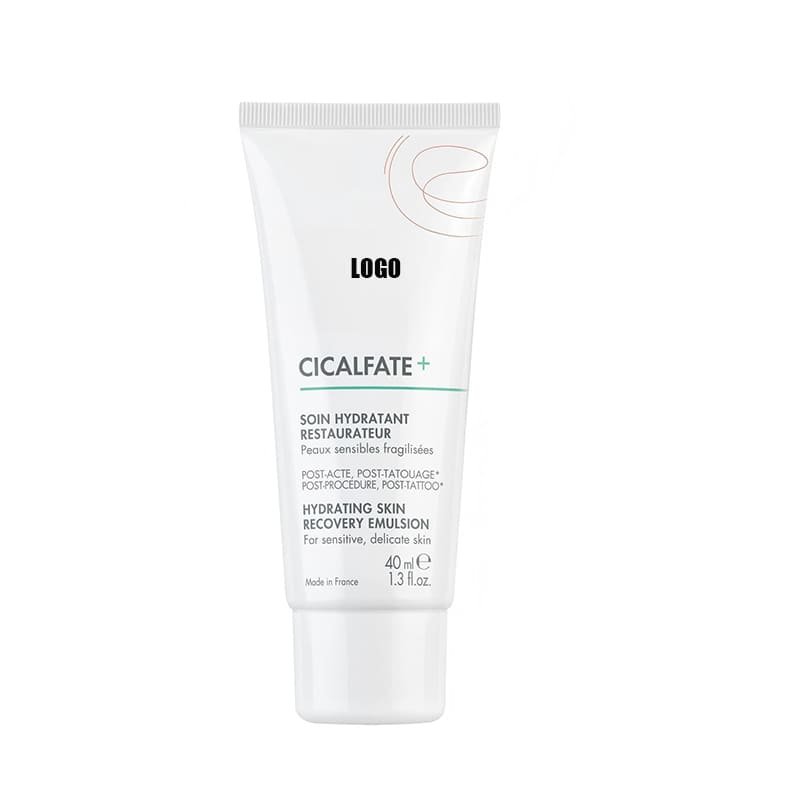
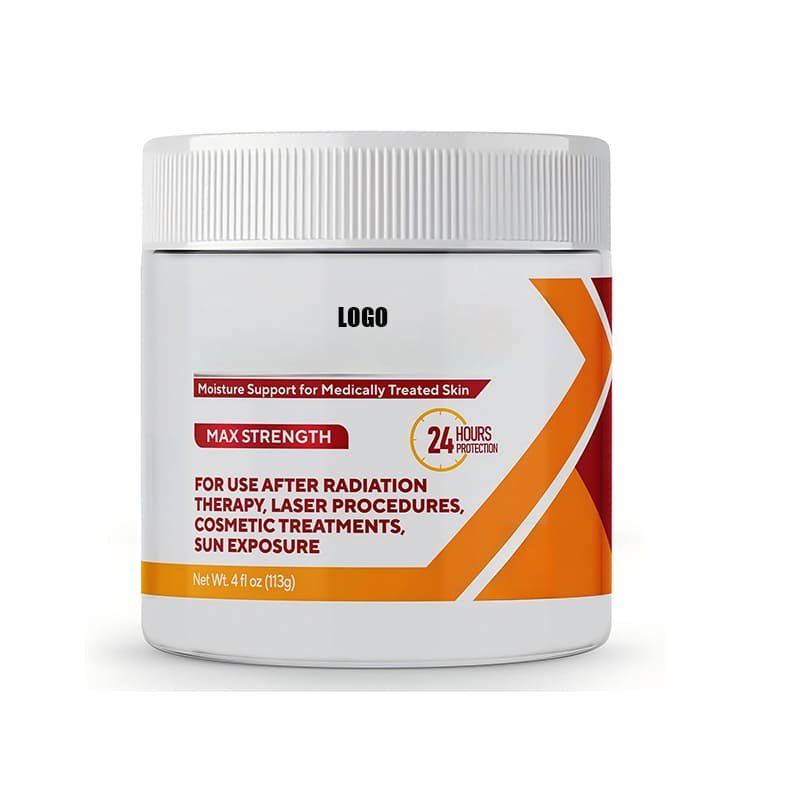
Spec / Parameter Card
| Field | Options / Recommendations |
|---|---|
| Core Formats | Barrier-repair cream • Balm-cream (more occlusive) • Gel-cream (fast finish) • Serum-cream (light) |
| Recovery System | Barrier lipids direction (ceramides/cholesterol/fatty acids) + soothing supports direction |
| Anti-Redness Direction | Beta-glucan / centella direction, panthenol, allantoin, bisabolol direction (project-dependent) |
| Occlusive Strategy | Light “seal” (dimethicone direction) or richer occlusion (ointment-like direction) based on lane |
| Fragrance Strategy | Fragrance-free strongly preferred (post-procedure tolerance + review protection) |
| “Avoid List” Typical | No strong acids/peels, no retinoids, no high-fragrance, no high-tingle actives in early recovery lane |
| Claim Focus | Helps soothe the look of redness • supports skin comfort • supports the skin barrier • helps reduce visible dryness/tightness (cosmetic) |
| Skin Type Fit | Sensitive/reactive • dry/flaky recovery • oily skin needing light finish • clinic aftercare lanes |
| Usage Frequency | Typically 1–2x/day on intact skin, guided by procedure routine rules (lane-dependent) |
| Stability & QC | Sensory drift, odor drift, viscosity drift, micro/challenge (water-based), airless/tube compatibility, pump output stability (if used) |
| Docs | COA, SDS, micro & stability data; claim boundary guidance by market |
| Sampling & Lead Time | Most iterations come from sting control, residue/greasy feel, “calm look” perception, and packaging hygiene |
| Typical MOQ | 1,000–3,000 pcs/SKU for validated bases; higher for custom airless/pumps, special tubes, or premium decoration |
More Private Label Products
Private Label Sports Muscle Relief →
How to Launch Sports Muscle Relief Products →
Private Label Skincare Solutions→
Private Label Clinic Care Solutions→
Private Label Pet Care Solutions→
Private Label Tan Care Solutions→
Private Label Intimate Care Solutions→
Private Label Tattoo Care Solutions→
Private Label Facial Care Solutions→
Private Label Body Care Solutions→
Private Label Beard Care Solutions→
Private Label Hair Care Solutions →
Which customers and channels is this post laser cream for?
Post laser creams convert best when positioned as a predictable “comfort step” after in-office procedures and at-home resurfacing routines—especially for customers who fear redness, dryness, and sensitivity. Texture must match climate and recovery stage.
Post-laser skin needs low-sting comfort and barrier support. This tab shows how texture, occlusion level, and soothing supports change for dry/flaky recovery, oily skin in humid climates, sensitive users, and clinic aftercare routines.
Dry / Flaky Recovery (Seal + Comfort Lane)
- Texture: Balm-cream with protective cushion.
- Core stack: Barrier lipids direction + panthenol/beta-glucan direction.
- Notes: Reduce tightness and visible flaking without heavy residue.
- Micro-CTA: Create a Recovery Balm-Cream
Sensitive / Reactive (Low-Sting Lane)
- Texture: Simple cream, fragrance-free leaning.
- Core stack: Soothing supports direction + barrier support.
- Notes: Sting control is the #1 success metric.
- Micro-CTA: Design a Low-Sting Recovery Cream
Oily / Combination (Light Finish Lane)
- Texture: Gel-cream or light cream, fast finish.
- Core stack: Barrier support in a low-residue base.
- Notes: Avoid greasy feel that triggers “clogged” complaints.
- Micro-CTA: Develop a Lightweight Post-Laser Cream
Redness-Prone Look (Calm-Appearance Lane)e
- Texture: Soft cream with quick comfort feel.
- Core stack: Beta-glucan/centella direction + panthenol direction (project-dependent).
- Notes: “Looks calmer fast” drives repeat purchase.
- Micro-CTA: Build a Calm-Look Recovery Cream
Clinic Aftercare (Professional Protocol Lane)
- Texture: Hygienic tube/airless cream, predictable spread.
- Core stack: Barrier-first comfort system with strict “avoid list.”
- Notes: Instructions and hygiene cues matter as much as formula.
- Micro-CTA: Launch a Clinic-Ready Aftercare Cream
Age changes recovery needs: younger users want fast, light comfort; 30s–40s want barrier support while staying presentable; 50+ often needs richer seal and reduced tightness; 60+ needs simplicity and low irritation risk.
Teens & Early 20s – Light Comfort, Fast Finish
- Texture: Gel-cream or light cream.
- Core stack: Barrier support + low-sting soothing direction.
- Notes: Keep routine minimal and easy.
20s–30s – Presentable Recovery (Workday Lane)
- Texture: Lightweight cream, quick absorb.
- Core stack: Barrier-first comfort system.
- Notes: Avoid shine and heavy residue.
30s–40s – Procedure + Active Stacking Users
- Texture: Comfort cream, low sting.
- Core stack: Soothing supports direction + barrier support.
- Notes: Clear “pause actives” guidance reduces complaints.
40s–50s – Dryness + Tightness Control
- Texture: Cream to balm-cream depending on climate.
- Core stack: Barrier lipids direction + comfort supports.
- Notes: Cushion feel and overnight comfort matter.
60s+ – Simple, Gentle, Hygienic
- Texture: Soft cream in tube/airless.
- Core stack: Conservative, fragrance-free leaning system.
- Notes: Easy dosing and low irritation win.
What can top-selling post-procedure creams teach your formula design?
Top sellers prove shoppers want a simple “calm + barrier support” product they can trust after treatments. They quit quickly if it stings, feels greasy, or triggers breakouts—so low-sting feel, hygienic packaging, and clear routine rules matter as much as ingredients.
| Brand / Product | Core Actives (typical) | Format / Texture | Strengths | Gaps / Considerations |
|---|---|---|---|---|
| La Roche-Posay Cicaplast Baume B5 | Panthenol + madecassoside direction | Balm-cream | Strong “soothing repair” identity; widely adopted after irritation | Occlusive feel can be heavy for oily/humid users; usage rules matter |
| La Roche-Posay Cicaplast Gel B5 | Panthenol + madecassoside direction | Repair gel | “Tested post-procedure / post-laser” positioning; lighter feel option | Gel lane still needs sting control and layering guidance |
| Avène Cicalfate+ Restorative Protective Cream | C+Restore direction + copper/zinc direction | Occlusive protective cream | Barrier-protective, aftercare-focused positioning | Rich texture can feel heavy; tube/usage guidance helps |
| SkinCeuticals Epidermal Repair | Beta-glucan + centella direction | Soothing barrier cream | Explicit “after procedures” suitability; redness-appearance positioning | Premium lane; sensory expectations and tolerance must be consistent |
| ALASTIN Regenerating Skin Nectar | “Post-procedure soothing” serum direction | Treatment serum | Procedure-care positioning; strong derm-adjacent presence | Higher price point; needs clear routine fit and expectations |
| EltaMD Laser Balm | Occlusive balm/ointment | Balm-ointment | Post-procedure “protect compromised skin” positioning | Jar format hygiene and heaviness can be polarizing |
| Aquaphor Healing Ointment | Petrolatum-based protectant | Ointment | Strong occlusive seal; common clinician recommendation | Very heavy; higher breakouts risk for some users; clear “where/when” rules needed |
| Bioderma Cicabio Crème | Soothing/repairing cream direction | Semi-occlusive cream | “Soothing + repairing” concept; comfort texture lane | Needs clear positioning vs heavier ointments to reduce mismatched expectations |
| TriDerma Post Laser Aloe & Zinc Occlusive | Aloe + zinc occlusive direction | Occlusive cream | Explicit post-laser positioning; fragrance-free lane | Occlusive feel + residue control are key to avoid “too greasy” reviews |
Custom Funtion Formula for your brand? You can review skincare function formulation pages:
Custom Barrier Repair Formulations →Custom Sensitive Skin Care Formulations →Custom Moisturizing Formulations → Custom Antibacterial and anti-inflammatory Formulations →
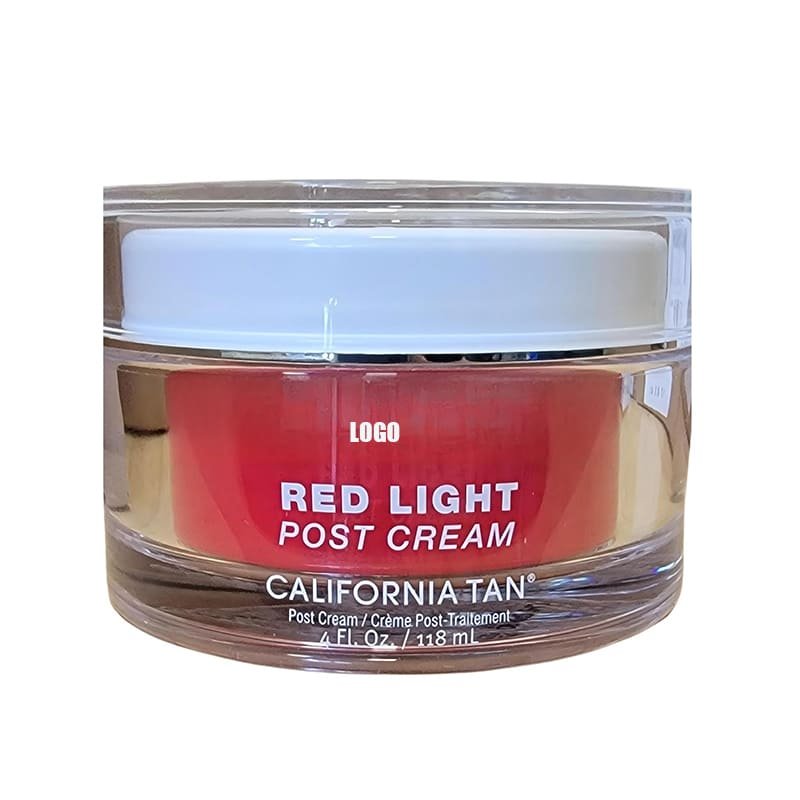
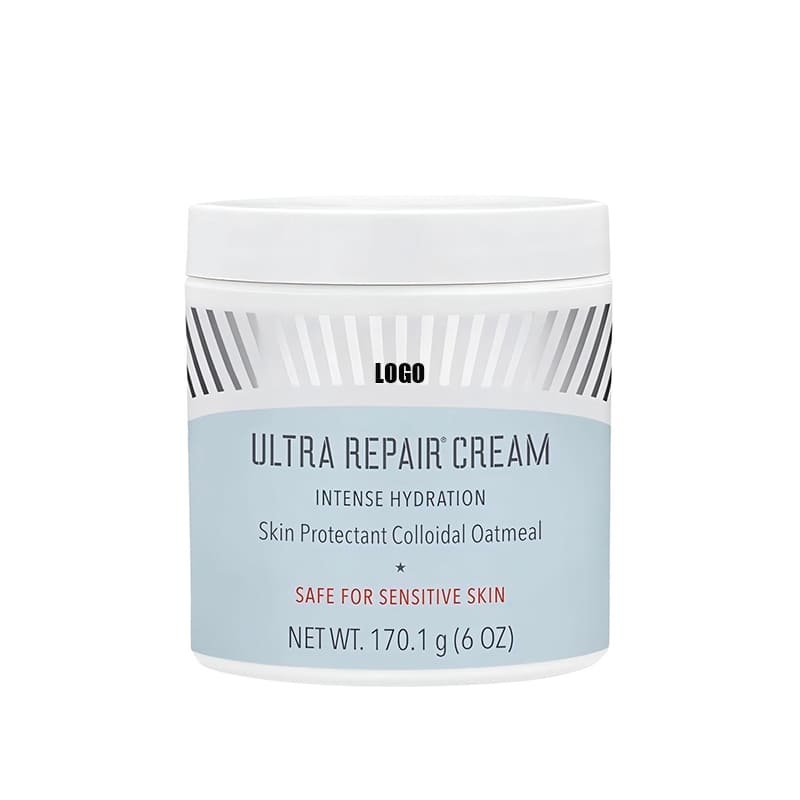
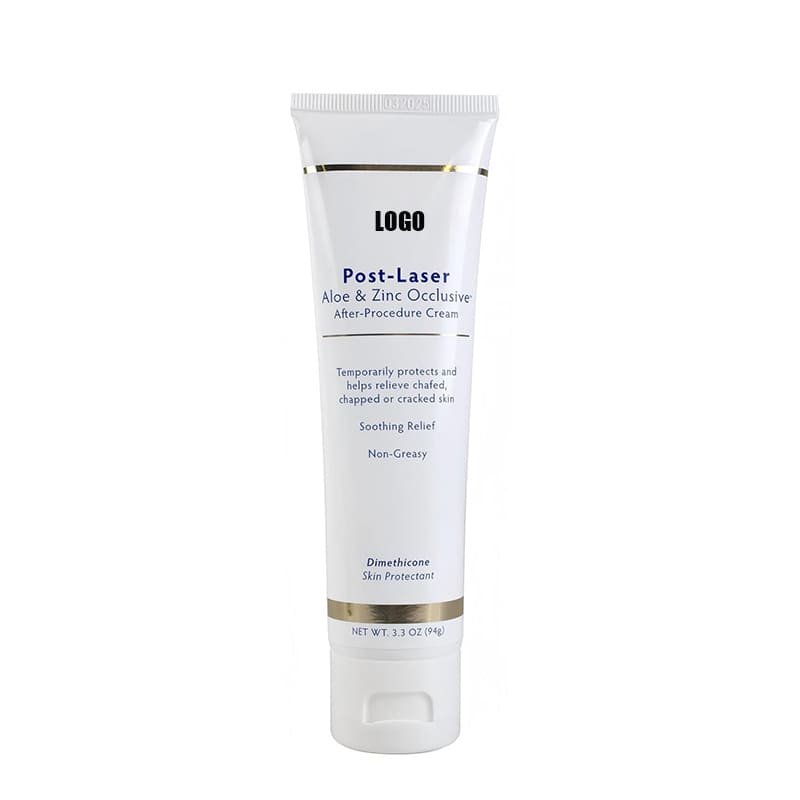
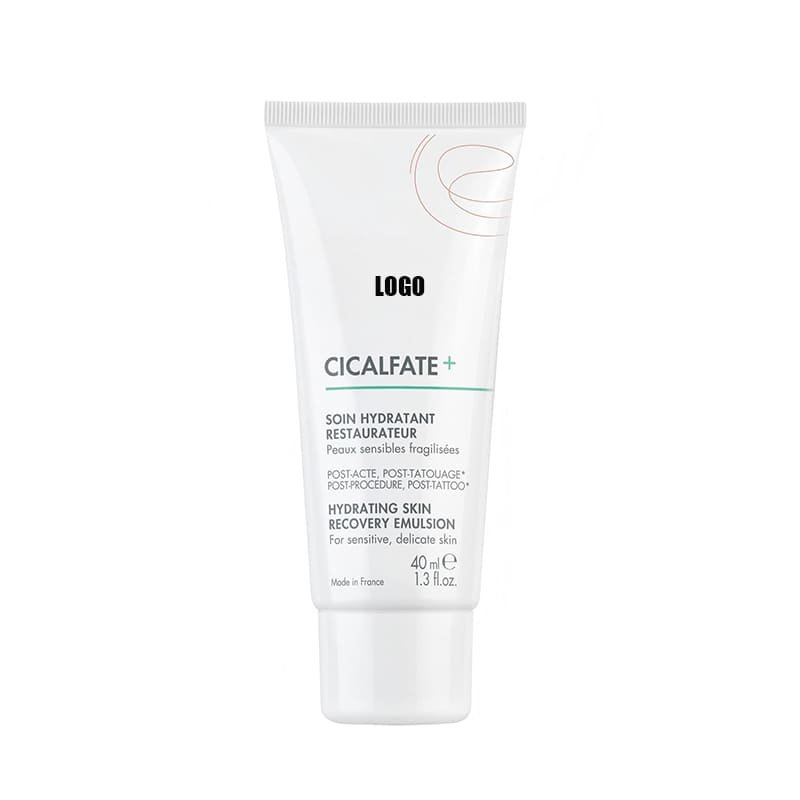
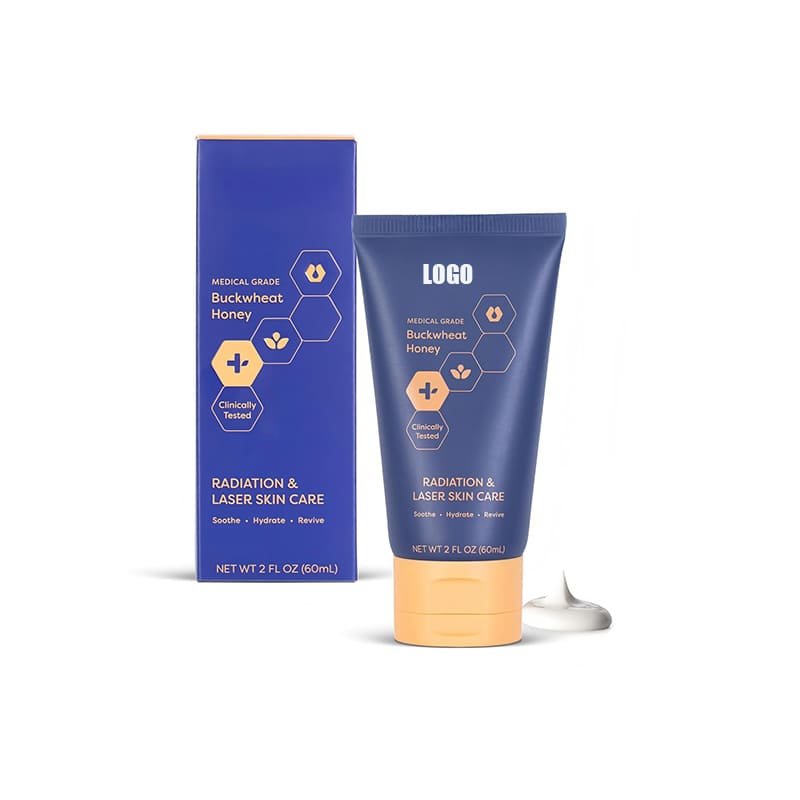
Post Laser Cream Finish Products you may want to reference:

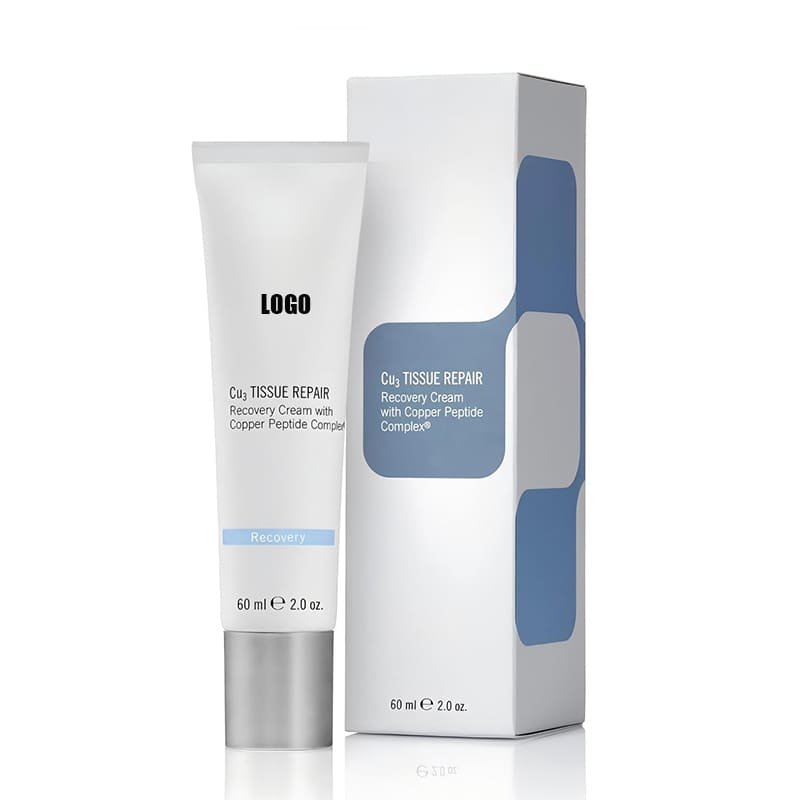
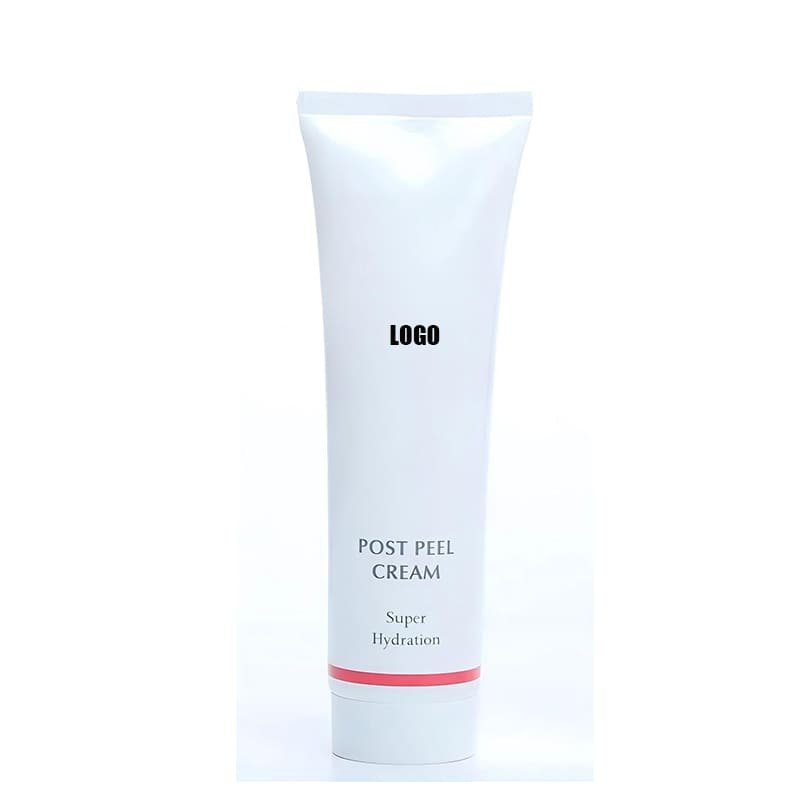
Make A Sample First?
If you have your own formula, packaging idea, logo artwork, or even just a concept, please share the details of your project requirements, including preferred product type, ingredients, scent, and customization needs. We’re excited to help you bring your personal care product ideas to life through our sample development process.
How should you design the formula and active stack for post laser cream?
Treat post laser cream as a “tolerance-first” project: a calming feel, barrier support, and predictable comfort beat aggressive actives. Many successful reference products emphasize soothing actives (like beta-glucan/centella directions) plus barrier-support positioning and after-procedure suitability.
Step 1 – Define the job and usage lane
- Immediate comfort vs daily recovery support vs rich overnight seal
- Decide the residue level customers will accept (light gel-cream vs balm-cream)
- Set the experience target: low sting, fast comfort, no fragrance, no “hot” feeling
Step 2 – Choose the recovery system and occlusion level
- Build a barrier-first core: lipid-replenish direction + soothing supports direction
- Decide “seal level”: light protective film vs richer occlusion for severe dryness phases
- Keep the “avoid list” strict (no strong acids/retinoids) for the core post-procedure lane
Step 3 – Balance comfort with texture and breakouts risk
- Oily/acne-prone lane: lighter occlusion, fast finish, non-greasy after-feel
- Dry/flaky lane: more cushion and seal without feeling waxy
- Fragrance-free leaning reduces complaint risk and improves clinic trust cues
Step 4 – Validate tolerance, compatibility, and hygiene reality
- Run sting/tolerance checks and “next-morning feel” checks as core QA gates
- Confirm micro/challenge readiness for water-based creams and preservative robustness
- Validate packaging hygiene and dispensing reliability (airless/tubes preferred for aftercare)

| Active (Use Range) | Key Features | Suitable Uses / Skin Types | Recommended Combinations | Suggested Packaging |
|---|---|---|---|---|
| Panthenol (0.5–5%) | Comfort support; helps reduce dry, tight feel | Most recovery lanes | With barrier lipids + gentle soothing supports | Tube / airless |
| Beta-glucan direction (0.1–1%) | Soothing support; redness-appearance positioning | Sensitive/reactive lanes | With panthenol + centella direction | Tube / airless |
| Centella / madecassoside direction | Comfort + “calm look” story | Redness-prone, post-procedure lanes | With panthenol + barrier support | Tube / airless |
| Barrier lipids direction (ceramides etc.) | Supports barrier feel and dryness control | Dry/flaky recovery | With humectants + low-sting base | Tube / airless |
| Allantoin / bisabolol direction | Helps reduce irritation perception (cosmetic) | Sensitive lanes | With panthenol + beta-glucan direction | Tube / airless |
| Occlusive film formers (lane-dependent) | “Seal” against moisture loss | Very dry phases | With barrier core (avoid heavy feel in oily lane) | Tube preferred |
Which textures work best for post laser cream?
The best post laser cream textures feel instantly comforting and low-sting—no fragrance, no tack, no heavy waxy drag—while offering the right level of “seal” for the recovery stage and climate.
Considerations by market and user
- Climate:Hot / humid: gel-cream or light cream with fast finish and low residue. Cold / dry: richer cream or balm-cream that reduces tightness and flaking
- Skin type & routine:Oily/combo: lightweight protection that won’t feel greasy or clog-prone. Dry/mature: cushioned cream with stronger seal for overnight comfort. Sensitive/reactive: simplest base, fragrance-free leaning, low-sting feel
- Channel:Amazon / e-commerce: “burned/stung” and “too greasy” drive returns—tolerance and texture must be proven. Clinic/derm-adjacent: hygiene cues + minimal fragrance + clear routine rules build trust. Retail: immediate comfort feel and premium slip improve trial conversion.
Light recovery gel-cream (hot-climate lane)

A fast-finish gel-cream with low residue; typical viscosity around 8,000–25,000 cps.
- Suitable for: oily/combo, humid climates, “daytime presentable” recovery
- Key selling points: quick comfort, non-greasy finish, low tack
- Packaging/use tips: airless or tube; clear “apply thin layer” guidance
Comfort cream (balanced daily recovery lane)

A soft cream with cushion slip; typical viscosity around 25,000–80,000 cps.
- Suitable for: most skin types, daily recovery support, sensitive routines
- Key selling points: low sting, barrier-support feel, easy spread without drag
- Packaging/use tips: tube/airless; fragrance-free leaning supports clinic trust
Balm-cream (dry/flaky seal lane)
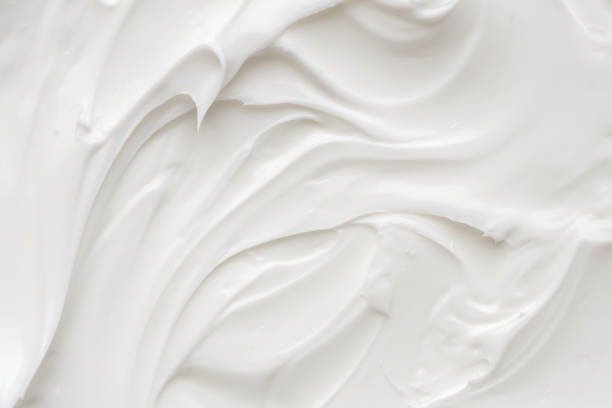
A richer, more occlusive cream-balm; typical viscosity around 80,000–200,000+ cps.
- Suitable for: cold/dry climates, flaky recovery phases, overnight comfort
- Key selling points: stronger “seal,” reduced tightness feel, longer-lasting comfort
- Packaging/use tips: tube preferred for hygiene; define where to use (dry zones vs full face)
Which packaging options make sense for post laser cream?
Choose packaging that keeps the formula hygienic, protects from contamination, and delivers consistent dosing—especially for clinic and post-procedure use where customers are cautious.
Factors to align with your brand
- Application method:Tubes for hygiene and controlled dosing. Airless pumps for premium, low-contamination dispensing. Jars only when the lane and customer accept “use with clean hands/spatula” rules
- Stability & protection:Closure integrity to prevent leakage and drying-out. Compatibility with richer balm-creams and higher viscosity systems. Dispensing reliability (no clogging, no “sputter”)
- Sustainability direction:PCR tubes/bottles where feasible. PCR caps/components where feasible. Simplify component mix to improve recyclability
- Label and artwork space:Clear “when to use” guidance (intact skin, thin layer, avoid strong actives early) . Minimalist, clinical cues if targeting derm-adjacent channels
- Channel needs:Amazon: leak resistance + hygiene cues reduce returns. Clinic: airless/tube formats signal safety and professionalism. Kits: travel tubes and sachets support post-procedure bundles

PE Tube (30–75ml)
Best for hygiene, controlled dosing, and travel/kits.

Airless Pump Bottle (30–50ml)
Best for premium clinic positioning and low contamination risk.

Soft-touch Tube + Flip Cap
Best for retail comfort lane (when leak-tested).
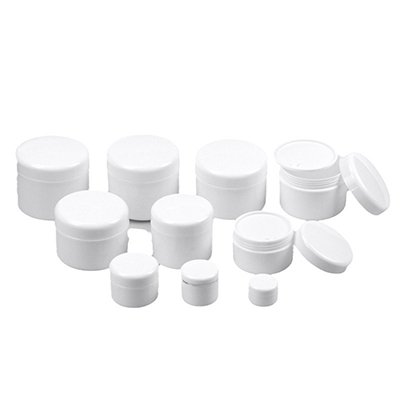
PCR Options
Post-consumer recycled components where feasible.
What do brands most often ask about this post laser cream?
Brands usually ask how to create a truly low-sting recovery cream, how to choose between gel-cream vs balm-cream by climate and skin type, how to keep claims safely cosmetic (no “healing” promises), and which packaging looks most hygienic for clinic aftercare.
1. Is post laser cream a cosmetic or a medical product (what claims are safe)?
- Use cosmetic-safe language: supports comfort, supports barrier, helps reduce the look of redness/dryness
- Avoid “treats burns/wounds/heals” promises in marketing copy
- Make usage instructions simple and conservative
2. Can customers use it immediately after treatment?
- Align instructions with “intact skin” use and professional guidance
- Keep the formula low-sting (no fragrance, no strong actives)
- Add a patch-test and start-slow rule for sensitive users
3. How do you reduce stinging and “it made me redder” reviews?
- Fragrance-free leaning + tolerance-first base is the biggest lever
- Use soothing supports direction (beta-glucan/centella/panthenol directions)
- Validate “sting checks” as a core QA gate, not an afterthought
4. Which texture works best: gel-cream, cream, or balm-cream?
- Gel-cream for humid climates and oily users who hate residue
- Cream for most daily recovery routines and predictable comfort
- Balm-cream for cold/dry climates and flaky phases needing stronger seal
5. Should it be in a jar, tube, or airless pump?
- Tubes and airless formats communicate hygiene and reduce contamination risk
- Airless suits premium clinic positioning and controlled dosing
- Jars can work for rich balm lanes, but require clear “clean hands” guidance
6. What are typical MOQs, lead times and cost drivers?
- Typical MOQ: 1,000–3,000 units per SKU, higher for custom airless/tubes or decoration
- Lead time depends on tolerance iterations and micro/stability validation
- Cost drivers: packaging format, richness/occlusion level, and QA testing depth
How will Zerun Cosmetic support private label post laser cream projects?
- Our team will answer your inquiries within 12 hours.
- Your information will be kept strictly confidential.





Zerun supports post laser cream brands with tolerance-first recovery system design, low-sting texture engineering, and hygienic packaging plans—helping you launch a comfort hero that customers trust after procedures.
We start from your reality:
- Your target users (sensitive/reactive, dry recovery, oily in humid climates) and climates
- Your channel plan (Amazon, clinic, retail) and your “avoid list” requirements
- Your packaging preference, fragrance policy, and budget for tolerance and micro/stability testing
We co-develop formulas, formats and routines:
- Light gel-creams, comfort creams, and balm-creams matched to recovery stage and climate
- Barrier-first comfort systems designed to reduce sting and “made it worse” complaints
- Simple routine rules (thin layer, where to apply, what to pause) that protect reviews
We help plan claims, tests and documentation:
- Cosmetic-safe claims for comfort, visible calm, and barrier support with clear usage guidance
- Micro/challenge (water-based), stability, viscosity/odor drift tracking, and packaging compatibility validation
- On-pack instructions that reduce misuse and improve repeat purchase
If you already have reference products or ideas, share:
- Links/photos of products you like (finish, richness, sting level, packaging)
- Your “must avoid” issues (sting, greasy feel, clogged feel, fragrance sensitivity)
- Your target markets, initial volumes, and desired launch timing
Based on this, we can propose a clear post laser cream development roadmap and sampling plan. Use the contact form, email or WhatsApp on this site to start your private label post laser cream project with Zerun.