Skip to content
How to audit cosmetic OEM lab and factory remotely?
When an OEM factory is in another country, a polished video tour can look convincing while the real risks stay hidden. A clean production room, a well-spoken sales representative, and a few certificates do not tell you whether the lab is real, the records are traceable, or the approved sample can be repeated at scale.
A useful remote audit is not about seeing more. It is about verifying the right things in the right order: audit scope, document proof, live walkthrough, lab support, and one clear evidence chain from raw material to release. That is how buyers decide whether to move forward, request fixes, or stop before costly mistakes.
Can't find the answers?
No worries, please contact us and we will answer all the questions you have during the whole process of OEM Cosmetic customization.
Frequently Asked Questions
Q1. Can A Remote Audit Replace An On-Site Factory Visit?
- A remote audit can screen suppliers, test proof, and expose weak systems early.
- It can reduce risk before sampling, bulk discussion, or travel planning.
- It does not fully replace every on-site check, especially when deeper physical verification is needed.
Q2.What Should I Ask For Before The Live Audit Starts?
- Ask for basic company and facility proof so the site matches the supplier.
- Ask for working documents such as batch, inspection, or release templates.
- Ask for sample, packaging, or control examples if those areas matter to your project.
Q3. What If The Supplier Only Wants To Show A Prepared Video?
- Treat recorded clips as support material, not as the main audit.
- Ask for a live walkthrough with live questions and route changes.
- If the supplier avoids real-time checks, the audit result should stay cautious.
Q4. What Is The Fastest Way To Test Whether The System Is Real?
- Use one real batch or one real example instead of many scattered files.
- Follow that case from raw material into production, testing, and release.
- One connected evidence chain reveals more than many disconnected proofs.
Q5. What If The Factory Looks Good But The Proof Feels Weak?
- Do not rely on appearance alone.
- Identify exactly which link is missing or unclear.
- Ask for targeted follow-up proof before moving forward.
Q6. Who Should Join The Audit Call From The Supplier Side?
- Sales can coordinate the session and keep it moving.
- QA or quality staff should join when records and control matter.
- Lab or production staff should join when development or bulk readiness is being checked.
Q7. When Should The Result Be Pass, Fix, Or Fail?
- Use Pass when the main proof is clear enough to support the next step.
- Use Fix when the system looks real but key links still need follow-up.
- Use Fail when core proof is missing, avoided, or inconsistent.
Q8. What Should I Do Right After The Audit Ends?
- Write down the key gaps while the details are still fresh.
- Group the result into Pass, Fix, or Fail instead of leaving it vague.
- Move quickly into follow-up proof, next-stage discussion, or supplier rejection.
Why Most Remote OEM Audits Fail Before The Call Starts?
Most remote audits fail before the call starts because the buyer enters with the wrong goal, weak preparation, and no clear decision framework. A polished video can create confidence, but confidence is not the same as verification.
Subsection 1 — Treating A Factory Tour As A Real Audit
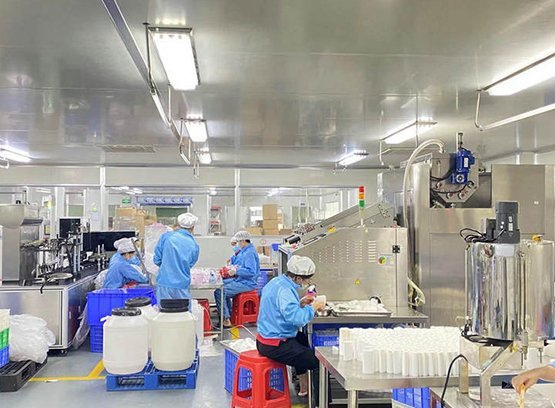
Many buyers begin with a simple expectation: see the factory, ask a few questions, and get a general impression. The problem is that a general impression does not verify operational control. A clean room, organized shelves, and a confident presentation can all look reassuring while the real risks remain hidden in records, process discipline, and lab support.
Subsection 2 — No Clear Audit Scope Before The Call
If the buyer does not define whether the call is for supplier screening, sample support, scale-up readiness, or compliance review, the discussion quickly becomes too broad. The supplier answers many questions, but the buyer still cannot confirm the one risk that matters most. Without a clear scope, the audit becomes conversation instead of evaluation.
Subsection 3 — No Proof Baseline Before The Live Walkthrough
A live walkthrough is far more useful when it is tied to documents reviewed in advance. Without that baseline, the buyer has nothing to compare the live process against. The factory may show movement, equipment, and people, but the buyer still cannot tell whether the real system matches batch templates, quality logs, sample control, or release records.
Subsection 4 — No Pass / Fix / Fail Decision Standard
Many buyers finish a remote audit with notes, screenshots, and impressions, but no clear next step. That usually happens because no decision rule was defined before the call. A remote audit only becomes useful when the buyer already knows what counts as acceptable proof, what requires corrective follow-up, and what should end the discussion.
What Exactly Are You Trying To Verify Remotely?
A remote audit only becomes useful when the verification target is clear. If the goal is too broad, the audit becomes hard to structure and even harder to turn into a real decision.Before asking to “check the factory,” buyers should first decide what they actually need to verify. In most cosmetic OEM projects, four verification priorities matter more than anything else.
⭐1.Supplier Credibility
The first check is whether this supplier is credible enough to stay in evaluation.
- Confirm that the factory operates as presented.
- Check that the site, workflow, and basic production logic are real.
- See whether a visible quality structure exists.
- Decide whether this supplier should remain on the shortlist.
⭐2.Lab Development Support
The next check is whether the supplier can support real product development, not just offer standard formulas.
- Verify that the lab can support sample making and revisions.
- Check whether version changes are tracked in a structured way.
- See whether the supplier can explain development feedback clearly.
- Judge whether the lab can support an actual project, not just a quote.
⭐3.Bulk Reproducibility
A good sample is not enough if the approved version cannot be repeated consistently in bulk.
- Check whether batch control is clearly managed.
- Verify whether process discipline is visible.
- Look for clear change triggers between sample and bulk.
- Confirm whether the factory can reproduce the approved version with stability.
⭐4.Compliance And Documentation Support
Even when the product looks workable, weak documentation can still block the launch.
- Check whether the OEM can provide the required records and documents.
- Verify whether response speed is realistic for your target market.
- See whether the supplier can support stricter channels such as Amazon, export, or retail review.
- Judge whether documentation support is strong enough for launch.
Step-by-Step — How To Run A Remote Cosmetic OEM Audit?
Use this process to turn a remote factory call into a real supplier decision. Each step helps you narrow risk, verify proof, and move toward a clear next action.
Step 1 — Define The Audit Scope Before You Ask For Anything
Set the scope first so the audit supports a real decision, not just a general factory tour.
Set The Audit Decision
- Decide whether to keep or remove this supplier.
- Decide whether the next step is sampling or stopping.
Lock The Project Context
- Define the product or SKU under review.
- Define the target market or sales channel.
Choose The Key Risks
- Focus on lab support, traceability, bulk consistency, or compliance.
- Limit the audit to the risks that can change the decision.
Confirm The Right People
- Sales should coordinate the session.
- QA, lab, or production staff should join when needed.

Step 2 — Request The Right Pre-Audit Proof Pack
Before the live walkthrough starts, ask for a small but useful proof pack. This gives you a baseline to compare against what the supplier shows on camera.
Ask For Basic Company Proof
- Request company identity and facility location.
- Confirm the production categories and operating scope.
- Make sure the site shown later matches the supplier being discussed.
Ask For Working Quality Proof
- Ask for templates, not just certificates.
- Useful examples include batch records, inspection forms, and release logs.
- Real working documents reveal more than polished claims.
Ask For Lab And Sample Proof
- Request sample tracking or revision examples.
- Check whether changes are recorded in a structured way.
- This helps you judge whether the lab supports real development.
Ask For Packaging Or Release Proof
- Ask for one or two examples of packaging checks, label review, or release-related proof.
- These often reveal whether final control is real or only surface-level.

Recommended Pre-Audit Proof Pack
| Proof Area | What To Request | Why It Matters |
|---|---|---|
| Company | Company identity, facility location | Confirms the supplier and site match |
| Quality | Batch or inspection templates | Shows whether a working system exists |
| Lab | Sample or revision examples | Reveals structured development support |
| Packaging / Release | Label check or release examples | Tests final control discipline |
Step 3 — Set The Live Audit Rules Before The Call Starts
A remote audit becomes weak when the supplier controls the format too tightly. Clear rules make the session harder to stage and easier to verify.
Lock The Session Format
- Require a live session instead of relying only on prepared videos.
- Use pre-recorded clips only as support, not as the main audit.
- Make sure the audit still allows live questions and live checks.
Allow Route Changes
- Reserve the right to ask the camera to turn, pause, or go back.
- Do not accept a fully fixed “show route.”
- Small route changes often reveal more than the planned path.
Require Live Record Access
- Ask for records during the call when needed.
- Do not let every answer become “we will send it later.”
- A real system should be able to connect operations and records in real time.
Lock The Must-See Areas
- Confirm in advance which areas must be shown.
- At minimum, include storage, production, filling, lab, and retain samples.
- This keeps the audit aligned with the buyer’s real concerns.

Step 4 — Follow A Verification Route, Not A Tour Route
Start With Site Reality
- Begin with the entrance, signage, or basic site identity.
- Confirm that the location shown matches the supplier and facility under review.
- This keeps the audit grounded in reality from the first minute.
Follow The Material Flow
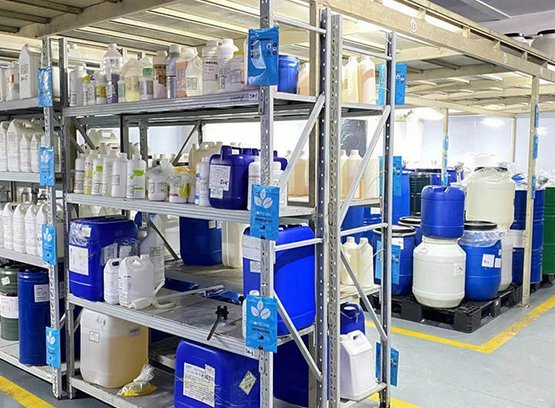
- Move from receiving and storage into weighing or dispensing.
- This helps you see whether control starts before production begins.
- A clear material flow is more useful than jumping into the “best-looking” room.
Continue Through Production And Packing
- Follow the route into production, filling, and packing.
- Watch whether the process still looks connected and controlled.
- This is where repeatability issues often begin to show.
End With Samples And Records
- Finish by checking retain samples, finished goods, or linked records.
- The physical walkthrough should end by connecting back to proof.
- If the route never returns to records, the audit stays at surface level.

Step 5 — Check Whether The Lab Can Support Real Development
Check Version Control
- Ask how sample versions are tracked.
- Check whether changes are recorded clearly.
- If version logic is vague, later consistency becomes harder to trust.
Check Basic Testing Logic
- Ask what is checked, when it is checked, and why.
- You do not need a full technical lecture.
- You only need enough to see whether the lab supports real decision-making.
Check Sample Handling
- Ask how approved samples or comparison samples are stored.
- Check whether follow-up work can rely on actual references, not memory alone.
- Good sample handling supports cleaner communication and fewer disputes.
Check Lab-To-Bulk Handoff
- Ask how a sample moves into production.
- Check whether the handoff is controlled or informal.
- This is where many “good sample, bad bulk” problems begin.

Step 6 — Run One Full Traceability Chain
Start With One Real Batch
- Choose one batch or one production example.
- Stay with that one case instead of jumping across different examples.
- This keeps the audit focused and harder to blur.
Link Materials Forward
- Start with one raw material lot.
- Link it into receiving and weighing.
- This shows whether early traceability is real.
Link Production To Release
- Follow the same chain into production and in-process control.
- Then connect it to testing, retain samples, and release-related proof.
- This is where the system either holds together or starts to break.
Mark The Breakpoints
- Note exactly where the chain becomes weak or disconnected.
- A break at raw materials means something different from a break at release.
- The gap should guide the next action, not just become a vague concern.

Step 7 — Make A Pass, Fix, Or Fail Decision
Use Pass When Proof Is Clear
- Use Pass when key areas were shown.
- Use Pass when the main proof links are clear enough.
- This means the supplier can move into the next stage.
Use Fix When Gaps Can Be Corrected
- Use Fix when the system looks real but important links are missing.
- This means the supplier is not rejected yet, but more proof is needed.
- The next step should be a targeted follow-up, not a full restart.
Use Fail When Core Proof Breaks
- Use Fail when key checks are avoided.
- Use Fail when records, workflow, or explanations do not match.
- This prevents wasted time in later stages.
Tie The Result To Action
- Pass → move forward
- Fix → request corrective proof
- Fail → stop evaluation

What Is The Most Common Problem In A Remote Cosmetic OEM Audit?
The most common problem is a broken evidence link. Buyers may see the factory, the lab, and the workflow, but they still cannot connect what they saw to one clear and believable control system.
The Most Common Problem Is A Broken Evidence Link
This usually happens when the supplier shows many separate pieces of proof, but those pieces do not connect clearly enough to support a real decision.
- Raw materials are shown, but lot control is still unclear.
- Production is shown, but the batch record is not matched clearly.
- Samples are discussed, but version history is weak.
- Finished goods are shown, but release proof is incomplete.
When this happens, the audit may still look professional on the surface. The buyer sees activity, hears confident explanations, and receives some documents, but the system still does not feel fully verifiable. That is the real risk: the audit creates confidence without creating enough traceable proof.
What Buyers Should Do When They See This
The best response is not to restart the whole audit. The better move is to isolate the weak point and ask for targeted follow-up proof.
- Identify exactly where the evidence link becomes weak.
- Ask for proof tied to that one missing connection.
- Check whether the gap affects sampling, bulk control, or release confidence.
- Use that gap to decide whether the result is Pass, Fix, or Fail.
A remote audit becomes much more useful when the buyer stops treating weak proof as a vague concern and starts treating it as a specific broken link that must be confirmed or corrected.

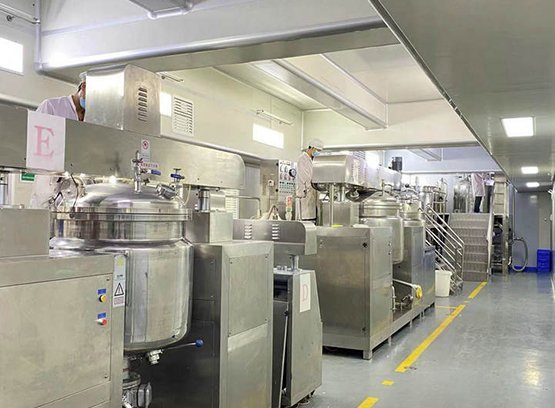
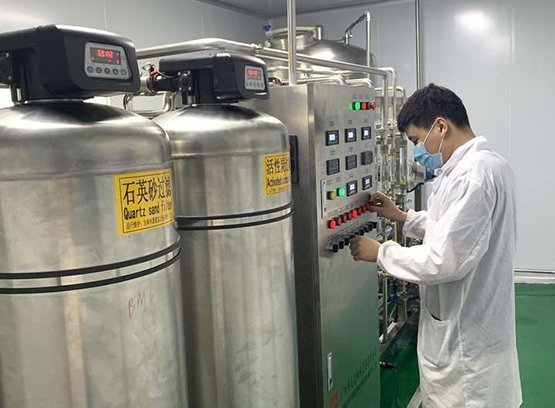
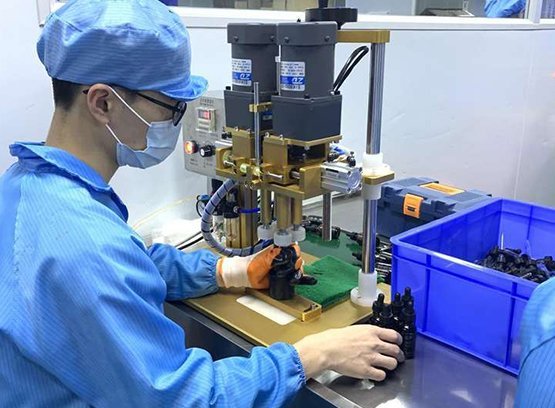
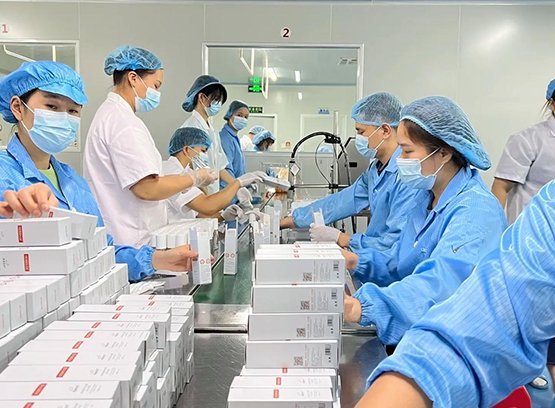
Why choose Zerun Cosmetic for a rice water skincare + haircare line?
Zerun helps brands make rice water positioning feel real in bulk production—not just as a story.
What makes Zerun different for this positioning
Active-first product development: formulas are built around outcomes and tolerance, then optimized for texture, finish, and layering in real routines.
Clean policy flexibility: fragrance-free and low-irritant lanes can be developed without making products feel bland or “too basic.”
Stability and compatibility discipline: early checks reduce the classic failures—separation, discoloration, odor drift, pump clogging, and active performance drop.
Range consistency at scale: shared base systems and standardized packaging components help keep reorders consistent across batches and markets.
Where buyers see the advantage most clearly
Faster decision-making: clear sample iterations with controlled variables (active level, texture, finish, fragrance policy).
Better channel readiness: packaging sourcing and packaging design services support make it easier to land a premium look without custom-mold overreach.
Documentation mindset: structured ingredient, safety, and quality information that supports compliant labeling and smoother market entry planning.



Make A Sample First?
If you have your own formula, packaging idea, logo artwork, or even just a concept, please share the details of your project requirements, including preferred product type, ingredients, scent, and customization needs. We’re excited to help you bring your personal care product ideas to life through our sample development process.
How Does Zerun Cosmetic Support Buyers During Remote Audit Monitoring?





- Our team will answer your inquiries within 12 hours.
- Your information will be kept strictly confidential.
We Help Define The Audit Scope
- We align the audit with the buyer’s product, target market, and current stage.
- We help narrow the focus to the risks that matter most.
- We keep the session tied to a real business decision, not a broad factory presentation.
We Help Prepare The Right Proof
- We organize a practical pre-audit proof pack before the live session.
- We provide working examples that are easier to review and compare.
- We help buyers see which documents matter for screening, sampling, or bulk review.
We Support A More Useful Live Walkthrough
- We follow a clear walkthrough route instead of only showing selected highlights.
- We support live questions, live checks, and practical record review.
- We help connect what is shown on camera to the related operating proof.
We Help Buyers Monitor The Gaps After The Call
- We help identify where the evidence link is still weak or incomplete.
- We support targeted follow-up instead of repeating the whole audit.
- We make it easier for buyers to move toward Pass, Fix, or Fail with confidence.
We Keep The Process Decision-Focused
- We help buyers separate useful proof from surface-level presentation.
- We help reduce wasted time before sampling or bulk discussion.
- We support a clearer next step, whether that means moving forward, fixing gaps, or stopping early.