Skip to content
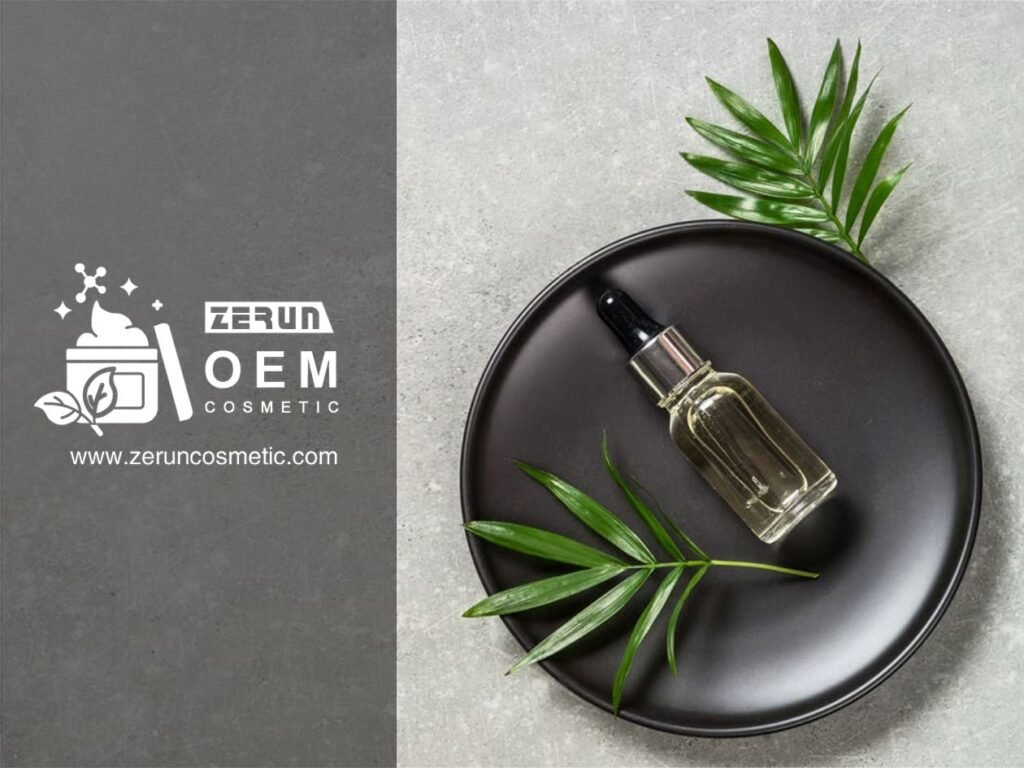
There’s something almost magical about that little drop of concentrated liquid you press into your palm each night—and yet, so many of us still skip serums entirely. Face serums aren’t just another fancy step; they’re the powerhouses of any regimen, delivering active ingredients directly where you need them most. Featuring ultra‐small molecules, they penetrate deeper than creams and oils, boosting hydration, refining texture, and tackling specific concerns from discoloration to fine lines in a way lotions can’t. Their high potency and targeted results make them indispensable for anyone serious about glowing, youthful skin.
What Is a Face Serum and Why Should You Add It to Your Routine?
Face serums are lightweight, highly concentrated formulations designed to deliver active ingredients deeply into the skin for targeted benefits like brightening and firmness.
Defining a Serum vs. Other Products
Serums typically have a gel‑water or oil‑water base, containing no heavy emollients or fillers. This stripped‑down approach means almost every drop is packed with active molecules—vitamins, peptides, acids—that can reach the deeper layers of the epidermis more effectively than thicker creams.
Molecular Weight and Penetration
Because serums use smaller carrier molecules, their actives can travel past the stratum corneum barrier. In practice, this means ingredients like vitamin C or hyaluronic acid can target cellular repair and hydration more efficiently. Critics might argue that a heavy cream can lock in moisture better, but creams lack the delivery system to bring concentrated actives into the skin’s lower layers.
Customization for Skin Goals
Whether you need intense brightening, anti‑aging, or soothing results, there’s a serum for you. Think of them as the “prescription” step in your routine—once you know your skin’s priority, you can choose a formula with the precise concentration and combination of actives, rather than guessing with multi‑purpose lotions.
Layering and Timing
Serums belong right after cleansing and toning but before richer creams or oils. This strategic order ensures that the actives don’t get blocked by heavier textures. Some enthusiasts even wait 30 seconds after applying their serum to let the molecule delivery fully absorb before sealing it in with moisturizer.
How Does a Serum Differ from Moisturizers and Facial Oils?
Serums focus on delivering high‑strength actives at low molecular weight, whereas moisturizers and oils provide surface hydration and create a barrier to lock in moisture.
Purpose and Composition
- Serums: Water‑ or oil‑based, minimal thickeners, maximum actives.
- Moisturizers: Contain emollients, occlusives, humectants to hydrate and protect the skin surface.
- Oils: Primarily occlusive or emollient; they seal moisture and can carry oil‑soluble vitamins.
Texture and Feel
While creams can feel rich and comforting, serums are lightweight and often absorb in seconds. Facial oils may feel luxurious but can sit on top of the skin, potentially clogging pores if misused.
Efficacy of Active Ingredients
Serums can deliver up to 70% more active ingredients to deeper layers, whereas moisturizers might only improve hydration superficially. Critics sometimes claim oils can carry actives too—but they typically lack the water phase crucial for hydrating molecules like glycerin and low‑weight hyaluronic acid.
When to Use Each Product
A smart routine uses all three: cleanse → tone → serum → moisturizer → oil (if needed). This layered approach ensures you get penetration, surface hydration, and barrier protection in the optimal sequence.

Which Key Ingredients in Serums Deliver Intense Hydration?
Ingredients like hyaluronic acid, glycerin, ceramides, panthenol, and sodium PCA in serums draw moisture deep into the skin, providing lasting hydration and plumping effects.
| Ingredient | Typical Concentration | Function |
|---|---|---|
| Hyaluronic Acid (HA) | 1–2% | Binds up to 1,000× its weight in water to plump skin |
| Glycerin | 3–5% | Humectant that attracts water to the skin’s surface |
| Ceramides | 0.5–1% | Strengthens barrier, locks in moisture |
| Panthenol (Pro‑Vitamin B5) | 1–2% | Soothes and hydrates, improves elasticity |
| Sodium PCA | 1–3% | Natural moisturizing factor, prevents water loss |
Why Molecular Size Matters
Hyaluronic acid comes in varied molecular weights. Low‑molecular‑weight HA penetrates deeper, while high‑weight HA stays closer to the surface for instant plumping. Look for “multi‑molecular” HA serums to cover all layers.
Balancing Act with Glycerin
Though glycerin is highly effective, too much can draw moisture from deeper layers if your environment is very dry. Innovative formulas balance glycerin with ceramides and lipids to ensure moisture isn’t just attracted but also sealed in.
Ceramides and Barrier Repair
Chronic dehydration often signals a compromised barrier. Serums with ceramides can rebuild this barrier, meaning less trans‑epidermal water loss over time. Critics argue you need heavier creams for barrier repair—but studies show that ceramides in lightweight serums can integrate directly into the lipid matrix.
Synergy of Multiple Humectants
Advanced serums combine glycerin, sodium PCA, and panthenol so each boosts hydration in different skin zones. For example, sodium PCA mimics natural moisturizing factors, while panthenol soothes irritated, dry patches.
How Do Serums Even Out Skin Tone and Refine Texture?
Serums with ingredients like vitamin C, niacinamide, AHAs/BHAs, and retinoids target hyperpigmentation and cell turnover to visibly smooth texture and brighten the complexion.
Vitamin C’s Brightening Power
Vitamin C (L‑ascorbic acid) inhibits melanin production, reducing dark spots over 8–12 weeks. Use alongside gentle sunscreens—without UV protection, you risk sun‑induced pigmentation.
Niacinamide for Barrier and Tone
Niacinamide not only calms inflammation but also regulates pigment transfer, resulting in more even tone. Concentrations of 2–5% are most effective; too high can irritate sensitive skin.
Chemical Exfoliants (AHAs/BHAs)
AHAs like glycolic acid slough off dead cells on the surface, while salicylic acid (BHA) penetrates pores to clear congestion. Overuse can lead to barrier damage—balance exfoliating serums with hydrating ones.
Retinoids and Collagen Remodeling
Retinol or prescription retinoids accelerate cell turnover, smoothing texture and fading spots. Begin with low concentrations to avoid peeling, then gradually increase as tolerance builds.

What Anti‑Aging Benefits Are You Overlooking by Skipping Serums?
Anti‑aging serums deliver peptides, retinoids, and growth factors directly to cells, boosting collagen, minimizing wrinkles, and improving elasticity more effectively than creams alone.
Peptides: Building Blocks for Collagen
Peptides like copper tripeptide and palmitoyl pentapeptide signal fibroblasts to produce more collagen. Clinical studies show up to a 30% increase in dermal thickness after consistent use.
Growth Factors and Biotech Advances
Cutting‑edge serums now include recombinant growth factors that mimic natural skin‑repair signals. Though pricier, they can accelerate wound healing and fine line reduction.
Retinoid Spectrum: From OTC to Rx
Over‑the‑counter retinol is gentler but slower; prescription retinoids (tretinoin) offer faster, more dramatic results. A smart approach uses a layered “retinoid ladder,” starting gentle and stepping up.
Antioxidant Combinations
Pairing vitamin C with vitamin E and ferulic acid stabilizes formulas and boosts photoprotection. Some serums now include botanical antioxidants like green tea polyphenols or resveratrol for added defense.
How Do Antioxidant‑Rich Serums Shield Your Skin from Environmental Stress?
Antioxidant serums neutralize free radicals from UV, pollution, and blue light, preventing DNA damage, collagen breakdown, and premature aging.
Understanding Free Radicals
Pollutants and UV radiation generate unstable molecules that attack cell membranes, causing inflammation and collagen degradation. Antioxidants donate electrons to neutralize these radicals.
Vitamin C + E + Ferulic Acid
This triad is the gold standard: vitamin C brightens, vitamin E protects lipid membranes, and ferulic acid stabilizes both, increasing photoprotective efficacy by up to eight times.
Polyphenols and Flavonoids
Ingredients like green tea extract, niacinamide, and resveratrol offer multitargeted antioxidant effects. They also boost the skin’s own defense mechanisms—an advantage creams with single antioxidants often lack.
Timing for Maximum Benefit
Use antioxidant serums every morning under SPF to combat daytime stress. Critics point out potential instability—look for airless pumps and opaque bottles to preserve potency.

Do You Really Need a Face Serum?
Almost everyone benefits from serums: choose formulas based on your primary skin concern, introduce them gradually, and layer thoughtfully for maximum results.
Assessing Your Skin Goals
Identify one or two primary concerns—hydration, tone, aging, or defense—and pick a serum that targets those specifically. Trying to solve five issues at once can water down each active’s concentration.
Patch Testing and Gradual Introduction
Apply a pea‑sized amount on your jawline for one week to check tolerance, especially for potent actives like retinoids or acids. Sudden overuse often leads to irritation, which defeats the purpose.
Morning vs. Evening Formulas
Reserve brightening and antioxidant serums for the AM under SPF. Save retinoids and exfoliating acids for nighttime, when cell repair is most active.
Combining Serums Safely
Layer actives with caution: avoid using retinoids and AHAs the same night. A simplified “rotate rather than combine” strategy ensures each active works without overwhelming your skin barrier.
Conclusion
In just a few drops, face serums deliver concentrated actives that moisturize deeply, even skin tone, refine texture, and defend against environmental stress—benefits regular creams and oils simply can’t match. By choosing serums formulated with humectants like hyaluronic acid, brightening agents such as vitamin C, exfoliants like AHAs/BHAs, and antioxidant blends, you’re directly targeting hydration, pigmentation, and premature aging. Layering them correctly—after cleansing and toning, before richer moisturizers or oils—ensures maximum penetration and efficacy. Whether you’re seeking to boost collagen with peptides, calm inflammation with niacinamide, or shield your skin from free radicals, there’s a serum tailored to your needs. Ready to elevate your skincare line? Zerun Cosmetic Factory offers fully customizable serum formulations, complete with free design, sample production, and private‑label logo printing. Reach out today to discuss your vision and let our expert R&D team craft the perfect serum that will set your brand apart.