Skip to content
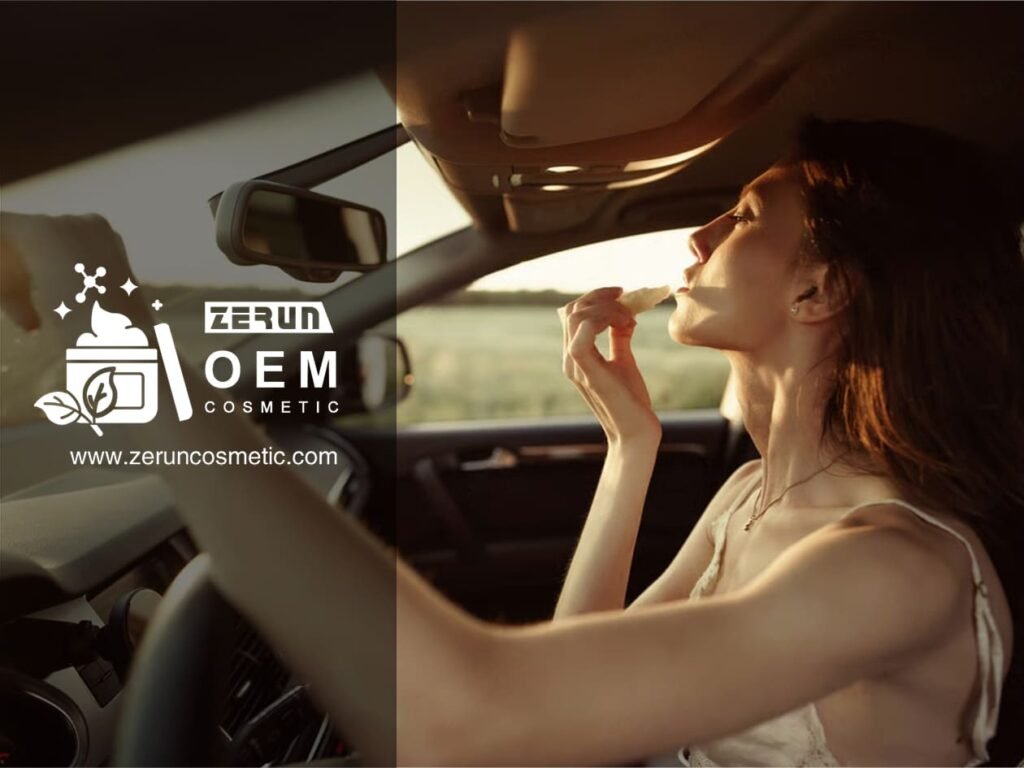
Sunburned lips aren’t just uncomfortable—they can crack, peel, and even lead to precancerous conditions like actinic cheilitis. Your lips are thinner than facial skin and lack oil glands, making SPF protection essential. Lip products with SPF guard against UVB‑induced burns and UVA‑driven collagen breakdown, preventing pain, premature aging, and long‑term DNA damage. Whether you’re scaling a mountain or lounging by the beach, the right lip formula keeps your smile healthy and protected. I learned this firsthand when my friend spent an afternoon canoeing without lip SPF—and ended up with blistered lips that sidelined his vacation for days…
What Is SPF and Why Do You Need It in Lip Products?
SPF (Sun Protection Factor) measures UVB defense; SPF 30 blocks ~97% of UVB radiation. Lips burn up to 40% faster than facial skin, so an SPF lip product is vital to prevent sunburn, collagen degradation, and even lip cancer.
Understanding SPF
- Definition: SPF indicates how much longer you can stay in the sun without burning vs. unprotected skin. SPF 30 = 30× longer.
- Diminishing Returns: SPF 50 blocks ~98% of UVB; SPF 100 ~99%. Higher SPFs offer marginal gains.
UVB vs. UVA
- UVB: Causes immediate sunburn and DNA damage.
- UVA: Penetrates deeper, breaking down collagen and elastin—leads to wrinkles and pigmentation.
- Broad‑Spectrum: Look for lip products labeled “broad‑spectrum” or PA +++ to ensure both UVA and UVB protection.
Lips Are Vulnerable
- Thin Barrier: Lip epidermis is ~0.5 mm thick (face: 1–2 mm), so UV penetrates more readily.
- No Melanin: Lack of pigment means no natural UV defense—sunburn appears faster and more intense.
Health Risks
- Actinic Cheilitis: Chronic sun damage can cause precancerous lesions on the lip border.
- Lip Cancer: Sun exposure is a primary risk factor for squamous cell carcinoma of the lips.
SPF quantifies UVB protection—vital for ultra‑thin, pigment‑free lip skin that burns quickly. Broad‑spectrum lip products shield against UVB burns and UVA‑driven aging, reducing immediate pain and long‑term risks like actinic cheilitis and lip cancer.
Which Active UV Filters Offer the Strongest Defense in SPF Lip Balms?
The most effective UV filters in lip balms include zinc oxide and titanium dioxide (mineral filters) plus chemical filters like avobenzone and octocrylene. Combining both types yields stable, broad‑spectrum protection that withstands sun, sweat, and water.
| Filter | Type | UV Range | Key Properties |
|---|---|---|---|
| Zinc Oxide | Mineral | UVA + UVB | Physically blocks rays; non‑irritating; photostable |
| Titanium Dioxide | Mineral | UVB + UVA1 | Reflects UV; minimal white cast when micronized |
| Avobenzone | Chemical | UVA | Absorbs UVA; requires stabilization (e.g., with octocrylene) |
| Octocrylene | Chemical | UVB + stabilizer | Adds water resistance; stabilizes avobenzone |
| Oxybenzone | Chemical | UVA + UVB | Broad‑spectrum but environmental/health concerns in some regions |
Mineral vs. Chemical Filters
- Mineral: Immediate protection upon application, excellent for sensitive lips, stable under all conditions.
- Chemical: Lighter feel, absorbs UV energy, often blended with minerals for balanced texture.
Stabilization Needs
- Avobenzone degrades under UV; octocrylene or zinc oxide helps maintain its efficacy.
Water & Sweat Resistance
- Look for 40–80 minute water‑resistant labels—critical for beach, pool, or sweaty activities.
Regulatory and Environmental Notes
- Oxybenzone is banned in certain regions due to coral toxicity; brands often offer oxybenzone‑free alternatives.
Top lip SPFs pair mineral filters (zinc oxide, titanium dioxide) with stabilized chemical agents (avobenzone, octocrylene) for durable, broad‑spectrum defense. Water resistance and photostability ensure protection stays put under sun, sweat, and water.

How Do Different Lip Product Formats—Balms, Sticks, Glosses—Compare for Sun Protection?
Balms provide thick, occlusive SPF layers; sticks offer precise, hygienic application; glosses deliver shine but often lower SPF and migrate off lips. For extreme sun, prioritize high‑SPF balms or sticks rated SPF 30+ with water resistance.
Balms
- Pros: Rich in emollients (beeswax, shea butter), lock in moisture and SPF; ideal for dry, windy conditions.
- Cons: Thicker texture may feel heavy; hygiene requires spatula or clean finger.
Sticks
- Pros: Mess‑free, pocket‑friendly; direct application minimizes cross‑contamination.
- Cons: Potential for uneven coverage if rushed; precise reapplication needed.
Glosses
- Pros: Offer aesthetic shine and hydration with oils like jojoba or almond.
- Cons: Often SPF 15–20; prone to migrating and fading faster, requiring frequent reapplication.
Creams & Pots
- Pros: Blend lip and facial SPF in one; convenient multi‑use jar.
- Cons: Fingers or spatula needed—less hygienic outdoors.
| Format | Typical SPF Range | Texture | Best Use Case |
|---|---|---|---|
| Balm | 30–50+ | Thick, emollient | Beach, mountains, windy/ cold environments |
| Stick | 30–50+ | Solid, precise | Daily carry, quick reapplication |
| Gloss | 15–30 | Sheer, glossy | Casual use, occasional touch‑ups |
| Pot/Cream | 30–50 | Creamy | Multi‑use, home or travel |
For extreme sun, SPF 30–50+ balms and sticks offer reliable, water‑resistant coverage. Glosses and pots serve aesthetic or multi‑use roles but require more frequent reapplication. Choose based on activity and convenience needs.
What SPF Rating Should You Look for in Extreme Sun Conditions?
In intense sunlight—beach, snow, high altitude—opt for SPF 50+ broad‑spectrum lip products with PA++++ or equivalent UVA ratings and 80‑minute water resistance. This combination ensures maximum UVB and UVA defense under harsh conditions.
| Environment | SPF Recommendation | Additional Feature |
|---|---|---|
| Beach/Ocean | SPF 50+ | Water‑resistant 80 mins |
| Snow/High Altitude | SPF 50+ | PA++++ UVA protection |
| Desert/High UV Index | SPF 50+ | Lip balm + facial suncream |
| Daily Urban | SPF 30+ | Lightweight, tinted options |
Altitude & Reflection Effects
UV increases by ~10% per 1,000 m ascent; snow reflects up to 80% of UV, doubling exposure.
Water Resistance Importance
Reapplication intervals of 40 mins (moderate water contact) vs. 80 mins (heavy water/sweat) matter in active settings.
UVA Ratings (PA System)
PA+ to PA++++ indicates increasing UVA protection; choose PA++++ in extreme UVA situations (e.g., high altitude).
SPF 50+ broad‑spectrum with PA++++ and at least 80 minutes water resistance is crucial for beaches, snowfields, and high altitudes. Lower SPFs work for everyday urban life but fall short under intense UV conditions.

Are Mineral-Based SPF Lip Products Better for Sensitive or Reactive Skin?
Mineral filters (zinc oxide, titanium dioxide) sit atop skin, deflecting rays without chemical absorption. They’re non‑irritating, photostable, and ideal for sensitive or allergy‑prone lips, reducing stinging and allergic reactions common with some chemical filters.
Barrier-Friendly Protection
Mineral: Non‑comedogenic and hypoallergenic; studies report <3% irritation rate vs. ~12% for chemical filters.
Environmental and Safety Profile
Zinc oxide is reef‑safe and biodegradable; favored in eco‑conscious formulations.
Texture Innovations
Micronized mineral particles (<200 nm) minimize white cast, delivering sheer, wearable finishes.
Potential Limitations
Even micronized, some remain slightly chalky on darker skin tones—test before purchase.
Mineral SPFs are the go‑to for sensitive lips—offering physical UV deflection without chemical absorption. Micronization reduces white cast while maintaining safety and environmental benefits, though some formulas may still appear slightly opaque.
Do Tinted SPF Lipsticks and Glosses Provide the Same Protection as Clear Balms?
Tinted SPF lipsticks and glosses can match the protection of clear balms—if they’re formulated with the same active filters at equivalent concentrations. Pigment load may reduce UV filter levels by 10–15%, so always choose tinted formulas explicitly labeled “SPF 30+ broad‑spectrum” and reapply diligently.
Pigment vs. Filter Balance
- High Pigment Loads: A lipstick with 8% color pigment can push down UV filter concentration by roughly 12%. This means a “SPF 30” claim may behave more like SPF 26 in practice.
- Encapsulation Technology: Premium brands often microencapsulate UV filters to ensure they remain evenly distributed even in richly pigmented formulas.
Comparative UVB Defense
| Product Type | Labeled SPF | Measured UVB Blocking* | Notes |
|---|---|---|---|
| Clear Balm | 30 | 30 | Baseline: filters applied uniformly |
| Tinted Balm (5% pigment) | 30 | 29 | Minimal pigment load; nearly identical protection |
| Tinted Lipstick (8% pigment) | 30 | 26 | Higher pigment reduces filter concentration by ~13% |
| Gloss (3% pigment) | 15 | 14 | Typically lower SPF; glossy oils can dilute filters |
Reapplication Visibility
- With clear balms, you must mentally track coverage—easy to miss spots.
- Tinted products create a visual “mask” that lets you see exactly where you’ve applied and when you need a top‑up.
Formula Stability and Wear
- Sheen vs. Matte: Glossy finishes may migrate off your lips faster, especially when consuming food or beverages, accelerating UV filter loss.
- Transfer Resistance: Matte tinted lipsticks often have higher filter retention—ideal for all‑day outdoor wear.
Consumer Tips
- Label Check: Only trust SPF statements on the front of tinted products. If SPF is buried in ingredient fine print, the level is probably lower.
- Patch Test: A quick on‑the‑go UV meter app can give rough estimates of real‑world SPF performance under sunlight.
Tinted SPF lipsticks and glosses can offer the same broad‑spectrum protection as clear balms when formulated correctly, but higher pigment levels may reduce effective SPF by up to 15%. For reliable defense, choose products explicitly labeled SPF 30+ and reapply visually through tint cues.
How Often Should You Reapply Your SPF Lip Product When Out in the Sun?
Reapply lip SPF every two hours—or immediately after eating, drinking, swimming, or towel‑drying—to maintain continuous protection. In active water or sweat situations, follow the product’s water‑resistance interval (40–80 minutes) for best results.
Standard Reapplication Interval
- The “two‑hour” rule applies to lips as to skin—ensures UV filters remain effective on delicate lip surface.
Moisture Contact
- Drinking, lip‑licking, and wiping remove product—reapply right afterward.
Water‑Resistance Labels
- “Water‑resistant 40 mins” vs. “80 mins” dictates reapplication during swimming or heavy perspiration.
Practical Tips
- Keep lip SPF in your pocket or bag; set phone reminders if you’re engrossed in activities.
- Use a mirror or tinted balm to check coverage.
Maintain lip protection by reapplying every two hours and after any moisture contact. For water‑resistant formulas, adhere to the specified 40–80 minute intervals, using visual cues (tint) or reminders to ensure no lapses in defense.

Conclusion
Your lips face high UV risk due to thin, unpigmented skin. From understanding SPF basics to choosing the right filter, format, and reapplication rhythm, you now have the blueprint for extreme sun protection. Whether you select mineral balms, tinted sticks, or hybrid formulas, consistent use is non‑negotiable. Ready to launch your own SPF lip line blending these best practices? Zeun Cosmetic Factory specializes in private‑label lip balms with SPF 30–50+, custom shades, and eco‑friendly filters—complete with free design, samples, and rapid prototyping. Contact us today to create your high‑performance, sun‑safe lip hero!