
Private Label Eye Cream Manufacturer for Skincare Brands
Thoughtfully Developed Eye Creams for Comfort, Texture & Everyday Eye-Area Care
Eye cream is a leave-on skincare product developed for the skin around the eyes. This area is often where dryness, dehydration lines, and changes in skin texture become especially noticeable. A well-designed eye cream should feel comfortable while delivering its intended cosmetic care.
While eye creams may share ingredients with facial moisturizers, their development gives particular attention to precise application, smooth spreading, product migration, and how the finish behaves alongside sunscreen or makeup. Some formulas feel light and silky for everyday layering, while others offer a richer, cushioning experience.
From daily hydration to smoother-looking or brighter-looking eye-area care, different eye cream concepts can create distinct skincare experiences. At Zerun, we help brands explore these possibilities through tailored formulation and packaging choices.
Understanding Common Eye Cream Misconceptions
Eye cream is often associated with anti-aging, rich textures, and promises of dramatic results. However, its value extends beyond these familiar ideas. Understanding what eye cream can realistically offer helps reveal its role in everyday skincare and the different needs it can address.
01
Why Use Eye Cream?
- Facial moisturizers are designed to care for the face, but the delicate area around the eyes deserves particular attention. This skin is relatively thin, frequently moves with facial expressions, and can make dryness and fine lines especially noticeable.
- A well-designed eye cream provides targeted daily moisture while considering the comfort of this sensitive area. It can help dry skin feel softer, appear smoother, and remain comfortable throughout the day. Its texture and application can also be tailored for use around the eyes.
- The value of a dedicated eye cream lies not simply in having different ingredients, but in bringing these details together into a more focused skincare experience.
02
Only for Mature Skin?
- Eye creams are often associated with wrinkles and aging skin, leading some consumers to believe they are unnecessary until visible signs of aging appear.
- In reality, eye-area care can begin with everyday needs such as hydration, softness, and comfort. A lightweight eye cream may suit someone who wants a simple morning routine, while a more nourishing formula may appeal to those experiencing dryness or seeking a richer evening treatment.
- Eye cream is not limited to a particular age group. Its value comes from matching the product to the skin’s needs and the experience consumers want from their daily routine.
03
Does Richer Mean Better?
- A thick, rich eye cream can feel comforting, particularly when the skin around the eyes is dry. This often creates the impression that heavier textures provide better care.
- However, richness alone does not determine how well an eye cream moisturizes or how pleasant it feels during use. A lightweight cream can also provide effective hydration, while a richer formula may offer a more cushioning and nourishing sensation.
- The best choice depends on the desired experience. Some consumers prefer a light finish that works comfortably beneath makeup, while others enjoy a richer cream as part of their evening skincare routine.
04
Can Eye Cream Do Everything?
- Dark circles, puffiness, dryness, and fine lines are often grouped together as common eye-area concerns. This can create expectations that one eye cream should visibly improve every problem.
- In practice, these concerns can have different causes. Some are related to skin dryness, while others may be influenced by genetics, facial structure, or lifestyle factors. No single cosmetic cream can address every underlying cause.
- A thoughtfully designed eye cream can still provide meaningful benefits. Depending on its formulation and supporting evidence, it may improve hydration, soften the appearance of dryness-related lines, or help the eye area look smoother and more refreshed. Clear, realistic benefits create a more trustworthy skincare experience.
Eye Cream vs. Other Eye Care Products
Eye creams, eye serums, eye gels, and eye masks all have a place in eye-area skincare, but each offers a different approach to texture, application, and everyday use. Understanding their characteristics helps reveal what makes each product useful and why eye cream remains a versatile choice for daily care.
Eye Cream
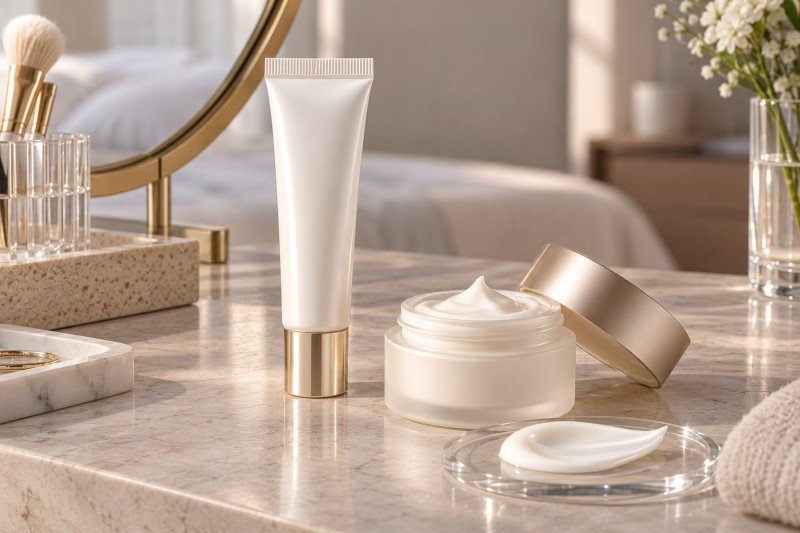
Eye cream is typically a leave-on cream or lotion designed for use around the eyes. It can combine daily hydration and moisturizing care with cosmetic benefits such as helping the skin feel softer, appear smoother, and look more refreshed.
One of the most appealing features of eye cream is its versatility. Some formulas have a light, silky texture that feels comfortable during daytime use, while others provide a richer, cushioning sensation for consumers who prefer more nourishing care. A well-designed eye cream can also offer a smooth finish that works comfortably within a regular skincare routine.
Unlike products designed mainly for occasional use, eye cream can become a familiar part of morning and evening skincare. Its combination of moisture, comfort, and flexible texture makes it a practical choice for a wide range of eye-area care needs.
Eye Serum
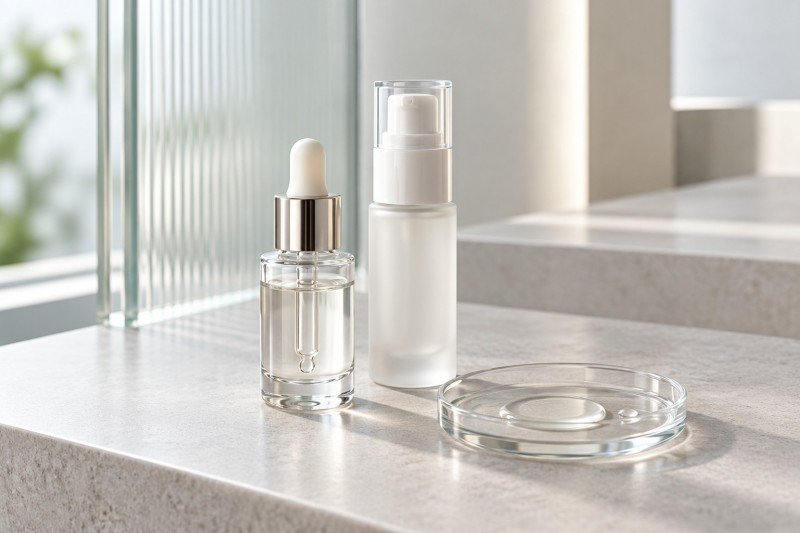
Eye serum is commonly available as a lightweight liquid, gel-like serum, or thin emulsion. Many products are designed to spread easily and leave a relatively light feeling around the eyes, making them appealing to consumers who prefer less noticeable skincare textures.
Some eye serums are used independently, while others are applied before eye cream as part of a layered routine. Depending on the formulation, they may focus on hydration, a smoother-looking appearance, or other specific cosmetic care goals.
Although serums are sometimes associated with stronger or more concentrated ingredients, the name alone does not determine how effective a product will be. Eye creams can also contain targeted skincare ingredients and provide similar cosmetic benefits. The main differences often lie in their texture, moisturizing feel, and intended place within a skincare routine.
Eye Gel
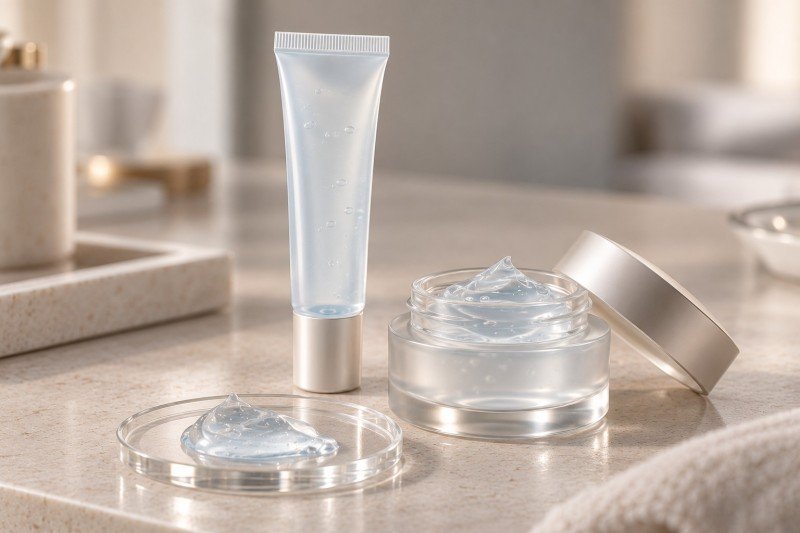
Eye gel is generally recognized for its smooth, water-rich texture and refreshing application experience. Many gel products feel lightweight and spread easily, making them attractive to consumers who prefer a fresher, less rich sensation around the eyes.
This type of product can fit naturally into daytime routines, especially for people who enjoy lightweight skincare or prefer products that feel comfortable beneath other cosmetics. Some eye gels also provide a cooling sensation during application, although this feeling should not be confused with a guaranteed reduction in eye puffiness.
The distinction between eye gel and eye cream is not always absolute. Modern eye creams can also be developed with light, gel-cream textures that combine a refreshing feel with the softness and moisturizing qualities of a cream.
Both formats can support daily eye-area care, with the choice often depending on the desired texture and sensory experience.
Eye Masks & Patches
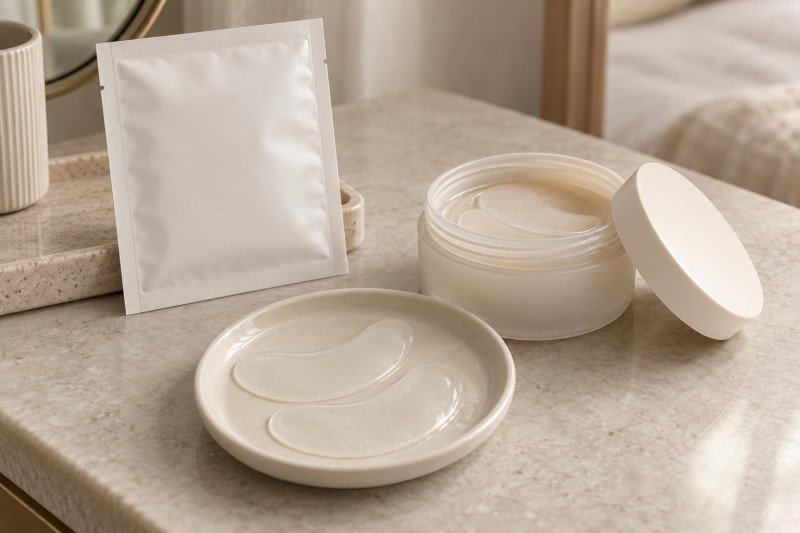
Eye masks and under-eye patches offer a different way to experience eye-area skincare. Common formats include hydrogel patches, sheet-style eye masks, and other specially designed treatments that are placed around or beneath the eyes.
Unlike eye creams, which are normally left on the skin during daily routines, many eye patches are applied for a specified period and then removed. This makes them popular for occasional self-care, preparation before makeup, or moments when consumers want an additional skincare step.
Depending on the product, eye masks may provide hydration, a soothing application experience, or a temporarily smoother-looking appearance. Their benefits depend on the ingredients, product design, and recommended method of use.
Eye masks and eye creams do not need to compete for the same role. Eye masks can offer a complementary skincare experience, while eye creams provide a convenient option for consistent daily eye-area care.
Eye Care Product Comparison at a Glance
Each eye care format has its own typical characteristics, but their benefits and textures can overlap. This comparison highlights their common differences in everyday skincare use.
| Comparison | Eye Cream | Eye Serum | Eye Gel | Eye Masks & Patches |
|---|---|---|---|---|
| Typical Texture | Light, silky, or rich cream | Fluid, light gel, or thin emulsion | Smooth, water-rich gel | Hydrogel, sheet, or other mask formats |
| Application | Applied and left on the skin | Used alone or layered with other products | Applied and left on the skin | Often applied for a set period |
| Skin Feel | Soft, moisturizing, and comfortable | Often lightweight and easy to spread | Commonly fresh, cool, and lightweight | Varies by mask material and formula |
| Routine Role | Regular daily eye-area care | Standalone or layered skincare step | Refreshing daily eye-area care | Additional or occasional care |
| Key Characteristic | Combines moisture, comfort, and flexible cream textures | Offers a light-feeling format for various skincare goals | Emphasizes a refreshing application experience | Provides a distinct application method and care experience |
No single format is automatically more effective than another. The right choice depends on the desired skincare benefits, formulation, application experience, and personal preferences.
Eye cream stands out as a flexible daily-care format, offering brands opportunities to combine moisturizing comfort with different cosmetic care goals and sensory experiences.
What Makes Eye Cream Appealing to Consumers?
Eye cream attracts consumers for different reasons. The visibility of the eye area, the comfort of daily moisturizing care, and the desire to improve specific appearance concerns all contribute to its appeal. Understanding these distinct benefits helps explain why eye cream has an established place in skincare.
01
Noticeable Eye-Area Concerns
- The eyes play an important role in facial expressions and everyday communication. Whether looking in the mirror, taking photographs, or applying makeup, consumers may pay particular attention to the appearance of the skin surrounding their eyes.
- Even subtle changes in this area can encourage people to think more carefully about their skincare needs. While their regular facial products may already provide suitable care, some consumers prefer a dedicated product that gives the eye area additional attention.
- This creates a natural appeal for eye cream: it offers a familiar, easy-to-understand way to care for a specific area of the face that consumers already notice and value.
02
Moisture & Everyday Comfort
- One of eye cream’s most practical benefits is the comfort it can bring to everyday skincare. The skin around the eyes can experience dryness, tightness, or a less supple feeling, making regular moisturizing care especially appealing.
- A well-formulated eye cream can help replenish moisture, reduce the feeling of dryness, and leave the skin feeling softer and more comfortable. These benefits do not depend on dramatic visible changes; consumers may appreciate them through the way their skin feels during regular use.
- From lightweight, silky creams to richer moisturizing formulas, eye creams can offer different levels of richness while maintaining a pleasant application experience.
- This combination of hydration, softness, and everyday comfort gives eye cream value as a regular skincare product.
03
Focused Appearance Benefits
- Beyond daily moisturizing care, eye creams can appeal to consumers with more specific cosmetic goals. Some may want the under-eye area to appear brighter and less tired, while others are interested in improving the appearance of fine lines, uneven-looking skin texture, or puffiness.
- These concerns create opportunities for eye creams with clearly defined benefits rather than a single formula that promises to do everything.
- For example, a product may focus on smoother-looking skin, a brighter under-eye appearance, or a more refreshed look. The results depend on the formulation, how the product is used, and the evidence supporting its claims.
- By addressing recognizable appearance goals, eye creams give consumers the opportunity to choose products that better match their individual skincare priorities.
Understanding Eye Cream Benefits and Ingredient Directions
Eye creams can address different cosmetic concerns, but not every concern requires the same approach. From moisture and comfort to uneven-looking tone, fine lines, and temporary puffiness, understanding these benefit categories helps brands identify suitable skincare objectives and explore relevant ingredient directions.
Hydration & Comfort
- Moisture, Softness & Barrier Care
- Hydration and comfort are closely related, but they do not describe exactly the same skincare benefit.
- Hydrating care focuses on maintaining moisture and helping dry-looking skin appear smoother. Nourishing care places greater emphasis on softness and a supple skin feel, while barrier-supporting care considers moisture loss and everyday skin comfort.
- Common ingredient directions include glycerin and hyaluronic acid for moisture retention, alongside panthenol, ceramides, and suitable emollients for complementary skincare roles.
- These approaches may be combined within one formula, but adding a moisturizing ingredient does not automatically make a product suitable for every eye-area concern. The intended benefit and finished formula should guide its positioning.
Brightening & Even Tone
- Dullness & Under-Eye Darkness
- Brightening care focuses on helping the eye area appear more radiant and even-looking, particularly when consumers are concerned about dullness or visible under-eye darkness.
- However, dark circles do not always have the same cause. Uneven pigmentation, visible blood vessels, facial contours, and shadows can all contribute to a darker under-eye appearance. These differences influence what cosmetic skincare can realistically achieve.
- Niacinamide, selected vitamin C derivatives, and suitable licorice-derived ingredients are among the directions that may be explored for skin-tone appearance care.
- A brightening ingredient alone does not guarantee improvement in every type of dark circle. Claims should reflect the specific appearance goal and supporting evidence for the finished product.
Puffiness & Refreshed Appearance
- Temporary Fullness & Tired-Looking Eyes
- Puffiness-focused eye care is intended for consumers concerned about temporary under-eye fullness and a tired-looking appearance.
- This concern differs from dark circles caused by pigmentation or shadows, as well as persistent under-eye bags associated with facial structure or skin laxity. Understanding the distinction is important when defining realistic cosmetic benefits.
- Caffeine is a commonly explored ingredient direction in products positioned for a more refreshed-looking eye area. Suitable moisturizing and sensory elements may complement this approach.
- However, a cooling sensation does not automatically demonstrate a reduction in puffiness, and cosmetic eye creams cannot be expected to correct every cause of under-eye bags. Product claims should focus on supported improvements in temporary appearance concerns.
Fine Lines & Firmness
- Smoother Texture & Firmer-Looking Skin
- Fine-line smoothing and firming are often discussed together, but they represent different cosmetic objectives.
- Fine-line care focuses on reducing the visibility of small creases and helping the eye-area surface appear smoother. Firming care places greater emphasis on the appearance of skin firmness, suppleness, and elasticity.
- Hydrating ingredients may help make dehydration-related lines appear less noticeable. Selected peptides and appropriately evaluated retinoid directions may also be considered for more focused appearance-care concepts, depending on the intended product and market.
- These benefits can overlap, but they should not be treated as identical. Suitable ingredients, formulation choices, and finished-product evidence determine which smoothing or firming claims can reasonably be supported.
What Goes Into Designing a Well-Balanced Eye Cream?
Developing an eye cream involves more than selecting ingredients for a particular benefit. Its intended use, skincare goals, texture, and overall formula must work together. Understanding these relationships helps brands turn an initial product idea into a clearer, more practical development direction.
01
Eye-Area Application Conditions
- Eye creams are applied close to the eyes, often in small amounts and as part of a daily routine that may include other skincare products or makeup. This makes the intended application area and method of use important considerations from the beginning.
- Is the product designed mainly for the under-eye area or the broader eye contour? How should consumers apply it comfortably and correctly?
- Unlike a general facial moisturizer, a dedicated eye cream calls for particular attention to its intended eye-area use, comfortable application, and the possibility of unintended contact with the eyes.
- These considerations help guide formulation decisions before the product moves into development and evaluation.
02
Define the Primary Care Goal
- Choosing a general product direction, such as hydration or brightening, is only the beginning. Brands also need to decide what they most want consumers to experience or notice when using the finished eye cream.
- For example, two hydrating eye creams may have different priorities. One might focus on everyday moisture and softness, while another emphasizes richer care for dry-feeling skin.
- A clear primary goal helps establish the product’s development priorities without trying to make every possible benefit equally important.
- The key question is simple: What should consumers value most about this eye cream?
03
Define the Complete Product Experience
- An appealing eye cream is not created by simply adding one ingredient for each desired benefit. Its skincare performance, texture, and application experience need to work together.
- A brand may want a rich, nourishing eye cream that does not feel greasy, or a lightweight brightening formula that still provides satisfying moisture and works comfortably beneath makeup.
- Achieving these combinations involves more than increasing or reducing individual ingredients. The complete formulation influences how easily the cream spreads, how moisturizing it feels, and what kind of finish remains after application.
- Before development begins, consider the experience you want consumers to have. Should the cream feel light and silky or soft and cushioning? Will it be used mainly in the morning, before makeup, or as part of an evening routine?
- Most importantly, which qualities are essential, and which could be refined through sample feedback?
04
Whole-Formula Suitability
- Even with clear product goals, the proposed formulation must be suitable as a complete eye-area cosmetic.
- Individual ingredients may offer useful properties, but their presence alone does not guarantee the intended performance or a comfortable finished product. The combination of ingredients, overall formulation, intended application, and appropriate product evaluation all contribute to the final result.
- A promising eye cream should be assessed for its intended use, including relevant safety, quality, and performance considerations. Its claimed benefits must also be supported by suitable evidence.
- This is why eye cream development involves more than assembling an attractive ingredient list. The objective is to create a well-considered formula in which the different components support the intended skincare experience and product requirements.
Everyday Eye Creams for Different Moisturizing Needs
Not every moisturizing eye cream is designed to deliver the same experience. Some consumers prefer straightforward daily hydration, while others seek richer nourishment or place greater importance on eye-area comfort. Explore three everyday eye cream concepts with distinct skincare priorities and formulation directions.
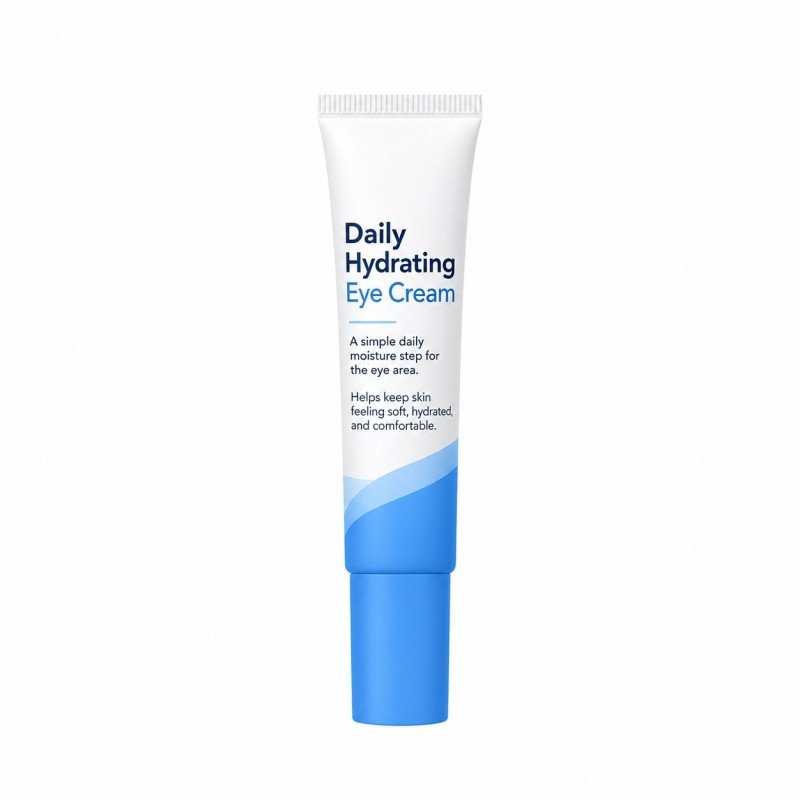
Daily Hydrating Eye Cream
- Everyday Moisture & Softness
- Developed for consumers seeking a simple, dependable moisturizing step in their daily skincare routine, this eye cream focuses on maintaining a hydrated, soft, and comfortable-looking eye area.
- Its appeal lies in providing essential moisture without requiring an intensive or highly specialized treatment concept. It can fit naturally into a brand’s everyday skincare collection, particularly for consumers who prefer straightforward eye care.
- Development Focus: Brands can define their preferred moisturizing feel, spreading characteristics, and daily application experience. The objective is a balanced eye cream that delivers the intended hydration and comfort without introducing unnecessary complexity into the product concept.
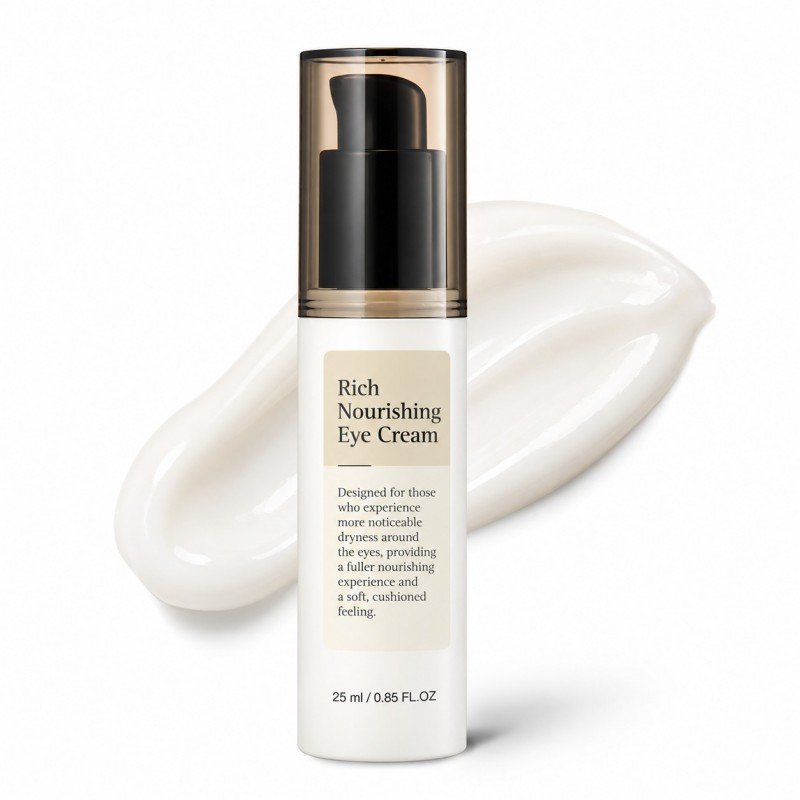
Rich Nourishing Eye Cream
- Richer Care for Dry-Feeling Skin
- Designed for consumers who experience more noticeable dryness around the eyes, this eye cream emphasizes a fuller nourishing experience and a soft, cushioned feeling after application.
- Unlike a basic daily moisturizer, its product positioning focuses on consumers who prefer a more substantial moisturizing experience, particularly when the eye area feels dry or lacks softness.
- Development Focus: Formulation can explore the balance between moisturizing performance, emollient richness, spreadability, and the finish left on the skin. A richer eye cream should not simply be thicker; its overall composition should support a comfortable, well-considered nourishing experience.
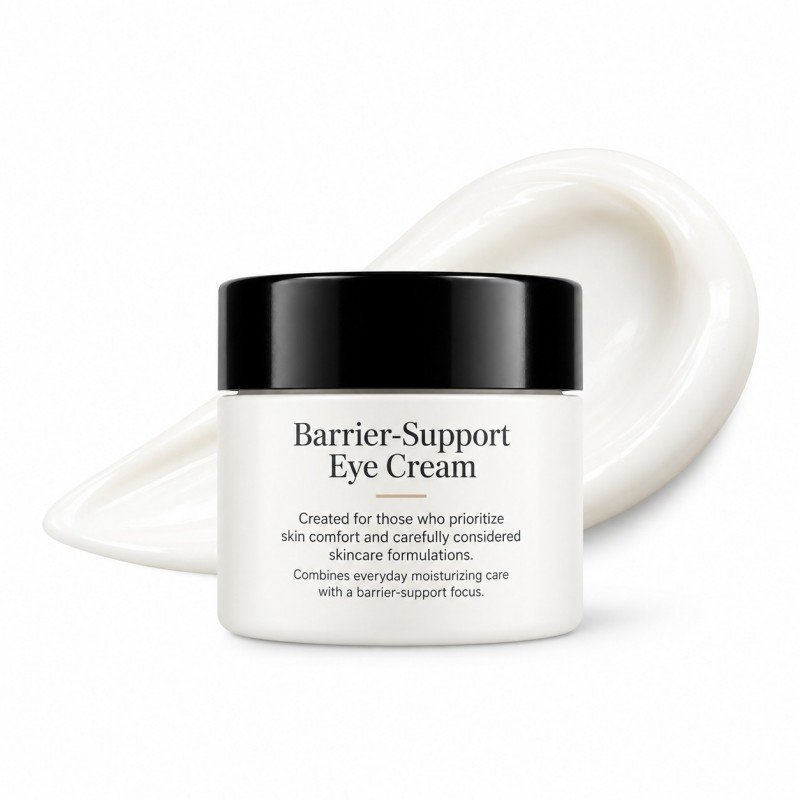
Barrier-Support Eye Cream
- Comfort-Focused Eye-Area Care
- Created for consumers who prioritize skin comfort and carefully considered skincare formulations, this eye cream combines everyday moisturizing care with a barrier-support positioning.
- Rather than emphasizing richer texture or multiple intensive appearance benefits, this direction focuses on a comfortable daily experience and thoughtful ingredient selection. It may be particularly relevant to skincare brands developing minimalist or fragrance-free product concepts.
- Development Focus: Brands can explore suitable barrier-supporting ingredients, formulation simplicity, and their intended eye-area application requirements. Claims relating to skin barrier benefits, sensitive-skin suitability, or product tolerance should be determined through appropriate evaluation of the finished formula.
Targeted Eye Creams for Specific Eye-Area Concerns
Consumers may seek eye creams for different appearance concerns, from under-eye darkness and visible fine lines to reduced firmness or temporary puffiness. Each targeted product direction calls for a clear skincare objective and an appropriate formulation approach. Explore four eye cream concepts designed around distinct consumer priorities.
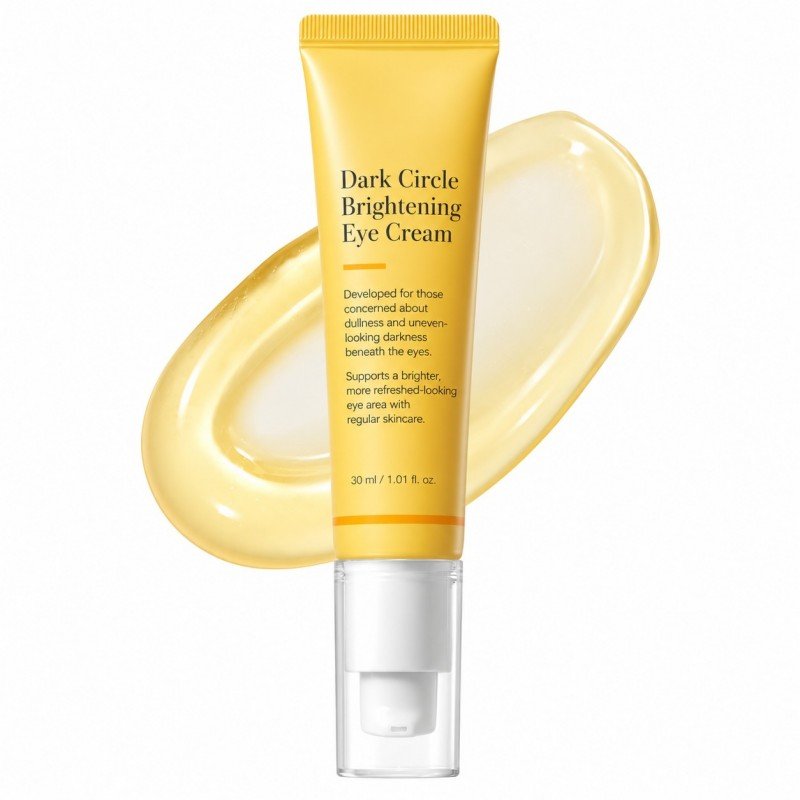
Dark Circle Brightening Eye Cream
- Focused Care for Under-Eye Darkness
- Developed for consumers concerned about dullness and uneven-looking darkness beneath the eyes, this eye cream focuses on supporting a brighter, more refreshed-looking eye area through regular skincare.
- Its product positioning emphasizes gradual cosmetic appearance care rather than immediate color correction or concealer-like coverage. It can appeal to brands building a targeted brightening collection or expanding an existing skincare range with a dedicated under-eye product.
- Because dark circles can have different causes, development should begin by defining the specific appearance concern the product is intended to address. The finished formula and supporting evidence should determine which brightening benefits can be communicated realistically.
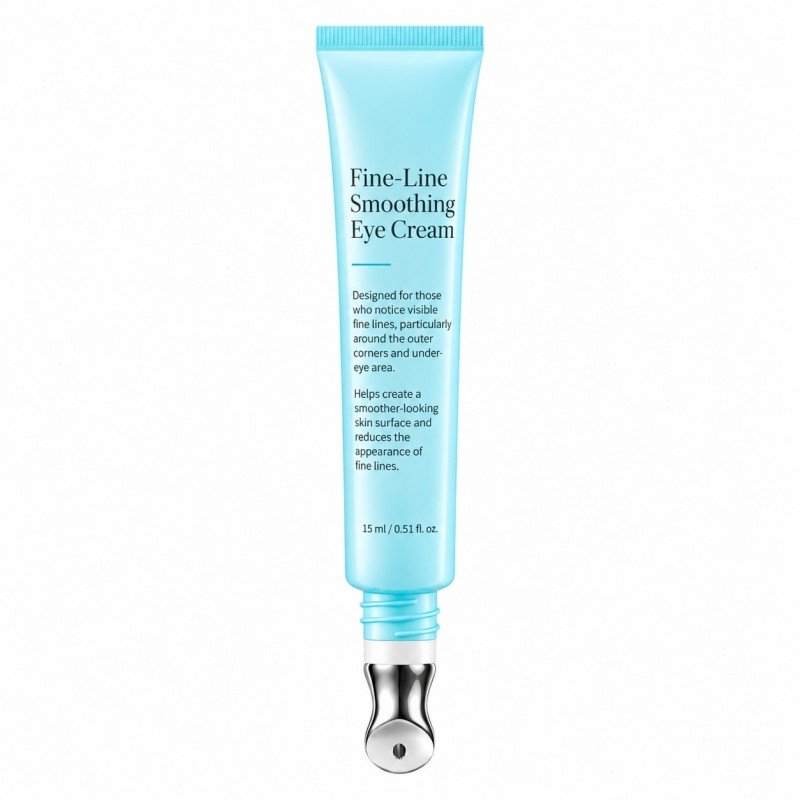
Fine-Line Smoothing Eye Cream
- Smoother-Looking Eye-Area Texture
- Designed for consumers who notice visible fine lines, particularly around the outer corners and under-eye area, this eye cream focuses on creating a smoother-looking skin surface and reducing the appearance of fine lines.
- It offers a focused product direction for brands developing early age-related appearance care or dedicated fine-line skincare. Rather than positioning the product as a solution for every sign of aging, its primary value lies in a clearly defined smoothing objective.
- Development can be guided by the type of fine-line appearance being targeted, the desired moisturizing experience, and the level of cosmetic performance the brand hopes to support through appropriate finished-product evaluation.
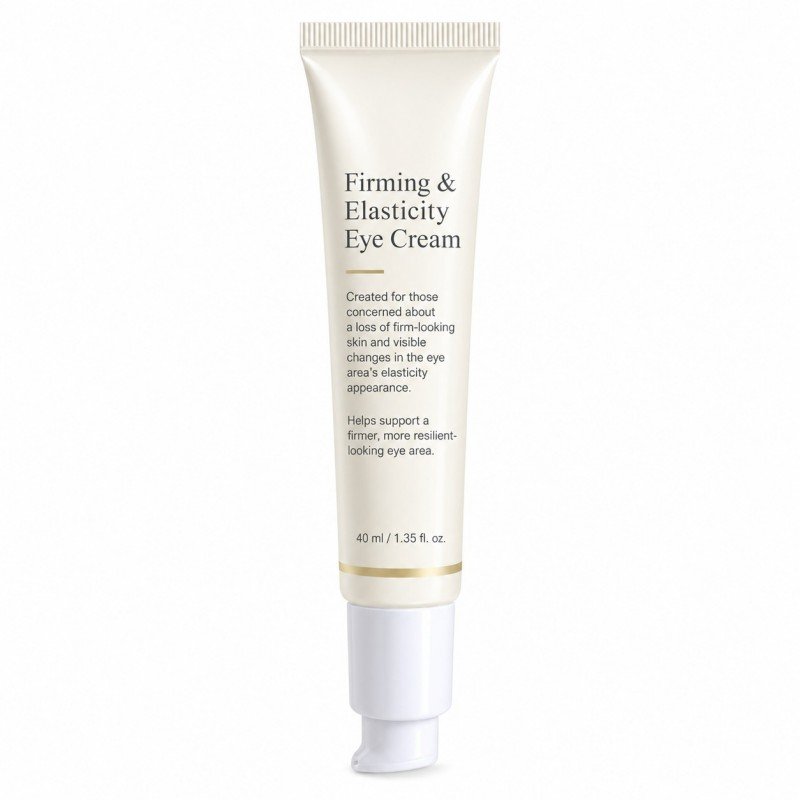
Firming & Elasticity Eye Cream
- A Firmer-Looking Eye Contour
- Created for consumers concerned about a loss of firm-looking skin and visible changes in the eye area’s elasticity appearance, this eye cream places greater emphasis on overall skin firmness than on individual fine lines.
- Its positioning can suit skincare brands developing mature-skin collections or more focused age-related appearance care, where consumers are looking for an eye contour that appears smoother, more supple, and better supported.
- The development direction should establish realistic cosmetic goals for firmness and elasticity appearance while maintaining a comfortable eye-area application experience. Any claims relating to visible lifting or improved firmness require suitable evidence and should not imply correction of significant skin laxity.
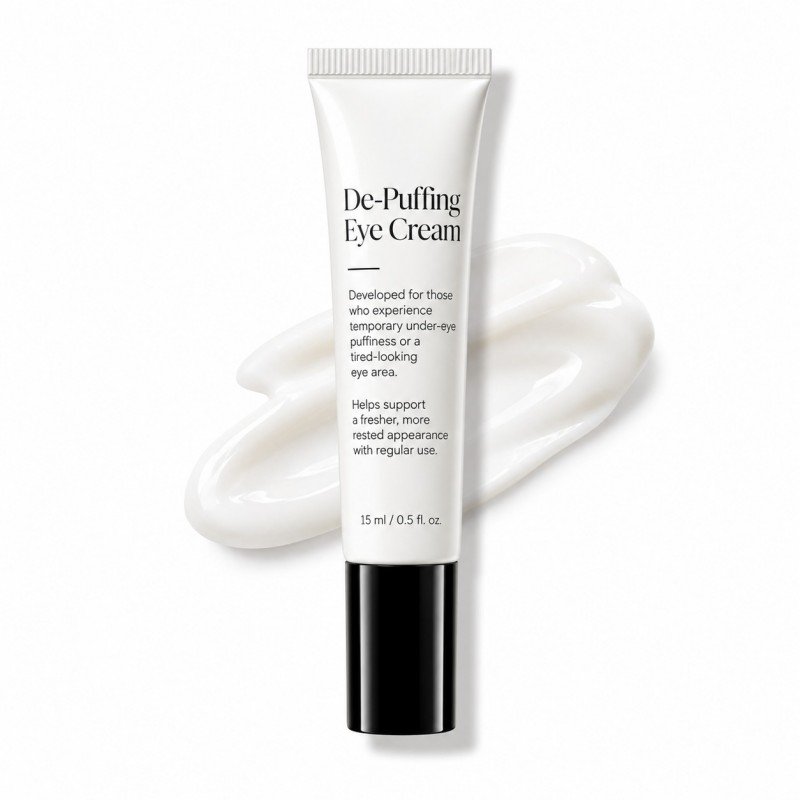
De-Puffing Eye Cream
- A Fresher, Less Puffy Appearance
- Developed for consumers who experience temporary under-eye puffiness or a tired-looking eye area, this eye cream focuses on supporting a fresher, more rested appearance.
- It can be positioned as part of a morning skincare routine or an everyday eye-care product for consumers who particularly value a refreshed look. Its commercial identity is built around temporary puffiness concerns rather than general brightening or age-related skincare.
- Formulation development should consider the intended cosmetic appearance benefit alongside the application experience consumers expect from this type of product. The finished product should be evaluated against realistic claims, without suggesting it can eliminate structural under-eye bags or address every cause of swelling.
Specialized Eye Creams for Distinct Application Experiences
Some eye creams offer more than traditional skincare benefits. They can be designed around specific application routines or immediate visual effects, creating distinctive experiences for consumers. Explore two specialized eye cream concepts that combine everyday eye-area care with a clearly defined product feature.
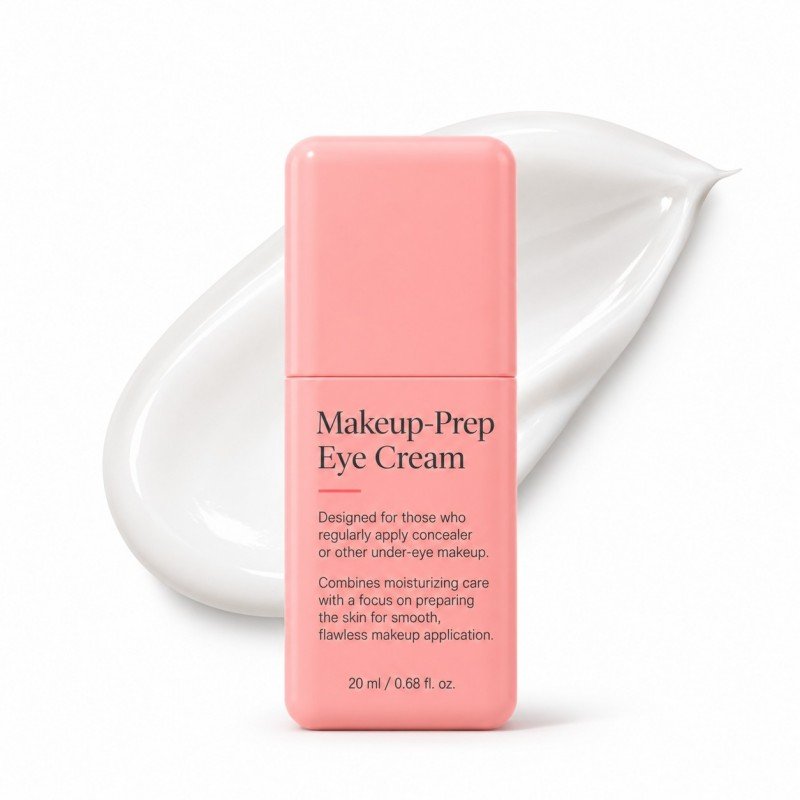
Makeup-Prep Eye Cream
- Comfortable Eye Care Before Concealer
- Designed for consumers who regularly apply concealer or other under-eye makeup, this eye cream combines moisturizing care with a focus on preparing the skin for subsequent cosmetic application.
- Its defining feature is the experience it aims to provide beneath makeup, rather than a particular brightening or anti-aging benefit. Brands can explore an appropriate balance of hydration, smooth application, and the finish left on the skin to suit their customers’ makeup routines.
- Development should consider how the finished eye cream performs alongside representative concealer products. Claims relating to makeup compatibility, reduced pilling, or improved application should be supported by relevant product evaluation.
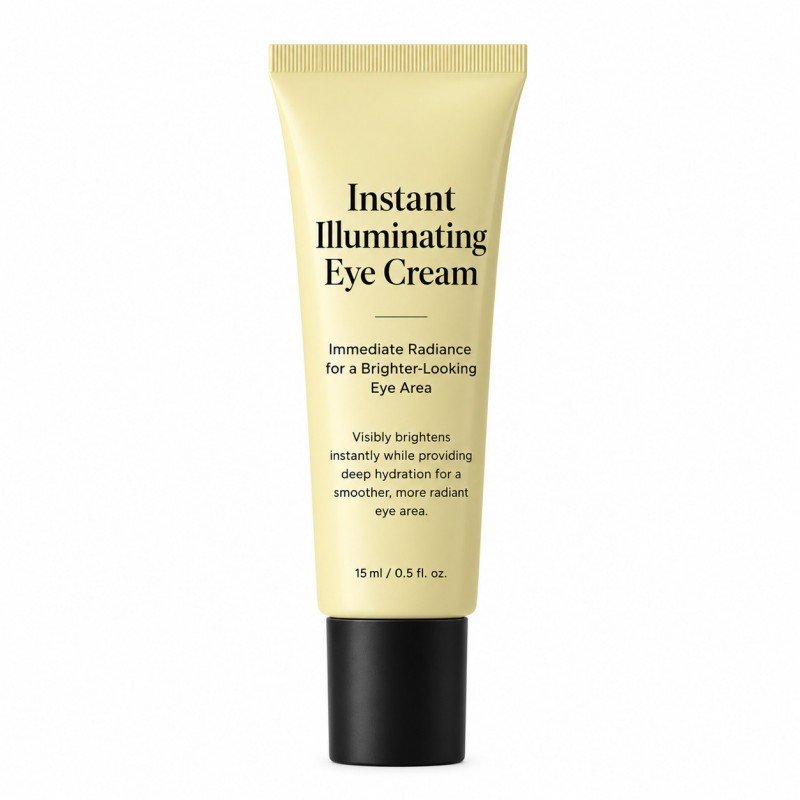
Instant Illuminating Eye Cream
- Immediate Radiance for a Brighter-Looking Eye Area
- Created for consumers who appreciate a visible brightening effect immediately after application, this eye cream combines moisturizing care with an illuminating cosmetic finish.
- Unlike eye creams focused primarily on gradual improvements in the appearance of under-eye darkness, this direction emphasizes an immediate visual result. Brands may explore subtle light-reflecting or soft-focus effects that help the eye area appear more radiant without necessarily providing tinted coverage.
- The development process should define the desired level of illumination, its appearance on different skin tones, and how naturally the finish blends into the surrounding skin. Any claimed optical effects require appropriate finished-product evaluation.
What Makes Up a Well-Designed Eye Cream Formula?
Behind many eye cream formulations are several essential systems working together. While functional ingredients help define specific skincare goals, the formula’s water base, humectants, emollients, emulsifiers, structural ingredients, and protective components all contribute to the finished product. Understanding these roles helps brands look beyond highlighted ingredients and better recognize how an eye cream is constructed.
Water & Solvent Base
- The Foundation of Many Eye Creams
- Water forms the main liquid foundation of many conventional emulsion-based eye creams, providing a medium for dissolving or carrying suitable water-soluble ingredients and supporting the overall formulation.
- However, seeing Aqua at the beginning of an ingredient list does not tell you how moisturizing, nourishing, or rich the finished eye cream will feel.
- The water phase works alongside other formulation systems, each contributing different properties to the product. Two eye creams can share a similar water-based foundation while delivering noticeably different application experiences.
- Common Examples: Purified Water · Suitable Cosmetic Solvents
Humectant System
- Supporting Moisture Retention
- Humectants help attract and retain water, contributing to the moisturizing performance of an eye cream. Common examples include glycerin, betaine, and sodium hyaluronate, which may be selected individually or combined according to the intended formulation.
- Unlike the water base itself, a humectant system is designed specifically around moisture management.
- However, increasing the amount of a humectant does not automatically produce a better eye cream. Its contribution depends on how it is incorporated into the complete formula, alongside other moisturizing and structural components.
- Common Examples: Glycerin · Betaine · Sodium Hyaluronate
Emollient System
- Creating Softness and Nourishing Comfort
- Emollients help improve the way an eye cream spreads and feels on the skin, contributing to softness, smoothness, and a comfortable lubricating sensation. Some ingredients also help reduce moisture loss from the skin’s surface.
- Different emollients can create noticeably different experiences. Squalane, cosmetic esters, selected plant oils, and suitable silicones do not necessarily provide the same degree of richness, slip, or after-feel.
- This is why a nourishing eye cream cannot be developed simply by adding more oil. The selection and balance of emollients influence how the finished product feels during and after application.
- Common Examples: Squalane · Caprylic/Capric Triglyceride · Dimethicone
Emulsification System
- Bringing Water and Oil Together
- Many eye creams contain both water-based and oil-based ingredients. These components require an appropriate emulsification system to form the intended cream structure rather than separating into distinct phases.
- Emulsifiers and supporting ingredients help create and maintain the dispersion of these components within the formulation.
- Their role extends beyond making a product look like a cream. The chosen emulsification approach also influences its internal structure and contributes to its physical stability and application characteristics.
- An effective system must be selected in the context of the complete formula rather than treated as a standalone ingredient choice.
- Common Examples: Glyceryl Stearate · Cetearyl Glucoside · Suitable Co-Emulsifiers
Texture & Structure System
- Shaping Consistency and Flow
- Once an emulsion is formed, its consistency and flow characteristics still need to be considered. Structure-building ingredients help influence how thick an eye cream appears, how it moves when dispensed, and how easily it spreads during application.
- Thickeners, polymers, and certain fatty alcohols may contribute to these properties, although some also serve other formulation functions.
- A cream that looks thick in its container does not necessarily feel heavy on the skin. Similarly, a fluid-looking product may still leave a noticeable moisturizing finish.
- The objective is to develop a structure that supports the intended handling and application characteristics.
- Common Examples: Carbomer · Xanthan Gum · Cetearyl Alcohol
Preservation & Formula Support
- Protecting Product Quality
- An eye cream’s formulation must also account for quality protection during its intended shelf life and use. For water-containing products, an appropriate preservation system is important for controlling microbial growth.
- Other supporting ingredients may serve different purposes. Antioxidants can help protect oxidation-sensitive components, chelating agents may assist selected formulation systems, and pH adjusters help maintain an appropriate range where required.
- These functions should not be confused: a preservative does not automatically prevent emulsion separation, and an antioxidant does not replace microbial protection.
- Preservation and formula-support ingredients must be considered alongside manufacturing controls, packaging, and appropriate finished-product testing.
- Common Examples: Suitable Preservatives · Tocopherol · Disodium EDTA · pH Adjusters
What Guides Ingredient Selection in Eye Cream Formulation?
Ingredient selection involves more than identifying materials associated with a desired skincare benefit. Their appropriate use levels, compatibility with the complete formula, and suitability for the intended eye-area application all influence formulation decisions. Understanding these considerations helps brands recognize how ingredient choices are evaluated during eye cream development.
01
Appropriate Ingredient Use Levels
Choosing the Right Amount for the Formula
The appropriate amount of an ingredient depends on its specific characteristics, intended function, supplier recommendations, relevant safety information, and the requirements of the finished eye cream.
Using a higher percentage does not automatically deliver stronger cosmetic benefits or a better product experience. Different materials may also be supplied in concentrated, diluted, or pre-blended forms, making their stated addition percentages difficult to compare directly.
Formulators therefore need to assess the actual material being used and determine a suitable level for the intended product, rather than relying on concentration alone as a measure of quality or effectiveness.
02
Formula Compatibility & Conditions
Ensuring Ingredients Fit the Complete Formula
An ingredient may be suitable for a particular skincare purpose but still have specific requirements when incorporated into an eye cream.
Some materials need appropriate conditions for dissolution or dispersion, while others may require consideration of pH, surrounding ingredients, or the overall formulation environment.
These requirements become especially important when a formula combines materials with different physical or chemical properties.
Rather than simply adding ingredients associated with individual benefits, formulators must consider whether the selected materials can be appropriately incorporated into the same system while maintaining the intended formulation characteristics.
The objective is to develop a coherent formula in which ingredient choices support the intended product design.
03
Eye-Area Ingredient Suitability
Considering the Intended Application Area
Ingredient suitability must also be considered in relation to where and how the finished eye cream will be used.
A material commonly used in facial skincare does not automatically justify using the same concentration or formulation approach in a product intended for the eye area.
Relevant considerations include the ingredient’s safety information, intended use level, application location, foreseeable exposure, and applicable market requirements.
This does not mean that eye creams necessarily require entirely different ingredients from facial moisturizers. Instead, ingredient decisions should reflect the specific conditions of the intended eye-area application.
The goal is to establish an ingredient strategy that is appropriate for the product’s intended cosmetic purpose.
Explore Eye Cream Textures and Sensory Finishes
Eye creams with similar skincare goals can offer very different textures and application experiences. From fluid emulsions and fresh gel-creams to more traditional cream textures, each direction has distinct characteristics. Understanding how a formula looks, spreads, and feels after application helps brands explore the sensory experience they want their finished eye cream to deliver.
Fluid Emulsion
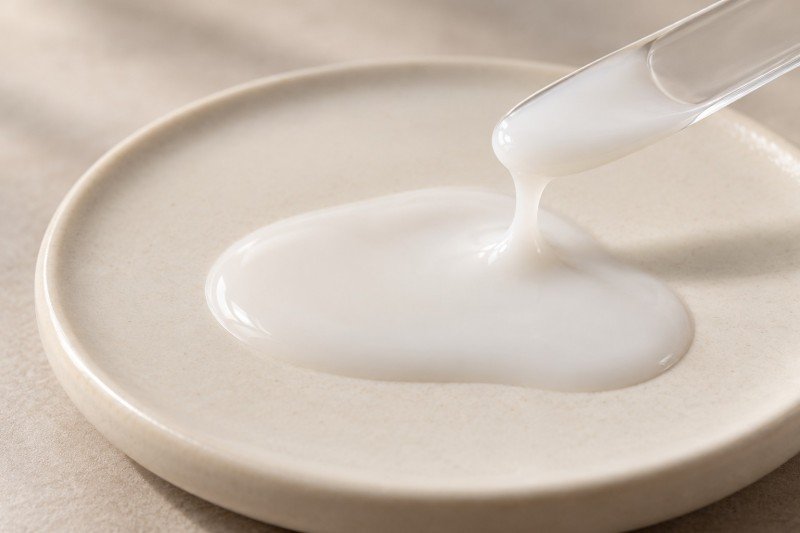
- Lightweight Texture with Easy Flow
- Fluid emulsions have a relatively low-viscosity, flowing consistency compared with traditional eye creams. Their lighter structure allows the product to spread easily in small amounts, creating a fluid application experience without the pronounced thickness of a conventional cream.
- Although fluid emulsions may feel light during application, their moisturizing performance and after-feel still depend on the complete formulation. A flowing texture does not necessarily mean the product provides less moisture or leaves no nourishing sensation.
- Brands can explore different levels of fluidity, slip, and moisturizing finish while maintaining the defining characteristics of a fluid eye cream.
Gel-Cream
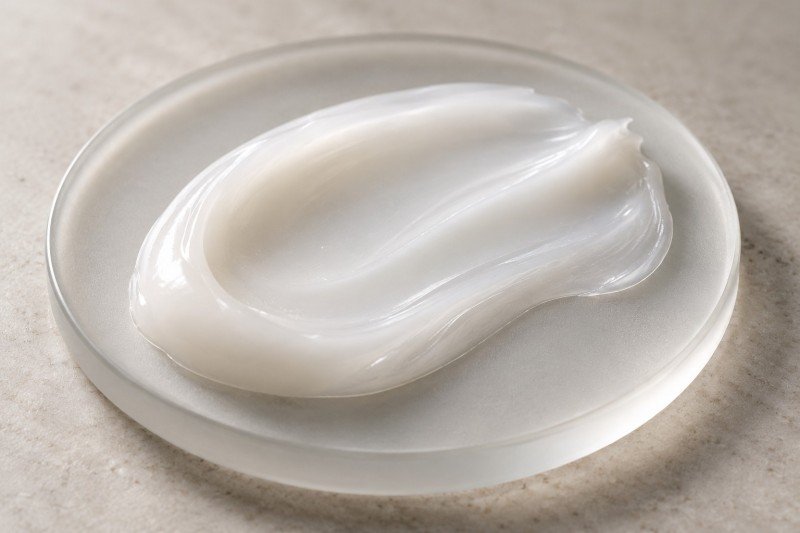
- Fresh Gel-Like Feel with Cream Comfort
- Gel-creams combine gel-like sensory characteristics with the structure and application qualities of a cream. They can offer a fresh, smooth spreading experience while maintaining a soft, moisturizing finish.
- Unlike a conventional eye gel, a gel-cream may incorporate emollient components and a cream-like structure, creating a different balance between gel-like freshness and moisturizing comfort.
- Not every gel-cream feels equally light or leaves the same finish. Some may emphasize a watery, refreshing sensation, while others provide a softer, more cushioned feel.
- Brands can explore these variations to develop a gel-cream with the desired consistency, spreadability, and after-feel.
Cream Texture
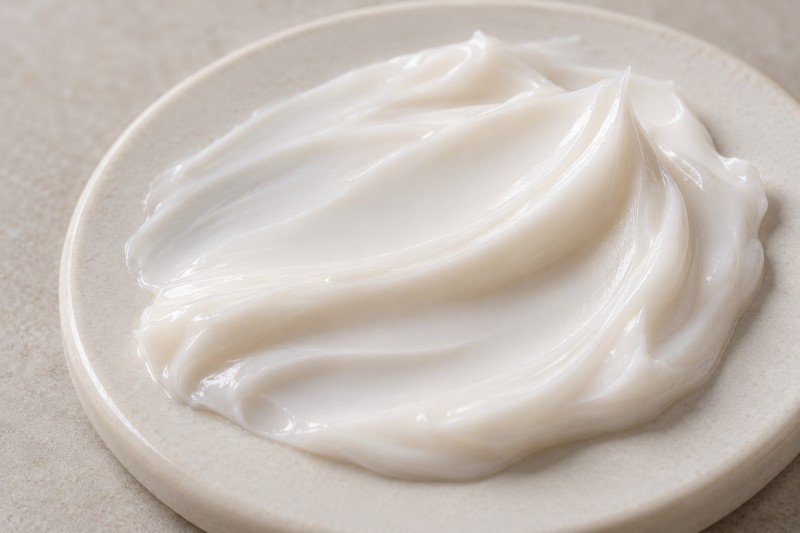
- From Soft and Silky to Rich and Cushioning
- Traditional cream textures offer a more defined cream consistency, but they do not have to deliver the same sensory experience. Depending on the formulation, an eye cream can feel soft and silky, smooth and balanced, or noticeably rich and cushioning.
- A softer cream may emphasize gentle spreading and a comfortable, relatively light finish. A richer cream may provide a fuller application feel and a more noticeable nourishing sensation.
- However, a thicker appearance does not automatically indicate stronger moisturizing performance, just as a rich cream does not necessarily have to feel greasy.
- Brands can adjust the intended richness, slip, and after-feel within this texture direction rather than treating soft and rich creams as completely separate formulation categories.
Eye Cream Packaging Formats and Dispensing Options
The right packaging can enhance an eye cream’s convenience, presentation, and daily application experience. Squeeze tubes offer portability, airless pumps provide controlled dispensing, and jars create a more tactile skincare ritual. Explore how these packaging formats support different consumer routines, product concepts, and brand positioning.
Squeeze Tube
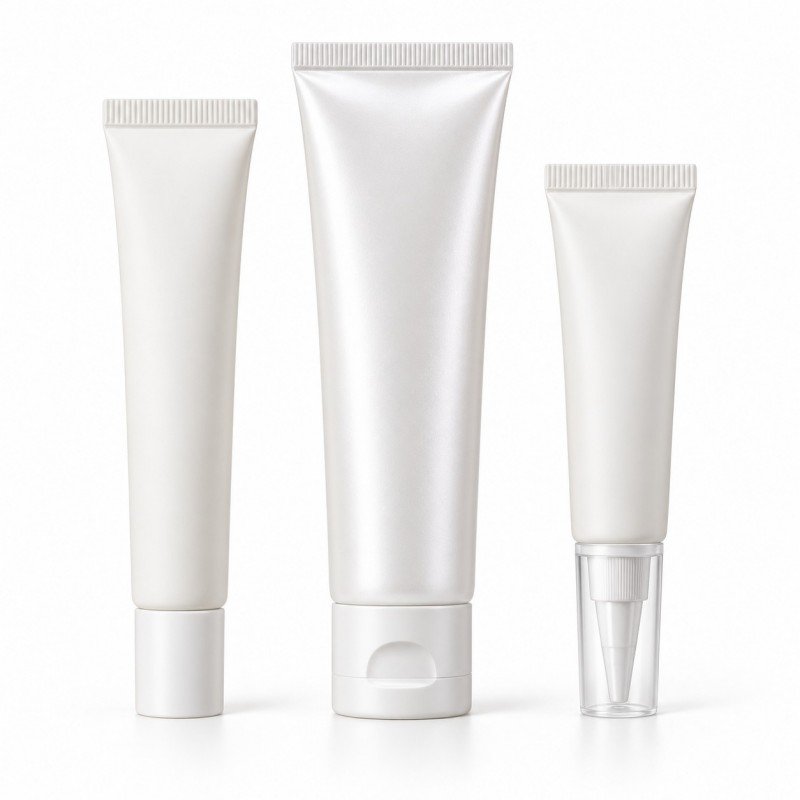
- Everyday Convenience and Portability
- Squeeze tubes offer a simple, familiar way to dispense eye cream, making them a practical choice for everyday skincare routines. Their compact, lightweight design is convenient for storage, travel, and carrying in handbags or personal care kits.
- Consumers can easily squeeze a small amount onto their fingertips, making the format suitable for quick morning applications, evening skincare, and on-the-go use.
- For brands, squeeze tubes offer flexible design possibilities through different shapes, cap styles, finishes, and decoration options.
- They are particularly attractive for daily hydrating eye creams, makeup-prep formulas, and coordinated skincare collections where convenient handling and portability are important.
Airless Pump
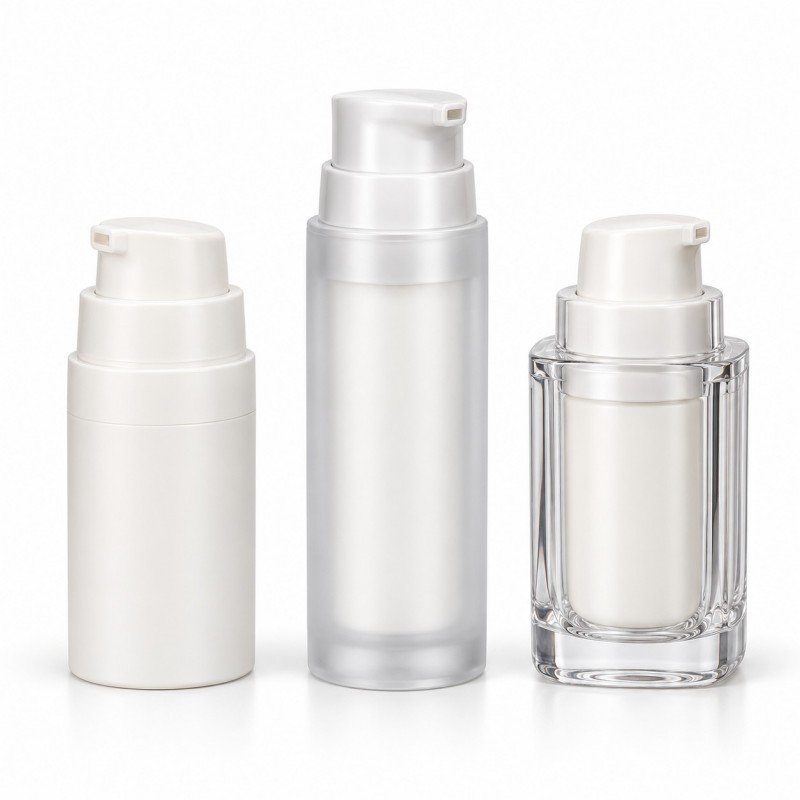
- Refined and Controlled Dispensing
- Airless pumps offer a convenient press-to-dispense experience, allowing consumers to obtain small portions of eye cream without repeatedly dipping their fingers into the remaining product.
- This dispensing approach supports a clean, organized daily routine and can help reduce direct contact with the formula inside the container.
- With their streamlined appearance and modern packaging structure, airless pumps are well suited to premium eye-care collections, clinical-inspired skincare lines, and brands seeking a refined product presentation.
- Different bottle shapes, finishes, and dispensing configurations also allow brands to coordinate eye creams with facial serums, moisturizers, and other products within an established skincare range.
Eye Cream Jar
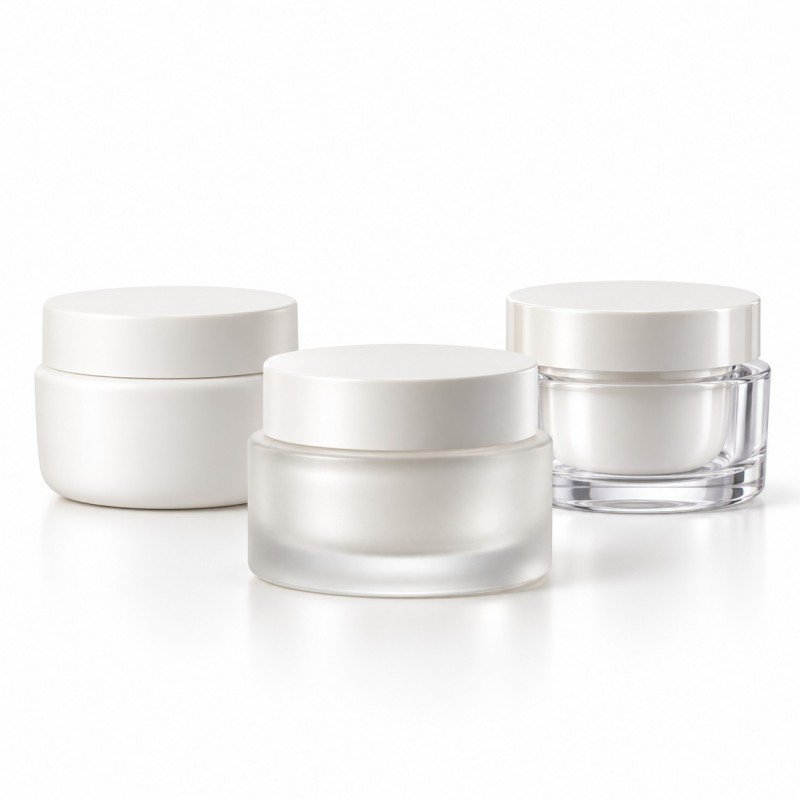
- Tactile Application and Premium Presentation
- Eye cream jars offer a more tactile skincare experience, allowing consumers to see the cream directly, appreciate its texture, and select their preferred amount during application.
- Their wide openings make them especially appealing for products that emphasize a soft, rich, or cushioning cream experience, as well as skincare routines that encourage a slower, more indulgent application ritual.
- Jars also provide extensive opportunities for visual customization through different shapes, materials, lid designs, colors, and decorative finishes.
- They are a compelling choice for premium eye cream collections, home skincare routines, and gift-oriented product lines where packaging appearance and the sensory experience are central to the brand concept.
Eye Cream Packaging Formats and Dispensing Options
Beyond the primary container, applicator design can influence how an eye cream is dispensed and applied. Some options help consumers place small amounts of product more conveniently, while others introduce a different contact and spreading experience. Understanding these distinctions helps brands select an applicator suited to their formula and intended use.
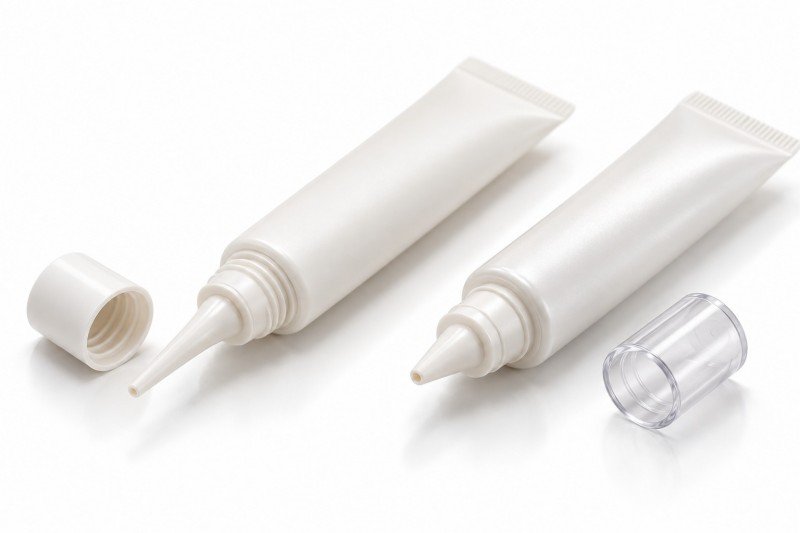
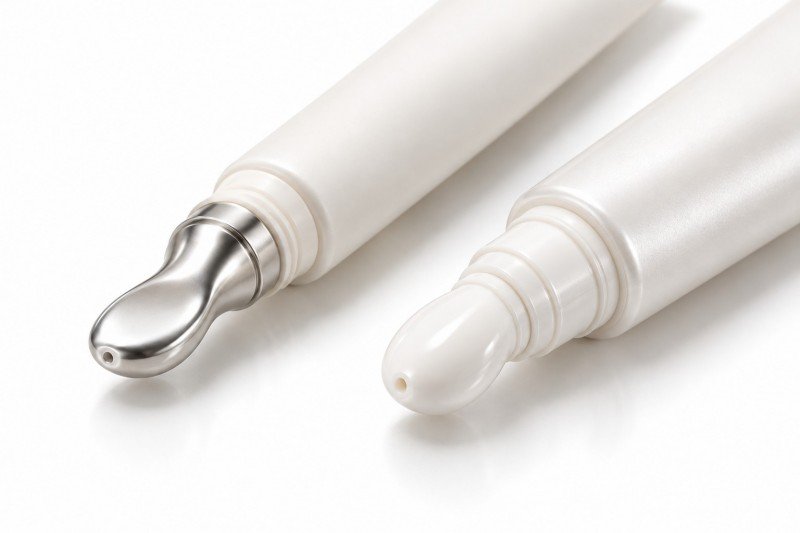
Precision Dispensing Nozzle
- More Controlled Product Placement
- A precision dispensing nozzle uses a relatively narrow outlet to help consumers dispense small amounts of eye cream and place the product near the intended application area.
- Unlike a standard wide opening, this type of nozzle focuses on how the formula leaves the container and where it is deposited before being spread onto the skin.
- It may be incorporated into suitable tube designs, depending on the packaging components available.
- However, a narrow nozzle does not automatically guarantee a fixed dispensing amount or prevent unintended contact. Its opening size and structure must be considered alongside the formula’s consistency and flow characteristics.
- The main purpose is to provide a more deliberate product-dispensing experience without changing the eye cream’s underlying skincare function.
Smooth Glide Applicator
- A Distinctive Contact and Spreading Experience
- Smooth glide applicators introduce a different way to apply eye cream by using a shaped contact surface to help spread the product gently over the intended eye-area skin.
- Depending on the packaging design, these applicators may incorporate suitable metal, ceramic, or other smooth-surfaced materials. Their shape, surface finish, and material can influence the sensation consumers experience during application.
- Some designs may provide a cool-touch feeling, while others emphasize smooth movement and convenient handling.
- However, an applicator’s material alone does not establish skincare benefits such as reduced puffiness or improved ingredient absorption.
- The selected applicator should be assessed for its intended contact area, compatibility with the formula, ease of cleaning or hygienic use, and suitability for the overall packaging system.
Managing Common Eye Cream Application Challenges
An eye cream may feel promising during initial sampling but behave differently during everyday use. Eye-area comfort, unwanted product movement, and compatibility with layered skincare or makeup can all influence consumer satisfaction. Understanding these application challenges helps brands establish more realistic product expectations and identify where further formulation adjustments or use evaluations may be needed.
01
Eye-Area Comfort
- When Application Causes Discomfort
- An eye cream may feel smooth during application yet still cause stinging, tingling, or other discomfort around the intended eye-area skin.
- These experiences can affect consumer confidence, even when the product otherwise meets its texture and appearance goals.
- Development should therefore consider the complete formulation rather than focusing only on individual ingredients. Ingredient selection, use levels, fragrance direction, and the intended application method may all require attention.
- Evaluating the finished formula under appropriate intended-use conditions can help identify potential comfort concerns and guide adjustments before the product is finalized.
02
Unintended Product Migration
- When Cream Moves After Application
- An eye cream that spreads easily during application may continue moving beyond the intended area after it has been applied.
- Excessive spreading or movement toward the eye can create an uncomfortable experience and make the product less practical for everyday use.
- This issue is not simply about whether a formula feels lightweight or rich. The amount applied, the product’s spreading behavior, and its characteristics after application can all influence how it stays on the skin.
- During development, formulators can assess the finished cream’s application behavior and consider adjustments to its texture, recommended use amount, or application instructions.
03
Layering Compatibility & Pilling
- When Products Do Not Layer Smoothly
- An eye cream may perform well on its own but behave differently when followed by sunscreen, concealer, or other skincare products.
- Consumers may experience small rolled-up particles, uneven spreading, or makeup that does not sit smoothly over the treated area. These effects can reduce satisfaction with an otherwise appealing formula.
- For brands targeting daytime use, it is valuable to consider how the eye cream behaves within a realistic skincare routine.
- Observing the formula alongside representative products, application amounts, and layering methods can help identify potential issues and guide formulation adjustments without assuming compatibility with every makeup or skincare product.
Eye Cream Development and Quality Challenges
A successful eye cream must do more than meet expectations at the sampling stage. Its formulation should maintain appropriate quality during storage, work with the selected packaging, and translate reliably into production. Brands must also ensure that their intended marketing claims are supported. Addressing these considerations early can help reduce unnecessary revisions and improve launch readiness.
04
Formula Stability
When Product Characteristics Change During Storage
An eye cream may have the desired consistency, color, and appearance immediately after development, but these characteristics can change during storage.
Depending on the formulation, potential issues include separation, changes in viscosity, or noticeable differences in color and odor. Such changes may affect product quality and the consumer’s experience.
A successful initial sample therefore does not establish how the product will perform throughout its intended shelf life.
Appropriate stability evaluations, selected according to the formulation and expected storage conditions, can help identify potential changes and determine whether further adjustments are needed before production.
05
Packaging & Dispensing Compatibility
When Packaging Does Not Perform as Expected
A packaging component may look suitable for an eye cream but perform differently once filled with the intended formula.
For example, a pump may deliver inconsistent amounts, a narrow opening may make dispensing difficult, or the selected container may not provide the expected handling experience.
These issues can affect everyday convenience, product presentation, and consumer satisfaction, even when the cream itself has an appealing texture.
Evaluating the actual formula with the proposed packaging helps identify practical limitations before final approval. Dispensing behavior, contact-material suitability, and relevant package performance should be considered according to the selected system.
06
Scale-Up & Batch Consistency
When Production Differs from the Approved Sample
A laboratory sample may achieve the desired smoothness, consistency, and application feel, but these characteristics can shift when the formula is produced on a larger scale.
Changes in equipment, mixing conditions, processing temperatures, or production procedures may influence the finished cream’s physical characteristics.
For brands, unexpected differences can affect product consistency and the experience consumers associate with the approved sample.
Development should therefore consider how important formulation characteristics can be maintained during manufacturing. Appropriate process controls, production assessments, and defined quality specifications help support a consistent transition from sampling to commercial production.
07
Product Claims & Supporting Evidence
When Marketing Expectations Exceed Available Evidence
A brand may want to position an eye cream around dark circles, fine lines, firmness, or the appearance of puffiness. However, selecting ingredients associated with these concerns does not automatically establish that the finished product can support every related claim.
For example, a brightening eye cream should not be assumed to address all causes of dark circles simply because it contains a commonly marketed brightening ingredient.
Unsupported or overly broad claims may create compliance concerns and unrealistic consumer expectations.
Defining the intended claims early allows brands to review available supporting information and determine whether additional finished-product evidence is needed for their target markets.
Choose the Right Eye Cream Development Route
Not every eye cream project requires a completely new formula. Depending on your product goals, available formulation options, and customization requirements, development may begin with an established formula, targeted refinements, or a more customized approach. Each route offers different advantages and trade-offs in flexibility, development work, and product differentiation, helping brands choose a practical starting point.
01
Established Formula Selection
- A Practical Starting Point for Faster Product Planning
- Ideal for brands seeking a private label eye cream with familiar skincare benefits and no highly specialized formulation requirements.
- Selecting a suitable established formula allows brands to build on existing formulation work, evaluate product samples, and focus more attention on branding, packaging, and launch preparation. It can reduce unnecessary development work when the available formula already meets the main product objectives.
- However, the existing formula may offer limited flexibility for unique ingredient preferences, specialized textures, or highly differentiated product concepts.
- This route is most appropriate when a suitable formula closely matches the brand’s expectations without requiring substantial formulation changes.
02
Existing Formula Refinement
- Targeted Adjustments with an Established Starting Point
- Suitable for brands that find an existing eye cream close to their requirements but want to improve selected characteristics before finalizing the product.
- Refinement may involve adjusting consistency, reducing a heavy after-feel, or modifying other feasible formulation details. This approach allows brands to retain a useful development foundation while creating a product experience more closely aligned with their positioning.
- However, the extent of possible changes depends on the original formulation. Even a targeted adjustment may affect other characteristics and require additional evaluation.
- This route offers a balance between development efficiency and customization flexibility when the existing formula remains a suitable foundation.
03
Custom Formula Development
- Greater Flexibility for Distinctive Product Concepts
- Designed for brands with clearly defined eye cream requirements that available formulations cannot adequately meet.
- Custom development provides greater flexibility to explore specific ingredient approaches, texture characteristics, and combinations of skincare objectives. Rather than working within a largely predetermined formula, development can be guided more directly by the brand’s intended product experience and technical requirements.
- However, this route generally involves a broader development scope, potentially more sampling and revisions, and additional work to confirm technical feasibility and finished-product performance.
- It is best suited to projects where achieving the desired product characteristics justifies a more involved formulation process.
Eye Cream Formula Evaluation and Sampling Process
From initial product requirements to sample confirmation, our development process helps brands turn eye cream concepts into practical formulation directions. We review your project goals, assess suitable formulation options, prepare samples, and evaluate your feedback. Each stage supports clearer decisions before moving forward with packaging, production, and launch preparations.
01
Project Requirements Review
We begin by understanding your eye cream concept, target market, intended skincare benefits, preferred texture, and application requirements. Initial packaging preferences and brand positioning also help establish a clearer project brief for further evaluation.
02
Formula Feasibility Review
Our formulation team evaluates your requirements to identify a suitable development approach, whether using an established formula, refining an existing option, or exploring custom development. We also discuss technical feasibility and proposed sampling arrangements.
03
Sample Preparation & Dispatch
Based on the agreed development direction, we prepare suitable eye cream samples for evaluation. These may involve existing formulations or newly developed versions. Once ready, samples are arranged for shipment according to the confirmed sampling details.
04
Sample Review & Feedback
After receiving the samples, you can assess their consistency, spreadability, after-feel, and comfort during intended use. Specific feedback, including performance within your planned skincare routine, helps our formulation team identify potential improvements.
05
Sample Refinement & Confirmation
If adjustments are needed, we review your feedback and assess feasible formulation changes before preparing revised samples. Once an appropriate sample version is confirmed, the project can proceed toward final packaging and pre-production preparations.
Eye Cream Production and Order Fulfillment Process
Once the eye cream sample direction is confirmed, the project moves toward commercial production. Packaging specifications, order arrangements, pre-production preparations, manufacturing, and shipment coordination all contribute to a successful product launch. Our process helps brands understand the key steps involved in turning an approved eye cream concept into a finished commercial order.
06
Packaging & Artwork Review
Together, we confirm packaging formats, product capacities, decoration details, and artwork requirements. These specifications help establish a consistent commercial product and provide a clear basis for final quotations, packaging procurement, and subsequent production arrangements.
07
Quotation & Order Confirmation
We finalize the quotation based on the agreed formula, packaging specifications, order quantity, and customization requirements. After confirming the proforma invoice, payment terms, and delivery conditions, both parties can proceed with the agreed order arrangements.
08
Pre-Production Preparation
We coordinate packaging components, production materials, and approved artwork while reviewing the necessary pre-production requirements. Manufacturing arrangements proceed once the required materials, product specifications, and applicable quality conditions have been confirmed.
09
Manufacturing & Quality Control
We arrange bulk manufacturing, filling, labeling, and packaging according to the confirmed product specifications. Appropriate production controls and finished-product checks help verify that the completed batch meets the agreed quality requirements before release.
10
Shipment & Document Support
Once the finished products are ready for release, we coordinate shipment handover under the agreed delivery terms, typically EXW or FCA. We also provide applicable product documentation and assist with shipping arrangements where agreed.
Practical Eye Cream Development Examples and Trade-Offs
Eye cream development sometimes requires making deliberate compromises rather than trying to preserve every original requirement. These illustrative examples show how formulation and packaging priorities can be reassessed, which characteristics may be adjusted or removed, and how a more practical product direction can be established.
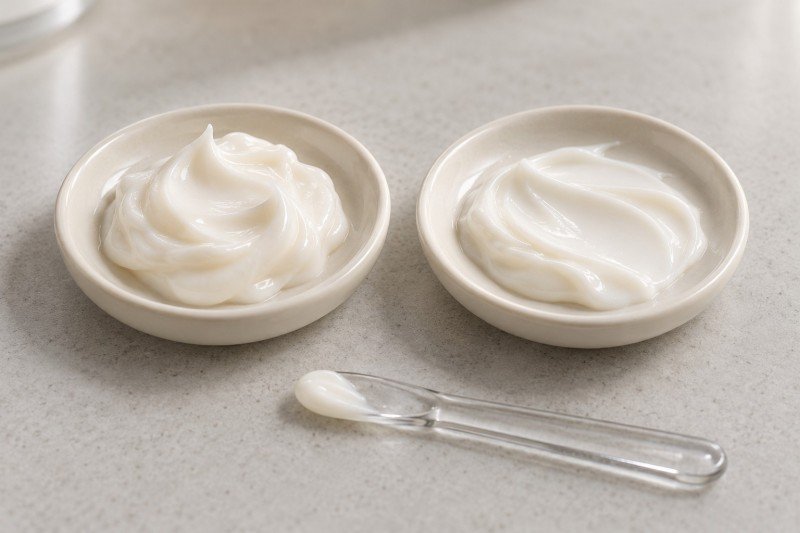
Reducing Heavy After-Feel in an Eye Cream
- The Development Challenge
- The proposed eye cream has a rich texture and noticeable cushioning feel, but leaves more oily residue than desired for daytime use. The goal is to create a lighter, smoother application experience while retaining a recognizable cream texture.
- Our Development Approach
- Rather than simply adding water or reducing overall viscosity, we would reconsider the balance of the emollient and structuring systems.
- The proposed adjustments include reducing heavier-feeling emollient components, selecting more easily spreading alternatives where suitable, and modifying the structure that contributes to excessive thickness or drag.
- Instead of changing multiple functional ingredients unnecessarily, we would focus initial adjustments on the aspects most directly related to the unwanted sensory characteristics.
- Revised samples would then be compared for spreadability, after-feel, and overall cream consistency.
- The Decision & Trade-Off
- We would prioritize a lighter daytime finish over the original rich, lingering cushioning sensation.
- The revised direction may feel less indulgent than the initial concept, but it offers a clearer balance of characteristics to evaluate against the brand’s intended use.
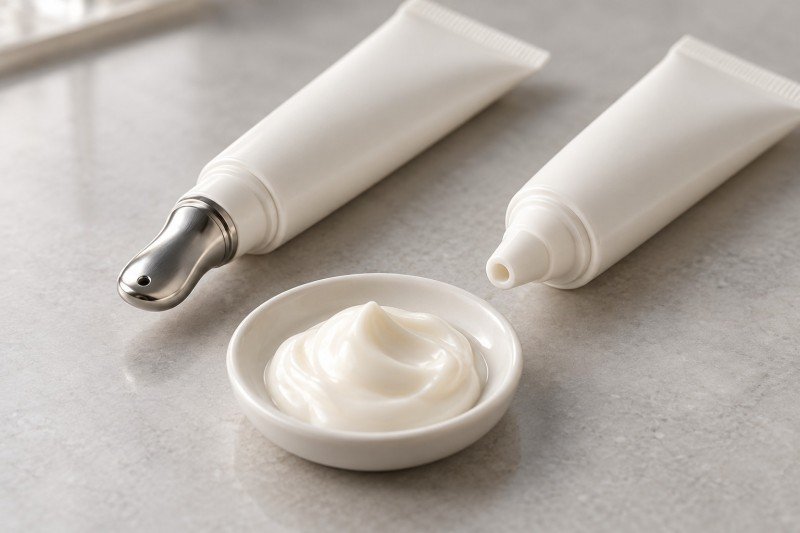
Simplifying an Eye Cream Applicator for Better Dispensing
- The Development Challenge
- The proposed eye cream combines a relatively rich formula with a narrow metal applicator. Although the design offers a distinctive presentation, the small dispensing opening may not suit the cream’s flow characteristics.
- Our Development Approach
- Instead of immediately thinning the cream to accommodate the original applicator, we would first review the packaging structure.
- The proposed changes include exploring a wider dispensing opening, comparing suitable nozzle designs, and considering a simpler squeeze-tube solution.
- This approach reduces unnecessary packaging complexity while allowing the original cream characteristics to remain the starting point.
- The selected options would need to be assessed with the intended formula, focusing on dispensing consistency, handling, and ease of application.
- The Decision & Trade-Off
- Our preferred direction would be to prioritize practical dispensing over retaining the original metal applicator.
- This may mean giving up its distinctive appearance and cool-touch experience. However, simplifying the dispensing structure could avoid unnecessary changes to an otherwise suitable formula.
- The final packaging choice would depend on actual compatibility and dispensing evaluation.
Private Label Eye Cream Manufacturing FAQs
Find practical answers about eye cream formulation, customization, minimum order quantities, sampling, production quality, international documentation, and manufacturing costs before starting your private label project.
01. Can You Develop Eye Creams for Different Eye-Area Concerns?
- Available Development Directions: We can evaluate eye cream concepts targeting hydration, dryness, uneven-looking tone, fine lines, firmness, and the appearance of temporary puffiness. Formulation options depend on the intended cosmetic benefits, preferred texture, and technical feasibility.
- Understanding Benefit Limitations: Different eye-area concerns may have different causes. For example, dark circles can be associated with pigmentation, visible blood vessels, or structural shadows. A brightening eye cream cannot be assumed to address every cause. Similarly, reducing the appearance of temporary puffiness is different from correcting structural under-eye bags.
- Choosing a Practical Formula: We recommend defining the primary skincare objective before selecting ingredients. Our formulation team can then assess suitable ingredient approaches and product characteristics, while considering appropriate use conditions and the evidence needed to support the intended claims.
02. What Makes Eye Cream Formulation Different From Facial Moisturizer?
Eye-Area Application: Eye creams and facial moisturizers may share many moisturizing ingredients, but the intended application area and use conditions require appropriate consideration. An existing facial cream should not automatically be assumed suitable for use around the eyes without evaluating the complete formulation.
Texture and Application Behavior: Eye creams are generally applied in small amounts. Their spreadability, after-feel, comfort, and tendency to move beyond the intended application area can influence everyday use. Brands may also need to consider how the product behaves alongside sunscreen, concealer, or other skincare products.
Finished-Product Suitability: Ingredient selection alone cannot establish the safety or performance of the final product. Appropriate evaluation should reflect the intended use and target market. Specific statements such as ophthalmologist-tested, suitable for sensitive eyes, or clinically proven wrinkle reduction require relevant supporting evidence.
03. Should I Choose an Existing Formula or Custom Development?
Established Formula Selection: If an available eye cream formula closely matches your target benefits and sensory preferences, selecting an established option can reduce unnecessary development work. However, its existing characteristics may limit how closely it matches highly specific product requirements.
Existing Formula Refinement: When a formula provides a suitable starting point but needs adjustments to its texture, spreadability, or after-feel, targeted refinement may be appropriate. The scope of changes depends on technical feasibility, and modified formulas may require additional evaluation.
Custom Formula Development: If available formulas cannot adequately meet your key requirements, a more customized development approach may provide greater flexibility. This route can involve additional formulation work, sampling, and technical assessments. The most suitable option depends on your priorities rather than an assumption that fully customized formulas are always better.
04. What Is Your Eye Cream MOQ, and How Does Packaging Affect It?
Standard MOQ: Our standard minimum order quantity is generally 1,000 pieces per SKU when suitable stock packaging is available. The final MOQ depends on the selected container, product specifications, decoration requirements, and production arrangements.
Packaging Requirements: Customized tubes, specialized applicators, and certain printing or packaging structures may require higher quantities. For example, some custom tube projects require a minimum of 5,000 pieces. Packaging supplier requirements can influence the order quantity even when the formula itself is suitable for a smaller production run.
Practical Alternatives: For brands planning an initial launch, we can first evaluate suitable stock containers and available branding options. Choosing an existing packaging structure may help simplify procurement while still allowing customized labels or appropriate decoration.
05. How Do Sampling, Formula Revisions, and Testing Work?
Sample Preparation: We offer paid eye cream sampling based on the agreed formulation direction. Standard sampling typically takes around 7–15 working days, although customized requirements or additional development work may affect the schedule. Sample charges and shipping arrangements are confirmed before proceeding.
Feedback and Revisions: After receiving the sample, you can evaluate its texture, spreadability, after-feel, and suitability for the intended skincare routine. We review specific feedback to determine feasible adjustments. Additional sample versions, development work, or charges are discussed according to the requested changes.
Testing Considerations: Customer sample evaluation helps confirm product preferences but does not replace formal stability, microbiological, safety, or efficacy assessments where applicable. The required evaluations depend on the formulation, packaging, target market, and intended claims. Third-party testing may involve additional costs and lead times.
06. How Do You Maintain Eye Cream Quality From Sample to Bulk Production?
Approved Formula and Specifications: Once a suitable sample is confirmed, its formulation version and relevant product characteristics provide a reference for subsequent production planning. Important specifications may include appearance, consistency, and other measurable quality requirements. Sample approval alone does not mean every pre-production requirement has been completed.
Scale-Up and Production Controls: Laboratory sampling and commercial manufacturing involve different equipment and processing conditions. We review relevant production requirements and apply appropriate process controls and quality checks to help maintain the agreed product characteristics during manufacturing.
Production Lead Time: Standard bulk production generally takes around 30 days after the necessary order, packaging, artwork, and production conditions are confirmed. Actual timing depends on packaging procurement, customization complexity, required evaluations, and production scheduling.
07. What Documentation and Compliance Support Is Available for International Markets?
Product Documentation: Depending on the confirmed formulation and project requirements, we can provide applicable product information and documents such as ingredient lists (INCI), Safety Data Sheets (SDS), and Certificates of Analysis (COA). Additional testing reports or supporting documentation may require separate arrangements.
EU and UK Market Support: For projects targeting the EU or UK, we can discuss documentation and regulatory support involving CPSR, PIF, CPNP notification, UK Responsible Person arrangements, and SCPN notification through appropriate cooperation partners. The scope, responsibilities, and associated fees must be confirmed for each project.
US and Other Markets: US cosmetic projects should be reviewed against applicable MoCRA requirements, including relevant safety substantiation, facility registration, and product listing obligations where required. Regulatory responsibilities vary by market and business role. Product claims must also be supported by appropriate evidence; manufacturing documentation alone does not establish that a product is ready for sale in every market.
08. What Factors Affect Private Label Eye Cream Manufacturing Costs?
Formula and Development Scope: Manufacturing costs depend partly on the selected formulation, ingredient requirements, and development approach. Using a suitable established formula may reduce additional formulation work, while substantial adjustments or custom development can involve extra sampling, technical evaluations, and development costs.
Packaging and Order Quantity: Container materials, airless mechanisms, applicator designs, decoration methods, and order volumes can significantly influence packaging costs. A standard stock tube and a specially customized applicator may have different procurement requirements, even when used for eye creams of the same capacity.
Additional Project Requirements: Stability evaluations, third-party testing, market-specific documentation, packaging development, and international logistics may create separate costs. Shipping arrangements are normally discussed under agreed terms such as EXW or FCA. Sharing your intended formula direction, packaging preferences, target market, and estimated order quantity helps us prepare a more relevant quotation.
Start Your Private Label Eye Cream Project
Tell us what kind of eye cream you want to develop, your target market, and the experience you want consumers to have. Whether your concept focuses on daily hydration, fine-line care, brightening, or a specific texture and application experience, our team can help evaluate a suitable formulation direction.
Share your preferred packaging, estimated first order quantity, and any special product requirements. Based on your project brief, we can review whether an established formula, targeted refinement, or custom development would be a practical starting point. We can also discuss sampling arrangements, available packaging options, and the requirements for moving toward OEM/ODM production.
- Our team will answer your inquiries within 12 hours.
- Your information will be kept strictly confidential.