Skip to content
Custom Hand & Foot Care Formulations Manufacturer
Purpose-built hand and foot care systems for dry, cracked, over-washed skin. From barrier-repair hand creams to exfoliating foot gels, we formulate, test, and scale fast for retail, salon, spa, and eCommerce launches.
What This Hand & Foot Care Formula Solves
Hands and feet face cold air, frequent washing, friction, and sweat—causing cracks, callus build-up, redness, and odor. Our systems target barrier repair, keratolytic softening, deep hydration, deodorizing, and fast-dry comfort for all-day device use.

Hand & Foot Care Formula
1. Barrier Repair & Crack Care
Rich humectants, lipids, and ceramides replenish moisture and reduce TEWL so fissured areas feel comfortable faster. Non-tacky finishes keep hands phone-friendly while emollient film-formers protect against repeated washing.
2. Callus Softening & Smoother Texture
Blended AHAs/BHAs and urea promote controlled keratolysis to thin hardened build-up on heels and toes. Conditioning agents follow to keep the stratum corneum supple, reducing re-hardening from shoe friction.
3. Long-Wear Hydration with Clean Feel
High-glycerin systems pair with light esters or squalane for all-day comfort without occlusive heaviness. Fast-absorb emulsions prevent stickiness, improving user compliance across work, sports, and spa routines.
Custom Hand & Foot Care Formula Key Ingredients & Their Benefits
We combine humectants, keratolytics, barrier lipids, and deodorizing actives to hydrate deeply, gently exfoliate, and reinforce the stratum corneum—tuned by site (hands vs. heels) and finish (rich balm vs. quick-dry cream).
Custom Hand & Foot Care Formulations Key Ingredients
| Ingredient | Recommended Range (%) | Primary Role | Ideal For | Compatibility Notes | Compliance & Market Proof |
|---|---|---|---|---|---|
| Urea | 5–10 (Hands; Moisturizing); 20–40 (Heels; Softening of Strong Cuticles) | Humectant + keratolytic | Cracked heels, rough hands | Boosts AHA/BHA; watch pH/solubility | Wikipedia, Healthline |
| Lactic Acid | 5–10 (Common in OTC Skincare) | AHA keratolytic | Callus, rough soles | Buffer pH ~3.5–4.5; add humectants | Wikipedia, Verywell Health |
| Salicylic Acid | 0.5–2 (Sebum/Light Cuticles); 12.6–40 (Corn/Wart Patch) | BHA keratolytic | Thick callus, rough heels | Avoid over-exfoliation; solvent choice | DermNet®, NCBI |
| Glycerin | 3–10 | Core humectant | Daily hand creams | Pair with light esters to de-tack | Wikipedia - Glycerol, Wikipedia - Humectant |
| Ceramides (NP/NS/AP/EOP) | 0.1–1 | Barrier lipid | Over-washed hands | Use with cholesterol/FFA | Wikipedia |
| Panthenol | 0.5–5 | Humectant/conditioning | Sensitive hands/heels | Add in cool-down phase | SpecialChem |
| Allantoin | 0.2–2 | Skin protectant/soothing | Chapped skin | Heat-sensitive; avoid crystallization | Wikipedia, MakingCosmetics |
| Squalane | 1–10 | Lightweight emollient | Non-greasy finish | Oxidation-resistant vs squalene | WikipediaPubChem |
| Zinc Ricinoleate | 0.1–1 | Odor adsorbent | Deodorizing foot care | Combine with chelators | Wikipedia |
| Menthol / Menthoxypropanediol | 0.1–0.5 | Cooling sensory | Refreshing sprays | Start low to avoid sting | Wikipedia, PubChem |
| Tea Tree Oil (optional) | 0.2–1 (Fragrance/Freshness) | Sensory/deodorizing | Foot gels & sprays | Allergen labeling per香精规范 | Wikipedia |

1. INCI & CAS
INCI: Urea · CAS: 57-13-6 · White, odorless, highly water-soluble crystalline solid; classic humectant and mild keratolytic used in emollients and foot creams. (COSMILE Europe, Cosmetics Info)
2. Role in Hand & Foot Care
Hydrates by binding water (NMF component) and softens rough, thickened stratum corneum by loosening corneocyte cohesion, improving elasticity on hands/heels and enhancing feel. Also helps active penetration through compact corneum, useful in thick plantar skin. (PMC, SAGE Journals)
3. Typical Use Levels (formulation custom guide)
Hand creams/lotions: 2–10%
Foot/heel creams for rough skin: 10–20%
Callus/very thick skin masks/patches: 30–50% (often drug/OTC territory in some markets).
Common market use: 3–10% in everyday moisturizers. Add in water phase at cool-down (≤50 °C). (COSMILE Europe)
pH & processing: Formulate ~pH 5–7; urea shows best stability in the pH 4–8 band and degrades faster with heat—add at cool-down. (PubMed, elsieorganics)
4. Regulatory Sources & Global Compliance
EU Cosmetics Regulation (EC) No 1223/2009: Urea is not listed with a specific max in restriction annexes; use subject to product-level safety assessment. EU CosIng lists urea with functions incl. humectant/skin conditioning. (European Commission)
CIR (Cosmetic Ingredient Review): Final Safety Assessment concludes urea is safe as used in cosmetics; formulators should note potential to increase percutaneous absorption of other substances. (SAGE Journals)
U.S. FDA (Food context): Urea affirmed GRAS as a direct food substance 21 CFR §184.1923; GRAS is not a cosmetic approval but supports general ingredient safety context. (ECFR, LII)
EU REACH: ECHA substance dossier provides tox/registration data for urea. (Amazon)
5. Clinical Evidence (hand/foot dryness, roughness)
Mechanism: Reviews confirm NMF replenishment + controlled keratolysis; 10–30% urea reduces corneocyte adhesion and improves hydration/elasticity. (PMC)
Feet (diabetic xerosis): 10% urea + 4% lactic acid emulsion outperformed vehicle in a double-blind RCT (4 weeks) for foot xerosis; better scaling and fissure improvement. (hmpgloballearningnetwork)
Feet (pragmatic RCT, 2024): Two 10% urea creams improved foot-skin quality in patients with diabetic foot syndrome; benefit regardless of product cost. (PubMed, Lippincott)
Hands/eczema-prone skin: Clinical/derm literature supports urea-containing emollients restoring hydration and barrier in xerotic/hand-dermatitis cohorts. (Dove Medical Press)
6. Safety & Risk Assessment (toxicology highlights)
Generally well-tolerated; higher levels (≥10–20%) may cause transient stinging on compromised skin. Low acute toxicity and minimal sensitization reported in safety assessments; monitor overall formula since urea can enhance penetration of co-ingredients. Patch testing advised for sensitive users. (SAGE Journals, Amazon)
7. Stability & Packaging
Stable when stored cool/dry; in water it degrades faster with heat and extreme pH—best stability around pH ~6; consider buffering and add at cool-down. Use airtight/pressure-tolerant packaging for high-urea aqueous systems to mitigate CO₂ off-gassing during long storage. (PubMed, journal.uctm.edu, GooglePatents)
8. Cost–Benefit
Cost-effective, widely available, and strongly evidence-backed for dry, rough hands and heels; effective at modest concentrations (5–10%) with escalation to 10–20% for thicker plantar skin, supporting scalable B2B deployment in hand/foot lines. (COSMILE Europe, PubMed)
9. Claims Language (Do/Don’t)
✅ Helps soften and smooth rough, dry hands and heels.
✅ Helps reduce the look of callused, flaky skin.
✅ Boosts skin hydration for softer-feeling hands and feet.
❌ Avoid medical/OTC claims like “treats eczema/psoriasis,” “heals fissures,” or country-specific compliance claims unless supported by the finished product and local laws.

1. INCI & CAS
INCI: Panthenol (D-Panthenol/DL-Panthenol) · CAS: 81-13-0 / 16485-10-2 · Colorless/white, water- and alcohol-soluble provitamin; highly hygroscopic; skin-conditioning humectant. (EU CosIng, CIR, ECHA dossie)
2. Role in Hand & Foot Care
Rehydrates and softens rough, over-washed hands and thick plantar skin via humectancy + barrier support (TEWL↓, SC hydration↑) and soothing/anti-erythema benefits; clinical studies show improved barrier function and comfort with topical panthenol. (PubMed)
3. Typical Use Levels (formulation custom guide)
Hand creams/lotions: 0.5–5% (daily dryness relief)
Foot/heel creams & overnight masks: 0.5–3% (pair with urea 5–20% for thick skin)
Hand & foot balms/ointments: 1–5%
Processing: Add to water phase; optimal pH ~4–7; avoid prolonged high-heat; post-cool-down addition preferred. (MakingCosmetics, Formulator Sample Shop)
4. Regulatory Sources & Global Compliance
EU Cosmetics Regulation (EC) No 1223/2009 — panthenol is not specifically restricted; compliance via product-level CPSR. (European Commission)
CIR (Cosmetic Ingredient Review) — Final Safety Assessment concludes panthenol and related B5 ingredients are safe as used in cosmetics. (CIR)
U.S. FDA (food context) — GRAS has been noted for panthenol/pantothenate salts (food use). Note: GRAS ≠ cosmetic approval; cited for ingredient safety context. (SAGE Journals)
EU REACH (ECHA) — registration dossiers & tox endpoints available. (ECHA dossier)
5. Clinical Evidence (hands/feet dryness, roughness, fissures)
Mechanism: Panthenol formulations reduce TEWL and increase hydration (immediate and 30-day effects). (PubMed)
Hands: Randomized intraindividual study (n=40) of a dexpanthenol hand cream showed SC hydration↑ after single use and at 4 weeks, with TEWL↓ and improved clinician-graded dryness/redness. (MDPI)
Feet (xerosis context): In diabetics with foot xerosis, a cream containing urea + panthenol + lipids outperformed a glycerol-based emollient on clinical and instrumental measures—supporting combination use in plantar care (note: multi-ingredient study). (gavinpublishers)
Barrier/soothing overview: Reviews highlight dexpanthenol’s barrier repair and anti-inflammatory benefits in dry/irritated skin. (PMC)
6. Safety & Risk Assessment (toxicology highlights)
Generally well-tolerated with low irritation/sensitization; CIR: safe as used. Genetic toxicity negative; no toxic metabolite formation expected. Patch testing is prudent on heavily compromised/fissured areas. (CIR final, ECHA dossier)
7. Stability & Packaging
Aqueous solutions are most stable at pH ~4–7 (optimum ≈6); add at cool-down and avoid excessive heat; store cool, light-protected. Compatible with tubes/airless pumps for hand/foot formats. (Formulator Sample Shop, MakingCosmetics)
8. Cost–Benefit
High consumer recognition (“Pro-vitamin B5”) + strong hydration/barrier data at low loadings (0.5–5%) → cost-effective for daily hand creams and intensive heel care when paired with urea/lactic acid or occlusives; supports scalable B2B deployment across creams, balms, and masks. (MakingCosmetics, MDPI)
9. Claims Language (Do/Don’t)
✅ Helps rehydrate and soften dry, rough hands and heels.
✅ Helps reduce the look of scaling and tightness by supporting the skin barrier.
✅ Helps improve comfort after frequent washing or friction (e.g., heel care).
❌ Avoid drug-style claims (e.g., “treats eczema/cracks”) or country-specific efficacy standards unless the finished product is appropriately substantiated and compliant.

1. INCI & CAS
INCI: Squalane · CAS: 111-01-3 · Colorless, odorless, oil-soluble saturated hydrocarbon (hydrogenated squalene); high oxidative stability and excellent spreadability. (COSMILE Europe, CIR safety review, ECHA dossier)
2. Role in Hand & Foot Care
Provides emollient film-forming “lipid backfill” that reduces TEWL and softens rough, thick stratum corneum on hands/heels; improves glide to lessen friction over callused areas. Moisturizer reviews describe occlusive/emollient lipids as key to TEWL↓ and hydration↑; literature on squalene/squalane highlights barrier-supportive and biocompatible behavior for dry skin. (PMC)
3. Typical Use Levels (formulation custom guide)
Hand creams/lotions: 1–5% (silky emollience, tack reduction)
Foot/heel creams & balms: 2–20% (higher in anhydrous sticks/ointments)
Overnight masks/ointment bases: 5–30% (up to 100% in neat oil treatments)
Processing: Oil-phase; add at hot or cool-down; compatible with most lipids/waxes; pair with humectants (glycerin, urea) for synergy. (Supplier TDS/specs: typical 1–10%, variants 1–60%, usage up to 100% cited) (MakingCosmetics, Lotioncrafter)
4. Regulatory Sources & Global Compliance
EU Cosmetics Regulation (EC) No 1223/2009 — CosIng/COSMILE: Squalane is not specifically restricted; use subject to product-level CPSR. (European Commission, COSMILE Europe)
CIR (Cosmetic Ingredient Review): Final Safety Assessment — squalane & squalene are safe as used in cosmetics. (CIR safety, CIR reports)
EU REACH (ECHA): Registration dossier indicates not skin-irritating; tox/environmental endpoints available. (ECHAdossier)
5. Clinical Evidence (dryness/roughness, hand & foot context)
Mechanism: Occlusive/emollient lipids (incl. squalane) lower TEWL and raise corneometric hydration, foundations for softening rough hands/heels. (PMC)
Efficacy (adjacent evidence): Squalane-containing facial/body formulas have shown hydration↑ and TEWL↓ in human studies/series; squalane-based emulsions can enhance actives’ penetration ex vivo, supporting rich foot balms design (multi-ingredient context). (Cosmoderma, ScienceDirect)
Biocompatibility: Reviews summarize good tolerability and lipid-barrier support for squalene/squalane systems on dry skin. (PMC)
6. Safety & Risk Assessment (toxicology highlights)
Generally well-tolerated; low irritation/sensitization in safety assessments; CIR: safe as used. ECHA reports not skin-irritating; low acute/environmental toxicity in dossiers. Patch testing prudent on fissured/compromised skin. (CIR, ECHA endpoints)
7. Stability & Packaging
Highly oxidation-resistant (saturated hydrocarbon); broad formulation compatibility; store cool, light-protected. Works well in airless tubes/pumps and anhydrous sticks/balms; high flash point supports processing robustness. (MakingCosmetics)
8. Cost–Benefit
Premium sensorials (silky, non-greasy) + exceptional stability allow low–moderate loadings to deliver noticeable softness & slip in hand creams and heel balms; plant-derived grades (olive/sugarcane) support supply-chain & sustainability positioning. (Lotioncrafter, SpecialChem)
9. Claims Language (Do/Don’t)
✅ Helps soften and smooth rough, dry hands and heels for a more comfortable feel.
✅ Helps reduce the look of dryness and scaling by supporting moisture retention.
✅ Provides silky glide to improve skin feel on callus-prone areas.
❌ Avoid drug-style claims (e.g., “treats fissures/eczema”) or country-specific approvals; keep to cosmetic moisturization/softening benefits.
Custom Hand & Foot Care Product Applications
Select textures by use-case: quick-dry for office/phone use, rich balms for overnight occlusion, peels for callus reduction, sprays for freshness. We architect actives to meet feel targets, cost, regional allergens, and refill ambitions.


Hand & Foot Care Trends & Market Insights
Use these insights to shape launch-ready SKUs and pages: fast-absorbing day creams plus richer night balms; heel balms, exfoliating masks, sprays, and stick formats. For B2B buyers, we emphasize low MOQ, rapid sampling, EU/US-ready documentation (INCI, MSDS/COA), and scalable packaging (airless tubes, soft-touch sticks, sock masks).

Hand Care Market Overview
The global hand care market size was valued at USD 18.11 billion in 2023 and is projected to grow at a CAGR of 5.3% from 2024 to 2030. The market is driven by the increasing need to maintain hand hygiene, inclination of consumers towards health and wellness, and rise in health expenditure.
Proper hand hygiene is considered one of the most effective ways to reduce the transmission of germs and infections, driving the demand for hand care products. The demand for hand creams, lotions, and other hand care products has increased as consumers seek products that both cleanse and provide nourishment and protection for their hands.
Furthermore, there’s a growing preference for natural and organic ingredients in personal care products. Consumers are looking for hand care products that do not contain harsh chemicals and are manufactured using sustainable methods, fueling the market for eco-friendly hand care options.
Foot Care Market Overview
The Global Foot Care Products Market size is expected to be worth around USD 6.9 Billion by 2034, from USD 3.8 Billion in 2024, growing at a CAGR of 6.1% during the forecast period from 2025 to 2034.
Foot care products include items designed to improve foot hygiene, comfort, and health. These products range from creams and lotions for moisturizing to tools for removing calluses and specialized footwear for support and protection.
The foot care products market includes companies that manufacture and sell products for foot health and wellness. It serves a broad customer base, addressing issues such as dryness, discomfort, and foot-related medical conditions.


Target Buyer Segments
Cross-border eCommerce Brands – Looking for trend-driven, private-label hand and foot care solutions to expand seasonal product lines.
Seasonal Winter Launch Brands – Need rich yet fast-absorbing formulas to address dry, cracked skin in cold climates.
Spa & Hand-Foot Specialty Chains – Require professional-grade products for premium in-salon treatments.
Hotels & Massage Product Developers – Want high-quality, pampering care items for guest amenities.
Customization Options for Packaging & Branding
Explore flexible packaging options, bottle types, and private label services. From tube to jar, we match your brand’s tone and market position.
Cosmetic formulation development
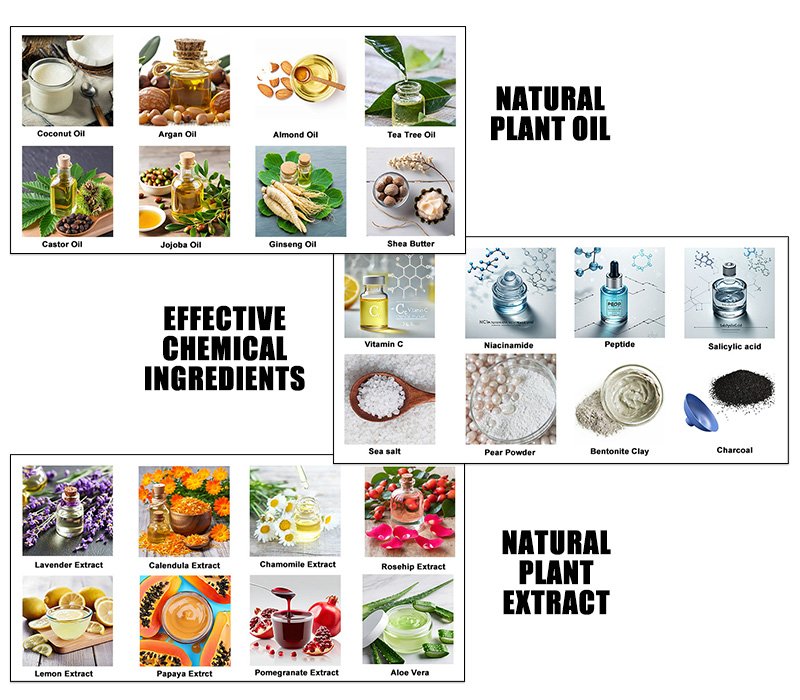
Your formula is the soul of your brand. Whether you’re developing a gentle serum for sensitive skin, a high-efficacy anti-aging cream, or a scalp-purifying shampoo, our in-house chemists create custom cosmetic formulations tailored to your desired effect, skin type, region, and ingredient philosophy.
With over 5,000+ proven base formulas and full white-label development support, we help you build a product that meets your performance goals, brand values, and market trends.
Available Services:
Active ingredient sourcing & formulation balancing
Custom texture creation: gel, cream, balm, lotion, foam, oil
Ingredient selection for target concerns: anti-acne, brightening, anti-aging, hydration
Support for natural, vegan, EWG green-level formulations
Regional compliance: USA, EU, AU, JP standards
Custom Cosmetic Packaging Styles
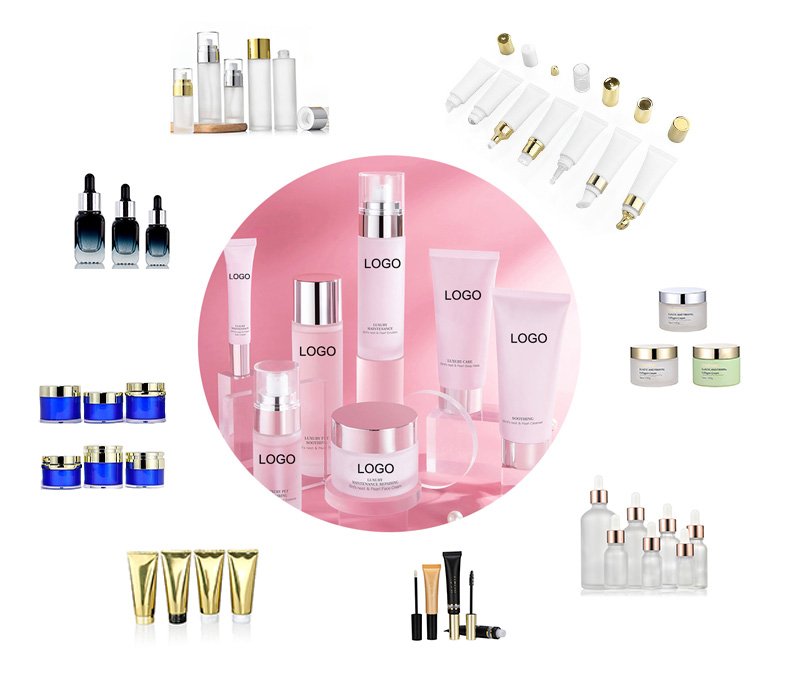
Packaging plays a critical role in how your brand is perceived. Whether you need luxury glass droppers, airless pump bottles, eco-friendly refill pouches, or retail-friendly PET tubes, we provide 3000+ stock and customizable packaging options.
From minimalist matte finishes to glossy foil-stamped designs, our packaging engineers help you select the perfect form and material—whether for prestige skincare, professional haircare, or clean beauty positioning.
Available Options:
Glass, PET, PP, PCR, aluminum, bamboo, and more
Airless pumps, sprayers, jars, tubes, and dropper bottles
Color-matching, texture finishes, and custom mold services
Cosmetic Box, Label Design for skincare brands
Beyond the bottle, your visual identity sets your product apart. Our in-house design team creates custom label layouts, box designs, and full branding suites—including logo placement, font matching, and barcode compliance.
We also offer waterproof labels, UV spot gloss, embossing, foil stamping, and other premium finishes to ensure your packaging feels as high-end as your formula. Whether you’re building an Amazon FBA product or a salon-grade kit, we help make your product shelf-ready.
Design Services Include:
Free artwork design and dieline support
Amazon & retail barcode setup (FNSKU/UPC)
Custom printing on labels, boxes, pouches, and shrink wraps

Cosmetic Box Customization for Skincare Brands
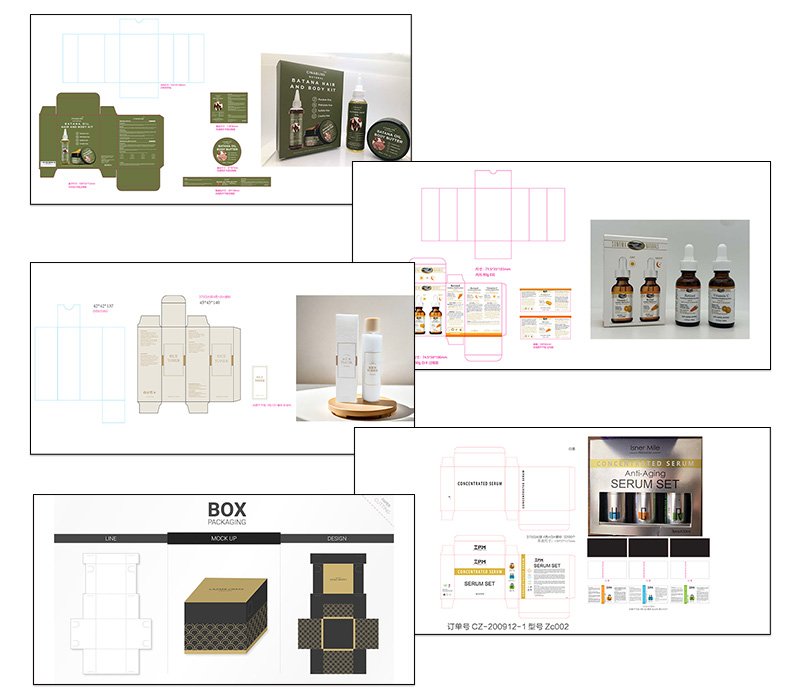
Beyond the bottle, your outer packaging is your first impression. Our team provides custom cosmetic box solutions with tailored box styles, premium cardboard or specialty paper choices, and protective inserts in EVA, molded pulp, or PET.
We also offer specialty printing options, matte or glossy lamination, foil stamping, embossing, and spot UV to create a tactile, luxury feel. Whether for boutique retail, e‑commerce, or professional kits, we ensure your packaging enhances your brand story.
Customization Options Include:
Box style selection: tuck‑end, drawer, magnetic, or folding carton
Material choices: rigid board, kraft, coated paperboard
Insert options: EVA foam, molded pulp, PET, or cardboard
Cosmetic Box Logo Finishing for Premium Branding
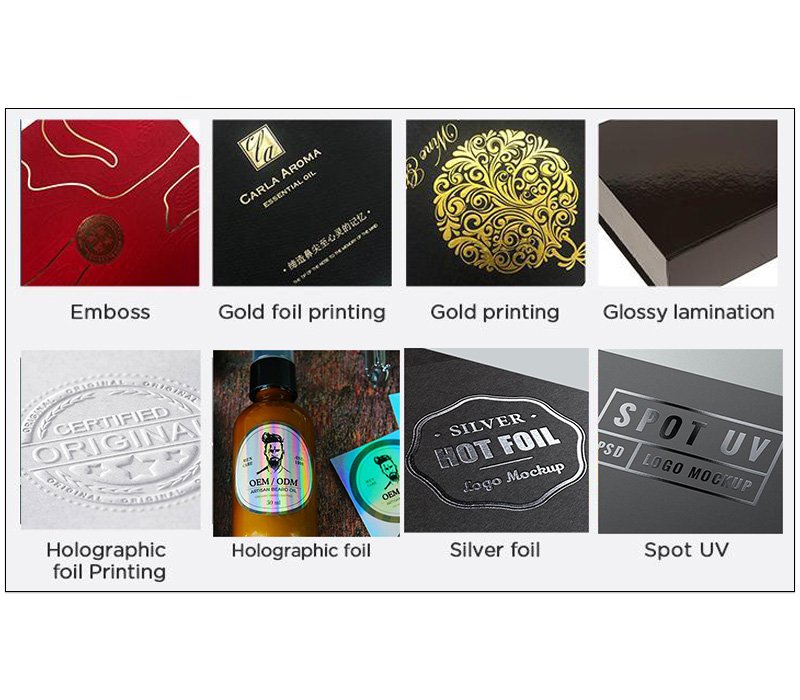
Beyond structure, your logo finish defines your product’s luxury appeal. We offer custom cosmetic packaging logo treatments including emboss, gold foil printing, silver foil, glossy lamination, holographic effects, and spot UV for high-impact shelf presence.
From subtle debossed textures to striking holographic foil, each technique is chosen to enhance your brand story and match your target market positioning. Whether for upscale retail, e‑commerce, or professional use, our finishes help your product stand out.
Finishing Options Include:
Emboss & Deboss logo impressions
Gold, silver, and holographic foil stamping
Spot UV for selective gloss highlights
Glossy or matte lamination for surface protection
Make A Sample First?
If you have your own formula, packaging idea, logo artwork, or even just a concept, please share the details of your project requirements, including preferred product type, ingredients, scent, and customization needs. We’re excited to help you bring your personal care product ideas to life through our sample development process.
More Hand & Foot Care product customization instructions and FAQs
Market Trends: Beyond targeted treatments, many brands in the hand and foot care category aim for lasting hydration and barrier repair, ensuring skin stays soft, smooth, and radiant despite frequent use and environmental stress. Our Hand & Foot Care formulation service helps you create deep-care products such as ultra-moisturizing hand creams, repairing foot balms, callus-softening treatments, and nourishing cuticle oils. Whether addressing cracks and roughness or brightening and refining texture, our custom formulas align precisely with your brand positioning.
Effective Ingredients: The core of hand and foot care products lies in potent humectants and barrier-repair actives. We frequently use urea and lactic acid to soften stubborn keratin, paired with shea butter, cocoa butter, and argan oil for deep moisturization and repair. Glycerin, sodium hyaluronate, and Vitamin B5 deliver long-lasting hydration, preventing recurring dryness. Vitamin E, ceramides, and squalane fortify the skin barrier against environmental stress. For foot care, we can incorporate tea tree oil and menthol for cooling, deodorizing, and soothing benefits. For antibacterial needs, silver ions or botanical extracts like rosemary can be included, balancing premium care with targeted performance.
Our formulations: Our hand and foot care formulas focus on quick absorption, long-lasting moisture, and post-use comfort. Hand creams can be formulated as lightweight (ideal for daytime or office use without greasiness) or rich overnight repair balms (providing an occlusive wrap). Foot creams can be fast-absorbing (for post-activity care) or deeply nourishing (for bedtime use with cotton socks for overnight repair). Fragrance profiles can be tailored—from fresh citrus and floral notes to fragrance-free—to suit different consumer preferences. We ensure product stability, preventing separation or crystallization, and guaranteeing up to 24 months of shelf life unopened.
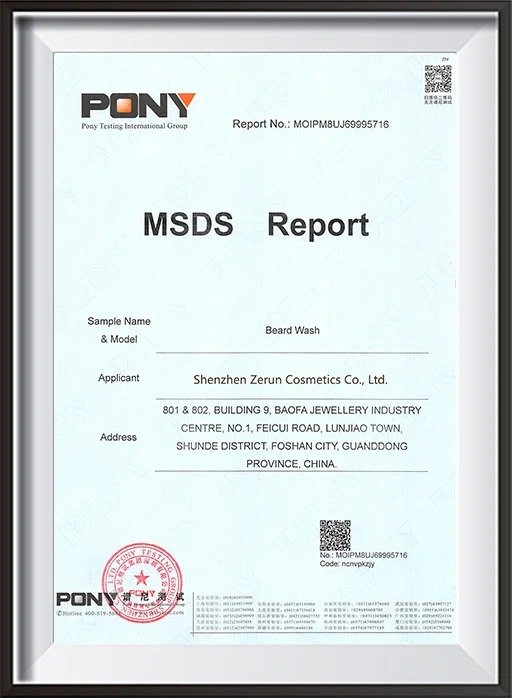
Regulatory Compliance: All keratolytics (urea, lactic/salicylic acids), emollients, and soothing actives used in Hand & Foot Care comply with regulations in target markets (EU, USA, etc.). For EU products, we follow permitted concentration limits and allergen labeling, avoid banned substances, and steer clear of drug/OTC claims (e.g., antifungal). We provide Material Safety Data Sheets (MSDS) and Certificates of Analysis (COA), and assist with testing (stability, microbial challenge/PET, packaging compatibility, and partner-run clinical/consumer-use studies) to support your product claims.
Success Story: A premium German beauty brand sought to launch a professional repair kit for winter-chapped hands and cracked heels. We created a hand cream with 10% urea, shea butter, and ceramides, plus a foot cream enriched with menthol and tea tree oil. The hand cream absorbed quickly for daytime use yet doubled as an intensive night treatment; the foot cream offered cooling comfort while deeply repairing cracks. We designed unified matte tubes with metallic logo accents and delivered 10,000 sets. Post-launch, the line quickly became a winter bestseller for its “fast absorption, non-greasy feel, and powerful repair.”
Q: Can your hand and foot care formulas be fragrance-free and safe for sensitive skin?
A: Absolutely. We can offer fragrance-free versions or use hypoallergenic natural scents (such as oat extract or chamomile), backed by dermatological testing to ensure safety for sensitive skin.
Q: Will foot care products feel too heavy and reduce breathability?
A: We adjust oil content to match usage scenarios, preventing heaviness. For instance, daytime foot creams use fast-absorbing oils (like grape seed oil and squalane) to hydrate without feeling occlusive.
Q: Can Hand & Foot Care formulas target cracked heels and thick calluses while staying gentle?
A: Yes. We combine controlled keratolytics (e.g., urea 5–20%, lactic/salicylic acids as permitted) with occlusives and soothing agents (shea butter, panthenol, allantoin). We balance pH and fragrance for low sting, respect regional limits/labeling, and offer heel balms, overnight socks, and mask formats with matched packaging.
Q: Can you make fast-absorbing, non-greasy textures suitable for daytime and work use?
A: Yes. We engineer dry-touch emulsions with lightweight esters or silicone-free options, plus powdery finish agents to reduce transfer on phones/keyboards. Sensory panels and viscosity targets guide feel, and we recommend portable pumps, tubes, or sticks for on-the-go kits and multi-SKU bundles.
Q: Can you add odor-control for feet without making medicinal or antiperspirant claims?
A: Yes. We use cosmetic deodorant actives like zinc ricinoleate and triethyl citrate, with optional essential oils within IFRA and EU allergen-labeling rules. We avoid regulated antiperspirant/medicated claims and can support consumer-use evaluations, stability, PET, and packaging compatibility to substantiate “odor-control” positioning.
Launch Your Hand & Foot Repair Line
Tired hands and feet deserve premium care. Let us help you build a line that revives, nourishes, and relieves with clinical-grade results and consumer-pleasing textures.