Skip to content
Custom Eye Skin Care Formulations Manufacturer
Custom eye-care formulations enriched with peptides, caffeine, and hyaluronic acid. Reduce puffiness, dark circles, and fine lines—tailored for global brands seeking targeted, gentle, and high-performance solutions in the fast-growing eye-care category.
What This Eye Skin Care Formula Solves
Our eye-care formulas target puffiness, dark circles, and fine lines—ideal for brands focusing on preventive, corrective, and age-defying care for the delicate periocular area.

Eye Skin Care Formula
1. Puffiness & Fluid Retention → Refreshed Eye Contour
Lack of sleep, stress, and circulation issues often lead to swollen under-eyes. Our systems integrate caffeine, peptides, and cooling botanicals to reduce puffiness and improve microcirculation. Perfect for lightweight eye gels, roll-on serums, or cooling masks, these formats align with consumer demand for instant refresh and lasting firmness.
2. Dark Circles → Brighter, Rested Look
Hyperpigmentation and blood stagnation create shadowy under-eyes. We combine niacinamide, vitamin C derivatives, and botanical brighteners to visibly reduce discoloration while strengthening fragile capillaries. Suitable for brightening creams, serum ampoules, and hydrating patches, these products resonate with both anti-aging and lifestyle-driven eye-care markets.
3. Fine Lines & Wrinkles → Smoother Eye Area
The thin eye area shows early signs of collagen loss. Our formulations feature palmitoyl tripeptide-1, hyaluronic acid, and coenzyme Q10 to improve elasticity and reduce wrinkle depth. Ideal for anti-aging eye creams, firming gels, and restorative masks, these solutions meet the premium spa and dermocosmetic demand for targeted wrinkle care.
Custom Eye Skin Care Formula Key Ingredients & Their Benefits
We integrate peptides, brightening vitamins, and circulation boosters for targeted eye care. Custom actives support dark circle reduction, anti-puffiness, and wrinkle smoothing across gels, serums, patches, and creams—helping brands capture growth in the eye-care category.
Effective eye-care products require a synergy of hydration, collagen support, and circulation enhancement. We use peptides to stimulate dermal matrix repair, caffeine for puffiness reduction, and niacinamide/vitamin C for brightening. Hyaluronic acid ensures hydration, while coenzyme Q10 adds antioxidant defense. For consumer trust, we align ingredient systems with regional preferences: Asia favors lightweight cooling gels, Europe prefers nourishing creams, and North America embraces multi-functional eye serums. Market positioning includes “dark-circle correcting,” “anti-puffiness,” and “wrinkle smoothing.” The following table summarizes key actives, recommended use levels, and compliance references.
Custom Eye Skin Care Formula Key Ingredients
| Key Ingredient | Recommended % Range* | Benefits / Use Cases | Compliance & Market Proof |
|---|---|---|---|
| Caffeine | 0.3–2% | Reduces puffiness; improves microcirculation | Wikipedia – Caffeine |
| Palmitoyl Tripeptide-1 | 0.01–0.1% | Stimulates collagen; smooths fine lines | Wikipedia – Signal peptide |
| Niacinamide (B3) | 2–4% | Brightens dark circles; strengthens barrier | Wikipedia – Niacinamide |
| Ascorbyl Glucoside (Vitamin C Derivative) | 1–3% | Brightens pigmentation; antioxidant defense | Wikipedia – Ascorbyl glucoside |
| Hyaluronic Acid | 0.1–0.5% | Deep hydration; plumps eye area | Wikipedia – Hyaluronic acid |
| Coenzyme Q10 | 0.2–1% | Antioxidant; protects against oxidative stress | Wikipedia – Coenzyme Q10 |
| Licorice Root Extract | 0.5–2% | Brightening; reduces hyperpigmentation | Wikipedia – Liquorice |
| Chamomile Extract | 0.5–1% | Soothes delicate skin; calming effect | Wikipedia – Chamomile |
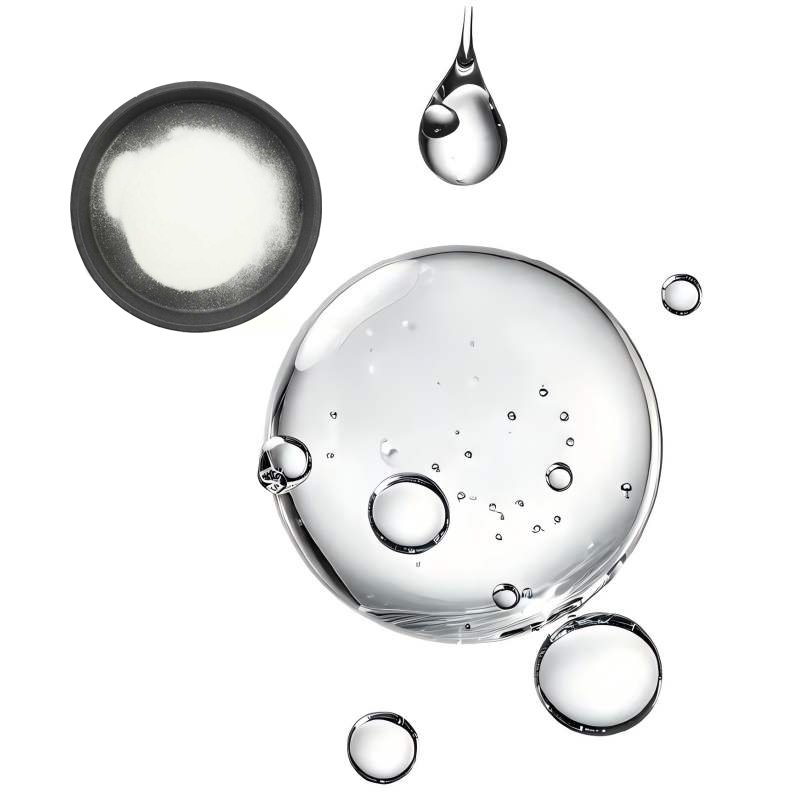
1. INCI & CAS
INCI: Niacinamide (aka Nicotinamide/Vitamin B3) · CAS: 98-92-0 · White, water-soluble crystalline solid; widely used in gentle/soothing eye formulas. (European Commission)
2. Role in Eye Skin Care
Barrier-strengthening + tone-evening multitasker: helps reduce TEWL via upregulating ceramide biosynthesis, supports calmer, less reactive skin, and helps visibly reduce periocular hyperpigmentation as part of eye-area formulas. (PubMed)
3. Typical Use Levels (formulation custom guide)
Eye serums/creams/gels: 1–3% (common), up to 4–5% in well-tolerated bases
Cooling roll-ons/masks: 1–2%
Formulate at pH ~5.0–7.0; avoid strongly acidic systems that increase nicotinic acid formation (flushing/sting risk in delicate periocular skin). (SAGE Journals)
4. Regulatory Sources & Global Compliance
EU Cosmetics Regulation (EC) No 1223/2009 — CosIng: Niacinamide listed with cosmetic functions; not specifically restricted in Annexes → product-level safety assessment required. (European Commission)
CIR Expert Panel: Final report concludes niacinamide is safe as used in cosmetics. (PubMed)
U.S. FDA (food context): GRAS as a direct food substance (21 CFR §184.1535). Note: GRAS = food safety context, not a cosmetic “approval”. (eCFR)
EU REACH (ECHA): Registered dossier with toxicology endpoints for nicotinamide. (ECHA)
5. Clinical Evidence (eye-area relevance)
Periocular hyperpigmentation: 2024 review of eye-cream ingredients reports niacinamide-containing eye creams decrease periocular hyperpigmentation; supports use for dark-circle appearance. (PMC)
Barrier & hydration (translatable to delicate eye skin): Human and in-vivo data show niacinamide stimulates ceramide synthesis and improves barrier/TEWL, underpinning soothing/comfort around eyes. (PubMed)
6. Safety & Risk Assessment (toxicology highlights)
Generally well-tolerated; CIR: not a sensitizer or photosensitizer at cosmetic use levels. Primary caution is low-pH systems that can raise nicotinic acid (flushing/sting), especially periocular. ECHA eye-irritation studies indicate low ocular irritation with niacinamide itself. Patch-test on sensitive users. (SAGE Journals)
7. Stability & Packaging
Stable in typical water phases; best at pH ~5–7. Use opaque/airtight packaging for eye products, minimize heat in processing, and pair with chelators/preservatives suited to low-irritation targets. (SAGE Journals)
8. Cost–Benefit
High evidence-to-cost ratio with strong consumer recognition and broad regulatory acceptance. Delivers multi-benefit (barrier, tone, soothing) at low %, ideal for sensitive eye-area launches and scalable B2B lines. (SAGE Journals)
9. Claims Language (Do/Don’t)
✅ Helps strengthen the delicate eye-area barrier for soothed, hydrated skin.
✅ Helps reduce the look of dark circles and uneven tone.
✅ Helps calm visible redness for a fresher, well-rested look.
❌ Avoid drug/disease claims (e.g., “treats blepharitis”). Keep to cosmetic scope and substantiate on finished products.

1. INCI & CAS
INCI: Caffeine (1,3,7-Trimethylxanthine) · CAS: 58-08-2 · EC: 200-362-1 · White, water-soluble methylxanthine; used as a soothing/depuffing aid in eye formulas. (EU CosIng overview)
2. Role in Eye Skin Care
Vasomodulatory + microcirculation support: topical caffeine is reported to enhance microcirculation/lymphatic drainage and act as a mild vasoconstrictor, helping the look of puffiness and dark circles; also provides antioxidant activity. (PubMed)
3. Typical Use Levels (formulation custom guide)
Eye serums/gels/creams: 0.1–3% (market precedents ~3% in eye pads/gels)
Cooling roll-ons/patches: 0.2–3%
Add in water phase or cool-down; formulate pH ~5.0–7.0 for ocular comfort; pair with humectants/film formers for gentle tightening feel. (Clinical product with 3% caffeine; formulation reviews.) (PMC)
4. Regulatory Sources & Global Compliance
EU Cosmetics Regulation (EC) No 1223/2009 / CosIng: Caffeine is listed with cosmetic functions (e.g., skin-conditioning); no specific Annex restriction → product-level safety assessment required. (CosIng portal)
CIR Expert Panel (2018/2019): Methylxanthines (incl. caffeine) are safe as used in cosmetics based on available exposure/tox data. (CIR final)
EU REACH (ECHA): Registration dossier provides identity and toxicology endpoints for caffeine. (ECHA)
U.S. context (cosmetic vs. drug): Eye creams are cosmetics unless drug claims are made; see FDA guidance on cosmetic vs drug. (FDA)
5. Clinical Evidence (periocular dark circles/puffiness/comfort)
Eye-area outcomes (review): 2024 review notes eye creams with caffeine show decreases in periocular hyperpigmentation and support appearance of dark circles. (PMC)
Targeted topical study: An eye pad/gel with 3% caffeine demonstrated improvements in wrinkles and dark circles in vivo. (PMC)
Penetration & microcirculation rationale: Topically applied caffeine penetrates human skin and is used to modulate microcirculation, supporting depuffing logic. (PMC)
6. Safety & Risk Assessment (toxicology highlights)
CIR concludes safe as used at reported concentrations; low dermal toxicity under cosmetic use. Industrial SDS/ECHA classify caffeine as Acute Tox. 4 (oral)—mainly relevant to handling, not consumer topical use; avoid eye contact and respirable aerosols. Patch test for very sensitive users. (CIR)
7. Stability & Packaging
Stable in aqueous systems; prefer pH ~5–7 and cool-down addition to minimize crystallization in high-solids gels. Use air-tight/opaque packaging for eye care; combine with humectants (glycerin/PG) and compatible film formers for lift. (CIR)
8. Cost–Benefit
Low cost, high consumer recognition active with multifunctional benefits (depuffing/antioxidant/tone support). Robust regulatory acceptance and abundant literature make it ideal for scalable eye-care ranges. (CIR)
9. Claims Language (Do/Don’t)
✅ Helps visibly reduce puffiness for a refreshed look.
✅ Helps diminish the look of dark circles.
✅ Provides antioxidant support for the delicate eye area.
❌ Avoid drug-like claims (e.g., “treats blepharitis/edema”); keep within cosmetic scope and substantiate finished-product claims.
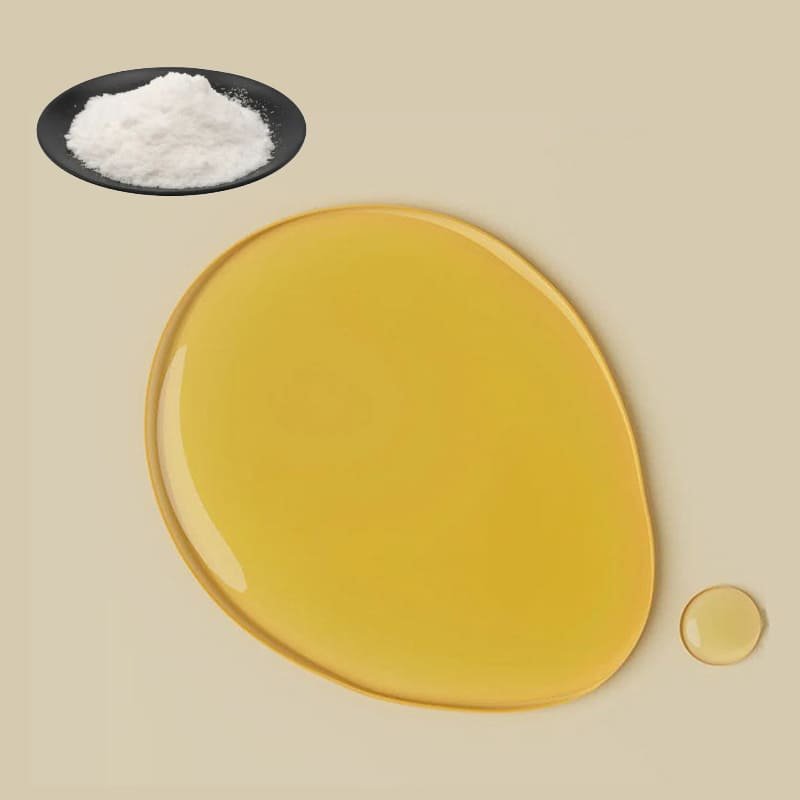
1. INCI & CAS
INCI: Ascorbyl Glucoside (AA2G; L-ascorbic acid 2-glucoside) · CAS: 129499-78-1 · EC: 425-980-0 · Water-soluble vitamin C derivative; enzymatically cleaved in skin to release L-ascorbic acid. (European Commission)
2. Role in Eye Skin Care
Gentle brightening + antioxidant for the delicate periocular area: helps neutralize ROS, even tone (post-inflammatory/vascular shadows), and support collagen for a smoother, firmer look. Literature notes skin enzymes convert AA2G to L-AA, enabling vitamin C benefits with improved tolerance vs low-pH L-AA. (PMC)
3. Typical Use Levels (formulation custom guide)
Eye serums/creams/gels: 0.5–2% (typical) · Up to 3–5% in well-tolerated bases
Process in water phase/cool-down at pH ~5.0–6.0 (supplier TDS) to balance stability/comfort; pair with humectants and soothing co-actives for eye tolerance. (avenalab)
4. Regulatory Sources & Global Compliance
EU Cosmetics Regulation (EC) No 1223/2009 / CosIng: Ascorbyl Glucoside listed with cosmetic functions; no specific Annex restriction → product-level safety assessment applies. (European Commission)
CIR Expert Panel: Ascorbyl Glucoside (and Sodium Ascorbyl Glucoside) are safe as used in cosmetics. (CIR safety assessment)
Japan (quasi-drug context): Ascorbyl Glucoside is an approved whitening agent (contextual evidence; not a cosmetic “approval” outside JP). (PMC)
EU REACH (ECHA): Dossier with identity and toxicology endpoints for L-ascorbic acid 2-glucoside. (ECHA)
5. Clinical Evidence (eye-area relevance: brightening/firmness/antioxidant)
Periocular tone: Eye-area reviews report vitamin C actives (including derivatives) reduce the look of dark circles; vitamin C improved DCLE in a clinical study (tonal/dermal support), supporting periocular brightening claims. (PMC)
AA2G mechanism/efficacy: Studies show AA2G is chemically stable, converted in skin, and delivers antioxidant efficacy at lower concentrations versus L-AA (supports gentle eye-use positioning). (PubMed)
6. Safety & Risk Assessment (toxicology highlights)
CIR concludes safe as used; low irritation/sensitization expected at cosmetic levels. As a neutral-pH derivative, AA2G reduces low-pH sting risk typical of L-AA. Standard caution for sensitive users: patch test; avoid direct ocular exposure. (CIR assessment)
7. Stability & Packaging
More chemically stable than free L-AA; optimal pH 5–6. Protect from light/oxygen/metal ions (use opaque/airless, chelators). For enhanced photoprotection narratives in daytime eye care, combine with tocopherol/ferulic (general C-system stabilization evidence). (avenalab)
8. Cost–Benefit
High consumer recognition (“vitamin C”) with better tolerance for the eye area vs low-pH L-AA; enables brightening + antioxidant claims at modest %. Broad regulatory acceptance and growing supplier availability support scalable eye-care lines. (CIR)
9. Claims Language (Do/Don’t)
✅ Helps brighten the look of dark circles for a more awake appearance.
✅ Provides antioxidant support to help defend the delicate eye area.
✅ Helps smooth and firm the eye contour over time.
❌ Avoid drug-like claims (e.g., “treats periorbital edema/vascular disease”); substantiate all cosmetic claims on the finished product per EU/US guidance.
Custom Eye Skin Care Product Applications
Our eye-care solutions adapt to diverse consumer needs, from quick-refresh daily gels to intensive night creams. Formats can be customized for texture, active concentration, and packaging to meet regional preferences.




Eye Skin Care Trends & Market Insights
The Global Eye Skin Care Market size is expected to be worth around USD 23.4 Billion by 2033, from USD 14.2 Billion in 2023, growing at a CAGR of 5.1% during the forecast period from 2024 to 2033. The global eye-care market is expanding quickly as consumers prioritize solutions for dark circles, puffiness, and early wrinkles.

Market Overview
Eye-care demand is fueled by stressful lifestyles, digital screen exposure, and aging populations. Brands emphasize multi-benefit eye products with anti-puffiness, brightening, and wrinkle-smoothing claims. Premium positioning often highlights clinical inspiration, peptide technology, and lightweight textures.
Key Market Insights:
“Dark circle eye cream” and “anti-puffiness gel” are trending searches globally.
Asia-Pacific favors cooling gels and eye patches.
Europe and North America lead in multi-functional serums and firming creams.
E-commerce platforms highlight bestsellers combining peptides + caffeine.
Target Consumer Segments
Eye-care appeals to young professionals fighting screen fatigue, aging consumers addressing fine lines, and beauty-conscious shoppers seeking quick-fix formats.
Target Segments:
Indie brands offering K-beauty style patches
Clinical-inspired anti-aging lines
Premium spa eye treatments
DTC brands targeting digital-native consumers

Customization Options for Packaging & Branding
Explore flexible packaging options, bottle types, and private label services. From tube to jar, we match your brand’s tone and market position.
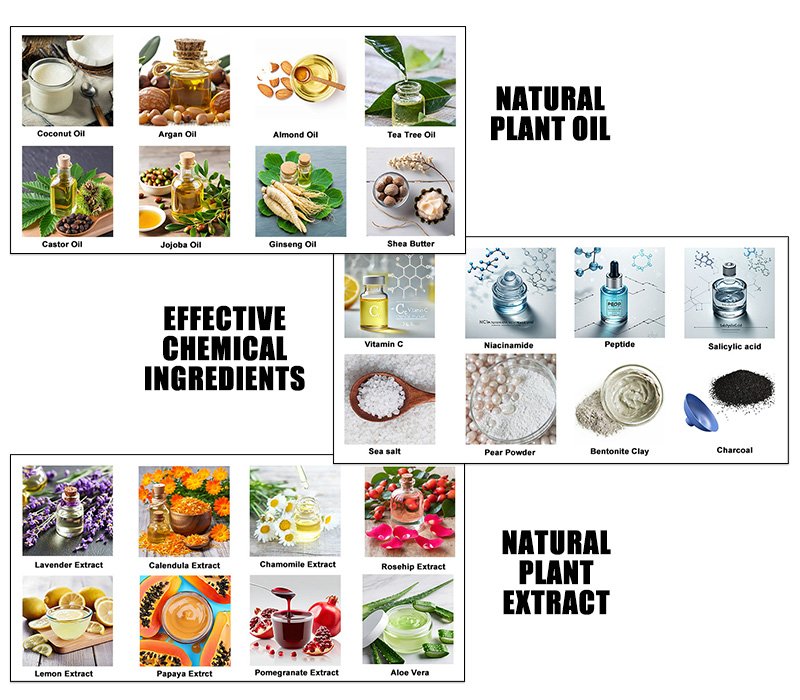
Cosmetic formulation development
Your formula is the soul of your brand. Whether you’re developing a gentle serum for sensitive skin, a high-efficacy anti-aging cream, or a scalp-purifying shampoo, our in-house chemists create custom cosmetic formulations tailored to your desired effect, skin type, region, and ingredient philosophy.
With over 5,000+ proven base formulas and full white-label development support, we help you build a product that meets your performance goals, brand values, and market trends.
Available Services:
Active ingredient sourcing & formulation balancing
Custom texture creation: gel, cream, balm, lotion, foam, oil
Ingredient selection for target concerns: anti-acne, brightening, anti-aging, hydration
Support for natural, vegan, EWG green-level formulations
Regional compliance: USA, EU, AU, JP standards
Custom Cosmetic Packaging Styles
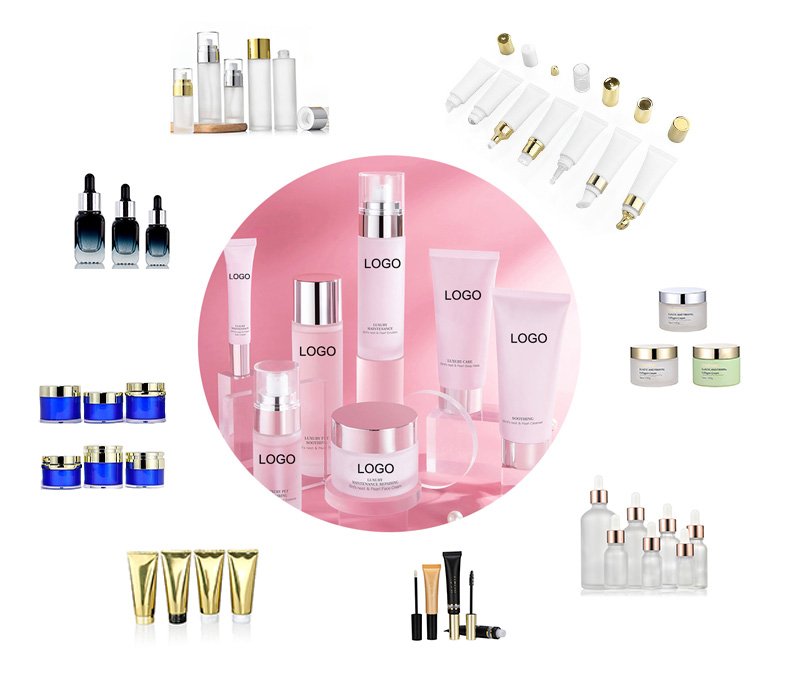
Packaging plays a critical role in how your brand is perceived. Whether you need luxury glass droppers, airless pump bottles, eco-friendly refill pouches, or retail-friendly PET tubes, we provide 3000+ stock and customizable packaging options.
From minimalist matte finishes to glossy foil-stamped designs, our packaging engineers help you select the perfect form and material—whether for prestige skincare, professional haircare, or clean beauty positioning.
Available Options:
Glass, PET, PP, PCR, aluminum, bamboo, and more
Airless pumps, sprayers, jars, tubes, and dropper bottles
Color-matching, texture finishes, and custom mold services
Cosmetic Box, Label Design for skincare brands
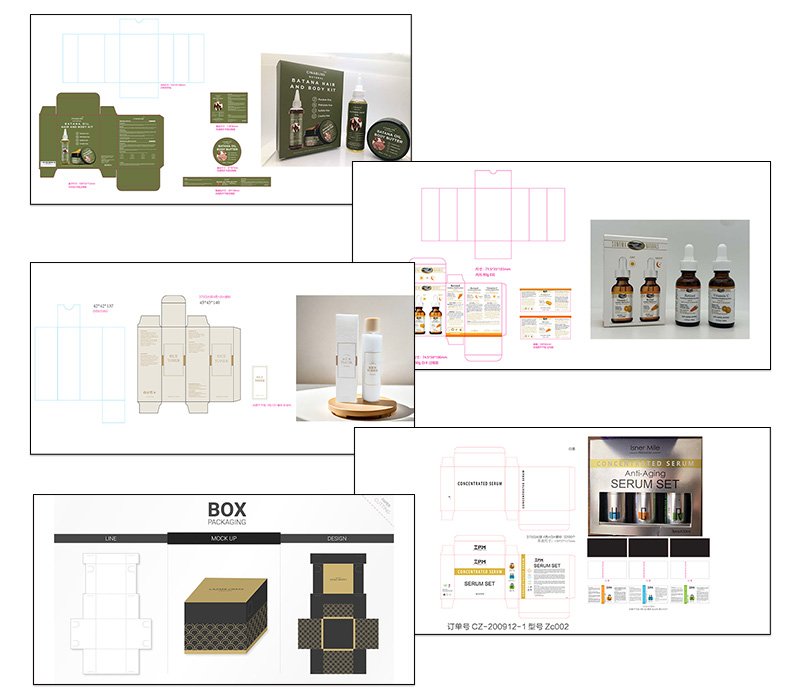
Beyond the bottle, your visual identity sets your product apart. Our in-house design team creates custom label layouts, box designs, and full branding suites—including logo placement, font matching, and barcode compliance.
We also offer waterproof labels, UV spot gloss, embossing, foil stamping, and other premium finishes to ensure your packaging feels as high-end as your formula. Whether you’re building an Amazon FBA product or a salon-grade kit, we help make your product shelf-ready.
Design Services Include:
Free artwork design and dieline support
Amazon & retail barcode setup (FNSKU/UPC)
Custom printing on labels, boxes, pouches, and shrink wraps

Cosmetic Box Customization for Skincare Brands
Beyond the bottle, your outer packaging is your first impression. Our team provides custom cosmetic box solutions with tailored box styles, premium cardboard or specialty paper choices, and protective inserts in EVA, molded pulp, or PET.
We also offer specialty printing options, matte or glossy lamination, foil stamping, embossing, and spot UV to create a tactile, luxury feel. Whether for boutique retail, e‑commerce, or professional kits, we ensure your packaging enhances your brand story.
Customization Options Include:
Box style selection: tuck‑end, drawer, magnetic, or folding carton
Material choices: rigid board, kraft, coated paperboard
Insert options: EVA foam, molded pulp, PET, or cardboard
Cosmetic Box Logo Finishing for Premium Branding
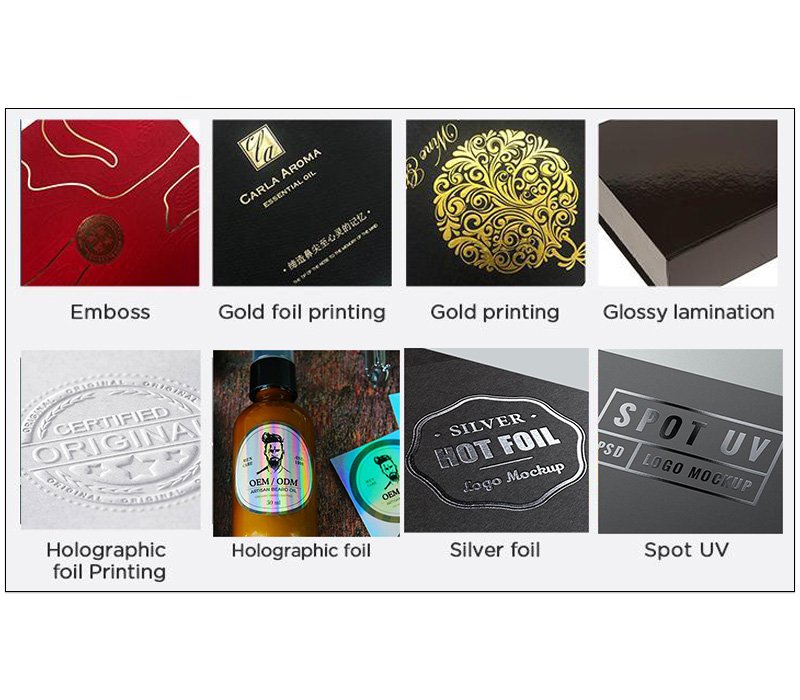
Beyond structure, your logo finish defines your product’s luxury appeal. We offer custom cosmetic packaging logo treatments including emboss, gold foil printing, silver foil, glossy lamination, holographic effects, and spot UV for high-impact shelf presence.
From subtle debossed textures to striking holographic foil, each technique is chosen to enhance your brand story and match your target market positioning. Whether for upscale retail, e‑commerce, or professional use, our finishes help your product stand out.
Finishing Options Include:
Emboss & Deboss logo impressions
Gold, silver, and holographic foil stamping
Spot UV for selective gloss highlights
Glossy or matte lamination for surface protection
Make A Sample First?
If you have your own formula, packaging idea, logo artwork, or even just a concept, please share the details of your project requirements, including preferred product type, ingredients, scent, and customization needs. We’re excited to help you bring your personal care product ideas to life through our sample development process.
More Eye Skin Care product customization instructions and FAQs
Market Trends: Eye-care products are evolving beyond basic moisturization. Consumers now expect multi-action performance: brightening for dark circles, de-puffing for tired eyes, and anti-aging for fine lines. The category is strengthened by demand for fast results formats such as hydrogel patches, roll-on serums, and ampoules. Positioning often combines “instant refresh,” “anti-fatigue,” and “youth-preserving.”
Effective Ingredients: We design eye-care systems with caffeine and peptides for puffiness and wrinkle reduction, niacinamide and vitamin C derivatives for brightening, and hyaluronic acid + coenzyme Q10 for hydration and antioxidant defense. Botanicals such as chamomile and licorice root add natural calming and lightening benefits. All are optimized for low irritation, given the delicate periocular skin.
Our Formulations: Eye-care textures are tailored to consumer habits: serums and gels for light, fast absorption; creams and balms for richer anti-aging positioning; hydrogel patches for quick retail wins; and roll-on applicators for cooling, anti-puffiness claims. Fragrance-free positioning is critical, while airless pumps, sachets, and dual-chamber ampoules support both hygiene and premium appeal. Shelf stability is validated for 24 months unopened with packaging compatibility testing.
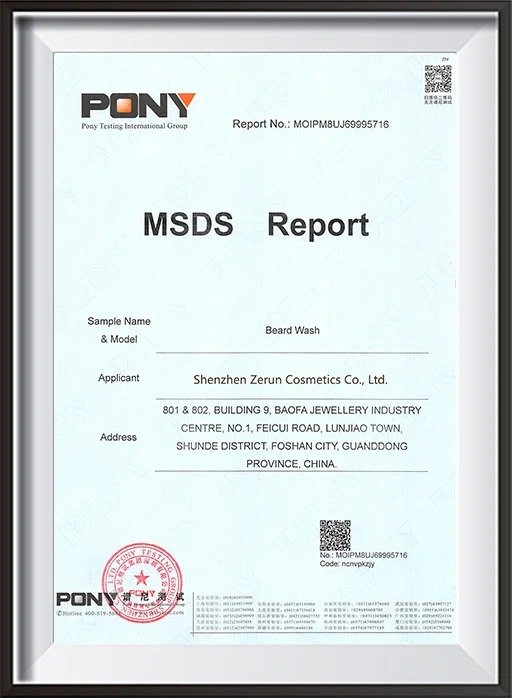
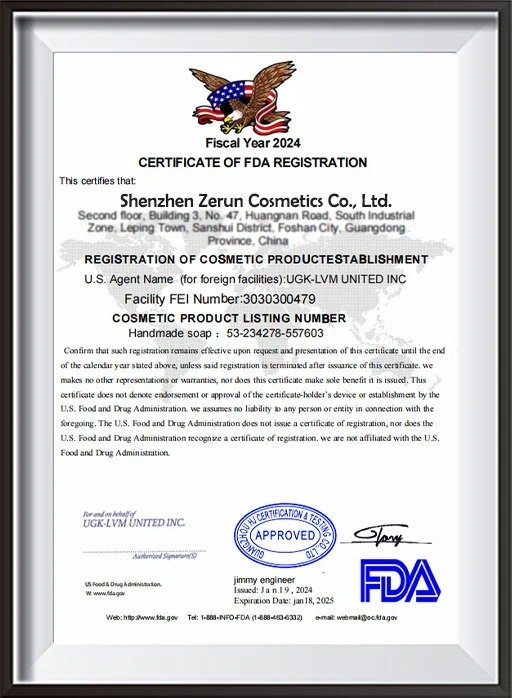
Regulatory Compliance: We align with EU 1223/2009, EU 655/2013 cosmetic claim guidelines, FDA cosmetic framework, and Asian import rules. Claims are phrased as appearance-based: “reduces the look of puffiness” vs. “treats under-eye bags.” Compliance support includes COA, MSDS, PET microbial results, and accelerated stability reports. For premium claims, we coordinate with labs on consumer-perception tests and instrumental eye-area measurements.
Success Story: A North American prestige brand sought a 3-step eye-care ritual. We developed a caffeine peptide roll-on serum, a hyaluronic acid hydrogel patch, and a peptide + CoQ10 night cream. Packaged in frosted glass and foil-sealed patches, the line became a category bestseller, selling 40,000 units in its first six months. Customer reviews highlighted “instant cooling,” “visible brightness,” and “smoother eye contours.”
Q: Which actives are most effective for dark circles and puffiness?
A: Caffeine helps reduce fluid retention, niacinamide and vitamin C derivatives brighten pigmentation, while peptides support skin elasticity. Combined with botanicals like licorice, these create a multi-pathway solution for visible under-eye improvement.
Q: How can brands ensure eye products are gentle enough?
A: Eye formulations must avoid high-irritation actives and strong fragrances. We design with low pH tolerance, fragrance-free bases, ophthalmologist-tested claims, and packaging that minimizes contamination. Encapsulation also reduces irritation risks.
Q: Which product formats are trending in eye care?
A: Hydrogel patches dominate Asia, serums and multi-action creams lead in Western markets, while roll-on applicators are popular in DTC channels for their instant cooling and portability.
Q: What regulatory considerations apply to eye-care claims?
A: EU and US frameworks require claims to remain cosmetic, not medical—phrases like “reduces puffiness appearance” are acceptable, but “treats under-eye edema” is not. We tailor claim sets per region to ensure compliance.
Q: How do I differentiate my eye-care line?
A: Differentiation comes from unique applicators (cooling metals, dual-chamber pumps), advanced peptides, or storytelling (anti-screen fatigue, overnight recovery). Eco-friendly packaging and visible percentage claims also enhance consumer trust.
Build Your Eye Care Product with Us
From quick-refresh gels to multi-active anti-aging creams, we design eye-care formulations with proven actives, global compliance, and packaging innovation—helping brands capture growth in one of skincare’s fastest-growing segments.