Skip to content
Custom Lip Care Formulations Manufacturer
Custom lip-care formulations enriched with shea butter, hyaluronic acid, and vitamin E. Hydrate, repair, and protect lips from dryness and environmental stress—tailored for global brands offering balms, serums, scrubs, and hybrid color-care solutions.
What This Lip Care Formula Solves
Our lip-care formulations are designed to address the most common lip concerns—chronic dryness, environmental damage, and visible dullness or texture issues. Unlike generic balms, our solutions combine emollients, humectants, and actives to deliver both instant comfort and long-term repair. Ideal for brands targeting everyday lip hydration, premium overnight treatments, or beauty hybrids with added SPF and tint.

Lip Care Formula
1. Dryness & Cracking → Intensive, Long-Lasting Hydration
Lips lack sebaceous glands and are naturally prone to dryness. Environmental exposure, frequent licking, and lifestyle factors cause chronic dehydration and cracking. Our formulations pair hyaluronic acid, glycerin, and panthenol as humectants with shea butter, cocoa butter, and jojoba oil for deep emollient repair. The result is instant relief and a protective barrier that locks in moisture for hours. These systems work perfectly for hydrating sticks, overnight lip masks, and gloss-serum hybrids, helping brands offer functional yet sensorial products.
2. Environmental Stress & Sensitivity → Barrier Protection & Repair
UV radiation, pollution, and oxidative stress accelerate lip aging and barrier breakdown. Lips are particularly vulnerable because their skin is thinner and lacks melanin defense. Our lip-care systems integrate vitamin E, ceramides, coenzyme Q10, and zinc oxide (for SPF) to reinforce barrier resilience and protect against photoaging. Formulas can be adapted into SPF balms, anti-pollution lip treatments, or recovery creams for spa and professional markets. This approach helps brands position their lip products not only as moisturizers, but as daily protective shields.
3. Dullness, Roughness & Uneven Texture → Refinement & Radiance
Dead skin buildup and reduced microcirculation make lips appear dull, flaky, or uneven. Our customizable blends incorporate enzymatic exfoliants (papain, lactic acid), sugar scrubs, or microfine jojoba beads alongside antioxidant-rich oils like rosehip and argan to gently resurface lips. Combined with niacinamide and botanical brighteners, these products enhance natural lip tone and provide a smooth canvas for makeup application. Ideal for exfoliating scrubs, brightening glosses, and pre-lipstick primers, they allow brands to align with consumer demand for both skincare benefits and beauty performance.
Custom Lip Care Formula Key Ingredients & Their Benefits
We craft lip-care solutions with humectants, emollients, and antioxidants to hydrate, repair, and smooth lips. Custom actives adapt to balms, scrubs, serums, and tinted hybrids—supporting global brands seeking both functional repair and beauty innovation.
Lip care requires hydration, barrier repair, and protection against harsh conditions. Our formulations use hyaluronic acid and glycerin for deep hydration, shea butter and jojoba oil for emollient repair, and vitamin E with plant antioxidants for environmental defense. For differentiation, brands can select exfoliating scrubs with sugar or enzymes, protective SPF balms, or multi-active gloss-serums. Consumer trends highlight “clean lip balm,” “overnight lip mask,” and “hydrating tinted balm.” With flexible bases—balm sticks, pots, squeeze tubes, or gloss applicators—we ensure compatibility across global markets. The table below highlights hero actives, their recommended ranges, and compliance references.
Custom Lip Care Formula Key Ingredients
| Key Ingredient | Recommended % Range* | Benefits / Use Cases | Compliance & Market Proof |
|---|---|---|---|
| Shea Butter | 2–10% | Deep moisturization; barrier repair | Wikipedia – Shea butter |
| Hyaluronic Acid | 0.05–0.5% | Hydrates; plumps lips | Wikipedia – Hyaluronic acid |
| Tocopherol (Vitamin E) | 0.5–2% | Antioxidant; protects against free radicals | Wikipedia – Tocopherol |
| Jojoba Oil | 1–5% | Restores smoothness; long-lasting softness | Wikipedia – Jojoba oil |
| Ceramide NP | 0.1–1% | Reinforces barrier; prevents moisture loss | Wikipedia – Ceramide |
| Sugar (Sucrose) | 5–20% | Gentle physical exfoliation | Wikipedia – Sucrose |
| Green Tea Extract | 0.5–2% | Soothing antioxidant; protects from stress | Wikipedia – Green tea |
| Zinc Oxide (SPF) | 2–10% | UV protection; SPF lip balms | Wikipedia – Zinc oxide |

1. INCI & CAS
INCI: Butyrospermum Parkii (Shea) Butter · CAS: 194043-92-0 (commonly referenced for cosmetic-grade shea butter) · Off-white to pale yellow semi-solid; melts ~28–46 °C; rich in stearic/oleic triglycerides with 2–12% unsaponifiables (triterpene esters, phytosterols). (European Commission)
2. Role in Lip Care
Occlusive + emollient barrier that reduces transepidermal water loss and improves softness; film-forming slip for comfortable glide in balms and lipsticks; soothing/anti-inflammatory activity reported for shea unsaponifiables (e.g., amyrin/lupeol cinnamates). (NCBI)
3. Typical Use Levels (formulation custom guide)
Lip balms/butters: 5–20% (up to anhydrous bases at higher levels)
Lipsticks: 3–12% (with oils/waxes for structure; CIR reports shea oil up to 11% in lipsticks as market precedent)
Overnight lip masks/occlusive salves: 10–30% depending on wax load and target feel.
Works across typical anhydrous systems; blend with medium-spread oils/esters for payoff and with high-mp waxes for stick strength. (CIR)
4. Regulatory Sources & Global Compliance
EU Cosmetics Regulation (EC) No 1223/2009: Shea butter not specifically restricted; subject to product-level safety assessment. (European Commission)
CIR (Cosmetic Ingredient Review): Panel concluded multiple shea-derived ingredients (incl. shea butter) are safe as used when formulated to be non-sensitizing; widespread leave-on use reported. (CIR)
EU REACH/ECHA: Substance dossiers provide toxicology endpoints and compositional notes for shea-derived materials. (ECHA)
5. Clinical & Evidence (lip hydration/comfort rationale)
Emollient/TEWL reduction: Medical reviews show emollients (incl. shea butter) increase hydration and reduce TEWL, supporting use for dry, chapped lips. (NCBI)
Anti-inflammatory/soothing: Shea fractions inhibited iNOS/COX-2 in models and supported barrier calming—useful for wind- or mask-irritated lips. (PMC)
Guideline support for lip balms: AAD-aligned consumer guidance lists shea butter among recommended balm emollients for lip protection. (Medical New Stoday)
6. Safety & Risk Assessment (toxicology highlights)
CIR conclusion: Safe as used for shea butter and several derivatives in cosmetics; shea oil reported in lipstick up to 11%; shea butter up to 100% in moisturizers (category precedent). (CIR)
Allergen note: Rare latex-related reactions have been discussed because shea tree materials can contain latex proteins; advise patch testing for latex-sensitive users and use refined cosmetic-grade inputs to minimize proteins. (Riviera Allergy Medical Center)
7. Stability & Packaging
Stable in anhydrous sticks/butters; avoid prolonged >60 °C exposure during batching to limit graininess; combine with crystal-modifying esters and appropriate cooling to control polymorphs. Use twist-up sticks, aluminum tins, or air-tight jars; protect from oxidation via antioxidants (e.g., tocopherol) and UV-opaque packaging for tinted SKUs. (CIR)
8. Cost–Benefit
Globally available natural emollient with strong consumer recognition (“shea” on front-of-pack), good payoff, and label appeal; supports clean-lean balm positioning and scalable sourcing (including fair-trade supply chains). (cbi.eu)
9. Claims Language (Do/Don’t)
✅ Helps soften and smooth lips.
✅ Helps reduce moisture loss for more comfortable, hydrated-feeling lips.
✅ Helps soothe and nourish dry, chapped lips.
❌ Avoid drug/medical claims (e.g., “heals cracks/cures cheilitis”), SPF claims without appropriate testing, or jurisdiction-specific therapeutic language.

1. INCI & CAS
INCI: Tocopherol (mixture of α/β/γ/δ-tocopherols) · CAS: 59-02-9 (α-tocopherol) · Viscous, pale-yellow oil; lipid-soluble antioxidant used in anhydrous balms, lipsticks, and oils. (European Commission)
2. Role in Lip Care
Antioxidant shield that helps protect lip surface lipids and oils from peroxidation; conditioning emollient that enhances slip and comfort; supportive photoprotective co-active when combined with UV filters/other antioxidants. These functions help lips feel softer and less tight in dry, windy, or sunny conditions. (PubMed)
3. Typical Use Levels (formulation custom guide)
Lip balms & masks: 0.5–2.5% for skin benefits; 0.1–1.0% as an oil-phase stabilizer (anti-rancidity)
Lipsticks: 0.2–1% to protect oils/pigments and improve payoff
Gloss/oil tints: 0.2–1%.
Add in cool-down or late oil phase; pair with robust emollient/wax system. (MakingCosmetics)
4. Regulatory Sources & Global Compliance
EU Cosmetics Regulation (EC) No 1223/2009 / CosIng: Tocopherol is not specifically restricted; use subject to product-level safety assessment and GMP. (European Commission)
CIR (Cosmetic Ingredient Review): Tocopherol and tocopherol derivatives are safe as used in cosmetics; updated assessments reaffirm earlier conclusions. (PubMed)
EU REACH/ECHA: Registration dossiers summarize identity, toxicology, and environmental endpoints for α-tocopherol/tocopherols. (ECHA CHEM)
5. Clinical & Evidence (lip hydration/comfort rationale)
Antioxidant/photoprotection rationale: Reviews show topical antioxidants (incl. vitamin E) help neutralize ROS, supporting barrier comfort in sun/wind exposure when used in skincare/cosmetics. (PubMed)
Category guidance: Dermatologist guidance for dry, chapped lips endorses occlusive/emollient balms; vitamin-E–containing formulas are common as conditioning antioxidants alongside occlusives. (AAD)
6. Safety & Risk Assessment (toxicology highlights)
CIR conclusion: Tocopherol/tocotrienols are safe as used in cosmetics; widespread leave-on exposure history. (CIR assessments)
Irritation/allergy: Allergic contact dermatitis to vitamin E is uncommon but reported; consider refined grades and patch testing for very sensitive users. (PubMed)
7. Stability & Packaging
Functions as an in-formula antioxidant but itself is oxygen/light sensitive—dose appropriately and limit heat/air exposure during batching; store in airtight, opaque containers. Works best in anhydrous or low-water systems; combine with chelators and stable oils; consider tocopheryl acetate when higher oxidative stability is needed in emulsions. (MakingCosmetics)
8. Cost–Benefit
High consumer recognition (“Vitamin E”), small-dose efficacy (0.2–1% for stabilization), and multi-functional positioning (conditioning + antioxidant) deliver strong value in lip SKUs without heavy cost impact. (SpecialChem)
9. Claims Language (Do/Don’t)
✅ Helps condition and soften lips.
✅ Provides antioxidant support to help protect lip oils from environmental stress.
✅ Helps reduce moisture loss when used in an emollient balm system.
❌ Avoid therapeutic/drug claims (e.g., “cures cheilitis,” “heals cracks”), or SPF/photoprotection claims without testing and jurisdiction-specific substantiation.

1. INCI & CAS
INCI: Hyaluronic Acid (CAS 9004-61-9) and/or Sodium Hyaluronate (CAS 9067-32-7) as the commonly used cosmetic forms; water-soluble, clear, high-viscosity humectant polymer available in multiple molecular-weight grades (ultra-low to high MW) and modified types (e.g., crosspolymers, hydrolyzed grades). (European Commission)
2. Role in Lip Care
High-capacity humectant that binds water to help rehydrate dry, flaky lips; surface film-former that improves smoothness and cushion; visual plumping effect (appearance) via hydration and micro-line softening. Modified hyaluronates (e.g., hydrolyzed, crosspolymer) can enhance sensory and persistence in leave-on lip formats. (PMC)
3. Typical Use Levels (formulation custom guide)
Anhydrous lip balms/sticks: incorporate oil-dispersible/modified HA (e.g., Sodium Hyaluronate Dimethylsilanol, HA/Polyglutamic Acid Crosspolymer) at 0.1–0.6% to improve glide and water-binding once applied; pair with humectant boosters and occlusives.
Water-containing lip masks/gel balms: 0.05–0.3% Sodium Hyaluronate (grade-dependent);
Hydrolyzed Sodium Hyaluronate: 0.1–0.5% for lighter film and better penetration potential. Add in cool-down; hydrate powders thoroughly; adjust rheology with gums/waxes for stick integrity. (European Commission)
4. Regulatory Sources & Global Compliance
EU Cosmetics Regulation (EC) No 1223/2009 / CosIng: Hyaluronic Acid and its salts/derivatives are not specifically restricted; use is subject to cosmetic safety assessment, GMP, and labeling. (European Commission)
CIR (Cosmetic Ingredient Review): Hyaluronates are safe as used in cosmetics (Final Report, 2023), covering Hyaluronic Acid, Sodium Hyaluronate, Potassium Hyaluronate, acetylated and other listed derivatives. (CIR Final Report)
EU REACH/ECHA: Registration dossiers for hyaluronates provide identity and toxicological endpoints for risk assessors. (ECHAl)
5. Clinical Evidence (lip hydration/comfort rationale)
Topical HA improves hydration and skin quality: modern reviews and trials show significant increases in skin hydration and improved appearance with topical HA. (PMC)
Lip-focused cosmetic study: a topical HA lip treatment demonstrated immediate and 4-week improvements in lip hydration, texture, scaling, and fine lines, with good tolerability.(PubMed)
MW considerations: a 2024 double-blind RCT comparing low- vs high-MW HA found hydration benefits in photo-aged/dry skin, informing grade selection for lip masks and gel balms. (PubMed)
6. Safety & Risk Assessment (toxicology highlights)
CIR conclusion: Hyaluronates are safe as used in leave-on and rinse-off cosmetics; wide margin of safety across reported concentrations. (CIR)
Irritation/sensitization: Topical HA has low irritation potential; adverse reactions are uncommon. As with any leave-on around the mouth, advise patch testing for highly sensitive users. (CIR)
Category guidance: Dermatology guidance for dry, chapped lips emphasizes frequent application of non-irritating balms; HA is often included as a conditioning humectant alongside occlusives and SPF where applicable. (AAD)
7. Stability & Packaging
In aqueous lip masks/gels, HA requires effective preservation; avoid prolonged high heat or extreme pH that may reduce viscosity. For sticks, use modified/oil-dispersible HA grades and opaque, air-tight packaging; consider antioxidants and chelators to protect the oil phase; process via staged cool-down to maintain structure. (European Commission)
8. Cost–Benefit
Strong consumer recognition (“Hyaluronic Acid”) and small-dose efficacy deliver high value-add in lip SKUs. Multiple grades/derivatives enable positioning from “lightweight hydrating oil-gloss” to “overnight lip mask,” supporting scalable B2B product lines. (European Commission)
9. Claims Language (Do/Don’t)
✅ Helps hydrate and visibly smooth dry lips.
✅ Helps soften the look of fine lip lines by improving surface moisture.
✅ Helps retain moisture for more comfortable, supple-feeling lips.
❌ Avoid drug/medical claims (e.g., “heals cracks/cures cheilitis”) or SPF/photoprotection claims without appropriate testing and jurisdiction-specific substantiation.
Custom Lip Care Product Applications
Our lip-care portfolio supports both functional repair and beauty-driven innovation, covering daily essentials, intensive treatments, and hybrid formats. Formulas can be tailored in texture (balm, gel, serum, cream), dosage form (sticks, jars, tubes, gloss applicators), and claim sets (hydrating, repairing, anti-aging, SPF). Each option is optimized for regional preferences, consumer lifestyles, and packaging stability.


Lip Care Trends & Market Insights
The global lip care products market size was estimated at USD 2.47 billion in 2024 and is projected to reach USD 3.48 Billion by 2030, growing at a CAGR of 5.9% from 2025 to 2030. The lip-care market is booming as consumers increasingly seek solutions for hydration, barrier repair, and beauty hybrids.

Market Overview
Rising awareness of lip health, combined with mask-wearing, seasonal dryness, and growing clean-beauty demand, drives category growth. Innovation focuses on multi-benefit formats such as tinted balms, overnight masks, and hybrid gloss-serums. Premium launches often highlight plant oils, ceramides, and SPF defense.
Key Market Insights:
“Lip mask” and “hydrating lip balm” are trending search terms.
Asia-Pacific favors overnight masks and clean K-beauty inspired balms.
North America & Europe lead in tinted balms and gloss hybrids.
Amazon bestsellers highlight SPF + antioxidant lip care.
Target Consumer Segments
Target audiences include Gen Z beauty enthusiasts, aging consumers seeking anti-wrinkle lip care, and eco-conscious shoppers demanding natural, sustainable packaging.
Target Segments:
Indie brands launching tinted balms
Premium clean-beauty overnight lip masks
E-commerce DTC lip scrub + balm sets
Professional spa recovery lip treatments

Customization Options for Packaging & Branding
Explore flexible packaging options, bottle types, and private label services. From tube to jar, we match your brand’s tone and market position.
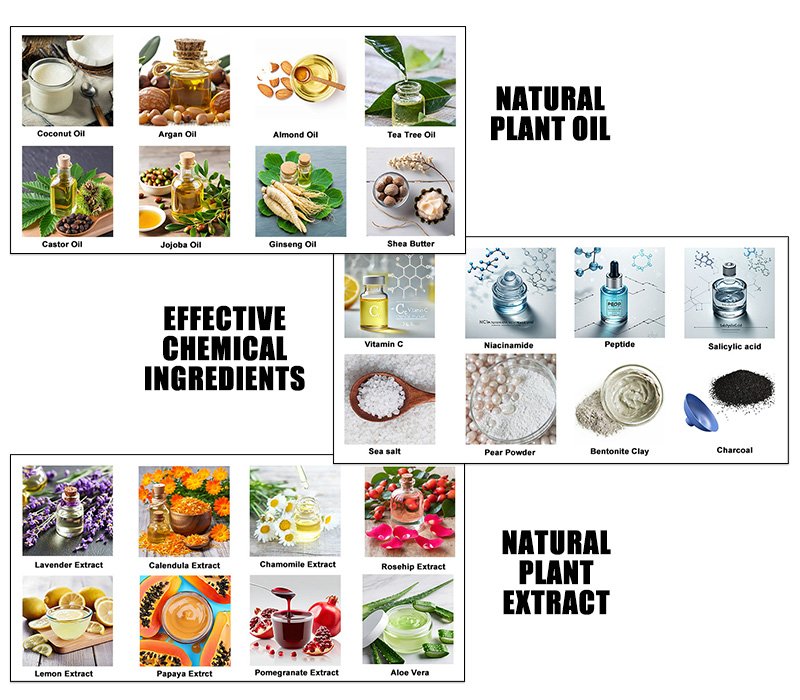
Cosmetic formulation development
Your formula is the soul of your brand. Whether you’re developing a gentle serum for sensitive skin, a high-efficacy anti-aging cream, or a scalp-purifying shampoo, our in-house chemists create custom cosmetic formulations tailored to your desired effect, skin type, region, and ingredient philosophy.
With over 5,000+ proven base formulas and full white-label development support, we help you build a product that meets your performance goals, brand values, and market trends.
Available Services:
Active ingredient sourcing & formulation balancing
Custom texture creation: gel, cream, balm, lotion, foam, oil
Ingredient selection for target concerns: anti-acne, brightening, anti-aging, hydration
Support for natural, vegan, EWG green-level formulations
Regional compliance: USA, EU, AU, JP standards
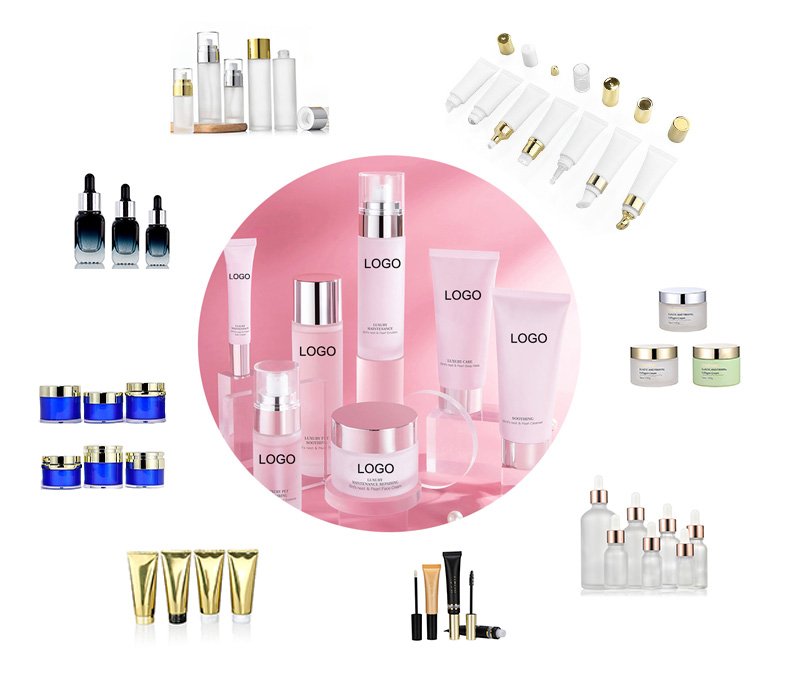
Custom Cosmetic Packaging Styles
Packaging plays a critical role in how your brand is perceived. Whether you need luxury glass droppers, airless pump bottles, eco-friendly refill pouches, or retail-friendly PET tubes, we provide 3000+ stock and customizable packaging options.
From minimalist matte finishes to glossy foil-stamped designs, our packaging engineers help you select the perfect form and material—whether for prestige skincare, professional haircare, or clean beauty positioning.
Available Options:
Glass, PET, PP, PCR, aluminum, bamboo, and more
Airless pumps, sprayers, jars, tubes, and dropper bottles
Color-matching, texture finishes, and custom mold services
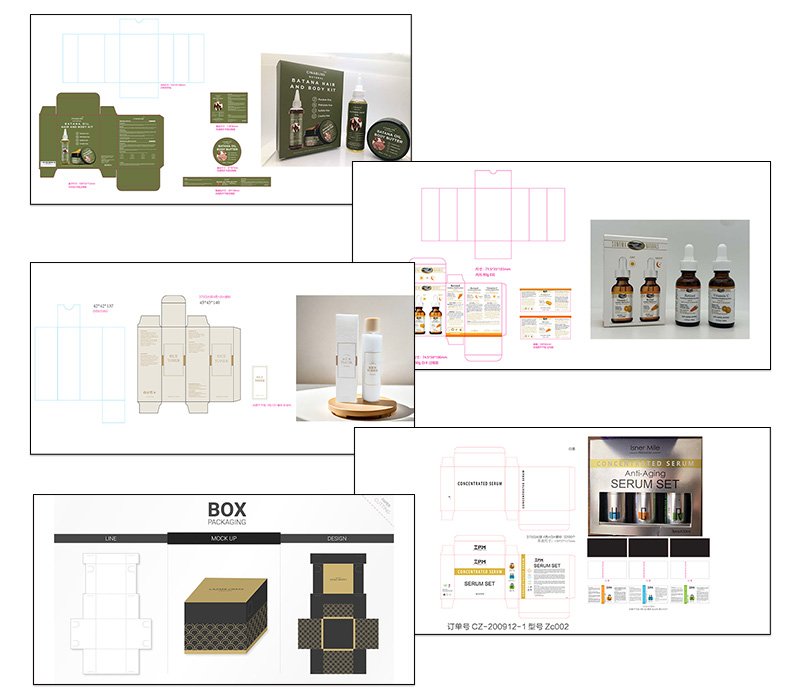
Cosmetic Box, Label Design for skincare brands
Beyond the bottle, your visual identity sets your product apart. Our in-house design team creates custom label layouts, box designs, and full branding suites—including logo placement, font matching, and barcode compliance.
We also offer waterproof labels, UV spot gloss, embossing, foil stamping, and other premium finishes to ensure your packaging feels as high-end as your formula. Whether you’re building an Amazon FBA product or a salon-grade kit, we help make your product shelf-ready.
Design Services Include:
Free artwork design and dieline support
Amazon & retail barcode setup (FNSKU/UPC)
Custom printing on labels, boxes, pouches, and shrink wraps
Cosmetic Box Customization for Skincare Brands
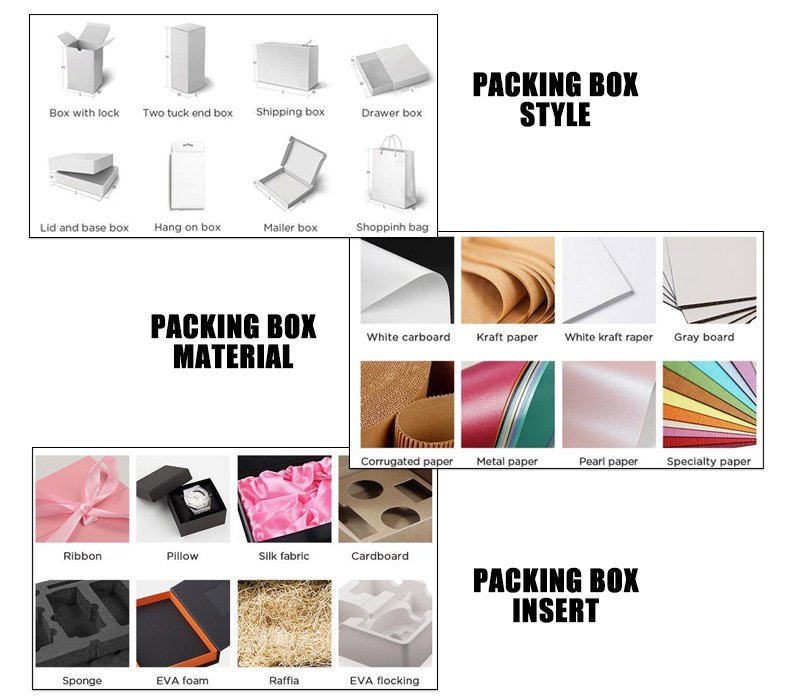
Beyond the bottle, your outer packaging is your first impression. Our team provides custom cosmetic box solutions with tailored box styles, premium cardboard or specialty paper choices, and protective inserts in EVA, molded pulp, or PET.
We also offer specialty printing options, matte or glossy lamination, foil stamping, embossing, and spot UV to create a tactile, luxury feel. Whether for boutique retail, e‑commerce, or professional kits, we ensure your packaging enhances your brand story.
Customization Options Include:
Box style selection: tuck‑end, drawer, magnetic, or folding carton
Material choices: rigid board, kraft, coated paperboard
Insert options: EVA foam, molded pulp, PET, or cardboard
Cosmetic Box Logo Finishing for Premium Branding
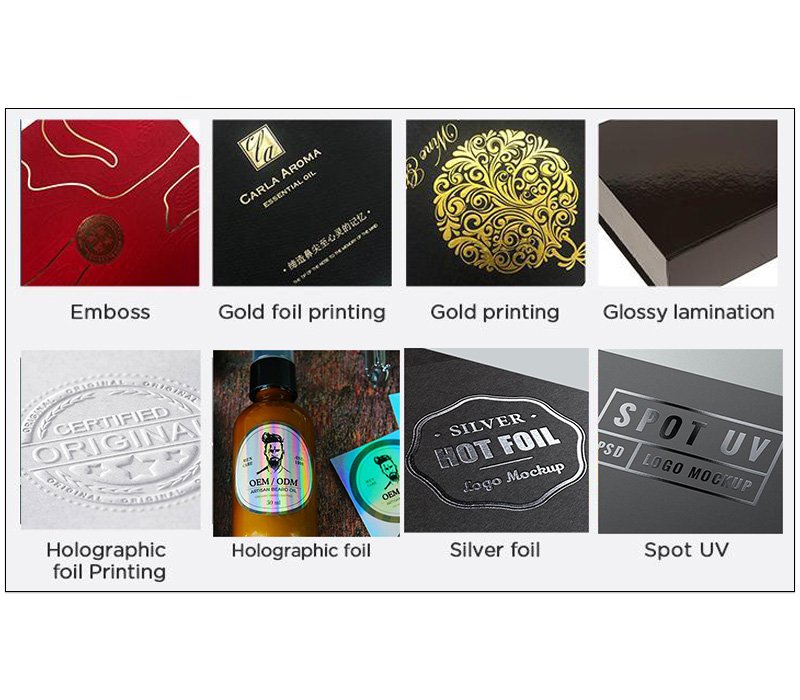
Beyond structure, your logo finish defines your product’s luxury appeal. We offer custom cosmetic packaging logo treatments including emboss, gold foil printing, silver foil, glossy lamination, holographic effects, and spot UV for high-impact shelf presence.
From subtle debossed textures to striking holographic foil, each technique is chosen to enhance your brand story and match your target market positioning. Whether for upscale retail, e‑commerce, or professional use, our finishes help your product stand out.
Finishing Options Include:
Emboss & Deboss logo impressions
Gold, silver, and holographic foil stamping
Spot UV for selective gloss highlights
Glossy or matte lamination for surface protection
Make A Sample First?
If you have your own formula, packaging idea, logo artwork, or even just a concept, please share the details of your project requirements, including preferred product type, ingredients, scent, and customization needs. We’re excited to help you bring your personal care product ideas to life through our sample development process.
More Lip Care product customization instructions and FAQs
Market Trends: Lip care has evolved into one of the fastest-growing personal care subcategories, moving beyond basic chapsticks into multi-functional skincare–beauty hybrids. Consumers now demand hydration, repair, exfoliation, sun defense, and even anti-aging benefits in lip formats. Social media trends like “lip slugging,” “overnight masks,” and tinted clean balms fuel innovation. Premium launches highlight vegan ingredients, sustainable packaging, and clinical validation. Emerging categories include SPF lip protectors for outdoor lifestyles and lip primers for color cosmetics.
Effective Ingredients: Our systems blend hyaluronic acid and glycerin for deep hydration, shea butter, cocoa butter, and jojoba oil for barrier restoration, and vitamin E + green tea extract for antioxidant defense. Ceramides and peptides strengthen the delicate lip barrier against environmental stress. For exfoliation, we integrate sugar crystals, enzymatic papain, or lactic acid at gentle levels. Zinc oxide or titanium dioxide can provide SPF protection, while plant oils (argan, rosehip, coconut) add nutritive richness. Each ingredient is carefully selected for safety, sensory feel, and market positioning in global regions.
Our Formulations: We develop a broad spectrum of lip-care formats tailored for brand differentiation. Hydrating balms in sticks or pots for daily use, overnight lip masks with occlusive butters for intensive recovery, and scrubs with sugar + botanical oils for texture refinement. Tinted balms and gloss-serum hybrids cater to beauty-conscious markets, while SPF lip products meet outdoor and wellness demands. Packaging innovations include eco-friendly paper tubes, airless mini-jars, glass gloss applicators, and travel-ready sachets. All products undergo stability testing, PET microbial validation, and compatibility checks to ensure 24-month shelf life unopened.
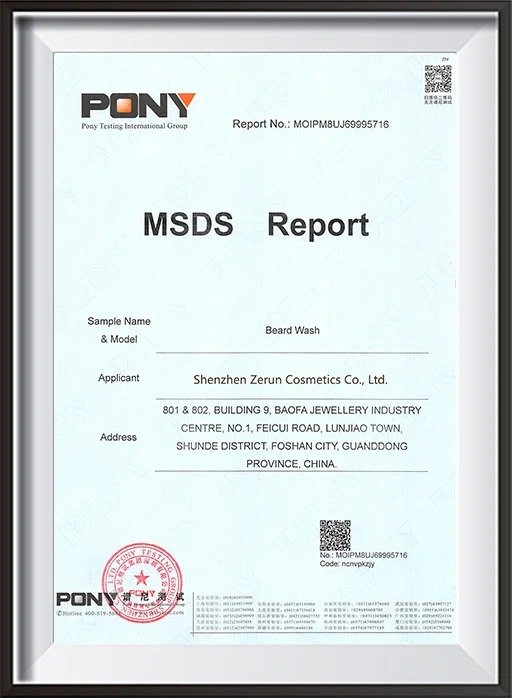
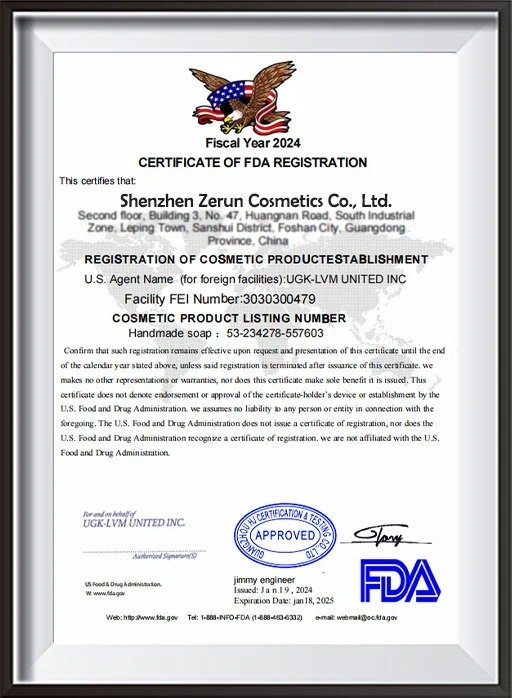
Regulatory Compliance: Lip-care products must meet stricter safety standards because of high frequency of ingestion risk. All formulas are aligned with EU 1223/2009, EU 655/2013 claims regulation, FDA cosmetic and OTC sunscreen frameworks, and Asian import compliance. We ensure correct INCI labeling, allergen declaration, banned colorant avoidance, and region-specific SPF testing (FDA SPF monograph in US, cosmetic sunscreen in EU). Documentation provided includes COA, MSDS, PET reports, heavy metal safety certificates, stability testing, and claim substantiation guidance.
Success Story: A North American lifestyle brand wanted to expand into premium lip care with eco-conscious positioning. We developed a vegan overnight lip mask with hyaluronic acid, ceramides, and shea butter in a frosted glass jar, alongside a tinted balm stick enriched with rosehip oil and SPF 15 zinc oxide. The line was launched via DTC and Amazon, generating 60,000 units sold within the first nine months. Reviews highlighted “luxurious texture,” “visible overnight results,” and “sustainable packaging.” This success helped the brand secure distribution with a major U.S. beauty retailer.
Q: What are the most effective ingredients for hydrating and repairing lips?
A: Shea butter, jojoba oil, and ceramides provide barrier reinforcement, while hyaluronic acid and glycerin draw water for deep hydration. Combining emollients and humectants ensures immediate softness and long-term resilience.
Q: How do I make my lip-care line stand out in a crowded market?
A: Differentiation can come from unique formats (overnight mask, gloss-serum hybrids), sustainable packaging, bold flavor/fragrance options, or clinical validation. Positioning around “vegan,” “SPF defense,” or “anti-aging lips” also drives consumer trust.
Q: Which formats are currently trending in lip care globally?
A: Overnight lip masks dominate in Asia, tinted balms and gloss hybrids lead in Europe and North America, and lip scrub + balm sets perform strongly on e-commerce. Portable sticks remain essential for daily use.
Q: What regulatory issues should I consider for lip-care products?
A: Avoid banned dyes, allergenic flavors, and misleading claims. Claims must remain cosmetic, such as “reduces appearance of dryness” instead of “treats cracked lips.” SPF claims must follow region-specific guidelines.
Q: Can lip-care products combine skincare and color?
A: Yes. Tinted lip balms with active hydration or SPF glosses with peptides are growing fast. Hybrid formats allow brands to position products as beauty + care essentials, appealing to multifunctional product seekers.
Build Your Lip Care Product with Us
From hydrating balms to overnight masks and tinted hybrids, we help brands design lip-care products that balance function and beauty—supported by compliance, stability testing, and global packaging solutions.