Skip to content
Top 10 Safe Skin Lightening Ingredients
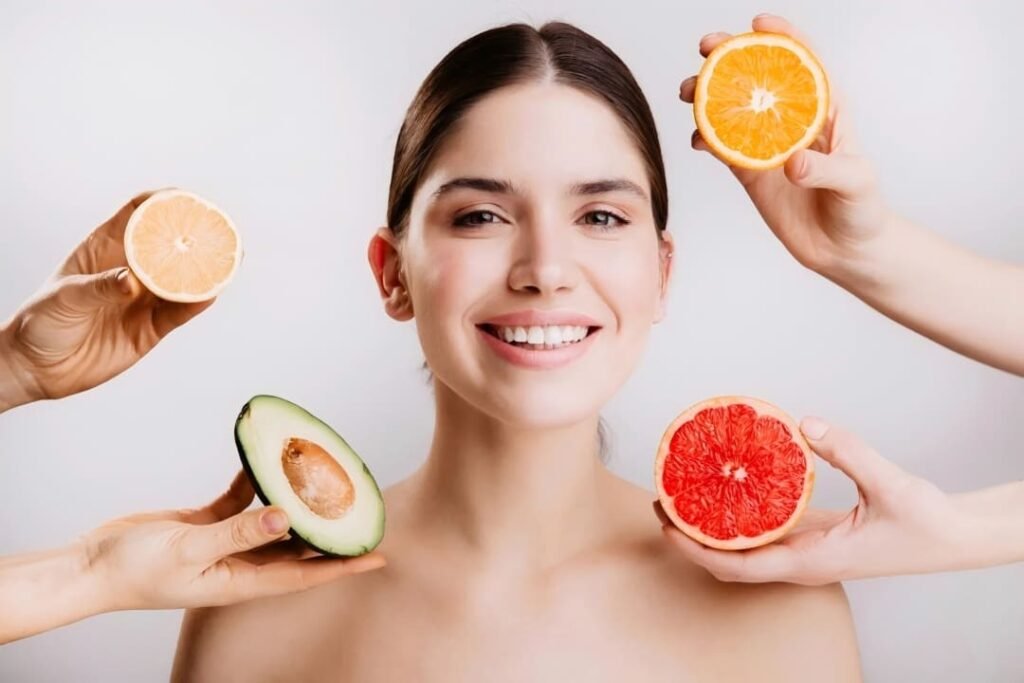
The safest way to lighten skin is by combining daily sun protection with proven, non-irritating brightening actives. The Top 10 safe skin lightening ingredients include niacinamide, vitamin C derivatives, arbutin, licorice extract, tranexamic acid, azelaic acid, kojic acid derivatives, resorcinol derivatives, mandelic acid, and retinoids. These ingredients work synergistically to even skin tone, fade discoloration, and restore radiance while maintaining barrier health.
Skin lightening, also referred to as skin brightening or tone-evening, is one of the most requested benefits in global skincare markets. However, concerns about safety, irritation, and regulatory bans on harsh agents (like hydroquinone or mercury) have pushed both consumers and brands toward safer alternatives.
This guide answers the most important consumer and brand questions: What is the safest way to lighten skin? Which treatments are reliable? Which ingredients deliver proven results without compromising safety? And, most importantly, how can brands integrate these actives into compliant, high-performing formulas?
What is the safest way to lighten skin?
The safest way to lighten skin is not about “bleaching” but about tone evening through three pillars: sun protection, gentle actives, and barrier support. Daily use of broad-spectrum SPF prevents new pigmentation, while proven actives reduce existing dark spots and dullness. Equally, barrier-strengthening oils and humectants reduce irritation risks.
For consumers, the safest strategy means:
Broad-spectrum sunscreen (SPF 30+) every morning.
Gradual introduction of brightening serums with mild actives.
Avoiding unregulated “whitening creams” that may contain mercury or hydroquinone in unsafe concentrations.
For brands, the safest approach is to position lightening products as “brightening” or “tone-evening” solutions supported by scientific evidence, with regulatory-compliant ingredients.
Which skin lightening treatment is safe?
Safe treatments include at-home topical serums with clinically backed actives, chemical exfoliants (like mandelic or lactic acid in safe percentages), and professional-grade laser or chemical peels when administered by dermatologists. However, not all are equal for every skin type.
Topical actives: Best for daily maintenance; safe long-term use.
Chemical exfoliation: Effective but requires professional guidance; best suited for acne-prone or thickened skin.
In-office treatments: Quick results, but costlier and with downtime.
Consumers increasingly prefer at-home serums and creams built around safe ingredients like niacinamide or vitamin C derivatives. For brands, the demand signals clear: prioritize gentle leave-on products with transparent ingredient lists and visible results within 6–8 weeks.
What are the Top 10 safe skin lightening ingredients and how do they work?
Here are the top 10 ingredients widely recognized as both effective and safe:
Niacinamide (Vitamin B3): Reduces hyperpigmentation by inhibiting melanosome transfer; doubles as a barrier-strengthener.
Vitamin C derivatives (SAP, AA2G, ATIP): Provide antioxidant protection and boost radiance by reducing melanin oxidation.
Arbutin: A stable hydroquinone derivative that gently suppresses tyrosinase activity.
Licorice extract (Glabridin): Soothes skin while lightening discoloration; ideal for sensitive formulations.
Tranexamic Acid: Reduces UV-induced pigmentation and post-inflammatory hyperpigmentation.
Azelaic Acid: Inhibits abnormal pigmentation and offers anti-inflammatory benefits.
Kojic Acid derivatives: Effective but often used at lower concentrations for safety.
Resorcinol derivatives (4-butylresorcinol): Highly effective tyrosinase inhibitors; increasingly popular in clinical lines.
Mandelic Acid / PHA: Gentle exfoliation to boost absorption and renew glow.
Retinoids (cosmetic-strength): Support cell turnover, indirectly improving uneven skin tone.
Together, these ingredients address pigmentation pathways from multiple angles—melanin production, transfer, and skin renewal.
How should you formulate with the Top 10 safe skin lightening ingredients to maximize results and minimize irritation?
Formulating with brightening actives requires compatibility, stability, and balance:
Niacinamide + Tranexamic Acid: Ideal for brightening sensitive skin without irritation.
Vitamin C derivative + Licorice: Combines antioxidant defense with calming benefits.
Azelaic Acid + Retinoids: A nighttime pairing for acne-prone or PIH (post-inflammatory hyperpigmentation) skin.
Best practices for formulators:
Concentration matters: Stick within proven safe ranges (e.g., Niacinamide 2–5%, Arbutin 1–4%).
Formulation vehicle: Use serums for water-soluble actives, creams for lipid-soluble ones.
Stability testing: Vitamin C derivatives and resorcinols require controlled pH and packaging.
For B2B buyers, suppliers who can offer pre-validated formulations with clinical data are highly attractive.
Which skin types benefit most from the Top 10 safe skin lightening ingredients, and how should usage be customized?
Different skin types respond differently to brightening actives:
Dry or sensitive skin: Benefits most from niacinamide, licorice, and mandelic acid.
Oily/acne-prone skin: Azelaic acid, tranexamic acid, and resorcinol derivatives can be effective.
Mature skin: Retinoids and vitamin C derivatives provide dual brightening + anti-aging benefits.
Dark-toned skin: Ingredients like niacinamide and arbutin offer safer results without risk of rebound pigmentation.
Customization matters: Brands should provide multiple product formats (serums, creams, spot treatments) targeting different consumer needs.
Are the Top 10 safe skin lightening ingredients compliant with US/EU/JP regulations, and what documents are required for market entry?
Compliance is essential for global distribution. Regulatory highlights include:
EU (CPNP/PIF): Requires safety dossier, ingredient concentration compliance, and stability/compatibility tests.
US (FDA/Cosmetics Modernization Act): Demands accurate labeling, safety substantiation, and avoidance of banned ingredients.
Japan: Allows many safe actives but restricts concentrations (e.g., kojic acid).
Key documents brands must secure:
COA & MSDS (raw materials)
Stability & compatibility reports
Safety testing (HRIPT, patch tests)
Label compliance review
Working with a GMP-certified OEM/ODM partner ensures streamlined market entry.
How long does it take to see visible results when using the Top 10 safe skin lightening ingredients with sunscreen and routine care?
Consumers usually notice:
2–3 weeks: Improved skin radiance and hydration.
4–6 weeks: Reduction in dullness, more even skin tone.
8–12 weeks: Noticeable fading of dark spots and post-acne marks.
Factors influencing results: consistency of application, sunscreen use, skin type, and concentration of actives. Brands should set realistic claims like “visible radiance in 4 weeks” rather than “instant whitening.”
FAQ
Q1: Are natural skin lightening ingredients safer than synthetic ones?
Not always. Both natural and synthetic options can be safe if regulated and tested. The key is compliance, not origin.
Q2: Can the Top 10 safe skin lightening ingredients be used together?
Yes, but synergy and stability testing are essential. Niacinamide and tranexamic acid work well together, while retinoids require nighttime-only use.
Q3: Are these ingredients safe during pregnancy?
Niacinamide, vitamin C, and licorice are generally considered safe. Retinoids are contraindicated. Brands should always guide consumers to consult professionals.
Q4: Do these ingredients replace sunscreen?
No. Sunscreen is non-negotiable. Brightening actives only work effectively if new pigmentation is prevented.
Q5: How should brands market skin lightening products today?
Shift messaging to “brightening,” “tone-evening,” and “radiance-boosting” for global consumer acceptance and compliance.
For Brand Customize
At Zerun Cosmetic, we specialize in creating custom brightening formulations that integrate the Top 10 safe skin lightening ingredients with proven efficacy and regulatory compliance.
Our services for brand clients include:
Custom formulations tailored for target markets (US, EU, Asia, Middle East).
Low MOQ sampling (200–500 units) to test market response.
Regulatory support with full safety dossiers and documentation.
Packaging solutions (airless bottles, glass vials, eco-friendly PCR plastics).
Private label design including logo, labeling, and box printing.
Whether your goal is to launch a brightening serum line, add a whitening cream to your catalog, or develop a multi-active brightening collection, we ensure products are safe, effective, and compliant.
→ Contact us to request free samples and start developing your whitening skincare line today.
Skin lightening in modern skincare is about safe, effective, and compliant brightening, not harsh bleaching. The Top 10 safe skin lightening ingredients provide multiple scientific pathways to fade dark spots, even tone, and restore radiance without damaging the skin barrier.
For consumers, this means visible results within weeks of consistent use. For brands, it’s an opportunity to meet rising demand for “clean brightening” solutions backed by regulatory credibility and market differentiation.
Custom Formulations
Hot Private label Beauty products
Hot ingredients
Salicylic Acid→
Hyaluronic Acid→
Vitamin E→
Ceramides→
Squalane→
Glycolic Acid→
Centella Asiatica Extract→
Custom cosmetic solutions
FAQ Categories
Can't find the answers?
Please rest assured—you are always welcome to contact us. Throughout the entire customization process for your beauty and skincare products, we will be available at any time to answer all your questions.
Make A Sample First?
If you have your own formula, packaging idea, logo artwork, or even just a concept, please share the details of your project requirements, including preferred product type, ingredients, scent, and customization needs. We’re excited to help you bring your personal care product ideas to life through our sample development process.