Skip to content
What Is The Best Anti Aging Cream: Custom Brand Guide for Target Age Groups
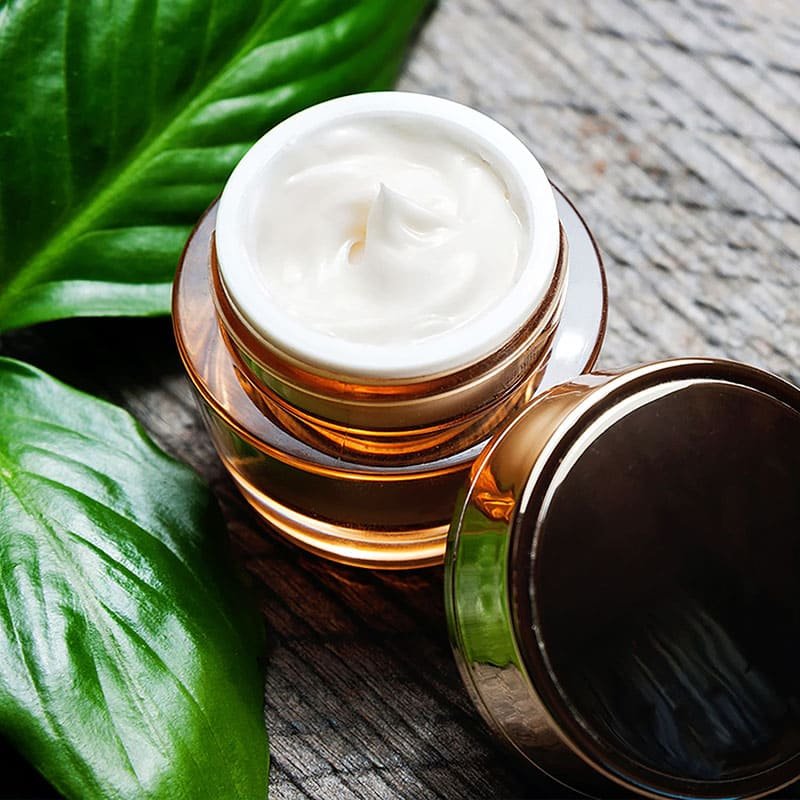
The anti-aging aisle is crowded with “miracle” jars and conflicting advice. Marketing pushes buzzwords; skin just wants water, lipids, and a formula that won’t fight your tolerance or climate. Most returns and regrets happen because people buy age-mismatched textures or chase actives their skin can’t handle—not because creams are useless.
There isn’t a single “best” anti-aging cream. The right choice combines sunscreen by day with a cream matched to age, climate, and tolerance: humectants for water, emollients for comfort, and film-formers for slip, plus evidence-backed actives—retinoids, niacinamide, peptides, vitamin C, ceramides, panthenol. Use gel-creams earlier, richer creams later; choose airless, UV-safe packaging and short INCI lists. Patch-test, increase strength gradually, and measure visible results by texture, tone, and fine-line change.
If you’re a brand owner or product dev, keep reading: below is a decade-by-decade map of textures, ingredients, ranges, routines, packaging, and testing you can implement—or brief directly to an OEM/ODM partner.
Table 1 — Decade-by-Decade Actives & Textures
| Age Group | Core Actives & Typical % | Recommended Texture | Add-Ons | Notes |
|---|---|---|---|---|
| 20s | Niacinamide 2–5%; Retinol 0.1–0.3% (2–4 nights/wk); HA 0.1–0.2% | Lightweight gel-cream | Panthenol 1–2% | Prevention focus; low fragrance |
| 30s | Niacinamide 4–5%; Peptides 1–2%; Retinol 0.2–0.5% or Retinal 0.05% | Gel-cream → light cream | Lactic acid 5% weekly | Balance glow vs. barrier |
| 40s | Niacinamide 4–5%; Ceramides 0.1–0.3%; Retinol 0.3–0.5% / Retinal 0.05–0.1% | Mid-rich cream | Vitamin C AM | Favor airless; avoid heavy scent |
| 50s | Peptides 1–2%; Niacinamide 4–5%; Ceramide/Cholesterol blends | Cushioned cream | Urea 5%; Panthenol | Add mild occlusive at night |
| 60s | Ceramides + Cholesterol; Petrolatum/Dimethicone occlusive | Cream → Balm | Urea 5–10%; Lactic 2–5% | Prioritize comfort/tolerance |
| Men (all ages) | Niacinamide 4–5%; Peptides 1–2%; Retinoid nightly | Non-greasy gel-cream | Dimethicone for slip | Shave-friendly, moderate scent |
Best Anti Aging Cream For 20s
In your 20s, prevention beats correction. Pair daily broad-spectrum SPF with a lightweight gel-cream: glycerin or hyaluronic acid for water, 2–5% niacinamide for tone and oil control, and a gentle retinoid starter (retinol 0.1–0.3%) a few nights weekly. Keep fragrance low, patch-test, moisturize after actives, and build tolerance gradually. Start simple.
1) Core formulation logic—keep it boring (on purpose)
- Humectant backbone: glycerin + HA draw water; overdo neither to avoid tack.
- Lean emollients: squalane ≤2% or light esters for slip, not shine.
- Film-formers: a touch of dimethicone (0.3–0.6%) improves glide and makeup hold.
2) Why a retinoid now?
Low-dose retinol helps future-proof texture with fewer side effects while your barrier is resilient. Two to four nights weekly is enough; go slower if you’re using acids elsewhere.
3) Mistakes to avoid
- Buying a heavy “anti-aging” cream you don’t need → congestion and wasted budget.
- Chasing too many actives; one retinoid + niacinamide is usually enough.
4) Packaging & stability
Small airless pumps reduce oxygen exposure and keep your bathroom routine no-mess, no-guess.
5) Budget vs. premium
Spend on good base + packaging; don’t feel forced to pay extra for five peptides you can’t pronounce.
Best Anti Aging Cream For 30s
In your 30s, target early dullness and fine lines without wrecking barrier. Continue daily SPF; use a gel-cream or light cream with niacinamide 4–5%, peptides 1–2%, and a retinoid most nights (retinol 0.2–0.5% or retinal 0.05%). Add lactic acid 5% weekly if tolerated. Keep textures low-pill under makeup. Buffer retinoids with moisturizer on sensitive areas.
1) The balancing act—glow vs. barrier
- Niacinamide 4–5% improves tone/pores without the sting of many acids.
- Peptides 1–2% add sensorial “cushion” and may support firmness over time.
2) Retinoid choice
- Retinol 0.2–0.5%: accessible, predictable.
- Retinal 0.05%: potent, often well-tolerated; start 2–3 nights/wk.
3) Texture that plays well with makeup
Silicone elastomers and fine powders help prevent shine while avoiding pilling with SPF and foundation.
4) When to bring acids
Lactic 5% weekly can smooth texture with less sting than glycolic. Avoid acid + retinoid the same night at first.
5) Testing metrics
Track TEWL comfort (how tight you feel) and photo comparisons every 6–8 weeks; adjust frequency, not just %.
Best Anti Aging Cream For 40s
In your 40s, dryness and uneven tone rise. Choose a richer cream with glycerin, squalane, and dimethicone, plus niacinamide 4–5%, ceramides, and peptides. Use retinol 0.3–0.5% or retinal 0.05–0.1% nightly as tolerated; vitamin C by day helps brightness. Favor airless packaging and avoid heavy fragrance to limit irritation. Patch-test on the neck and adjust frequency during colder months.
1) Barrier rebuilding
Add ceramides 0.1–0.3% + cholesterol to restore the lipid mortar that keeps water in and irritants out.
2) Duo strategy: antioxidant AM + retinoid PM
- AM: vitamin C derivative or stabilized L-ascorbic with your moisturizer.
- PM: retinoid + barrier-supporting cream. Consider a “retinoid sandwich” (cream → retinoid → cream) on sensitive nights.
3) Texture and optics
A mid-rich cream with low-gloss dimethicone and triglycerides smooths micro-lines without waxy weight.
4) Common pitfalls
- Clear jars + antioxidant creams = yellow, oxidized product.
- Perfumed formulas on a newly active routine = irritation.
5) Measure what matters
Evaluate luminosity and fine-line depth under similar lighting; don’t swap products every two weeks.
Best Anti Aging Cream For 50s
In your 50s, barrier lipids drop sharply. Use a cushioned cream with glycerin 5–6%, squalane, triglycerides, and ceramide/cholesterol blends, plus peptides 1–2% and niacinamide 4–5%. Continue retinoids if tolerated (retinol 0.5–1% or gentler retinal 0.05–0.1%). Seal with an occlusive at night and keep formulas fragrance-free. Consider urea 5% for smoothness and panthenol for comfort.
1) Lipid-centric design
Build the base around triglycerides, squalane, esters. Add occlusion (dimethicone 1% or petrolatum 2–3% at night) for water lock-in.
2) Retinoids without rebellion
Keep the vehicle richer and step down frequency during seasonal dryness. A 0.05% retinal many nights outperforms a 1.0% retinol you never use.
3) Peptides—sensible expectations
They’re excellent for feel and routine loyalty. Treat firming claims as gradual, not overnight.
4) Hands, neck, chest
Extend a pea-size to these tell-tale zones; photodamage adds years faster than facial texture.
5) Stability & packaging
Prefer airless + opaque; large jars belong in refills, not daily dipping.
Best Anti Aging Cream For 60s
In your 60s, prioritize comfort and tolerance. Choose a rich, fragrance-free cream or balm with high humectants, ceramides, cholesterol, and petrolatum or dimethicone. Use low-irritation retinoids or reduce frequency if stinging persists. Add urea 5–10% or lactic acid 2–5% for texture if tolerated, and protect with SPF daily. Apply within three minutes after bathing to trap water.
1) Comfort first
A cream-to-balm format reduces friction and transepidermal water loss (TEWL). Keep essential oils and alcohol very low or absent.
2) Gentle resurfacing, if any
Micro-dosing lactic 2–5% on non-retinoid nights can smooth without the burn. Skip exfoliation entirely during flares.
3) Occlusion strategy
A thin film of petrolatum over cream on “hot spots” (cheeks, around lips) can stop tightness and creasing.
4) Caregiver-friendly packaging
Larger, easy-press pumps and clear “AM/PM” labels support consistent use.
5) Realistic wins
Comfort, glow, and makeup glide are fair outcomes. Deep folds are procedural territory—creams support; they don’t perform surgery.
Best Anti Aging Cream For Men
For men, the best anti-aging cream is non-greasy, easy to use after shaving, and fragrance-moderate. Look for glycerin, niacinamide 4–5%, peptides 1–2%, and a retinoid at night. Dimethicone reduces friction on irritated skin; squalane adds slip. Use SPF every morning and avoid strong fragrance or alcohol on freshly shaved areas.
1) Shave-smart formulas
- Dimethicone + panthenol reduce drag and redness.
- Avoid high ethanol immediately post-shave; it stings and dehydrates.
2) Texture preferences
Gel-creams win—fast absorb, low shine. If you have a beard, choose non-sticky emulsions that won’t mat hair.
3) The “three-product” rule
SPF AM, retinoid PM, and one do-everything cream with niacinamide/peptides. Add a dedicated eye cream only if you enjoy it; it’s not mandatory.
4) Fragrance strategy
A mild, barbershop-clean tone may improve adherence. Keep it gentle and avoid applying directly to freshly shaved zones.
5) Packaging
Pumps keep counters cleaner and dose-control fool-proof.
Table 2 — Finish · Climate · Packaging Matrix
| Climate/Use Case | Finish Target | Texture | Packaging | Notes |
|---|---|---|---|---|
| Hot & Humid | Soft-matte | Oil-free gel-cream | Tube/Airless | Low-shine powders prevent tack |
| Temperate | Natural | Gel-cream / light cream | Airless | All-rounder for most ages |
| Cold & Dry | Dewy (not greasy) | Cream → Balm at night | Airless/Opaque | Add petrolatum topcoat on hotspots |
| Travel/Frequent Flyers | Natural | Leak-proof gel-cream | 50–75 ml pump | Reapply every 4–6h in flight |
| Post-Shave / Irritated | Natural | Gel-cream with panthenol | Pump | Avoid high fragrance/alcohol |
Table 3 — AM/PM Routine Templates by Decade
| Decade | AM | PM | Weekly |
|---|---|---|---|
| 20s | Gentle cleanse → Gel-cream → SPF | Retinol 0.1–0.3% 2–4x → Gel-cream | Optional sheet mask |
| 30s | Antioxidant → Gel-cream/light cream → SPF | Retinol 0.2–0.5% or Retinal 0.05% → Moisturizer | Lactic 5% 1x |
| 40s | Vitamin C → Mid-rich cream → SPF | Retinoid → Ceramide cream | Optional sleeping mask |
| 50s | Antioxidant → Cushioned cream → SPF | Retinoid (tolerated) → Cream + occlusive | Urea 5% 1–2x |
| 60s | Gentle cleanse → Cream → SPF | Cream → Balm on hotspots | Lactic 2–5% if tolerated |
Practical buying tips (for consumers and brand teams)
- Architecture > any single ingredient: You want humectant + emollient + occlusive harmony.
- Fragrance policy: Delightful for some, disastrous for others. If in doubt, launch fragrance-free first.
- Retinoid rules: Frequency beats maximal %. A 0.3% you use beats a 1% you avoid.
- Pilling prevention: Reduce polymer load, test under your usual sunscreen and foundation.
- Evidence mindset: Track texture, tone, and comfort over 8–12 weeks; don’t churn products.
Tell us your target decade(s), finish, price tier, and hero actives. We’ll return two tailored lab samples and a packaging shortlist—so you can compare textures, costs, and timelines side-by-side, then green-light the winner with confidence.
Custom Formulations
Hot Private label Beauty products
Hot ingredients
Salicylic Acid→
Hyaluronic Acid→
Vitamin E→
Ceramides→
Squalane→
Glycolic Acid→
Centella Asiatica Extract→
Custom cosmetic solutions
FAQ Categories
Can't find the answers?
Please rest assured—you are always welcome to contact us. Throughout the entire customization process for your beauty and skincare products, we will be available at any time to answer all your questions.
Make A Sample First?
If you have your own formula, packaging idea, logo artwork, or even just a concept, please share the details of your project requirements, including preferred product type, ingredients, scent, and customization needs. We’re excited to help you bring your personal care product ideas to life through our sample development process.