Skip to content
What Is The Best Sunscreen: Full Guide For OEM Private Label
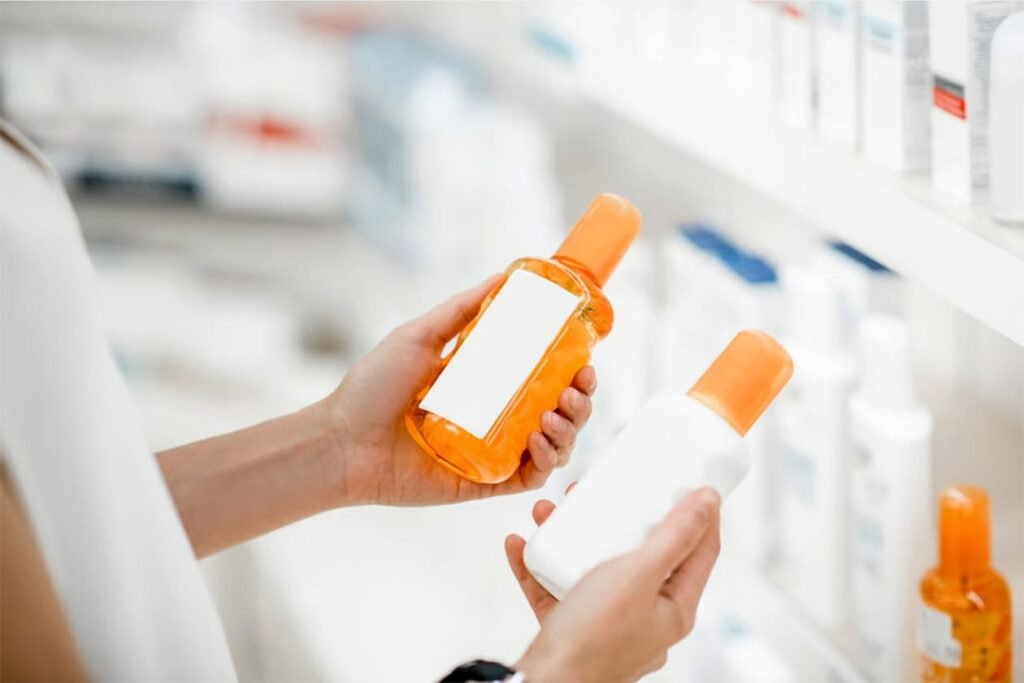
Sunscreen shopping is confusing: mineral vs. chemical, SPF vs. PA/UVA, water resistance, “reef friendly”—and prices all over the map. Most regretful buys happen for two simple reasons: you chose the wrong texture for your skin/climate, or the UVA protection wasn’t strong enough for your real life (commute, outdoor sports, beach). Fix those two variables and sunscreen becomes easy to wear—and easy to reapply.
Choosing “the best” sunscreen isn’t only about SPF and feel—it’s about building a filter system and package that passes in your target markets. We formulate to hit high UVA protection (e.g., PA grades/UVAPF targets or the regional UVA logo requirement) and can design for water resistance (40/80 min) where needed for sport/beach claims. Whether you sell in the EU/US/ANZ/Asia, we translate your customer’s texture and finish preferences into manufacturable, testable formulas that meet local labeling rules and retailer QA.
Table 1 — UV filter & finish at a glance
| Filter family | Typical feel | White cast risk | Notes |
|---|---|---|---|
| Mineral (ZnO/TiO₂) | Creamy, cushioned | Medium–High (tinted helps) | Great for sensitive/rosacea; instant protection |
| Modern organics (e.g., Tinosorb S/M, Uvinul A Plus/ T 150*) | Lightweight, elegant | Low | High UVA/UVB efficiency; widely used in EU/AU |
| Legacy organics (e.g., avobenzone, octocrylene) | Light–medium | Low | Solid protection; stabilize well-formulated systems |
What Is The Best Sunscreen For Face
Choose broad-spectrum SPF 50 for daily face protection with high UVA rating (PA++++/UVA logo). Match texture to skin type: gel or fluid for oily/combination; lotion or cream for dry/sensitive; tinted mineral if you’re redness-prone or want makeup-friendly coverage. Apply ½ teaspoon to face/neck, let set 5–10 minutes, and reapply outdoors every 2 hours.
Finish & feel: If makeup pills, pick low-polymer fluids or silicone-gel hybrids; let sunscreen dry before foundation.
UVA really matters: UVA drives pigmentation and photo-aging; look for PA++++ or a UVA circle mark (region-dependent).
Tinted options: Iron oxides help block visible light that can deepen hyperpigmentation and melasma.
Fragrance stance: Fragrance-free is safer around eyes; if you enjoy scent, keep it subtle and avoid irritated days.
Daily desk life vs. outdoors: Indoor desk work needs consistent morning application; outdoor days need volume + reapplication.
Pro tip: Keep a stick or cushion compact in your bag for on-the-go top-ups over makeup.
What Is The Best Sunscreen For Lips
Use a stick/balm SPF 30+ with UV filters safe for lips (often mineral or modern organic). Reapply every 2 hours outdoors and after eating/drinking. For cold, windy, or high-altitude trips, choose occlusive balms (beeswax, shea) with SPF. If you wear lipstick, layer SPF balm under or use SPF lip color for one-step protection.
Why lips need extra care: Lip skin is thin, burns easily, and shows aging/texture quickly.
Finish choices: Clear balms for daily; tinted balms add color payoff; matte sticks pair well with lip liners.
Irritation watchouts: Minty/tingly flavors can sting chapped lips—skip when cracked.
Reapplication tactics: Pocketable twist-up sticks beat jars; keep one at desk, bag, and car.
Cold/altitude trips: Look for water-resistant labels and waxy textures to resist wind-chap.
Pro tip: Outline just beyond the vermilion border for better coverage on sun-exposed edges.
What Is The Best Sunscreen For Body
Pick a broad-spectrum SPF 50 body lotion or spray you’ll use generously. For beach or sports, choose water-resistant (40/80 min). Creams and milks suit dry skin; clear sprays/gels suit humid heat (rub them in). Use a full shot-glass (30–35 ml) per adult application and reapply every 2 hours or after toweling.
Texture by climate: Hot/humid → fast-dry gels or clear sprays; cold/dry → milks/creams with emollients.
Spray smart: Spray close to skin, then rub, and avoid inhalation; sprays are about technique and volume.
Sand, salt, sweat: Water-resistance plus film-formers help protection survive the day; still reapply after towel-off.
Family sharing: Pumps with large nozzles reduce “under-dosing” for kids and partners.
Pro tip: Mark a “sunscreen line” on the bottle to teach correct daily usage to teams or family.
Table 2 — How much to use & when to reapply
| Area | Amount (adult) | Everyday city | Beach/sport |
|---|---|---|---|
| Face + neck | ~½ tsp | AM apply; touch-up if outdoors | Reapply every 2 h |
| Both arms | ~1 tbsp | If prolonged sun | 2 h or after toweling |
| Both legs | ~2 tbsp | If prolonged sun | 2 h or after water/sweat |
| Lips | Generous swipe | After meals/drinks | Every 2 h |
| Body total | ~1 shot-glass (30–35 ml) | If extended outdoor | 2 h routine |
What Is The Best Sunscreen For Sensitive Skin
Choose fragrance-free, alcohol-low formulas, ideally mineral (zinc oxide ± titanium dioxide) or very gentle modern organics. Go SPF 30–50, PA++++/high UVA, and avoid essential oils. Test on jawline for 48 hours before daily use. Lotion or cream textures buffer stinging; tinted mineral helps camouflage redness while protecting.
Why mineral shines: Inert pigments reflect/scatter UV and often feel calmer on reactive skin.
Short INCI wins: Fewer potential allergens; prioritize ceramides/panthenol for comfort.
Patch-testing: Two nights on jawline; if calm, move to daily AM use.
Makeup pairing: Choose low-drag creams to avoid micro-tugging on sensitized cheeks.
Pro tip: Keep a barrier spray/mist (no actives) for soothing between reapplications.
What Is The Best Sunscreen For Oily Skin
Use light fluids/gels with soft-matte finish. Look for oil-free, non-comedogenic claims, silica/nylon-12 for shine control, and PA++++/high UVA. Modern organic filters feel lighter than heavy mineral pastes; if you prefer mineral, try tinted, micronized zinc oxide. Apply ½ teaspoon to face/neck and reapply with a powder or stick SPF mid-day.
Finish tweaks: Elastomers can blur pores; powders absorb T-zone shine—avoid over-mattifying cheeks.
Pilling prevention: Keep polymer load modest, especially if you wear primer.
Humidity rule: In muggy weather, gels beat creams for adherence.
Workout life: Water-resistant formulas + headband; cleanse gently post-gym.
Pro tip: Keep a cushion compact SPF for office touch-ups without shine creep.
What Is The Best Sunscreen For Dry Skin
Pick SPF 50 lotions/creams with humectants (glycerin/HA) and emollients (shea, squalane). Fragrance-free, PA++++/high UVA, and non-drying alcohol levels. Consider mineral/tinted if you prefer extra comfort. Layer over a hydrating serum; if air is very dry, add a light occlusive (dimethicone or balm) on hot spots and reapply with a cream stick.
Layering for comfort: Hydrating serum → sunscreen → balm on cheekbones if tight.
Finish matters: Dewy is fine; avoid waxy layers that pill under makeup.
Cold-weather rule: Creamy textures beat watery gels for TEWL control.
Pro tip: Keep a travel-size cream for mid-day reapplication when heaters run.
What Is The Best Sunscreen For Aging Skin
Choose broad-spectrum SPF 50 with very high UVA protection (look for PA++++/UVA logo), a comfortable lotion/cream, and tinted mineral if pigment control is a priority. Pair with antioxidants (vitamin C/ferulic) in the morning. Reapply every 2 hours outdoors and prioritize easy-spread textures so you’ll use enough on neck, chest, and hands daily.
Why UVA focus: UVA drives most photo-aging; higher UVA ratings improve tone and elasticity over time.
Application reality: Neck/chest/hands need the same diligence as face.
Makeup-friendly: Choose low-fragrance, non-drag textures to avoid tugging lines.
Pro tip: Keep a tinted SPF in your bag to even tone and top up UVA protection at once.
What Is The Best Sunscreen For Rosacea
Use tinted mineral SPF 50 (zinc oxide-forward) with PA++++/high UVA to calm look of redness and block visible light. Stay fragrance-free, avoid high menthol/eucalyptol, and test on the jawline. Lotion/cream textures reduce friction. Reapply gently—press, don’t rub—and pair with hats/shade to minimize flushing triggers.
Why tint matters: Iron oxides help filter visible light that can worsen persistent redness and hyperpigmentation.
Barrier helpers: Niacinamide, panthenol, and ceramides improve tolerance.
Trigger control: Heat, spicy food, alcohol, sun; build a personal list.
Pro tip: Keep a cooling gel pack for post-sun calm; apply sunscreen after skin temp normalizes.
What Is The Best Sunscreen For Acne Skin
Choose oil-free gels/fluids with non-comedogenic claims and PA++++/high UVA. If you’re on BPO/retinoids, pick bland, soothing sunscreens (panthenol/β-glucan) and avoid strong fragrance. Modern organic filters feel lighter; if you want mineral, try tinted micronized zinc oxide. Reapply with a powder or stick SPF to avoid pore congestion.
Shine logic: Powders on T-zone only; over-mattifying cheeks can trigger rebound oil.
Compatibility: Test under your acne treatment; watch for pilling with silicone-heavy primers.
Post-breakout marks: High UVA + tint helps prevent PIH darkening.
Pro tip: Keep a clear gel SPF in gym bag; cleanse and reapply post-workout.
What Is The Best Sunscreen For Women
There’s no gendered “best.” Choose broad-spectrum SPF 50 with high UVA, in a texture that fits your routine: tinted mineral for makeup-friendly coverage, fluid gel for hot commutes, water-resistant for outdoor days. Reapply using sticks/cushions/mists over makeup. Prioritize fragrance-free if sensitive and keep one sunscreen per bag to avoid under-dosing.
Makeup pairing: Let SPF set, then apply base; try SPF-tinted as your foundation on busy days.
Life blocks: Kids, commutes, meetings—stash mini sizes in work and gym bags.
Pregnancy/breastfeeding: See dedicated section; many prefer mineral during this period.
Pro tip: Use two-step top-ups: mist SPF for spread, then stick for targeted edges (cheekbones, hairline).
What Is The Best Sunscreen For Men
Pick SPF 50, high-UVA in a non-greasy gel or milk that spreads over facial hair. Sticks help trace hairline, ears, and nose. Choose water-resistant for sports, fragrance-moderate for post-shave comfort, and keep one bottle in the car/gym bag. Reapply every 2 hours outdoors or after sweat/towel.
Beard zones: Use gels/clear sprays; press product through stubble.
Post-shave: Low-alcohol, low-fragrance to avoid sting.
Sport life: Water-resistant labels (40/80 min) plus hat/sunglasses.
Pro tip: Keep a travel stick for ears, neck, and scalp—most-burned male areas.
What Is The Best Sunscreen For Pregnancy
Many expectant users prefer mineral SPF 30–50 (zinc oxide ± titanium dioxide), fragrance-free, with PA++++/high UVA. Tinted mineral helps with melasma-prone pigmentation. Reapply every 2 hours outdoors and combine with hats/shade. If you have questions about specific filters or topical ingredients, consult your healthcare provider for individualized advice.
Comfort first: Gentle, low-scent creams reduce nausea triggers.
Melasma watch: Tinted mineral + hats + sunglasses + shade are your best friends.
Makeup routine: Use tinted SPF as base, then add concealer sparingly.
Pro tip: Keep two textures—a light fluid for errands and a richer cream for long outdoor days.
What Is The Best Sunscreen For Babies
For infants, prioritize shade, clothing, hats, and avoiding midday sun. When sunscreen is needed, choose mineral SPF 30+ (zinc oxide-forward), fragrance-free, and apply to small exposed areas; reapply if outdoors. Ask a pediatric professional about use on babies under 6 months. Use pumps/sticks for easy, mess-free application.
Why mineral: Fewer irritation risks; acts immediately.
Application tricks: Draw a smiley face, then rub in—kids cooperate more.
Reapplication: Every 2 hours outdoors; after water/towel.
Gear: Long-brim hats, UPF clothing, stroller shades.
Pro tip: Keep a clip-on stick on the diaper bag for quick touch-ups.
What Sunscreen Is Best For Tanning
There’s no “safe tan.” If you’re outdoors, choose SPF 50, high-UVA and reapply every 2 hours. To look tanned without UV damage, use self-tanner or tinted body SPF. Pair with hats/shade and avoid peak UV hours. A deeper color from UV is skin damage, so protect first, always.
Color without damage: Self-tanners (DHA/erythrulose) provide tone; layer SPF 50 on top.
Beach routine: Start with cream SPF, then top up with spray (rub in).
After-sun: Use fragrance-free hydrators; watch for peeling.
Pro tip: Keep a timer on your phone for reapplication reminders.
What Is The Best Sunscreen For Tattoos
After a tattoo is fully healed, use broad-spectrum SPF 50 with high UVA to prevent fading. Sticks help trace lines; transparent gels avoid residue on dark ink. Avoid strong fragrance on fresh or recently irritated areas. Reapply every 2 hours outdoors and consider UPF sleeves for long exposure.
Fresh vs. healed: Follow artist’s aftercare; avoid sunscreen on open/healing skin.
Why UVA focus: UVA drives pigment fade; higher ratings keep artwork crisp longer.
Tinted on color work: Helps even skin tone around the piece.
Pro tip: Keep a travel stick solely for tattooed zones to ensure consistent coverage.
Table 3 — Label decoding cheat-sheet
| Label | What it means | Why it matters |
|---|---|---|
| SPF 30/50 | UVB burn protection level | Higher SPF buys buffer for missed spots/under-application |
| PA++++ / UVA logo | High UVA protection (region-dependent marking) | UVA drives aging/pigment; go as high as available |
| Broad-spectrum | Covers UVA + UVB | Minimum requirement for daily wear |
| Water-resistant (40/80 min) | Holds during swim/sweat for listed minutes | Still reapply after toweling/swim |
| Tinted | Includes iron oxides | Helps visible-light-induced pigmentation |
OEM/ODM formulation notes (Compliance & testing for private label)
Filter system options (region-aware menus)
- Mineral: Zinc oxide and/or titanium dioxide; ideal for sensitive, baby, tinted, and “fragrance-free” briefs.
- Modern organic (availability varies by region): High-efficiency UVA/UVB filters for elegant, lightweight textures; we’ll propose region-permitted options for EU/ANZ/Asia and compliant alternatives for US.
- Hybrid: Mineral + organic filters to balance cast, feel, and cost.
- Finish levers: Clear gels, milks, cushion creams, tints (iron oxides for visible-light coverage), soft-matte vs. dewy.
Testing & claims package (tailored per market)
- SPF verification (in-vivo/in-vitro per market guidance) and UVA protection (e.g., UVAPF/PA grade or regional UVA logo criteria).
- Water resistance: 40/80-minute protocols where claimed.
- Stability & compatibility: accelerated/real-time, freeze–thaw, light/heat, pump-through/valve tests, formula–pack interaction.
- Micro & preservative efficacy: PET/challenge tests for leave-on use.
- Labeling support: INCI, usage directions, warning statements, batch trace; optional retailer QA checklists and claim substantiation files.
Packaging & format adaptation
- Formats: lotions, milks, gels, sticks, sprays (non-aerosol/aerosol), balms, cushions; tinted/untinted SKUs.
- Hardware fit: airless pumps, mist/spray actuators, stick molds; viscosity windows defined for clean pump-through.
- Use-case builds: sport (high grip + water-resistant), baby/kids (mineral, low-sensory), makeup-friendly (tinted, low-pilling), scalp/men (clear gels/sprays).
- Ops & QC cadence: lab samples → pilot fill → line trial → production with AQL sampling; retain samples, periodic stability pulls.
Turn this guide into a sunscreen line with Zerun Cosmetic (OEM/ODM)
Ready to build category-leading SPFs? Zerun Cosmetic helps B2B partners move from brief to market-ready:
- Filter systems for multiple regions (mineral, modern organic where allowed), with PA++++/high-UVA targeting
- Textures from ultra-light gels to cushioned creams, tinted/untinted, sticks, sprays, balms
- Water-resistant options, makeup-compatible finishes, and kid-friendly sticks
- Low MOQs from 500 units, fast sampling, packaging (airless pumps, mists, sticks), and labeling support
- Quality & compliance: stability, compatibility, preservative-efficacy, and documentation packs for global retail
Tell us your target audience (oily, sensitive, family, sport), filter preferences, finish, and price tier. We’ll provide two lab samples per use-case plus a packaging shortlist—so you can compare feel, protection level, and cost side-by-side, then green-light production with confidence.
Custom Formulations
Hot Private label Beauty products
Hot ingredients
Salicylic Acid→
Hyaluronic Acid→
Vitamin E→
Ceramides→
Squalane→
Glycolic Acid→
Centella Asiatica Extract→
Custom cosmetic solutions
FAQ Categories
Can't find the answers?
Please rest assured—you are always welcome to contact us. Throughout the entire customization process for your beauty and skincare products, we will be available at any time to answer all your questions.
Make A Sample First?
If you have your own formula, packaging idea, logo artwork, or even just a concept, please share the details of your project requirements, including preferred product type, ingredients, scent, and customization needs. We’re excited to help you bring your personal care product ideas to life through our sample development process.