Skip to content
Biotin Ingredient Custom Cosmetics Manufacturer
Unlock biotin’s role in hair and scalp care. Learn INCI grades, water-phase processing, recommended % use, pH/heat tips, compatible actives, and test methods—so you can design compliant private-label lines with OEM/ODM documentation and sampling, tech packs.
What Is Biotin

Biotin (vitamin B7 / vitamin H) is a water-soluble B-complex vitamin used in cosmetics for hair fiber resilience, scalp comfort. It is typically included at low levels in leave-on and rinse-off systems to support healthy-looking keratin structures.
INCI: Biotin · CAS: 58-85-5 · White crystalline, freely water-soluble, essentially insoluble in oils. (EU CosIng, Wikipedia)
Sources: Produced via microbial fermentation or chemical synthesis; cosmetic grades supplied as powders or aqueous/propylene glycol solutions.
Solubility/Compatibility: Dissolves in water, glycols; add to cool-down to limit degradation. Use chelators/antioxidants as needed.
pH & Processing: Works well in pH ~5.0–6.5 systems; avoid prolonged high heat and strong oxidizers. Pair with film formers, conditioning polymers, and lipid emollients for sensorial balance.
Biotin Benefits: Mechanisms, Results & OEM Formulation
See how biotin contributes to hair fiber strength, scalp comfort—with recommended % use, test methods, and pairing strategies for high-performing private-label products.

Hair Fiber Strength & Breakage Reduction
Mechanism: Supports keratin infrastructure in cosmetic matrices; conditioning systems help reduce friction and mechanical stress during grooming.
Benefits: Less visible breakage and frizz, improved combability and surface smoothness.
Importance: Core claim for anti-breakage shampoos, conditioners, and leave-in serums.
Use level & testing: 0.05–0.2% in rinse-offs; 0.1–0.3% in leave-ons. Test tensile strength (Instron), dry/wet combing force, split-end counts, glossmeter.
Good pairings: Panthenol (1–3%), amino acids, hydrolyzed proteins, silicone/silicone-alt conditioners, quats, plant oils/squalane.
Scalp Comfort & Oil Balance
Mechanism: Water-phase delivery with soothing humectants helps reduce dryness/tight feel; sebum-balancing complexes can normalize scalp appearance.
Benefits: Fresher look, better scalp comfort, improved style longevity.
Importance: Ideal for scalp serums/tonics and lightweight daily shampoos.
Use level & testing: 0.05–0.2%; evaluate Sebumeter, itch/comfort scales, transepidermal water loss (scalp), microbiome-friendly preservation.
Good pairings: Niacinamide (2–4%), zinc PCA (0.3–0.5%), caffeine (0.2–0.5%), allantoin, ectoine, aloe.

Fuller-Look & Density Perception
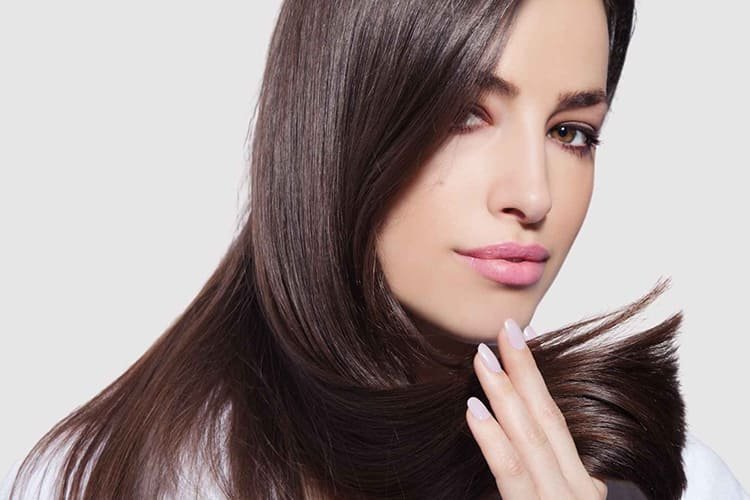
Mechanism: Optical and tactile improvements (smooth fibers, reduced frizz, style retention) enhance perceived fullness.
Benefits: Hair looks denser/more voluminous without heavy waxes; better day-2 appearance.
Importance: Key for thicker-look sprays, volumizing serums, and finishing lotions.
Use level & testing: 0.1–0.3%; evaluate phototrichogram density maps, volume box tests, sensory panels.
Good pairings: Polyquats, starches/silica, light esters, flexible film formers, caffeine/niacinamide.
Best Product Formats for Biotin
Explore how biotin performs across formats—from daily shampoos to targeted serums—to meet varied consumer needs.

Biotin Shampoo

Scalp Serum

Biotin Hair Oil

Biotin Hair Serum

Anti-Breakage Shampoo

Repair Conditioner
Ready to Create Your Biotin Care Line?
Speak with our formulation team and receive a 48-hour proposal detailing biotin grade/solvent system (water/glycol), target % use, base, pH/processing, and co-actives. We deliver private-label hair, scalp with stability, micro, and consumer testing—plus regulatory-ready tech packs.
Biotin Concentration Options | Custom for OEM/ODM
Choose the right biotin pathway for your claims and formats: classic biotin (vitamin B7) for hair fiber conditioning and scalp comfort. We align % levels with pH, base type, solvents (water/glycols), preservation, and pack—and deliver testing dossiers for safe, compliant launches.
1. Concentration Range
Typical levels:
Rinse-offs shampoos/conditioners: 0.05%
Leave-ins and scalp tonics: 0.1–0.3%
Targeted leave-ons: 0.5%


2. Typical Use Levels
| Target Use Case | Biotin Type & % | Best Formats | pH Window | Proof & QA |
|---|---|---|---|---|
| Anti-breakage cleansing | Biotin 0.05–0.2% | shampoo/conditioner | 5.0–6.0 | Wet/dry combing, tensile strength, split-end counts |
| Scalp comfort & balance | Biotin 0.1–0.3% + niacinamide/zinc PCA | water scalp serum/tonic | 5.0–6.2 | Sebumeter, itch/comfort scales, TEWL (scalp), micro compatibility |
| Lash/Brow appearance | Biotin 0.05–0.1% ± biotinoyl peptide 0.002–0.005% | clear film-forming serum | 5.2–6.2 | Photo grading, gloss, curl/hold, breakage simulation |
| Nail brittleness/smoothness | Biotin 0.2–0.5% | anhydrous oil/gel | N/A / 5.0–5.8 | Knoop/Shore hardness, surface profilometry, chip/peel counts |
| Leave-in strength & frizz control | Biotin 0.1–0.3% | cream/spray leave-in | 5.0–6.0 | Glossmeter, frizz retention @ high RH, sensory panel |
*Final percentage depends on target claim, skin type, and regional compliance.
Biotin Formulation & Actives Ingredient Customization
Build formulas around water-soluble biotin (and optional biotinoyl peptides) for hair fiber conditioning/anti-breakage and scalp comfort. Pair with panthenol, amino acids, hydrolyzed proteins, niacinamide, zinc PCA, caffeine, HA, squalane/light esters, and film formers for durable cosmetic benefits.
1. Formulation Systems
2. Ingredient Customization Case

Strength-Boost Shampoo Duo
Benefits: Cleanses gently while reinforcing fibers to reduce breakage, improve wet/dry combability, and enhance gloss.
Actives: Biotin 0.1% + Panthenol 2% + Amino-acid complex 1%; pH 5.4–5.8.

Balanced Scalp Tonic
Benefits: Refreshes and comforts the scalp, reducing excess oil and tight feel while supporting day-2 style longevity.
Actives: Biotin 0.25% + Niacinamide 3% + Zinc PCA 0.5% + Allantoin 0.2%; pH 5.5–6.0.
Lash/Brow Appearance Serum
Benefits: Conditions fibers to enhance gloss, flexible hold, and smoothness, supporting a denser, longer-looking appearance.
Actives: Biotin 0.08% + Biotinoyl tripeptide-1 0.004% + HA 0.2% + Panthenol 0.8%; pH 5.6–6.1.

Frizz-Control Leave-In Cream
Benefits: Delivers lightweight slip to tame frizz and flyaways, improve gloss and manageability, and maintain smoother definition in humidity.
Actives: Biotin 0.2% + Polyquat + Panthenol 1.5% + Light esters 3%; pH 5.2–5.6.

Heat-Protect Blowout Milk
Benefits: Shields hair during heat styling while enhancing slip, shine, and humidity resistance; helps reduce mechanical/thermal breakage.
Actives: Biotin 0.15% + Panthenol 2% + film formers + light esters 2–3%; pH 4.9–5.6.
Biotin Barrier Gel-Cream
Benefits: Lightweight daily hydrator that smooths texture and supports a healthier-looking barrier with a shine-controlled.
Actives: Biotin 0.10% + Niacinamide 2–3% + Panthenol 2% + HA 0.2% + shea esters 2%; pH 5.0–5.5.
Biotin Supplements Global Trends & Regional Analysis
The biotin supplements market is experiencing robust growth, driven by increasing consumer awareness of biotin’s benefits for hair, skin, and nail health. The rising prevalence of nutritional deficiencies and a growing demand for beauty and wellness products further fuel market expansion.
1. Biotin Supplements Global Trends
Global Biotin Supplement Market is expected to be worth around USD 1,887.0 Million by 2034, up from USD 797.1 Million in 2024, and grow at a CAGR of 5.8% from 2025 to 2034.


Hair-care applications lead
In 2024, Hair-Care held a dominant market position in the By Application segment of the Biotin Supplement Market, with a 43.3% share. This strong market presence is largely driven by the growing consumer awareness of biotin’s benefits for promoting healthy hair growth and preventing hair thinning. Biotin is commonly marketed as an essential nutrient for individuals looking to improve the strength, texture, and overall health of their hair, making it a key ingredient in a wide variety of hair-care supplements.
The demand for hair-care biotin supplements has been particularly influenced by an increase in the number of consumers experiencing hair loss or seeking solutions to maintain healthy hair as they age. Biotin’s proven role in supporting the production of keratin, a protein vital for hair strength and growth, positions it as a go-to supplement for addressing common hair-related concerns.
2. Biotin Supplements Regional Analysis
In 2024, the Biotin Supplement Market shows significant regional variation, with Asia-Pacific dominating the global market, holding a 37.8% share, valued at USD 294.9 million. This region’s strong market position is driven by increasing consumer awareness of health and wellness, coupled with the growing popularity of beauty supplements, particularly for hair and skin care. The rising disposable income, rapid urbanization, and expanding middle-class population in countries like China and India further fuel demand for biotin supplements.
North America follows closely, contributing a substantial share of the market. The United States remains a key player due to high consumer awareness and strong demand for supplements targeting hair, skin, and nails, with an increasing number of consumers opting for preventive health measures. Europe also holds a significant portion of the market, driven by health-conscious consumers and a rising trend of natural and vegan products.

More Biotin product customization instructions and FAQs
Q: What hair/skin types is Biotin suitable for?
A: Biotin is broadly compatible with all hair types (fine, brittle, chemically treated, curly/coily) and most scalps, including sensitive when fragrance is minimized. For oily scalps, use water-light tonics; for dry/damaged lengths, opt for richer leave-ins or masks. It’s also suitable for lash/brow and nail care in low-dose leave-on formats.
Q: Can Biotin be used together with other actives in a single formula?
A: Yes. Biotin pairs well with panthenol, amino acids/proteins, niacinamide (2–4%), zinc PCA (0.3–0.5%), caffeine (0.2–0.5%), hyaluronic acid, and light esters/squalane. For lash/brow, combine with film formers and optional biotinoyl tripeptide-1 (0.002–0.005%). Always validate preservative efficacy and package compatibility.
Q: What’s the difference between 0.05%, 0.1–0.3%, and 0.5% Biotin concentrations?
A:
- 0.05%: Ideal for rinse-offs (shampoos/conditioners) focused on combability and slip.
- 0.1–0.3%: Sweet spot for leave-ins and scalp tonics targeting anti-breakage feel and scalp comfort.
- 0.5%: Upper cosmetic range for nail oils/gels or targeted leave-ons; above this is usually unnecessary. (Peptide derivatives run much lower: 0.002–0.01%.)
Q: Will Biotin irritate the scalp or eye area (lash/brow serums)?
A: At cosmetic doses, biotin is generally well tolerated. For scalps, avoid harsh solvents and keep pH ~5.0–6.2. For eye-area serums, choose ophthalmologist-friendly preservatives, avoid potential sensitizers, and conduct HRIPT/tolerance testing. Patch testing is recommended for sensitive users.
Q: How long does it take to see visible results with Biotin?
A: Expect combability/frizz improvements after 1–3 washes in rinse-offs; scalp comfort gains within 1–2 weeks; lash/brow conditioning and glossy look over 4–8 weeks. Results are cosmetic/appearance-based—avoid implying medical growth outcomes.
Launch Your Custom Cosmetics Line Now!