Skip to content
Coenzyme Q10 Ingredient Custom Cosmetics Manufacturer
Power Coenzyme Q10 (ubiquinone) for antioxidant defense, photoaging protection, firmness, and barrier comfort.
See 0.05–1% use levels, nanoemulsion/liposome/cyclodextrin delivery, oil-phase tips, compatible co-actives, UV-barrier packaging, MOQ, and private-label OEM/ODM solutions.
What Is Coenzyme Q10

Coenzyme Q10 (CoQ10/ubiquinone) is a lipid-soluble antioxidant central to mitochondrial energy generation. In skincare, it helps defend lipids from peroxidation, soften fine lines, and support a resilient barrier—ideal for daily photoaging defense across oils, serums, and creams.
INCI: Ubiquinone (Coenzyme Q10) · CAS: 303-98-0 · orange-yellow crystalline powder; oil-soluble, virtually insoluble in water. (EC, Wikipedia, CIR)
Source: Predominantly bio-fermentation + purification; topical formats use pure CoQ10 or encapsulated versions (e.g., liposome, nanoemulsion, cyclodextrin).
Solubility & Phase: Best in oils/emulsions (e.g., squalane, esters, triglycerides). For water-light textures, use encapsulation to disperse CoQ10 in aqueous phases.
pH & Processing: pH is not the key driver (oil-phase active). Focus on oxygen/UV/heat control; add < 50°C, nitrogen flush where possible; store in UV-safe, airless packaging.
Coenzyme Q10 Benefits: Mechanisms, Results & OEM
CoQ10 delivers broad antioxidant protection, photoaging defense, and visible firmness support while remaining gentle and stable in oil-rich systems. With modern delivery systems it suits serums, eye creams, and day moisturizers, and pairs cleanly with vitamin E, squalane, peptides, and niacinamide.
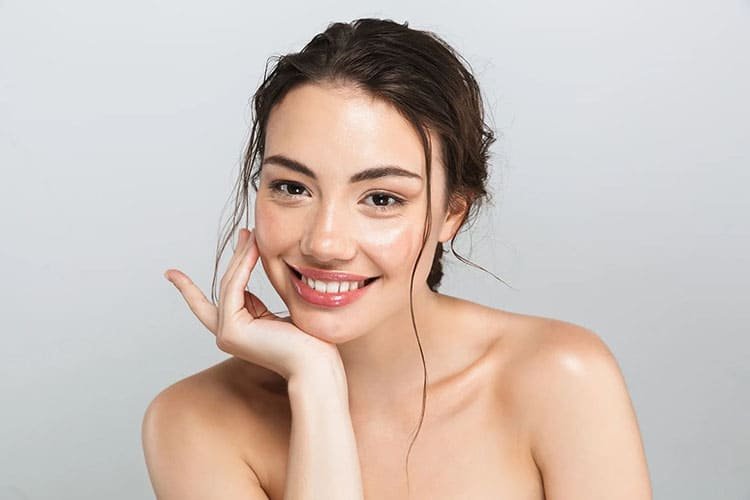
Antioxidant & Lipid Shield
Mechanism: Scavenges ROS and limits lipid peroxidation in sebum/stratum corneum; helps recycle tocopherol in membranes.
Benefits: Smoother feel, reduced dullness, and a more resilient moisture film against environmental stress.
Importance: Core daytime defense claim for urban/UV-exposed skin in modern routines.
Use level & testing: 0.1–0.5% CoQ10 (oil serums/emulsions); validate with DPPH/ORAC, MDA/4-HNE lipid peroxidation markers, controlled ROS models.
Good pairings: Vitamin E (0.2–1%) + ferulic acid (~0.3–0.5%), squalane, green-tea polyphenols.
Fine Lines & Elasticity
Mechanism: Limits oxidative MMP triggers and supports ECM homeostasis, aiding elasticity under daily stress.
Benefits: Softer fine lines, improved spring and skin bounce feel.
Importance: Offers age-defense positioning without retinoid-type irritation.
Use level & testing: 0.2–0.8% (eye/face creams); measure Cutometer (R2/R7), PRIMOS 3D roughness (Ra/Rz).
Good pairings: Peptides (palmitoyl tripeptide-1/7), ceramides, hyaluronic acid, panthenol.
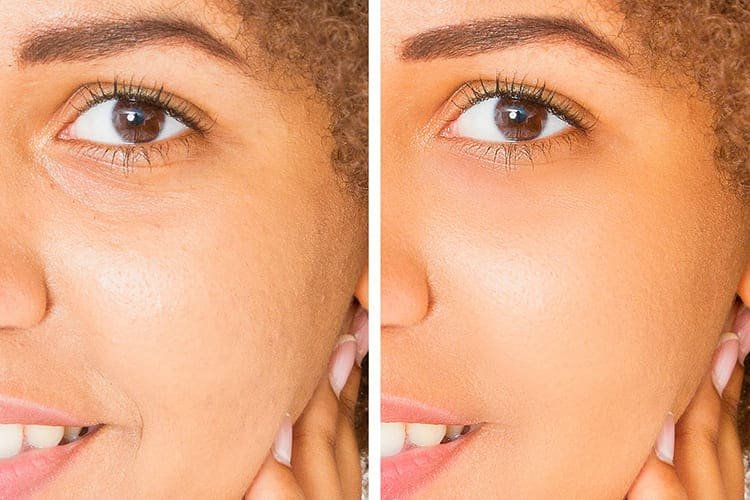

Photoaging Defense & Mitochondrial Support
Mechanism: Supports mitochondrial electron transport, helping skin cope with UV-induced oxidative load and matrix stress.
Benefits: Helps reduce photoaging triggers, supporting a firmer, brighter look over time.
Importance: A science-credible story for SPF-adjacent, non-SPF day products.
Use level & testing: 0.2–0.5% in day lotions; assess erythema/ROS models, photostress imaging, antioxidant capacity assays.
Good pairings: Film formers for wear, niacinamide (2–5%), low-level ferulic, resveratrol.
Barrier Comfort & Redness Support
Mechanism: Antioxidant action helps reduce oxidative amplifiers of discomfort; oil-phase delivery fortifies the lipid matrix.
Benefits: Calmer look, comforted feel, and better tolerance in daily wear.
Importance: Enables sensitive-friendly narratives when formulated fragrance-light and alcohol-free.
Use level & testing: 0.1–0.5% in gel-creams/emulsions; track TEWL, redness index (a*), self-perceived comfort panels.
Good pairings: Squalane, bisabolol, centella, cholesterol/FA/ceramide blends.
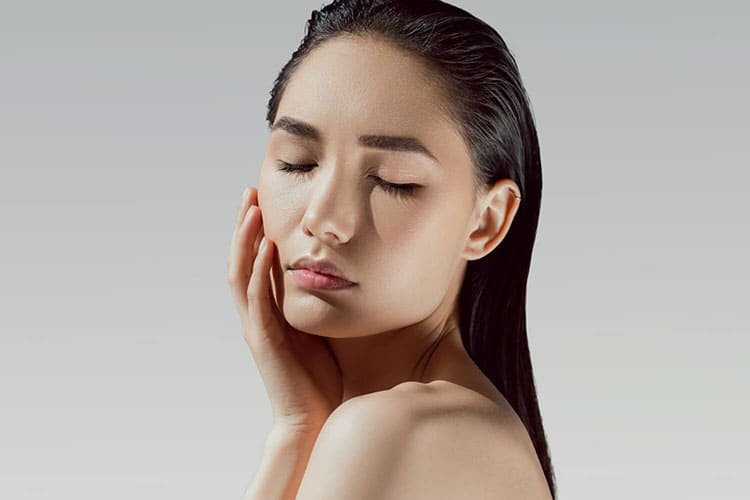

Radiance & Tone Evenness
Mechanism: Reduces oxidative dullness and supports surface light reflectance via better lipid order and smoothness.
Benefits: Brighter, more luminous appearance and improved makeup laydown.
Importance: Delivers quick sensory wins while building longer-term benefits.
Use level & testing: 0.1–0.3% in light oils/serums; assess ΔL* colorimetry, gloss/illumination imaging, makeup adherence scoring.
Good pairings: Niacinamide (2–5%), silicone elastomers (immediate blur), gentle AHAs at low %.
Best Product Formats for Coenzyme Q10
CoQ10 formulates beautifully in oil-rich systems and modern encapsulated serums—from daily defense moisturizers to eye creams—for elegant textures and dependable performance.

Brightening Serum

Anti Wrinkle Cream
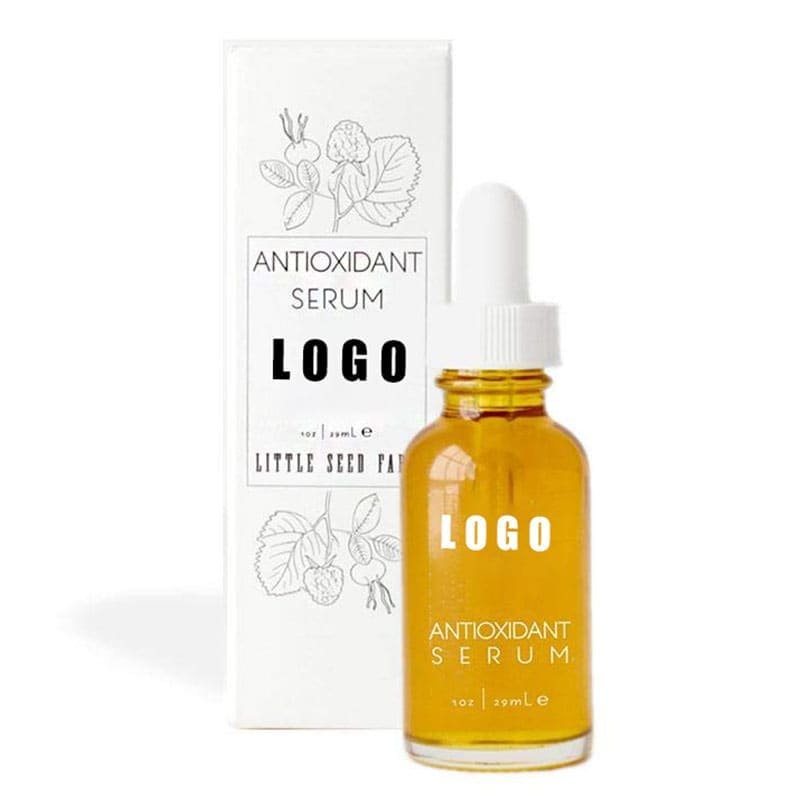
Antioxidant Serum

Firming Eye Cream

Barrier Repair Moisturizer

Lift Mask
Ready to Create Your CoQ10 Product Line?
Share your target market, claims, texture, and cost bands—our chemists will return a percentage, base, and co-actives proposal within 48 hours. We optimize delivery systems, sensory, and packaging for scale-up. Start with a free sample or formulation consultation.
Coenzyme Q10 Concentration Options | Custom for OEM/ODM
Choose the right ubiquinone (CoQ10) pathway for your claims and textures: classic oil-phase CoQ10 for day defense and elasticity, or encapsulated CoQ10 for water-light essences. We align % levels with base type, solvents, oxygen/UV control, preservation, and packaging, and deliver full testing dossiers for compliant launches.
1. Concentration Range
Typical levels:
Eye creams/eye gels: 0.05–0.2%
Day lotions/gel-creams: 0.1–0.5%
Night oils/balms: 0.2–1.0%
Encapsulated, water-light essences: 0.05–0.2%


2. Typical Use Levels
| Target Use Case | CoQ10 Type & % | Best Formats | pH Window | Proof & QA |
|---|---|---|---|---|
| Day antioxidant defense | CoQ10 0.1–0.3% + tocopherol 0.2–0.5% | emulsion/gel-cream | 5.0–6.0 | ORAC/DPPH, erythema under photostress, sensory panel |
| Eye-area fine lines | CoQ10 0.05–0.2% + peptides 0.005–0.02% | rich cream/gel-cream | 5.2–6.2 | Cutometer (R2/R7), PRIMOS 3D, ophthalmologist tolerance |
| Overnight recovery oil | CoQ10 0.2–0.8% in squalane/esters | anhydrous oil | N/A | MDA/4-HNE lipid peroxidation, glossmeter, AM feel survey |
| Water-light radiance essence | Encap. CoQ10 0.05–0.15% + niacinamide 2–4% | water gel/essence | 5.0–6.0 | ΔL* colorimetry, illumination imaging, pilling test |
| Sensitive-skin barrier gel-cream | CoQ10 0.1–0.3% + ceramides/panthenol | emulsion | 5.0–5.8 | TEWL, redness a* index, HRIPT/micro compatibility |
*Final percentage depends on target claim, skin type, and regional compliance.
Coenzyme Q10 Formulation & Actives Ingredient Customization
Build formulas around oil-soluble CoQ10 for photoaging defense, elasticity, and barrier comfort. Pair with vitamin E, squalane/light esters, niacinamide, peptides, ceramides, resveratrol/ferulic, and modern film formers for durable, cosmetic benefits. Control oxygen/UV/heat and use UV-barrier, airless packs.
1. Formulation Systems
2. Ingredient Customization Case
Urban-Day Defense Lotion
Benefits: Daily antioxidant shield that resists urban photostress, keeps shine controlled, improves bounce, and layers cleanly under makeup.
Actives: CoQ10 0.25% + Vitamin E 0.3% + Niacinamide 3% + light film former; pH 5.4–5.8.

Firming Eye Cream
Benefits: Targets fine lines and crepiness, boosts elasticity, smooths concealer laydown, and maintains comfortable hydration without milia-prone heaviness.
Actives: CoQ10 0.12% + Palmitoyl tripeptide-1/7 0.015% + Ceramide complex + Panthenol 1%; pH 5.6–6.0.
Overnight Recovery Oil
Benefits: Anhydrous lipid shield that softens texture, improves radiance by morning, and cushions skin from overnight oxidative and dehydration stress.
Actives: CoQ10 0.5% in Squalane/esters + Ferulic 0.3%; pH N/A.
Radiance Essence
Benefits: Featherweight essence delivering quick luminosity, non-tacky finish, minimal pilling with sunscreen, and improved makeup grip throughout day.
Actives: Encap. CoQ10 0.1% + Niacinamide 3% + HA 0.2% + low-tack film former; pH 5.2–5.8.
Barrier-Comfort Gel-Cream
Benefits: Cushiony gel-cream that reduces visible redness, lowers TEWL, restores softness, and keeps oily zones balanced without clogging.
Actives: CoQ10 0.2% + Ceramides/Cholesterol/FA + Panthenol 2% + Shea esters 2%; pH 5.0–5.5.
Humidity-Resilient Day Lotion
Benefits: Light day lotion with sweat-resilient wear, antioxidant support, humidity-safe film, and shine control that preserves makeup in climates.
Actives: CoQ10 0.2% + Vitamin E 0.25% + film former + lightweight elastomers; pH 5.3–5.7.
Coenzyme Q10 Global Trends & Regional Analysis
CoQ10 is recognized for its critical role in maintaining cellular energy levels and has a variety of health implications, including its function as an antioxidant. Due to its health benefits, CoQ10 is widely used as a dietary supplement and is also used in the pharmaceutical industry for the management of various conditions such as heart failure, diabetes, cancer, and muscular dystrophy.
1. Coenzyme Q10 Global Trends
The global Coenzyme Q10 Market size is expected to be worth around USD 1760.4 Million by 2033, from USD 697.5 Million in 2023, growing at a CAGR of 9.7% during the forecast period from 2023 to 2033.


Coenzyme Q10 Application Insights
In 2023, Dietary Supplements held a dominant market position, capturing more than a 62.3% share. In cosmetics, it is valued for its anti-aging and skin-rejuvenating properties. The “Others” category encompasses diverse applications of coenzyme Q10, including food fortification, animal nutrition, and research purposes.
The dominance of Dietary Supplements in the coenzyme Q10 market underscores the widespread use of coenzyme Q10 as a nutritional supplement, while the presence of Pharmaceuticals, Cosmetics, and Others highlights its versatility and application across various industries and consumer needs.
2. Coenzyme Q10 Regional Analysis
North America is known to be the top market in the world for Coenzyme Q10 supplements.
In 2023, North America held 40.4% of the global Coenzyme Q10 supplement market. This is because many people in North America, especially in the U.S., have pets, which creates a big demand for pet-related products like supplements.
North America also has a lot of veterinarians and pet healthcare facilities. This means that there are many places where people can get advice about what supplements might be good for their pets. Companies that make Coenzyme Q10 supplements for pets in North America spend a lot of time and money on research and development to make sure their products are high-quality and effective.

More Coenzyme Q10 product customization instructions and FAQs
Q: What skin types is Coenzyme Q10 suitable for?
A: CoQ10 is well-tolerated across dry, normal, combination, oily, sensitive, and mature skin. As a lipid-soluble antioxidant, it comforts the barrier without sting, making it ideal for day defense and eye-area formulas. We tune textures (squalane oils vs gel-creams) to each skin type in OEM/ODM briefs.
Q: What concentration and format should I choose?
A: Typical cosmetic use: 0.05–0.2% (eye), 0.1–0.5% (day lotions/gel-creams), up to 1% (anhydrous oils/balms). CoQ10 is oil-soluble; for water-light essences, use nanoemulsion/liposome/cyclodextrin encapsulation. pH isn’t the driver—control oxygen/UV/heat and add <50 °C during manufacturing.
Q: How long until I see visible results?
A: Many users notice comfort/radiance in 2–4 weeks; elasticity/fine-line improvements often show by 6–8 weeks with daily use. Results depend on format and routine (AM antioxidants + SPF; PM recovery). We offer Cutometer/PRIMOS and ORAC/photostress testing options in OEM projects.
Q: Will CoQ10 feel greasy or clog pores?
A: Not when engineered correctly. We use squalane, light esters, and low-tack film formers for a clean finish, or encapsulation for water-light essences. For acne-prone markets, we validate non-comedogenic textures, shine control, and 8-hour makeup wear during development.
Q: What packaging do you recommend for CoQ10 products?
A: UV-safe airless (soft-touch tubes, pumps) or amber glass droppers for oils. We minimize headspace, consider nitrogen blanketing, and confirm pump torque, suck-back, drop tests, and EVAP loss. Labels can note antioxidant care and photoaging defense claims consistent with target markets.
Launch Your Custom Cosmetics Line Now!