Skip to content
Kojic Acid Ingredient Custom Cosmetics Manufacturer
Discover kojic acid’s proven tyrosinase-inhibiting power for dark spots, tone evenness, and radiance with low sting. See use levels (0.5–2%), pH (≈4.8–5.6), chelator/antioxidant stabilization, compatible actives, and packaging/QA plans for fast, compliant private-label/OEM launches.
What Is Kojic Acid
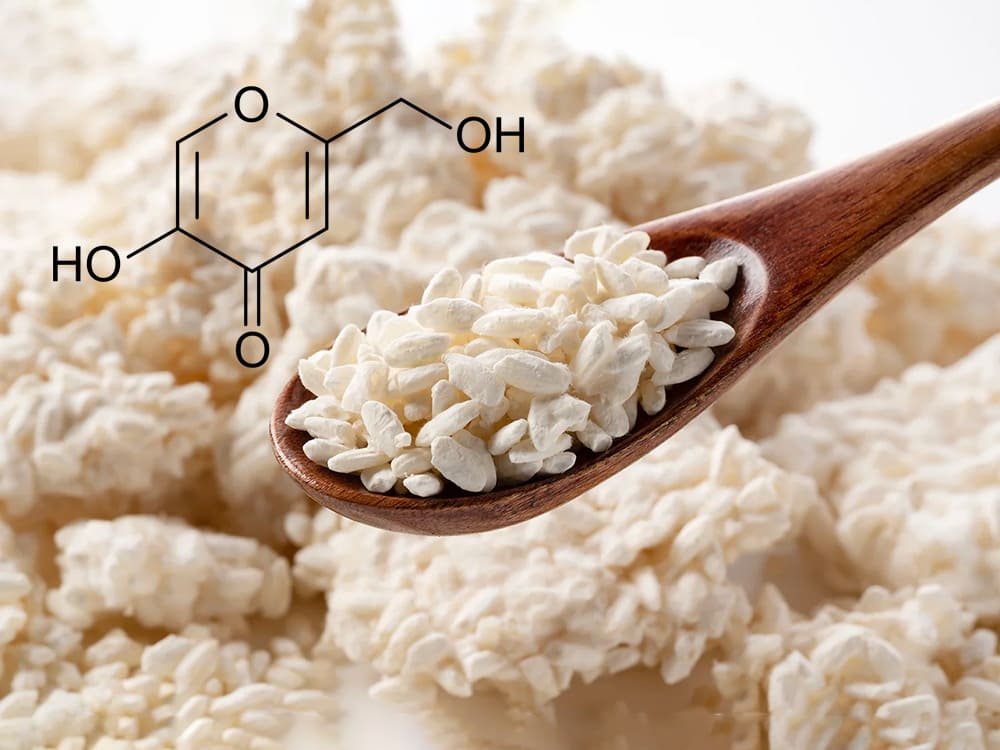
Kojic acid is a water-soluble melanogenesis inhibitor produced via fermentation (e.g., Aspergillus oryzae). It chelates the copper at tyrosinase’s active site and down-modulates upstream steps, helping reduce hyperpigmentation with a non-exfoliating, sensitive-skin-friendly profile when properly stabilized and buffered.
INCI: Kojic Acid · CAS: 501-30-4 · off-white crystals; water-soluble; light/heat/metal-ion sensitive; may brown without antioxidants/chelators. (Public Health, Wikipedia)
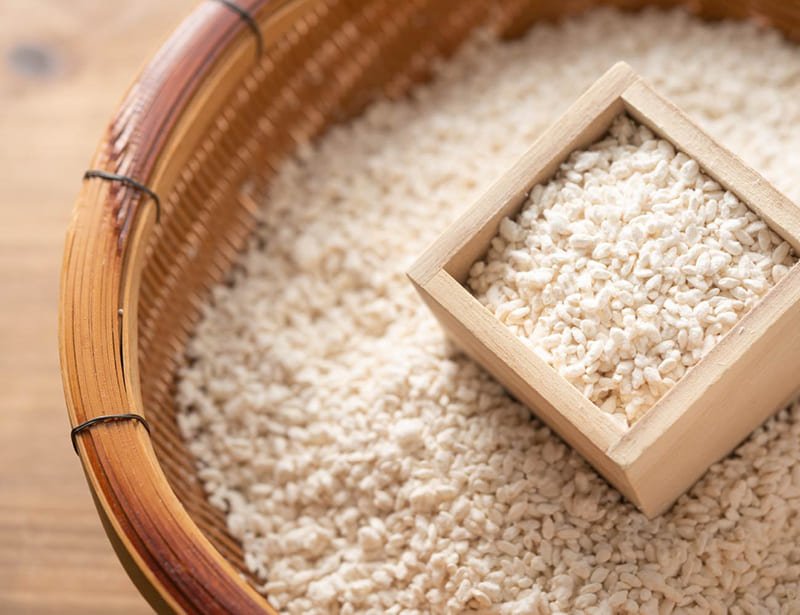
Source: Microbial fermentation from carbohydrate substrates (rice/sugar). Cosmetic grades standardized for purity/low color.
Water Solubility: Freely soluble in water/alcohol-water; often pre-dissolved, then added cool to minimize discoloration.
pH Flexibility: Best performance/stability at ≈4.8–5.6 in leave-ons; avoid alkaline drift. Use EDTA/GLDA, sodium metabisulfite/ascorbate, opaque or amber packs.
Kojic Acid Benefits: Mechanisms, Results & OEM Formulation
See how kojic acid delivers targeted spot fading, global brightening, and post-blemish mark care—plus recommended %, pH, stabilization, and testing to de-risk private-label development.
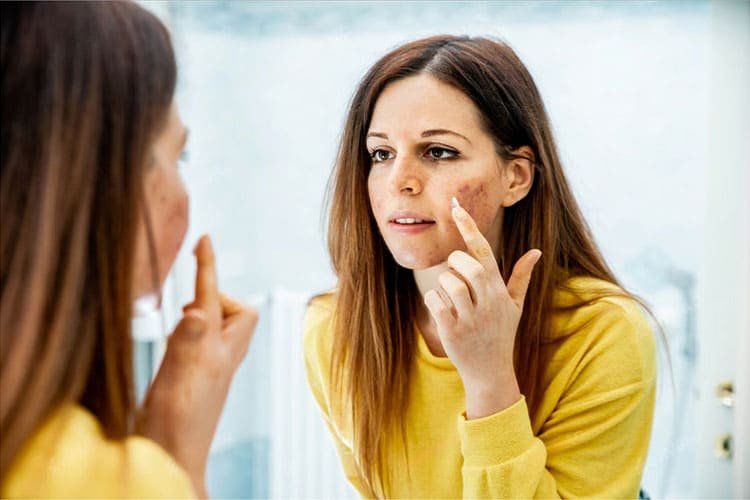
Tyrosinase Inhibition & Melanin Pathway Control
Mechanism: Chelates Cu²⁺ at tyrosinase, reducing L-DOPA oxidation and downstream melanin synthesis.
Benefits: Progressive reduction of excess pigmentation with minimal exfoliation-related sting.
Importance: Fits sensitive users and non-acid brightening claims.
Use level & testing: 0.5–2% KA @ pH 4.8–5.6 (leave-on); KAD 1–3% (oil phase). Track ΔL/ITA°, melanin index (Mexameter)* over 4–8 weeks.
Good pairings: Niacinamide, TXA, AA derivatives, arbutin, licorice; strict daily SPF.
Dark Spot Targeting & Uneven Tone
Mechanism: Local inhibition of melanogenesis in hyperactive sites; supports even dispersion of melanosomes.
Benefits: Noticeable spot fade and improved overall uniformity.
Importance: Core for spot serums/ampoules in multi-active systems.
Use level & testing: KA 1–2% with spot applicators; evaluate lesion colorimetry, image segmentation, and consumer spot-fade scores at 4/8/12 weeks.
Good pairings: TXA 2–3%, alpha-arbutin 1–2%, bisabolol to temper reactivity.
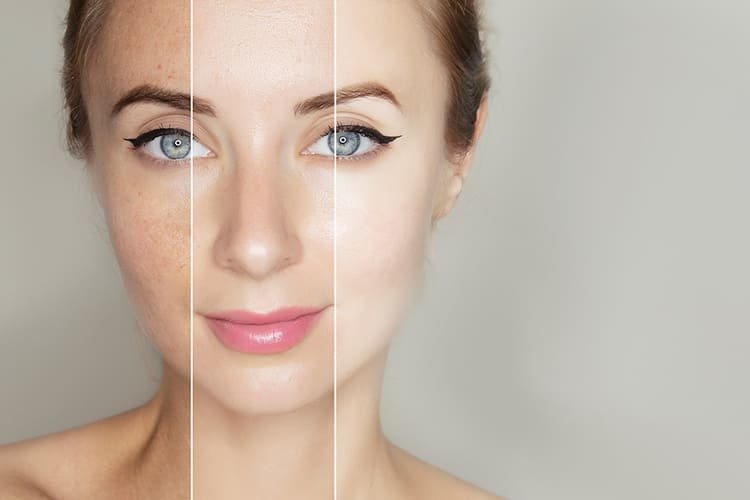
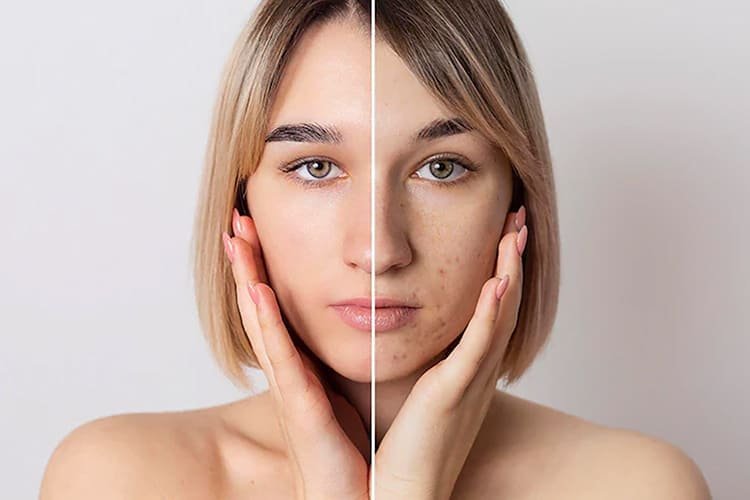
Post-Inflammatory Hyperpigmentation (PIH) Care
Mechanism: Down-modulates melanogenesis triggered after inflammation without lowering stratum-corneum integrity.
Benefits: Supports clearer look after breakouts or procedures, with lower risk of peeling discomfort.
Importance: Complements acne-care lines seeking even-tone claims.
Use level & testing: KA 0.8–1.5% in light gels; monitor ΔL/Δa**, tolerance diaries, and no-peel comfort metrics.
Good pairings: Niacinamide 3–5%, PHA (low), panthenol, allantoin.
Global Brightening & Radiance
Mechanism: Reduced melanin synthesis plus supportive antioxidants improve light reflectance and tone clarity.
Benefits: Fresher look and luminous finish in daily wear.
Importance: Suits all-over serums/gel-creams for long-term maintenance.
Use level & testing: KA 0.5–1% for daily maintenance; assess gloss/illumination imaging, colorimetry, and pilling under SPF/makeup.
Good pairings: Vitamin C derivatives, ferulic/tocopherol, ectoine.

Best Product Formats for Kojic Acid
Explore how kojic acid powers formulas—from precision spot serums to daily gel-creams—balancing targeted fade, global brightening, and sensitive-skin comfort with smart pH and antioxidant/chelator stabilization.
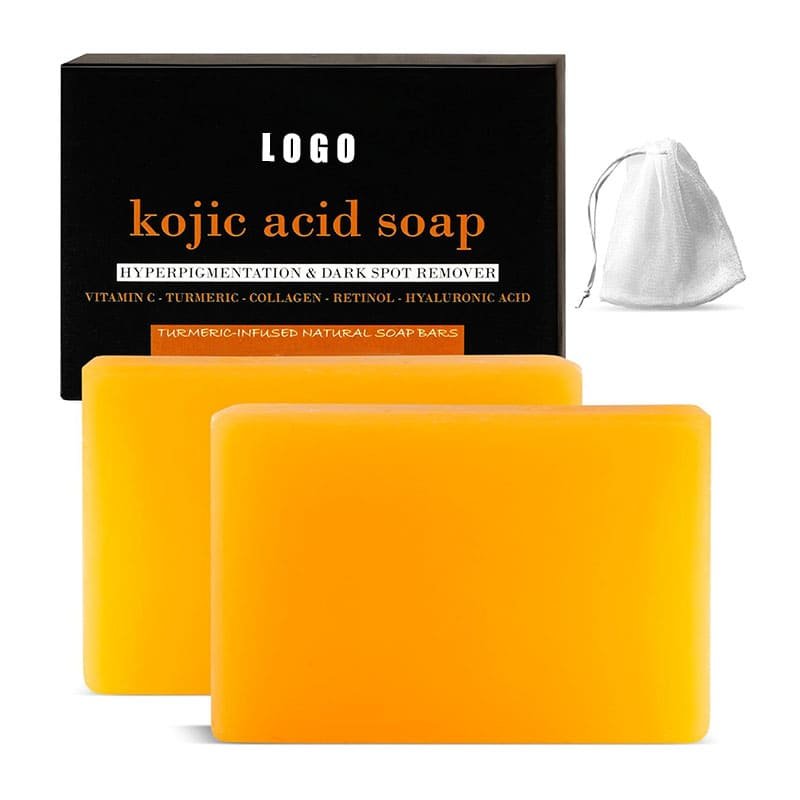
Kojic Acid Soap
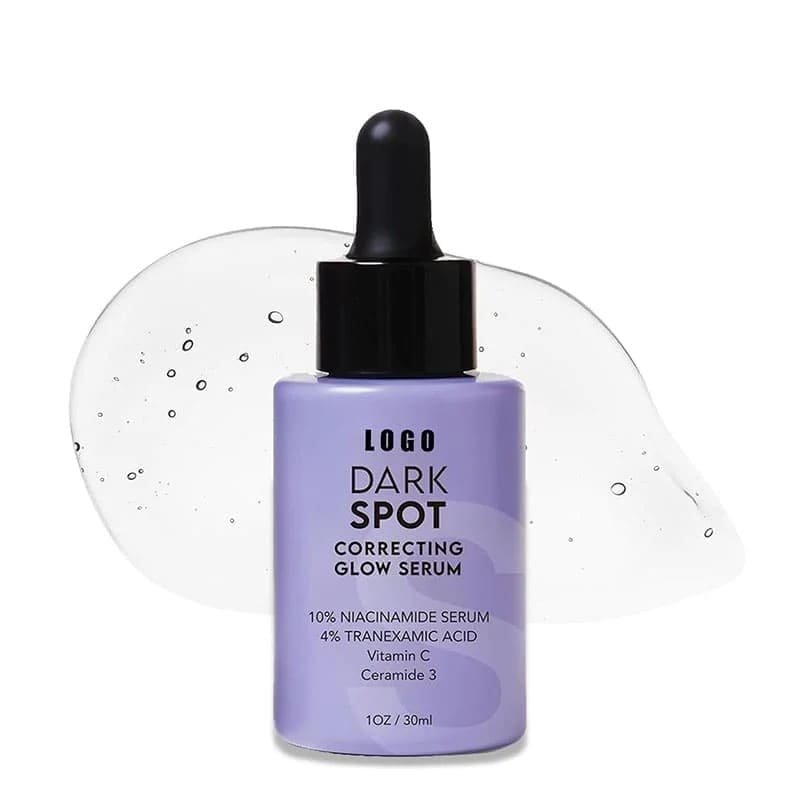
Dark Spot Correcting Glow Serum
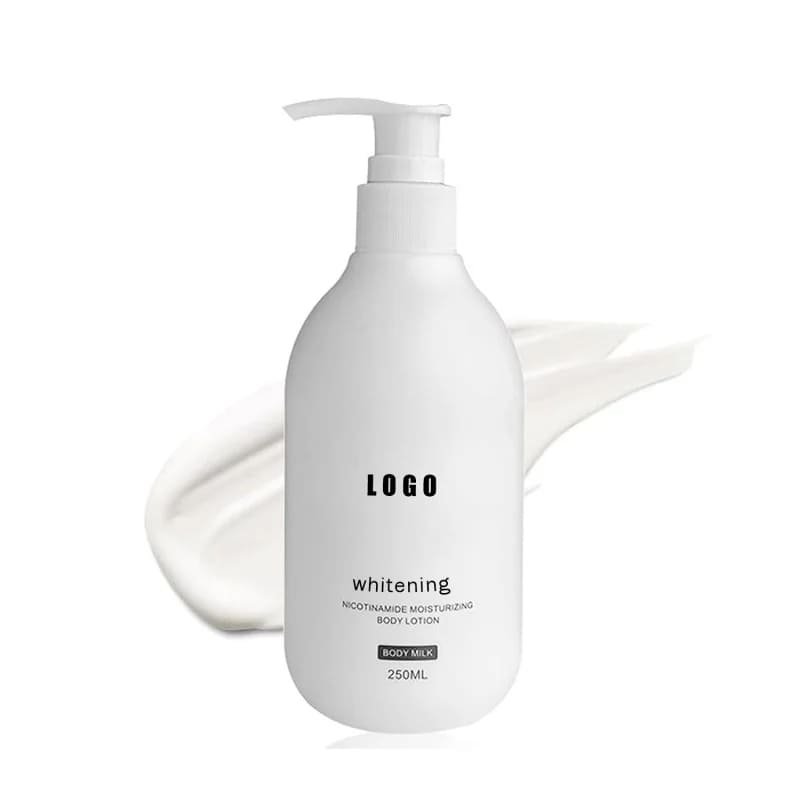
Whitening Body Lotion
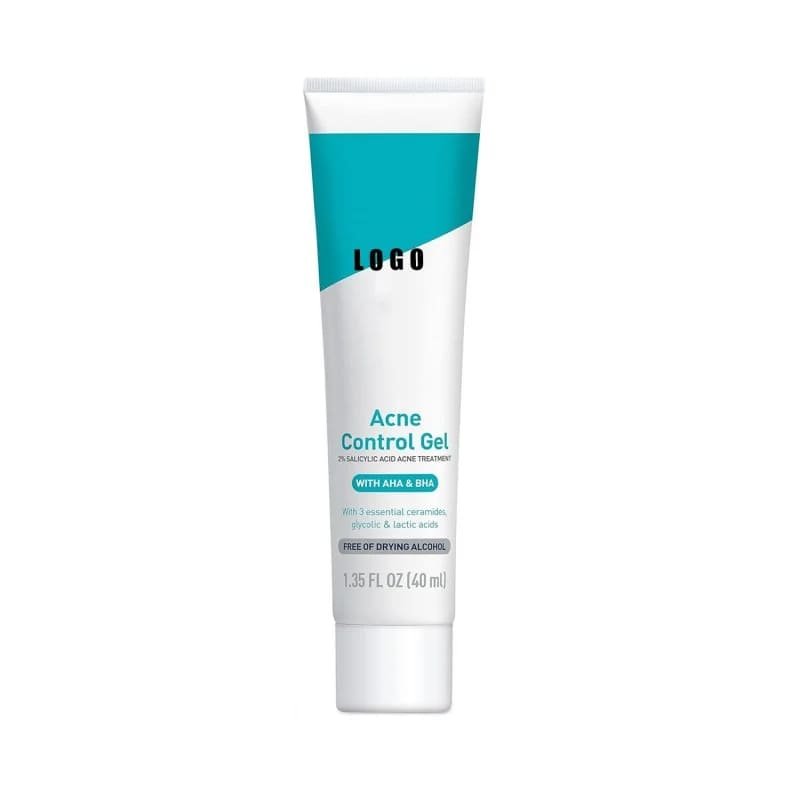
Acne Gel
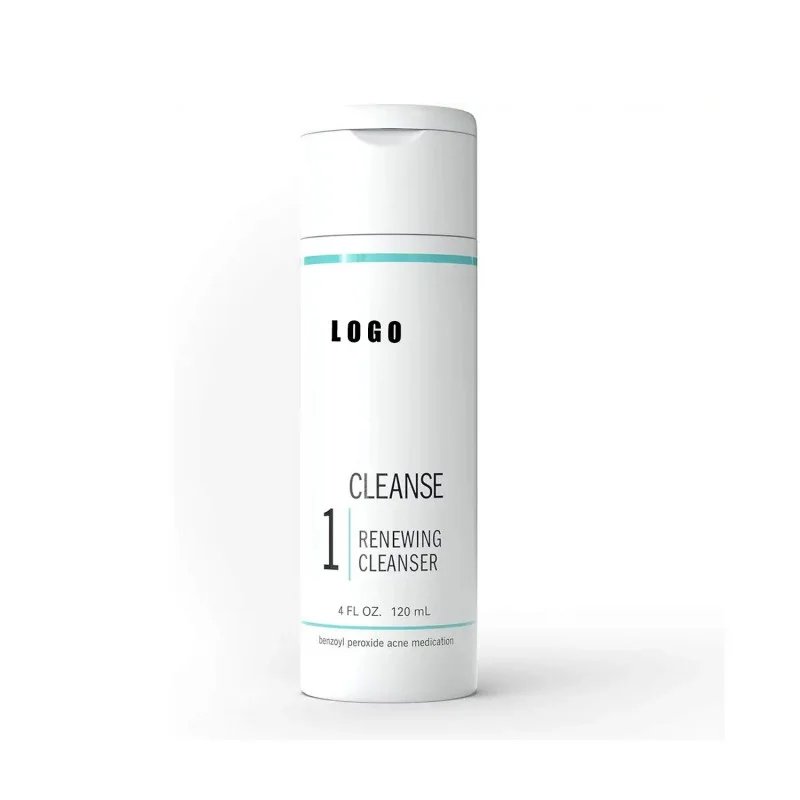
Acne Cleanser
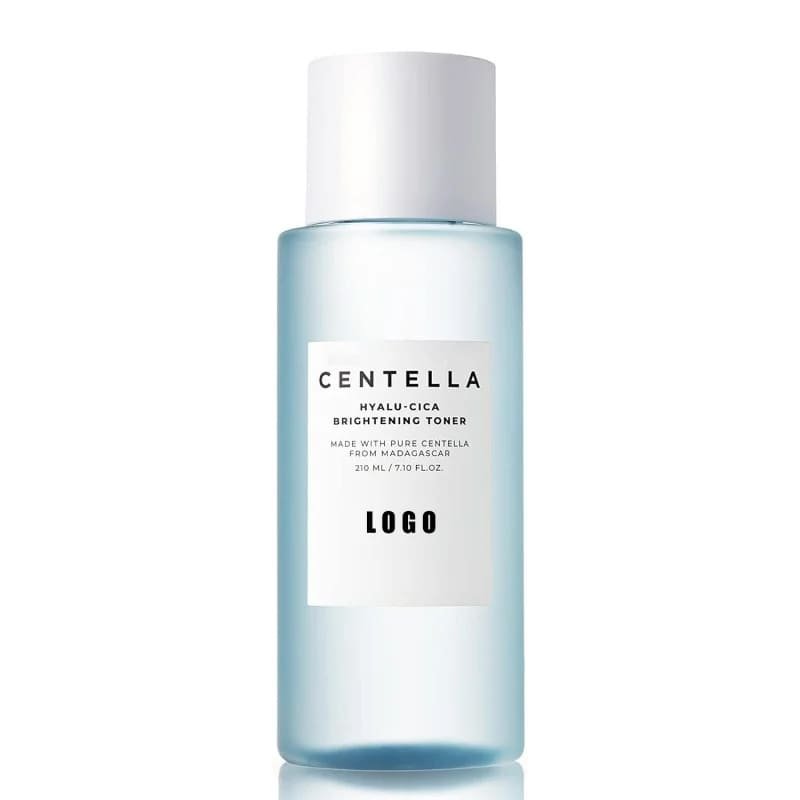
Brightening Toner
Ready to Create Your Kojic Acid Skincare Line?
Talk to our formulation experts today and receive a 48-hour proposal covering kojic acid %, base selection, pH/antioxidant/chelator plan, photostability & discoloration control, and packaging tuned to claims and markets. We deliver sampling, stability & micro (ISO 11930), color/assay trending, and regulatory-ready tech packs to accelerate your launch.
Kojic Acid Concentration Options | Custom for OEM/ODM
Choose the right kojic pathway for global brightening, spot targeting, and post-blemish mark care. We align % with pH (≈4.8–5.6), solvent system, antioxidants/chelators, preservation, and UV-safe, low-OTR packaging—and deliver testing dossiers for safe, compliant launches.
1. Concentration Range
Typical cosmetic levels:
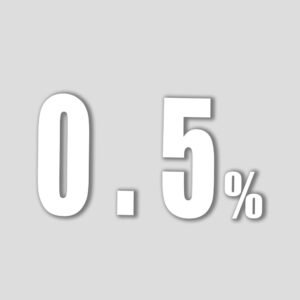
- 0.5%: Daily maintenance for tone clarity and first-time brightening users.
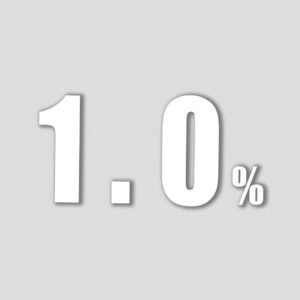
- 1.0%: Global brightening in essences/gel-creams with low sting and good tolerance.
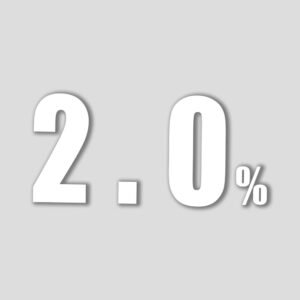
- 2.0%: Targeted correction for dark spots/PIH in serums or ampoules.
2. Typical Use Levels
| Target Use Case | Kojic Type & % | Best Formats | pH Window | Proof & QA |
|---|---|---|---|---|
| Global brightening | KA 0.8–1.2% or KAD 1.5–2.5% | serum, essence, gel-cream | 4.8–5.6 | *ΔL / ITA°**, radiance panel, standardized photo grading |
| Dark spot targeting | KA 1.5–2% + TXA/niacinamide | spot gel, ampoule/pen | 4.9–5.5 | Lesion colorimetry, image segmentation, consumer spot-fade scoring |
| Post-blemish marks (PIH/PIE) | KA 0.8–1.5% + TXA 2–3% | light gel, fluid | 5.0–5.6 | *ΔL↑ / Δa↓**, tolerance logs, no-peel comfort metrics |
| Sensitive-skin brightening | KA 0.3–0.8% + soothers/antioxidants | lamellar gel-cream | 5.1–5.8 | Stinging/tolerance panels, cumulative irritation, comfort diaries |
| Oily/combination tone evening | KA 1% + niacinamide 3–4% + zinc PCA 0.3–0.5% | oil-control fluid | 5.0–5.6 | Sebumeter, gloss/shine scores, pore imaging (VISIA/Canfield) |
*Final percentage depends on target claim, skin type, and regional compliance.
Kojic Acid Formulation & Actives Ingredient Customization
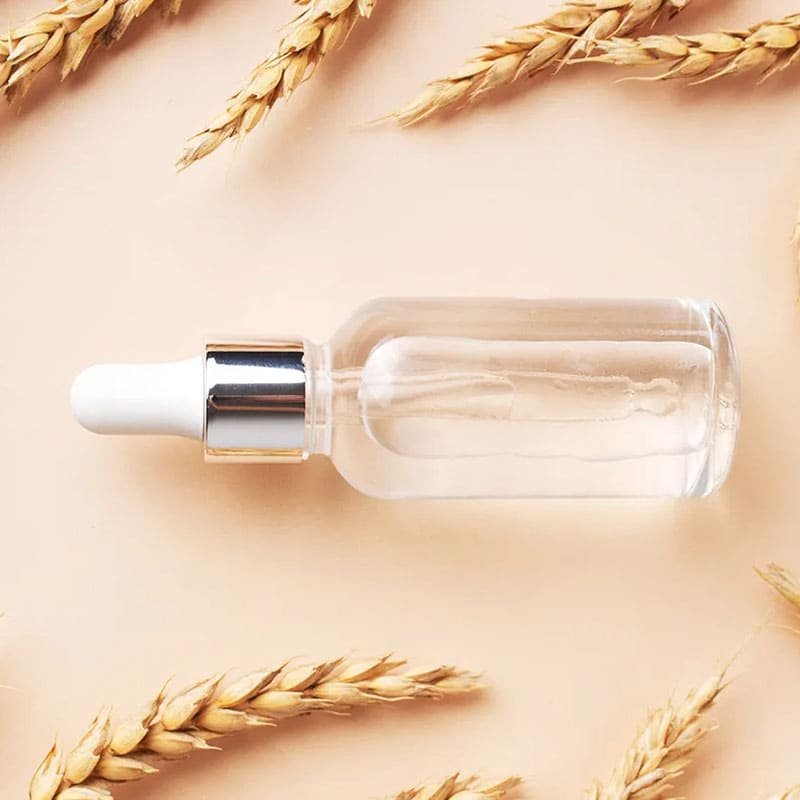
Build formulas around kojic acid for brightening, even tone, spot correction, and post-blemish mark care. Pair with niacinamide, tranexamic acid (TXA), vitamin C derivatives, licorice, and soothers. Control pH ~4.8–5.6, add antioxidants and chelators, and choose amber/low-OTR airless with metal-ion control to prevent browning.
1. Formulation Systems
2. Ingredient Customization Case
Brightening Daily Serum
Benefits: Fast-absorbing luminosity with low sting; improves overall clarity and layers cleanly beneath SPF and makeup.
Actives: KA 1% + Niacinamide 4% + HA 0.2% + Panthenol 1%; pH 5.0–5.4.
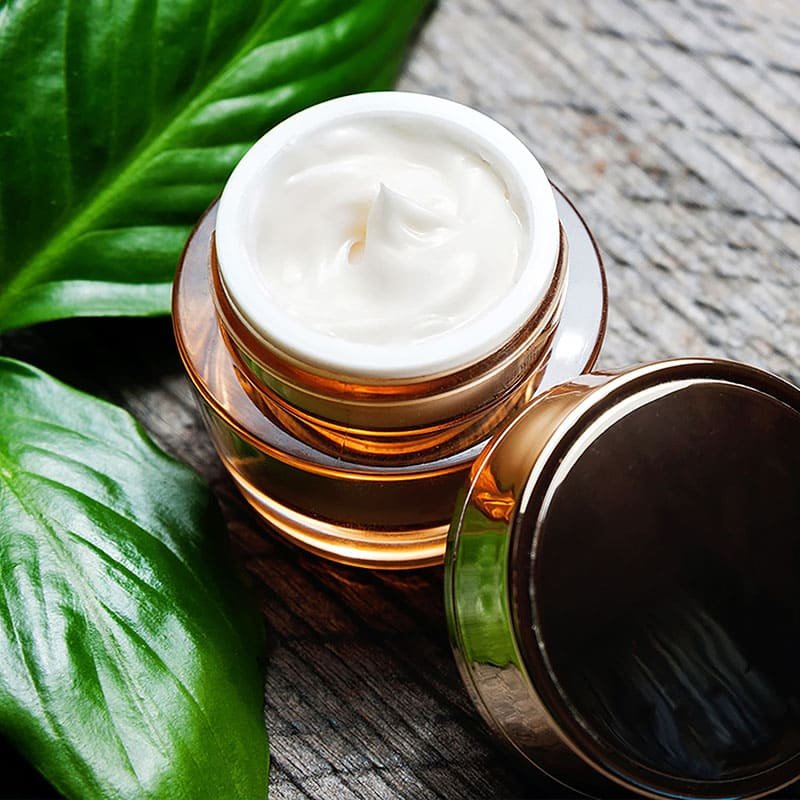
Dark Spot Corrector
Benefits: Targets stubborn spots precisely while minimizing halo; lightweight texture supports AM/PM use without residue.
Actives: KA 2% + TXA 3% + Licorice 0.1% + Allantoin 0.3%; pH 5.0–5.4.
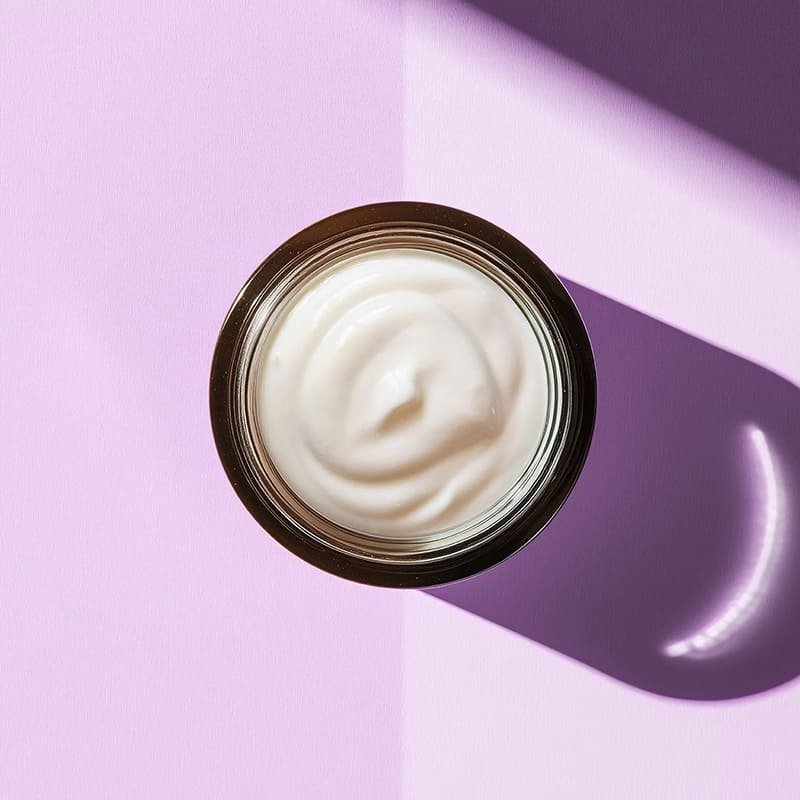
Post-Blemish Marks Gel
Benefits: Visibly improves PIH/PIE without peel discomfort; quick dry-down suits oil-prone users.
Actives: KA 1.2% + TXA 2% + Bisabolol 0.2% + Beta-glucan 0.2%; pH 5.0–5.4.
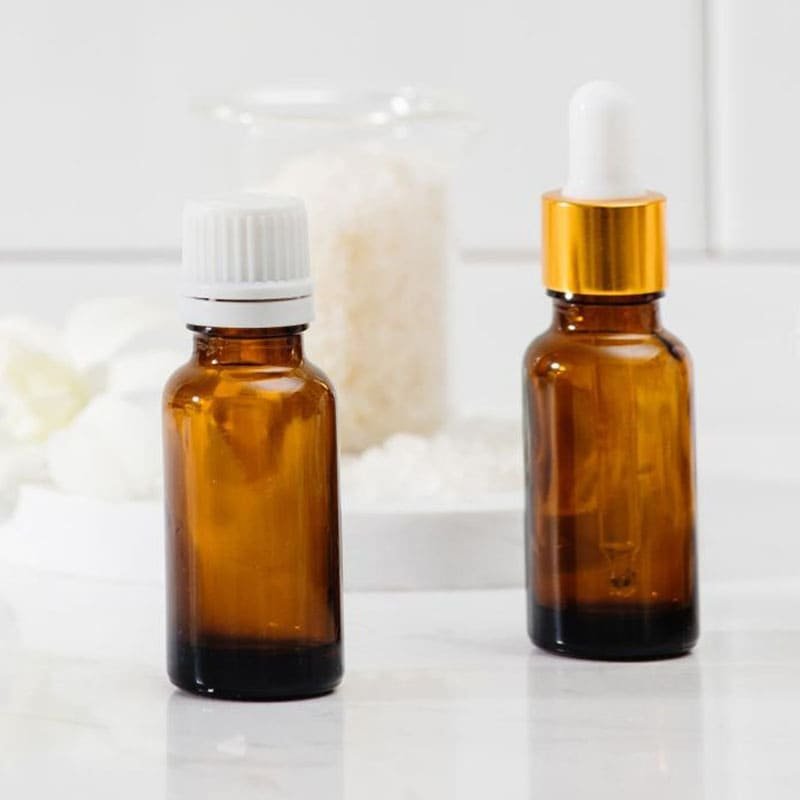
Tone-Evening Essence
Benefits: Splash-on comfort that refines blotchiness and boosts makeup grip; ideal as a sensitive-skin entry brightener.
Actives: KA 0.8–1% + Niacinamide 3% + Ectoine 0.3%; pH 5.0–5.6.
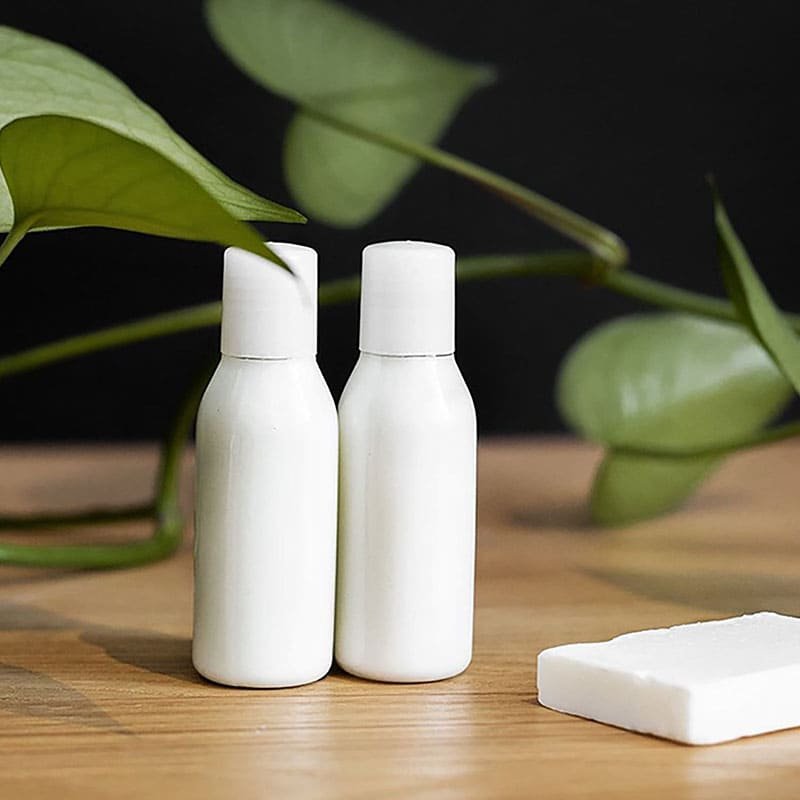
Oil-Control Fluid
Benefits: Reduces midday shine while brightening tone; breathable finish with minimal pilling under sunscreen.
Actives: KA 1% + Niacinamide 3% + Zinc PCA 0.5% + Light esters; pH 5.0–5.6.
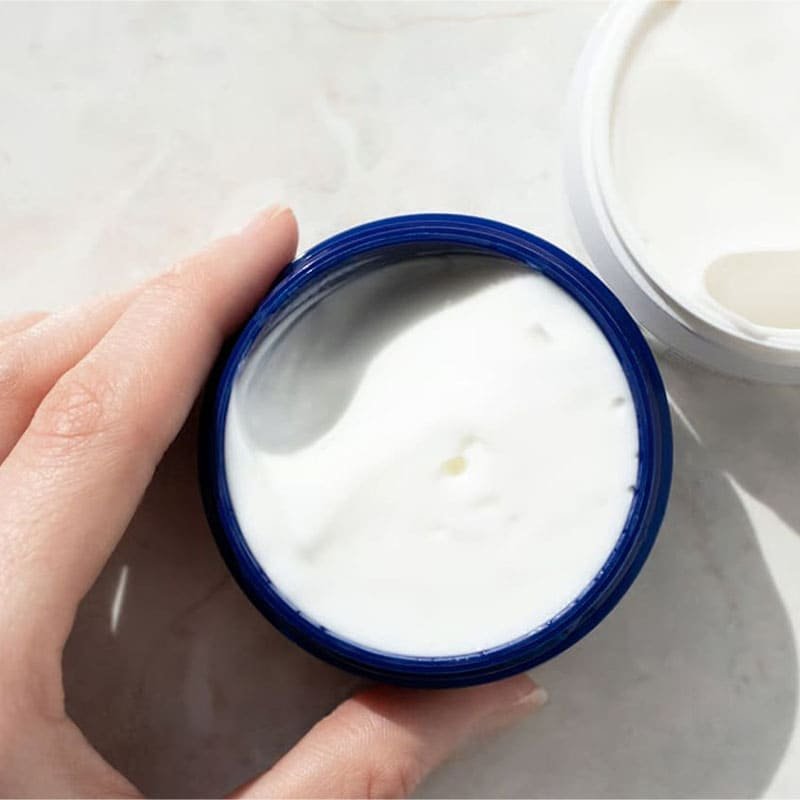
Radiance Sleep Mask
Benefits: Cushions skin overnight to support clearer, brighter tone with steady, low-irritation delivery.
Actives: KAD 2% + Panthenol 2% + Ceramide system + Squalane 3%; pH 5.2–5.8.
Kojic Acid Global Trends & Regional Analysis
The Kojic Acid Market continues to grow due to an increased demand for kojic acid in the cosmetics and food industry. It also has antibacterial, color-protectant, and anti-oxidative properties. It helps to reduce the production of melanin by preventing the formation of tyrosine which is essential for the formation of melanin, a skin pigment.
1. Kojic Acid Global Trends
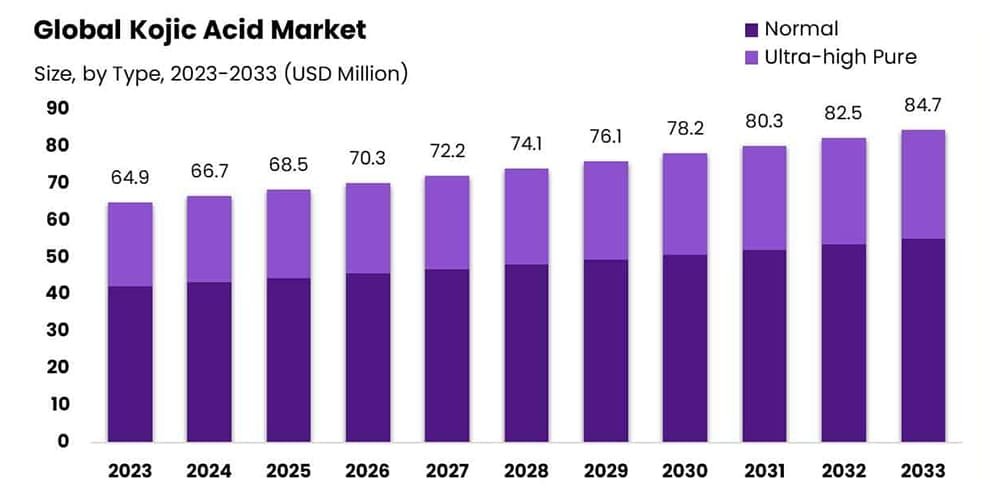
The Kojic Acid Market size is expected to be worth around USD 84.7 Mn by 2033, from USD 64.9 Mn in 2023, growing at a CAGR of 2.7% during the forecast period from 2023 to 2033.
Kojic Acid Application Insights
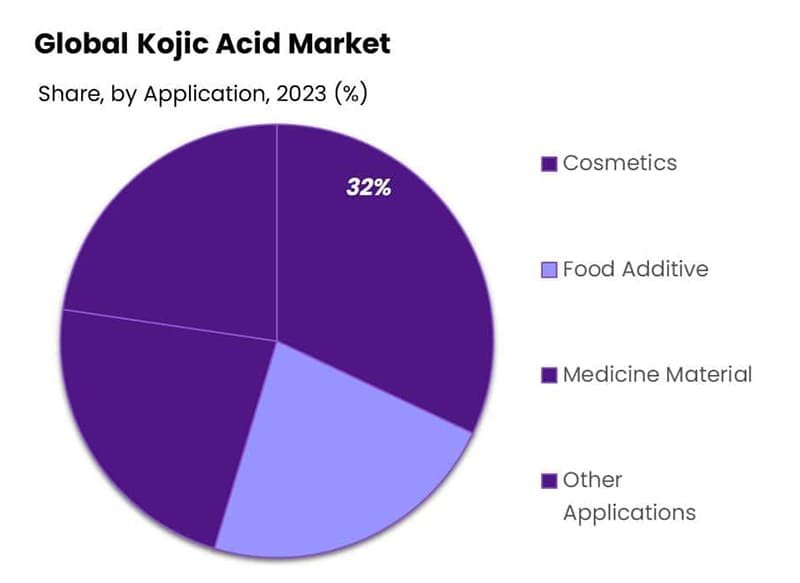
In 2023, the Kojic Acid market saw the Cosmetics segment securing a significant share of over 56.7%, marking its dominance among various applications. Kojic Acid became famous in cosmetics because it could make skin lighter and help with problems like dark spots and uneven skin tone.
People loved it in skincare products and makeup because of its ability to tackle these issues. Its extensive use in cosmetics emphasized its pivotal role, positioning Kojic Acid as a key ingredient in the formulation of various skincare solutions, reinforcing its prominence and demand within the market.
Kojic Acid Product Type Analysis
In 2023, the “Normal” type held the top spot in the Kojic Acid market, securing a dominant position by capturing more than 65.4% of the market share. The Normal type of Kojic Acid became super popular because it was easy to find and could be used in lots of different things. It was everywhere, from skincare and cosmetics to medicine and even food processing.
The Normal variant’s effectiveness in various applications and its compatibility with different formulations solidified its leading position within the Kojic Acid market. While the Ultra-high Pure type existed in the market, the dominance of the Normal type underscored its widespread acceptance and utilization.
2. Kojic Acid Regional Analysis
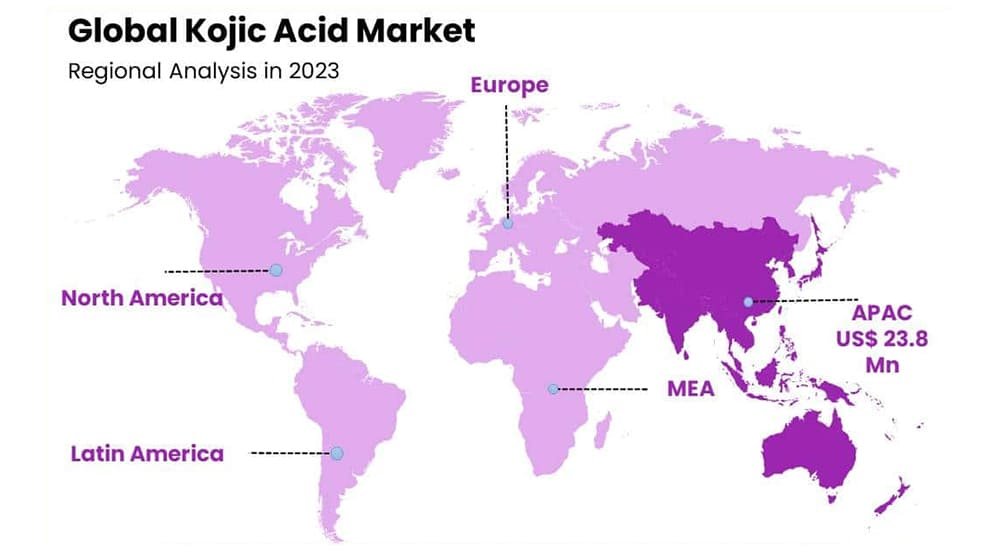
Asia Pacific (APAC) had the largest revenue share at over 36.3% in 2023. China, South Korea, India, and Japan are key markets in the Asia-Pacific. China has the highest market share for kojic acid in the Asia-Pacific region, followed by Japan and South Korea. The demand for beauty care and cosmetics, food, and medicine sectors is growing exponentially in these countries. Due to this, the demand will be high in these countries.
North America follows, driven by a demand for safe skincare alternatives and stringent safety regulations, particularly in the United States. Europe’s market is bolstered by rigorous EU cosmetic regulations and consumer preference for natural ingredients, making countries like France, Germany, and the UK key players.
Latin America, with Brazil and Mexico at the forefront, shows growth potential through an expanding cosmetics sector and rising skincare expenditure. The Middle East & Africa region, though still developing, is expected to grow due to increasing awareness and income levels, alongside a climate that necessitates effective skincare solutions, positioning kojic acid as a valuable component in addressing hyperpigmentation and sun damage.
More Kojic Acid product customization instructions and FAQs
Q: What skin types is Kojic Acid suitable for?
A: Kojic acid suits most skin types—including normal, combination, oily, and mature—because it’s a non-exfoliating brightener. Sensitive users should start at 0.3–0.8% in well-buffered gel-creams and build gradually. Always pair with soothing humectants and daily broad-spectrum SPF to maintain comfort and results.
Q: Can Kojic Acid be used together with Vitamin C, Niacinamide, or Tranexamic Acid?
A: Yes. It layers well with niacinamide and TXA for tone evenness, and with vitamin C derivatives (AA2G/EAA) for radiance. Keep pH ~4.8–5.6, include chelators/antioxidants to limit browning, and avoid copper peptides in the same step (kojic acid is a copper chelator).
Q: What’s the difference between 0.5%, 1%, and 2% Kojic Acid—and KAD?
A: 0.5% suits daily global brightening; ~1% balances clarity with good tolerance; 2% targets dark spots/PIH in serums or ampoules. Kojic Acid Dipalmitate (KAD) 1–3% is oil-soluble and more color-stable, though molecule-for-molecule potency may be lower; it improves sensorials and photostability.
Q: Will Kojic Acid irritate acne-prone or sensitive skin?
A: Kojic acid isn’t an acid exfoliant, so sting is typically lower than AHAs. Still, susceptible users can experience tingling or dryness. Choose well-buffered formulas, add bisabolol/beta-glucan/panthenol, and consider KAD for extra comfort. Patch test first, limit fragrance, and introduce 3–4 times/week before daily use.
Q: How long does it take to see visible results with Kojic Acid?
A: Many users see brighter overall tone in 2–4 weeks with consistent AM/PM use and SPF. Dark spots generally require 4–8+ weeks, sometimes 12 weeks for stubborn marks. Results depend on dose, pH, adherence to sun protection, and synergy with niacinamide/TXA/Vitamin C derivatives.
Launch Your Custom Cosmetics Line Now!