Skip to content
Custom Hair Strengthening Formulations Manufacturer
Custom Hair-Strengthening Solutions for Premium Brands — Build a differentiated line that reinforces fiber resilience, reduces breakage, and preserves shape memory without stiffness. We tailor cortex-support actives, selective deposition, and heat/comb protection by hair type and climate, then deliver fast sampling, compliant labeling, and on-brand packaging.
What This Hair Strengthening Formula Solves
Fragile, easily snapped hair stems from weakened keratin structures, lifted cuticles, and moisture-swollen porous zones that fail under wet stress. Our hair-strengthening system reinforces the fiber with hydrolyzed/quat-functional proteins, peptide actives, and flexible film formers that increase resistance without making hair rigid. Selective cationic deposition targets damaged sites; low-pH rinse care compacts cuticles; chelators mitigate hard-water roughness that amplifies breakage. We calibrate protein size for on-fiber film vs. internal penetration, balance oils/esters to keep slip high, and include measured heat/brush protection for blow-dry and irons. From daily “fortify” shampoos and conditioners to protein masks, leave-in primers, and overnight serums, your range can deliver immediate detangling plus cumulative strength benefits while remaining silicone-optional, fragrance-flexible, and color-safe.


Hair Strengthening Formula
1.Tensile Strength & Elasticity Gain
Instrument tensile tests (single-fiber or tress bundles) to quantify higher peak load and improved elongation before break compared with untreated control. Standardize fiber diameter/length and humidity pre-conditioning, then assess Δ% in maximum force and Young’s modulus after 3–5 uses and again post 5–10 wash cycles. Pair quat-functional proteins and peptide film formers for elastic reinforcement that resists fatigue without a brittle feel. Report statistically significant gains with confidence intervals and include before/after microscopy to visualize cuticle compaction.
2. Anti-Breakage Under Wet Stress
Wet hair is most vulnerable; run fixed-load wet-combing cycles (20–50 strokes) and brush-pull tests to show fewer breaks and lower fragment counts. Our selective cationic deposition reduces friction at damage hot-spots, while low-pH rinse-outs compress scales to prevent snag initiation. Add chelators to curb mineral-induced roughness and optional heat primers to protect from blow-dry shear. Translate results into consumer claims like “up to X% fewer broken hairs after Y uses,” validated across textures/porosities.
3. Split-End Appearance & Cuticle Integrity
Conduct controlled humidity (75–90% RH) frizz/splay studies with image analysis at T0/T2/T4 hours, plus SEM/light microscopy scoring of split-end prevalence. Flexible, non-occlusive films and hydrolyzed keratin/HP proteins reduce splaying and improve tip cohesion, maintaining natural movement. Measure ΔGloss at 60° to show smoother silhouettes accompany stronger tips. Emphasize strength with softness—reinforcement that resists daily wear while avoiding stiff, lacquered finishes that consumers reject.
Key Hair Strengthening Active Ingredients & Mechanism
Targeted cortex support + selective deposition: Quat-functional proteins, peptides, and film formers reinforce weakened zones; cationic conditioners anchor benefits; low-pH, chelation, and controlled oils/esters maintain slip and flexibility. Heat primers protect during styling to preserve gains.
Key Ingredients & Their Benefits
| Ingredient (INCI) | Role in System | Typical Use Levels | Formulation Notes | Compliance & Market Proof |
|---|---|---|---|---|
| Hydrolyzed Keratin | Fiber reinforcement | 0.2–2% | Choose MW for penetration vs. film; improve tip cohesion | Wikipedia – Keratin |
| Hydrolyzed Wheat/Rice Protein | Elasticity & film | 0.5–3% | HP-trimonium forms deposit robustly; enhances combing | CosmeticsInfo – Proteins |
| Hydroxypropyltrimonium Hydrolyzed Protein | Quat-functional strength + slip | 0.2–1% | Strong on-damage deposition with detangling | CosmeticsInfo |
| Polyquaternium-10 / -7 | Conditioning polymer | 0.1–0.5% | Reduces comb force; boosts deposition | CosmeticsInfo – Polyquaterniums |
| Amodimethicone (optional) | Selective smoothing | 0.5–2% | Target damaged sites; improves heat resilience | CosmeticsInfo – Amodimethicone |
| Panthenol | Humectant, shine | 0.2–2% | Supports softness, visual fullness | Wikipedia – Panthenol |
| Niacinamide (optional) | Scalp/fiber care story | 1–3% (rinse-off) | Supports barrier/shine narratives | Wikipedia – Niacinamide |
| Tetrasodium Glutamate Diacetate / Disodium EDTA | Chelation | 0.05–0.3% | Manages hard-water minerals to limit roughness | Wikipedia – GLDA, Wikipedia – EDTA |
| C13-15 Alkane (Hemisqualane) | Lightweight slip | 1–8% | Fine-hair friendly carrier for primers/serums | CosmeticsInfo – Alkanes |
| Behentrimonium Chloride | Detangling anchor | 0.2–2% (active) | Build lamellar gels with fatty alcohols | CosmeticsInfo – BTAC |

Hydrolyzed Keratin — Customization Details for Hair Strengthening
1. INCI & CAS
INCI: Hydrolyzed Keratin · CAS: 69430-36-0 · Description: water-soluble keratin peptides obtained by controlled hydrolysis (commonly from wool/hair). (EU CosIng listing framework; PubChem entry). (European Commission)
2. Role in Hair Strengthening
Mechanism: low-MW keratin peptides can penetrate cuticle/cortex, form repairing films, and increase tensile strength/elasticity, reducing breakage on damaged hair. (PMC/Wiley studies; IFSCC paper). (PMC)
3. Typical Use Levels (formulation custom guide)
Shampoos/cleansers: 0.5–2%
Rinse-off conditioners/masks: 1–5%
Leave-ins/serums/tonics: 0.5–2%
General supplier guidance: 1–5% total active; add to water phase/cool-down for best integrity. (MakingCosmetics tech sheet & TDS; Active Concepts CoC). (makingcosmetics.com)
Notes: Compatible with typical hair-care pH ranges; ingredient solutions often show pH ~5–7 (check SKU SDS). (Chemos GmbH&Co.KG)
4. Regulatory Sources & Global Compliance
EU Cosmetics Regulation (EC) No 1223/2009: ingredient not specifically restricted; product-level safety assessment required. (EUR-Lex/CosIng portal). (European Commission)
CIR Expert Panel (Final Safety Assessment): Keratin & keratin-derived ingredients (incl. Hydrolyzed Keratin) are safe as used in current practices. (CIR full report; SAGE journal summary). (cir-safety.org)
Registry/ID references: PubChem synonyms & CAS/EINECS; supplier/CoC listings confirm cosmetic use and IECIC (CN) presence on many SKUs—verify per supplier. (PubChem)
5. Clinical/Technical Evidence (strengthening/repair)
Tensile performance & photoaging: hydrolyzed keratin maintained tensile strength under UV vs untreated hair (−14.3% strength). (PubMed/PMC 2025). (PubMed)
Penetration by MW: hydrolyzed peptides show differential penetration (low-MW inside fiber; higher-MW repair surface) supporting dual action. (Int J Cosmet Sci 2021/2020). (Wiley Online Library)
Comparative tensile data: ex vivo study found hydrolyzed keratin improved wet tensile strength across damaged hair types. (IFSCC paper). (ualresearchonline.arts.ac.uk)
6. Safety & Risk Assessment (toxicology highlights)
CIR conclusion: safe as used; low irritation/sensitization profile overall (rare positives in prick tests; patch tests typically negative). (CIR report). (cir-safety.org)
SDS pointers: handle as a non-hazardous cosmetic raw; confirm pH, storage, and labeling per supplier SDS/COA. (avenalab.com)
7. Stability & Packaging
Stability: aqueous protein; add in cool-down; protect from microbial growth with appropriate system; store cool/dry. Packaging: standard bottles or totes; no special UV protection required for the raw, but protect finished formulas per SKU testing. (MakingCosmetics TDS/SDS). (makingcosmetics.com)
8. Cost–Benefit
Positioning: widely available with strong “keratin” consumer recognition; delivers visible strengthening at low use levels and integrates easily with cationic conditioners/film formers for deposition—efficient for scalable B2B launches. (Supplier tech sheets; market practice). (makingcosmetics.com)
9. Claims Language (Do/Don’t)
✅ Helps strengthen hair and reduce breakage.
✅ Helps improve elasticity and smooth the cuticle for shinier-looking hair.
✅ Supports damaged hair feel after chemical/thermal stress.
❌ Avoid medical-style cure/repair absolutes or country-specific efficacy approvals (e.g., “clinically cures hair loss,” “meets X national medical standard”).

Hydrolyzed Wheat/Rice Protein — Customization Details for Hair Strengthening
1. INCI & CAS
INCI: Hydrolyzed Wheat Protein (CAS: 70084-87-6; 94350-06-8; mixture of peptides 0.1–90 kDa depending on process) · Hydrolyzed Rice Protein (CAS: 100209-45-8; supplier grade, typically < 1,850 Da). Water-soluble; clear–amber liquids in commerce. (EU CosIng; SCCS; Lotioncrafter spec). (European Commission)
2. Role in Hair Strengthening
Film-forming peptides adsorb to cuticle, increase tensile strength/elasticity, and reduce breakage; low-MW peptides boost volume/body, while higher-MW peptides better patch surface damage—supporting a balanced blend in cleansing/conditioning systems. (IFSCC ex vivo; keratin MW penetration model; wheat-protein hair penetration reports). (ualresearchonline.arts.ac.uk)
3. Typical Use Levels (formulation custom guide)
Shampoos: 0.5–2% (boost wet strength, combing)
Conditioners/Masks: 1–5% (repair feel, tensile recovery)
Leave-ins/Tonics: 0.5–2% (anti-breakage, frizz control)
Styling/Heat-protect: 0.5–1% (film-forming support)
Rice protein supplier guidance: 2–5%; Wheat protein supplier guidance: 1–5%. Target pH 4.0–7.0; add in cool-down ≤ 40 °C for stability. (MakingCosmetics; Lotioncrafter; product TDS/usage notes). (SpecialChem)
4. Regulatory Sources & Global Compliance
EU Cosmetics Regulation (EC) No 1223/2009: HWP/HRP allowed; SCCS caution due to sensitization cases with HWP (notably higher-MW/acid-hydrolyzed grades). (EUR-Lex; SCCS Revised Opinion). CIR (2018) Final Safety Assessment: Safe as used when average MW ≤ 3,500 Da for HWP/HWG; manage sensitization risk. ECHA: entries for wheat-germ protein hydrolysates and rice-bran protein hydrolysates provide tox endpoints/context. China IECIC: listed existing ingredients; 2025 update introduces two-tier IECIC I/II and dynamic management. (EUR-Lex; SCCS; CIR/PubMed; ECHA; NMPA/Chemlinked). (EUR-Lex)
5. Clinical/Instrumental Evidence (hair strengthening)
Ex vivo tensile tests comparing keratin, wheat, collagen hydrolysates show wheat protein significantly improves tensile strength on bleached/permed/thermally damaged fibers. Low-MW peptides increase volume; higher-MW peptides restore mechanical properties. Supplier data for hydrolyzed rice protein reports up to +32% hair volume (instrumental). (IFSCC 2016; MW–effect study; supplier spec). (ualresearchonline.arts.ac.uk) (Lotioncrafter)
6. Safety & Risk Assessment (toxicology highlights)
Hydrolyzed Wheat Protein: Sensitization/contact urticaria reported; SCCS reviewed cases (e.g., soap-related sensitization) and stresses manufacturing control & MW profile. CIR concludes HWP/HWG are safe when MW ≤ 3,500 Da and formulated to be non-sensitizing. Labeling/communication to wheat-allergic users advisable; topical gluten is generally not a celiac trigger, but avoid ingestion/inhalation. (SCCS; CIR/PubMed; FDA gluten-free rule context for hydrolyzed foods—food, not cosmetics). (European Commission)
7. Stability & Packaging
Aqueous, pH-4–7 systems suit peptide stability; add in cool-down; opaque/UV-safe bottles/tubes preferred for long-term aesthetics; compatible with most surfactants/conditioners. Grade-specific TDS (e.g., HWP pH 4.0–6.5, HRP add ≤ 40 °C) should govern SKU-level studies. (Supplier TDS/usage notes). (avenalab.com)
8. Cost–Benefit
Plant-derived proteins (wheat/rice) offer recognizable “protein-care” claims, broad availability, and attractive cost-in-use versus specialty peptides—ideal for value-engineered anti-breakage, strength, and body claims across shampoo/conditioner/leave-in ranges. (Market positioning guidance.)
9. Claims Language (Do/Don’t)
✅ Helps strengthen hair and reduce breakage.
✅ Improves elasticity and manageability; adds body/volume.
✅ Supports cuticle feel for smoother, shinier-looking hair.
❌ Avoid drug-like claims (e.g., “treats hair loss”, “heals damage”); avoid absolute guarantees.

Hydroxypropyltrimonium Hydrolyzed Protein — Customization Details for Hair Strengthening
1. INCI & CAS
INCI: Hydroxypropyltrimonium Hydrolyzed [Protein Source] (common variants include …Wheat Protein, …Rice Protein, …Keratin, …Soy Protein); CAS varies by source/grade. Example: Hydroxypropyltrimonium Hydrolyzed Wheat Protein (CAS 156798-11-7; assessed by NICNAS). Quaternized forms are listed in EU CosIng by source (e.g., Wheat, Rice, Keratin). (EU CosIng entries; NICNAS public report.) (European Commission)
2. Role in Hair Strengthening
Cationic, highly substantive protein hydrolysate that electrostatically binds to damaged cuticles, forms a strengthening film, and reduces wet/dry combing force—supporting breakage reduction, body, gloss, and anti-frizz. Supplier and academic data show improved manageability and tensile performance; quaternized wheat protein shampoos help recover damaged hair. (Croda/BASF product literature; academic studies on quaternized/protein hydrolysates; hair-conditioning mechanistic review.) (Croda Beauty)
3. Typical Use Levels (formulation custom guide)
Shampoos/Conditioners (rinse-off): 0.5–5% (as is); many formulators work at 1–3% for balanced deposition and feel. Leave-ins & masks: generally use lower within the same band (e.g., ~0.5–1%) to limit buildup while maintaining combability. Compatible with anionics; deposition favored in pH ~4.5–6.0 systems typical of conditioners. (BASF Gluadin® WQ PP TDS; distributor guidance.)
4. Regulatory Sources & Global Compliance
EU Cosmetics Regulation (EC) No 1223/2009—ingredient use subject to product-level safety assessment; quaternized hydrolyzed proteins are not specifically restricted in annexes when used as hair/skin conditioners. EU CosIng lists Hydroxypropyltrimonium Hydrolyzed [Protein] entries with ANTISTATIC/HAIR CONDITIONING/SKIN CONDITIONING functions. China IECIC (2021, dynamic List I 2025 updates)—industry references note compliance listings for specific variants (e.g., Hydrotriticum™ WQ NSP states IECIC compliant). Databases for INCI checks: CosIng, COSMILE Europe. (EUR-Lex; CosIng; IECIC update notes; Croda/SpecialChem compliance notes.) (EUR-Lex)
5. Clinical/Instrumental Evidence (hair strengthening/conditioning)
Mechanism & performance: Studies on protein hydrolysates (wheat/keratin/collagen) show tensile-strength improvements on bleached/permed/dry hair; ex vivo combing tests demonstrate lower combing force after treatment. Quaternized wheat protein shampoos reported surface recovery and smoothing on damaged hair. Supplier testing reports improved manageability, gloss, and body with Hydroxypropyltrimonium hydrolyzed proteins. (IFSCC papers; open-access research; Croda/BASF literature.) (UAL Research Online)
6. Safety & Risk Assessment (toxicology highlights)
Generally well-tolerated when formulated appropriately; as cationic actives, raw materials may be irritating to eyes/skin—manage via use level, pH, and finished-product testing. NICNAS hazard classification for HPT Hydrolyzed Wheat Protein (CAS 156798-11-7): Skin Irrit. 2 / Eye Dam. 1 at raw material level; public/worker risk acceptable in intended cosmetic uses. CIR concluded Hydrolyzed Wheat Protein/Gluten are safe as used when peptide MW ≤ ~3500 Da (contextual for hydrolysates). Patch testing and allergen labeling per market rules are advised. (NICNAS assessment; CIR review.) (industrialchemicals.gov.au)
7. Processing, Stability & Packaging
Water-soluble; add to cool-down (or below ~40–45 °C) to protect functionality. Raw pH ~6.0–7.5 (BASF spec); store 10–40 °C, protect from moisture; 24-month shelf life when sealed. Note potential incompatibility of some protein derivatives with MI/MCI (Kathon CG)—verify preservative system. Use opaque/UV-safe packs for formulas with light-sensitive co-actives; confirm via SKU-level stability. (BASF Gluadin® WQ PP TDS.)
8. Cost–Benefit
Mid-cost, high-perceived value active: pairs conditioning performance with “protein-strengthening” consumer appeal; broad regulatory acceptance and multiple source options (wheat/rice/keratin/soy) support supply flexibility and scalable B2B deployment. (Supplier/market positioning sources.) (SpecialChem)
9. Claims Language (Do/Don’t)
✅ Helps strengthen and condition hair.
✅ Helps reduce the look of breakage and frizz by improving combability.
✅ Improves hair feel, body, and gloss.
❌ Avoid medical/therapeutic claims (e.g., “repairs hair clinically” or “cures hair damage”); ensure regional advertising codes compliance. (Regulatory best-practice context; EUR-Lex.) (EUR-Lex)
Custom Hair Strengthening Product Applications
Cover wash care, deep treatments, leave-ins, heat primers, and overnight serums, enabling daily maintenance and cumulative strengthening without stiffness. Texture-calibrated formats for fine to coarse hair deliver detangling, elastic hold, and smoother tips, while low-pH/chelation safeguards color vibrancy and hard-water feel.


Hair Strengthening Market Trends & Target Audiences
Search and retail momentum for anti-breakage, bonding treatment, and protein hair treatment keeps climbing. Shoppers want visible resilience, soft movement, and heat-style compatibility. “Silicone-optional,” “color-safe,” and “fine-hair friendly” tags convert, with strong winter repurchase and post-color care tie-ins.

Market Overview
Strengthening wins when claims feel measurable, not mystical. Brands leading the category pair anti-breakage percentages with gloss and detangling, avoiding stiffness. Texture-specific SKUs and heat primers drive basket builds. Clean-lean narratives with choice of silicones and fragrance provide retailer flexibility while protecting user experience and ratings.
Key Market Insights:
- Claims with numbers convert: % anti-breakage, Δ comb force, and multi-wash durability.
- Texture targeting: Fine hair loves mists/primers; coarse/porous favors masks/creams.
- Post-salon synergy: Low-pH, chelation, and heat primers support color/bleach aftercare.

Target Consumer Segments
Users with frequent heat styling, color/bleach history, or naturally fragile, fine hair; curl/coils needing strength without crunch; busy professionals seeking fast detangle + long-term resilience; “clean-lean” shoppers preferring silicone-optional lines; and salon-home hybrids wanting pro-grade results via simple, stackable SKUs.
Target Segments after Branding
- Anti-Breakage & Color-Care Line: Strength + tone protection; chelation + low-pH care.
- Texture & Curl Resilience Line: Flexible hold with protein-smart creams/masks.
- Pro-Style Defense Line: Heat-protect primers and featherweight protein mists.
Customization Options for Packaging & Branding
Explore flexible packaging options, bottle types, and private label services. From tube to jar, we match your brand’s tone and market position.
Cosmetic formulation development
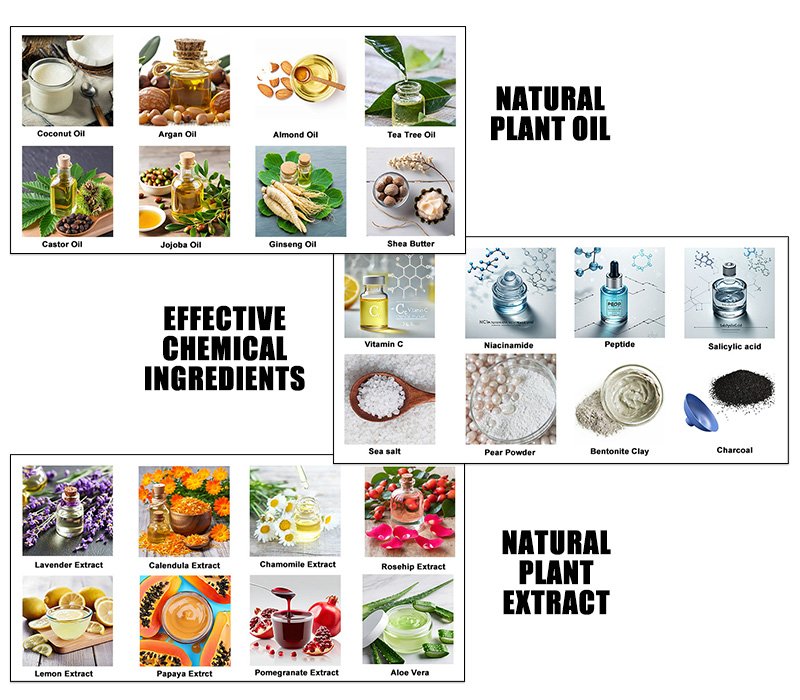
Your formula is the soul of your brand. Whether you’re developing a gentle serum for sensitive skin, a high-efficacy anti-aging cream, or a scalp-purifying shampoo, our in-house chemists create custom cosmetic formulations tailored to your desired effect, skin type, region, and ingredient philosophy.
With over 5,000+ proven base formulas and full white-label development support, we help you build a product that meets your performance goals, brand values, and market trends.
Available Services:
Active ingredient sourcing & formulation balancing
Custom texture creation: gel, cream, balm, lotion, foam, oil
Ingredient selection for target concerns: anti-acne, brightening, anti-aging, hydration
Support for natural, vegan, EWG green-level formulations
Regional compliance: USA, EU, AU, JP standards
Custom Cosmetic Packaging Styles
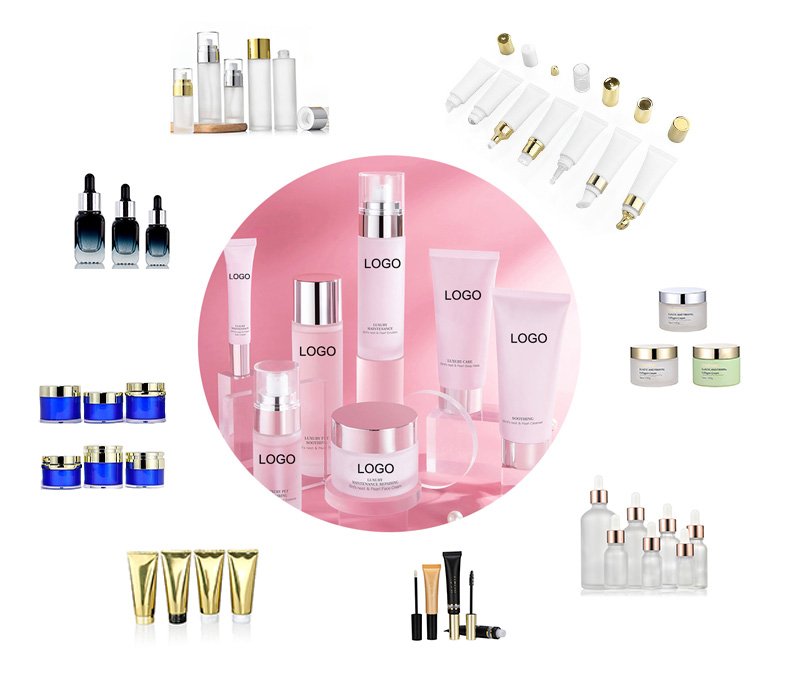
Packaging plays a critical role in how your brand is perceived. Whether you need luxury glass droppers, airless pump bottles, eco-friendly refill pouches, or retail-friendly PET tubes, we provide 3000+ stock and customizable packaging options.
From minimalist matte finishes to glossy foil-stamped designs, our packaging engineers help you select the perfect form and material—whether for prestige skincare, professional haircare, or clean beauty positioning.
Available Options:
Glass, PET, PP, PCR, aluminum, bamboo, and more
Airless pumps, sprayers, jars, tubes, and dropper bottles
Color-matching, texture finishes, and custom mold services
Cosmetic Box, Label Design for skincare brands
Beyond the bottle, your visual identity sets your product apart. Our in-house design team creates custom label layouts, box designs, and full branding suites—including logo placement, font matching, and barcode compliance.
We also offer waterproof labels, UV spot gloss, embossing, foil stamping, and other premium finishes to ensure your packaging feels as high-end as your formula. Whether you’re building an Amazon FBA product or a salon-grade kit, we help make your product shelf-ready.
Design Services Include:
Free artwork design and dieline support
Amazon & retail barcode setup (FNSKU/UPC)
Custom printing on labels, boxes, pouches, and shrink wraps
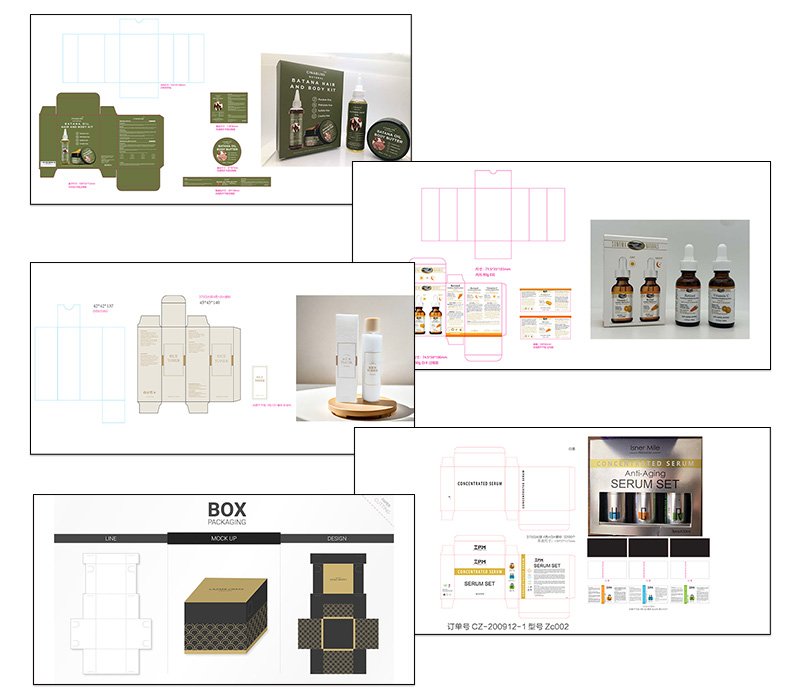
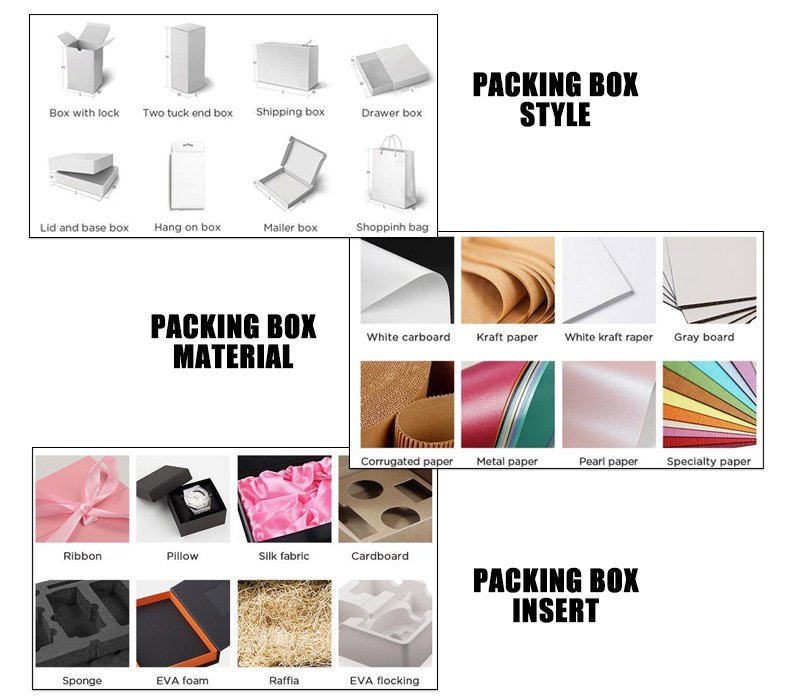
Cosmetic Box Customization for Skincare Brands
Beyond the bottle, your outer packaging is your first impression. Our team provides custom cosmetic box solutions with tailored box styles, premium cardboard or specialty paper choices, and protective inserts in EVA, molded pulp, or PET.
We also offer specialty printing options, matte or glossy lamination, foil stamping, embossing, and spot UV to create a tactile, luxury feel. Whether for boutique retail, e‑commerce, or professional kits, we ensure your packaging enhances your brand story.
Customization Options Include:
Box style selection: tuck‑end, drawer, magnetic, or folding carton
Material choices: rigid board, kraft, coated paperboard
Insert options: EVA foam, molded pulp, PET, or cardboard
Cosmetic Box Logo Finishing for Premium Branding
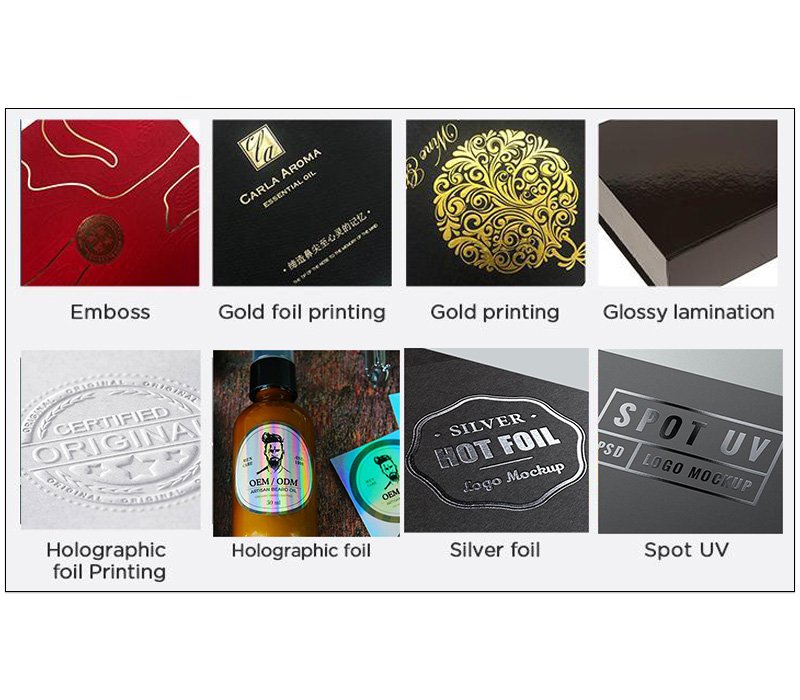
Beyond structure, your logo finish defines your product’s luxury appeal. We offer custom cosmetic packaging logo treatments including emboss, gold foil printing, silver foil, glossy lamination, holographic effects, and spot UV for high-impact shelf presence.
From subtle debossed textures to striking holographic foil, each technique is chosen to enhance your brand story and match your target market positioning. Whether for upscale retail, e‑commerce, or professional use, our finishes help your product stand out.
Finishing Options Include:
Emboss & Deboss logo impressions
Gold, silver, and holographic foil stamping
Spot UV for selective gloss highlights
Glossy or matte lamination for surface protection
Make A Sample First?
If you have your own formula, packaging idea, logo artwork, or even just a concept, please share the details of your project requirements, including preferred product type, ingredients, scent, and customization needs. We’re excited to help you bring your personal care product ideas to life through our sample development process.
More Hair Strengthening product customization instructions and FAQs
Our formulations: “Strengthening” formulations are geared towards fortifying weak, brittle hair that is prone to breakage. Hair can become weak due to damage (heat styling, chemical processing like bleaching or perming), protein loss, or simply due to naturally fine or aging hair fiber. These products aim to reinforce the hair structure – often by replenishing proteins or protecting the hair shaft – thereby reducing breakage and split ends. With regular use, they help hair become more resilient (“stronger”) so it can grow longer without snapping off at the ends.
Key strengthening ingredients and mechanisms include:
- Hydrolyzed Proteins (Keratin, Collagen, Silk, Wheat, etc.): Hair is made primarily of keratin protein, so adding proteins can directly strengthen the strands. Hydrolyzed proteins are proteins broken down into smaller fragments (peptides and amino acids) that can penetrate the hair shaft. Once inside, they fill in voids and cracks in the hair’s structure and bind to damaged areasclinikally.com. This patching effect repairs weak points, improving the hair’s overall integrity and appearance. For example, hydrolyzed keratin will adhere to the hair’s keratin, effectively “rebuilding” worn spots. Collagen or silk proteins can form a strengthening film around the hair. Studies show that hydrolyzed proteins increase hair’s elasticity and strength, making it less prone to breakageclinikally.comclinikally.com. In practice, this means fewer snapped strands when combing or brushing. Many strengthening shampoos/conditioners (e.g., those labeled “repair” or “anti-breakage”) contain these proteins to reinforce hair with each wash.
- Amino Acids and Peptides: In addition to whole proteins, specific amino acids like cysteine, arginine, lysine can be added to fortify hair. Cysteine is particularly important because it forms the disulfide bonds that give hair its strength. Some treatments include cysteine (or cystine) to help rebuild these internal bonds. Arginine is known to stimulate blood flow when applied to the scalp and may help strengthen the root. Small peptides (short chains of amino acids) can also penetrate hair and have hair-strengthening and repair effects similar to proteins. They support the keratin infrastructure of hair, making it more resistant to tension and breakage.
- Bond-Building Agents: A newer class of strengthening products involves so-called “bond builders” (inspired by salon treatments like Olaplex). These contain proprietary compounds (like bis-aminopropyl diglycol dimaleate, or others) that claim to repair or rebuild the disulfide bonds in hair that are broken during bleaching or chemical services. By mending these bonds, the hair’s core strength is restored from the inside out. For home care, some shampoos and conditioners now include bond-building technology to continually reinforce hair with each use, resulting in significantly less breakage over time. (While specific patented ingredients might not be listed, consumers see terms like “bond repair” or “bonding” on the label, indicating this technology.)
- Vitamins and Strengthening Actives: Biotin (Vitamin B7) is commonly touted for hair strength. While its effect is greater when taken internally for those deficient, in shampoos it’s often included because it can coat the hair and theoretically improve keratin infrastructure (biotin is essential for keratin formation)healthline.com. Some studies suggest biotin can thicken the hair shaft diameter slightly when applied over time. Niacin (Vitamin B3) and Panthenol (B5) are also added to strengthening formulas; Niacin can improve scalp circulation (ensuring nutrients reach the follicle) and Panthenol improves tensile strength by moisture retention and film-forming on hair. Ceramides, which are natural lipids in hair cuticles, are another ingredient—ceramide supplements in conditioners help glue down the cuticle, making hair stronger and less prone to splitting. And as mentioned in the nutrients context, adequate zinc and iron are crucial for hair strength at the rootslink.springer.com (though in products, these might appear as trace elements or just be obtained via diet).
For Customize: Using these strengthening products consistently can yield tangible results: users often notice less hair coming off on the brush or in the shower drain, indicating reduced breakage. Over time, hair can grow longer because the ends aren’t breaking off as easily, and it feels sturdier and thicker. It’s important to note that protein-heavy products should be balanced with moisture – too much protein without moisture can make hair feel stiff or brittle. But most commercial strengthening lines pair proteins with hydrators. In summary, by reinforcing the hair’s protein structure and protecting bonds, these formulations toughen up fragile hair, helping it withstand daily stress and reducing the occurrence of split ends and breakage.
Q: Can we strengthen hair without making it stiff?
A: Yes—use quat-functional proteins and flexible film formers with controlled oil/ester slip. They raise resistance to everyday stress while preserving movement. Validate with tensile + panel “feel” tests and avoid over-concentration that can create crispy tips.
Q: How often should consumers use protein products?
A: Offer a daily shampoo/conditioner with moderate protein and a weekly mask for higher load. Educate to alternate with moisture-heavy SKUs for very coarse textures. This balances reinforcement with softness and reduces risk of feel build-up on fine hair.
Q: Will strengthening interfere with color longevity?
A: No, when designed with low-pH rinse-outs, chelators to limit mineral dullness, and color-safe surfactants. Avoid alkaline drift and include antioxidants where appropriate. Communicate “color-safe strength” and back with comb/gloss metrics post-color.
Q: What’s the difference between bonding and protein care?
A: Bonding stories focus on internal link protection/repair narratives; protein care delivers on-fiber reinforcement and selective deposition. If not using bond-specific chemistries, lead with measurable anti-breakage, comb force, and gloss—clear, credible, and globally deployable.
Q: How do we design for fine vs. coarse hair?
A: Fine hair: mists/primers with hemisqualane and low-viscosity deposition; keep oil phase minimal. Coarse/porous: richer lamellar creams/masks with higher protein/film levels. Maintain parallel fragrance-free options for sensitivity and salon compliance.
Launch Your Anti-Breakage Line Fast
We customize cortex reinforcement, selective deposition, and heat protection by hair type and climate, then deliver fast sampling, artwork support, and packaging aligned to your price tiers. From protein masks to featherweight primers, we help you launch quickly and grow repeat purchase.