Skip to content
Beta-Glucan Ingredient Custom Cosmetics Manufacturer
Beta-glucan is a soothing, barrier-repairing, moisture-binding polysaccharide ideal for sensitive, irritated, or post-procedure skin. Learn how it calms redness, reinforces the skin barrier, boosts hydration, supports recovery claims, and how we formulate it by % level, pairing actives, packaging, and MOQ for private label.
What Is Beta-Glucan

Beta-glucan is a high molecular weight polysaccharide typically derived from oat, barley, yeast, or fungi cell walls. It is widely used in modern skincare for its anti-redness, barrier-support, and deep hydration performance, making it a hero active for sensitive, reactive, and post-procedure lines.
INCI: Beta-Glucan · CAS: 9012-72-0 · High molecular weight, water-dispersible polymer used for soothing, barrier support, and hydration. (EC CosIng , Wikipedia)
Primary positioning: Soothing, anti-irritation, barrier defense, post-treatment recovery, and long-wear comfort for stressed skin.
Solubility: Water-soluble, compatible with toners, essences, serums, gels, creams, sheet masks.
pH flexibility: Performs well in mildly acidic to neutral systems (~4.5–7) and does not require low pH to be effective.
Beta-Glucan Benefits: Mechanisms, Results & OEM Formulation
See how beta-glucan supports instant calming, redness reduction, barrier recovery, and lasting hydration—plus recommended % use ranges, claim language, and common testing methods for private-label skincare.
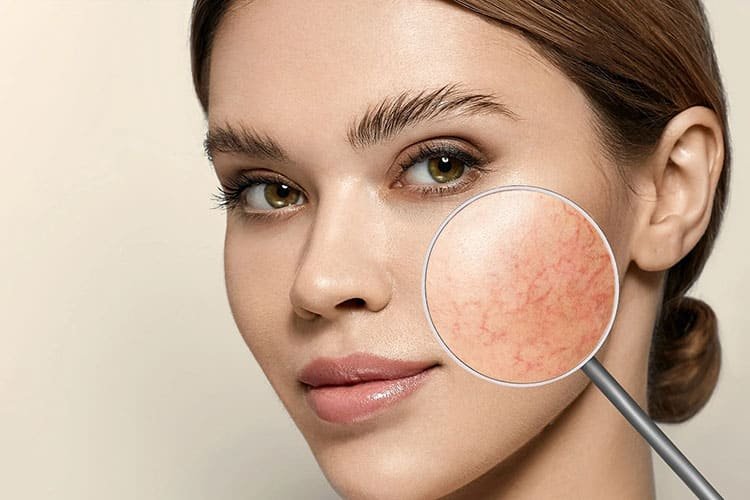
Soothing & Redness Reduction
Mechanism: Beta-glucan helps modulate the skin’s inflammatory response and reduces visible reactivity after stressors like UV exposure, shaving, exfoliation, or laser-type procedures.
Benefits: Rapid calming of visible redness, less stinging, less “angry skin” look.
Importance: Strong “calming / anti-irritation” headline claim for sensitive-skin, post-procedure, after-sun, and men’s grooming SKUs.
Use level & testing: 0.2–1% in leave-on formulas; evaluate via erythema index, redness image analysis, and subjective sting/burn scoring on sensitive panels.
Good pairings: Panthenol, bisabolol, centella asiatica, allantoin, colloidal oatmeal.
Barrier Repair & Recovery
Mechanism: Forms a breathable, flexible biofilm on skin that helps reduce transepidermal water loss (TEWL) while supporting barrier normalization after irritation or routine over-exfoliation.
Benefits: Stronger barrier, less roughness, faster recovery from everyday micro-damage.
Importance: Ideal for “barrier repair / skin recovery / dermatologist-inspired” product lines and post-peel or post-retinol care SKUs.
Use level & testing: 0.3–1%+ depending on molecular weight and delivery system. Measure TEWL (Tewameter), tactile roughness, corneocyte cohesion, and visible flaking.
Good pairings: Ceramides, cholesterol, fatty acids, squalane, madecassoside.
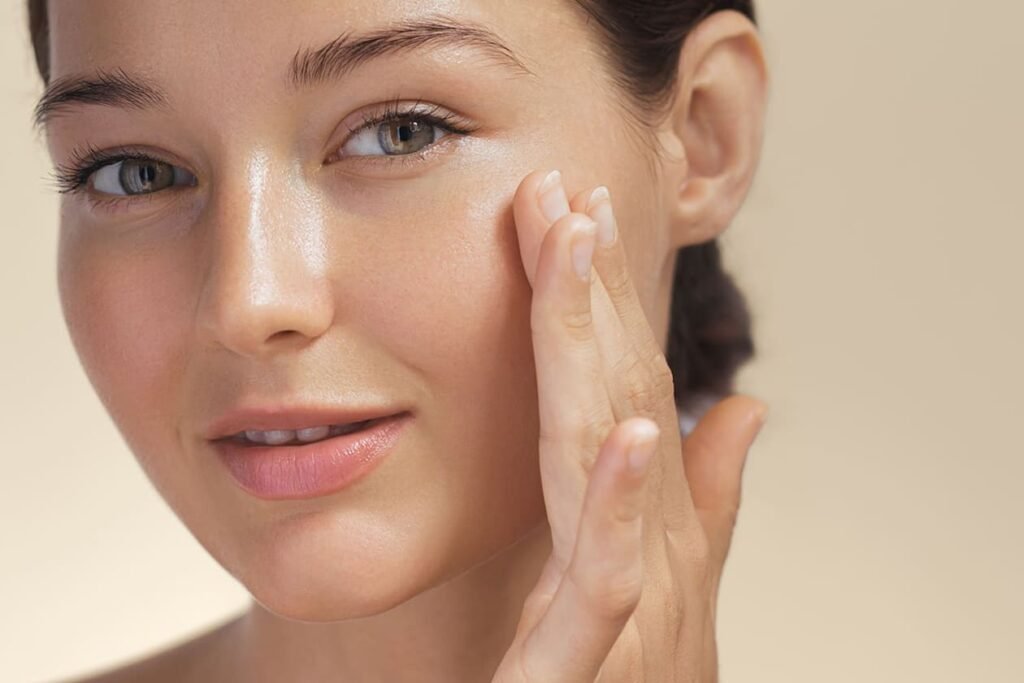

Post-Procedure / Skin Repair Claims
Mechanism: Supports micro-wound environment management by maintaining hydration, reducing visible redness, and giving a protective “cushion” over sensitized areas.
Benefits: Recovery-support language for “after peel,” “after retinol,” “after sun,” “after shaving,” or “barrier reset” kits.
Importance: High-value positioning for clinics, derm-branded, and premium DTC lines that want soothe + defend messaging without steroids or drug claims.
Use level & testing: 0.5–1%+ in gels, balms, and masks marketed for post-procedure care.
Good pairings: Panthenol, niacinamide at low % (2–3%), madecassoside, oat derivatives, zinc PCA (low).
Deep Hydration & Plumping
Mechanism: Acts as a humectant + film former: attracts and binds water to the stratum corneum and physically smooths surface texture.
Benefits: Long-lasting hydration, smoother feel, and “plumped” skin appearance without heaviness.
Importance: Supports “long-wear comfort” and “24h hydration” style claims in moisturizers, sleep masks, and under-eye treatments.
Use level & testing: Commonly 0.2–0.5% in daily moisturizers, higher in masks. Track Corneometer/Skicon hydration readings, profilometry for fine-line smoothing, and consumer comfort scoring.
Good pairings: Hyaluronic acid, glycerin, polyglutamic acid, ectoine, tremella extract.
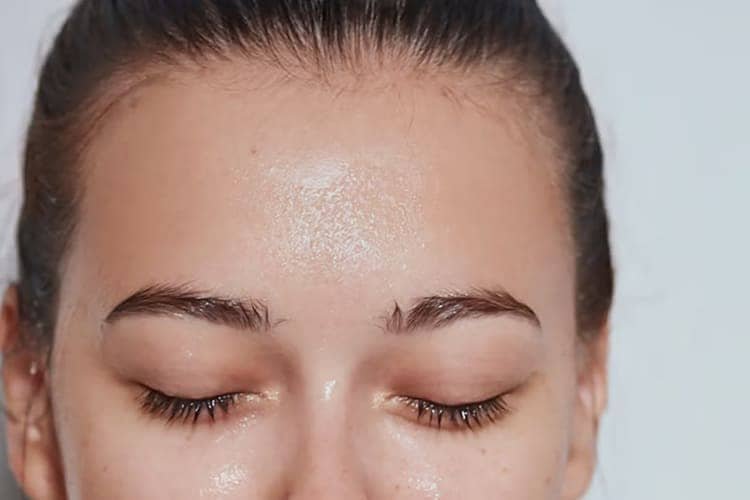
Anti-Pollution / Antioxidant Support
Mechanism: Forms a protective polymer lattice on the skin’s surface that helps reduce adhesion of particulate pollutants and limits oxidative stress signals linked to dullness.
Benefits: “Anti-pollution shield,” radiant tone, less daily fatigue look.
Importance: Strong urban / commuter / “blue-light + pollution defense” storytelling for global city markets.
Use level & testing: 0.2–0.5% in daytime serums/mists. Lab tests often include particulate adhesion assays, oxidized protein/lipid markers, and consumer-perceived dullness/radiance scoring.
Good pairings: Niacinamide, vitamin C derivatives, green tea, resveratrol, ectoin.
Comfort & Long-Wear Feel
Mechanism: Improves the sensory profile of gel-creams and serums, making them feel cushioning and non-stripping even if they include actives like AHAs, retinoids, or mild clarifiers.
Benefits: Less tightness, less flake, more “cared for” feel across the day.
Importance: Reduces complaints/returns from dryness or burning, especially in high-actives lines.
Use level & testing: 0.2–0.5% to boost sensorial comfort claims. Evaluate via 24–72h wear tests, tightness self-assessment scales, micro-flake photography.
Good pairings: Lactic acid (gentle %), PHAs, low-level retinoids, azelaic derivatives, post-acid neutralizing creams.
Best Product Formats for Beta-Glucan
Explore how beta-glucan is used in different skincare formats — from clinical recovery serums to overnight repair masks — to serve sensitive, barrier-damaged, or redness-prone consumers.

Under Eye Patches

Overnight Face Mask

Cooling Gel

Barrier Repair Cream

Beta-Glucan Serum

Calming Moisturizer
Ready to Create Your Beta-Glucan Skincare Line?
Beta-Glucan Concentration Options | Custom for OEM/ODM
Choose the right beta-glucan grade for your claim and texture: high molecular weight for film-forming barrier support and visible calming, or optimized low-viscosity versions for mists and tonics. We align % with pH, base type (gel/cream/water), preservative strategy, and packaging—and deliver claim support data for compliant launches.
1. Concentration Range
Typical cosmetic levels:
Everyday toners/essences: 0.1–0.3%
Leave-on soothing serums / repair creams: 0.2–0.5%
Post-procedure gels / sleeping masks / hydrogel patches: 0.5–1.0%+


2. Typical Use Levels
| Target Use Case | Beta-Glucan Type & % | Best Formats | pH Window | Proof & QA |
|---|---|---|---|---|
| Redness-calming daily serum | Oat-derived beta-glucan 0.2–0.5% | clear gel serum / ampoule | 4.8–5.8 | Redness index, sting/burn self-assessment, macro before/after |
| Barrier-repair moisturizer | High MW beta-glucan 0.3–0.6% + ceramides | lotion / cream | 4.8–5.5 | TEWL (Tewameter), tactile roughness, flake scoring |
| Post-procedure / after-exfoliation gel | Beta-glucan 0.5–1.0% + panthenol | cooling hydro gel | 5.0–6.0 | Tolerance on stressed skin, comfort panel, time-to-calm |
| Under-eye hydration patch | Beta-glucan 0.5–1.0% + HA | hydrogel patch / leave-on mask | 5.2–6.2 | Corneometer hydration, profilometry (fine-line smoothing), puffiness grading |
| After-shave / post-sun soothing mist | Low-viscosity beta-glucan 0.1–0.2% + allantoin | water-based mist / tonic | 5.0–6.2 | Erythema reduction, tightness relief scoring, stickiness/pilling tests |
*Final percentage depends on target claim, skin type, and regional compliance.
Beta-Glucan Formulation & Actives Ingredient Customization
We build calming, barrier-support, and recovery-focused systems around beta-glucan for “soothe + defend” positioning. Pair with panthenol, niacinamide(low%), ceramides, ectoine, HA, madecassoside, allantoin, zinc PCA, and lightweight emollients to deliver visible comfort without heaviness.
1. Formulation Systems
2. Ingredient Customization Case
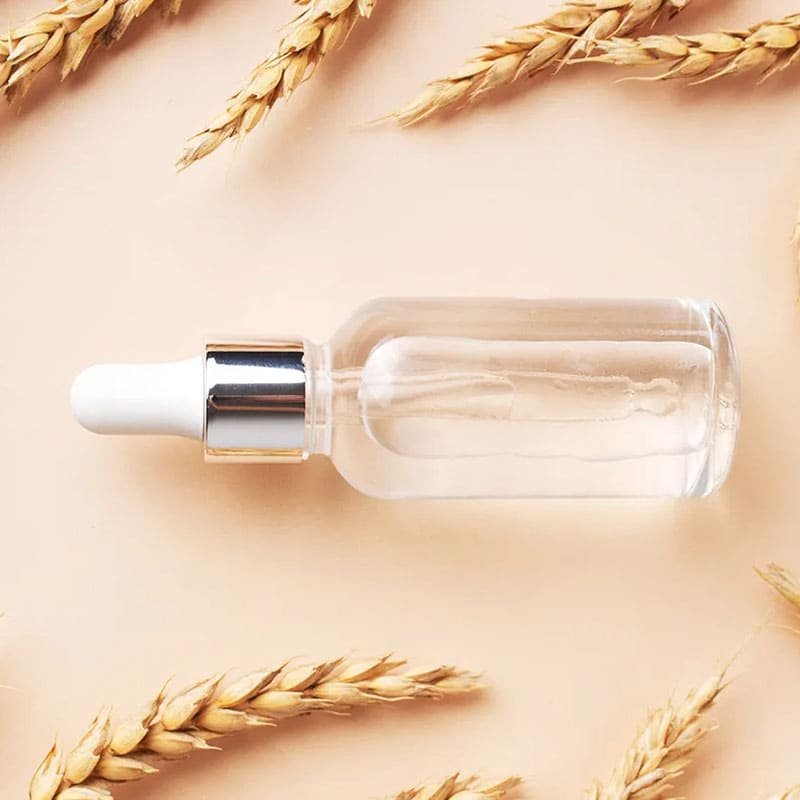
Calm & Recover Serum
Benefits: Targets sudden redness, visible irritation, and post-exfoliation discomfort; leaves skin looking more even and less reactive.
Actives: Beta-glucan 0.4% + Panthenol 2% + Ectoine 0.3% + Low-level Niacinamide 2%; pH 5.2–5.5.
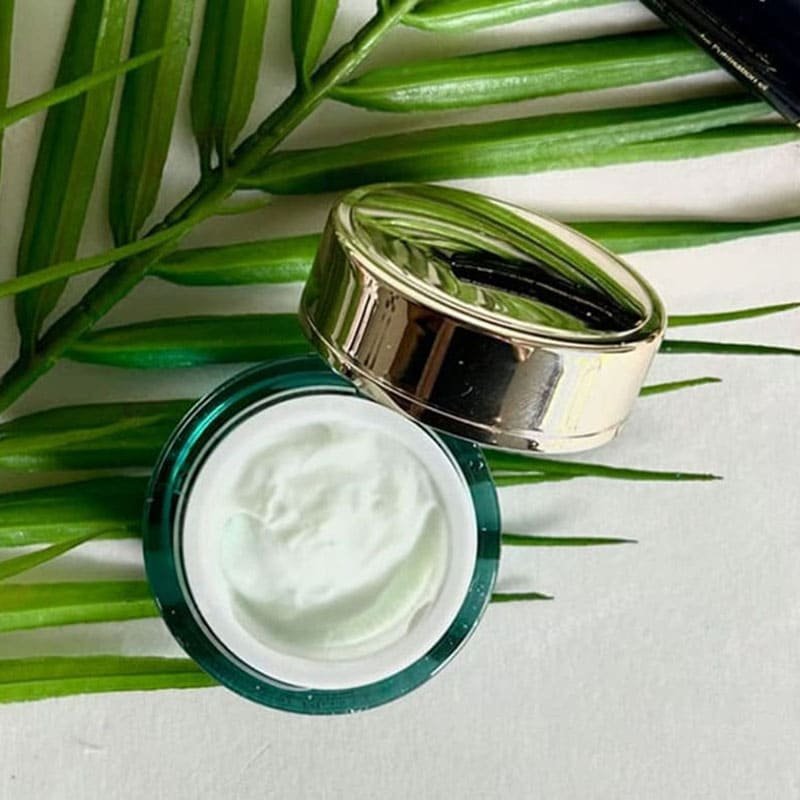
Daily Barrier Cream
Benefits: Daily-use comfort cream that reduces tightness, flaking, and rough texture while supporting a stronger moisture barrier.
Actives: Beta-glucan 0.5% + Ceramides + Cholesterol + Fatty acids + Squalane; pH 4.9–5.3.
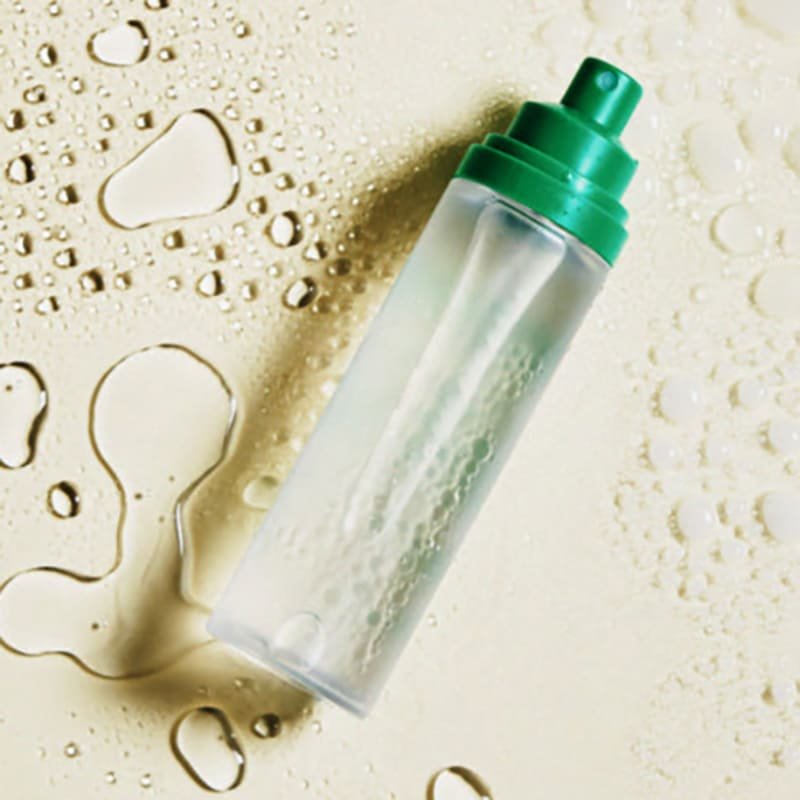
Post-Sun Soothing Mist
Benefits: Instant comfort for skin that feels hot, tight, or razor-sensitized; supports a calmer, less blotchy look.
Actives: Beta-glucan 0.2% + Allantoin 0.2% + Zinc PCA 0.4% (for scalp/body SKUs) or Centella complex; pH 5.5–6.0.
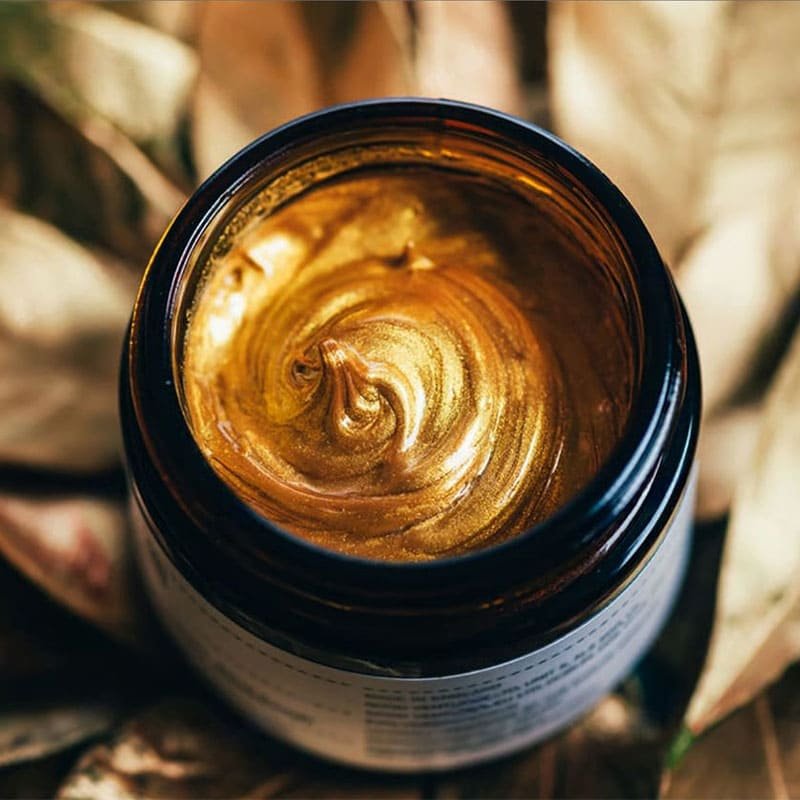
Overnight Repair Sleeping Mask
Benefits: Locks in water overnight, improves softness by morning, and helps skin wake up smoother and less stressed-looking.
Actives: Beta-glucan 0.5% + Hyaluronic Acid 0.2% + Panthenol 2% + Lightweight esters 3%; pH 5.0–5.6.

Under-Eye Hydration Gel Patch
Benefits: Cushions delicate under-eye skin, delivers fast plumping hydration, and improves smoothness for makeup hold.
Actives: Beta-glucan 0.8–1.0% + HA 0.2% + Caffeine microdose + Panthenol 1%; pH 5.4–5.8.
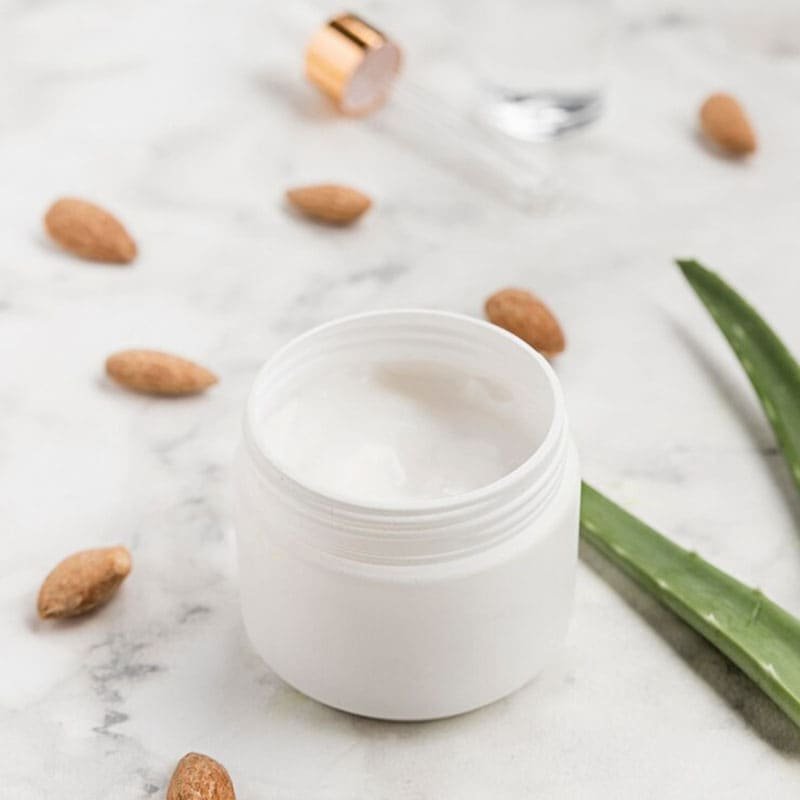
SOS Cooling Recovery Gel
Benefits: Creates a protective, water-rich film to visually calm over-treated areas and support comfort during “barrier reset” routines.
Actives: Beta-glucan 0.8% + Panthenol 2% + Madecassoside trace + Allantoin 0.2%; pH 5.2–5.8.
Beta-Glucan Global Trends & Regional Analysis
In 2023, Cereal emerged as the leading source in the Beta Glucan market, securing over a dominant 45.6% market share. Cereals, including oats, barley, and wheat, stand out as significant sources of beta-glucan, prominently used in various food, personal care, cosmetic and supplement products.
1. Beta-Glucan Global Trends
The global beta-glucan market size is expected to be worth around USD 1040.6 Million by 2033, from USD 495.6 Million in 2023, growing at a CAGR of 7.7% during the forecast period from 2023 to 2033.


Beta-Glucan Application Insights
In 2023, Food & Beverages emerged as the leading application segment in the Beta Glucan market, securing over a dominant 48.9% share. Personal Care & Cosmetics followed suit with a considerable market share, utilizing Beta Glucan in skincare and cosmetic formulations for its moisturizing and skin-soothing properties.
Beta-glucan is found in cosmetics and personal care products made from oats. Oat-based products have been shown to stimulate and promote macrophages in skin layers, which in turn encourages the protective qualities of keratinocytes. This aids in skin texture repair. This is due to the increased demand for cosmetics.
2. Beta-Glucan Regional Analysis
In 2023, the North American region secured a dominant market share exceeding 44.4% within the Beta Glucan market. This ascendancy stemmed from amplified demand propelled by the regional pharmaceutical sector.
Product growth is expected to be driven by the presence of several major European players, high disposable income, and changing consumer preferences regarding nutraceutical supplement consumption over the next eight-year. Many companies are investing in innovative manufacturing techniques that can be tailored to the needs of the end-user industries. This is expected to fuel the growth.
North America is expected to be a major consumer of the product in cosmetic applications, functional foods and ready-to-drink beverages. Due to the high demand for organic cosmetic formulations as well as pharmaceutical preparations for the treatment of cancer.

More Beta-Glucan product customization instructions and FAQs
Q: Which skin types can use Beta-Glucan?
A: Beta-glucan is suitable for all skin types, especially sensitive, reactive, over-exfoliated, or post-procedure skin. It helps calm visible redness, reduce stinging/tightness, and improve comfort without using acids or fragrances. Dry, barrier-damaged, and mature skin types also benefit from its long-wear hydration and protective film.
Q: Can Beta-Glucan be formulated with Niacinamide, Panthenol, or Ceramides?
A: Yes. Beta-glucan pairs extremely well with panthenol (for soothing and water-binding), low-level niacinamide (2–3%) (for barrier support and tone evenness), and ceramides/cholesterol/fatty acids (for lipid barrier repair). This combination lets brands claim “calm + repair + strengthen,” ideal for sensitive skin and post-treatment recovery SKUs.
Q: Will Beta-Glucan clog pores or feel heavy on oily / acne-prone skin?
A: No. Beta-glucan itself is not an oil and is typically delivered in water-based or gel systems. It forms a breathable, flexible surface film rather than an occlusive wax. This makes it useful for acne-prone or redness-prone skin that needs calming without petroleum-heavy textures. For oily or breakout-prone lines, we often pair beta-glucan with zinc PCA or niacinamide to address oil control and post-blemish irritation.
Q: How fast can consumers see results with Beta-Glucan?
A: Users often report a reduction in visible redness and “stingy/tight” sensation within hours to a few days after application, especially in leave-on gels and soothing mists. Barrier comfort, less flaking, and smoother texture are typically noticeable in 1–2 weeks. Dehydration lines and rough patches usually improve over 2–4 weeks with nightly or twice-daily use in a barrier-repair cream or sleeping mask.
Q: Can Beta-Glucan be used around the eyes?
A: In most eye-safe, fragrance-free systems: yes. Beta-glucan at ~0.5–1.0% in hydrogel patches or gel-serum textures helps cushion delicate under-eye skin, improve surface hydration, and reduce the “crinkled/dry” look under makeup. For compliance, under-eye claims should focus on hydration, smoothness, and comfort—not medical healing.
Launch Your Custom Cosmetics Line Now!