Skip to content
Colloidal Oatmeal Ingredient Custom Cosmetics Manufacturer
Discover colloidal oatmeal’s soothing, anti-itch, and redness-reducing power for sensitive, eczema-prone, and over-exfoliated skin. See % use levels, FDA/EU claim language, leave-on vs wash-off formats, barrier-repair synergies, allergen-free positioning, child-safe formulas, packaging choices, MOQ, and private-label opportunities.
What Is Colloidal Oatmeal

Colloidal oatmeal is the finely milled, de-hulled whole oat grain (Avena sativa) processed into an ultra-soft powder that disperses in water and forms a protective, soothing film on the skin. It’s widely used for eczema-prone, itchy, or over-stripped skin because its beta-glucans, lipids, phenols, and starches calm inflammation, reduce visible redness, relieve dryness, and help restore barrier comfort.
INCI: Avena Sativa (Oat) Kernel Flour · CAS: 134134-86-4 (also reported as 84012-26-0). Fine light tan powder. (MakingCosmetics, SpecialChem)
Sources: Produced by cleaning, de-hulling, steam-treating, rolling, and micronizing whole oat groats to ~44 μm so the powder can suspend in water and coat skin.
Water dispersibility: Water-dispersible / partially water-soluble; when mixed into lotions, washes, masks, or bath treatments it creates a calming colloid that helps relieve itch and irritation.
- pH flexibility: Typically comfortable in skin-like mildly acidic to near-neutral systems (about pH ~5–7).
Colloidal Oatmeal Benefits: Mechanisms, Results & OEM Formulation
See how colloidal oatmeal supports barrier repair, itch relief, redness calming, microbiome balance, and baby-safe soothing care — plus recommended percentages, testing methods, and private-label positioning under FDA/EU skin protectant language.

Barrier Repair & Moisture Retention
Mechanism: Delivers beta-glucans, lipids, and starches that create a protective film on skin, reduce transepidermal water loss.
Benefits: Softens severely dry, rough, scaly areas; improves smoothness; restores suppleness in barrier-damaged skin.
Importance: “Barrier repair” and “moisture seal” are high-conversion claims in body creams, overnight masks, and winter repair balms.
Use level & testing: Commonly 1% colloidal oatmeal in leave-on OTC-style skin protectant creams/lotions. Measure TEWL drop, corneometer hydration, visual scaling/roughness grading over 1–2 weeks.
Good pairings: Ceramides, panthenol, shea/cocoa butter, petrolatum or dimethicone for occlusion, plus cholesterol/fatty acids.
Anti-Itch & Eczema Relief
Mechanism: Oat polyphenols help inhibit inflammatory cytokines and histamine pathways, interrupting the itch–scratch cycle seen in eczema and atopic dermatitis.
Benefits: Rapid relief of itch, sting, and tightness during flares; visible reduction in flaking and scaling on dry or atopic skin;
Importance: Brands make legally supported soothing/itch-relief claims in baby care, eczema care, and sensitive-skin rescue balms.
Use level & testing: ~1% in creams, balms, and overnight itch-relief butters. Validate via itch intensity scores, erythema grading surveys.
Good pairings: Zinc oxide, ceramides, panthenol, petrolatum, and low-dose hydrocortisone alternatives.


Redness & Inflammation Calming
Mechanism: Avenanthramides help downregulate NF-κB–driven inflammatory signaling and reduce pro-inflammatory cytokines.
Benefits: Less redness, less burning sensation, and softer post-shave/post-acid feel — without the stinging that some actives cause.
Importance: Sensitive-skin lines, post-procedure masks, after-sun gels, and men’s post-shave products.
Use level & testing: 0.5–1%+ in leave-on serums, lotions, and recovery masks for face/body. Erythema index, colorimetry, burn scores after irritant challenge.
Good pairings: Bisabolol, centella asiatica, allantoin, madecassoside, panthenol.
Microbiome Comfort & Sensitive-Skin Tolerance
Mechanism: Oat sugars act like prebiotic nourishment, helping support a healthier skin microbiome.
Benefits: Better long-term tolerance for reactive, atopic, or over-cleansed skin; less stinging compared to many acids or retinoids.
Importance: Oat high-value claims in modern body lotions, scalp soothers, intimate-care balms, and post-procedure kits.
Use level & testing: ~1%+ in lotion, wash, or scalp milk. Assess with microbiome sequencing, irritation score panels on sensitive users, and repeat-insult patch tests for hypoallergenic claims.
Good pairings: Ceramides, glycerin, panthenol, low-foam surfactant systems, fragrance-free positioning.


Protective Film for Body, Baby & Scalp Care
Mechanism: Finely milled oat flour particles (Avena sativa kernel flour) disperse in water phases and leave a breathable occlusive film while locking in moisture.
Benefits: Eczema creams, nighttime itch balms, post-bath baby lotions, bath soaks, after-sun gels, diaper-area comfort products.
Importance: Extends a brand beyond “face care” into lucrative body-care, pediatric, OTC-style itch relief.
Use level & testing: ~1% in balms/lotions labeled as skin protectant actives. Support claims with itch relief, overnight comfort scoring, flake/scale reduction imaging.
Good pairings: Zinc oxide, petrolatum/dimethicone, panthenol and ceramides.
Best Product Formats for Colloidal Oatmeal
Colloidal oatmeal is ideal for barrier repair,itch relief, and redness calming, especially for sensitive, eczema-prone, and over-exfoliated skin. It performs best in gentle, pH-balanced (≈5–6) emulsions and low-irritant, fragrance-free systems approved for face, body, baby, and scalp comfort.

Sensitive Skin Moisturizer

Scalp Moisturizer

Barrier Repair Cream

Fragrance Free Body Wash

Soothing Cream

Face Cream For Redness
Ready to Build Your Colloidal Oatmeal Sensitive Care Line?
Talk to our formulation team and receive a soothing-care concept built for eczema-prone, itchy, over-washed, or baby-sensitive skin. We’ll define percentage, texture (cream, balm, wash), fragrance strategy, and claim language (itch relief / barrier repair), plus packaging and regulatory support.
Colloidal Oatmeal Concentration Options | Custom for OEM/ODM
Choose the right colloidal oatmeal loading for your soothing, anti-itch, and barrier-repair claims. We help you position “eczema relief,” “baby safe,” “post-procedure calming,” or “overnight barrier repair,” and align percentage, texture, pH, and claim language for each target market.
1. Concentration Range
Most clinically supported soothing and itch-relief systems use ~1% colloidal oatmeal in leave-on formulas. Wash-off or bath products can range from 0.5–2%, depending on whether you’re targeting daily comfort, flare-phase care, or pediatric positioning.


2. Typical Use Levels
| Target Use Case | Colloidal Oatmeal % | Best Formats | pH Window | Proof & QA |
|---|---|---|---|---|
| Daily eczema / itch relief | ~1% | cream, lotion, balm | 5.0–6.0 | Itch score reduction, dermatologist grading |
| Baby / toddler sensitive skin care | 0.5–1% | baby lotion, bath milk, diaper-area balm | 5.0–6.0 | Parent comfort surveys, redness assessment |
| Post-procedure / barrier repair | 1%+ | recovery cream, overnight mask, ointment | 5.0–5.8 | TEWL drop, stinging/burning tolerance panel |
| Over-washed hands / cracked areas | 1–2% (plus occlusives) | intensive hand/heel balm, stick | 5.0–6.0 | Roughness grading, visible scaling reduction |
| Scalp soothing / flake comfort | 0.5–1% | low-foam scalp wash, leave-on scalp milk | 5.0–6.0 | Flake index, itch relief self-assessment |
*Final percentage depends on target claim, skin type, and regional compliance.
Colloidal Oatmeal Formulation & Actives Ingredient Customization
Build formulas around colloidal oatmeal for itch relief, barrier recovery, redness calming, and pediatric / eczema care. Pair with ceramides/cholesterol/FFAs, panthenol, beta-glucan, allantoin, shea/cocoa butters, and zinc oxide for diaper/sensitive areas. Formulate in barrier-safe pH ~5.0–6.0, avoid harsh surfactants, and validate TEWL, erythema, and itch-score reduction. Use airless, low-fragrance, dye-free positioning for sensitive and baby claims.
1. Formulation Systems
2. Ingredient Customization Case
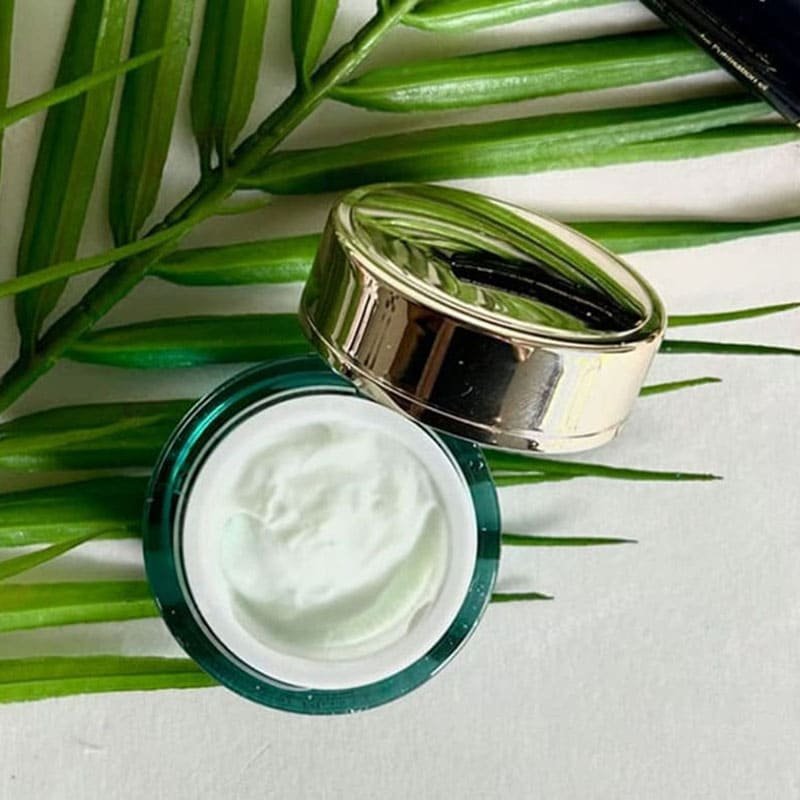
Itch-Relief Barrier Cream
Benefits: Rapid soothing of dryness, tightness, and itch on eczema-prone or over-washed skin; reduces visible redness and flaking.
Actives: Colloidal Oatmeal ~1% + Panthenol 2% + Ceramide/Cholesterol/FFA system + Beta-glucan 0.3%; pH 5.0–5.8.
Baby Comfort Lotion
Benefits: Daily hydration and friction protection for baby/toddler skin; supports calm-looking diaper area and reduces visible irritation.
Actives: Colloidal Oatmeal 0.5–1% + Panthenol 1% + Zinc Oxide (optional diaper barrier) + Allantoin 0.2%; pH 5.0–5.6.
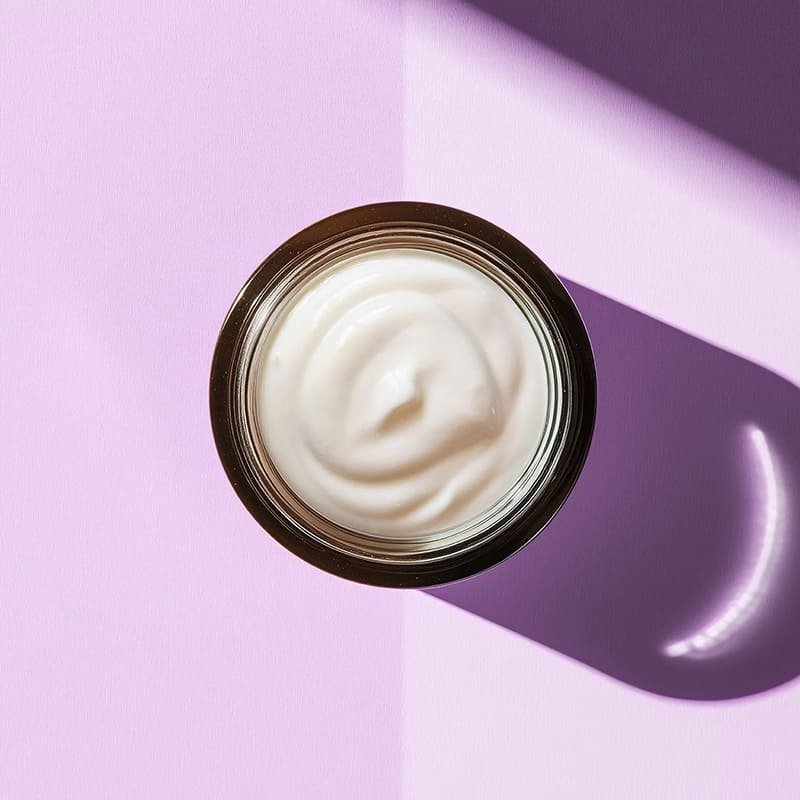
Overnight Barrier Mask
Benefits: Locks in moisture overnight, softens rough patches, and helps skin wake up calm and cushioned instead of tight or flaky.
Actives: Colloidal Oatmeal ~1% + Ceramide Complex 0.2–0.3% + Shea/Cocoa Butter + Squalane; pH 5.0–5.5.

Redness-Calming Mist
Benefits: Instant comfort after acids, sun, shaving, or windburn; visible redness reduction and sting relief without heavy occlusion.
Actives: Colloidal Oatmeal ~0.5% + Beta-glucan 0.3% + Panthenol 2% + HA (multi-weight); pH 5.2–5.8.

Scalp Soothing Milk
Benefits: Relieves dryness/itch at the scalp line, reduces visible flake appearance, and helps extend wash intervals without harsh stripping.
Actives: Colloidal Oatmeal 0.5–1% + Panthenol 1% + Mild anti-flake complex + Lightweight esters; pH 5.0–5.8.

Rough Spots Repair Balm
Benefits: Cushions cracked knuckles, heels, and elbows; builds a soft protective film that resists frequent washing and cold air exposure.
Actives: Colloidal Oatmeal ~1% + Occlusive Lipid Blend + Urea 5% + Allantoin 0.2%; anhydrous / pH N/A.
More Colloidal Oatmeal product customization instructions and FAQs
Q: What skin types is Colloidal Oatmeal suitable for?
A: Colloidal oatmeal is specifically used for dry, itchy, compromised, or easily irritated skin — including eczema-prone, over-exfoliated, windburned, and baby-sensitive skin. It forms a protective film, reduces moisture loss, and calms visible redness. Because it’s non-acidic and barrier-supportive, it’s generally well tolerated even on reactive skin.
Q: Can Colloidal Oatmeal be marketed for eczema or “itch relief”?
A: Yes, in many markets colloidal oatmeal can be positioned as an anti-itch / skin protectant ingredient in creams, balms, and bath soaks. At ~1% in leave-on formulas, brands often claim relief of dryness, tightness, flaking, and irritation linked to eczema or over-washing. For regulatory messaging, we typically align language (soothing, calming, relieves minor irritation) with local OTC/cosmetic guidelines.
Q: Is Colloidal Oatmeal safe for babies and toddler skin?
A: It’s widely used in baby creams, diaper-area balms, and post-bath comfort lotions because it helps reduce friction, dryness, and visible redness. Formulas are usually fragrance-light or fragrance-free, pH ~5–6, and avoid harsh surfactants. One caveat: parents should avoid use if the child has a known oat allergy or has been advised to avoid oat topicals.
Q: How does Colloidal Oatmeal actually work on irritated or over-washed skin?
A: Oat-derived beta-glucans, lipids, and soothing phenolics form a breathable protective layer on the skin’s surface. This helps reduce transepidermal water loss (TEWL), calm stinging/tightness, and visibly decrease redness. In many users, itch intensity drops quickly because the skin is no longer exposed and dehydrated.
Q: Can Colloidal Oatmeal be used on the scalp or body, not just the face?
A: Absolutely. It’s effective in low-foam scalp washes, leave-on scalp milks, post-shower body lotions, overnight heel/hand balms, even bath soaks. The positioning shifts slightly — “itch relief,” “flake comfort,” “friction shield,” “post-sun calming,” or “winter repair” — but the core soothing/buffer story is the same.
Launch Your Custom Cosmetics Line Now!