Skip to content
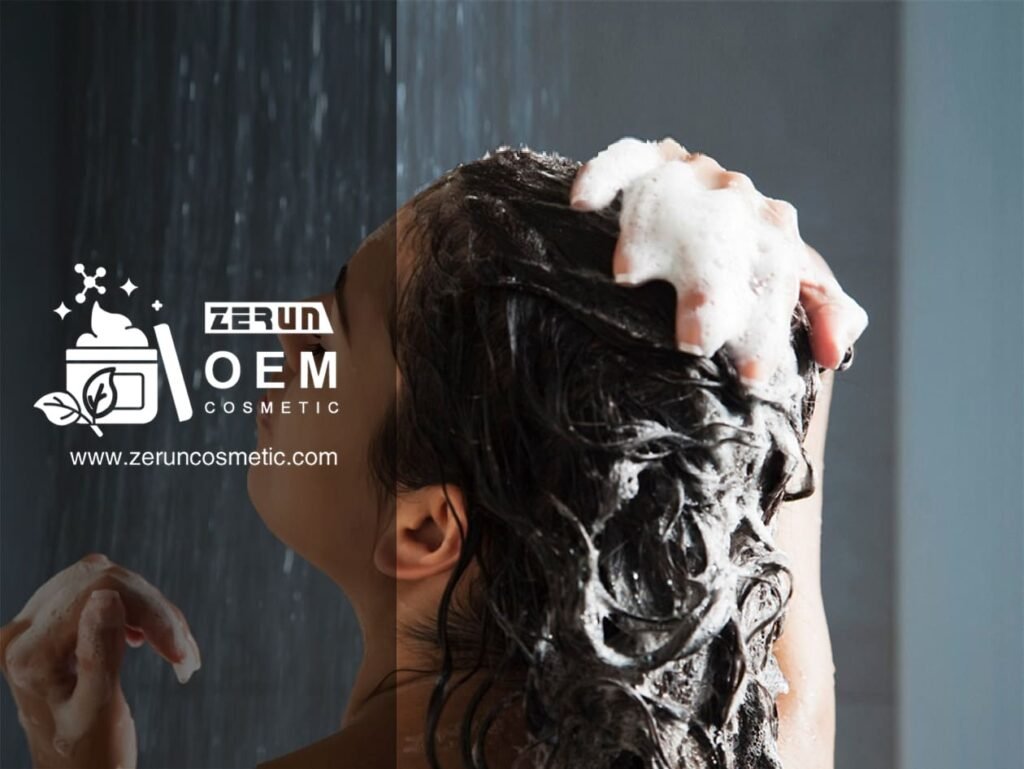
Most people ask this question when their hair feels greasy, frizzy, dull, or irritated — or when clients complain that “no shampoo works.” You’re not alone.
Below, we’ll map out real wash schedules by scalp type, texture, lifestyle, and even age.
Most healthy scalps do well with shampooing every 2–3 days. Oily scalps and fine hair often need daily or every-other-day washing. Very dry, curly, coily, chemically processed, or protective styles usually do better with weekly or even biweekly cleansing plus scalp care in between. The goal isn’t “wash less,” it’s “wash smart for your biology.”
But how do you know your personal (or your customer’s) ideal frequency — and when should you break the rules?
How often should you really wash your hair?
For most people, the right wash frequency is based on how quickly oil builds up on the scalp, not how the ends of the hair look. In general: oily scalps and fine hair can require daily or every 1–2 days; normal scalps work at 2–3 days; dry or curly textures often thrive at once per week or less. “Once a week only” is not universal, and “daily shampoo is bad” is not universal.
Is daily washing bad for hair?
Daily washing is not automatically damaging — but it can be if the formula is too harsh or if you’re over-scrubbing.
Daily washing can work when:
- The scalp overproduces oil (teenage/oily scalp, humid climate).
- There’s sweat/salt buildup from exercise.
- You’re using lightweight, pH-balanced, sulfate-moderated or sulfate-free shampoos that replenish conditioning agents.
Daily washing becomes a problem when:
- Hair is already fragile (bleached, relaxed, very curly).
- Ends never get replenished with conditioner or leave-in.
- You’re using clarifying/squeaky-clean formulas every single time.
In practice, daily washers usually need a gentler “frequent wash” shampoo and targeted mid-length/ends conditioner — not a “one size fits all” high-detergent shampoo.
How often should oily or fine hair be washed?
If your scalp looks shiny and stringy 12–24 hours after washing, frequent cleansing helps, not hurts.
For oily scalps and fine/straight hair:
- Wash: every day or every other day.
- Use: lightweight volumizing/balance shampoos with oil-control claims, not heavy repairing shampoos.
- Condition: mainly mid-length to ends.
- Styling note: heavy oils and butters at the root will force you to wash more, not less.
For brand owners “oil control without scalp stripping” is a powerful positioning for Gen Z and gym-going audiences.
How often should dry, curly, coily, or chemically treated hair be washed?
If your scalp is not greasy but your strands are brittle, washing less often is usually better — but “less often” does not mean “ignore the scalp.”
For curls/coils, highlighted/blonded, relaxed, or textured hair:
- Wash (actual shampoo): every 5–7 days, sometimes 10 days if scalp is calm.
- Co-wash or water-only refresh: in between as needed for sweat or odor.
- Reapply leave-in conditioner or oil to ends, not to scalp.
- Scalp massage or micromist tonic can keep roots fresh without a full shampoo event.
If buildup or itching shows up before day 7, that’s a sign you need a different kind of cleanser, not just “more days without washing.”
Hair/Scalp Type vs. Suggested Wash Frequency
| Scalp / Hair Situation | Typical Shampoo Frequency | Notes |
|---|---|---|
| Very oily scalp, fine straight hair | Daily or every other day | Use gentle, lightweight, oil-balancing shampoo |
| Normal scalp, medium/wavy hair | Every 2–3 days | Standard cleanse + conditioner routine |
| Dry scalp, thick/curly or coily hair | Every 5–7 days | Creamy, low-sulfate shampoo; nourish mid-length/ends between washes |
| Bleached / chemically processed / relaxed hair | Every 5–7 days | Repair shampoo + bond/peptide treatment, avoid overwashing |
| Protective styles (braids, twists, sew-ins, wigs) | Every 7–10 days (diluted shampoo) | Focus on scalp cleansing, avoid disturbing style integrity |
| Active lifestyle / heavy sweating | Rinse or light cleanse daily | Alternate shampoo and water-only / micellar scalp rinses |
Your “correct” wash schedule is not a moral choice. It’s a response to oil, sweat, buildup, and fragility. Greasy scalp? Wash more. Splitting ends? Wash smarter, not necessarily less.

Does scalp type matter more than hair type?
The scalp is living skin with sebaceous glands. The hair length/texture is dead keratin. The scalp decides how fast things look dirty; the fiber decides how much damage you can tolerate from cleaning. So you set BASE FREQUENCY using scalp behavior, then ADJUST with hair condition.
How do I know if I have an oily scalp?
If your roots look limp, clumped, shiny, or slightly odor-y ~24 hours after shampoo, you’re producing oil quickly.
- Oily scalp is common in teens, people with higher androgens, hot/humid climates, and people who wear hats/helmets.
- You might also notice forehead breakouts near the hairline, or sebaceous “film” under fingernails if you scratch your scalp.
- For oily scalps, waiting 4–5 days “to train your scalp” usually backfires. Oil plus dead skin equals clogged follicles and scalp inflammation, which can worsen shedding.
If you’re formulating a “daily purifying shampoo” SKU, call this out: “prevents follicle clog and scalp odor without stripping ends.”
How do I know if I have a dry or sensitive scalp?
If your scalp feels tight, itchy, or you see fine flaking that looks like powdery snow instead of waxy clumps, your scalp barrier is probably dry or irritated.
That usually means:
- You can stretch wash days.
- You need creamier, low-sudsing cleansers and soothing actives (panthenol, aloe, oat, bisabolol).
- You must avoid super-hot water rinses and aggressive nail-scratching.
For B2B buyers: “barrier-friendly shampoo” is no longer niche — it’s mainstream marketing for mature, color-treated, curl-care, and menopausal audiences.
What if my scalp is balanced but my lengths are breaking?
This is extremely common. Your roots get greasy on Day 2, but your bleached ends are snapping.
- Shampoo the scalp as needed (even every 2 days).
- Keep conditioner, bond-repair masks, or peptide serums focused mid-length down.
- Use leave-in protection on ends daily, not only on wash day.
For a salon line or DTC hair-repair SKU, this is a high-conversion story: “Targeted cleansing at the roots + leave-in fiber rescue for ends,” instead of “just stop washing.”
Diagnose scalp first, strands second. The scalp sets the wash rhythm. The ends tell you how gentle the cleanser needs to be.
How do lifestyle, climate, and environment change wash frequency?
Your “ideal schedule” is not fixed. Sweat, pollution, helmet time, studio lights, even city humidity all change how often you should cleanse. Athletes, outdoor workers, cooks, nurses under caps, and bikers with helmets often need more frequent scalp cleansing and odor control than desk workers.
If I work out daily, do I have to shampoo daily?
Short answer: Not always. You need to rinse the salt and sweat, but you don’t need full-detergent shampoo every single time.
Practical play:
- After intense cardio: quick lukewarm water rinse or scalp-only cleanse (apply diluted shampoo to scalp, not lengths).
- After light yoga or walking: dry shampoo or scalp mist to absorb odor and sebum if there’s no salt crust.
- Full shampoo: every 2–3 days, unless your scalp gets truly greasy/itchy.
Brands now position “post-gym refresh mists” or “micellar scalp rinses” as in-between products — these sell well to fitness-driven buyers.
Does humidity or pollution make me wash more?
Humidity flattens fine hair and traps sweat on the scalp. Pollution (city smog, cooking oil vapor, cigarette smoke) binds to sebum film and causes odor.
- In hot, humid, urban settings, many people move from 3-day cycles to every 1–2 days.
- If you live somewhere dry and air-conditioned, you might comfortably stretch to 4+ days because sweat evaporation is low and scalp stays calmer.
I wear helmets, wigs, or hats all day — should I wash more?
Trapped moisture and heat under helmets/wigs = micro “greenhouse” on your scalp. That supports odor-causing microbes.
If you’re under a cap or lace wig 8+ hours per day:
- Cleanse scalp (not necessarily full lengths) every 1–2 days.
- Use antibacterial/antisebum scalp toners in between.
- Fully dry roots before re-covering. Damp scalp under a wig is bacteria heaven.
Lifestyle / Climate Wash Frequency Adjuster
| Lifestyle / Environment | Adjust Wash Frequency Toward… | Why |
|---|---|---|
| Daily HIIT / sweat-soaked workouts | More frequent | Salt, odor, follicle clog |
| Outdoor labor / pollution / cooking fumes | More frequent | Smoke, oil vapor, dust cling to sebum |
| Office / air-conditioned, low sweat | Less frequent | Minimal salt buildup |
| Helmet / wig / head covering long hours | More frequent (scalp-only OK) | Warm, moist microclimate breeds odor-causing microbes |
| Very low humidity (dry climate, winter heat) | Less frequent (but hydrate ends) | Scalp stays calmer, ends get brittle |
| Tropical humidity | More frequent | Sweat film + limp roots happen faster |
Sweat, pollution, and occlusion (helmets, wigs) are “force multipliers.” They override textbook rules and justify more frequent scalp cleansing even if your hair fiber is fragile.
What happens if we wash too often — or not enough?
Both extremes cause problems. Overwashing can roughen the cuticle and fade color. Underwashing can clog follicles, trigger itch, odor, dandruff-like flaking, and even stress shedding.
Can overwashing cause more oil?
When you strip the scalp barrier too aggressively, the skin can rebound by producing more sebum because it “thinks” it’s dry.
You’ll notice:
- Tightness right after washing.
- Then, paradoxically, oil flood 12–18 hours later.
- You feel trapped in a cycle: “I’m oily so I wash, but washing makes me even oilier.”
This is where “frequent wash shampoos” with milder surfactants and soothing ingredients are useful SKUs for oily scalps. Clean but not overstripped.
What if I don’t wash enough?
If you keep stretching wash days way beyond what your scalp can tolerate:
- Sebum oxidizes and smells sour.
- Sweat, dead cells, and styling product accumulate around follicles.
- This buildup can look like dandruff, but it’s actually a greasy plaque.
- That environment can feel itchy or even slightly tender.
In severe cases, some users report increased shedding in the shower when they finally wash — it looks scary, but often it’s just accumulated shed hairs releasing at once. Still, chronic follicle irritation is not ideal for long-term density.
Is it true that “shampoo causes hair loss”?
Not by itself. Hair naturally sheds in cycles. If you only wash once a week, you’ll see a whole week of shed hairs come out together and think “the shampoo made me bald.”
Real red flags are:
- Red, burning scalp.
- Thick, waxy scales.
- Pustules or painful bumps. These suggest inflammation or infection, not “you washed too often.” That’s a dermatologist situation.
Too much washing can roughen fragile lengths. Too little washing can choke follicles. If your scalp burns, smells, or flakes thickly, frequency is only part of the story — you may need a different formula or medical input.

What should we use on wash days vs. in-between days?
You don’t need the same product every single rinse. High-performing routines rotate: full shampoo, light cleanse, water rinse, leave-in refreshers. This matters for consumers — and it matters if you’re building a product line with multiple SKUs that ladder together.
Can I just rinse with water instead of shampoo?
Yes, sometimes. A lukewarm water rinse helps remove sweat salts after the gym and can redistribute scalp oils a bit without fully stripping.
Longer view:
- Water-only rinses are great for Day 2 or Day 3 post-wash, especially on curly/coily hair where you want hydration back into the curl.
- But water alone cannot remove styling waxes, heavy silicones, mineral sunscreen overspray, or pollution particles stuck to sebum. For that, you still need surfactants.
Is dry shampoo a real substitute for washing?
Dry shampoo (aerosol or powder) absorbs oil and adds lift at the roots. It is not true cleansing.
Use it to:
- Push your wash from Day 2 to Day 3 if scalp is only mildly oily.
- Refresh bangs or crown for a meeting/photoshoot.
- Stretch protective styles without dismantling them.
But if you rely on dry shampoo for 5+ days straight, expect dull residue on the scalp and possible itching. Many brand owners now sell a “Detox Wash” shampoo intended to reset after heavy dry shampoo usage.
What should I do on non-wash days so hair still looks clean?
On in-between days:
- Refresh scalp: micellar scalp mist / balancing tonic / witch hazel-based wipe at the roots.
- Refresh mids/ends: small amount of leave-in conditioner or curl cream with light humectants.
- Restyle: cool-air blow-dry at roots for lift, or braid buns to reset wave pattern without re-wetting fully.
This is where brands build “systems”: Shampoo → Day-2 Root Refresh → Day-3 Curl Reviver → Weekly Repair Mask. Consumers like being told exactly which bottle to grab on which day.
Between-Wash Strategy Cheat Sheet
| Day | Scalp Action | Mid-Lengths / Ends Action | Product Type to Sell / Use |
|---|---|---|---|
| Wash Day (Day 0) | Full shampoo, conditioner | Leave-in heat/UV protector | Core shampoo + conditioner + leave-in protector |
| Day 2 Refresh | Dry shampoo or micellar scalp mist | Light smoothing serum or curl cream | Root refresher + lightweight leave-in |
| Day 3 / Pre-wash Stretch | Water rinse or diluted scalp cleanse | Braid / twist set to reset shape | Gentle rinse aid / scalp concentrate |
| Weekly Reset / Detox | Clarifying or scalp-purifying wash | Deep mask / bond-repair treatment | Clarifier + bond mask |
Wash day is not the only “hair care” day. Scalp refreshers, curl definers, dry shampoos, detox washes, and bond masks all live in the timeline. This is exactly how modern haircare lines create multiple SKUs per consumer.
How should different hair textures and styles adjust washing?
Texture affects fragility and moisture retention. Straight/fine hair gets oily fast and collapses. Coily hair holds onto oils on the scalp but starves the ends, which crave moisture. Protective styles and chemically altered hair have special rules.
How often should straight or fine hair be washed?
Straight or fine hair tends to get oily and flat quickly, so washing daily or every other day is usually best. Use a gentle oil-balancing or volumizing shampoo, and apply conditioner only from mid-length to ends—not on the roots.
Detailed view:
- Fine, straight hair shows grease immediately at the root.
- Sebum moves quickly, making the whole head look heavy.
- Most people in this category feel best washing daily or every 1–2 days.
- Use volumizing or “oil-control” shampoos that rinse very clean.
- Condition only from mid-length down to avoid flatness.
“clean root lift without buildup” and “silicone-light volumizing system” resonate strongly in this demographic.
How often should wavy, curly, or coily hair be washed?
Less often — to protect curl pattern and prevent dryness.
- Oil from the scalp doesn’t easily travel down a curl spiral, so ends dry out.
- Curly/coily hair often thrives on weekly cleansing with hydrating, low-sulfate or sulfate-free shampoos.
- In between, many use co-wash (very mild cleansing conditioner) or water + leave-in refresh.
- Mechanical friction (towels, rough detangling) does more harm than gentle, less-frequent washing.
If you’re selling to curl customers, talk about “curl integrity between wash days,” not just “moisture.”
How often should protective styles, braids, sew-ins, and wigs be washed?
Short answer: The scalp still needs hygiene, even if the style is “long wear.”
Practical guidance:
- Use diluted shampoo in an applicator bottle directly on scalp every 7–10 days.
- Rinse carefully so you don’t frizz or loosen braids.
- Fully dry the scalp/roots with cool air to avoid odor and mildew.
- Use scalp tonics in between to control itch and odor under wigs or sewn-in extensions.
How often should color-treated or chemically relaxed hair be washed?
Fewer wash days, more bond repair.
- Bleached, highlighted, permed, or relaxed hair has lifted cuticles and internal damage.
- Overwashing accelerates color fade and breakage.
- Aim for every 4–7 days using bond-building or peptide shampoos that cushion the fiber instead of squeaking it clean.
- Add leave-in heat/UV protection daily, even on non-wash days.
Texture equals fragility. Straight/fine hair tends to wash frequently; curls/coils/protective styles prioritize scalp refresh + moisture retention with fewer full shampoo events.

How do age, hormones, and scalp conditions change your wash schedule?
Your scalp at 15 is not your scalp at 45 or 60. Hormones, medications, menopause, dandruff, seborrheic dermatitis, even mild psoriasis — all can change how often you should wash.
Do teens and young adults need to wash more often?
Often yes. Higher androgen levels can drive sebum output, especially in the T-zone and scalp.
Typical pattern:
- Teens/20s: oily roots one day after washing, sometimes even same-night grease.
- Daily or every-other-day washing is usually fine if formulas are gentle.
- Marketing angle for youth lines: “balanced scalp without stripping” > “anti-dandruff,” unless flakes are visible.
Does hair usually get drier with age?
Yes. As we get older:
- Sebum production often slows.
- Many people color, highlight, or cover grays more often, which roughens hair.
- Menopause-era scalps can feel tight, itchy, or sensitive.
That means:
- You can stretch wash days longer (4–7 days).
- You need soothing, barrier-supportive shampoos.
- Leave-in hydration becomes daily, not just post-shower.
What if I have dandruff or seborrheic dermatitis?
If you see yellowish flakes, itching, and scalp redness, that’s often oil + yeast imbalance. Ironically, not washing enough can make it worse.
- Use targeted scalp shampoos (zinc, salicylic acid, ketoconazole, etc., depending on region and regulation).
- Wash more consistently, not less — often every 2–3 days until calm.
- Massage the scalp gently and let the shampoo sit briefly before rinsing, so actives can work.
Salons and brands serving dandruff-prone clients should teach: “consistent therapeutic cleansing” instead of “just washing less.”
Life Stage & Scalp Status Wash Frequency Guide
| Life Stage / Scalp Concern | Wash Frequency Target | Key Care Notes |
|---|---|---|
| Teen / very oily scalp | Daily / every other day | Gentle balancing shampoo, avoid heavy root conditioners |
| Adult, normal scalp | Every 2–3 days | Standard cleanse + conditioner, dry shampoo touch-ups |
| Color-treated / chemically altered | Every 4–7 days | Bond/repair shampoo, UV/heat protectants daily |
| Menopause / mature, dry scalp | Every 4–7 days | Soothing, low-sulfate shampoo; scalp-calming serum between washes |
| Dandruff / seborrheic dermatitis | Every 2–3 days (therapeutic) | Use targeted anti-flake formulas regularly until symptoms are controlled |
| Protective styles / wigs | Every 7–10 days (scalp focus) | Diluted scalp cleanse + thorough drying under style |
Hormones and scalp conditions override generic advice. Oily teenage scalp? Wash more. Tender, low-sebum mature scalp? Wash less and soothe. Flaking, red scalp? Use the correct medicated cleanser more consistently, not less.
What is the ideal step-by-step routine on wash day?
Washing “correctly” matters as much as “how often.” A harsh technique can ruin even a smart schedule. Most consumers (and honestly many stylists) rush shampoo, skip scalp focus, and then complain about dull hair or itchy roots. Teaching routine is a great way for brands and salons to prove expertise.
Do I shampoo once or twice?
Usually once — unless there’s heavy buildup.
- First lather is for oil, sweat, and product film. If hair was extremely dirty (dry shampoo layers, hairspray, chlorine, etc.), a second quick shampoo at the scalp only can help.
- Daily or every-other-day washers rarely need two full lathers.
- Weekly washers or protective style wearers sometimes benefit from a gentle double cleanse at the scalp because they’re clearing several days of buildup.
Rule for clients: “If you can’t get a rich lather the first time because the hair is coated, rinse and shampoo again.”
Should shampoo touch my ends?
The suds that run down are usually enough.
- Focus the main shampoo massage on the scalp/roots where oil, sweat, odor, and buildup live.
- Let rinse water cascade through the lengths. That’s usually enough to clean mid-length and ends without over-drying them.
- Scrubbing fragile ends with high-foam shampoo can accelerate breakage and fade.
How long should conditioner stay in?
Most conditioners should sit on mid-lengths and ends for about 2–5 minutes, not just a quick rinse. Squeeze out excess water first so it can absorb, then rinse lukewarm afterward.
- Squeeze out water first so conditioner isn’t diluted instantly.
- Apply mid-length to ends. Comb through with fingers or a wide-tooth comb.
- Let it sit ~2–5 minutes while you wash your body / shave.
- Rinse with lukewarm (not hot) water to keep cuticles calmer.
Basic Wash Day Sequence
| Step | What To Do | Why It Matters |
|---|---|---|
| 1 | Pre-rinse with lukewarm water, fully saturate hair | Opens cuticle slightly, loosens sweat/salt |
| 2 | Shampoo: massage scalp with fingertips (not nails) 30–60 seconds | Removes oil, odor, buildup without scratching scalp barrier |
| 3 | Optional second scalp cleanse if hair was very dirty | Targets styling product residue / dry shampoo buildup |
| 4 | Rinse thoroughly, let suds run through lengths instead of scrubbing ends | Cleans mids/ends gently |
| 5 | Conditioner mid-length to ends; leave on 2–5 minutes | Replaces moisture/bond support where fiber is oldest and driest |
| 6 | Final rinse lukewarm/cool; gently squeeze with microfiber or T-shirt towel | Reduces frizz and mechanical damage |
| 7 | Apply leave-in protectant / curl cream / scalp tonic as needed | Locks in moisture, shields from heat/UV, calms scalp |
Good technique = cleaner scalp + protected ends. For B2B brands, printing this routine on packaging or in a QR code tutorial massively increases “this product actually works” reviews.
How should I talk about wash frequency on packaging and product pages?
Short answer: Tell people exactly when to use it.
Instead of just saying “Apply as needed,” say:
- “Use after workouts or sweat-heavy days.”
- “Use 2–3x weekly to maintain bond integrity for bleached hair.”
- “Spray on roots Day 2 and Day 3 to absorb oil and calm odor under helmets or wigs.”
That language does two things:
- It teaches them how to build their routine (lower returns, fewer complaints).
- It justifies owning multiple SKUs (“I need the gym spray and the weekly bond shampoo”).

Where does Zerun Cosmetic fit in?
This is where we work with you on white-label or custom formulas that match specific wash cadence stories:
- High-frequency balancing shampoos for oily scalps and active lifestyles.
- Low-frequency bond-repair shampoos for color clients who only wash twice a week.
- Scalp-refresh tonics and Day-2/Day-3 dry-clean mists for in-between hygiene.
- Education-driven packaging that literally prints “Daily / 2–3x weekly / Weekly reset.”
That’s what keeps customers from abandoning your product after one bottle. It’s also what convinces retailers and salons that your line solves a real, daily-life problem — not just “smells nice.”
Frequency-based positioning is how you turn shampoo from a commodity into a ritual system. When you give buyers language for “daily,” “2–3x weekly,” and “weekly reset,” you’re building lifetime value, not just a single SKU.
Conclusion
Most of us were taught hair-washing rules that don’t fit real life. The truth is more flexible. Your scalp biology sets the baseline. Your hair texture and chemical history decide how gentle the cleanser must be. Your lifestyle (gym, helmet, humidity, pollution) pushes you to wash more or less. There is no single “correct number of days,” only a correct logic:
- Oily / sweaty / odor-prone scalp → cleanse more often, but gently.
- Dry / fragile / color-treated fiber → cleanse less often, but repair deeply.
- In-between days still count — mists, dry shampoos, curl refreshers, and scalp tonics are not luxuries; they’re tools.
For brand owners, salon buyers, and private-label partners: Zerun Cosmetic formulates around real wash cadence. We build daily-use balancing shampoos, low-frequency bond shampoos, scalp-refresh tonics, curl-preserving cleansers, and “protective-style safe” applicator cleansers — and we help you label them in plain language so customers instantly know when to use what. If you tell us your target audience (gym/post-workout line, gray coverage clients, textured-hair moisture line, teen oil-control line), we’ll propose base formulas, packaging options, claims language, and low-MOQ sampling to get you selling faster.
Reach out to Zerun Cosmetic to co-develop a cleansing system that matches how people truly live, wash, sweat, color, style, and age. Let’s build something they don’t just try once — they reorder.