Skip to content
Custom Scalp Care Formulations Manufacturer
What This Scalp Care Formula Solves
Flaking, itch, oiliness/odor, and tight, sensitive scalps often stem from hard-water mineral build, Malassezia imbalance, and over-cleansing that lifts the barrier and roughens roots. Our scalp-care system delivers clean roots + calm comfort by combining microbiome-friendly actives, gentle keratolytics, and chelation with lightweight conditioning so strands stay soft. Cationic polymers give targeted slip at the base without coating the scalp; low-pH rinse care compacts cuticles; zinc salts/niacinamide help moderate sebum; soothing agents reduce sting. We tune surfactant strength and solids for oily vs. dry/sensitive types and build climate-smart routines (humid vs. arid). From balancing shampoos and micro-exfoliating toners to cooling mists, leave-on serums, and overnight elixirs, your line can deliver day-one freshness and day-two revival—silicone-optional, fragrance-flexible, and color-safe. For regulated anti-dandruff claims, we provide region-specific active choices and compliant copy; for cosmetic “scalp comfort/flake-appearance” stories, we lean on instrumentals and panel evidence.
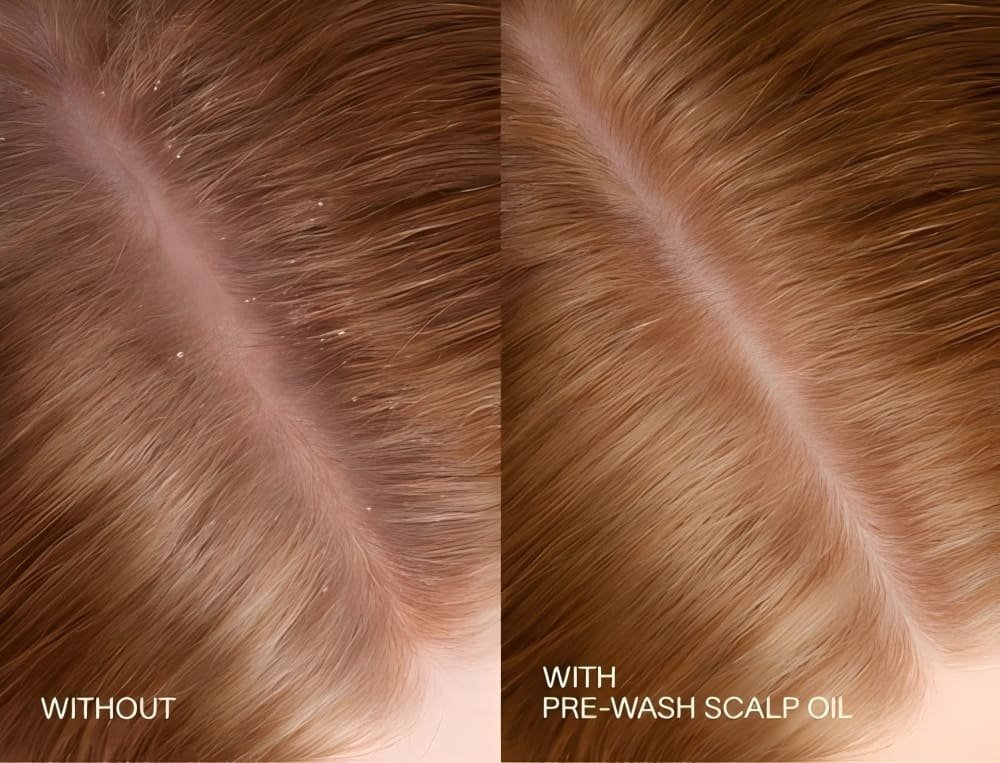
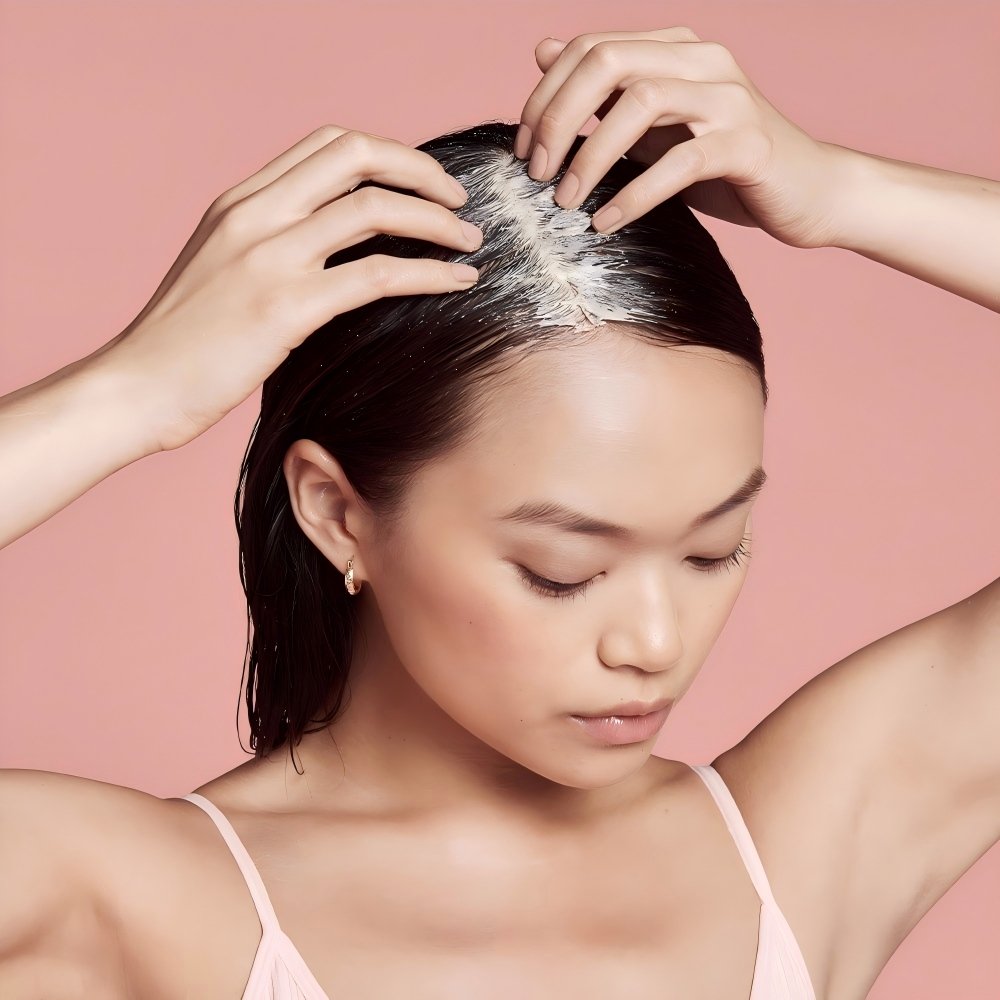
Scalp Care Formula
1.Visible Flake Appearance & Itch Score
On standardized tress/scalp panels, grade flake coverage via imaging and dermatologist scores, and track itch reduction on VAS scales after 1–4 weeks. Our microbiome-friendly actives (e.g., piroctone olamine where permitted) and gentle keratolytics (BHA/PHA) reduce visible flakes while soothing agents improve comfort. Report Δ% flake appearance and Δ itch score vs. control, with multi-wash durability. Translate outcomes into clear consumer phrasing—“fewer visible flakes,” “comfort that lasts”—for PDPs and salon sheets.
2. Sebum Normalization & Root Freshness
Use sebumetry at the crown/part plus panel freshness ratings over a full day. Zinc PCA/niacinamide help moderate oil, while chelation (GLDA/EDTA) limits mineral films that trap residue and odor. Optimize surfactant/base oils to avoid rebound greasiness. Express results as Δ% sebum reduction and “time-to-weigh-down,” linking metrics to styling longevity and second-day confidence.
3. Barrier Comfort & Redness Reduction
Track TEWL, erythema (colorimetry), and tactile sting scores on sensitive scalps with low-fragrance options. Panthenol, bisabolol, Centella and low-pH care support comfort without occluding roots. Show Δ TEWL decline and Δ redness reduction under realistic wash cadence and heat-style exposure, reinforcing “calm scalp, clean feel” without heavy wax or petrolatum.
Key Scalp Care Actives & Technologies
Microbiome balance + gentle exfoliation + mineral control: Target Malassezia imbalance and residue while preserving the barrier. Flexible polymers keep hair manageable at the base; low-pH, chelation, and lightweight carriers maintain shine and root lift.
Key Ingredients & Their Benefits
| Ingredient (INCI) | Role in System | Typical Use Levels | Formulation Notes | Compliance & Market Proof |
|---|---|---|---|---|
| Piroctone Olamine | Flake/odor control | 0.2–1% | Region-permitted anti-dandruff cosmetic active | Wikipedia – Piroctone Olamine, EU CosIng (search) |
| Climbazole (where allowed) | Malassezia targeting | 0.1–0.5% | Check regional limits and claims | Wikipedia – Climbazole, EU CosIng (search) |
| Salicylic Acid (BHA) | Micro-exfoliation | 0.2–2% | Balance with soothing agents; pH-appropriate | CosmeticsInfo – Salicylic Acid, Wikipedia – Salicylic Acid |
| Gluconolactone (PHA) | Gentle renewal | 1–4% | Sensitive-friendly alternative to BHA | Wikipedia – Glucono-δ-lactone, EU CosIng (search) |
| Zinc PCA | Sebum moderation | 0.1–1% | Scalp-freshness narratives; toner friendly | Wikipedia – Zinc PCA, CosmeticsInfo – Zinc Salts |
| Niacinamide | Barrier/shine support | 1–4% | Roots feel clean, not stripped | Wikipedia – Niacinamide, CosmeticsInfo – Niacinamide |
| Panthenol | Comfort + gloss | 0.2–2% | Supports softness and light return | Wikipedia – Panthenol, CosmeticsInfo – Panthenol |
| Bisabolol / Centella Extract | Soothing | 0.05–0.3% / 0.2–1% | Redness/sting comfort; fragrance-flexible | Wikipedia – Bisabolol, Wikipedia – Centella asiatica |
| Menthol | Cooling sensorial | 0.05–0.3% | Calibrate for mild, non-stingy feel | CosmeticsInfo – Menthol, Wikipedia – Menthol |
| Tetrasodium Glutamate Diacetate / Disodium EDTA | Chelation | 0.05–0.3% | Binds Ca/Fe/Cu; reduces roughness/odor | Wikipedia – GLDA, Wikipedia – EDTA |
| Pre/Pro/Postbiotic (e.g., Inulin, Lactobacillus Ferment) | Microbiome care | 0.5–2% | Narrative of balance; stability checks | Wikipedia – Inulin, EU CosIng: “Lactobacillus Ferment” (search) |
| Tea Tree Oil (optional) | Freshness story | 0.05–0.5% | Allergen disclosure/IFRA compliance | Wikipedia – Tea Tree Oil, IFRA Standards |
Piroctone Olamine — Customization Details for Scalp Care (Dandruff/Itch Relief) Formulas
INCI & CAS
INCI: Piroctone Olamine (Octopirox) · CAS: 68890-66-4. Antifungal/antimicrobial chelating agent that targets Malassezia spp. implicated in dandruff and seborrheic scalp, helping normalize microbiome balance and reduce itch/flakes. (EU CosIng entry; ECHA substance information.) (ec.europa.eu) (echa.europa.eu)
Role in Scalp Care Efficacy
Anti-Malassezia action + itch relief. Piroctone olamine disrupts fungal metabolism via iron chelation, reducing yeast load, erythema, pruritus, and visible flake appearance. Often paired with keratolytics (salicylic acid), sebum control (zinc PCA), and barrier soothers (panthenol/bisabolol) for faster comfort and sustained control. (Clinical/mechanism literature.) (PubMed) (PubMed)
Typical Use Levels (formulation custom guide)
Shampoos/cleansing treatments: 0.3–1.0% (common: 0.5–1.0%); solubilize in glycols/alcohol then into surfactant base
Leave-on tonics/serums/sprays: 0.1–0.5% (pair with humectants + mild preservatives)
Masks/conditioners/co-wash: 0.1–0.5% with cationic systems for scalp comfort
Notes: Good performance at pH 5.0–6.5; compatible with anionic/cationic surfactants; avoid strong oxidizers. Consider contact time (≥2–3 min in rinse-off) to boost efficacy. (Supplier/clinical usage notes.) (PubMed)
Regulatory Sources & Global Compliance
- EU Cosmetics Regulation / CosIng: Listed for Antimicrobial and Antidandruff use; no Annex II/III restriction listed for cosmetic use—conduct CPSR at product level. (ec.europa.eu)
- ECHA/REACH: Substance info/dossier framework available; verify supplier registration/tonnage and SDS. (echa.europa.eu)
- Context note (EU market): Following the restriction/removal of zinc pyrithione from EU cosmetics, piroctone olamine is widely adopted as a compliant dandruff active. (EU restriction communication.) (ec.europa.eu)
Clinical/Performance Evidence (flakes, itch, microbiology)
- Clinical anti-dandruff efficacy: Rinse-off formulas with 0.5–1% piroctone olamine show significant reductions in adherent flakes and itch vs. baseline/placebo over 2–4 weeks. (PubMed)
- Comparative data: Studies report non-inferior control vs. other actives and improved hair shaft quality vs. zinc pyrithione in some designs. (PubMed)
- Mechanistic support: Iron chelation and membrane disruption reduce Malassezia viability; correlates with clinical score improvements. (PubMed)
Safety & Risk Assessment (toxicology highlights)
Generally well-tolerated at cosmetic use levels; low irritation/sensitization in human patch testing. For leave-on and spray formats, assess exposure (dose per area; droplet size for aerosols). Verify purity/residuals and perform HRIPT/patch where needed for CPSR. (Safety reviews/clinical data.) (PubMed) (echa.europa.eu)
Stability & Packaging
Formulation handling: Pre-dissolve in propylene glycol/ethanol; add to cool-down to minimize crystallization. Validate assay and preservation in water-rich systems; consider opaque/UV-stable packaging for leave-ons with additional sensitive actives. Include flake scoring, itch VAS, Malassezia CFU/log reduction, and time-to-relief endpoints. (Supplier/industry methods.) (PubMed)
Cost–Benefit
Clinically backed, EU-friendly dandruff active enabling strong “flake-reduction + itch comfort” positioning without medicated labeling. Works well in mild surfactant bases and multi-active systems; cost higher than basic keratolytics but offset by compliance and consumer acceptance. (Regulatory/market synthesis + clinical literature.) (ec.europa.eu) (PubMed)
Claims Language (Do/Don’t)
✅ Helps reduce visible flakes and relieve scalp itch associated with dandruff when used in piroctone-olamine scalp care systems. (PubMed)
✅ Helps control Malassezia on the scalp to improve comfort and freshness, supported by microbiological counts and clinical flake scores. (PubMed)
✅ Contributes to a cleaner-looking scalp and better feel in 2–4 weeks of regular use, validated by clinical grading and itch VAS. (PubMed)
❌ Avoid drug-style or disease claims (e.g., “treats seborrheic dermatitis”) unless authorized; keep cosmetic positioning and substantiate at the finished-product level (flake count, pruritus VAS, CFU/log reductions). Use CosIng/ECHA for INCI/safety context. (ec.europa.eu) (echa.europa.eu)
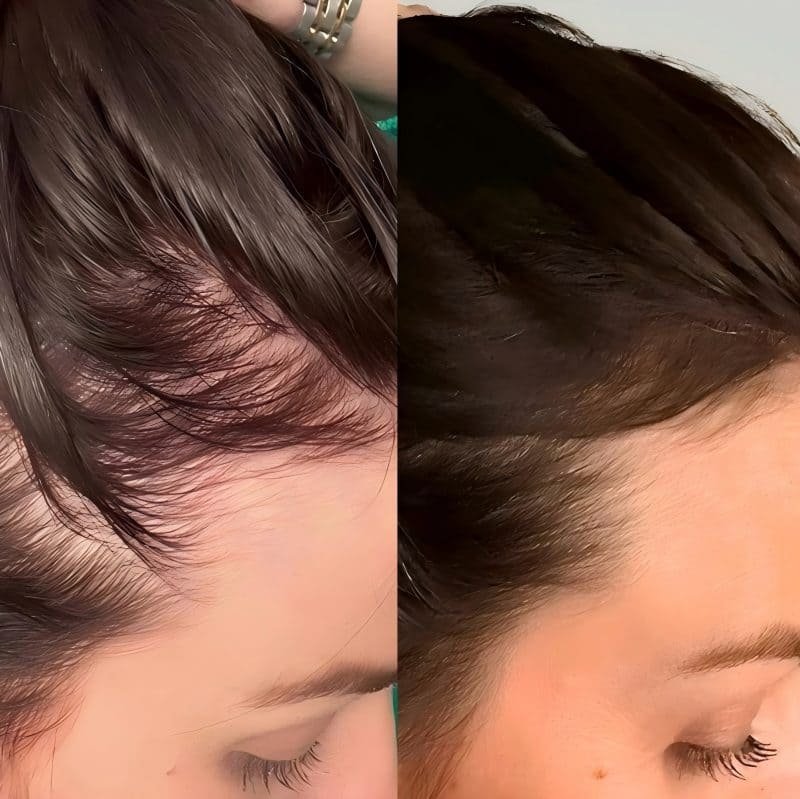
Zinc PCA — Customization Details for Scalp Care (Sebum/Microbiome Comfort) Formulas
INCI & CAS
INCI: Zinc PCA (zinc 2-pyrrolidone-5-carboxylate) · CAS: 68107-75-5 / 15454-75-8. Zinc salt of PCA (an NMF humectant) combining sebum-regulating, antimicrobial zinc with hydrating pyrrolidone-carboxylic acid; water-soluble, scalp-compatible. (EU CosIng entry; identifiers/EC Nos.) (ec.europa.eu) (specialchem.com)
Role in Scalp Care Efficacy
Sebum moderation + microbiome support. Zinc PCA is cited to reduce sebum output and limit proliferation of scalp-relevant microbes (e.g., Cutibacterium, Malassezia), helping calm oil-related itch/odor and improve flake appearance when paired with keratolytics or antifungals. (Topical zinc review; Malassezia/dandruff background.) (PubMed) (PMC)
Typical Use Levels (formulation custom guide)
Shampoos/cleansing tonics: 0.3–1.0% (common 0.5%); pre-dissolve in glycol/water then add to surfactant base
Leave-on serums/lotions/sprays: 0.1–0.5% (pair with humectants and mild preservatives)
Conditioners/masks/co-wash: 0.1–0.5% with cationic systems for scalp comfort
Notes: Works best at pH ~5.0–6.5; compatible with anionic/cationic surfactants. Combine with piroctone olamine or salicylic acid for flake/itch regimens. (Clinical usage patterns; supplier/INCI notes.) (PubMed) (specialchem.com)
Regulatory Sources & Global Compliance
- EU Cosmetics Regulation / CosIng: Zinc PCA listed as Skin Conditioning (humectant/sebum-regulating context). CosIng is informational → complete CPSR at finished-product level. (ec.europa.eu)
- CIR Expert Panel: PCA and its salts (incl. sodium/calcium/magnesium/potassium PCA) safe as used; avoid nitrosating systems. Zinc salts broadly safe as used when non-irritating (zinc salts group assessment). (cir-safety.org) (cir-safety.org)
- ECHA/REACH: Substance information/dossiers and identifiers available (zinc compounds; zinc pidolate). Verify registration/tonnage and SDS with supplier. (echa.europa.eu) (PubChem)
Clinical/Performance Evidence (oil, comfort, microbiology)
- Sebum reduction: Human/clinical literature on topical/oral zinc indicates decreased sebum and anti-inflammatory/antibacterial effects—supporting oil-control claims on scalp. (PubMed)
- Adjunct anti-acne/antiseborrheic: Nicotinamide + zinc PCA cream improved lesion counts and tolerability—evidence that zinc-PCA systems can support oil-linked scalp skin comfort strategies. (PMC)
- Dandruff context: Malassezia involvement in dandruff/SD is well documented; combining sebum control (zinc PCA) with antifungals (e.g., piroctone olamine) aligns with mechanism-based care. (PMC)
Safety & Risk Assessment (toxicology highlights)
Generally well tolerated at cosmetic use levels; justify exposure in CPSR (dose per area; rinse-off vs. leave-on). Follow CIR zinc-salts guidance to ensure non-irritating formulations and control residuals. Include HRIPT/patch references as needed. (CIR PCA + zinc salts safety assessments.) (cir-safety.org) (cir-safety.org)
Stability & Packaging
Aqueous systems: Dissolves readily; maintain pH 5–6.5 for scalp compatibility. Compatible with most surfactants; avoid complexing agents that may reduce zinc availability. Pack serums/tonics in opaque/UV-stable containers if co-formulated with light-sensitive actives. Validate sebumeter gloss, itch VAS, Malassezia qPCR/CFU (if used), and time-to-freshness endpoints. (Method/clinical practice overviews.) (PMC) (PubMed)
Cost–Benefit
Multi-benefit active delivering oil control + comfort with good cosmetic acceptability and EU compliance—often at lower cost than dedicated antifungals. Strong synergy in multi-active scalp lines (e.g., with piroctone olamine, salicylic acid, panthenol). (Regulatory/market synthesis + clinical literature.) (ec.europa.eu) (PubMed)
Claims Language (Do/Don’t)
✅ Helps reduce excess scalp oil and refreshes the scalp for a clean, comfortable feel between washes. (Supported by topical zinc sebum data.) (PubMed)
✅ Helps control odor-causing microbes and supports a balanced scalp environment, especially when combined with antidandruff actives in finished products. (Scalp microbiome/Malassezia context.) (PMC)
✅ Contributes to improved scalp comfort (less itch/tightness) in 2–4 weeks with routine use, corroborated by panel sensory and instrumental oil/gloss metrics. (Adjunct clinical examples.) (PMC)
❌ Avoid drug-style disease claims (e.g., “treats seborrheic dermatitis”); keep cosmetic positioning and substantiate at the finished-product level (sebum/gloss reduction, comfort VAS, microbiology endpoints where applicable). Use CosIng/CIR/ECHA for INCI & safety context. (ec.europa.eu) (cir-safety.org) (echa.europa.eu)
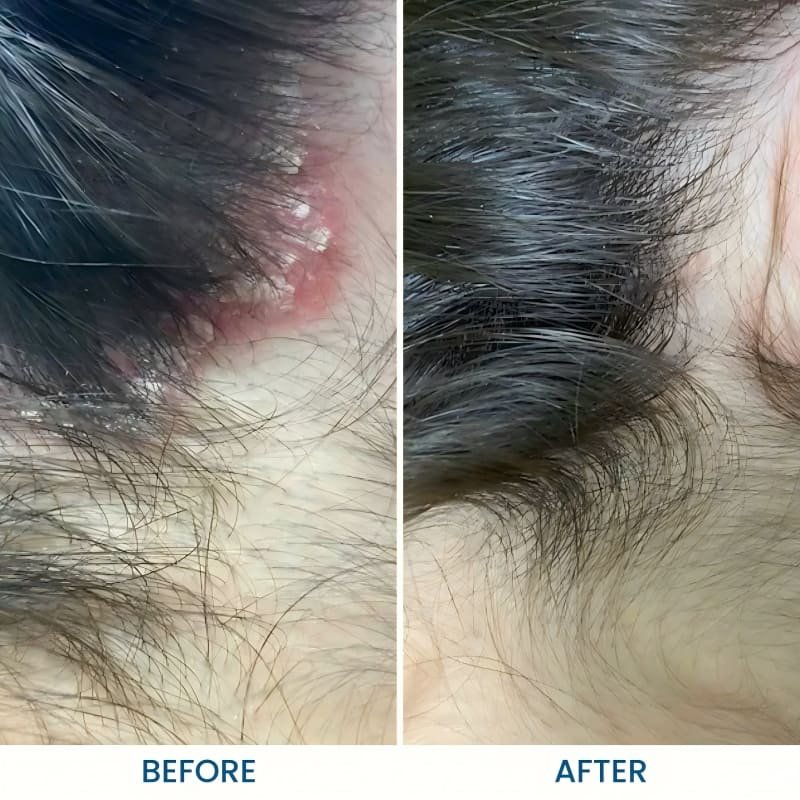
Gluconolactone (PHA) — Customization Details for Scalp Care (Gentle Exfoliation/Comfort) Formulas
INCI & CAS
INCI: Gluconolactone · CAS: 90-80-2. Polyhydroxy acid (PHA) that slowly hydrolyzes to gluconic acid, offering gentle keratolysis, humectancy, and chelating benefits at scalp-friendly pH. Listed for skin conditioning/antioxidant functions. (EU CosIng; ECHA substance information.) (ec.europa.eu) (echa.europa.eu)
Role in Scalp Care Efficacy
Micro-exfoliation + barrier-friendly hydration. Gluconolactone loosens corneocyte cohesion to help lift flakes while its multiple hydroxyls bind water to reduce tightness/itch. As a chelating acid, it may limit microbial growth support via metal sequestration and improve surfactant mildness in shampoos. (PHA clinical/mechanism reviews.) (PMC) (PubMed)
Typical Use Levels (formulation custom guide)
Shampoos/cleansing treatments: 0.5–4% (pH target 4.5–5.5; boosts flake lift with low sting)
Leave-on tonics/serums: 1–3% (pair with panthenol/bisabolol for comfort; avoid over-acidification)
Conditioners/masks/co-wash: 0.5–2% to smooth scalp feel and help scale detachment
Notes: PHAs are less irritating than AHAs at comparable acid values; combine with piroctone olamine or zinc PCA for dandruff/seborrhea regimens. (Clinical tolerance and combo concepts.) (PMC)
Regulatory Sources & Global Compliance
- EU Cosmetics Regulation / CosIng: Gluconolactone listed as Skin Conditioning/Antioxidant; CosIng is informational → product-level CPSR required. (ec.europa.eu)
- CIR Expert Panel: Gluconolactone (often assessed with Sodium Benzoate as a system) deemed safe as used in cosmetics under current practices. (cir-safety.org)
- ECHA/REACH: Substance dossier/identifiers available; verify supplier registration/tonnage and SDS. (echa.europa.eu)
- SCCS context: PHAs are cosmetic ingredients, not OTC drugs in EU; ensure label/pH justification in CPSR for scalp use. (health.ec.europa.eu)
Clinical/Performance Evidence (flakes, comfort, tolerance)
- Gentle exfoliation with moisturization: Human data show improved roughness/desquamation with better tolerance vs. typical AHAs; supports flake lift without sting. (PMC)
- Barrier & sensitivity profile: Reviews describe low-irritancy PHAs that retain stratum corneum water; useful for sensitive/scalp applications. (PubMed)
- Adjunct to antidandruff care: Keratolytics improve scale clearance and active access; PHAs offer a milder alternative to strong acids. (Dandruff/keratolysis background.) (PMC)
Safety & Risk Assessment (toxicology highlights)
CIR: safe as used; typical concerns relate to pH/acid value and leave-on exposure. For sprays, assess droplet size; document irritation/HRIPT where relevant. Avoid nitrosating systems and ensure preservative efficacy in water-rich formats. (CIR assessment; CPSR best practice.) (cir-safety.org)
Stability & Packaging
pH-managed systems: Target pH 4.5–5.5 for comfort and stability; PHAs are water-soluble and compatible with many surfactants. Use opaque/UV-stable packaging when co-formulating with light-sensitive actives; include flake scoring, itch VAS, TEWL/Corneometer, and Malassezia endpoints when paired with antifungals. (Method/clinical practice overviews.) (PMC)
Cost–Benefit
Multi-benefit, sensitive-skin acid delivering flake lift + hydration with high cosmetic acceptability. Often cost-competitive vs. specialty keratolytics and improves user compliance in long-term scalp routines; complements piroctone olamine/zinc PCA for comprehensive care. (Regulatory/market synthesis + clinical reviews.) (ec.europa.eu) (PMC)
Claims Language (Do/Don’t)
✅ Helps lift visible flakes with gentle micro-exfoliation, leaving the scalp smoother and more comfortable. (PHA tolerance/efficacy reviews.) (PMC)
✅ Helps hydrate and rebalance the scalp while supporting active penetration in multi-step routines, validated by flake scores, itch VAS, and Corneometer/TEWL. (PubMed)
✅ Contributes to a fresher-looking scalp with routine use, suitable for sensitive scalps seeking low-sting exfoliation. (Clinical tolerance narrative.) (PMC)
❌ Avoid drug-style disease claims (e.g., “treats seborrheic dermatitis”); keep cosmetic positioning and substantiate at the finished-product level (flake count, comfort VAS, hydration metrics; microbiology if co-active is used). Use CosIng/CIR/ECHA for INCI & safety context. (ec.europa.eu) (cir-safety.org) (echa.europa.eu)
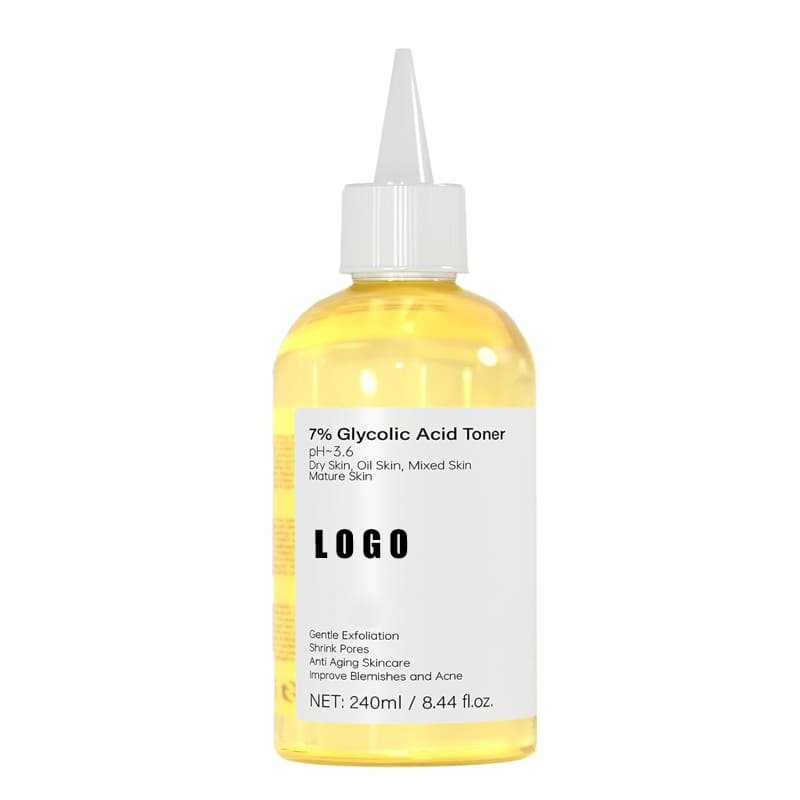
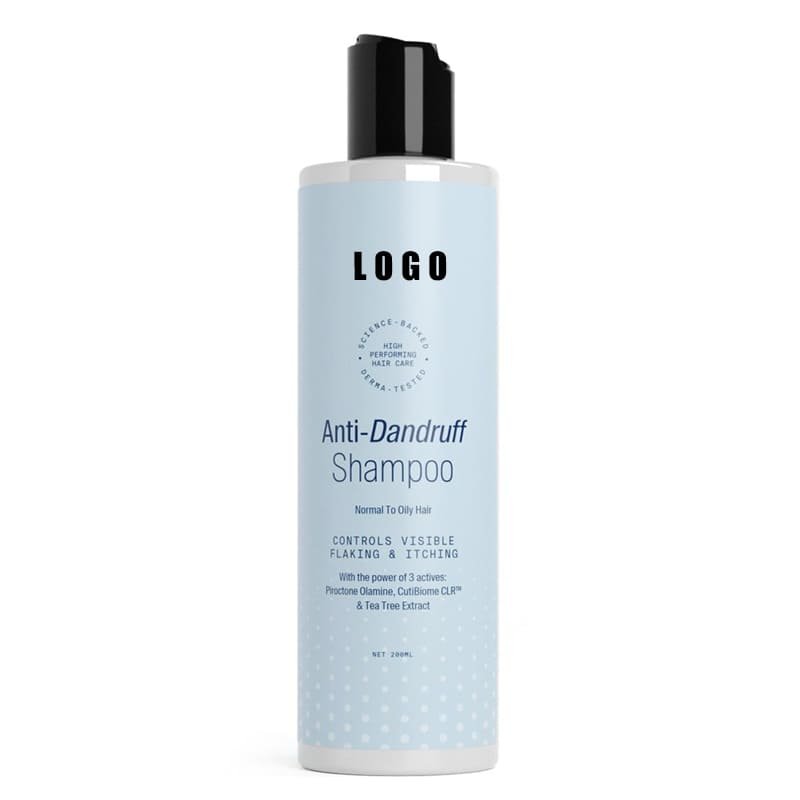
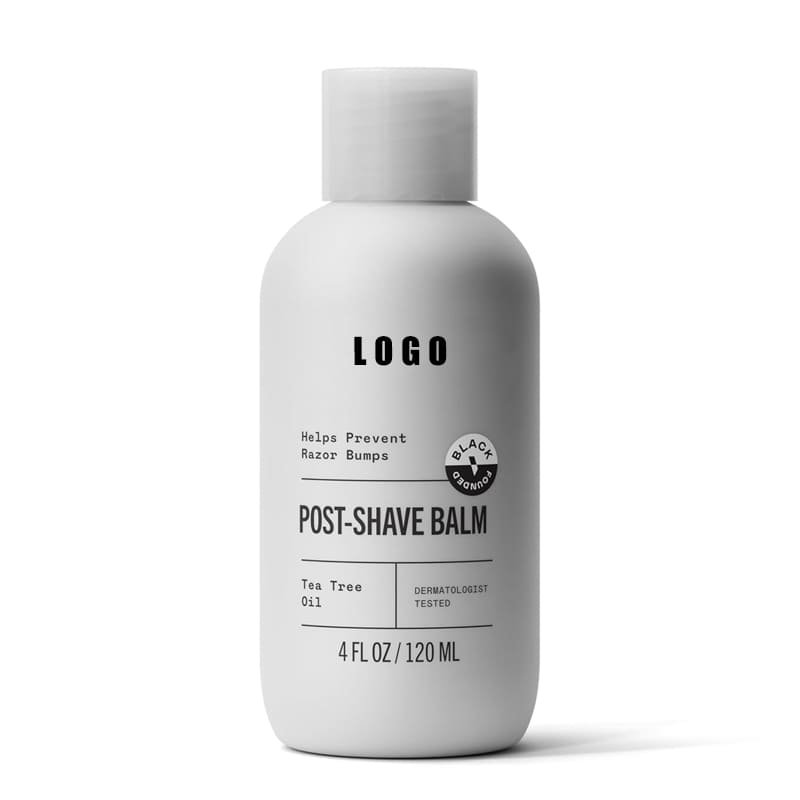
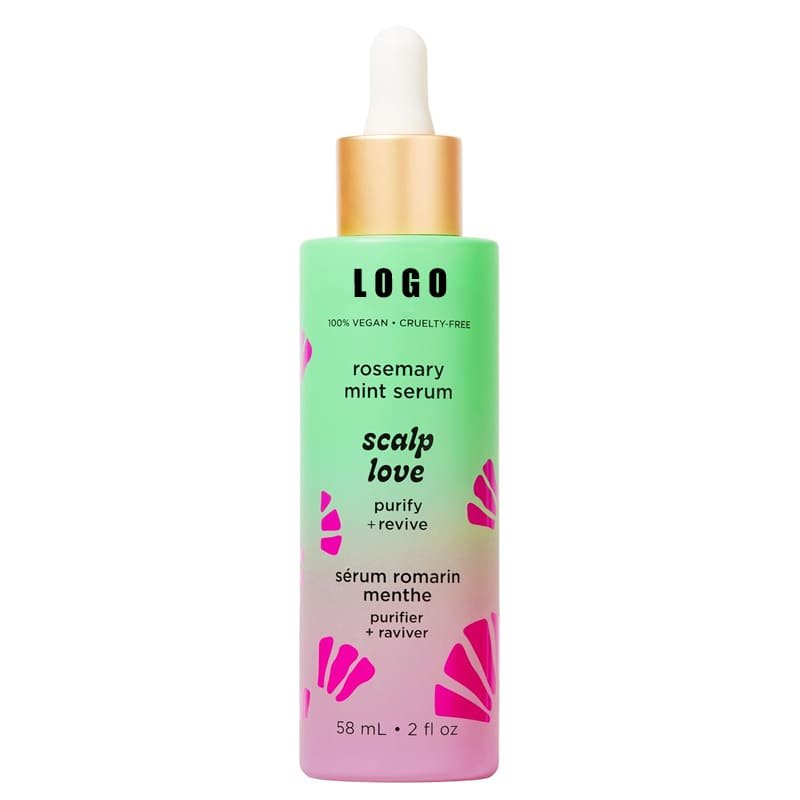
CustomScalp Care Product Applications
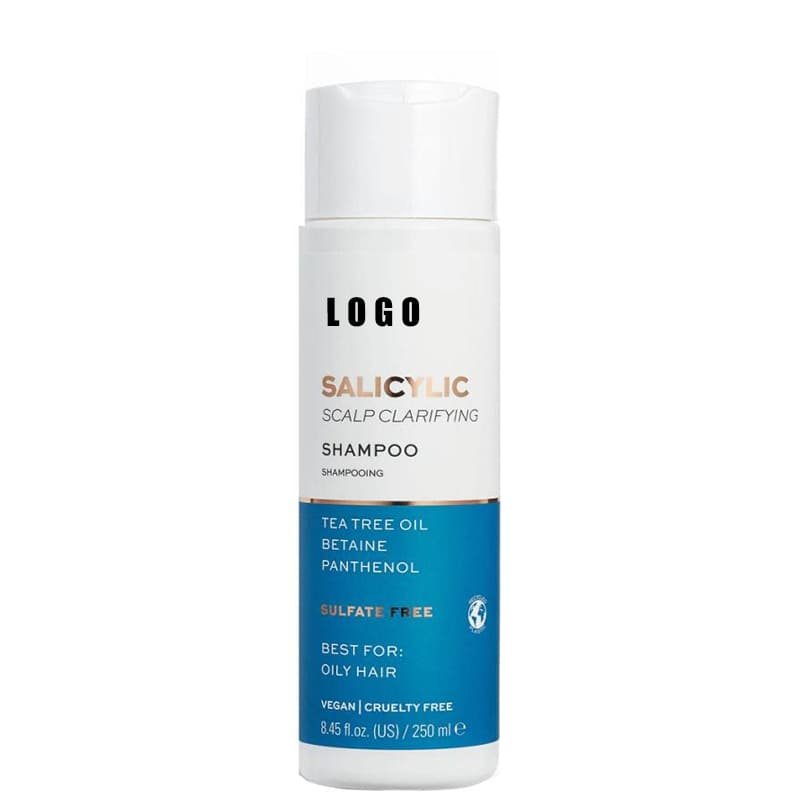
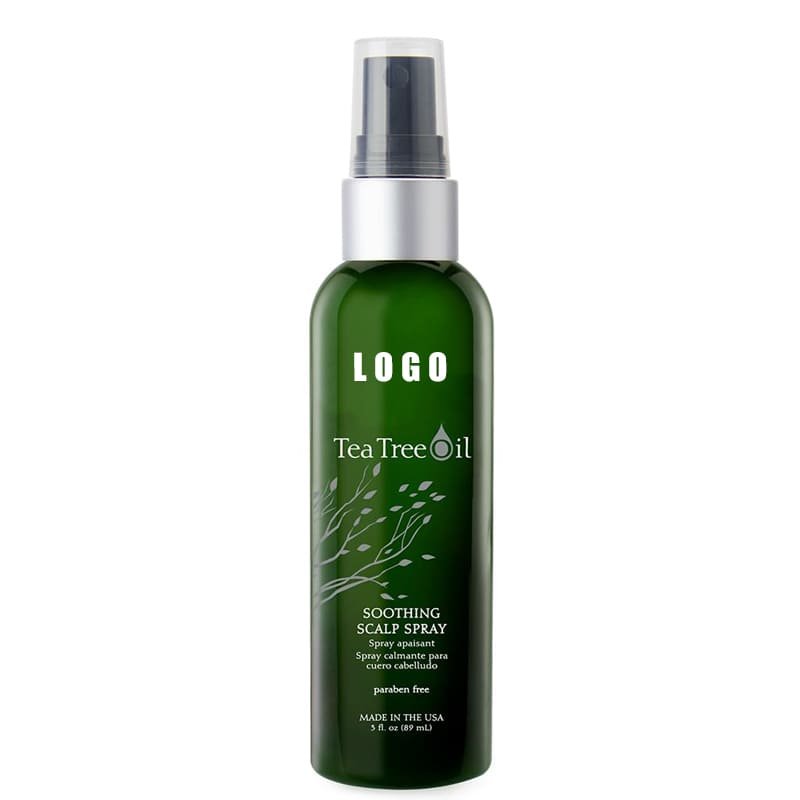
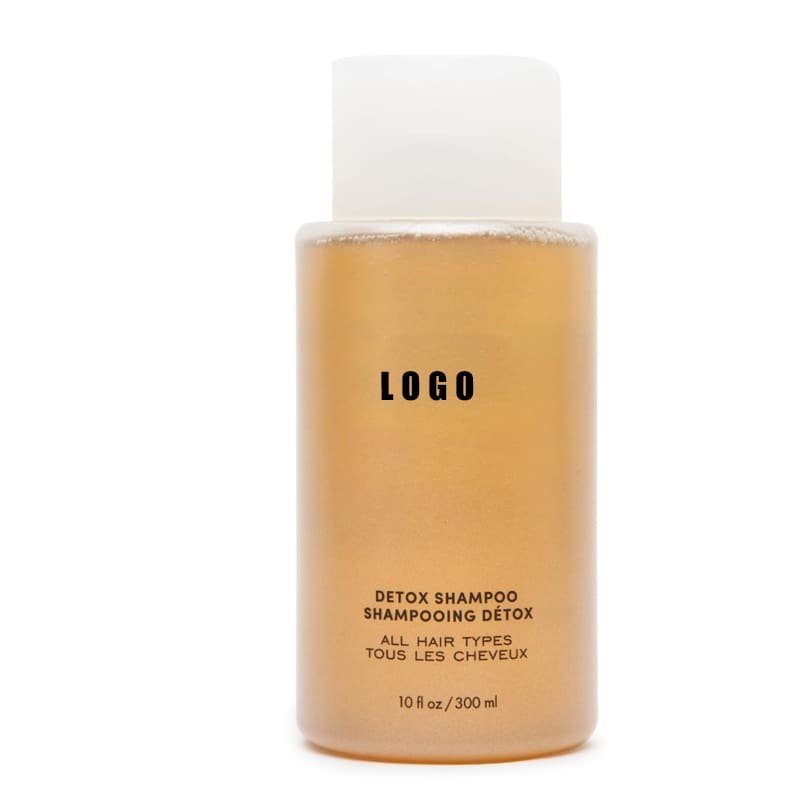
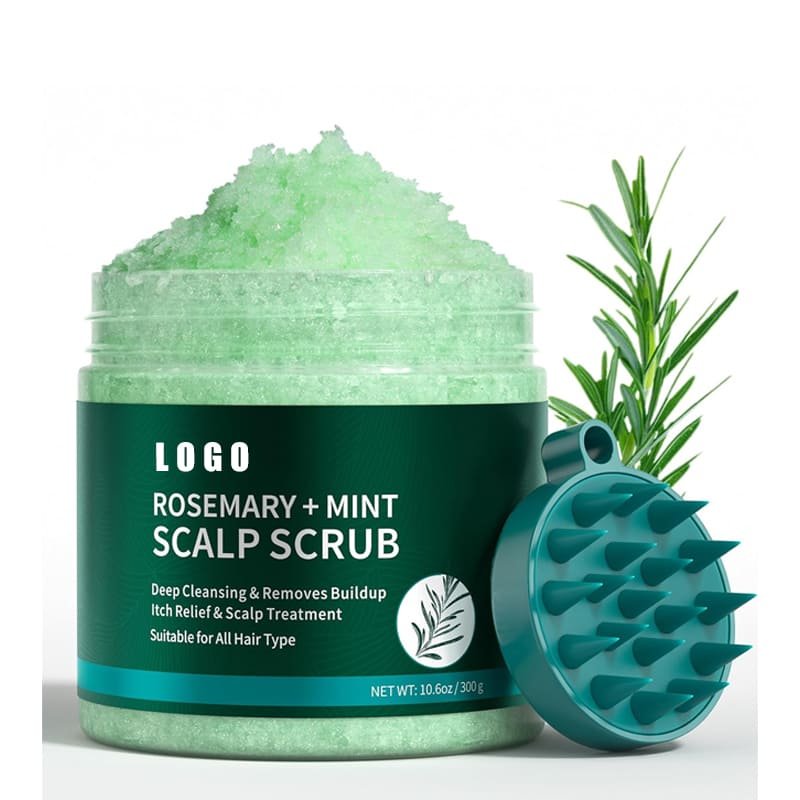
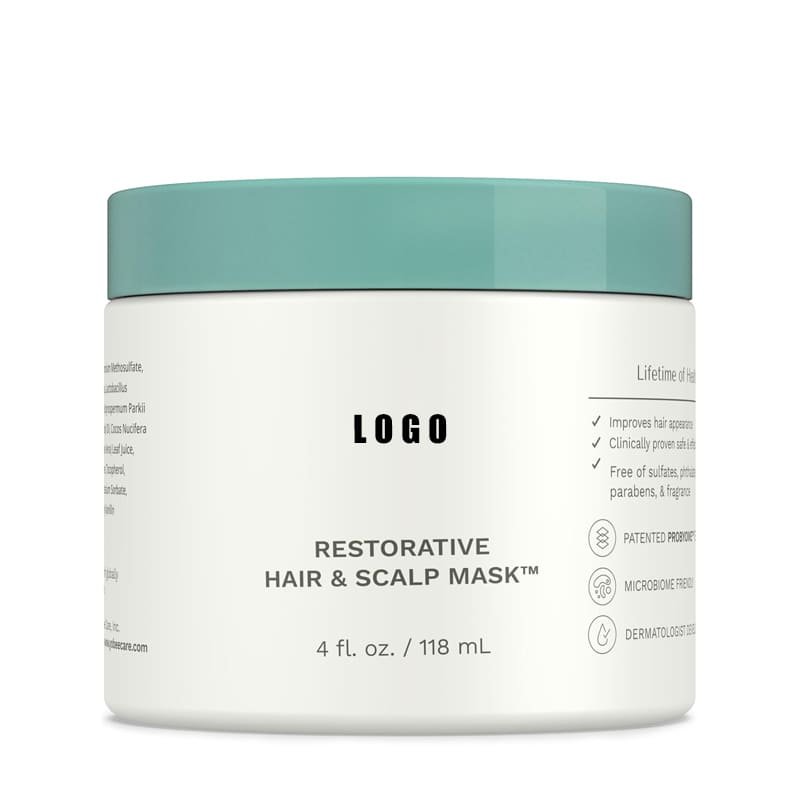
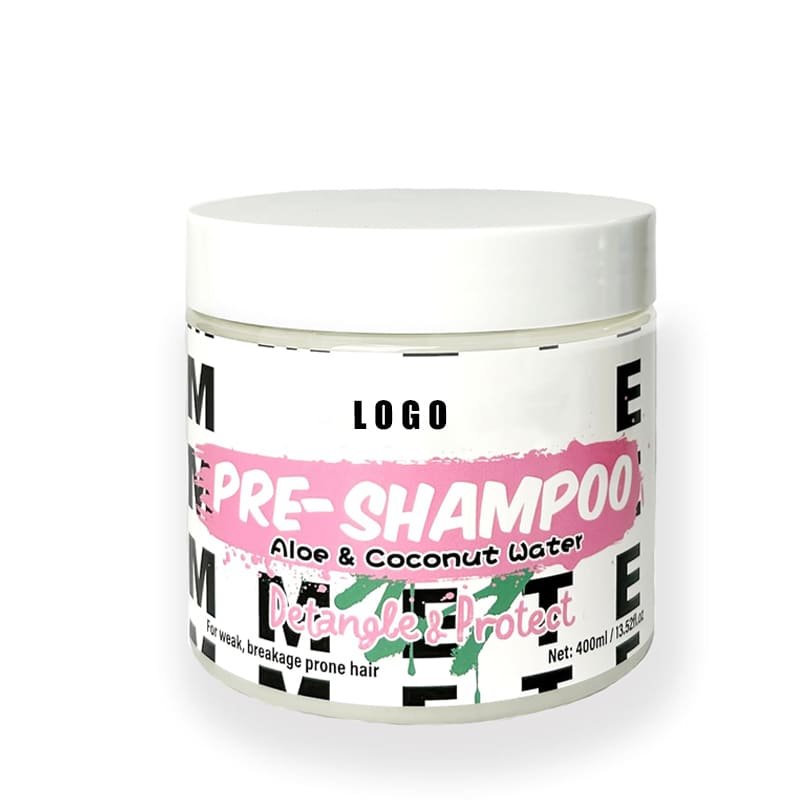
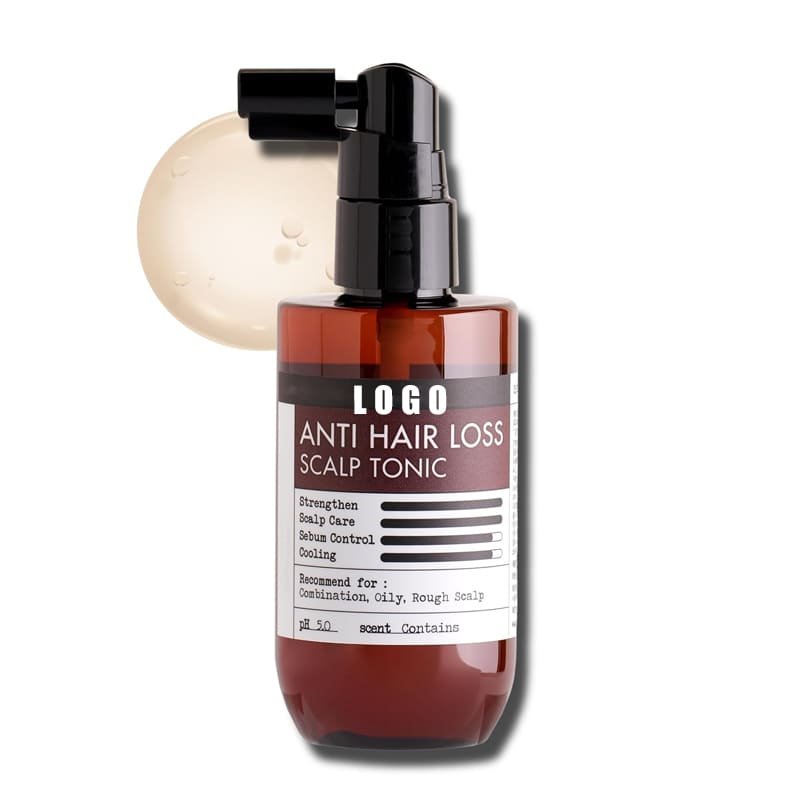
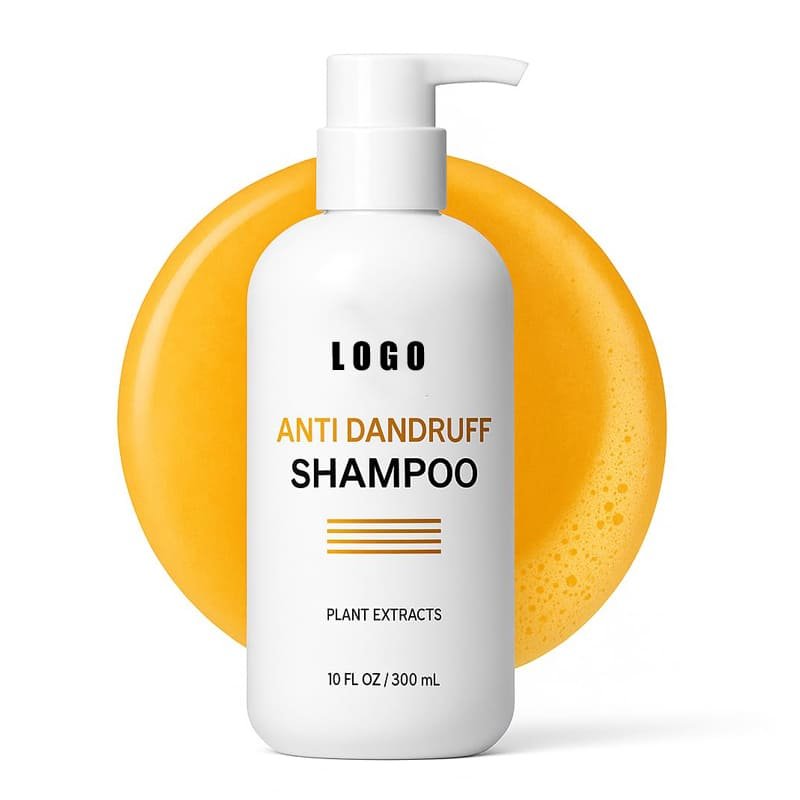
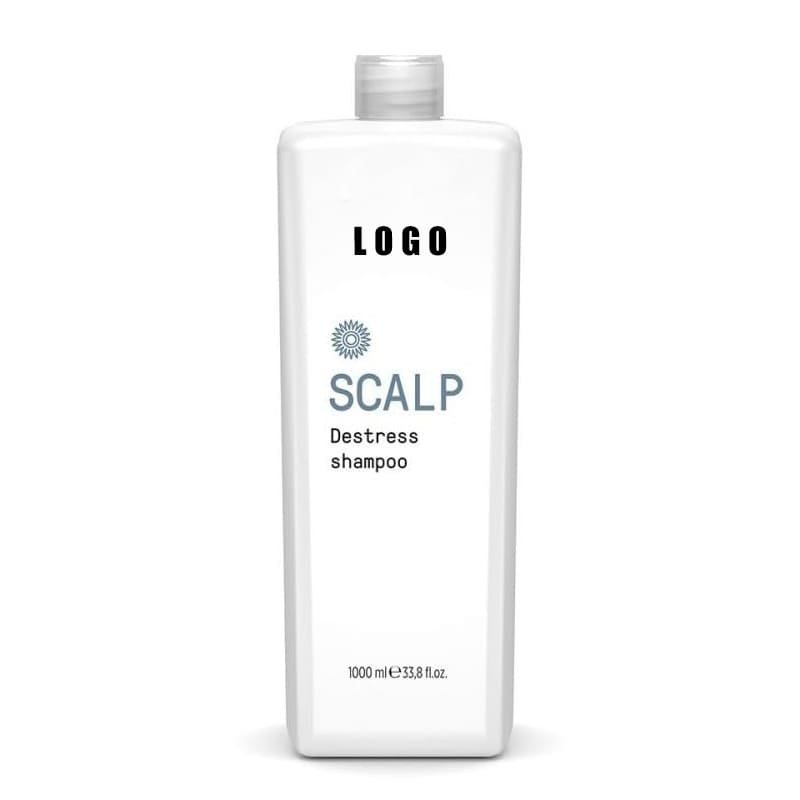
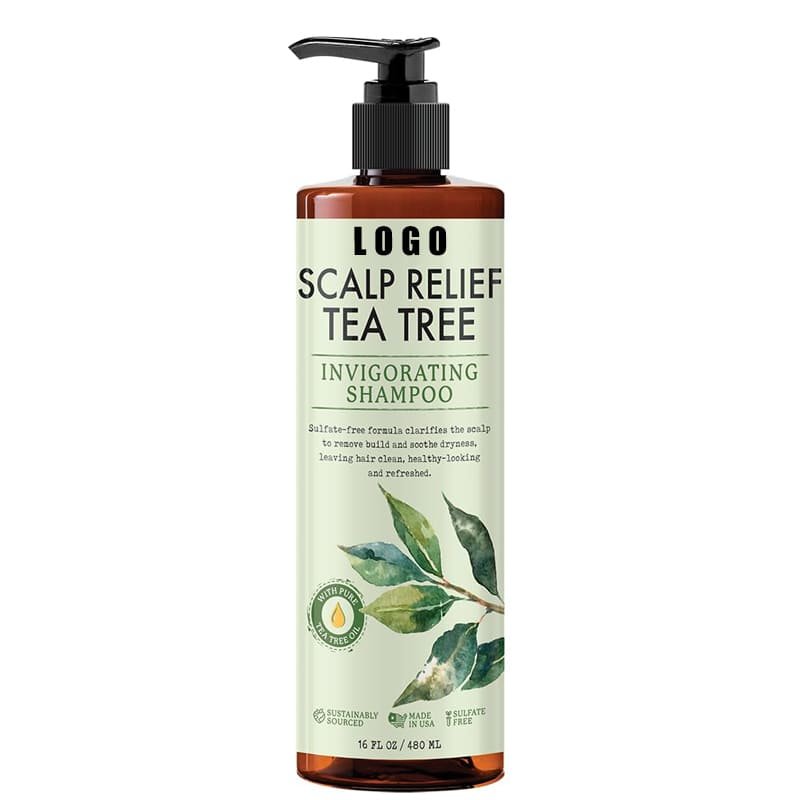
Cover balancing wash care, micro-exfoliating toners, soothing conditioners, leave-on serums, cooling mists, overnight elixirs, and weekly mineral reset—delivering daily freshness and comfortable roots without weight. Texture-calibrated formats keep strands manageable while protecting color and shine in hard-water regions.
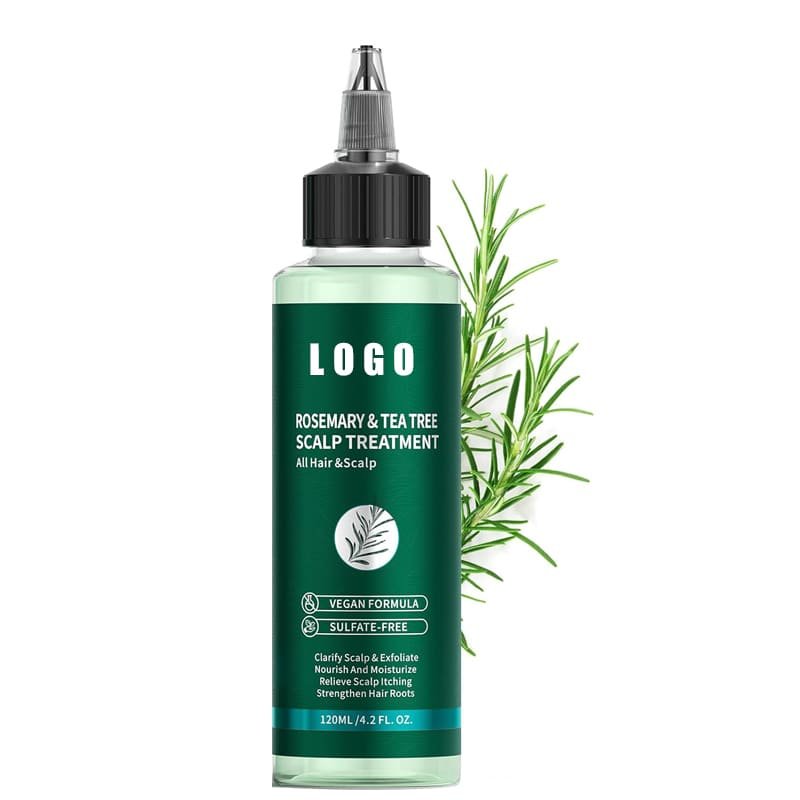
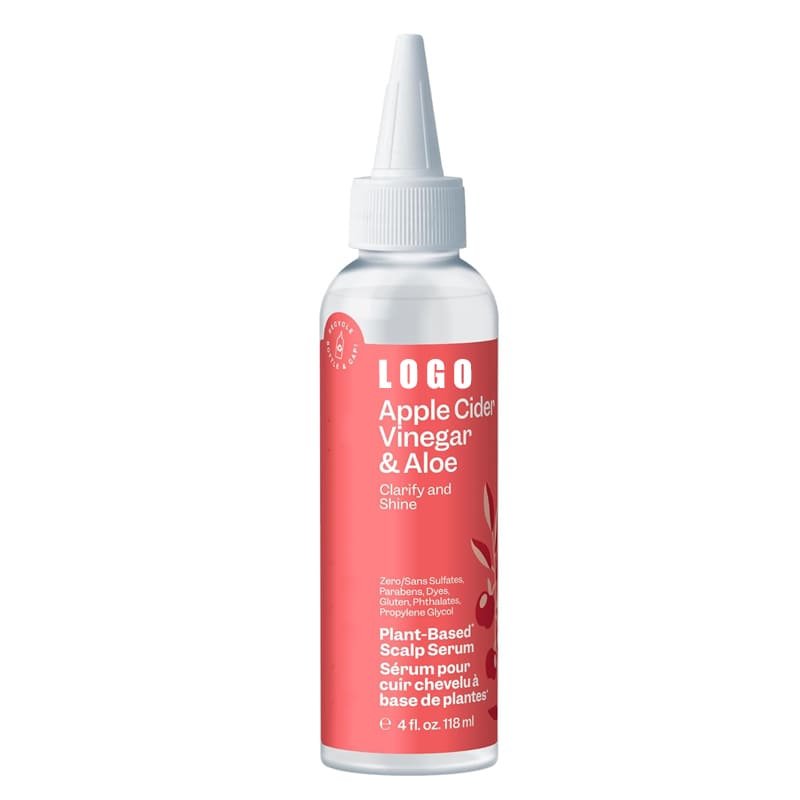
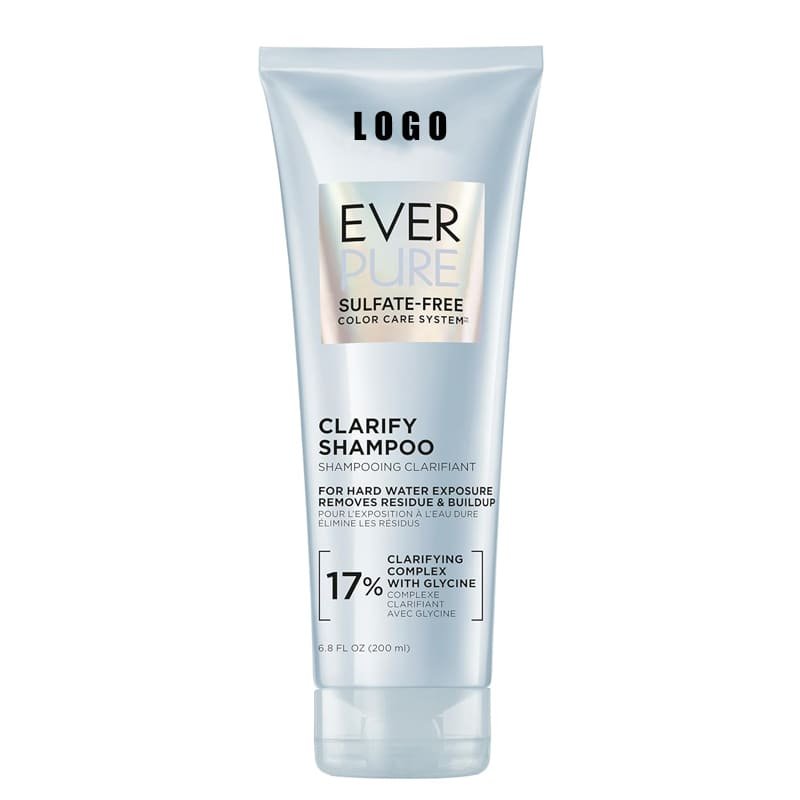
Scalp Care Market Trends & Target Audiences
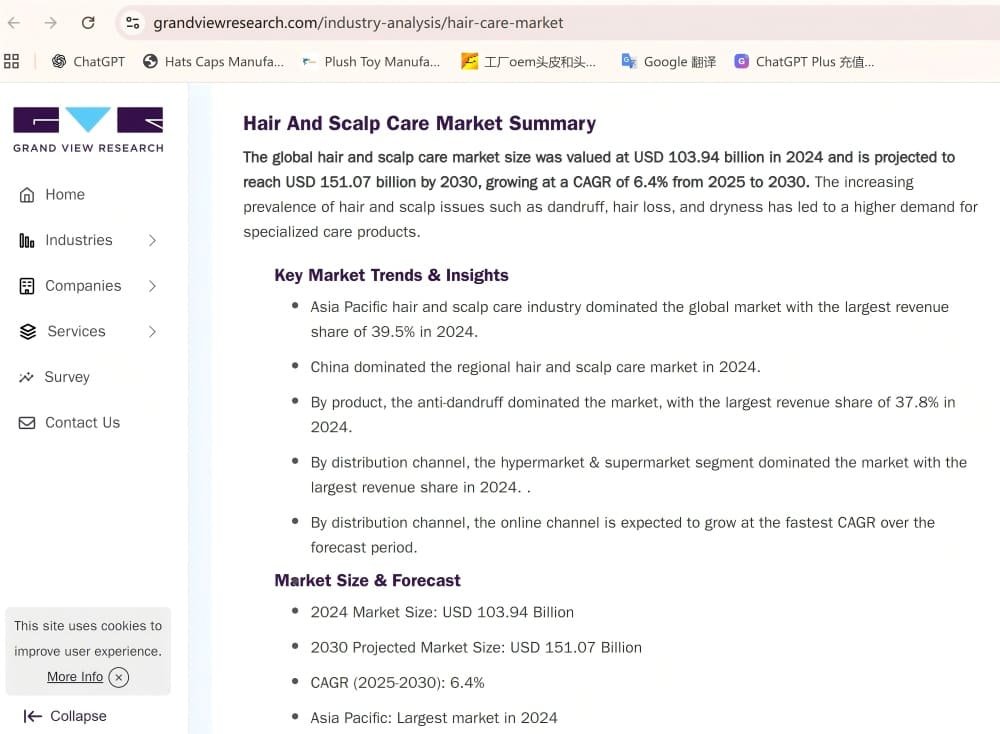
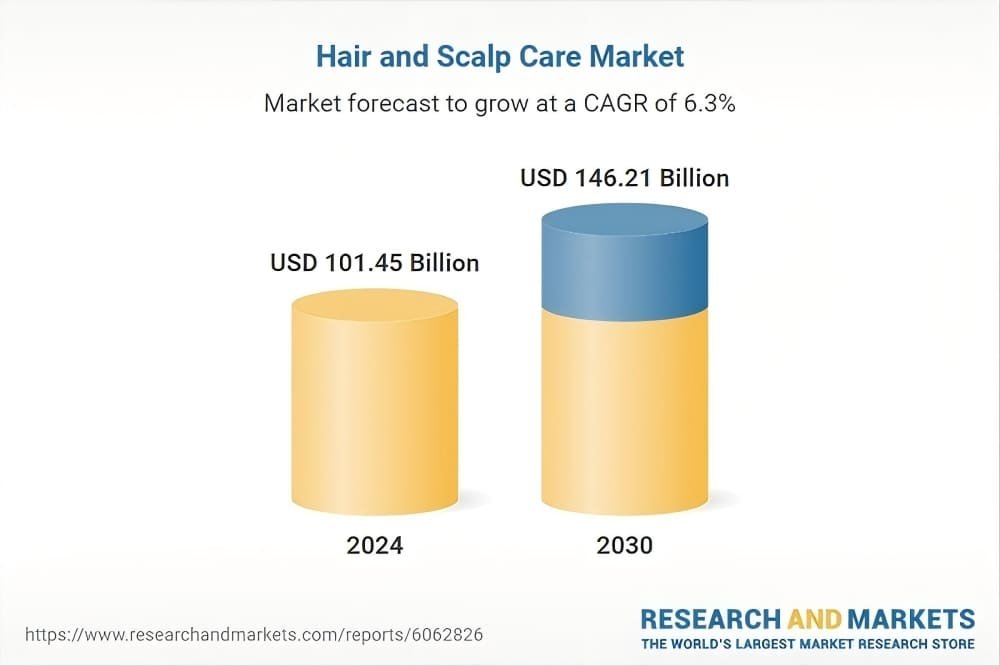
Search demand for scalp care, anti-dandruff, scalp serum, and oily scalp solutions keeps climbing. Shoppers want visible flake-appearance reduction, long-lasting freshness, and soothing comfort—without drying the lengths. “Fragrance-choice,” “silicone-optional,” and “hard-water safe” tags drive CTR and repeat purchase.
Market Overview
Category leaders quantify flake-appearance and itch score improvements, oil moderation, and comfort metrics. Texture- and climate-specific SKUs plus second-day refresh tools build baskets. Clean-lean narratives with clear allergen/IFRA handling and color-safe routines fit retailer standards while sustaining ratings and subscriptions, especially in humid and hard-water markets.
Key Market Insights:
- Metrics convert: Δ% flake appearance, Δ itch score, Δ sebum, multi-wash durability.
- Scalp-first logic: toners/serums extend “clean root” feel into day two.
- Hard-water edge: chelation + acidic care preserves shine and comfort.
Target Consumer Segments
Oily or flaky scalps seeking credible relief; sensitive users needing low-fragrance calm; gym-goers wanting post-workout refresh; color/bleach clients requiring root cleanliness without dulling tone; and clean-lean shoppers preferring silicone-optional lines. Salon-home hybrids value simple routines: cleanse, tone/serum, protect, and weekly mineral reset.
Target Segments after Custom Branding:
- Anti-Flake & Comfort Line: Balancing wash + micro-exfo toner + serum.
- Oil-Control & Refresh Line: Cooling mist + toner + root-light conditioner.
- Hard-Water Defense Line: Mineral-reset + acidic care + chelation story.
Customization Options for Packaging & Branding
Explore flexible packaging options, bottle types, and private label services. From tube to jar, we match your brand’s tone and market position.
Cosmetic formulation development
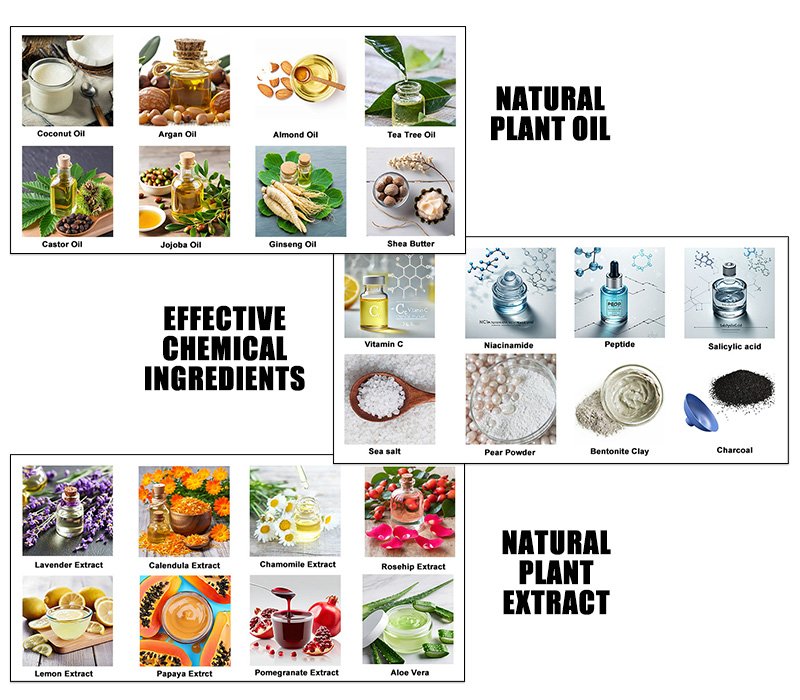
Your formula is the soul of your brand. Whether you’re developing a gentle serum for sensitive skin, a high-efficacy anti-aging cream, or a scalp-purifying shampoo, our in-house chemists create custom cosmetic formulations tailored to your desired effect, skin type, region, and ingredient philosophy.
With over 5,000+ proven base formulas and full white-label development support, we help you build a product that meets your performance goals, brand values, and market trends.
Available Services:
Active ingredient sourcing & formulation balancing
Custom texture creation: gel, cream, balm, lotion, foam, oil
Ingredient selection for target concerns: anti-acne, brightening, anti-aging, hydration
Support for natural, vegan, EWG green-level formulations
Regional compliance: USA, EU, AU, JP standards
Custom Cosmetic Packaging Styles
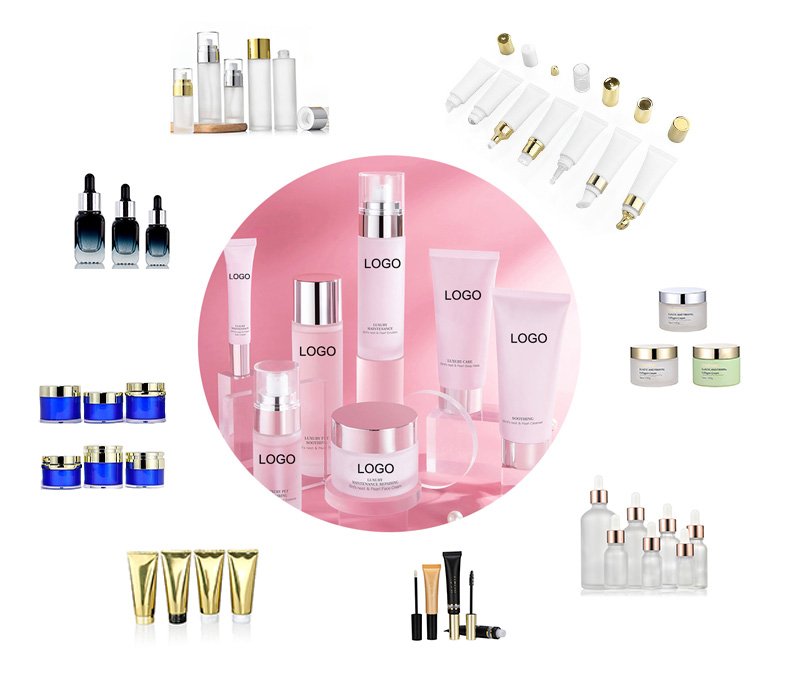
Packaging plays a critical role in how your brand is perceived. Whether you need luxury glass droppers, airless pump bottles, eco-friendly refill pouches, or retail-friendly PET tubes, we provide 3000+ stock and customizable packaging options.
From minimalist matte finishes to glossy foil-stamped designs, our packaging engineers help you select the perfect form and material—whether for prestige skincare, professional haircare, or clean beauty positioning.
Available Options:
Glass, PET, PP, PCR, aluminum, bamboo, and more
Airless pumps, sprayers, jars, tubes, and dropper bottles
Color-matching, texture finishes, and custom mold services
Cosmetic Box, Label Design for skincare brands
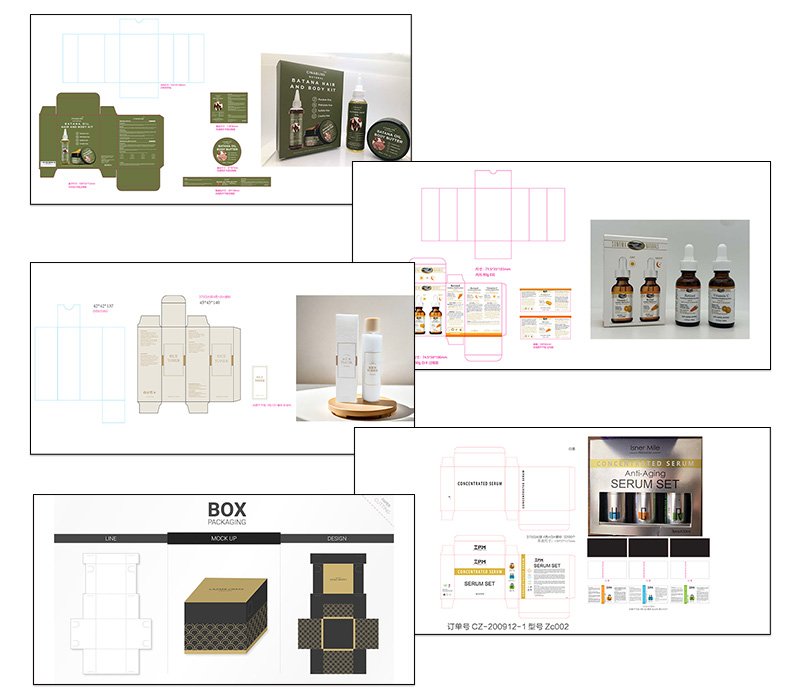
Beyond the bottle, your visual identity sets your product apart. Our in-house design team creates custom label layouts, box designs, and full branding suites—including logo placement, font matching, and barcode compliance.
We also offer waterproof labels, UV spot gloss, embossing, foil stamping, and other premium finishes to ensure your packaging feels as high-end as your formula. Whether you’re building an Amazon FBA product or a salon-grade kit, we help make your product shelf-ready.
Design Services Include:
Free artwork design and dieline support
Amazon & retail barcode setup (FNSKU/UPC)
Custom printing on labels, boxes, pouches, and shrink wraps
Cosmetic Box Customization for Skincare Brands
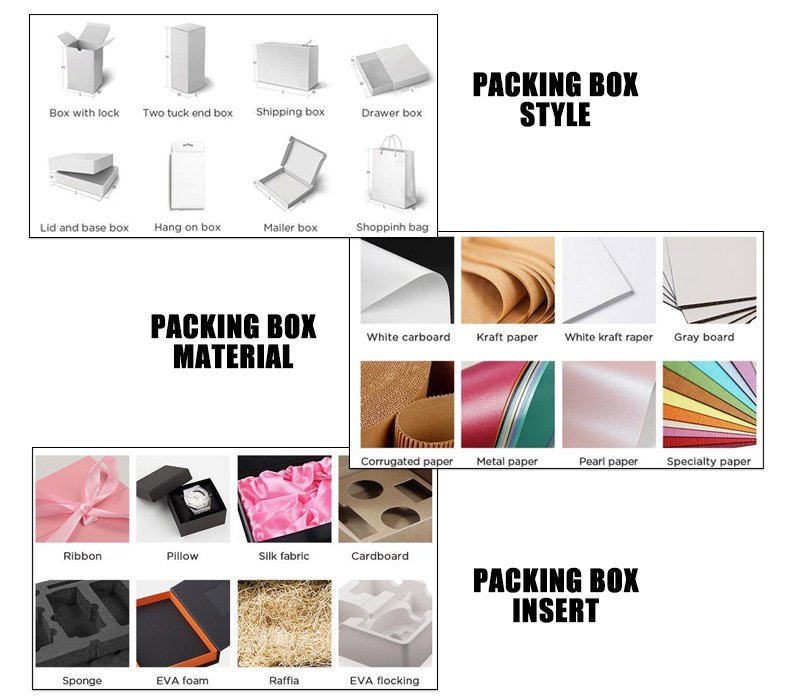
Beyond the bottle, your outer packaging is your first impression. Our team provides custom cosmetic box solutions with tailored box styles, premium cardboard or specialty paper choices, and protective inserts in EVA, molded pulp, or PET.
We also offer specialty printing options, matte or glossy lamination, foil stamping, embossing, and spot UV to create a tactile, luxury feel. Whether for boutique retail, e‑commerce, or professional kits, we ensure your packaging enhances your brand story.
Customization Options Include:
Box style selection: tuck‑end, drawer, magnetic, or folding carton
Material choices: rigid board, kraft, coated paperboard
Insert options: EVA foam, molded pulp, PET, or cardboard
Cosmetic Box Logo Finishing for Premium Branding
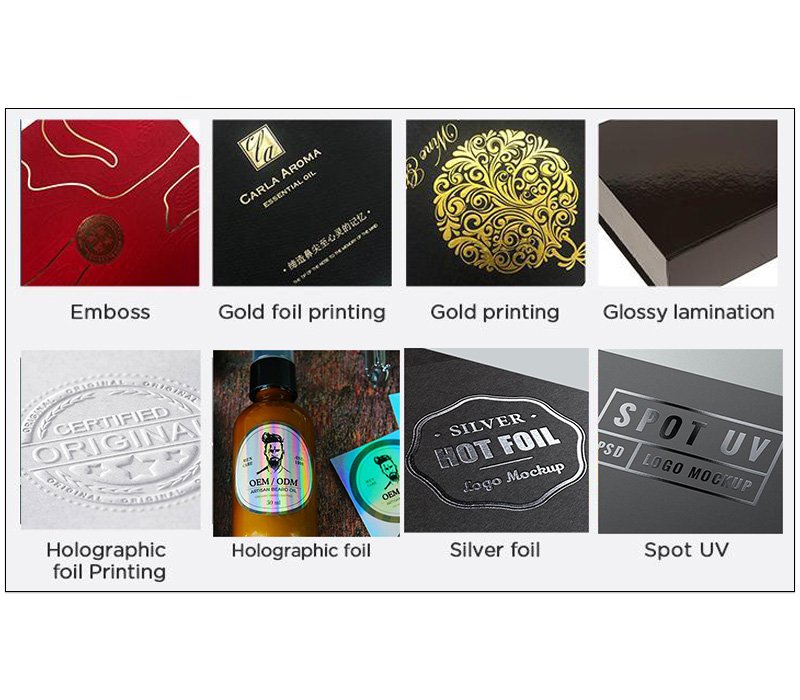
Beyond structure, your logo finish defines your product’s luxury appeal. We offer custom cosmetic packaging logo treatments including emboss, gold foil printing, silver foil, glossy lamination, holographic effects, and spot UV for high-impact shelf presence.
From subtle debossed textures to striking holographic foil, each technique is chosen to enhance your brand story and match your target market positioning. Whether for upscale retail, e‑commerce, or professional use, our finishes help your product stand out.
Finishing Options Include:
Emboss & Deboss logo impressions
Gold, silver, and holographic foil stamping
Spot UV for selective gloss highlights
Glossy or matte lamination for surface protection
Make A Sample First?
If you have your own formula, packaging idea, logo artwork, or even just a concept, please share the details of your project requirements, including preferred product type, ingredients, scent, and customization needs. We’re excited to help you bring your personal care product ideas to life through our sample development process.
More Anti frizz product customization instructions and FAQs
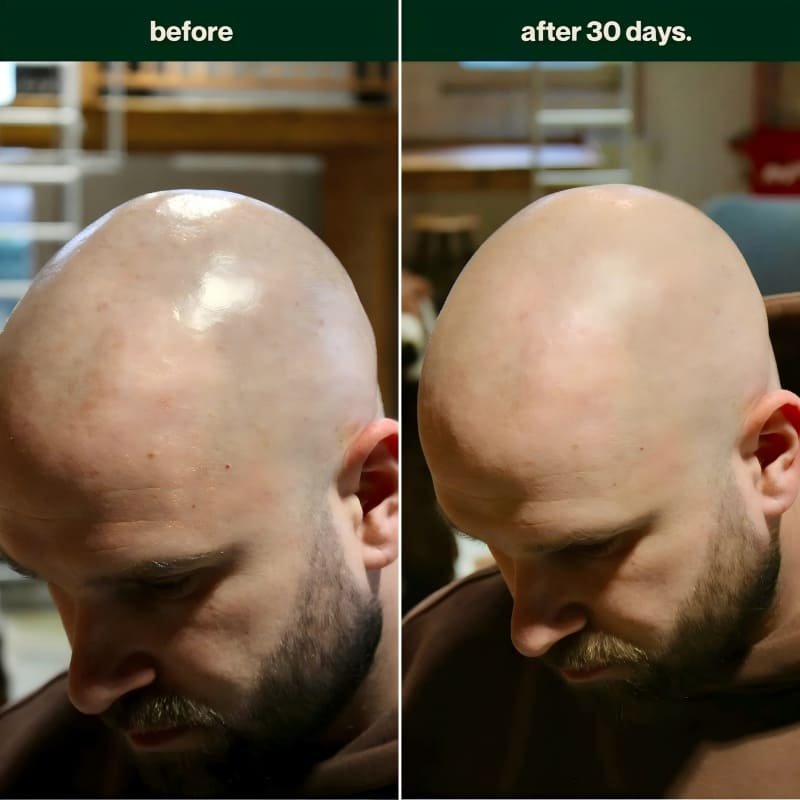
Our formulations: Scalp Care solutions take a holistic approach to maintaining a healthy, balanced scalp, whether there’s hair on it or not. The scalp is essentially the skin on your head – it can face issues like dryness, oiliness, sensitivity, clogged pores, or sun damage, just as facial skin can. A healthy scalp is also the foundation for healthy hair growth. This category includes scalp shampoos, scrubs, tonics, masks, and treatments that go beyond just cleansing the hair; they are specifically formulated to optimize scalp condition. For people with hair, scalp care ensures the follicles have the best environment. For those with bald or shaved heads, scalp care is about keeping the bare scalp skin in great condition (clean, moisturized, and protected).
Key aspects of comprehensive scalp care:
- Gentle, Regular Cleansing: Keeping the scalp clean is fundamental, but it must be done gently to avoid irritation. Scalp care shampoos often use mild surfactants and are sometimes sulfate-free. They aim to remove sweat, excess oil, and product buildup from styling products that can clog hair follicles. Clean pores mean reduced risk of scalp acne or folliculitis and ensures follicles can breathe. For those with very oily scalps or who use heavy products, a periodic clarifying shampoo can deep-cleanse impurities. On the flip side, those with dry or sensitive scalps might use ultra-gentle shampoos (or even co-washes) to avoid stripping natural oils. Balanced cleansing maintains the scalp’s natural microbiome and sebum level.
- Regular Exfoliation: Just like facial skin, the scalp benefits from exfoliation to remove dead skin cells and prevent flaking. Exfoliation can be physical (scrubs, brushes) or chemical (salicylic acid, glycolic or lactic acid toners for scalp). For example, using a scalp scrub once or twice a week can lift away dead skin, oil, and any styling residuemyfreebird.com. This not only helps with dandruff and clogged follicles but also can stimulate micro-circulation via the massage action. Chemical exfoliants like salicylic acid are common in scalp toners or dandruff treatments; they gently dissolve flakes and unclog pores. By keeping the scalp surface refreshed, exfoliation prevents buildup that could impede hair growth or cause irritation. It also leaves the scalp more receptive to other treatments (like if you apply a serum after, it penetrates better without a layer of dead skin).
- Moisturization and Hydration: A healthy scalp should be well-hydrated. Scalp skin can get dry, especially in colder climates or from indoor heating, leading to tightness, itchiness, or flaking. Many scalp care lines offer scalp moisturizers, lotions, or serums that deliver lightweight hydration without greasiness. Ingredients like hyaluronic acid (a powerful humectant), glycerin, panthenol, and aloe vera are used to hydrate the scalp skin and reinforce its barrier. For example, people with bald heads often use a daily moisturizer on their scalp to keep it from getting ashy or flakymyfreebird.commyfreebird.com. A well-moisturized scalp is less prone to irritation and itch, and if you have hair, it also means the environment around the follicles is optimal (extreme dryness can sometimes lead to brittle new growth or a flaky scalp that mimics dandruff).
- Scalp Massage and Circulation: While not an “ingredient,” the practice of scalp massage is encouraged as part of scalp care. Massaging the scalp (with fingertips or special scalp massage tools) for a few minutes a day can boost blood flow to the hair follicles. Better circulation brings more oxygen and nutrients to the follicle, supporting hair health. Some scalp tonics include ingredients like caffeine or peppermint that cause a tingling effect, which ties into increased micro-circulation. Massage also helps relaxation and stress reduction; given that stress can contribute to hair loss (through hormonal effects), this is a nice benefit. Overall, incorporating massage into scalp care can enhance the effectiveness of topical products and contribute to follicle stimulation.
- Therapeutic Ingredients for Scalp Conditions: Depending on individual needs, scalp care products might include actives to address specific scalp issues:
- For dry, itchy scalp (not caused by fungus), look for colloidal oatmeal, aloe, or bisabolol for calming relief. These soothe irritation and quell itch without medicated ingredients.
- For sensitive or inflamed scalp, anti-inflammatory agents like niacinamide or corticosteroids (in Rx products) may be used. Niacinamide, for example, can improve the scalp skin barrier and reduce inflammationinnovist.cominnovist.com.
- For those dealing with scalp acne or folliculitis, ingredients like tea tree oil (antibacterial) or Zinc PCA can help keep pores clear and reduce bacteria. Tea tree oil has been noted as a natural antimicrobial that can fight certain yeast and bacteria on the scalpmyfreebird.com.
- For psoriasis or severe dandruff, tar or salicylic acid shampoos (or prescription keratolytics) are part of scalp care to manage scaling.
- There’s also a trend of scalp microbiome-friendly products: these include prebiotics or fermented extracts to ensure a healthy balance of microorganisms on the scalp, warding off issues like seborrheic dermatitis.
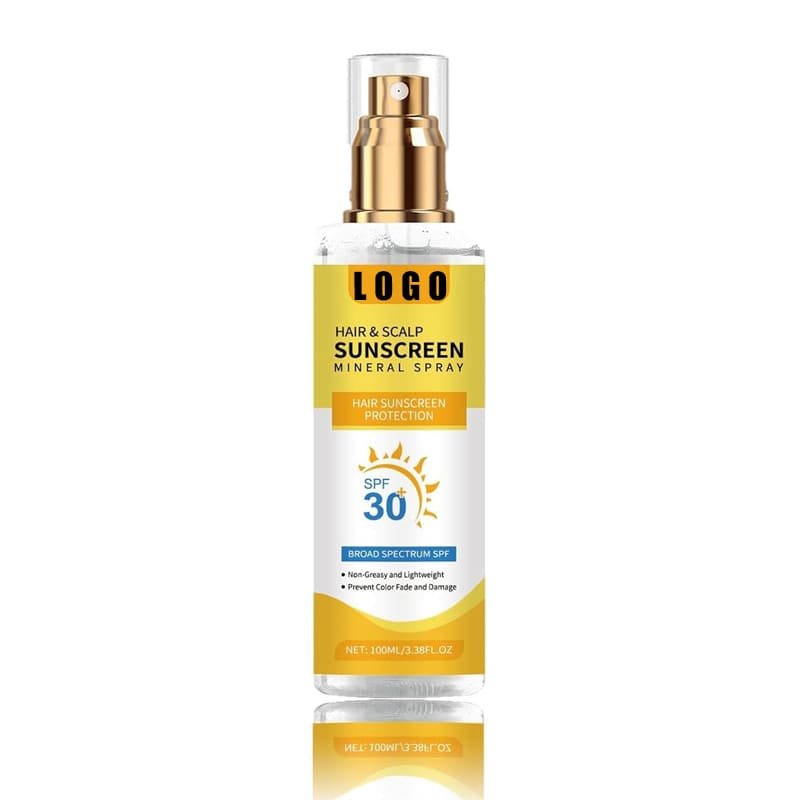
- Sun Protection (for bald or thinly haired scalps): The scalp, especially when bald or with very short hair, is highly exposed to UV radiation. Sun damage to the scalp can cause burns, hyperpigmentation, and even affect hair follicles. It’s recommended to apply sunscreen (SPF 30 or higher) to the scalp or wear a hat for sun protectionmyfreebird.com. There are special scalp sunscreens (often as sprays or powders that don’t leave hair greasy). For bald heads, many moisturizers come with SPF 30 built-in (for example, a daily bald head lotion with sunscreen)beebald.com. Scalp care absolutely includes UV protection as a critical step – a sunburned scalp can peel and shed hair, and chronic sun can damage skin DNA leading to serious issues. So a holistic scalp regimen for a bald individual would be cleanse, moisturize, and protect (sunscreen). Even those with hair should be cautious (people with thinning hair might spray SPF on the crown or use a hat, as that area is vulnerable).
For Customize: In essence, scalp care = skin care for the scalp. By keeping the scalp clean but hydrated, calm, and protected, you create the ideal conditions for hair to grow and for the scalp to remain comfortable. Many who adopt a scalp care routine report less itching, reduced flaking, and even improvements in hair quality. It’s often said in haircare that “healthy scalp = healthy hair,” and this category embodies that philosophy. Whether one is maintaining a shaved head or trying to grow out lush locks, focusing on scalp health through cleansing, exfoliating, moisturizing, and protecting will pay dividends in the long run, ensuring the scalp is balanced and healthy.
Q: Is dandruff the same as dry scalp?
A: Not always. Dandruff is often linked to Malassezia and excess oil; dry scalp reflects low lipids/water. We offer microbiome-friendly actives and gentle humectants so you can serve both, with distinct copy and usage maps per segment.
Q: Will acids irritate sensitive scalps?
A: Not when formulated at appropriate pH/levels and paired with soothing agents. Provide patch-test guidance, start with PHA for sensitivity, and limit frequency (2–3×/week) before stepping up to BHA for heavier buildup.
Q: Can scalp products weigh down fine hair?
A: We keep root-area formats low-residue with light esters/hemisqualane and micro-films. Offer conditioner that focuses from mid-length to ends and scalp serums that dry clear. Validate with comb-force and tactile tack tests.
Q: Are anti-dandruff claims allowed everywhere?
A: No—actives/claims vary by market. We supply region-specific actives (e.g., piroctone olamine where permitted) and compliant language. Drug-class actives (e.g., ketoconazole, selenium sulfide) require OTC pathways in select markets.
Q: Will scalp care dull hair color or irritate bleached roots?
A: We use chelators and low-pH care to preserve shine and keep cuticles smooth. Provide usage guidance around fresh bleach/color services and offer fragrance-free options to minimize irritation risk.
Build Your Scalp-Care Line Today
We customize microbiome balance, gentle exfoliation, chelation, and soothing strategies by scalp type and climate, then deliver fast sampling, artwork support, and packaging tuned to your price tiers. From balancing shampoos and serums to cooling mists and mineral-reset care, we help you launch quickly and grow repeat purchase.