Skip to content
Aloe Vera Ingredient Custom Cosmetics Manufacturer
Discover aloe vera’s soothing, hydrating, and redness-calming power. Learn recommended pH ranges, % use levels and extract grades (1×–10×), product formats, stabilization strategies, compatible actives, packaging/MOQ, and private-label options to build high-performing skincare for global markets.
What Is Aloe Vera

Aloe vera is a succulent plant whose leaf gel is rich in polysaccharides (e.g., acemannan), amino acids, minerals, and phytocompounds that deliver soothing, hydrating, and film-forming benefits. Cosmetic aloe materials are typically decolorized/low-aloins and standardized to ensure safety, stability, and consistent sensory performance across skin and scalp care.
INCI: Aloe Barbadensis Leaf Juice / Aloe Barbadensis Leaf Extract · CAS (common): 85507-69-3 (leaf juice) / 94349-62-9 (leaf extract) · Clear to pale-yellow liquids or powders (1×–200×), water-soluble, mild odor. (EC CosIng, Wikipedia)
Sources: Expressed from inner leaf gel parenchyma, then filtered/decolorized to reduce anthraquinones (aloins); may be concentrated and spray-/freeze-dried to powders for easy dosing and global stability.
Water solubility: Freely water-soluble (liquid and reconstituted powders); ideal for water-phase serums, essences/toners, gel-creams, lotions, and scalp treatments. Common grades list both INCI and CAS due to extract variability.
pH flexibility: Performs well in mildly acidic to neutral systems (~4.5–7); avoid prolonged high heat to preserve polysaccharide integrity and color. For label clarity, specify grade (e.g., 10×, 200×) and decolorized/low-aloins status.
Aloe Vera Benefits: Mechanisms, Results & OEM Formulation
See how aloe vera delivers soothing, hydration, barrier support, post-procedure/after-sun comfort, and scalp-calming benefits—plus recommended percentages, test methods, and private-label applications.
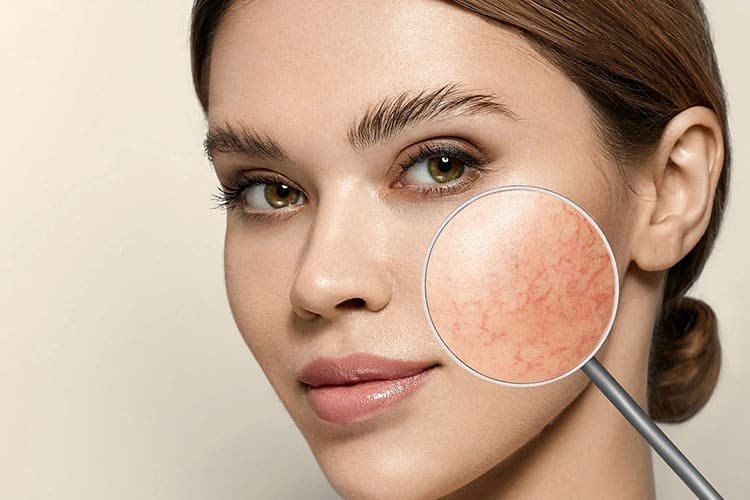
Soothing & Redness Relief
Mechanism: Polysaccharides (e.g., acemannan) modulate irritant pathways and help down-regulate pro-inflammatory mediators.
Benefits: Visibly calms redness, reduces sting/tightness, improves comfort after cleansing or environmental stress.
Importance: Core “calm & comfort” claim for sensitive and everyday-care lines.
Use level & testing: 1–10% (1× juice equivalent) in leave-ons; Δa* redness, stinging panels, expert photo grading.
Good pairings: Panthenol, allantoin, centella actives, bisabolol, beta-glucan.
Hydration & Moisture Film
Mechanism: Hygroscopic polysaccharides form a light occlusive film, enhancing water binding and surface slip.
Benefits: Smoother texture, immediate comfort, softening of dehydration flakiness.
Importance: Drives user-perceived refreshing hydration without heaviness.
Use level & testing: 1–20% (1× juice) in serums/gel-creams; Corneometer/Skicon curves, 24–72 h wear studies.
Good pairings: Multi-weight hyaluronic acid, glycerin/1,3-propanediol, polyglutamic acid, ectoine.
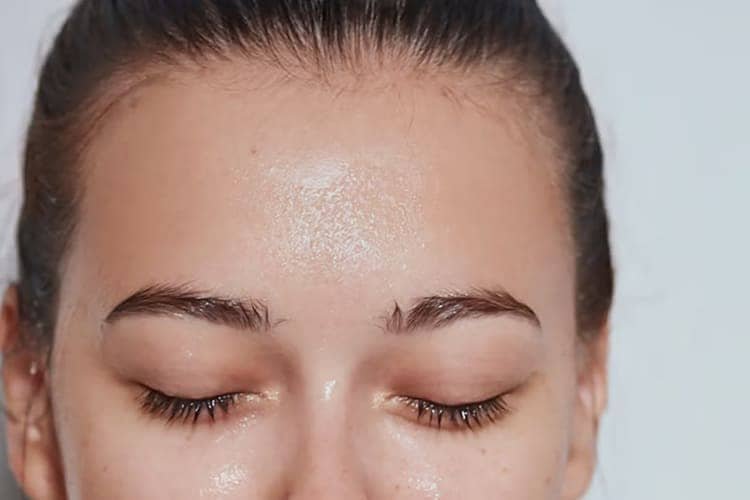
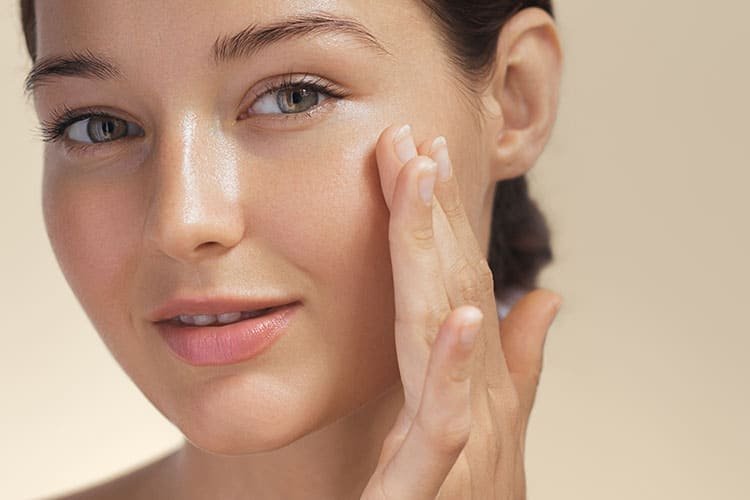
Barrier Support & TEWL Reduction
Mechanism: Supports corneocyte cohesion and microenvironment balance, helping reduce TEWL and improve resilience.
Benefits: Less dryness/tight feel, better tolerance to daily routines.
Importance: Foundation for “barrier-friendly” positioning in mass and derm-inspired ranges.
Use level & testing: 5–20% (1× juice) in lotions/creams; TEWL (Tewameter), tape-stripping recovery, cohesion metrics.
Good pairings: Ceramides + cholesterol + FFAs, niacinamide, squalane, oat β-glucan.
Post-Procedure & After-Sun Comfort
Mechanism: Cooling gel matrix plus soothing actives helps relieve visible erythema and discomfort post exposure or treatment.
Benefits: Faster comfort return, more even feel, reduced roughness look.
Importance: Key for recovery gels, after-sun SKUs (non-drug positioning).
Use level & testing: 10–30% (1× juice) in gels/masks; comfort diaries, Δa*, texture grading under standardized lighting.
Good pairings: Panthenol, beta-glucan, allantoin, centella, trehalose.


Scalp-Calming & Hair-Care Applications
Mechanism: Film-forming moisture layer improves scalp comfort and cuticle glide; helps normalize visible flaking with supportive actives.
Benefits: Reduced itch/tight feel, healthier-looking scalp, improved hair slip.
Importance: Extends aloe stories into scalp serums, shampoos, conditioners, leave-ins.
Use level & testing: 1–10% (1× juice) in leave-on/rinse-off; flake/scalp comfort scoring, combing force, gloss.
Good pairings: Niacinamide, zinc PCA (scalp), piroctone olamine, hydrolyzed proteins, lightweight esters/silicones.
Best Product Formats for Aloe Vera
Aloe vera fits leave-on and rinse-off formats for soothing, hydration, barrier support, after-sun, and scalp care. It performs best in mildly acidic to neutral systems (pH 4.5–7) and is usually dosed in the water phase (single-strength or reconstituted concentrates).
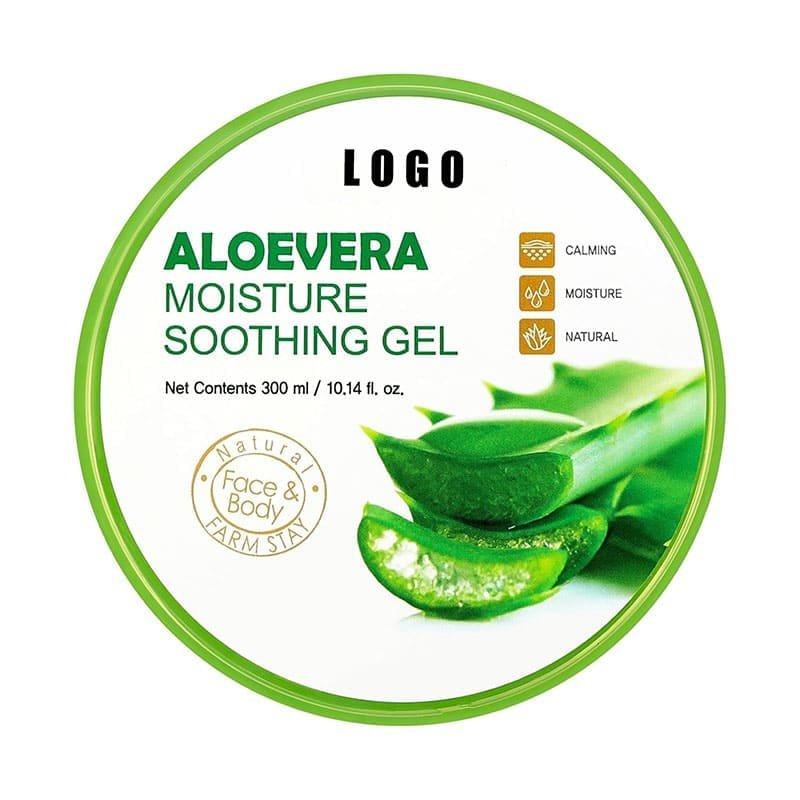
Aloe Vera Soothing Gel

Aloe Vera Shampoo
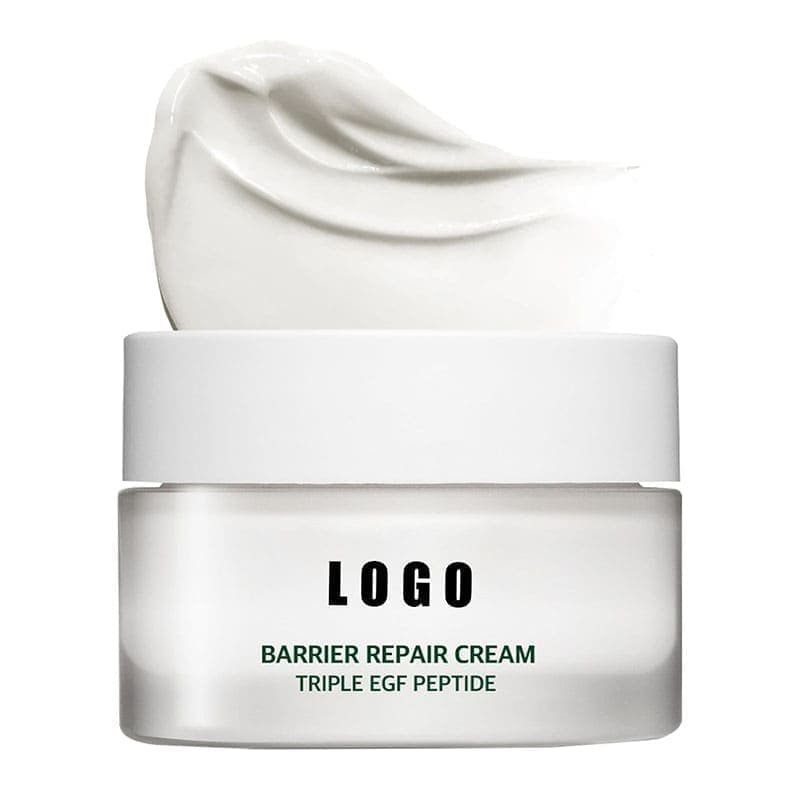
Barrier Repair Cream

Aloe Vera Face Pack

Aloe Vera Serum

Aloe Vera Toner
Ready to Launch Your Aloe Vera Line?
Talk to our formulation experts today, get a formula proposal with recommended percentage, base, and co-actives in 48 hours. Our formulation team will help you create high-performance aloe vera products with proven efficacy, custom packaging, and compliant safety documentation.
Aloe Vera Concentration Options | Custom 1–30% for OEM/ODM
Choose the right aloe vera grade and percentage (decolorized/low-aloins, single-strength or reconstituted concentrates) for soothing, hydration, barrier support, and after-sun claims. We guide % use, pH 4.5–7 bases, stabilization, and validation—backed by testing and documentation for safe, compliant launches.
1. Concentration Range
Typical levels span 1–10% (1× juice equivalent) in leave-on face care, up to 20–30% in gels/after-sun masks, and 2–10% in hair/scalp products. Final selection depends on claim strength, sensorial target, skin/hair type, and regional rules.


2. Typical Use Levels
| Target Use Case | Aloe Vera % (1× eq.) | Best Formats | pH Window | Proof & QA |
|---|---|---|---|---|
| Daily soothing & hydration | 1–5% | serum, toner/essence, light lotion | 5.0–6.5 | Δa* redness, stinging/tolerance panels, Corneometer |
| Barrier-friendly moisture | 5–10% | gel-cream, cream, lotion | 5.0–6.2 | TEWL↓, tape-stripping recovery, cohesion metrics |
| After-sun / post-procedure comfort* | 10–30% | cooling gel, sheet mask, hydrogel | 4.8–6.5 | Δa* erythema, comfort diaries, texture grading |
| Scalp calming & hydration | 2–10% | scalp serum, shampoo/conditioner | 5.0–6.5 | Flake/itch scoring, sebum/comfort questionnaires |
| Body hydration & hand care | 5–15% | body lotion, hand cream | 5.0–6.5 | 24–72h hydration curves, consumer smoothness panels |
*Final percentage depends on target claim, skin type, and regional compliance.
Aloe Vera Formulation & Actives Ingredient Customization
Build formulas around aloe vera (decolorized/low-aloins grades) for soothing, hydration, barrier comfort, and after-sun relief, complemented by panthenol, multi-weight HA/PGA, niacinamide, beta-glucan, and ectoine. We provide stability + ISO 11930 testing, flexible MOQs, and full OEM/ODM documentation.
1. Formulation Systems
2. Ingredient Customization Case
Daily Soothing Serum
Benefits: Rapid comfort, visible redness reduction, smoother feel; layers cleanly under sunscreen and makeup.
Actives: Aloe 5% (1× eq.) + Panthenol 1.5% + Low-MW HA 0.10% + Allantoin 0.30%.
Barrier-Comfort Gel-Cream
Benefits: Long-lasting hydration with TEWL reduction and soft, cushioned glide for sensitive users.
Actives: Aloe 10% + Ceramide NP 0.20% + Cholesterol 0.15% + FFAs 0.15% + Beta-glucan 0.30%.

After-Sun Cooling Hydrogel
Benefits: Cools and calms post-exposure skin; reduces tightness and visible erythema without tack.
Actives: Aloe 20–30% + Panthenol 3% + Ectoine 0.20% + Low-MW HA 0.10%.

Oil-Control Hydrating Fluid
Benefits: Balances shine yet maintains hydration; fresh, non-greasy feel for combination/oily skin.
Actives: Aloe 5% + Niacinamide 4% + Zinc PCA 0.5% + HA (LMW) 0.10%.
Hand/Body Hydration Lotion
Benefits: Reduces roughness and flaky dryness; fast-absorbing, comfortable all-day moisture.
Actives: Aloe 8% + Panthenol 2% + Glycerin 5% + Shea Ester 2%.

Scalp Soothing Serum
Benefits: Comforts dry, itchy scalp; improves visible flaking with lightweight, residue-free finish.
Actives: Aloe 5% + Panthenol 1% + Niacinamide 1% (optional Piroctone Olamine for haircare lines).
Aloe Vera Extract Global Trends & Regional Analysis
Aloe vera extract is known for its medicinal properties, including aiding digestion, improving skin health, and boosting the immune system. As consumers become more health-conscious, the demand for natural and organic products like aloe vera extract continues to rise, driving the market’s growth.
1. Aloe Vera Extract Global Trends
The global aloe vera extract market size was estimated at USD 2,064.7 million in 2023 and is projected to reach USD 3,798.2 million by 2030, growing at a CAGR of 9.2% from 2024 to 2030. The increasing consumer awareness regarding the health benefits of aloe vera extract is propelling market growth.


Growing For Beauty And Personal Care Products
The expanding use of aloe vera extract in the cosmetics and personal care industry drives the market’s growth. Due to its moisturizing, soothing, and anti-inflammatory properties, aloe vera extract is widely used in skincare, hair care, and personal hygiene products. With the beauty and personal care industry experiencing rapid growth, the demand for aloe vera extract as an ingredient in various products is increasing, contributing to the expansion of the market.
Cosmetics segment accounted for the largest market revenue share in 2023. Aloe vera extract is known for its exceptional moisturizing properties, making it a sought-after ingredient in skincare and cosmetic products. Consumers increasingly prioritize natural and organic ingredients in their beauty routines, so the demand for aloe vera extract in cosmetics has surged. Its ability to hydrate and soothe the skin has made it a popular choice in moisturizers, lotions, and facial masks, driving the growth of the aloe vera extract market in the cosmetics industry.
2. Aloe Vera Extract Regional Analysis
North America aloe vera extract market held a substantial market revenue share in 2023. North American consumers are becoming more health-conscious and are actively seeking natural and organic products to support their well-being. Aloe vera is well-regarded for its benefits, including skin hydration, digestive support, and immune system enhancement. As educational campaigns, health blogs, and social media influencers promote the advantages of aloe vera, there is a growing demand for aloe vera-based products such as juices, gels, and supplements.
U.S. Aloe Vera Extract Market Trends
The U.S. aloe vera extract market is anticipated to grow significantly over the forecast period. The growing trend towards clean label and natural products is fueling the demand for aloe vera extract in the U.S. Consumers are increasingly looking for products that are free from artificial ingredients and chemicals, leading them to choose aloe vera-based products for their skincare and personal care, and dietary supplement needs.
Europe Aloe Vera Extract Market Trends
Europe aloe vera extract market was identified as a lucrative region in 2023. Europe’s food and beverage industry is embracing natural ingredients like aloe vera extract to meet consumer preferences for healthier options. Due to its nutritional benefits and functional properties, aloe vera extract is incorporated into various food and beverage products such as juices, yogurts, and dietary supplements.

More Aloe Vera product customization instructions and FAQs
Q: Which aloe grade should I choose—juice vs extract, 1×–200×, liquid vs powder?
A: Prioritize decolorized/low-aloins grades with a clear spec (e.g., aloins <10 ppm) and consistent acemannan standardization. Liquid 1× is simple for high-dose gels; 10×–200× powders reduce freight and enable precise 1× reconstitution. Liquids (stabilized) are easy to dose; powders (≥100×) suit concentrates and sheet-mask soaks. Confirm assay, microbiology, solvent residues, and color stability across lots.
Q: What % range should I use, and how do I translate concentrates into 1× equivalents?
A: For daily soothing, use 1–5% (1× eq.); barrier-friendly moisture 5–10%; after-sun/recovery gels 10–30%; scalp/hair 2–10%. Convert concentrates to 1× eq. (e.g., 0.10% of 100× ≈ 10% 1×, 0.05% of 200× ≈ 10% 1×). Validate claims with Δa* redness change, Corneometer hydration curves, TEWL trends, and 24–72 h wear studies. Tune level by climate, sensorial target (fresh vs cushioned), and regional rules.
Q: Can aloe vera be combined with acids, retinoids, vitamin C, or niacinamide?
A: Yes. Aloe buffers feel and improves perceived tolerance in pH-neutral (≈4.5–7) systems. With L-ascorbic acid, time-separate or keep aloe in a neutral gel-cream layered after the low-pH serum; vitamin C derivatives pair directly. For retinoids, add panthenol/ceramides for comfort. Niacinamide co-acts well. Confirm with stinging panels, regimen adherence, and Δa/TEWL* data over 4–8 weeks.
Q: How long before consumers see results?
A: Immediate: cooling slip and comfort on application. 1–2 weeks: higher hydration on Corneometer, less tightness/flaking. 4–8 weeks: clearer TEWL↓, smoother texture, improved tolerance when layered with stronger actives. Outcome depends on % dose, vehicle (gel vs gel-cream), layering discipline, and environment (humidity/UV/indoor AC).
Q: Any formulation and packaging watch-outs?
A: Aloe is heat-/color-sensitive—avoid prolonged high heat; post-add ≤40–45 °C. Its electrolytes can depress carbomer viscosity; use polymer blends (acrylates/C10-30 crosspolymers + associative thickeners) and adjust neutralization. Include chelators (EDTA/GLDA) to curb metal-catalyzed browning; validate ISO 11930 preservation. Choose airless/amber packs, and verify pump torque, suck-back, leak, and thermal/altitude shipping robustness.
Launch Your Custom Cosmetics Line Now!