Skip to content
Best Hyaluronic Acid Serum: How to Choose

Hyaluronic acid serums are one of those products that can feel “magical” on day one… and then annoy you on day three. One morning it makes your skin look plump and rested. Another morning it turns sticky, pills under sunscreen, or somehow leaves you feeling tighter by lunchtime. That doesn’t mean hyaluronic acid is overrated. […]
Anti Wrinkle Eye Cream: A Practical Guide

If you’ve ever caught your reflection after a late night and thought, “Why do my eyes look tired even when I’m fine?”—that’s the eye area doing what it does best: showing everything first. The skin is thin, it moves all day, and it dries out faster than the rest of your face. A good anti […]
Private Label vs OEM Skincare: What’s the Difference?

You’ve got a skincare product idea you’re ready to bring to life—maybe a barrier-support moisturizer, a brightening serum, or a gentle cleanser people can use daily. Then you talk to a few factories and hear the same phrases again and again: “private label” and “OEM.” They sound similar, but they lead to very different outcomes […]
How to Avoid Hair Fall: The Complete Guide

You notice more strands in the shower drain, on your pillow, and tangled around your fingers after styling—and suddenly every wash day feels like a test. If you’re building a routine for yourself (or planning a hair-care line for customers), the goal is the same: fewer strands lost to avoidable damage, a calmer scalp, and […]
Salicylic Acid Shampoo: What It Does

If your scalp feels greasy again the day after wash, flakes keep coming back, or your roots look flat no matter what you do, you’re probably dealing with buildup—not “bad hair.” The good news is you don’t always need a stronger cleanser. You need a smarter reset. Salicylic acid shampoo helps loosen the mix of […]
Top 20 hair care manufacturers for startup brands

The best hair care manufacturers for startup brands stand out less by big promises and more by sourcing reality: MOQs that match early-stage testing, a sampling process that doesn’t drag on, packaging compatibility discipline (viscosity, pumps, leakage), and documentation habits that support selling into stricter channels over time.
Best Cream for Melasma: A Professional Buyer’s Guide

Melasma is the kind of concern that makes customers feel like they’re stuck on a treadmill: they try a “brightening cream,” see a little improvement, then one sunny week or a slightly harsh routine sends the patches right back. For brands, it’s a high-intent category with a high risk of negative reviews if the formula […]
Best Acne Face Wash: Which One Actually Works for Your Skin Type and Breakout Pattern?

You can do everything “right” and still break out: drink more water, cut sugar, buy the trending cleanser, wash until your face feels squeaky… and then wake up with another angry spot. That’s because acne isn’t one problem, and a face wash isn’t a magic eraser. It’s a tool—and like any tool, it works best […]
Neutrogena vs CeraVe Skincare: how to choose?
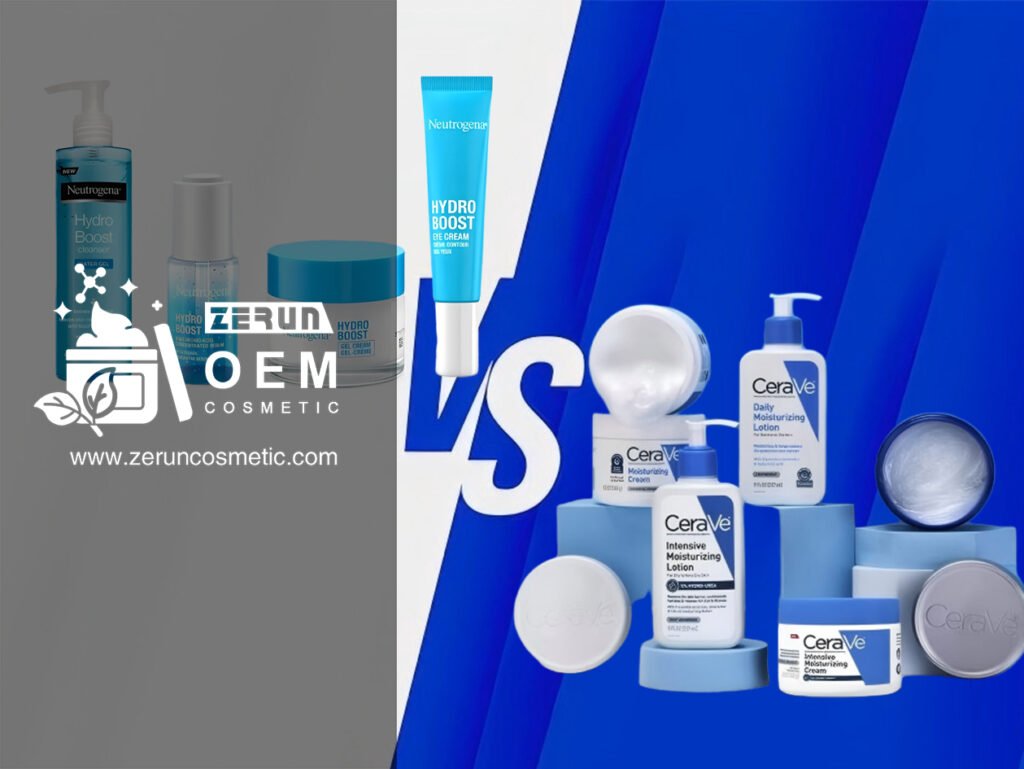
Neutrogena and CeraVe sit in the same “safe choice” zone on drugstore shelves—trusted names, dermatologist-adjacent reputations, and routines that millions of people reach for when skin is acting up. But beyond the label, they’re built for slightly different wins: cleanser feel after rinse, barrier comfort over weeks, sunscreen layering behavior, and how forgiving a formula is when your skin is oily, dry, reactive, or acne-prone.
How to Use Niacinamide Serum: A Simple Routine That Actually Works
Niacinamide serum is one of those “everyone says it’s a must-have” products—until it pills under sunscreen, feels sticky by noon, or makes you wonder if it’s doing anything at all. Most of the time, the serum isn’t the problem. The routine is. To use niacinamide serum correctly, apply a small amount after cleansing (and toner […]