Skip to content
Bakuchiol Ingredient Custom Cosmetics Manufacturer
Leverage bakuchiol for retinoid-like anti-aging, tone evening, texture smoothing, and acne support—with superior daytime tolerance and photostability. Learn % use levels, oil-phase vs. encapsulated strategies, pH/heat handling, compatible co-actives, packaging/MOQ, and OEM/ODM options for global, compliant skincare launches.
What Is Bakuchiol

Bakuchiol is a meroterpene phenol (psoralea-derived or bio-based) celebrated for retinoid-like gene-expression benefits—supporting wrinkle reduction, firmness, tone evening, and clarity—with excellent photostability and high cosmetic tolerance versus classic retinoids. It is oil-soluble and fits both night and day routines.
INCI: Bakuchiol · CAS: 10309-37-2 · Pale yellow, oil-soluble active; available as neat oil, pre-dispersions, or encapsulated grades. (EC CosIng, Wikipedia)
Sources: Traditionally from Psoralea corylifolia seeds/leaves; also synthetic/bio-based supply for sustainability/price stability.
Solubility: Oil-soluble; use in anhydrous serums/oil phases or encapsulated/microemulsified systems for clear water serums/toners.
pH & Heat: Not pH-active; formula pH 4.5–7.0 typical. Add at ≤40–45 °C; protect with antioxidants and UV-shielded/airless packaging.
Bakuchiol Benefits: Mechanisms, Results & OEM Formulation
See how bakuchiol addresses photoaging (wrinkles/firmness), tone evening, texture/pore look, acne-prone balance, and daytime compatibility—with recommended % levels, test methods, and co-actives for private-label launches.
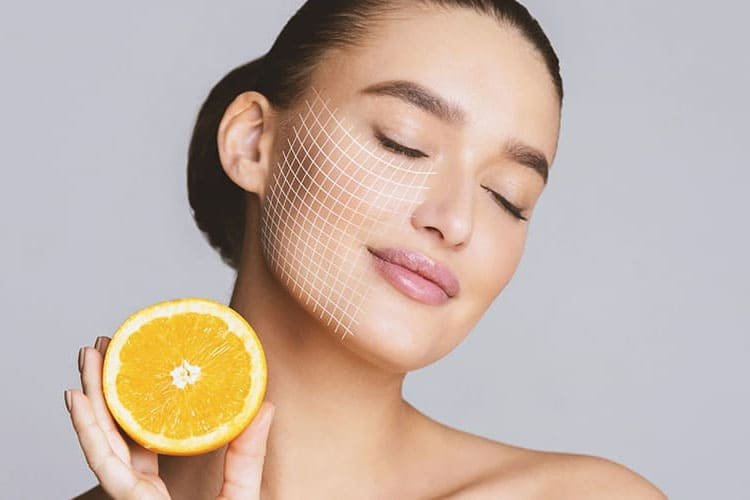
Fine Lines & Photoaging Correction
Mechanism: Retinoid-like transcription profile supports collagen synthesis and MMP moderation, helping counter photoaging without classic retinoid instability.
Benefits: Softer crow’s feet, improved forehead/frown lines, more resilient look.
Importance: Core anti-aging claim with day wear flexibility and lower sting/dropout.
Use level & testing: 0.5–1.0% in anhydrous serums/emulsions; assess profilometry (Ra/Rz), cutometry (firmness), and standardized wrinkle imaging at 8–12+ weeks.
Good pairings: Peptides, pro-collagen sugars, vitamin C derivatives, niacinamide.
Firmness & Elasticity Support
Mechanism: Encourages extracellular-matrix balance (collagen/elastin environment) while limiting oxidative stress impact.
Benefits: Bounce and tightness feel improve; jaw/cheek contours look more supported.
Importance: Differentiates premium anti-aging SKUs beyond simple hydration.
Use level & testing: 0.5–1.0%; measure cutometer (R2/R5), ballistometer, and gloss/elastic recovery under controlled RH/temperature.
Good pairings: Pro-xylane, HA (multi-weight), ceramide systems, squalane.

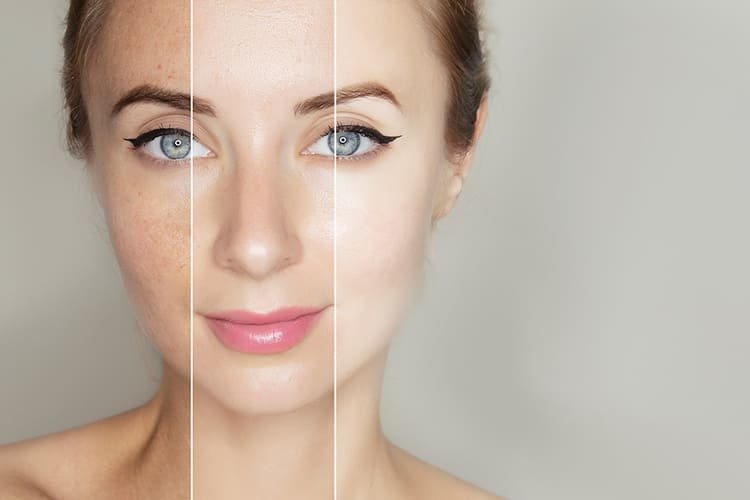
Tone Evening & Dark-Spot Look
Mechanism: Tyrosinase-pathway modulation and antioxidant support help limit uneven melanin appearance from daily stress and past breakouts.
Benefits: Increased L* (brightness), more even complexion, improved radiance.
Importance: Non-acid brightening route that layers with vitamin C/TXA.
Use level & testing: 0.5–1.0%; evaluate ΔL* / ΔE, Mexameter melanin index, photo grading at 4–8+ weeks.
Good pairings: 3-O-Ethyl Ascorbic Acid 2–5%, TXA 2–3%, niacinamide 2–5%, licorice.
Texture Smoothing & Pore-Rim Appearance
Mechanism: Supports keratinocyte turnover harmony without peel-type exfoliation; improves surface regularity for better light reflection.
Benefits: Smoother laydown, refined pore-rim look, improved makeup grip.
Importance: Delivers fast sensory wins with low irritation potential.
Use level & testing: 0.5–1.0%; measure PRIMOS 3D, image-based gloss, and consumer smoothness scoring.
Good pairings: Low-% lactic/mandelic, silicone elastomers, film formers.
Daytime Photostability & Routine Compatibility
Mechanism: Photostable profile supports AM use with SPF, unlike retinol which typically needs PM-only routines.
Benefits: Easier compliance, simpler AM/PM scheduling, strong makeup compatibility.
Importance: Speeds visible outcomes via twice-daily feasibility and reduced dropout.
Use level & testing: 0.5–1.0%; assess pilling tests under SPF/makeup, color stability (ΔE), sensory panels.
Good pairings: Broad-spectrum SPF, antioxidant networks (vitamin E/ferulates), ectoine.
Blemish-Prone Balance & Clarity
Mechanism: Helps normalize sebum environment and supports a calmer look on congestion-prone areas, complementing anti-blemish actives.
Benefits: Fewer visible breakouts, more even T-zone, reduced shine build-up.
Importance: Creates anti-aging + clarity hybrids for adult acne segments.
Use level & testing: 0.5–1.0%; validate via lesion counts, Sebumeter, VISIA blemish analytics.
Good pairings: Niacinamide, zinc PCA, salicylic acid (buffered 0.5–1%), azelaic/PAD.

Best Product Formats for Bakuchiol
Bakuchiol fits leave-on systems for anti-aging, brightening, texture, and acne-prone clarity. Use oil-phase/anhydrous for potency and feel; select encapsulated/microemulsified versions for clear water serums.

Whitening Cream

Bakuchiol Serum

Skin Firming Cream

Anti Aging Serum

Bakuchiol Eye Cream

Bakuchiol Moisturizer
Ready to Launch Your Bakuchiol Skincare Line?
Share your target markets, claims, and textures, and our team returns a formula proposal with recommended %, base selection, and co-actives in 48 hours. We define oil-phase vs. encapsulated approaches, heat/antioxidant protection, and stability/micro (ISO 11930) plans. Expect validated claims, premium sensorials, custom packaging, and full OEM/ODM documentation.
Bakuchiol Concentration Options | Custom for OEM/ODM
Choose the right bakuchiol delivery for your market and claims: classic oil-soluble bakuchiol for retinoid-like anti-aging with high photostability, or encapsulated/microemulsified bakuchiol to enable clear water serums and mist formats. We align % levels with oil-phase handling, antioxidants/UV shielding, pH/base, preservation, and packaging—and provide testing dossiers for safe, compliant launches.
1. Concentration Range
Typical cosmetic levels:
0.3%: Gentle start and eye-area use; boosts smoothness with minimal irritation.
0.5%: The category standard for visible line/texture and tone improvements in most users.
1.0%: For faster anti-aging impact or adult-acne hybrids;


2. Typical Use Levels
| Target Use Case | Bakuchiol Type & % | Best Formats | pH Window | Proof & QA |
|---|---|---|---|---|
| Fine lines & photoaging | 0.5–1.0% (oil-soluble) | anhydrous oil, emulsion cream | 5.0–6.5 | Profilometry Ra/Rz, wrinkle imaging, cutometry |
| Firmness & elasticity | 0.5–1.0% + peptides | day/night cream, serum | 5.0–6.2 | Cutometer R2/R5, ballistometer, consumer firmness |
| Tone evening & radiance | 0.5–1.0% + vitamin C/TXA | water serum (encap) / emulsion | 5.2–6.2 | Colorimetry ΔL↑ / ΔE*, Mexameter, photo grading |
| Adult acne–prone clarity | 0.5–1.0% + NIAC/Zn/BHA | gel-cream, lotion | 4.8–5.6 | Lesion count, Sebumeter, VISIA/derm grading |
| Eye-area smoothing (gentle) | 0.2–0.5% | eye cream/gel | 5.2–6.5 | Stinging panel, ophthalmologist review, TEWL↓ |
*Final percentage depends on target claim, skin type, and regional compliance.
Bakuchiol Formulation & Actives Ingredient Customization
Build formulas around bakuchiol for retinoid-like anti-aging, tone evening, texture smoothing, and adult-acne clarity—with superior daytime tolerance and photostability. Pair with peptides, niacinamide, vitamin C derivatives, ceramide systems, and HA for complete efficacy.
1. Formulation Systems
2. Ingredient Customization Case
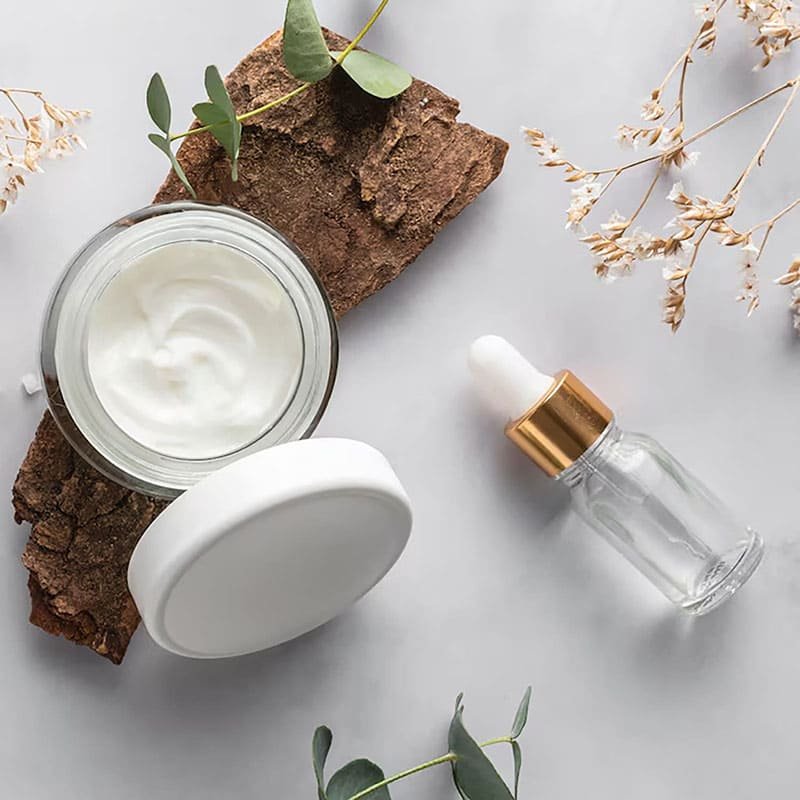
Renewal Night Oil
Benefits: Retinoid-like smoothing and radiance with high tolerance; ideal for first-time anti-aging users.
Actives: Bakuchiol 0.7% + Squalane base + Tocopherol 0.2%.

Firming Day Cream
Benefits: Improves bounce/elastic recovery while maintaining makeup-friendly slip and low shine.
Actives: Bakuchiol 0.6% + Peptide Blend 2% + Niacinamide 3% + Ceramide NP 0.2% (pH 5.2–5.8).

Brightening Serum
Benefits: Day-safe radiance boost and spot-look improvement with clear, non-sticky wear.
Actives: Encap. Bakuchiol 0.5% active-eq. + 3-O-EAA 3% + Ectoine 0.15% + HA (LMW) 0.10%.
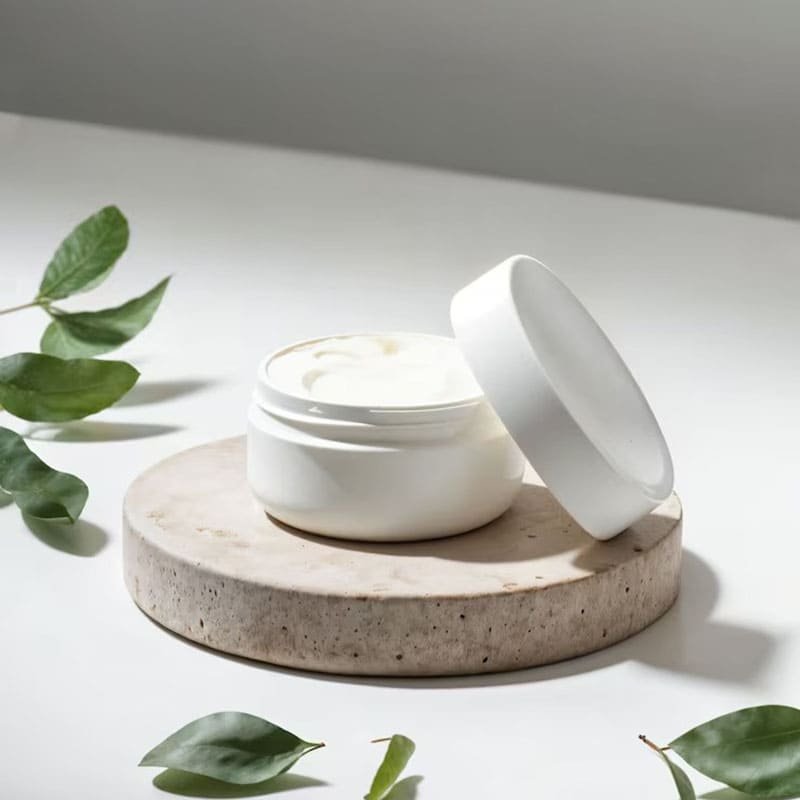
Acne Calming Gel-Cream
Benefits: Smoother texture and reduced midday shine without peel-type sting.
Actives: Bakuchiol 0.6% + Niacinamide 4% + Zinc PCA 0.5% + SA 0.5% (buffered) (pH 5.0–5.4).

Eye-Area Smoothing Cream
Benefits: Gentle line-softening for thin, reactive skin; fragrance-minimal with satin finish.
Actives: Bakuchiol 0.3% + Peptides 2% + Panthenol 1% + HA (multi-weight) 0.10%.

Recovery & Glow Emulsion
Benefits: Comforts active-stressed skin while restoring radiance; AM/PM compatible.
Actives: Bakuchiol 0.5% + Niacinamide 2% + Ceramide NP 0.2% + Squalane 3% + Beta-glucan 0.3%.
Bakuchiol Global Trends & Regional Analysis
Bakuchiol has drawn the attention of customers looking for natural alternatives to retinol in the beauty industry, as it attracts a large client base because of its anti-aging qualities and capacity to improve skin texture without the potential adverse effects of synthetic substances.
1. Bakuchiol Global Trends
The Global Bakuchiol Market is projected to reach USD 9.8 million in 2024 and grow at a compound annual growth rate of 6.6% from there until 2033 to reach a value of USD 17.5 million.


Bakuchiol Application Analysis
The personal care applications of Bakuchiol are expected to lead the overall market in terms of revenue in 2024, as it plays a major role in the market by broadening its use beyond skincare into products like body lotions, shampoos, and even oral care, which appeals to consumers who look for complete beauty solutions that promote overall skin and hair health. By including Bakuchiol in numerous personal care items, brands can attract a large audience interested in natural ingredients that provides anti-aging and soothing benefits, thus improving their product offerings and market presence.
Further, the pharmaceutical industry plays a major role in the Bakuchiol market by looking into its therapeutic potential beyond cosmetic applications. Bakuchiol’s anti-inflammatory & antioxidant properties make it vital for developing treatments for many skin conditions, like acne, eczema, and psoriasis.
Bakuchiol Serums: Gentle Hydration & Anti-Aging
Oil-based Bakuchiol formulations play a major role in the market by providing a deeply nourishing option for consumers with dry or sensitive skin. The oil-based form supports delivering the active ingredient more effectively while also moisturizing the skin. These products are mainly popular in facial oils and serums, where Bakuchiol’s soothing properties integrate with oils to improve hydration, which appeals to consumers looking for multi-functional skincare that targets both anti-aging and skin nourishment.
In addition, serum formulations can be easily combined with other active ingredients, improving their effectiveness and versatility in skincare routines.

2. Bakuchiol Regional Analysis
North America plays a major role in the growth of the Bakuchiol market and is expected to hold 42.3% of the revenue share in 2024 due to its higher demand for clean beauty and natural skincare products. Consumers in the region are highly aware of the benefits of plant-based alternatives like Bakuchiol, which are driving its adoption in many skincare formulations.
The region’s developed beauty and personal care industry and a major focus on sustainability and ethical sourcing further fuel market expansion. In addition, the presence of key skincare brands and high consumer spending power in North America accelerates the growth and innovation of Bakuchiol-based products.

More Bakuchiol product customization instructions and FAQs
Q: What skin types is Bakuchiol suitable for?
A: Bakuchiol suits all skin types—including sensitive, dry, oily, acne-prone, and mature skin. It offers retinoid-like benefits with higher tolerance and photostability, making it ideal for users who cannot tolerate retinol but still want smoothing, brightening, and firming results. Daily AM/PM use is feasible with SPF.
Q: Can Bakuchiol be used together with Vitamin C or Retinoids in a single formula or routine?
A: Yes. Bakuchiol pairs well with stabilized vitamin C derivatives (e.g., 3-O-ethyl ascorbic acid) for radiance and spot care, and can be combined or alternated with retinoids to enhance anti-aging outcomes while improving tolerance. Keep fragrance low and include antioxidants/UV-shielded packaging for color stability.
Q: What’s the difference between 0.3%, 0.5%, and 1.0% Bakuchiol concentrations?
A:
0.3%: Gentle start and eye-area use; boosts smoothness with minimal irritation.
0.5%: The category standard for visible line/texture and tone improvements in most users.
1.0%: For faster anti-aging impact or adult-acne hybrids; still typically well-tolerated, but optimize base (lamellar O/W or anhydrous) and add antioxidants to maintain color/odor elegance.
Q: Will Bakuchiol irritate acne-prone or inflamed skin?
A: Generally no—bakuchiol is better tolerated than retinol and can help normalize sebum and improve breakout-prone areas. For very reactive users, prefer bio-identical/synthetic bakuchiol over botanicals with aromatic residues, keep fragrance minimal, and introduce gradually alongside a bland moisturizer.
Q: How long does it take to see visible results with Bakuchiol?
A: Many users notice texture and radiance gains within 4–6 weeks; fine lines/firmness typically improve by 8–12 weeks. For congestion/shine control, expect 4–6 weeks with consistent use. Results accelerate with daily SPF, steady AM/PM application, and compatible co-actives (peptides, niacinamide, vitamin C).
Launch Your Custom Cosmetics Line Now!