Skip to content
Bromelain Ingredient Custom Cosmetics Manufacturer
Discover bromelain’s gentle enzymatic exfoliation, texture smoothing, radiance, and low-sting performance for sensitive skin. See use levels, pH 4.0–6.0 guidance, stabilization tips, compatible actives, packaging, MOQ, and private-label/OEM solutions.
What Is Bromelain

Bromelain is a pineapple-derived proteolytic enzyme complex (thiol endopeptidases) used in skincare as a mild, non-acid exfoliant and skin-conditioning agent. It selectively digests protein bonds in the outermost stratum corneum, helping lift dull cells with less sting than strong AHAs.
INCI: Bromelain · CAS: 9001-00-7 (also reported 37189-34-7) · EC: 232-572-4 · Listed in CosIng with skin-conditioning function. (SpecialChem, Wikipedia)
Source: Extracted mainly from pineapple stem/fruit (Ananas comosus) as a multi-enzyme complex (endopeptidases + accessory enzymes).
Water Solubility: Soluble in water; commonly dispersed in glycerin for liquid concentrates; activity often expressed as GDU/g (e.g., 2400 GDU/g).
pH & Temperature: Active across pH ~4–7 (optimum frequently near 6–7) with heat-labile activity—process <40 °C where possible; many professional enzyme masks run pH 3.8–4.7 with moderated activity.
Bromelain Benefits: Mechanisms, Results & OEM Formulation
How bromelain delivers gentle enzymatic exfoliation, texture smoothing, and radiance for sensitive-leaning routines—plus recommended %, pH, testing plans, stability tactics, and pairings for private-label formulations.
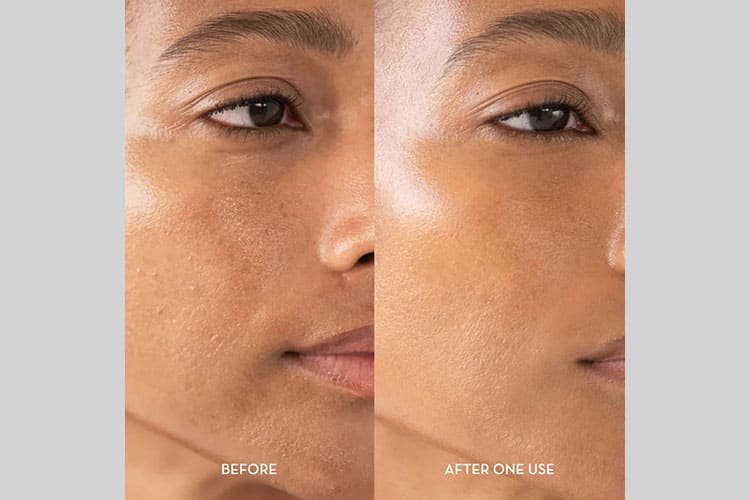
Enzymatic Exfoliation & Resurfacing
Mechanism: Protease action cleaves protein links in corneodesmosomes, accelerating the natural shedding of compact corneocytes.
Benefits: Softer micro-relief, fewer dry flakes, better light reflection, improved makeup laydown.
Importance: A low-sting alternative to strong AHAs for daily or weekly glow.
Use level & testing: Rinse-off masks 1–10% (activity-dependent), leave-on creams/gels 0.5–2%; pH 4.0–6.0; validate with D-Squame/squamometry, PRIMOS 3D (Ra/Rz), and stinging panels.
Good pairings: Glycerin/HA, PHAs (gluconolactone), panthenol, papain/pumpkin for multi-enzyme synergy.
Radiance & Tone Evenness
Mechanism: Removal of retained, unevenly pigmented corneocytes enhances specular reflection and tone uniformity.
Benefits: Brighter, fresher look with quick sensory payoff after short contact-time masks.
Importance: A consumer-friendly “enzyme glow” story without the sting narrative of high-strength acids.
Use level & testing: 1–5% in gommage/gel masks for 3–10 minutes; track ΔL* colorimetry, gloss imaging, and standardized photography over 4–8 weeks.
Good pairings: Vitamin C derivatives (AA2G/EAA), niacinamide, licorice; daytime with SPF.
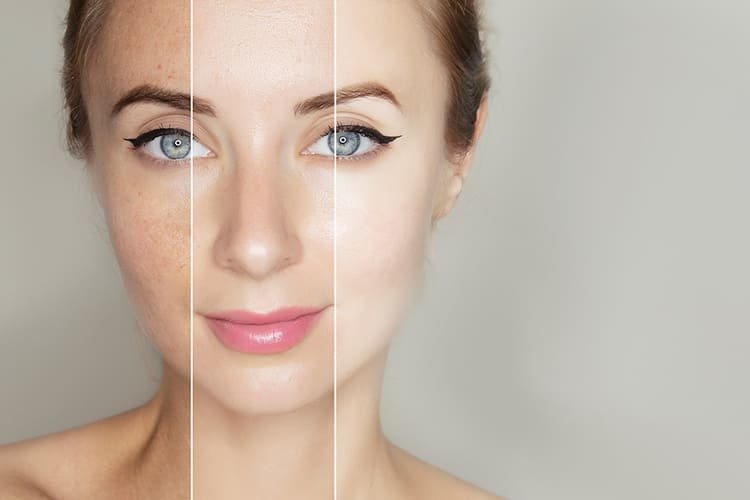
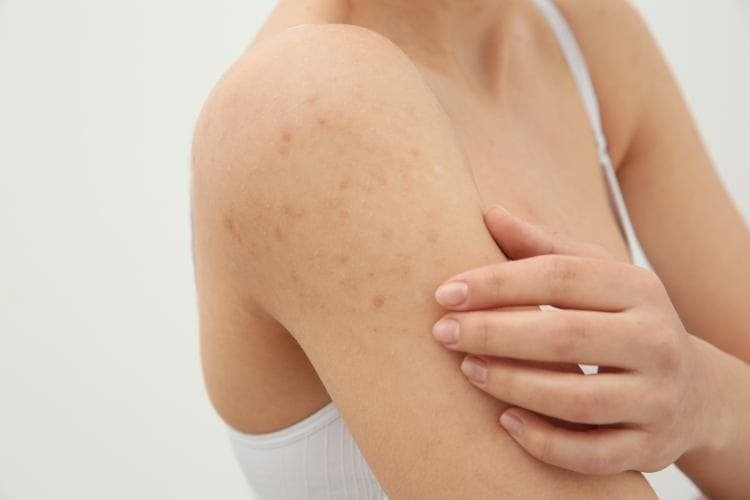
Texture Smoothing & KP/Rough-Zone Care
Mechanism: Proteolysis helps soften hyper-keratinized plugs while maintaining comfort when pH and time-of-contact are controlled.
Benefits: Fewer bumps, smoother sleeves-glide on arms, improved spread of body lotions.
Importance: Expands the enzyme story to body care with quick tactile wins.
Use level & testing: 2–5% rinse-off body masks/scrubs; evaluate tactile panels, PRIMOS on target zones, and photo grading at 2–4 weeks.
Good pairings: Urea (5–10%), salicylic acid (0.5–2% in rinse-off), shea esters, light silicones.
Comfort-First Clarifying (Sensitive-Skin Friendly)
Mechanism: Enzymatic keratolysis avoids strong acidification; careful buffering/time control limits sting while maintaining visible surface refresh.
Benefits: Clearer, smoother look with lower irritation risk for acid-sensitive users.
Importance: Suitable as an AHA alternative or for retinoid routines on off-nights.
Use level & testing: 0.5–1% leave-on or 1–3% short contact; monitor TEWL, a* redness, self-perceived comfort, and compatibility/pilling with SPF/makeup.
Good pairings: Panthenol (0.3–1%), ectoine (0.2–0.5%), beta-glucan (0.1–0.5%), bisabolol (0.05–0.2%), allantoin (0.1–0.3%).

Best Product Formats for Bromelain
Explore how bromelain performs across formats—from weekly gel masks to micro-dose leave-ons—balancing low-sting resurfacing, tone freshness, and comfort with smart pH/time-of-contact control.

Exfoliating Face Scrub

Exfoliating Body Wash

Exfoliating Gel

Soothing Cream

Exfoliating Face Mask

Enzyme Face Wash
Ready to Create Your Bromelain Skincare Line?
Talk to our formulation experts and get a 48-hour proposal covering enzyme activity, target %, pH & time-of-contact plan, stabilizers, and format choice. We provide sampling, stability & micro, enzyme-activity trending, compatibility/pilling checks, and regulatory-ready tech packs to speed launch.
Bromelain Concentration Options | Custom for OEM/ODM
Choose the right bromelain pathway for your claims and bases: micro-dose leave-ons for daily comfort, short-contact essences/gommage, weekly masks, and powder cleansers for stability. We align % with supplier activity, pH 4.0–6.0, time-of-contact, humectants, chelators/preservation, and airless or dry-powder packaging—then deliver testing dossiers for compliant launches.
1. Concentration Range
Typical cosmetic levels:
0.1–0.3%: Micro-dose leave-ons for daily smoothness with minimal sting.
0.3–1%: Short-contact essences/gommage for visible glow and comfort.
1–3%: Weekly enzyme masks or powder-to-foam cleansers for deeper refresh.


2. Typical Use Levels
| Target Use Case | Bromelain Type & % | Best Formats | pH Window | Proof & QA |
|---|---|---|---|---|
| Daily gentle resurfacing (leave-on) | 0.1–0.3% + glycerin/HA | gel-cream/serum | 5.0–5.5 | TEWL, a* redness, comfort diary, pilling test |
| Sensitive brightening (short-contact) | 0.3–1% + panthenol/ectoine | enzyme essence/gommage | 4.5–5.5 | D-Squame/squamometry, stinging panel |
| Weekly enzyme boost | 1–3% ± PHA synergy | rinse-off gel mask | 4.0–5.0 | PRIMOS 3D (Ra/Rz), ΔL*, standardized photos |
| Enzyme cleansing | 0.5–1% (or dry-powder dose) | powder-to-foam/cream cleanser | 5.0–6.5 | Cleansing vs irritation balance, 30–60 s stopwatch |
| KP/rough-zone smoothing | 0.5–1% + urea 5–10% | rinse-off body mask/lotion | 4.5–5.5 | Tactile panels, targeted-zone photography |
*Final percentage depends on target claim, skin type, and regional compliance.
Bromelain Formulation & Actives Ingredient Customization
Build formulas around bromelain for low-sting enzymatic resurfacing, tone freshness, and comfort-first clarifying. Pair with glycerin/HA, panthenol, ectoine, beta-glucan, niacinamide, PHAs, and barrier lipids. Engineer pH (4.5–5.5) and time-of-contact control, add chelators (EDTA) ± reducing agents per supplier guidance, and select airless or dry-powder packaging with cool processing (<40 °C).
1. Formulation Systems
2. Ingredient Customization Case
Radiance Serum
Benefits: Delivers fast, visible glow in minutes, lifting micro-flakes with minimal sting for smooth, makeup-ready skin.
Actives: Bromelain 0.5% + Glycerin/HA + Panthenol 1%; pH ~5.2; rinse-off.
Sensitive-Skin Gel-Cream
Benefits: Provides daily smoothness and hydration, supporting barrier recovery; ideal for acid-sensitive or concurrent retinoid routines.
Actives: Bromelain 0.2% + Ectoine 0.3% + Beta-glucan 0.2% + Ceramide/Cholesterol/FA; pH 5.2–5.5.

Weekly Enzyme Mask
Benefits: Refines texture and brightens tone in one session, delivering an at-home facial effect with minimal redness.
Actives: Bromelain 1.5% + Gluconolactone 3% + Niacinamide 2%; pH 4.7–5.0; 5–10 min, rinse.

Powder Enzyme Cleanser
Benefits: Travel-friendly polish that clears dullness without squeak; stable dry format delivers fresh enzymatic activity on demand.
Actives: Bromelain (delivered 0.7%) + Mild Surfactants + Sodium Bicarbonate; in-use pH 5.8–6.2.
Rough-Zone Smoothing Lotion
Benefits: Softens keratotic plugs and rough patches quickly, improving sleeve glide and visible uniformity on arms and legs.
Actives: Bromelain 0.8% + Urea 10% + Shea Esters 3%; pH 5.0–5.3; 2–5 min on target zones, rinse.

Tone-Refreshing Gommage Peel
Benefits: Roll-off action lifts micro-flakes for instantly smoother feel and better makeup grip, while minimizing redness.
Actives: Bromelain 0.6% + Cellulose + Panthenol 1%; pH 5.0–5.4; massage 60–90s, rinse.
Bromelain Global Trends & Regional Analysis
The Bromelain Market involves the production and distribution of bromelain, an enzyme extracted from pineapples. Bromelain is used in the food and beverage, pharmaceutical, and cosmetic industries for its anti-inflammatory and digestive properties. The market is driven by the rising demand for natural health supplements and functional foods.
1. Bromelain Global Trends
The Global Bromelain Market size is expected to be worth around USD 63.9 Million by 2033, from USD 34.7 Million in 2023, growing at a CAGR of 6.3% during the forecast period from 2024 to 2033.


Bromelain Form Analysis
The market for Bromelain is segmented by form into powder and liquid. Powder dominates with 55.6% due to its ease of handling, stability, and versatility. The powdered form of Bromelain is more stable and has a longer shelf life, which is crucial for both manufacturers and consumers.
Liquid Bromelain, while effective, is less stable and has a shorter shelf life compared to its powdered counterpart. This limits its use primarily to specific applications where liquid form is necessary, such as in certain medical formulations and cosmetic products.
Bromelain Application Insights
The Bromelain market is segmented by application into healthcare, food & beverage, dietary supplements, cosmetics & personal care, and others. The food and beverage industry is the largest application segment for Bromelain, primarily due to its extensive use in meat tenderization.
Cosmetics and personal care products also utilize Bromelain, particularly for its exfoliating properties. It is incorporated into skincare products to enhance skin texture and remove dead skin cells. Although this segment is growing, its market share remains smaller due to the niche nature of these applications.

2. Bromelain Regional Analysis
North America Dominates with 35.6% Market Share
North America leads the Bromelain market with a 35.6% market share, valued at USD 12.3 million.
Several factors drive North America’s dominance. High consumer awareness of health supplements, widespread acceptance of natural health products, and advanced healthcare infrastructure boost Bromelain demand.
Regional characteristics like high disposable income and a well-established e-commerce sector enhance market performance. The robust supply chain and distribution networks ensure product availability. Regulatory support for dietary supplements also encourages market growth.
North America’s influence is expected to remain strong. The market is likely to see steady growth as health trends continue to rise. Innovations in product formulations and increased marketing efforts will further boost Bromelain’s market presence.

More bromelain product customization instructions and FAQs
Q: What skin types is Bromelain suitable for?
A: Bromelain suits most skin types—including normal, dry, oily, acne-prone, and mature—because it’s a non-acid enzymatic exfoliant with a low sting profile when pH and contact time are controlled. For very reactive or barrier-impaired skin, start with short-contact formats and pair with soothing humectants and lipids.
Q: Can Bromelain be used together with AHAs/PHAs or retinoids?
A: Yes—with thoughtful scheduling. Bromelain layers well with PHAs and low-strength AHAs in rinse-off or alternate-day routines. With retinoids, use bromelain on off-nights or as a short-contact rinse-off to minimize irritation. Avoid stacking multiple strong exfoliants in a single step; add panthenol/ectoine for comfort.
Q: What’s the difference between 0.1%, 0.5%, and 1–2% Bromelain?
A: Enzyme strength is activity-dependent (e.g., GDU/g), so percentages are guidelines. 0.1% suits leave-on, daily comfort smoothing; ~0.5% fits short-contact essences/gommage; 1–2% is typical for weekly masks. Always tune pH (~4.5–5.5) and contact time (1–10 min), and verify with squamometry/stinging panels.
Q: How long does it take to see visible results with Bromelain?
A: Many users notice a brighter, smoother look after the first 1–3 uses (short-contact formats). Texture refinement and tone uniformity typically improve over 2–4 weeks with regular use. For rough zones/KP, assess tactile smoothness and photo grading after 2–4 weeks of consistent, directed application.
Q: Does Bromelain need special packaging or pH care?
A: Yes. Enzymes are heat- and pH-sensitive. Formulate cool (<40 °C), target pH 4.5–5.5, limit denaturing surfactants/oxidants, and include chelators; dry powder formats or airless packs help preserve activity. Trend enzyme activity over time (RT/30 °C) and confirm PET (ISO 11930) for market readiness.
Launch Your Custom Cosmetics Line Now!