Skip to content
Caffeine Ingredient Custom Cosmetics Manufacturer
Discover caffeine’s de-puffing, antioxidant, and energizing benefits for eye, face, body, and scalp. Learn pH ranges, % use levels, solubility tips, stable formats, compatible co-actives, packaging/MOQs, and private-label OEM/ODM solutions.
What Is Caffeine

Caffeine (1,3,7-trimethylxanthine) is a xanthine alkaloid valued in cosmetics for rapid de-puffing, antioxidant defense, and scalp/body energizing claims. It is widely tolerated, fits eye/face/scalp formulas, and supports “awake/refresh” positioning with light textures.
INCI: Caffeine · CAS: 58-08-2 · White crystalline powder, water-soluble, slight bitter odor. (EC CosIng, Wikipedia)
Sources: Commonly extracted from coffee/tea decaffeination streams or synthetically produced to cosmetic/pharma grade.
Water solubility: Moderate in water (~2% at ~25 °C; higher with heat); also soluble in alcohols and glycols. For robust processing, pre-dissolve in warm water (50–60 °C) or use 1,3-propanediol/propylene glycol co-solvents; cool slowly to avoid crystallization.
pH flexibility: Stable in mildly acidic to neutral systems (~4.5–7.5); avoid prolonged high heat to protect color/clarity. Works in water phase of serums, gel-creams, toners, and scalp tonics.
Caffeine Benefits: Mechanisms, Results & OEM Formulation
See how caffeine supports eye de-puffing, dark-circle appearance, antioxidant defense, scalp vitality, and body firming/smoothness—plus recommended %, test methods, and co-actives for private-label launches.
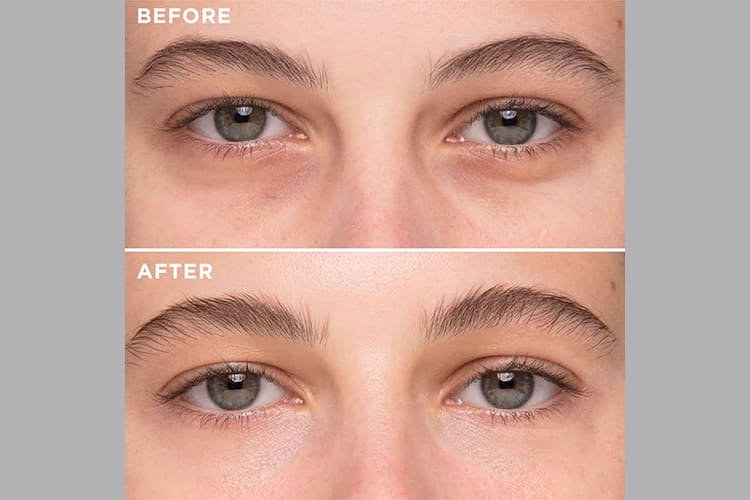
Eye De-Puffing & Fast Refresh
Mechanism: Vasoconstrictive/adenosine-receptor antagonism helps limit superficial fluid accumulation and visible puffiness.
Benefits: Rapid de-puff, cooler feel, more rested under-eye look.
Importance: Core claim for eye serums/roll-ons and morning routines.
Use level & testing: 0.1–0.3% leave-on; assess periorbital volume (3D imaging), puffiness grading, cooling sensation panels.
Good pairings: EGCG/green tea, escin/centella, niacinamide 2–4%, peptides (eyes).
Dark-Circle Appearance & Tone Evenness
Mechanism: Microcirculation support + antioxidant action reduce dull, tired appearance; improves light scatter with smoother surface film.
Benefits: Brighter under-eye and more uniform tone.
Importance: High consumer demand in “anti-tired” eye SKUs.
Use level & testing: 0.1–0.2%; measure ΔL/ΔE*, under-eye colorimetry, standardized photo grading.
Good pairings: Vitamin C derivatives (EAA/AA2G), niacinamide, low-% panthenol, film formers for instant optical lift.

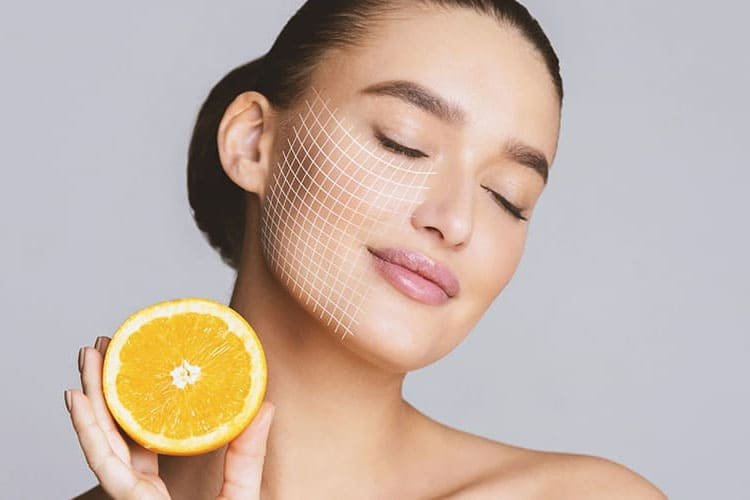
Antioxidant Defense & Exposome Support
Mechanism: Helps scavenge ROS and limit lipid peroxidation; complements vitamins C/E.
Benefits: Radiance preservation and protection from daily stressors (pollution/UV adjunct).
Importance: Enables daily-defense story without heavy textures.
Use level & testing: 0.1–0.5%; validate ORAC/DPPH (in vitro), ex vivo peroxidation markers, consumer radiance scoring.
Good pairings: Vitamin E + ferulic acid, resveratrol, green-tea polyphenols.
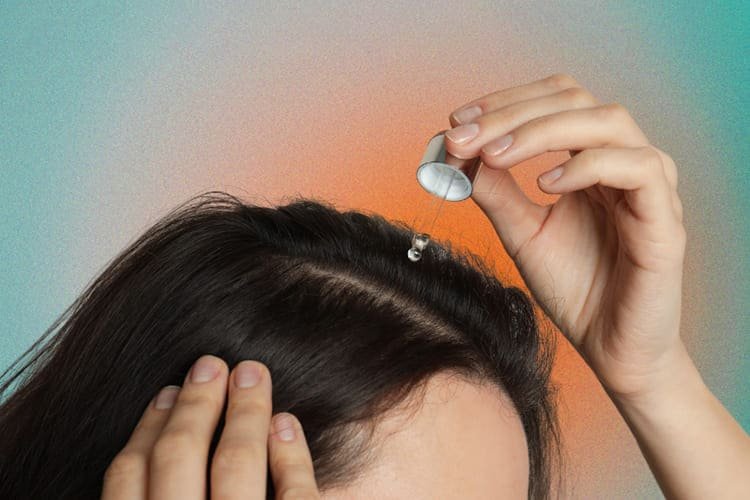
Scalp Vitality & Fresh Feel
Mechanism: In vitro data suggest follicle-supportive signaling; topical caffeine can counteract stressors and improve root feel.
Benefits: Fresher scalp, improved hair grip/slip, reduced heavy look at roots.
Importance: Expands caffeine into scalp serums, tonics, shampoos.
Use level & testing: 0.2–1.0% leave-on/tonic; track itch/comfort scales, sebum/time-to-grease, combing force, trichoscopy for appearance.
Good pairings: Niacinamide, zinc PCA, piroctone olamine, menthyl lactate (cool).

Body Smoothing & Firm-Look
Mechanism: PDE-linked lipolysis signaling and micro-fluid dynamics support firmer-look narratives.
Benefits: Smoother appearance, improved skin spring/back feel.
Importance: Key for contouring gels/creams and post-workout concepts.
Use level & testing: 1–3% in gels/creams; circumference tracking, orange-peel grading, Cutometer firmness.
Good pairings: Carnitine, theophylline-free botanical blends, escin, coffee seed extract, film formers.
Best Product Formats for Caffeine
Caffeine excels in leave-on and rinse-off formats targeting eye refresh, antioxidant defense, scalp vitality, and body smoothing. It performs best in pH 4.5–7.5 systems and is typically dosed into the water phase with warm pre-dissolution.

Caffeine Hair Shampoo

Caffeine Eye Cream

Coffee Scrub

Caffeine Hair Serum

Caffeine Eye Patches

Caffeine Body Wash
Ready to Launch Your Caffeine Skincare Line?
Talk to our formulation experts today and receive a formula proposal within 48 hours—including recommended % , base selection, co-actives, and processing. We’ll help you deliver validated claims, premium sensorials, custom packaging, and compliant documentation.
Caffeine Concentration Options | Custom 0.1–3% for OEM/ODM
Choose the right caffeine concentration for your claim, pH-adjusted base, and format. We guide pre-dissolution, crystallization control (slow cooling), preservation, and stability—backed by testing and documentation for safe, compliant launches.
1. Concentration Range
Typical cosmetic levels:
- eye de-puff: 0.1–0.3%
- face antioxidant/radiance: 0.1–0.5%
- scalp leave-ons: 0.2–1.0%
body smoothing/firm - look gels: 1–3%
Works best in pH 5.0–6.5 (can tolerate to ~7.5). Avoid high ethanol in eye-area formats.


2. Typical Use Levels
| Target Use Case | Caffeine % | Best Formats | pH Window | Proof & QA |
|---|---|---|---|---|
| Eye de-puff & dark-circle brightness | 0.1–0.3% | roll-on eye serum, light eye gel | 5.2–6.0 | 3D periorbital volume, ΔL/ΔE*, puffiness grading |
| Daily antioxidant & radiance (face) | 0.1–0.5% | serum, gel-cream | 5.0–6.5 | ORAC/DPPH, consumer radiance scoring, color/odor stability |
| Scalp vitality & comfort | 0.2–1.0% | scalp tonic/leave-on, light serum | 5.0–5.5 | Flake reduction, itch scales, time-to-grease, combing force |
| Body smoothing / firm-look | 1–3% | contouring gel, fast-dry cream | 5.0–6.0 | Cutometer firmness, orange-peel grading, circumference tracking |
| Energizing rinse-off (cleanser/shampoo) | 0.1–0.5% | face/body wash, shampoo | 5.0–6.5 | Sensory refresh, foam/combing tests, gloss measurements |
*Final percentage depends on target claim, skin type, and regional compliance.
Caffeine Formulation & Actives Ingredient Customization
Build de-puffing + antioxidant systems using caffeine across eye, face, scalp, and body formats. Optimize with polyols/co-solvents for dissolution, vitamins C/E + polyphenols for synergy, and film formers for instant lift. We provide stability & ISO 11930 testing, flexible MOQs, and full OEM/ODM documentation.
1. Formulation Systems
2. Ingredient Customization Case

De-Puff Eye Roll-On
Benefits: Rapid de-puff, brighter look, no sting; ideal AM rescue.
Actives: Caffeine 0.2% + Niacinamide 3% + EAA 3% + Peptide (eyes) 0.3% + GLDA 0.1% (pH 5.6).

Bright-Defense Face Serum
Benefits: Daily antioxidant shield with lightweight feel; improves makeup laydown.
Actives: Caffeine 0.3% + 3-O-Ethyl Ascorbic Acid 3% + Tocopherol 0.2% + Ferulic 0.3% + Glycerin 5%.

Scalp Vitality Tonic
Benefits: Fresher scalp, less visible flaking, lighter roots by day 2.
Actives: Caffeine 0.6% + Niacinamide 2% + Zinc PCA 0.3% + Piroctone Olamine 0.25% (opt.) (pH 5.3).

De-Puff Gel-Cream
Benefits: Instant smooth & lift with zero pilling; comfortable under concealer.
Actives: Caffeine 0.25% + EGCG 0.15% + Vitamin E 0.3% + Film Former 0.3% + 1,3-PDO 4%.

Body Smoothing Gel
Benefits: Smoother-looking thighs/arms; cooling post-workout feel.
Actives: Caffeine 2% + Carnitine 1% + Escin 0.15% + Menthyl Lactate 0.08% + HA 0.1%.

Energizing Water Serum
Benefits: Quick refresh & radiance, all-season wear; unisex concept.
Actives: Caffeine 0.3% + AA2G 2% + Glycerin 4% + 1,3-PDO 3% + EDTA 0.05% (pH 5.5).
Coffee Beauty Products Global Trends & Regional Analysis
The increasing awareness among consumers about natural and organic skincare products, the benefits of caffeine for the skin, and the anticipated advantages of coffee bean extract are some of the key growth factors for this industry.
1. Coffee Beauty Products Global Trends
The global coffee beauty products market size was valued at USD 559.3 million in 2023 and is projected to grow at a CAGR of 5.7% from 2024 to 2030. Growing awareness regarding the benefits of coffee-based beauty products in combating early aging signs, wrinkles, and environmental damage has driven the demand for coffee beauty products.


Coffee Beauty Products Distribution Channel Insights
Supermarkets/hypermarkets segment accounted for the largest revenue share in 2023. This is attributed to the growing prominence of private brand offerings and promotions. The brands are increasingly choosing offline channels such as supermarkets to attain enhanced brand visibility. The unmatched footfall experienced by the supermarkets/hypermarkets, easy accessibility, discounts and offers provided by the retail store brands are some of the main aspects that have contributed to the growth of this segment in recent years.
Online segment is expected to experience the fastest CAGR during the forecast period. The presence of multiple online brand stores and multiple e-commerce websites have been driving growth for the cosmetics industry across the world. These aspects are expected to generate greater demand for this segment in the approaching years.
2. Coffee Beauty Products Regional Analysis
North America coffee beauty products market dominated the market in 2023 with a revenue share of 32.8%. Some of the key growth drivers for this regional market are the growing adoption of natural and organic beauty products, increasing availability of coffee-based beauty products offered by global cosmetic brands, a rise in a number of skin and hair health problems caused by changed lifestyles, and presence of major market participants in the region.
U.S. Coffee Beauty Products Market Trends
The U.S. held a significant revenue share of the regional coffee beauty products market in 2023. This market is primarily driven by factors such as changing lifestyles leading to higher demand for natural skincare products and a rising number of health practitioners and skin health specialists recommending the use of organic products over ones with synthetic ingredients.
Europe Coffee Beauty Products Market Trends
Europe coffee beauty products market was identified as a lucrative region in 2023. Presence of multiple key brands from the cosmetic industry in the region has developed a trend of early adoption. The enhanced awareness regarding personal care practices, rising adoption of skincare regimes, availability of multiple coffee beauty products in the region, new product launches by the major players, and growing penetration of the online platforms are some of the aspects that are expected to drive demand for this regional industry in upcoming years.
The coffee beauty products market in the UK is projected to experience a noteworthy CAGR during the forecast period. This market is primarily driven by factors such as the presence of numerous cosmetics manufacturers in the Europe region, growing adoption of organic products for haircare and skincare, rising disposable income, and ease of accessibility.

More Caffeine product customization instructions and FAQs
Q: What skin types and areas is Caffeine suitable for?
A: Caffeine is generally well-tolerated by sensitive, dry, normal, oily/acne-prone, and mature skin. It’s widely used on the eye area, face, scalp, and body for de-puffing, freshness, and antioxidant support. As with any active near the eyes, patch test first and avoid high-alcohol bases.
Q: What concentration should I choose for different goals?
A: Typical cosmetic levels are: 0.1–0.3% for eye de-puff, 0.1–0.5% for face antioxidant/radiance, 0.2–1.0% for scalp leave-ons, and 1–3% for body smoothing/firm-look gels. Formulate around pH 5.0–6.5, pre-dissolve caffeine warm (50–60 °C) with a co-solvent (e.g., 1,3-propanediol/propylene glycol), and cool slowly to prevent crystallization.
Q: Can Caffeine be combined with Niacinamide, Vitamin C, peptides, or acids/retinoids?
A: Yes. Niacinamide (2–4%), Vitamin C derivatives (EAA/AA2G 2–5%), and peptides (eyes 0.1–0.5%) pair well for brightening and anti-fatigue claims. For retinoids or AHA/BHA, use gentle, low-sting bases and consider alternate-day use on sensitive eye skin. Keep final pH in the ~5–6 range for comfort and stability.
Q: Will Caffeine irritate acne-prone or sensitive skin?
A: Caffeine is non-acidic and typically non-comedogenic, making it a good fit for acne-prone or reactive skin. Irritation usually stems from solvent choices (e.g., high ethanol) or fragrance near the eyes, not from caffeine itself. Choose low-alcohol, fragrance-light systems and confirm tolerance with a patch test.
Q: How long until I see visible results with Caffeine?
A: De-puffing around the eyes can be noticeable within 15–30 minutes (temporary effect). Brightness/tone improvements typically show in 2–4 weeks. Scalp freshness/flake appearance often improves in 2–4 weeks of daily use. Body smoothing/firm-look benefits generally need 4–8 weeks, consistent application, and massage. Store products properly and use consistently for best outcomes.
Launch Your Custom Cosmetics Line Now!