Skip to content
Clinic Care OEM/ODM Solutions for Post-Procedure Skincare Brands
Post-procedure skin needs more than a generic “sensitive cream”. Zerun Cosmetic helps clinics, medi-spas and doctor-led brands build coherent clinic care systems: in-clinic and take-home products, gentle bases and actives, compliant claims, documentation, testing and MOQs that match your procedures and growth plans.
Who we support with post-procedure care OEM/ODM?
We work with dermatology clinics, medi-spas, aesthetic doctors, nurse-led practices and dermocosmetic brands that need gentle, credible post-procedure homecare and in-clinic products, aligned with real treatment protocols rather than generic “soothing creams” from mass-market cosmetic suppliers.
Partner profiles we serve
- Clinic and medi-spa partners
- Dermatology and aesthetic medicine clinics
- Single-location medi-spas and premium facial studios
- Doctor-owned and KOL-backed private label brands
- Multi-clinic groups and franchise concepts
- Typical project starting points
- Replacing generic “sensitive cream” with a dedicated clinic line
- Creating branded post-treatment kits for home recovery and loyalty
- Building a small hero range around signature procedures
- Unifying protocols and products across multiple locations and markets
- How we work with you
- Respect for clinical workflow and patient communication
- Structured OEM/ODM communication and clear milestones
- Joint ownership of formula, packaging and testing decisions

Example clinic partner profiles
Note: this table is illustrative and can be adapted to your actual client mix.
| Partner Type | Main Channels | Key Needs in Clinic Care | Typical Project Start Point |
|---|---|---|---|
| Single dermatology clinic | In-clinic + small retail | Simple, reliable post-procedure system | Replace generic creams with branded recovery kit |
| Medi-spa / facial studio | In-clinic + e-commerce | Premium feel, clear homecare instructions | Create 3-step home kit for signature facial/peel |
| Doctor-owned brand (KOL) | Clinics + online + social commerce | Strong story, science-aware positioning | Build small hero line tied to doctor’s protocols |
| Multi-clinic / chain group | Chains, franchises, pharmacies | Standardised protocols and consistent formulas | Unify post-procedure products across locations and regions |
What types of clinic care products can we develop?
We design systems around your procedures, not random SKUs. In-clinic products support immediate soothing and comfort, while take-home products extend recovery and routine compliance. Together, they form laser, peel, injectable or microneedling pathways that are easy to explain and easy to follow.

In-clinic and take-home systems
- In-clinic product types
- Pre- and post-procedure ultra-gentle cleansers
- Immediate soothing gels or creams for compromised skin
- Post-treatment masks: cream, gel, sheet or biocellulose
- Neutralising or balancing solutions for peel workflows
- Take-home product types
- Daily recovery creams or balms with barrier-support actives
- Light hydrating serums or mists for tightness and dryness
- Very mild cleansers for the post-procedure window
- Targeted products for local redness, flaking or rough texture
- Region-appropriate SPF concepts where relevant and feasible
- System design options
- Protocol-specific kits (e.g. “3-step laser recovery kit”)
- A universal post-procedure rescue line usable across treatments
- Tiered systems: core recovery set vs premium “signature doctor” sets
Example laser recovery system
| Step / Product | In-Clinic or Home | Main Function | Possible Format Options | Notes |
|---|---|---|---|---|
| Pre-procedure gentle cleanser | In-clinic & home | Remove makeup / impurities without strip | Low-foam gel, milky cleanser, micellar-type | Used both before procedure and during recovery |
| Immediate soothing product | In-clinic | Calm heat, tightness right after laser | Light gel, gel-cream, fluid cream | Applied by clinician on compromised skin |
| Recovery cream / balm | Home | Support barrier, reduce dryness/flaking | Cream, richer balm, airless pump or tube | Key SKU in take-home kit |
| Hydrating mist or serum | Home | Boost hydration and comfort between uses | Fine mist, light serum with dropper or pump | Optional premium add-on |
| SPF concept (where applicable) | Home | Protect fragile skin from UV exposure | Emulsion, fluid SPF suited to local regulation | Developed only where claims and regulations permit |
How to design base formulas systems and active stacks for post-procedure skin?
We design bases, actives and preservation systems for very reactive, heat-stressed skin. The goal is to minimise sting and overload while supporting barrier integrity, hydration and comfort with cosmetic-level ingredients that can sit comfortably alongside your clinical procedures.
How we think about ultra-gentle formulas
- Base design principles
- Fragrance-free or ultra-low fragrance where appropriate
- Avoidance of strong exfoliants and known sensitising actives
- Emulsions tuned for comfort on hot, red, sensitised skin
- Options from feather-light gels to richer lipid-rich creams and balms
- Active directions(cosmetic, non-drug)
- Barrier-supporting lipids and ceramide systems
- Soothing botanicals with relevant safety and irritation data
- Humectants such as glycerin and hyaluronic acid systems
- Antioxidants suitable for sensitive and post-procedure contexts
- Preservation and pH strategy
- Preservative systems chosen with low irritation risk in mind
- pH ranges aligned with skin physiology and product category
- Avoidance of common fragrance allergens in sensitive ranges where needed

Recommended mini sizes and trial periods
| Category | Kit purpose | Typical steps | Suggested mini size per SKU | Expected usage period |
|---|---|---|---|---|
| Face care | Brightening / anti-aging | Cleanser + serum + cream (+/– toner) | 10–20 ml for cleansers & toners; 10–15 ml for serums & creams | 2–4 weeks |
| Face care (sample) | Quick trial / mailer | 1–2 key products | 5–10 ml tubes, bottles or sachets | 7–14 days |
| Hair & scalp | Anti-dandruff / repair | Shampoo + conditioner/mask (+/– scalp product) | 30–75 ml bottles/tubes; 10–30 ml scalp products | 2–4 weeks |
| Body & spa | Relax / glow / aromatherapy | Wash + scrub + lotion or oil | 30–75 ml for each step | 2–3 weeks |
| Men’s grooming | Basic routine / travel | Cleanser + moisturizer (+/– eye/aftershave) | 10–25 ml face products | 1–3 weeks |
| Clinic/post-care | Post-procedure support | Cleanser + serum + barrier cream + SPF | 5–15 ml per product | 7–14 days |
Which packaging options make sense for clinic and post-procedure care lines?
We align professional and patient formats so clinicians can work hygienically and efficiently, while homecare packs remain intuitive and reassuring. Pro and retail packaging can share formulas but differ in size, dispensing and graphic hierarchy to fit each environment.

Packaging for professionals and patients
- In-clinic packaging
- Larger back-bar pump formats for treatment rooms
- Airless or closed systems to protect hygiene and stability
- One-hand-friendly pumps for gloved staff
- Clear front labels and back-bar style visual hierarchy
- Patient take-home packaging
- Smaller airless pumps, tubes or bottles for home use
- Simple front claims and clear back-of-pack usage directions
- Visual harmony with clinic identity and professional packs
- Travel-friendly and handbag-friendly sizes where needed
- Kit and system packaging
- Branded “post-procedure recovery kits” with 2–4 coordinated products
- Printed or QR-linked protocol cards and usage timelines
- Pro-only vs retail-only label variants on the same base formula
What documentation need for clinic care products?
Clinicians need clarity, not hype. We help assemble ingredient lists, safety summaries and basic study reports that doctors, nurses and therapists can review, store and reference when explaining why your clinic care products are appropriate as cosmetic support.
Documents and communication materials
- Core documentation elements
- Full INCI ingredient lists per product
- Key active rationales and functional descriptions
- Stability and compatibility test summaries where available
- Safety and tolerance test reports from agreed third-party labs
- For HCP and KOL usage
- Concise overviews suitable for internal training decks
- Consistent narrative linking formulas to clinical workflows
- Support in aligning product messaging with consultation language
- Communication principles
- Clear separation between cosmetic support and medical treatment
- Transparent, data-based explanations within cosmetic boundaries
- No over-claiming or ambiguous quasi-medical vocabulary

What global compliance and testing planning for clinic care products?
We work inside cosmetic regulations and help you plan testing packages that fit your markets, claims and scale. The aim is to build a credible, defendable clinic care line without pushing you into unnecessary, misaligned or unsustainable test programmes.

Regulatory and testing approach
- Market and regulatory context
- Alignment with EU, UK, US and other cosmetic frameworks
- Ingredient acceptability checks for target regions and channels
- Support on labelling basics: languages, claims, mandatory information
- Testing pathways to discuss
- Stability and packaging compatibility evaluations
- Basic safety and dermatological tolerance tests
- Cosmetic-level post-procedure suitability or user studies
- SPF and UV-related tests where applicable and feasible
- How we design a test plan
- Start from your claims, channels and risk comfort level
- Prioritise tests with highest benefit-to-cost impact
- Coordinate with third-party labs when specialist studies are needed
Make A Sample First?
If you have your own formula, packaging idea, logo artwork, or even just a concept, please share the details of your project requirements, including preferred product type, ingredients, scent, and customization needs. We’re excited to help you bring your personal care product ideas to life through our sample development process.
MOQs, cost tiers and roadmaps for clinic care projects
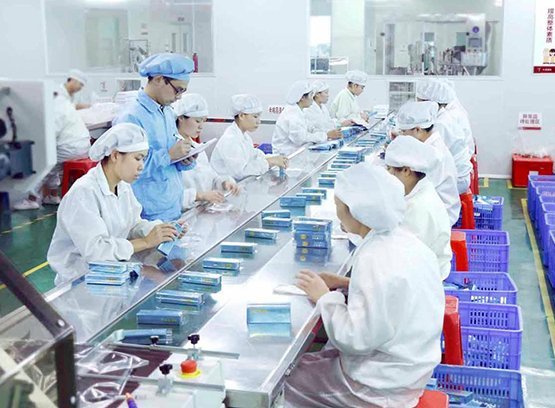
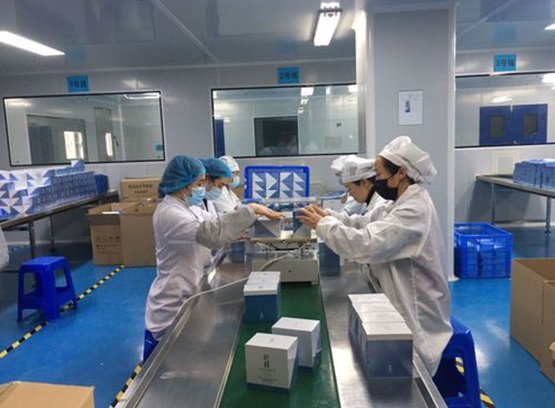
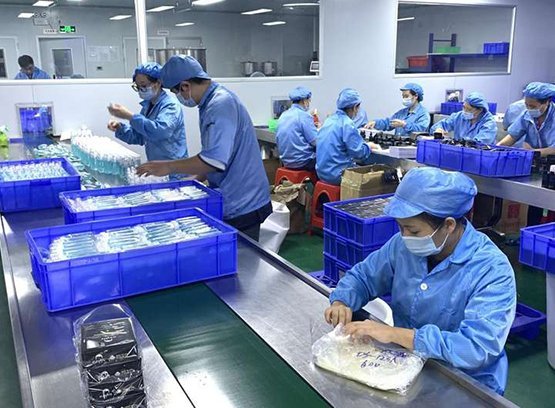
We structure MOQs, lead times and phased launches so you can trial protocols, refine systems and then scale. Shared bases and smart SKU planning help you avoid locking capital into slow movers while building a clear, long-term clinic care roadmap.
Volume, timing and roadmap planning
- MOQ planning
- Typical MOQ bands by format and packaging family
- Options to share base formulas across pro and home sizes
- Guidance on splitting first orders across core vs add-on SKUs
- Timeline expectations
- Indicative development and sampling windows by complexity
- Packaging lead times and artwork approval milestones
- Production scheduling and shipping considerations
- Roadmap approach
- Phase 1: core protocol essentials for main procedures
- Phase 2: texture variations, add-ons and premium tiers
- Phase 3: seasonal kits, limited editions, new-market adaptations


Indicative MOQ & timeline bands
Illustrative ranges only. Actual MOQs and timings depend on formula, packaging and market needs.
| Product Type | Typical Pack Size Example | Indicative MOQ Band* | Indicative Dev & Sampling* | Typical Use Focus |
|---|---|---|---|---|
| Recovery cream | 30–50 ml airless / tube | ~3,000–5,000 units | ~8–12 weeks | Homecare / retail |
| Soothing gel | 50–100 ml airless / tube | ~3,000–5,000 units | ~8–12 weeks | In-clinic + home |
| Gentle cleanser | 100–200 ml bottle / tube | ~3,000–6,000 units | ~8–12 weeks | Pro + homecare |
| Pro-size back-bar | 200–500 ml pump | ~1,000–2,000 units | ~8–12 weeks | In-clinic only |
Frequently Asked Questions about Clinic and Post-Procedure Care OEM/ODM
Most questions revolve around how small the sizes can be, how many SKUs to include, and how to keep kits profitable while still feeling generous. We usually respond with size, format and cost examples that match your brand’s strategy and capacity.
Q1: Can one post-procedure line cover all my treatments (lasers, peels, injectables)?
You can share some base formats across treatments, but not every procedure has the same tolerance or downtime. Usually we design a small core range, then adjust intensity or usage guidance per treatment type.
- Core: ultra-gentle cleanser + soothing fluid + barrier cream/balm
- Extra SKUs: more specific products for strong lasers or deep peels
- Often the “kit structure” is shared, while instructions differ by treatment
Q2: Do clinic care products have to be registered as medical products?
Not necessarily. Many post-procedure products can stay in the cosmetic category if claims, ingredients and presentation are carefully designed. The key is avoiding explicit healing, drug or device-style claims.
- Focus claims on comfort, appearance of redness, barrier support
- Avoid wording that suggests treating diseases or complications
- We help you align language with your regulatory strategy
Q3: Can we use our existing spa or facial products as post-procedure care?
Most standard spa or facial products are not designed for freshly treated, compromised skin. You may be able to adapt some concepts, but post-procedure lines usually need stricter formulation rules and testing.
- Review existing INCI and fragrance levels first
- Often we reduce fragrance and potential irritants
- In some cases, it’s safer to create a dedicated post-procedure line
Q4: What if different doctors in our network have different preferences?
This is common. We typically define a core protocol, then allow controlled variations such as texture options or fragrance-free variants, so you still maintain a coherent clinic brand line.
- One main “standard protocol” per treatment family
- Optional versions: richer / lighter texture, fragrance-free vs light scent
- Shared branding and packaging to keep the line unified
Q5: Can we start with small MOQs while we test uptake in our clinics?
In many cases yes, as long as we keep the number of SKUs focused and make pragmatic packaging choices. We can then scale volumes and add SKUs as real usage and repeat ordering become clearer.
- Start with a lean post-procedure kit per key treatment type
- Use packaging families that work across multiple SKUs
- Adjust MOQs and add new products as data accumulates
How Zerun supports your clinic care line from brief to launch?
- Our team will answer your inquiries within 12 hours.
- Your information will be kept strictly confidential.





We act as an OEM/ODM extension of your clinic team, turning procedures and patient profiles into practical product plans. From first briefing through sampling, testing, packaging and production, we keep decisions transparent and aligned with your clinical reality.
Collaboration journey with Zerun
- Starting collaboration
- Share your key procedures and patient types
- Describe your main markets, channels and price positioning
- Provide any reference products you like and why
- Our support along the way
- Propose product systems mapped to your protocols
- Refine formulas and packaging based on your feedback and staff input
- Coordinate agreed tests and documentation with selected partners
- From plan to launch
- Finalise specifications, artwork and pack details
- Schedule production and logistics for your first runs
- Review performance and plan next phases of the clinic care roadmap