Skip to content
How to scale cosmetics without batch inconsistency?
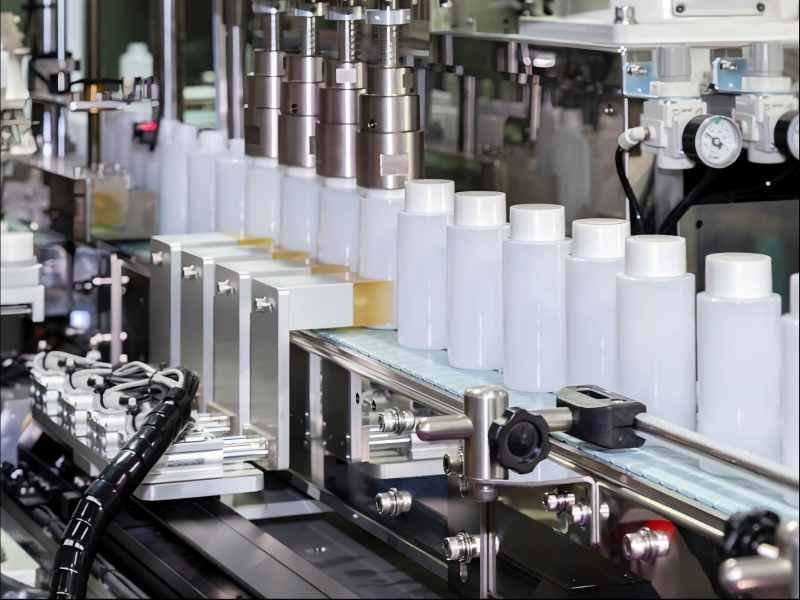
Scaling isn’t just “make more.” It’s taking a product that worked in small runs and building a system that can reproduce the same texture, scent, appearance, and performance—batch after batch—while packaging, raw materials, and timelines keep moving.
Most brands feel the pain at the same moment: the first few batches were great, then the next batch feels slightly different, the pump behaves differently, or returns creep up. Scale rewards the brands that lock the right variables early and treat reorders like an engineered routine, not a scramble.
Why do batches change at scale?
Batches drift at scale because small variations that were harmless in tiny runs become visible when volume grows and the process window gets tighter.
The most common reasons for scale-up drift
- Raw material lot variation: same INCI, different particle size, purity range, or odor profile
- Process energy differences: bigger tanks change mixing behavior, shear, and heat transfer
- Time and temperature shifts: longer holds, different heating/cooling curves, different emulsification time
- Order-of-addition effects: small sequencing changes can alter viscosity and stability
- Filling and headspace differences: fill speed, aeration, and settling behavior change the “feel”
- Packaging interaction exposure: longer contact time reveals swelling, odor absorption, discoloration, or leakage risk
The takeaway is simple: at scale, you’re not only making a formula—you’re running a repeatable manufacturing process with tighter controls.
Which variables must you lock?
A scalable product has a defined “process window.” When the window isn’t defined, each batch becomes a new interpretation.
The process window that matters most
- Temperature: heat-up target, hold time, cool-down curve, and when actives are added
- Shear / mixing intensity: impeller type, RPM range, shear time, vortex control
- Time: mixing durations, hydration times, hold times before filling
- Order of addition: when each phase and sensitive ingredient is introduced
- pH target range: not one number—an acceptable range tied to performance and stability
- Filling conditions: fill temperature, agitation during filling, deaeration approach if used
Locking these doesn’t slow you down. It prevents the expensive “why is this batch different?” investigation after inventory is already in market.
If you want a clean way to set gate-based controls from sample to production, the workflow in Cosmetic Manufacturing Process is the simplest anchor.
How to keep texture consistent?
Texture is what customers feel first—and what they complain about first. At scale, consistency comes from measurable targets plus raw material discipline.
What “texture consistency” is built on
- Viscosity targets with a range: define a target and acceptable upper/lower limits
- Appearance standards: gloss level, color window, absence of grains or separation
- Sensory reference: a retained “gold standard” sample for comparison
- Batch-to-batch adjustment rules: what you’re allowed to adjust (and when re-approval is required)
The raw material controls that protect texture
- Lot tracking for critical ingredients: thickeners, emulsifiers, surfactants, fragrance, key actives
- Incoming checks for high-impact materials: odor, appearance, basic functional cues
- Supplier consistency planning: approved alternates, and rules for substitution
- Hydration and dispersion discipline: many “mystery viscosity shifts” are hydration-time issues
Texture doesn’t drift randomly. It drifts when the process window or material behavior changes quietly.
How to prevent cosmetic quality complaints?
Complaint spikes usually come from a few repeatable failure modes: under/overfilling, leaks, dispensing problems, odor drift, or visible changes like separation and discoloration.
The most common complaint triggers at scale
- Fill variance: inconsistent net content creates distrust immediately
- Leakage in transit: cap/liner fit, torque control, sealing behavior, temperature swings
- Dispensing failures: pump clogging, spray inconsistency, droppers that drip or pull bubbles
- Odor drift: fragrance volatility, raw material lot variation, packaging absorption
- Appearance changes: settling, phase separation, haze, color shift
The prevention habits that work
- Define release checks that match real complaints: fill weight checks, leakage checks, dispensing checks
- Retain samples from each batch: so “batch A vs batch B” is verifiable
- Traceability that’s usable: batch codes that connect finished goods to material lots
- Treat packaging as part of QC: dispensing and leakage are quality, not “logistics”
If packaging behavior is driving returns, a packaging-first review often fixes more than formula tweaks. That’s why many brands route packaging decisions early through Custom Cosmetic Packaging.
How to plan reorders and supply?
The fastest brands don’t reorder when stock is low—they reorder when the supply system says it’s time. Scale depends on rhythm.
A reorder plan that prevents stockouts
- Build your reorder point around component lead time, not just production time
- Keep approved alternates for critical materials and components
- Standardize components across SKUs where possible (same bottle family, different labels)
- Forecast in cycles: marketing events, seasonality, and channel replenishment patterns
What makes supply predictable
- Material readiness dates: when ingredients and components must arrive
- Production slot planning: secure line time before you need it
- Release timing: plan QC release and shipment windows, not just “production date”
- Change control discipline: avoid “small changes” right before reorders
Reorders get easier when you treat your first order as the template and protect it from uncontrolled changes.
When to upgrade packaging?
Custom packaging can increase perceived value, but upgrading too early can trap you in long lead times and higher minimums before demand is proven.
A practical timing rule
- Start with stock packaging when demand is unproven. Upgrade when reorders are stable and complaint risk is low.
Signals you’re ready to upgrade
- You have repeat orders and stable forecasting
- Your formula and process window are locked and repeatable
- Your current packaging is limiting growth (dispensing, leakage, shelf impact)
- You can justify the cash tied in components and lead times
Signals you should wait
- You’re still changing texture or fragrance often
- Your reorder rhythm is unpredictable
- You’re still learning which channel drives volume
- You’re operating too close to stockout
Packaging upgrades are most profitable when they follow process stability—not when they attempt to replace it.
Frequently Asked Questions about making cosmetics at scale
1) What’s the biggest difference between small runs and scale?
At scale, the process window becomes the product. Heat transfer, mixing energy, and time controls matter more, and small variations become noticeable to customers.
2) Why does the “same formula” feel different in a later batch?
Because raw material lots and process conditions change. Without locked variables and measurable targets, “same formula” can still produce different texture and scent outcomes.
3) What should I lock first when scaling?
Your process window (temperature, shear, time, order of addition) plus a practical QC spec range. These controls prevent most batch drift.
4) How do returns usually increase during scale?
Common drivers are fill variance, leakage, dispensing failures, and odor drift. These issues are often packaging-and-process problems, not “formula problems.”
5) When is the right time to invest in custom packaging?
After you have stable reorders and a repeatable process. Custom packaging too early can slow you down and increase minimum-risk before demand is proven.
Conclusion
Making cosmetics at scale is a discipline of repeatability: understand why batches drift, lock the process window that controls heat and mixing behavior, define measurable texture targets, and prevent complaint triggers by treating filling and packaging as part of quality. Reorder success comes from rhythm—approved alternates, lead-time planning, and change control—while packaging upgrades work best after stability is proven, not as a shortcut to premium positioning.
Start with the process map: Cosmetic Manufacturing Process
Explore packaging options when you’re ready: Custom Cosmetic Packaging
More Related
Most Expensive Skin Whitening Cream: Market Trends→
19 Most Expensive Face Cream Brands: Formula and Cost Guide→
Most Expensive Skin Lightening Cream: Claims Guide For Brand→
16 most expensive face cream in the world: OEM Products Guide→
Most Expensive Face Lotion: OEM Product Guide→
Top 12 Most Expensive Hair Oil In The World: Value Ingredinets Guide→
18 Best Hair Oil Brands: Quality, Ingredients & Value Guide→
Most Expensive Hair Serum: OEM Formulations Guide→
Most Expensive Hair Care Products: OEM Cost Guide→
Most Expensive Hair Gel: Price Guide→
Most Expensive Hair Treatment: Product Function & Value Guide→
Custom Formulations
Hot Private label Beauty products
Hot ingredients
Custom cosmetic solutions
FAQ Categories
Can't find the answers?
No worries, please contact us and we will answer all the questions you have during the whole process of OEM Cosmetic customization.
Make A Sample First?
If you have your own formula, packaging idea, logo artwork, or even just a concept, please share the details of your project requirements, including preferred product type, ingredients, scent, and customization needs. We’re excited to help you bring your personal care product ideas to life through our sample development process.