Skip to content
Custom Anti-inflammatory Formulations Manufacturer
Custom anti-inflammatory skincare powered by Centella Asiatica, bisabolol, and soothing peptides. Calm irritation, reduce redness, and restore barrier balance—tailored for global brands targeting sensitive skin, post-procedure care, and high-performance soothing solutions.
What This Anti-inflammatory Formula Solves
Our anti-inflammatory formulas calm redness, soothe irritation, and protect the skin barrier—ideal for brands focused on sensitive skin, post-treatment care, and long-term comfort in professional and consumer markets.
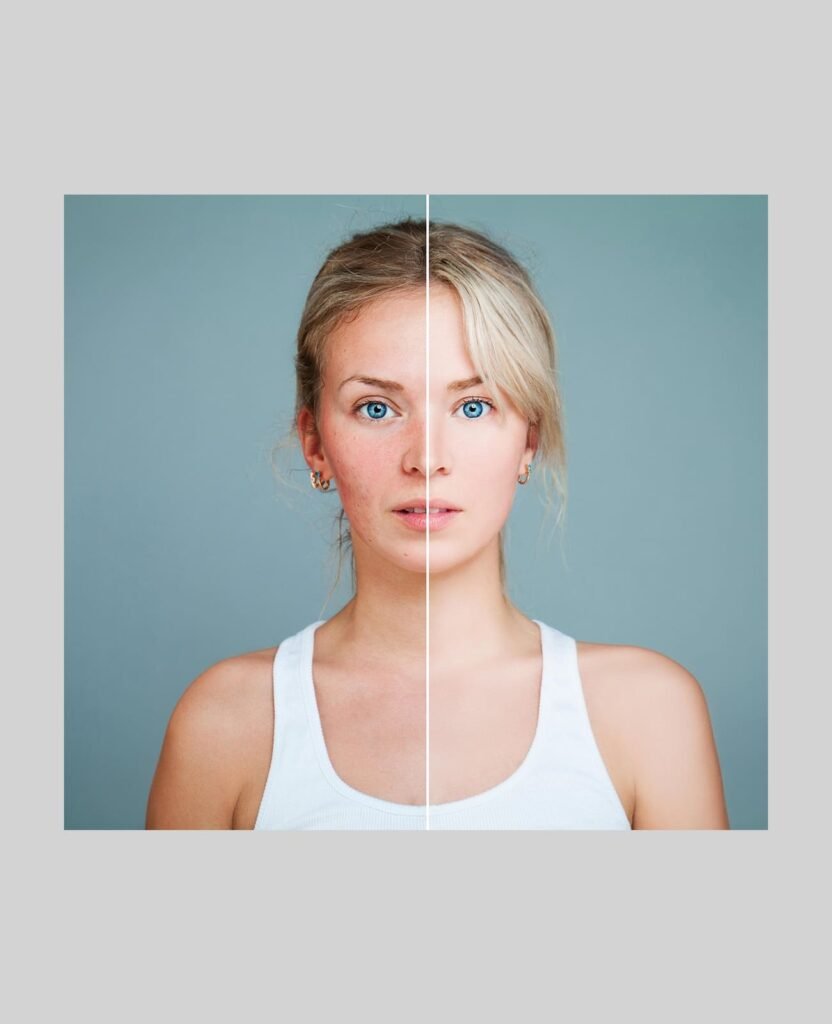
Anti inflammatory Formula
1. Irritation & Redness → Soothed, Balanced Skin
Daily exposure to pollution, UV rays, and harsh actives often triggers skin redness and inflammation. Our formulations combine Centella Asiatica, bisabolol, and allantoin to calm irritation, reduce visible redness, and restore comfort. Suitable for daily soothing serums, calming gels, and lightweight moisturizers, these solutions cater to sensitive skin and post-cosmetic procedure care.
2. Barrier Damage → Stronger, Resilient Defense
Compromised barriers lead to sensitivity flare-ups and chronic inflammation. Our anti-inflammatory systems integrate ceramides, panthenol, and oat extract to strengthen barrier function and reduce transepidermal water loss. Perfect for recovery creams, post-sun soothing lotions, and barrier-repair serums, they position brands to meet growing demand for restorative and protective care.
3. Acne & Reactive Skin → Reduced Flare-Ups
Inflammatory responses often worsen acne, rosacea, and sensitive conditions. With niacinamide, green tea polyphenols, and peptides, our formulas target inflammation while supporting a clearer, smoother complexion. Applicable in anti-acne creams, spot treatments, and daily soothing serums, they help brands deliver multi-functional calming solutions with consumer-trusted ingredients.
Custom Anti-Inflammatory Formulas Key Ingredients & Their Benefits
We combine botanicals, vitamins, and soothing actives to reduce redness, calm irritation, and restore balance. Custom concentrations adapt to serums, creams, gels, and masks, delivering safe, effective formulations for sensitive skin, professional recovery, and daily-use soothing products.
Effective anti-inflammatory skincare must balance soothing actives with barrier reinforcement. Our systems use botanical extracts like Centella Asiatica and chamomile for natural calming effects, paired with bisabolol and allantoin to reduce irritation. Niacinamide and panthenol strengthen skin defenses while providing anti-redness benefits. For acne-prone or reactive skin, green tea polyphenols and peptides target inflammation pathways while maintaining hydration. We tailor ingredient concentrations to product type: serums with lightweight calming complexes, creams with ceramides for overnight recovery, and gels/masks for instant relief. Market claims often include “sensitive-skin safe,” “post-procedure care,” and “barrier-repair soothing.” The following table highlights core actives, recommended use levels, and compliance sources.
| Key Ingredient | Recommended % Range* | Benefits / Use Cases | Compliance & Market Proof |
|---|---|---|---|
| Centella Asiatica Extract | 0.5–2% | Reduces redness; promotes healing & soothing | Wikipedia – Centella Asiatica |
| Bisabolol | 0.1–0.5% | Soothes irritation; anti-inflammatory & calming | Wikipedia – Bisabolol |
| Oat Extract (Avena Sativa) | 0.5–3% | Calms itching, hydrates & strengthens barrier | Wikipedia – Oat |
| Niacinamide (Vitamin B3) | 2–5% | Reduces redness; strengthens skin barrier | Wikipedia – Niacinamide |
| Panthenol (Vitamin B5) | 0.5–2% | Moisturizes, repairs, and soothes skin | Wikipedia – Panthenol |
| Green Tea Extract (EGCG) | 0.5–2% | Antioxidant; reduces inflammation & sebum | Wikipedia – Green tea |
| Allantoin | 0.2–0.5% | Anti-irritant; enhances skin comfort | Wikipedia – Allantoin |
| Ceramides | 0.2–1% | Restores barrier; improves resilience | Wikipedia – Ceramide |
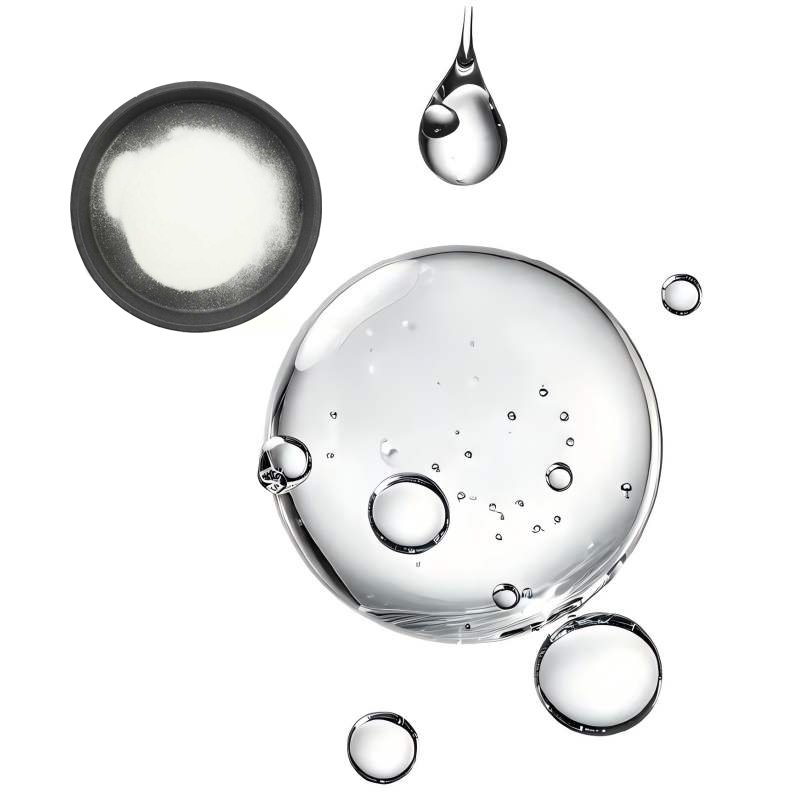
1. INCI & CAS
INCI: Niacinamide (aka Nicotinamide/Vitamin B3) · CAS: 98-92-0 · Form: White crystalline, water-soluble, near-odorless. CosIng entry and identifiers confirmed. (EuropeanCommission)
2. Role in Anti-inflammatory Care
Reduces pro-inflammatory signaling (NF-κB/MAPK → ↓IL-8) in keratinocytes; calms acne-related inflammation, supports barrier integrity (indirect anti-inflammatory via better barrier lipids/ceramides), and helps counter environmental stressors. Useful across acne, redness-prone, and sensitive skin lines. (PubMed, PMC)
3. Typical Use Levels (formulation custom guide)
Serums/Ampoules: 2–5%
Lotions/Creams: 2–4%
Spot/Body care: 3–5%
Market precedents up to 10% (optimize via safety & stability). pH 5.0–7.0 preferred; avoid very low pH systems that can increase nicotinic-acid conversion and flushing risk. Optional: microencapsulation for targeted delivery. (PubMed)
4. Regulatory Sources & Global Compliance
EU Cosmetics Regulation (EC) No 1223/2009 / CosIng: Niacinamide listed without a specific max in restriction annexes; use subject to product-level safety assessment and GMP. (European Commission)
CIR Expert Panel: “Safe as used” in cosmetics; published final report. (CIR report)
EU REACH (ECHA): Registration dossier with toxicology endpoints available. (Journals, ECHA)
5. Clinical Evidence (anti-inflammatory/acne/redness)
Mechanism: Nicotinamide inhibits IL-8 via NF-κB/MAPK in a keratinocyte–P. acnes model. (PubMed)
Efficacy: 4–5% topical nicotinamide gels show significant improvement in inflammatory acne in randomized or controlled trials, with tolerability comparable to clindamycin. (PubMed, PMC)
Environmental stress: Niacinamide mitigates SASP-related inflammation induced by pollutants/UV in human epidermal models. (PMC)
6. Safety & Risk Assessment (toxicology highlights)
Generally well-tolerated; low irritation/sensitization in human tests up to 5–10%; avoid low-pH systems to reduce flushing risk. Dossiers report low acute toxicity and supportive irritation/eye data; patch testing advised for sensitive users and higher-dose leave-ons. (PubMed)
7. Stability & Packaging
Overall stable in typical cosmetic pH; store cool/dry. Use opaque/UV-protective primary packs where feasible; airless or droppers are common. Verify per-SKU stability with real-time/accelerated studies and compatibility checks (especially with low-pH acids). (PubMed)
8. Cost–Benefit
High availability + strong consumer recognition make niacinamide a cost-effective anti-inflammatory hero for B2B scaling versus niche actives; broad regulatory acceptance and abundant literature support global commercialization. (CIR Reports)
9. Claims Language (Do/Don’t)
✅ Helps soothe visible redness and calm irritated-looking skin.
✅ Supports a healthy skin barrier for less reactive-looking skin.
✅ Helps reduce the look of inflammatory blemishes.
❌ Avoid country-specific medical/therapeutic cure claims or implying drug approval; keep claims cosmetic and evidence-aligned with your own testing.
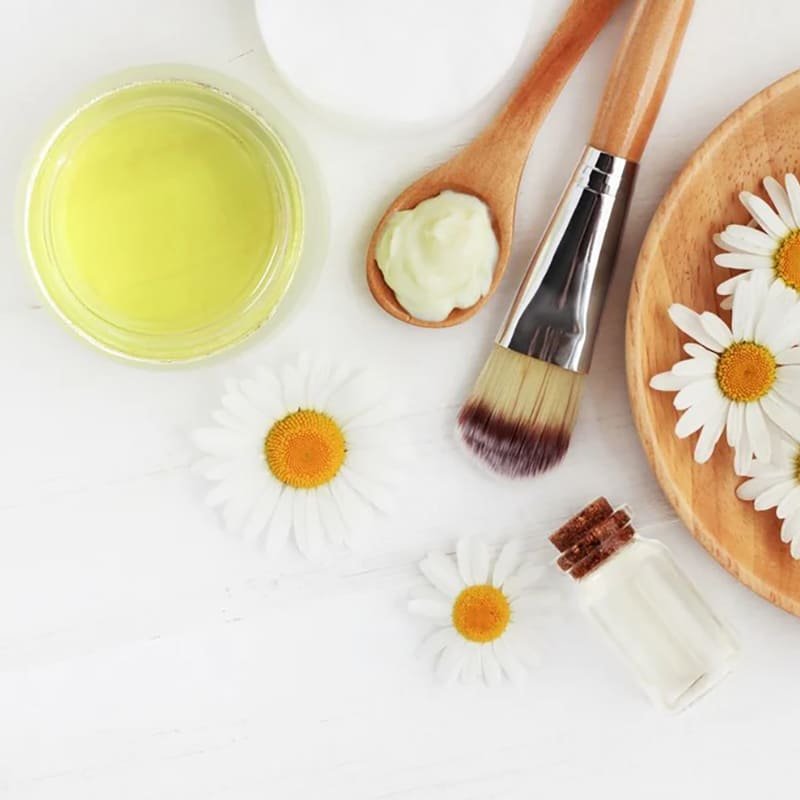
1. INCI & CAS
INCI: Bisabolol (commonly α-Bisabolol/Levomenol) · CAS: 515-69-5 · Form: Clear, colorless to slightly yellow, oil-soluble sesquiterpene alcohol; faint floral odor (chamomile-like). (SkinIdent, CIR)
2. Role in Anti-inflammatory Care
Calms visible redness and irritation by down-modulating NF-κB/JNK inflammatory signaling; supports post-procedure comfort, shaving/depilation aftercare, and sensitive/acne-prone routines. Mechanistic and preclinical data show reduced cytokines (e.g., TNF-α, IL-6/IL-8) and mast-cell degranulation, aligning with benefits for atopic-like and irritant-induced inflammation. (PMC)
3. Typical Use Levels (formulation custom guide)
Leave-on serums/creams: 0.1–1.0%
Masks/spot-care: 0.2–0.5%
After-sun/after-shave: 0.1–0.5%
Market and supplier precedents commonly recommend 0.1–1.0%. Solubility: oil-soluble (use emulsions or solubilizers for water-based formats). pH: broadly compatible with typical cosmetic pH; verify with your system. (Hallstar BPC)
4. Regulatory Sources & Global Compliance
EU Cosmetics Regulation (EC) No 1223/2009: framework for finished products (no specific bisabolol restriction listed in annexes; product-level safety assessment applies). (Public Health)
CIR Expert Panel: “Bisabolol is safe as used in cosmetic formulations.” (CIR)
EU REACH (ECHA): registration dossiers with toxicology endpoints (α-bisabolol/levomenol).(ECHA)
5. Clinical Evidence (soothing/redness/irritation
Preclinical/clinical direction of proof: Reviews and studies report topical α-bisabolol reduces inflammatory markers and improves clinical signs in inflamed skin models; atopic-dermatitis models show improvement via NF-κB/MAPK inhibition. Human cosmetic trials commonly evaluate erythema reduction and tolerability when bisabolol is included in soothing formulas (details in review). Use these as supportive evidence alongside your own claim-substantiation testing. (PMC)
6. Safety & Risk Assessment (toxicology highlights)
Generally well-tolerated at cosmetic use levels; CIR final report concludes safe as used. REACH dossiers indicate low acute toxicity and provide irritation/sensitization endpoints. Natural grades may contain trace farnesols; consider high-purity (-)-α-bisabolol to minimize fragrance-allergen carryover. Patch testing advised for sensitive users and for higher-dose leave-ons. (CIR)
7. Stability & Packaging
Stable in typical cosmetic conditions; store cool, dry, protected from light. Package in opaque/UV-protective primary containers when feasible. Compatible with oil phases, emulsions, sticks, and anhydrous systems; confirm fragrance/essential-oil interactions and avoid prolonged high-heat processing. (SkinIdent)
8. Cost–Benefit
At 0.1–1.0%, bisabolol delivers high perceived soothing value with a small formula footprint. High-purity natural or fermentation-derived (-)-α-bisabolol options support clean-beauty positioning and global scale, often at a lower cost than multi-active anti-redness complexes. (Let’s Make Beauty)
9. Claims Language (Do/Don’t)
✅ Helps soothe visible redness and comfort irritated-looking skin.
✅ Supports sensitive-skin routines after cleansing, shaving, or sun exposure.
✅ Helps reduce the look of inflammation-related blemishes.
❌ Avoid drug/therapeutic cure claims; keep language cosmetic and aligned with in-house testing and local guidance under EC 1223/2009/FDA cosmetic policy.
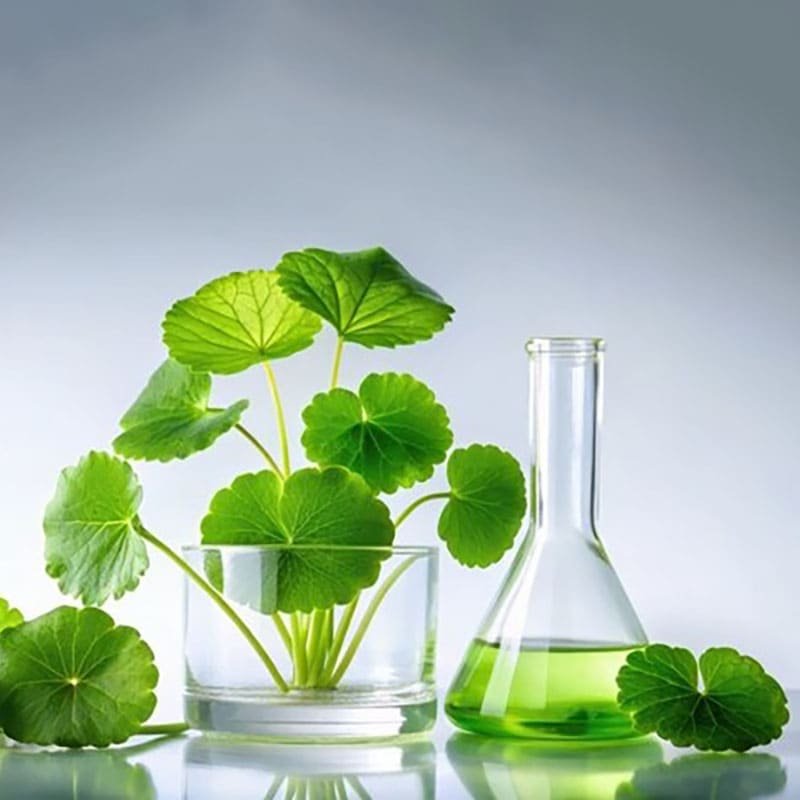
1. INCI & CAS
INCI: Centella Asiatica Extract (often supplied as titrated extract TECA™: asiaticoside, madecassoside, asiatic & madecassic acids) · Common CAS examples: 84696-21-9 (supplier-dependent) · Botanical extract rich in triterpenes; typically water/glycolic solutions. (European Commission)
2. Role in Anti-Inflammation
Triterpene-driven soothing complex that helps down-regulate pro-inflammatory pathways (e.g., NF-κB/MAPK, COX-2, iNOS) and mitigate cytokines (TNF-α, IL-1β, IL-6), supporting calmer skin and barrier recovery after environmental stress or procedures. Mechanisms are documented for asiaticoside/madecassoside and TECA in vitro/in vivo. (Frontiers)
3. Typical Use Levels (formulation custom guide)
Liquid Centella extract (non-standardized): 0.5–2% in serums/lotions/eye.
Titrated extract (TECA): 0.1–0.5% (standardized triterpene content).
Add in cool-down; typical pH ~5.0–6.5; select grades with declared asiaticoside/madecassoside percentages. (SpecialChem)
4. Regulatory Sources & Global Compliance
EU Cosmetics Regulation (EC) No 1223/2009 / CosIng: Centella-derived ingredients are listed with skin-conditioning/antioxidant functions; no specific Annex restriction → product-level safety assessment applies. (European Commission)
CIR Expert Panel (2023): Nine Centella asiatica-derived ingredients are “safe as used” under current practices/concentrations. (CIR Reports)
5. Clinical Evidence (anti-inflammatory/soothing)
TECA (in vivo & in vitro, AD models): Significantly attenuated atopic-like dermatitis, reducing hyperkeratosis, mast cells, inflammatory infiltrate, and suppressing NF-κB, COX-2/iNOS, and serum TNF-α/IL-1β/IL-6/IgE. (PubMed)
Wound/irritation context: Reviews show Centella triterpenes expedite repair and down-modulate inflammatory mediators, aligning with post-procedure soothing claims. (PMC)
6. Safety & Risk Assessment (toxicology highlights)
CIR 2023 concludes safe as used for Centella-derived ingredients; overall low irritation/sensitization in cosmetic use. As with botanicals, monitor composition/impurities and run patch testing for very sensitive users. (CIR Reports)
7. Stability & Packaging
Triterpenes are light/oxidation-sensitive. Use opaque/airless packaging, include chelators/antioxidants, avoid high heat, and maintain slightly acidic pH. Verify preservative efficacy and active content over shelf life, especially for water-rich systems. (PMC)
8. Cost–Benefit
Strong “science + natural” soothing story with low use-level efficacy when standardized (TECA), broad consumer recognition (“Cica”), and compatibility across sensitive-skin lines. Requires quality-controlled sourcing and stability care, but enables premium anti-inflammatory positioning for post-procedure, redness-prone, or barrier-support products. (SAGE Journals)
9. Claims Language (Do/Don’t)
✅ Helps calm visible redness and discomfort from environmental stress.
✅ Supports barrier recovery for resilient, healthier-looking skin.
✅ Provides antioxidant defense against daily aggressors.
❌ Avoid drug-like disease claims (e.g., “treats eczema/dermatitis”) and ensure claim substantiation on the finished product per EU/US guidance.
Custom Anti-inflammatory Product Applications
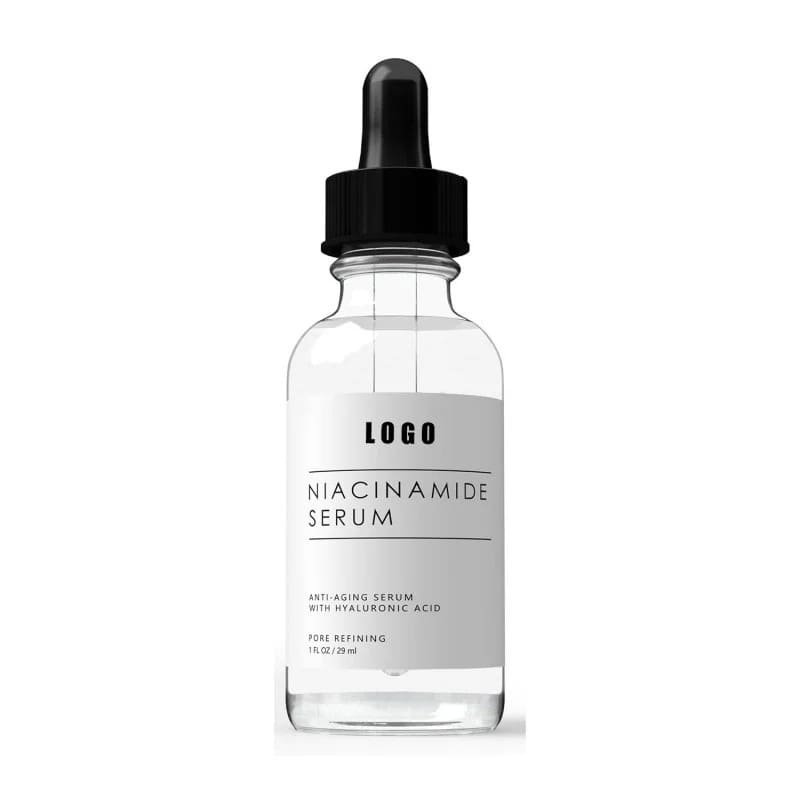
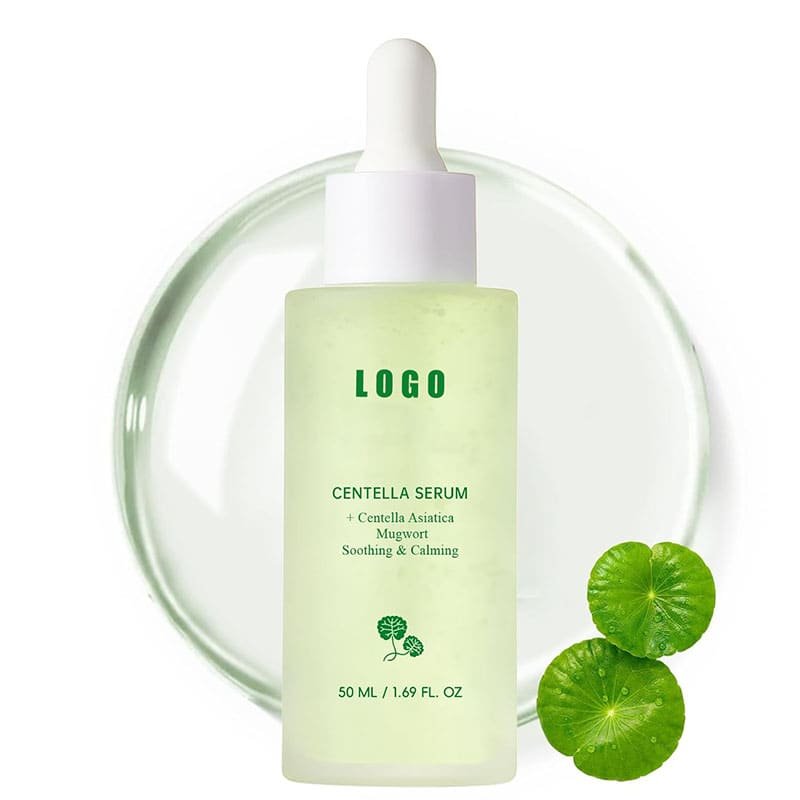
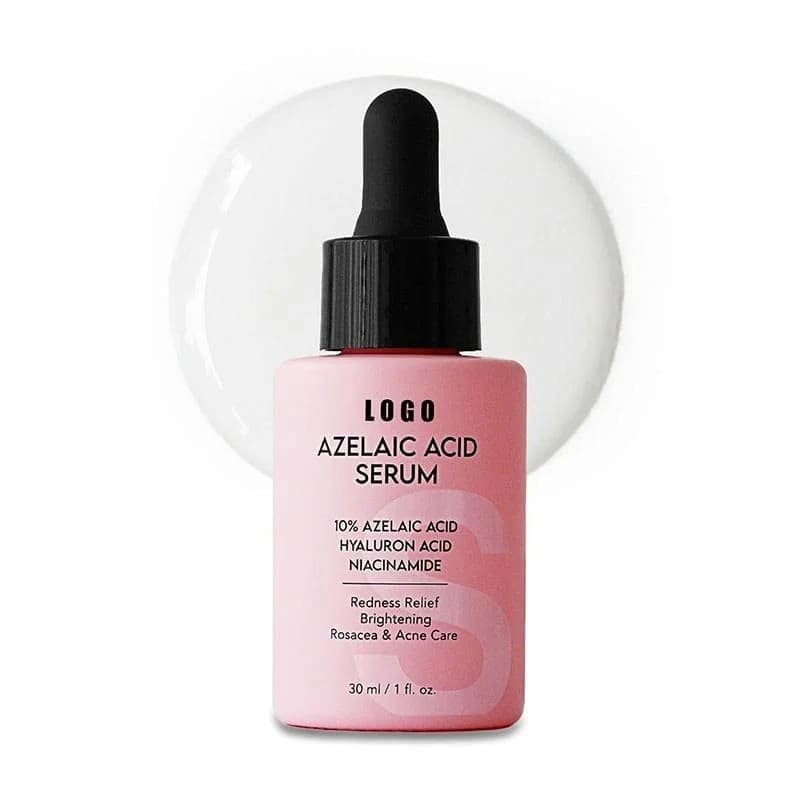
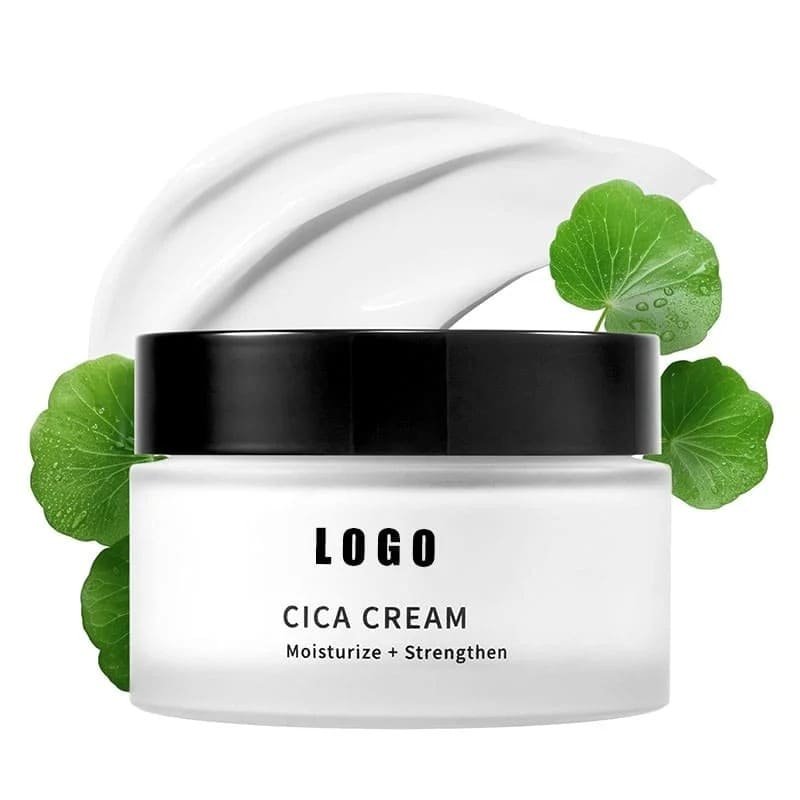
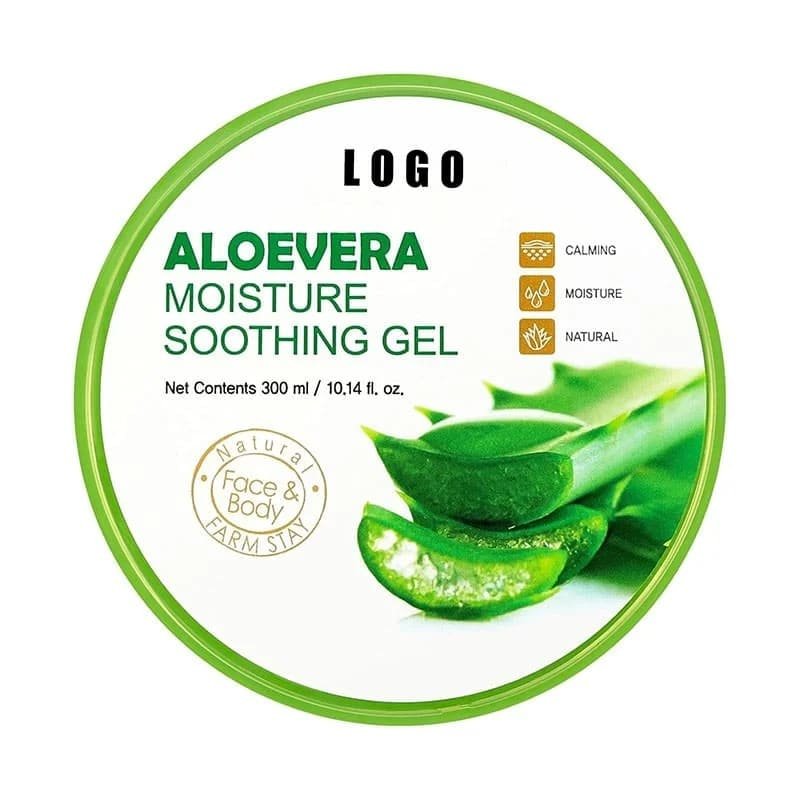
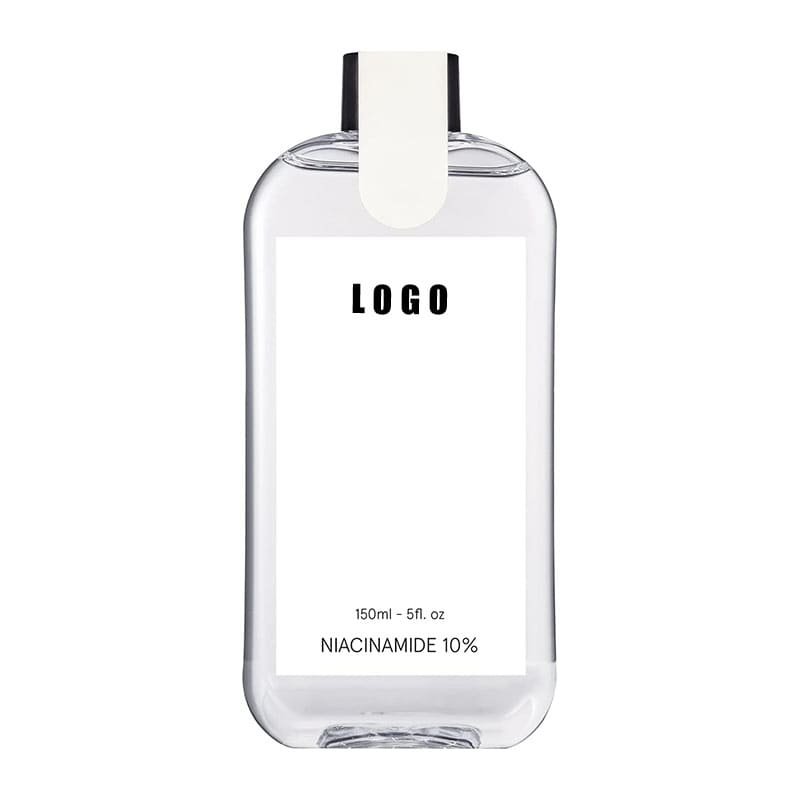
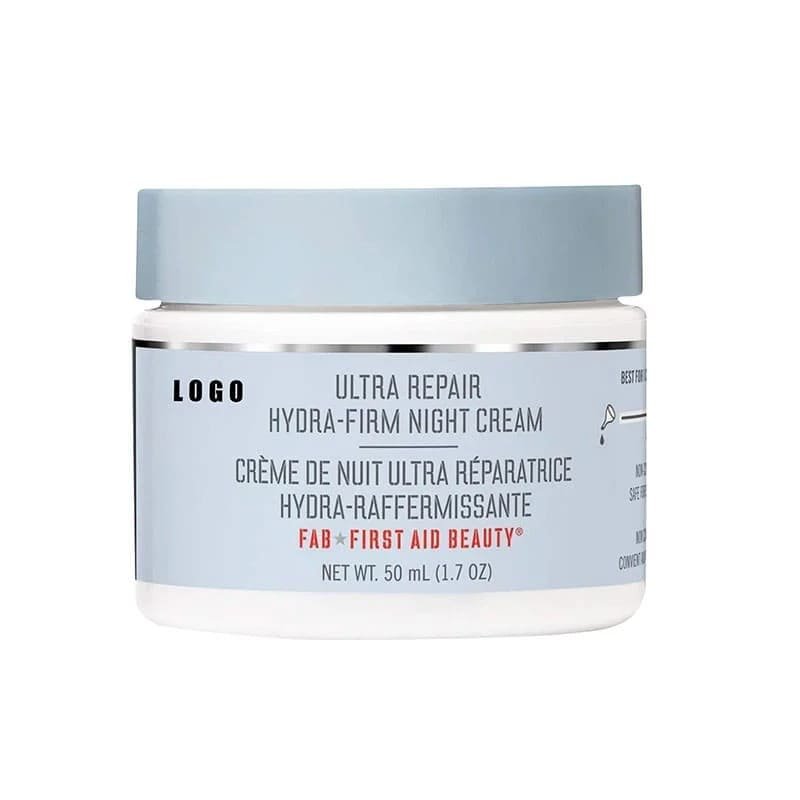
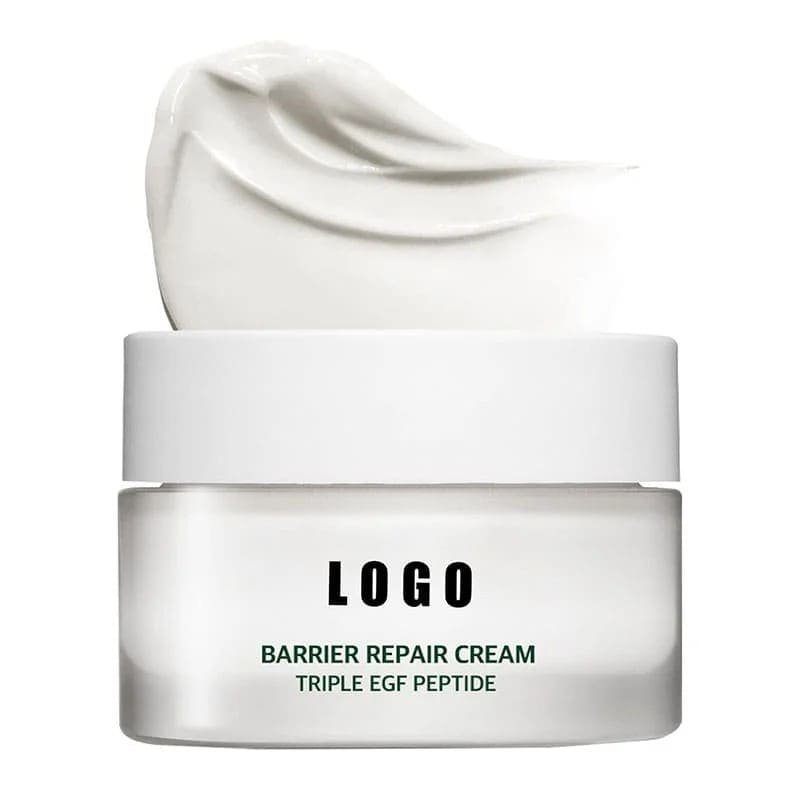
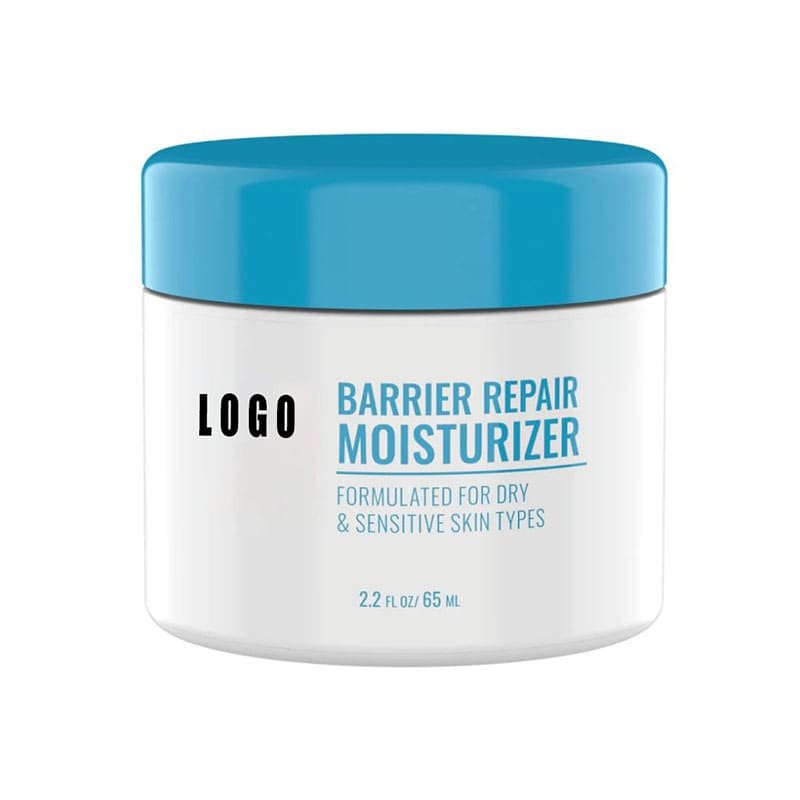
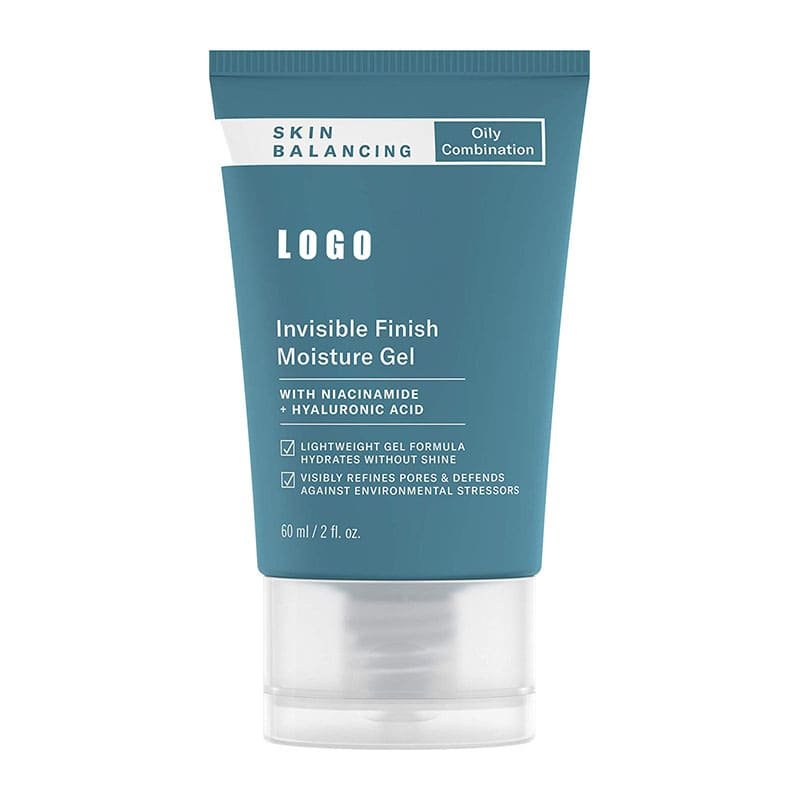
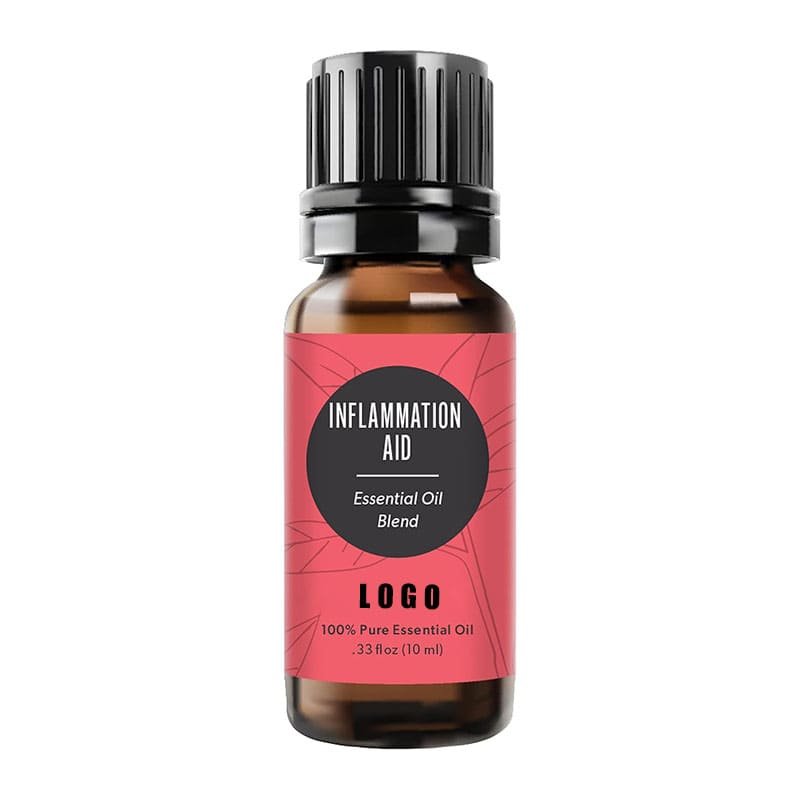
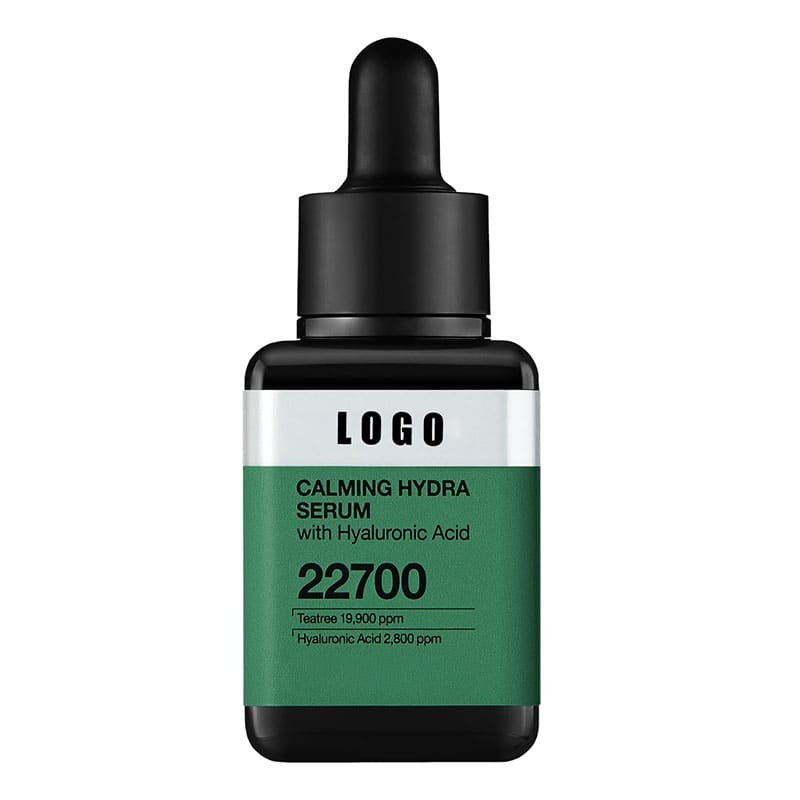
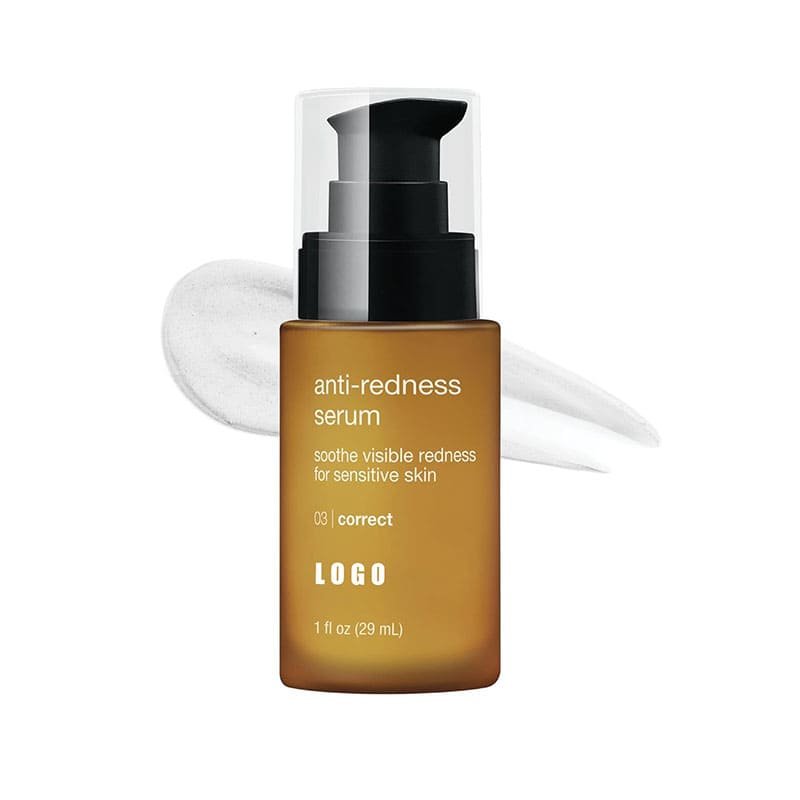
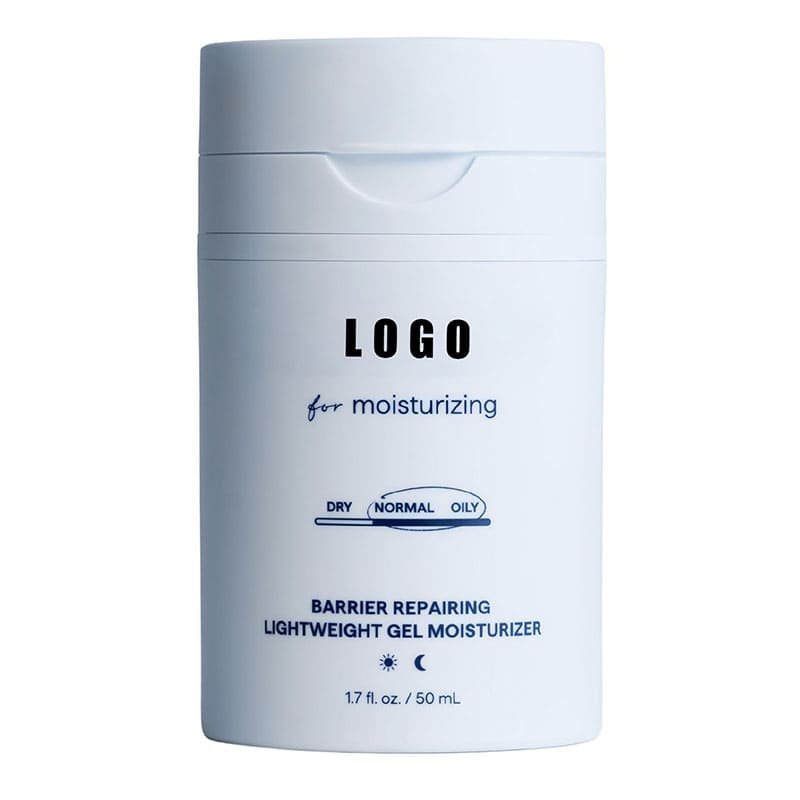
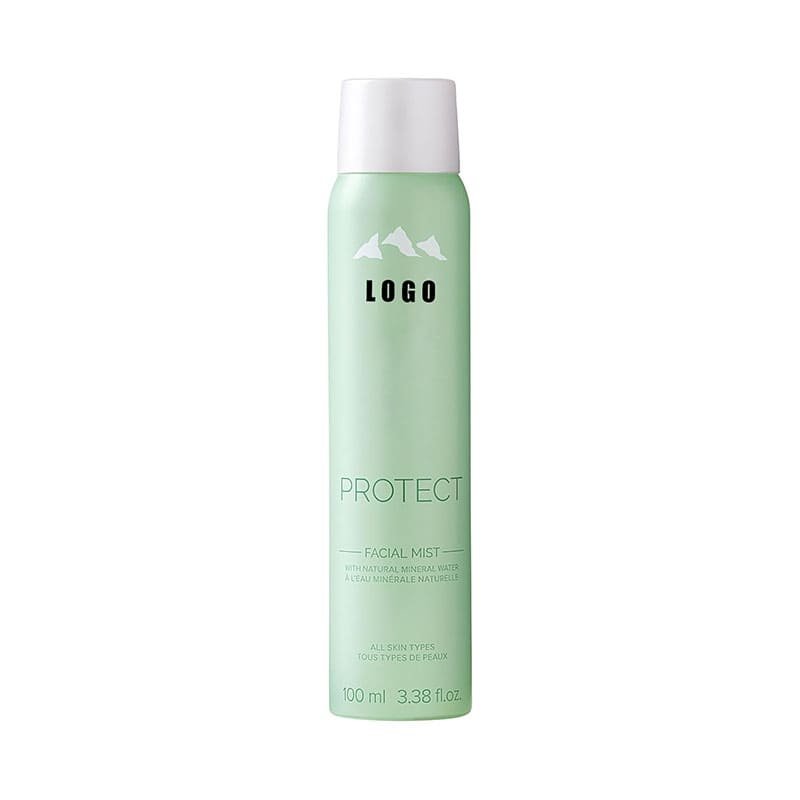
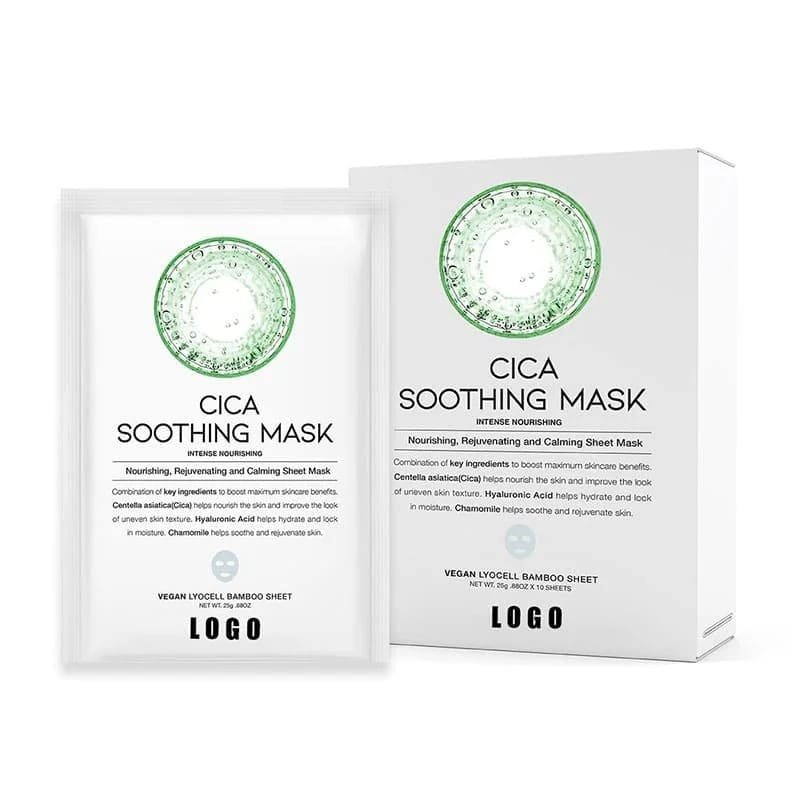
Our anti-inflammatory solutions are designed for multi-format applications across face, body, and professional care. By customizing actives, concentrations, and textures, we help brands deliver targeted soothing benefits for sensitive and inflamed skin.
Skin Anti-inflammatory Trends & Market Insights
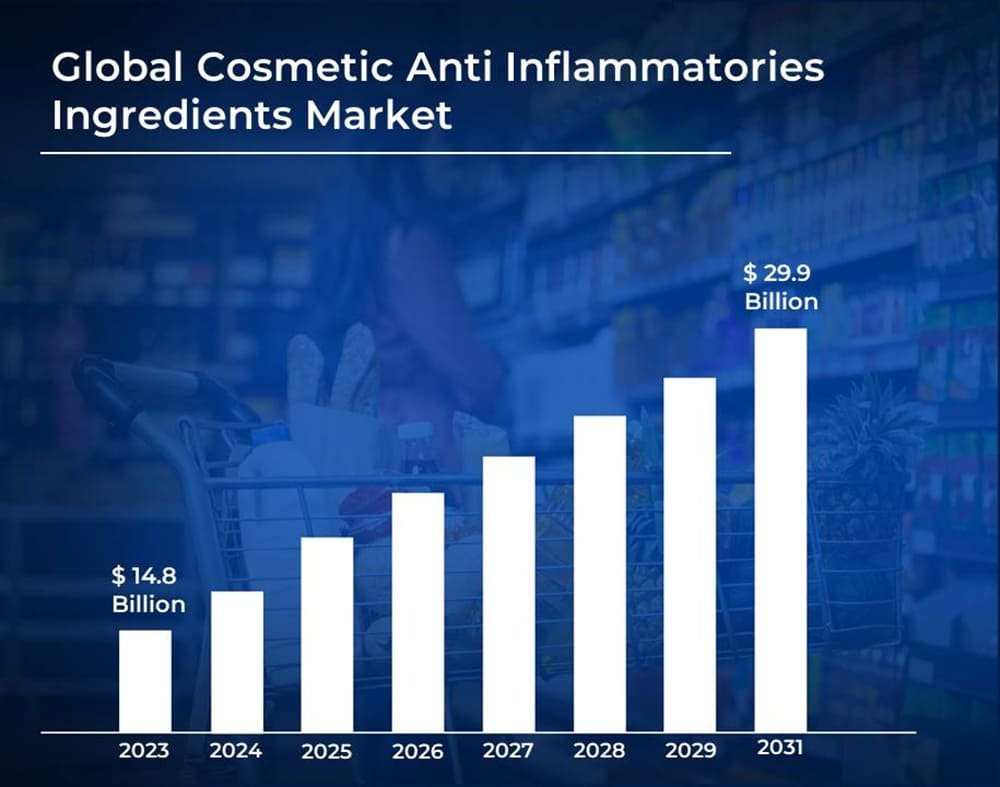
Cosmetic Anti Inflammatories Ingredients Market size was valued at USD 14.8 Billion in 2023 and is projected to reach USD 29.9 Billion by 2031, growing at a CAGR of 9.2% during the forecast period 2024-2031. The global anti-inflammatory skincare market is growing rapidly as consumers connect redness, sensitivity, and barrier damage with environmental stress and harsh actives.
Market Overview
Growing demand for sensitive-skin safe and dermatology-inspired products is driving adoption. Consumers increasingly seek post-procedure care, gentle actives, and multifunctional calming solutions. Anti-inflammatory skincare is also merging with anti-acne, post-sun care, and barrier-repair categories.
Key Market Insights:
“Redness relief cream” and “Centella serum” are trending globally.
Sensitive-skin positioning dominates new launches in Europe and Asia.
Amazon bestsellers: Brightening and whitening skincare (creams, serums, masks) consistently appear in top-selling categories.
- Online marketplaces highlight strong sales of bisabolol creams and Centella gels.
Target Consumer Segments
Key audiences include urban professionals with reactive skin, post-cosmetic treatment patients, and consumers prone to acne, rosacea, or redness. Brands can customize formulas for DTC channels, clinical spa lines, or mass-market soothing solutions.
Target Segments:
Indie DTC sensitive-skin brands
Dermatology-inspired clinical skincare
Post-procedure recovery products
- Anti-redness + barrier-repair hybrid care

Customization Options for Packaging & Branding
Explore flexible packaging options, bottle types, and private label services. From tube to jar, we match your brand’s tone and market position.
Cosmetic formulation development
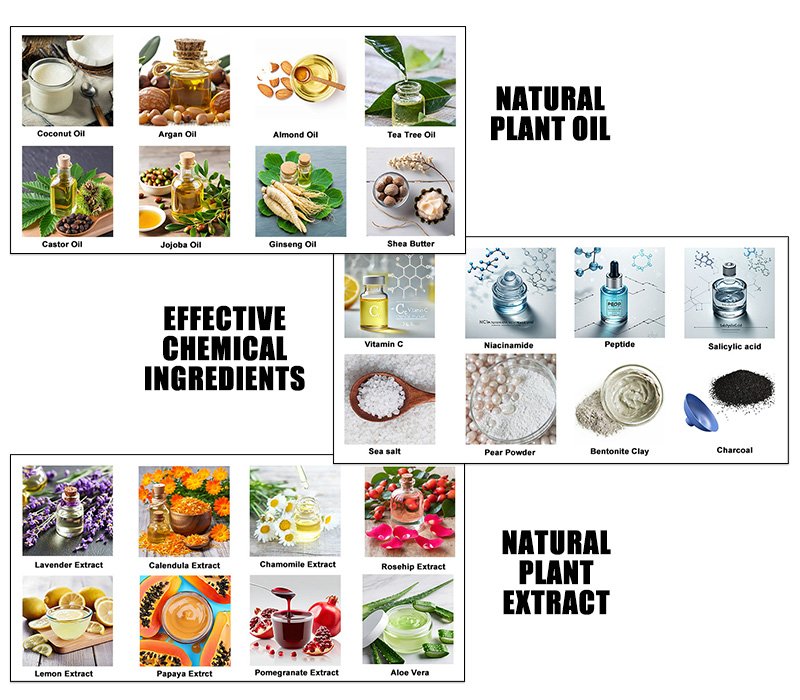
Your formula is the soul of your brand. Whether you’re developing a gentle serum for sensitive skin, a high-efficacy anti-aging cream, or a scalp-purifying shampoo, our in-house chemists create custom cosmetic formulations tailored to your desired effect, skin type, region, and ingredient philosophy.
With over 5,000+ proven base formulas and full white-label development support, we help you build a product that meets your performance goals, brand values, and market trends.
Available Services:
Active ingredient sourcing & formulation balancing
Custom texture creation: gel, cream, balm, lotion, foam, oil
Ingredient selection for target concerns: anti-acne, brightening, anti-aging, hydration
Support for natural, vegan, EWG green-level formulations
Regional compliance: USA, EU, AU, JP standards
Custom Cosmetic Packaging Styles
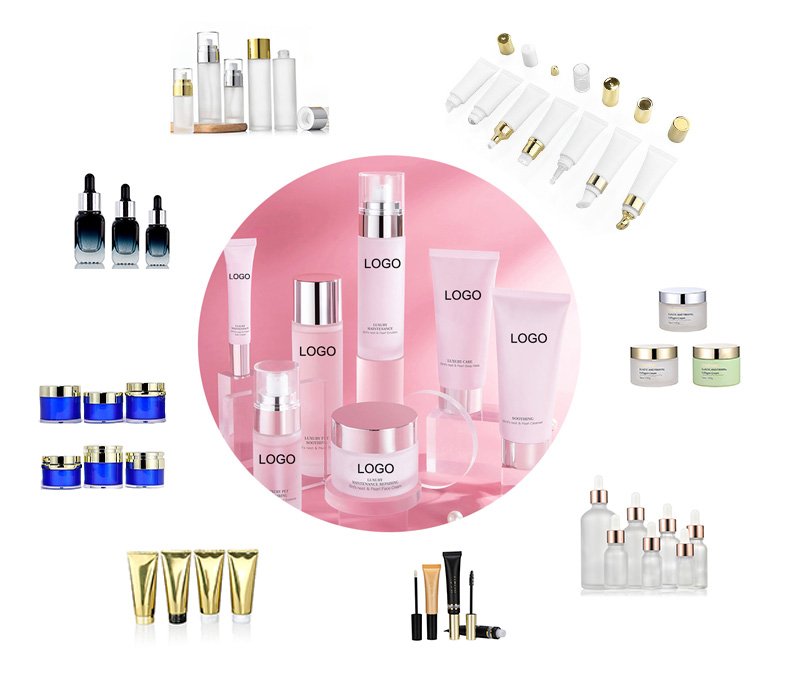
Packaging plays a critical role in how your brand is perceived. Whether you need luxury glass droppers, airless pump bottles, eco-friendly refill pouches, or retail-friendly PET tubes, we provide 3000+ stock and customizable packaging options.
From minimalist matte finishes to glossy foil-stamped designs, our packaging engineers help you select the perfect form and material—whether for prestige skincare, professional haircare, or clean beauty positioning.
Available Options:
Glass, PET, PP, PCR, aluminum, bamboo, and more
Airless pumps, sprayers, jars, tubes, and dropper bottles
Color-matching, texture finishes, and custom mold services
Cosmetic Box, Label Design for skincare brands
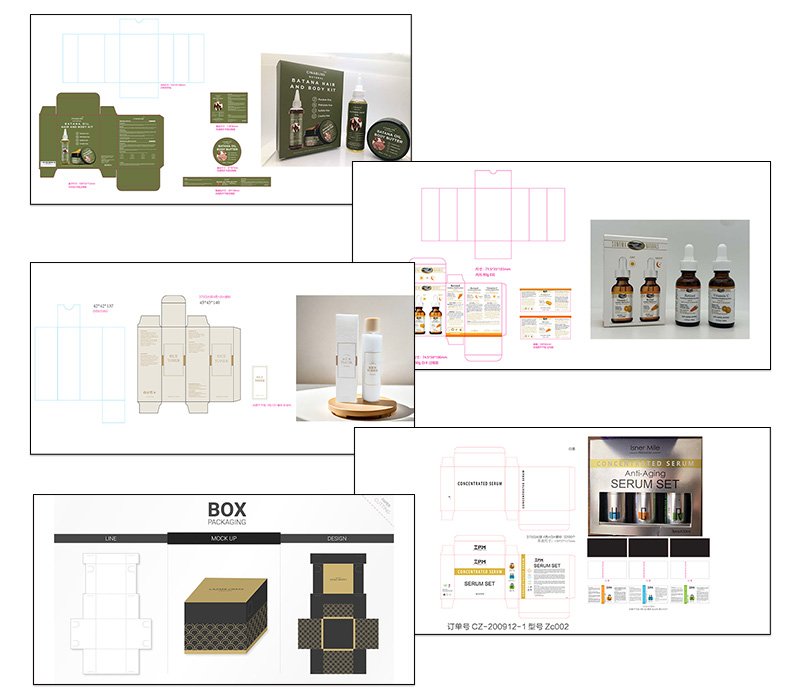
Beyond the bottle, your visual identity sets your product apart. Our in-house design team creates custom label layouts, box designs, and full branding suites—including logo placement, font matching, and barcode compliance.
We also offer waterproof labels, UV spot gloss, embossing, foil stamping, and other premium finishes to ensure your packaging feels as high-end as your formula. Whether you’re building an Amazon FBA product or a salon-grade kit, we help make your product shelf-ready.
Design Services Include:
Free artwork design and dieline support
Amazon & retail barcode setup (FNSKU/UPC)
Custom printing on labels, boxes, pouches, and shrink wraps
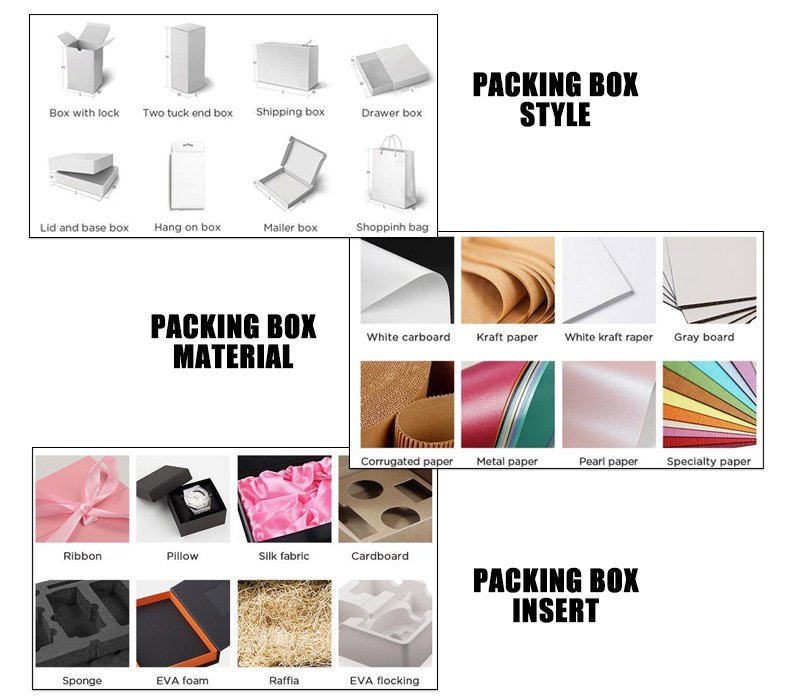
Cosmetic Box Customization for Skincare Brands
Beyond the bottle, your outer packaging is your first impression. Our team provides custom cosmetic box solutions with tailored box styles, premium cardboard or specialty paper choices, and protective inserts in EVA, molded pulp, or PET.
We also offer specialty printing options, matte or glossy lamination, foil stamping, embossing, and spot UV to create a tactile, luxury feel. Whether for boutique retail, e‑commerce, or professional kits, we ensure your packaging enhances your brand story.
Customization Options Include:
Box style selection: tuck‑end, drawer, magnetic, or folding carton
Material choices: rigid board, kraft, coated paperboard
Insert options: EVA foam, molded pulp, PET, or cardboard
Cosmetic Box Logo Finishing for Premium Branding
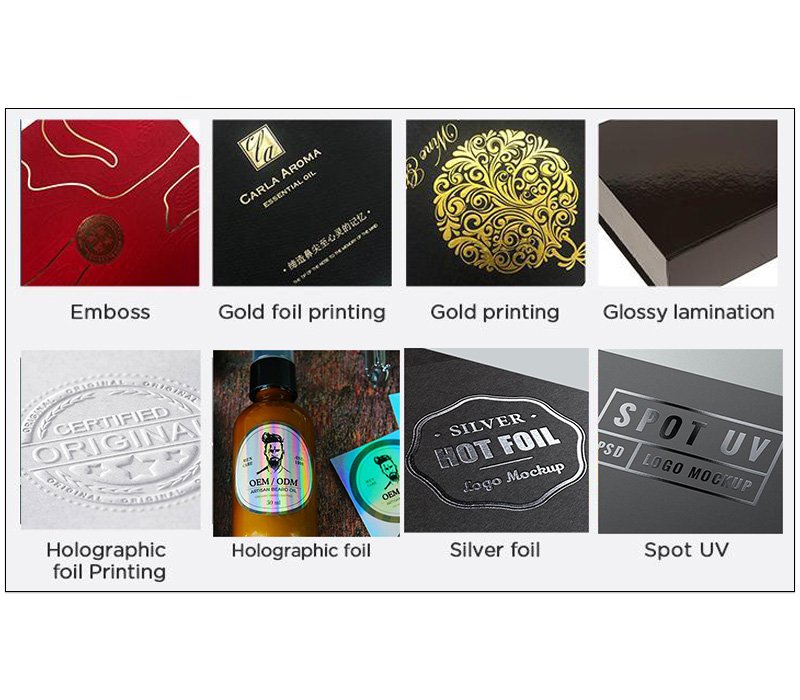
Beyond structure, your logo finish defines your product’s luxury appeal. We offer custom cosmetic packaging logo treatments including emboss, gold foil printing, silver foil, glossy lamination, holographic effects, and spot UV for high-impact shelf presence.
From subtle debossed textures to striking holographic foil, each technique is chosen to enhance your brand story and match your target market positioning. Whether for upscale retail, e‑commerce, or professional use, our finishes help your product stand out.
Finishing Options Include:
Emboss & Deboss logo impressions
Gold, silver, and holographic foil stamping
Spot UV for selective gloss highlights
Glossy or matte lamination for surface protection
Make A Sample First?
If you have your own formula, packaging idea, logo artwork, or even just a concept, please share the details of your project requirements, including preferred product type, ingredients, scent, and customization needs. We’re excited to help you bring your personal care product ideas to life through our sample development process.
More Anti inflammatory product customization instructions and FAQs
Market Trends: Anti-inflammatory skincare is no longer a niche—it is a mainstream category driven by rising sensitivity, urban pollution, and increased cosmetic procedure demand. Beyond calming redness, brands now emphasize barrier restoration, anti-acne soothing, and post-sun recovery. Hot launches include Centella serums, bisabolol-enriched gels, oat-based calming creams, and peptide-ceramide hybrid moisturizers. Positioning often combines “sensitive skin safe,” “dermatology-tested,” and “multi-repair soothing.”
Effective Ingredients: Our anti-inflammatory systems integrate proven botanicals (Centella, chamomile, oat extract), soothing molecules (allantoin, bisabolol), barrier reinforcers (ceramides, panthenol), and vitamins (niacinamide, B5). Polyphenols like green tea reduce inflammatory pathways and support acne-prone skin. Peptides can be added to improve elasticity while calming irritation. Each ingredient is carefully selected for stability, pH compatibility, and claim set.
Our Formulations: We provide light serums for daily redness relief, creams for barrier repair, masks for post-sun or spa recovery, and gels for acne-prone or oily skin. Fragrance choices include herbal green (for natural branding), chamomile floral (calming perception), or fragrance-free (for sensitive markets). Shelf stability up to 24 months unopened is validated through accelerated testing. Packaging options include airless pumps, frosted jars, and clinical-style tubes optimized for sterile and sensitive care positioning.
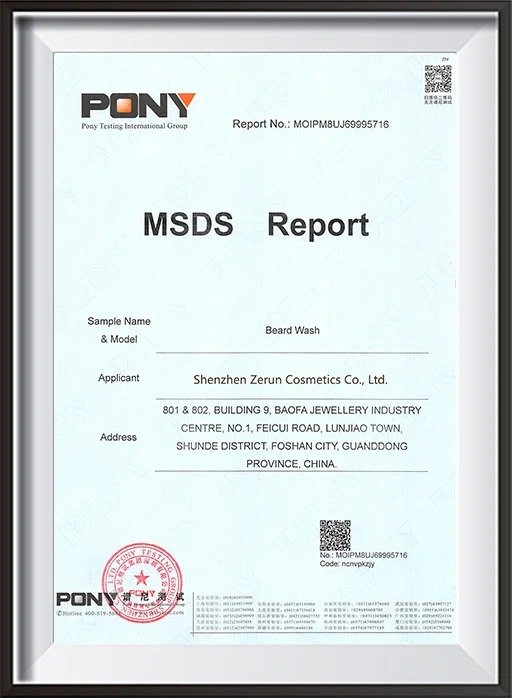
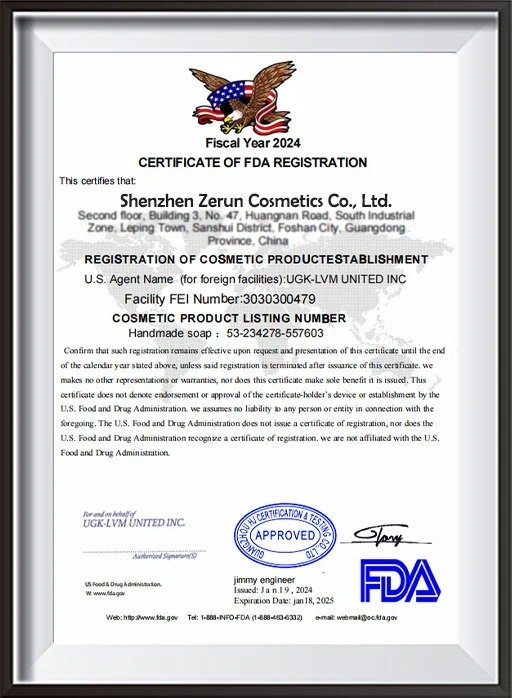
Regulatory Compliance: All soothing actives comply with EU 1223/2009, EU 655/2013 claim guidelines, FDA cosmetic regulations, and Asian import standards. Claims are framed as cosmetic effects: “reduces the appearance of redness” instead of “treats inflammation.” We supply COA, MSDS, PET microbial safety results, and stability data. For clinical-grade branding, we partner with labs for instrumental studies (erythema index, hydration levels) and consumer-use trials.
Success Story: A South Korean indie brand wanted to launch a “barrier-repair soothing line” for sensitive skin. We created a Centella + panthenol calming serum and a bisabolol + ceramide cream. Packaged in minimalist white tubes with silver details, the products resonated with K-beauty consumers seeking gentle yet effective recovery care. Within six months, the first batch of 25,000 units sold out, with strong reviews highlighting “fast redness reduction” and “gentle on acne-prone skin.”
Q: Which actives are most effective in calming redness?
A: Centella Asiatica, bisabolol, niacinamide, and green tea polyphenols are highly effective. Each works differently: Centella strengthens skin, bisabolol calms irritation, niacinamide reduces visible redness, and green tea reduces inflammatory pathways. Combining them creates a balanced soothing system.
Q: How can I stabilize botanical extracts like Centella in formulations?
A: Stabilization requires pH adjustment (5.0–6.0), protective packaging, and chelators. Encapsulation technologies also improve shelf life. Using airless bottles or opaque jars prevents oxidation and contamination, ensuring global stability in sensitive skin products.
Q: Which product formats are trending for anti-inflammatory claims?
A: Lightweight serums and gels dominate Asian markets, while creams and masks are popular in Europe and North America. In e-commerce, multi-claim products (calming + barrier-repair) rank among bestsellers. Positioning should match the channel—Amazon FBA vs. professional spa.
Q: What compliance rules apply to anti-inflammatory claims?
A: In the EU, claims must be phrased as appearance or comfort-related (“soothes irritation” vs. “treats inflammation”). In the US, avoid medical claims—FDA regulates those as drugs. In Asia, ingredient dossiers and safety proof are required before launch.
Q: How do brands stand out in the sensitive skin market?
A: Differentiation comes from unique plant extracts, encapsulated actives, and hybrid benefits. Packaging also builds trust—clinical tubes, premium airless pumps, or eco-friendly packaging add credibility. Positioning around “barrier-repair” or “post-procedure care” helps capture fast-growing niches.
Build Your Anti-Inflammatory Product with Us
From redness-relief serums to barrier-repair creams, we help brands design anti-inflammatory skincare with stability validation, regulatory compliance, and packaging customization—meeting global consumer demand for safe, effective soothing solutions.