Skip to content
Skin Whitening Formula Cream: Safe Formulation Insights
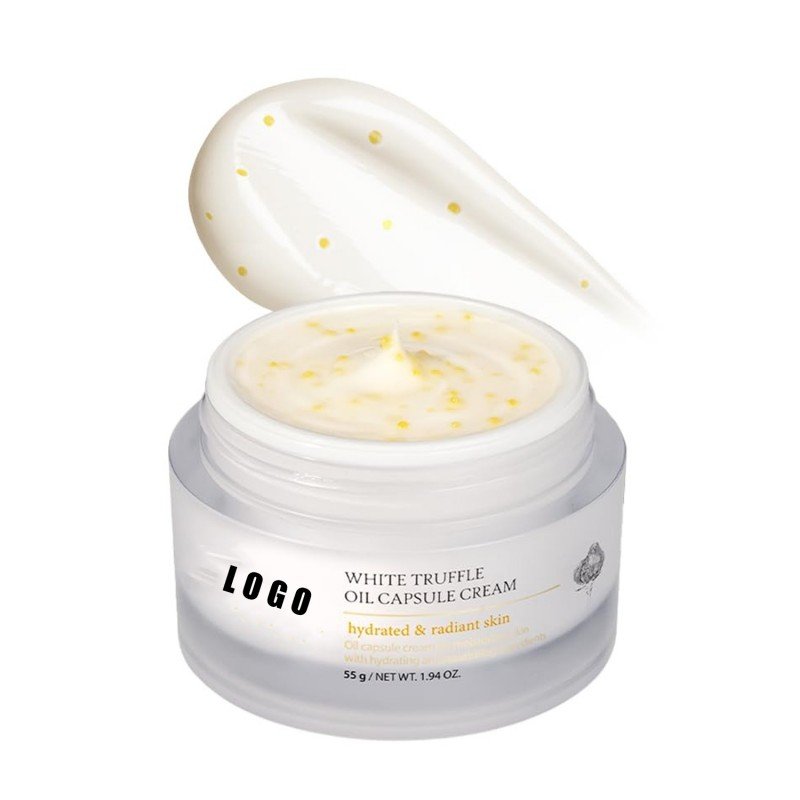
A safe skin-whitening formula cream is a hydroquinone-free brightening moisturizer for daily use. It combines multi-pathway actives—niacinamide 2–5%, alpha-arbutin 1–2%, tranexamic acid 2–3%, vitamin C derivatives 2–10%, and azelaic acid 5–10%—with soothing lipids at pH 5–6 to minimize irritation. Stability relies on EDTA, antioxidants, cool-down addition, and airless, UV-safe packaging. Claims are supported by colorimetry and in-use trials with region-appropriate cosmetic wording. Use SPF by day; add barrier repair at night. Avoid stacking strong acids with high niacinamide in beginners.
Which hydroquinone-free actives actually brighten safely in a cream base?
Blend complementary actives: niacinamide (2–5%), alpha-arbutin (1–2%), tranexamic acid (2–3%), vitamin C derivatives (2–10%), licorice/4-butylresorcinol (0.1–0.3%), and azelaic acid (5–10%). Add soothing agents and UV filters in day formulas for synergy and tolerance.
Safe brightening creams pair melanogenesis modulation (arbutin, 4-butylresorcinol), melanosome transfer inhibition (niacinamide), anti-inflammatory tone correction (TXA), keratolytic texture smoothing (azelaic acid), and antioxidant optics (vitamin C derivatives). Plant extracts (glabridin-standardized licorice), resorcinol analogs, and gentle acids boost results without hydroquinone-type risks.
1) Niacinamide
Niacinamide (vitamin B3) lightens hyperpigmentation mainly by inhibiting melanosome transfer from melanocytes to keratinocytes, while simultaneously strengthening the barrier and reducing subclinical inflammation that can sustain post-inflammatory darkening. In cream systems, 2–5% at pH ~5–6 balances efficacy and comfort; pairing with panthenol or β-glucan further improves tolerance. Niacinamide does not directly “bleach” pigment, so improvements appear as a steady evening of tone and reduction in blotchiness, often within 8–12 weeks. A split-face, double-blind trial in melasma patients compared 4% niacinamide to 4% hydroquinone for eight weeks. Both sides improved by colorimetry and clinical grading; hydroquinone trended slightly stronger, but niacinamide had fewer adverse effects—supporting its role for long-term daily use and for patients who cannot tolerate hydroquinone. More recent clinical work has also tested combinations such as 10% nicotinamide with 5% magnesium ascorbyl phosphate, finding acceptable safety and useful cosmetic benefit even if not always superior to hydroquinone in head-to-head designs. Together, these data justify niacinamide as a “backbone” brightener in hydroquinone-free creams that are designed for daily maintenance and prevention. PMC NCBI
2) Alpha-Arbutin
Alpha-arbutin down-regulates tyrosinase activity to slow melanin synthesis without the irritation profile often seen with stronger depigmenting drugs. In a cream, 1–2% is a common range; pH ~5–6 with chelation (e.g., EDTA) and controlled heat/light helps stability. While older literature contains more data for deoxyarbutin and mixtures, controlled human trials increasingly include alpha-arbutin as the lead active. A 2025 split-face, randomized study in melasma evaluated an alpha-arbutin–containing cosmetic versus a benchmark comparator and reported significant improvement on the alpha-arbutin side with good tolerability. Mechanistic and review papers also support arbutin’s ability to inhibit tyrosinase and reduce melanin content in reconstructed skin models, providing biological plausibility to the clinical findings. In practice, alpha-arbutin works particularly well layered with transfer-inhibitors (niacinamide) and anti-inflammatory brighteners (tranexamic acid) to cover multiple pathways. Brands often use alpha-arbutin in day creams due to its gentle profile and pair it with a stabilised vitamin C derivative for added optical brightening. Wiley Online Library
3) Tranexamic Acid (TXA)
Topical TXA targets UV- and inflammation-driven melanogenesis by modulating plasminogen-plasmin signaling and downstream mediators (e.g., PAI-1), which can reduce melanocyte activation and vascular/inflammatory contributors to melasma. Cream or gel-cream formats typically use 2–5% at pH ~5–6; combining with niacinamide or arbutin can enhance outcomes while maintaining tolerability. Multiple randomized, double-blind clinical trials show TXA’s benefit. In one study, 5% TXA significantly reduced melasma severity versus vehicle over 12 weeks by colorimetry and physician assessments. Another randomized study comparing 5% TXA solution to 3% hydroquinone cream in Indian skin found comparable efficacy with acceptable safety, positioning TXA as a practical alternative where hydroquinone is unsuitable. Additional trials exploring 2–10% TXA indicate a plateauing dose-response beyond 5% for many users, supporting formulator preference for the mid-range to balance comfort and effect. These data make TXA a strong choice for hydroquinone-free dark-spot and tone-evening creams, especially in regimens where inflammation plays a visible role. PubMed NCBI
4) Vitamin C Derivatives (AA2G, SAP, MAP, 3-O-Ethyl-AA)
Stabilised vitamin C derivatives provide antioxidant defense against UV-induced oxidative stress, support collagen, and interfere with melanogenesis—addressing the “dull/yellow” cast and uneven tone. In creams, choose derivative and pH deliberately: AA2G and SAP prefer ~5.5–6.5; MAP is most stable around 6–7; 3-O-ethyl ascorbic acid tolerates pH 4–6. Add EDTA and a co-antioxidant system (tocopherol/ferulic) and use airless, UV-safe packaging to minimise yellowing. Clinical evidence includes a classic study of 10% magnesium ascorbyl phosphate showing decreased melanin formation and visible improvement in melasma; more recent split-face trials with MAP in vesicular carriers (ethosomes/niosomes) reported measurable reductions by 3D imaging. Combination studies (e.g., nicotinamide + MAP) demonstrate good tolerability and clinically useful benefit, even when hydroquinone controls may score slightly higher—important for long-term daily creams where stability and comfort matter. Overall, vitamin C derivatives are ideal “optical brighteners” and antioxidant partners that boost the perceived radiance while contributing to pigment control over time. Science Direct
5) 4-n-Butylresorcinol (4-BR)
4-BR is a high-affinity inhibitor of tyrosinase and peroxidase steps within melanogenesis. Unlike broad anti-pigment drugs, it is often used as a focused “spot targeted” active at 0.1–0.3% in creams or serums. Because it is potent, careful dose control, protection from light, and cool-down addition are standard. Randomized, controlled clinical data support its speed and effect: a split-face trial of 0.1% 4-BR in melasma showed rapid improvement with good tolerability over several weeks. Additional work with liposome-encapsulated 4-BR (sometimes combined with resveratrol) demonstrated efficacy and safety, with improvements detectable as early as two weeks by melanin index and clinical grading. For brand formulations, 4-BR is frequently layered with niacinamide/TXA across the full face, while 4-BR is applied more intensely to discrete hyperpigmented macules. This strategy brings quicker visible spot fading without over-treating the entire face. PMC NCBI
6) Licorice Actives (Liquiritin, Glabridin)
Licorice-derived actives provide dual action: tyrosinase modulation and strong anti-inflammatory effects that calm the triggers sustaining hyperpigmentation. Liquiritin is particularly well studied clinically. In a split-face, double-blind trial, 20 women with epidermal melasma applied liquiritin cream to one side and vehicle to the other for four weeks; the liquiritin side showed significantly better improvement by pigmentation indices and investigator assessments, with excellent safety. Glabridin has robust mechanistic support in vitro and ex vivo as a tyrosinase inhibitor without affecting DNA synthesis, which underpins its reputation as a gentle brightener; standardized extracts help ensure consistent dosing. In hydroquinone-free creams, licorice actives pair well with niacinamide and TXA to deliver “calm + control”: calming inflammation that darkens spots while modestly reducing new melanin. They are also attractive for sensitive-skin lines seeking plant-derived storytelling with real evidence. PubMed NCBI
7) Azelaic Acid
Azelaic acid tackles tone irregularity through three routes: mild keratolysis to improve texture and light reflectance, anti-inflammatory effects to reduce redness-linked dullness, and inhibition of abnormal melanogenesis. In cosmetic creams, 5–10% suits daily brightening; higher drug-level concentrations (15–20%) are often physician-directed. Classic double-blind studies in melasma compared 20% azelaic acid to 4% hydroquinone over 24 weeks with sunscreen control. Both treatments achieved substantial improvement; results were comparable by lesion size and pigment intensity, and some studies even favored azelaic acid in overall ratings. A 2023 systematic review/meta-analysis concluded azelaic acid may reduce melasma severity (MASI) as well as or better than hydroquinone in some cohorts, with generally favorable tolerability—supporting its role in hydroquinone-free regimens and maintenance after stronger therapies. For creams, lamellar O/W systems often improve the glide of higher solids, and pairing with niacinamide or TXA can accelerate visible evening of tone without increasing irritation. PubMed NCBI

What are optimal % and pH for niacinamide, alpha-arbutin & tranexamic acid?
Stay in niacinamide 2–5% at pH 5.0–6.0, alpha-arbutin 1–2% at pH 4.8–6.5, TXA 2–3% at pH 5.0–6.0. Use chelators, antioxidants, and low-heat processing. Validate irritation on sensitive-skin panels.
- Niacinamide (2–5%) balances efficacy with low sting; avoid very low pH to reduce nicotinic acid conversion.
- Alpha-Arbutin (1–2%) prefers mild-acidic to neutral pH; protect from high heat and prolonged UV.
- TXA (2–3%) dissolves well near skin-physiologic pH; pair with barrier lipids to offset dryness risk.
How do I keep vitamin C derivatives stable and non-yellowing in cream?
Choose stable derivatives (AA2G, SAP, MAP, 3-O-ethyl-AA). Control water activity, include EDTA + antioxidant system, limit heat/air, and use airless, UV-protected packaging. Optimize pH per derivative for maximal shelf life.
Dive deeper
- Derivative selection:
- AA2G/SAP favor pH ~6; MAP tolerates 6–7; 3-O-ethyl-AA is versatile across 4–6.
- Anti-yellowing stack: EDTA + sodium metabisulfite or tocopherol/ferulic, nitrogen-blanket during batching, cool-down addition.
- Packaging: Airless pumps or opaque tubes significantly slow oxidation vs. wide-mouth jars.
Stability cheat-sheet
| Derivative | % | pH | Anti-Oxidation Helpers | Packaging |
|---|---|---|---|---|
| AA2G | 2–5 | 5.5–6.5 | EDTA + ferulic/tocopherol | Airless, UV-safe |
| SAP | 2–5 | 5.5–6.5 | EDTA + sulfite (low) | Opaque tube |
| MAP | 3–10 | 6.0–7.0 | EDTA + citrate buffer | Airless |
| 3-O-Ethyl AA | 1–5 | 4.0–6.0 | EDTA + metabisulfite | UV-safe pump |
How should we substantiate “tone-evening” & “dark-spot” claims across regions?
Use instrumented studies (colorimetry, image analysis), in-use trials, and robust safety testing. Phrase claims as cosmetic benefits (tone-evening, brightening appearance). Align dossiers with EU 655/2013, ISO 24444/ISO 16128 context, and ASEAN/US cosmetic rules.
- Efficacy:
- Colorimetry , Mexameter/Chromameter, standardized photography for spot area/intensity.
- Duration: 4–8 weeks, powered sample sizes, blinded grading.
- Safety: HRIPT, cumulative irritation, ophthalmic (if eye-area), preservative efficacy (PET), and stability (accelerated/ambient).
- Claims wording: Prefer “helps reduce the look of dark spots,” “visibly evens tone,” avoid medical/depigmentation language.
- Docs to keep: PIF/PSR (EU), safety assessor review, raw-material specs/CoAs, batch records, label proofs.
| Claim Type | Typical Evidence | Duration | Notes |
|---|---|---|---|
| Tone-evening | Colorimetry, panel grading | 4–8 wks | Control regimen + standardized lighting |
| Dark-spot look | Image analysis (% area/intensity) | 6–12 wks | ROI-based statistics |
| Brightness/radiance | Gloss/reflectance + panel | 4–8 wks | Add immediate optics assessment |
Which cream base fits oily vs. dry skin—and how to minimize irritation?
Use light O/W gel-creams with film-forming humectants for oily skin; lamellar O/W or W/O with ceramides/cholesterol for dry skin. Keep pH ~5–6, add soothers (allantoin, β-glucan), and avoid harsh acid stacking with niacinamide/arbutin.
- Oily/combination: Gel-cream (O/W), low-silicone volatility, polymers (acrylates), light esters (C12-15 alkyl benzoate).
- Dry/sensitive: Lamellar O/W or W/O with ceramide NP/AP + cholesterol + free fatty acids; occlusives (shea, squalane).
- Universal soothing stack: Panthenol 1–2%, allantoin 0.2–0.5%, β-glucan 0.2–0.5%, bisabolol 0.1–0.3%.
- Irritation control: Avoid combining strong AHAs/BHAs at low pH with high-% niacinamide; introduce actives gradually.
Base selection grid
| Skin Type | Base System | Key Lipids/Humectants | Sensory & Finish |
|---|---|---|---|
| Oily/Combo | O/W gel-cream | Glycerin, propanediol, light esters | Fresh, quick-dry, non-greasy |
| Dry/Dehydrated | Lamellar O/W | Ceramides, squalane, shea | Cushioning, long-wear hydration |
| Sensitive | O/W with soothing stack | Panthenol, β-glucan, bisabolol | Low-sting, minimal fragrance |
| Dark-spot focus | O/W or rich O/W | Niacinamide + TXA + arbutin | Even tone, daily wear |
Why Brands Choose Zerun as Their Skin Whitening Cream Manufacturer
- Deep R&D bench: 26 formulation chemists; 10+ with experience developing for global premium brands.
- Massive library: 5,000+ proven formulas across skincare & haircare; rapid customization to your brief.
- Packaging power: 3,000+ bottle/jar/tube molds; custom tooling supported for signature shapes.
- Low barrier to launch: MOQ from 500 units per SKU—ideal for testing and fast market entry.
- Design & samples: Free packaging/label design and sample support for qualified/long-term partners.
- Global compliance: GMP/ISO manufacturing; documentation prepared for EU, FDA and REACH requirements.
- Speed & service: Rapid prototyping and short lead times; FBA-ready prep, DDP options, and dedicated PMs.
Packaging & process tips (quick list)
- Process: Add heat-sensitive actives at ≤35–40 °C; pre-dissolve TXA; protect arbutin from prolonged heat/UV.
- Chelation: 0.05–0.1% EDTA reduces metal-catalyzed discoloration.
- Preservation: Broad-spectrum systems compatible with pH 5–6 (e.g., phenoxyethanol/ethylhexylglycerin).
- Packaging: Airless, opaque pumps or UV-safe tubes to curb oxidation and light-induced yellowing.
Sample claim language (cosmetic, region-friendly)
- “Helps visibly even skin tone and reduce the look of dark spots in 4–8 weeks.”
- “Delivers brighter-looking skin with a comfortable, non-irritating cream texture.”
- “Hydroquinone-free formula with niacinamide + alpha-arbutin + TXA.”
Why is it relevant to you?
Need a hydroquinone-free Skin Whitening Formula Cream tuned to your market, skin types, and claims roadmap? We can prototype 2–3 base options and A/B active stacks with stability + in-use data, then support EU/US/ASEAN compliance.
Custom Formulations
Hot Private label Beauty products
Hot ingredients
Salicylic Acid→
Hyaluronic Acid→
Vitamin E→
Ceramides→
Squalane→
Glycolic Acid→
Centella Asiatica Extract→
Custom cosmetic solutions
FAQ Categories
Can't find the answers?
No worries, please contact us and we will answer all the questions you have during the whole process of leather goods customization.
Make A Sample First?
If you have your own formula, packaging idea, logo artwork, or even just a concept, please share the details of your project requirements, including preferred product type, ingredients, scent, and customization needs. We’re excited to help you bring your personal care product ideas to life through our sample development process.