Skip to content
Custom Hair Nourishing Formulations Manufacturer
What This Hair Nourishing Formula Solves
Dry, dull, and snag-prone hair often stems from depleted surface lipids, raised cuticles, and high porosity that traps humidity and tangles. Our hair-nourishing system rebuilds a biomimetic lipid layer (ceramides/cholesterol/18-MEA analogs), adds cationic slip where you need it, and polishes the cuticle with selective film formers. The result: softer touch, easier wet/dry combing, and dimensional gloss without greasy collapse. We calibrate oil/ester weights for fine vs. coarse textures, add chelators to manage hard-water roughness, and incorporate measured heat/brush protection for blow-dry and iron use. From everyday shampoos with a “light-nourish” afterfeel to rich masks, leave-ins, and overnight oils, your line can cover maintenance and rescue care while remaining silicone-optional, fragrance-flexible, and color-care-friendly.


Hair Nourishing Formula
1.Breakage Reduction
Demonstrate fewer broken fibers under standardized wet-combing and repeated mechanical stress versus untreated controls. Design a protocol with equalized tress mass/length, 20–50 wet-comb cycles at fixed load, and post-comb fragment counting or tensile failure analysis. Pair biomimetic lipid rebuild (ceramide/cholesterol/18-MEA analogs) with cationic slip to reduce friction when hair is most fragile. Track durability after 5–10 wash cycles to show maintained fiber integrity and report results as % reduction in breakage with statistical significance.
2. Combability Improvement
Quantify lower wet and dry comb forces using a texture analyzer/Instron comb fixture. Pre-equilibrate tresses, then measure initial peak force and average stroke force after treatment versus control. Our low-friction deposition (quats + lamellar gels) aligns raised cuticles while chelators mitigate hard-water roughness, and a pH 3.8–5.0 regimen compresses the cuticle. Translate the data into consumer-facing benefits—“less tug, fewer snags, faster detangling”—and validate across hair types/porosities to support inclusive claims.
3. Gloss & Frizz Control
Improve specular reflection via cuticle polishing and flexible, non-occlusive films that resist humidity re-uptake. Use a 60° glossmeter to capture ΔGloss versus baseline and run frizz expansion tests in a controlled chamber (e.g., 75–90% RH, 25–30 °C) with image analysis at T0/T2/T4 hours. Show reduced halo volume and smoother silhouettes without greasy collapse. Emphasize humidity resilience, heat-style compatibility, and color-safe shine, supported by multi-wash retention and real-world brushing simulations.
Key Hair Nourishing Active Ingredients & Technologies
Bionic lipid rebuild + selective slip: Lightweight oils/esters and ceramide-cholesterol systems replenish the F-layer feel while cationic conditioners anchor benefits to damaged sites. Film formers add humidity tolerance; pH and chelators stabilize performance in varied waters.
Custom Hair Nourishing Formulas Key Ingredinets
| Ingredient (INCI) | Role in System | Typical Use Levels | Formulation Notes | Compliance & Market Proof |
|---|---|---|---|---|
| Squalane | Lightweight emollient, gloss | 1–10% | Excellent slip, non-greasy; stable in shampoos/leave-ins | Wikipedia, CosmeticsInfo |
| C13-15 Alkane (Hemisqualane) | Ultra-light, fast-drying slip | 1–10% | Great for fine hair and sprays/serums | CosmeticsInfo – Alkanes |
| Argania Spinosa Kernel Oil | Nutrient oil, shine | 2–8% | Popular story ingredient; pair with esters to reduce weight | Wikipedia |
| Shea Butter (Butyrospermum Parkii) | Rich emollient, softness | 2–6% | Best in masks/leave-ins; blend with esters for spread | CosmeticsInfo |
| Ceramide NP | Cuticle lipid mimic | 0.05–0.5% | Use with cholesterol + fatty acids; pre-solubilize | Wikipedia – Ceramide |
| Cholesterol | Barrier co-lipid | 0.1–1% | Synergizes with ceramides; improves feel | Wikipedia |
| Behentrimonium Chloride | Cationic detangler | 0.2–2% (active) | Anchor for slip; observe regional limits | CosmeticsInfo |
| Polyquaternium-10 | Conditioning polymer | 0.1–0.5% | Wet comb aid; viscosity boost in shampoos | CosmeticsInfo |
| Panthenol | Humectant, shine | 0.2–2% | Supports softness; compatible broadly | Wikipedia |
| Hydrolyzed Keratin/Proteins | Fortifying film | 0.5–3% | Choose MW for deposition vs. feel | Wikipedia – Keratin |
| Amodimethicone (optional) | Targeted smoothing | 0.5–2% | Prefer amine-functional, selective deposit | CosmeticsInfo |
| Tetrasodium Glutamate Diacetate / Disodium EDTA | Chelation | 0.05–0.3% | Manages minerals; helps color/feel | Wikipedia – GLDA, Wikipedia – EDTA |
| 18-Methyleicosanoic Acid (18-MEA) (or analog) | F-layer mimic narrative | 0.01–0.1% (where available) | Specialized; alternatives via conditioning systems | Wikipedia |

Argan Oil — Customization Details for Hair Nourishing
INCI & CAS
INCI: Argania Spinosa Kernel Oil (Argan Oil) · CAS: commonly reported 223747-87-3 (supplier-dependent) · Golden, oil-soluble plant-derived fatty acid oil rich in oleic/linoleic acids and tocopherols; used as a conditioning emollient for hair/scalp. (EU CosIng function listings; CIR ingredient page; composition reviews.) (European Commission)
Role in Hair Nourishing
Lipid replenishment + antioxidant support: the oleic/linoleic profile improves slip and softness, helps reduce friction / breakage, and supports cuticle lubrication; tocopherols provide antioxidant protection against oxidative hair damage. Useful as a carrier for other actives and for post-wash shine/frizz control. (Peer-reviewed reviews and in-vitro/in-vivo data.) (Frontiers)
Typical Use Levels (formulation custom guide)
Rinse-off conditioners/masks: 1–5%
Shampoos/cleansers: 0.1–1%
Leave-in oils/serums/creams: 1–10% (higher in anhydrous oils)
Dose versus sensorial target and viscosity; blend with light esters/silicones for spreadability. (Supplier/INCI tech pages; market TDS.) (SpecialChem)
Regulatory Sources & Global Compliance
EU Cosmetics Regulation (EC) No 1223/2009 / CosIng: Argan-derived ingredients (e.g., Argania Spinosa Kernel Oil, Hydrogenated Argania Spinosa Kernel Oil) are listed with emollient/skin-conditioning functions; no specific Annex restriction → product-level safety assessment applies. (European Commission)
CIR Expert Panel: Plant-Derived Fatty Acid Oils (incl. Argania Spinosa Kernel Oil) are safe as used in current cosmetic practices; see CIR ingredient page and group safety assessment. (CIR Safety)
EU REACH (ECHA): Substance entries/dossiers exist for Argania spinosa kernel oil with identity/toxicology endpoints. (Pharos)
Clinical/Performance Evidence (hair conditioning/protection)
Oxidative damage protection (in-vivo/ex-vivo): Argan oil pre-treatment protected hair against oxidative damage, correlating with lower protein loss and ATR-FTIR changes. (Wiley, 2022). (PubMed)
Mechanistic support / composition: Reviews confirm high tocopherols and unsaturated fatty acids (≈46% oleic, 34% linoleic, ranges vary) that underpin antioxidant and conditioning performance. (Frontiers in Nutrition 2022; 2024–2025 reviews). (Frontiers)
Contextual hair-oil literature: Expert reviews on hair oils describe film-forming lubrication, reduced combing forces, and surface smoothness as key benefits (supports argan usage within blends). (PMC)
Safety & Risk Assessment (toxicology highlights)
CIR concludes safe as used for plant oils (including argan). Dermal irritation/sensitization is uncommon; monitor source-related allergens/impurities and oxidative state (rancidity). For highly sensitive users, patch testing is prudent. (CIR group report & ingredient page; regulatory dossiers.) (SAGE Journals)
Stability & Packaging
Unsaturated oils are oxidation-prone: add antioxidants (e.g., tocopherol), limit air/light/heat, and use opaque or amber packs; nitrogen headspace where feasible. Verify peroxide value during stability; avoid strong oxidants and high-temperature processing. (Composition/stability reviews; supplier handling guidance.) (Frontiers)
Cost–Benefit
High consumer recognition (“argan oil”) with premium nourishing sensorials (softness, shine) at moderate use-levels; broad regulatory acceptance and abundant supply. Requires oxidation control and quality-assured sourcing to ensure consistent performance. (CIR + composition/market syntheses.) (SAGE Journals)
Claims Language (Do/Don’t)
✅ Helps nourish and soften dry, brittle hair.
✅ Helps improve shine and manageability while reducing the feel of roughness.
✅ Provides antioxidant care to help protect hair from environmental stress.
❌ Avoid drug/therapeutic claims (e.g., “stops hair loss”); keep to cosmetic scope and substantiate claims on the finished product. (Regulatory context above.) (SAGE Journals)

INCI & CAS
INCI: Butyrospermum Parkii (Shea) Butter · CAS: supplier-reported; cosmetic identifier per EU databases (see CosIng) · Semi-solid, oil-soluble emollient rich in oleic/stearic acids with minor linoleic/palmitic; contains unsaponifiables (e.g., tocopherols, triterpenes). (EU CosIng portal; CosmeticsInfo overview; Wikipedia composition summary.) (European Commission)
Role in Hair Nourishing
Lipid replenishment + protective film. Shea’s fatty-acid profile lubricates cuticles, improving slip/softness and helping reduce mechanical damage during grooming; unsaponifiables/tocopherols add antioxidant support that can help against oxidative hair damage and dryness. (CosmeticsInfo composition/uses; natural-ingredients review 2022.) (Cosmetics Info)
Typical Use Levels (formulation custom guide)
Rinse-off conditioners/masks: 1–5%
Shampoos/cleansers: 0.1–1%
Leave-in creams/butters/serums: 1–10% (higher in anhydrous balms/oils)
Blend with light esters/silicones to improve spread and reduce greasiness; adjust solids with co-emollients. (SpecialChem INCI notes; category formulating practice.) (SpecialChem)
Regulatory Sources & Global Compliance
EU Cosmetics Regulation (EC) No 1223/2009 / CosIng: Shea-derived ingredients (e.g., Butyrospermum Parkii Butter) are listed for skin/hair conditioning; no specific Annex restriction—use is subject to product-level safety assessment. (CosIng portal; CosmeticsInfo EU context.) (European Commission)
CIR Expert Panel (2017 final; 2024 journal update): 13 shea-derived ingredients are safe as used in current cosmetic practices (skin/hair conditioning agents). (CIR final report PDF; 2024 Expert Panel publication.) (CIR Safety)
EU REACH (ECHA): Registration dossiers provide identity/toxicology endpoints for shea butter and related materials. (echa.europa.eu)
Clinical/Performance Evidence (hair conditioning/protection)
Conditioning mechanics: Conditioning/lubricating agents lower combing forces and reduce breakage vs. untreated/bleached tresses—supports emollient-based nourishment strategies. (Robbins et al., hair breakage/conditioning study.) (PubMed)
Antioxidant/photoprotection context: Reviews cite shea butter’s antioxidant/anti-photoaging activities; incorporation has been reported to increase UV filter photostability in topical systems, relevant to environmental hair protection narratives. (2022 natural-ingredients review; 2020 Wiley report on shea and photostability.) (PMC)
Safety & Risk Assessment (toxicology highlights)
CIR: shea-derived ingredients safe as used; low irritation/sensitization expected at cosmetic levels. Monitor source/allergen context (nut origin), oxidation state (rancidity), and supplier impurity specs. Patch testing is prudent for very sensitive scalps. (CIR final report; Expert Panel update.) (CIR Safety)
Stability & Packaging
High unsaturated content → prone to oxidation; add antioxidants (e.g., tocopherol), limit light/air/heat, and use opaque or amber packs. Manage crystallization/graininess by controlled cooling/tempering to avoid post-fill granulation. (Composition/stability notes; technical bulletin on graininess/crystallization.) (Wikipedia)
Cost–Benefit
Consumer-recognized “natural” emollient delivering premium softness/shine at low–moderate use levels; broad regulatory acceptance and supply availability. Requires oxidation control and quality-assured sourcing, but enables scalable, nourishing haircare from rinse-off to leave-in. (CIR + market/tech synthesis.) (CIR Safety)
Claims Language (Do/Don’t)
✅ Helps nourish and soften dry, brittle hair.
✅ Improves slip and manageability to reduce the feel of roughness.
✅ Provides antioxidant care to help protect hair from environmental stress.
❌ Avoid drug/therapeutic claims (e.g., “stops hair loss”); substantiate claims on the finished product per market rules. (Regulatory context above.)

INCI & CAS
INCI: Squalane · CAS: 111-01-3 · Saturated, clear, odorless, non-volatile emollient (hydrogenated squalene); high spreadability, oxidation-resistant. (EU CosIng entry; ECHA dossier; PubChem.) (Cosmetics Info)
Role in Hair Nourishing
Lightweight lipid replenisher & cuticle lubricant that improves slip/softness, helps reduce friction/breakage, enhances shine, and supports manageability without heaviness. Works as a carrier for actives and can complement silicone-free systems. Supplier hair tests report reduced frizz and improved combability/shine versus control. (CIR/CosmeticsInfo overview; Neossance™ squalane hair data.) (Cosmetics Info)
Typical Use Levels (formulation custom guide)
Rinse-off conditioners/masks: 0.5–3%
Shampoos/cleansers: 0.1–1%
Leave-in oils/serums/creams: 1–10% (higher in anhydrous oils)
Tune level to sensorial target; blend with light esters/silicones/hemisqualane for spreadability and quick dry-down. (SpecialChem INCI notes; supplier technical sheets.) (SpecialChem)
Regulatory Sources & Global Compliance
EU Cosmetics Regulation (EC) No 1223/2009 / CosIng: Squalane is listed; no specific Annex restriction → use subject to product-level safety assessment. (Cosmetics Info)
CIR Expert Panel: Squalane and squalene are safe as used in current cosmetic practices (original report with 2018–2019 re-review affirmations). (CIR Safety)
EU REACH (ECHA): Registration dossier with identity and toxicology endpoints (C30H62). (echa.europa.eu)
Context (squalene vs squalane): EU bans shark-derived squalene (Annex II) — common modern squalane is plant/biotech-derived; verify supply chain. (European Commission)
Clinical/Performance Evidence (hair conditioning/protection)
In-vivo/ex-vivo & supplier testing: Squalane-containing formulas showed frizz reduction, better dry combing, and increased shine vs controls in standardized tress tests. (Neossance™ squalane hair brochure/data.) (Pub Mediabox Storage)
Mechanistic/skin translational evidence: As an emollient, squalane supports lipid lubrication and oxidative stability, aligning with reduced mechanical damage in emollient-treated fibers. (Peer-reviewed squalene/squalane reviews.) (PMC)
Safety & Risk Assessment (toxicology highlights)
CIR: low acute toxicity, non-irritant/non-sensitizer at cosmetic use levels; overall safe as used. ECHA dossier supports favorable tox profile; environmental tests indicate ready biodegradability in most OECD 301B studies. (CIR reports; ECHA endpoints.) (CIR Reports)
Stability & Packaging
Highly oxidation-stable (saturated hydrocarbon); broad compatibility with oils, esters, and silicones. Store sealed, away from heat/air ingress; standard amber/opaque packaging recommended for premium positioning. (Supplier datasheets; CosmeticsInfo.) (SpecialChem)
Cost–Benefit
Delivers premium softness/shine at low–moderate use levels with light, non-greasy feel; strong consumer recognition and sustainable plant/biotech supply options. Practical silicone-alternative or co-emollient for silicone-reduced systems. (SpecialChem; supplier positioning; CIR/CosIng acceptance.) (SpecialChem)
Claims Language (Do/Don’t)
✅ Helps nourish and soften dry, brittle hair.
✅ Improves slip and manageability for smoother, shinier strands.
✅ Lightweight moisture care without greasy residue.
❌ Avoid drug/therapeutic claims (e.g., “stops hair loss”); substantiate cosmetic claims on the finished product per market rules. (Regulatory context above.)
Custom Hair Nourishing Product Applications
Cover wash care, deep treatments, leave-ins, heat primers, and overnight oils, enabling daily maintenance and intensive rescue without weight. Texture-calibrated formats for fine to coarse hair deliver detangling, frizz discipline, and lasting gloss, while low-pH/chelation safeguards color and hard-water shine.


Hair Nourishing Market Trends & Target Audiences
Search interest and retail velocity for hair oil, bonding oil, and silicone-free hair oil continue to rise. Consumers want instant smoothness, lightweight touch, and premium shine with clean-lean stories. Strong repeat rates are seen in winter and among curly/coily and color-treated users.

Market Overview
Lightweight nourishing oils and leave-ins outperform heavy serums as shoppers avoid greasy collapse. Category leaders balance immediate slip with humidity resilience and heat styling readiness. “Silicone-optional,” “fragrance choice,” and “color-safe” tags drive clicks and reviews, while pro-look gloss fuels social demos and salon-at-home narratives.
Key Market Insights
- Rising “oil + bond” narratives: Consumers map nourishment to “damage-care,” seeking smoothness without buildup.
- Texture specificity wins: Fine hair prefers fast-evap esters; coarse/porous hair embraces richer lamellar creams.
- Seasonal repurchase: Dry/cold seasons and high-humidity regions sustain demand for nourishing yet anti-frizz benefits.

Target Consumer Segments
Fine hair seeking slip without collapse; wavy/curly needing definition and frizz discipline; color- or bleach-treated hair wanting gloss that won’t fade tone; frequent heat stylers who need brush/thermal defense; and “clean-lean” shoppers who prefer silicone-optional systems and tailored fragrance intensity.
Target Segments after Branding
- Damage & Color-Care Line: Nourish + protect tone; chelation + low-pH care.
- Natural Texture Line: Curl/coils definition with humidity-smart hold and rich emollients.
- Pro Blowout Line: Heat-protect, cuticle-polishing primers for mirror-gloss finishes.
Customization Options for Packaging & Branding
Explore flexible packaging options, bottle types, and private label services. From tube to jar, we match your brand’s tone and market position.
Cosmetic formulation development
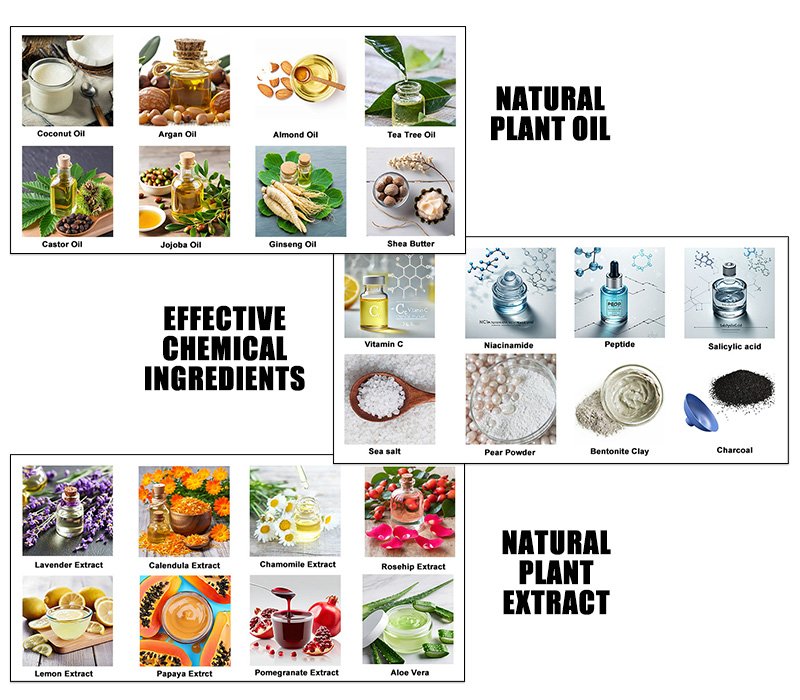
Your formula is the soul of your brand. Whether you’re developing a gentle serum for sensitive skin, a high-efficacy anti-aging cream, or a scalp-purifying shampoo, our in-house chemists create custom cosmetic formulations tailored to your desired effect, skin type, region, and ingredient philosophy.
With over 5,000+ proven base formulas and full white-label development support, we help you build a product that meets your performance goals, brand values, and market trends.
Available Services:
Active ingredient sourcing & formulation balancing
Custom texture creation: gel, cream, balm, lotion, foam, oil
Ingredient selection for target concerns: anti-acne, brightening, anti-aging, hydration
Support for natural, vegan, EWG green-level formulations
Regional compliance: USA, EU, AU, JP standards
Custom Cosmetic Packaging Styles
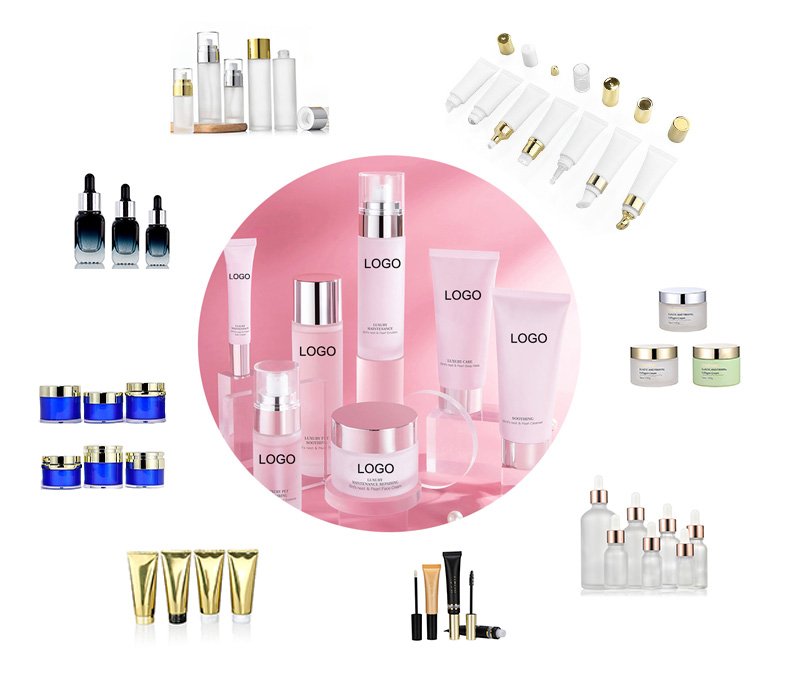
Packaging plays a critical role in how your brand is perceived. Whether you need luxury glass droppers, airless pump bottles, eco-friendly refill pouches, or retail-friendly PET tubes, we provide 3000+ stock and customizable packaging options.
From minimalist matte finishes to glossy foil-stamped designs, our packaging engineers help you select the perfect form and material—whether for prestige skincare, professional haircare, or clean beauty positioning.
Available Options:
Glass, PET, PP, PCR, aluminum, bamboo, and more
Airless pumps, sprayers, jars, tubes, and dropper bottles
Color-matching, texture finishes, and custom mold services
Cosmetic Box, Label Design for skincare brands
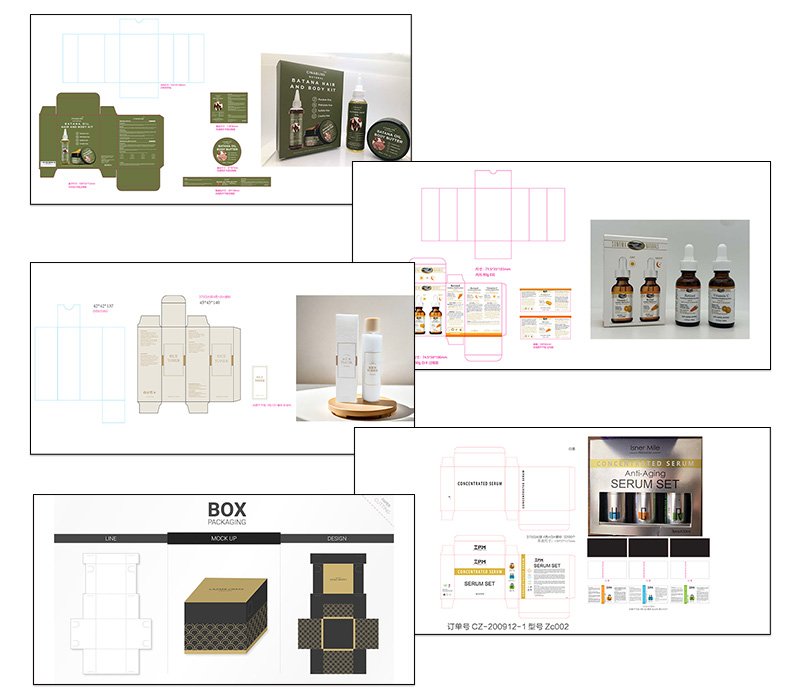
Beyond the bottle, your visual identity sets your product apart. Our in-house design team creates custom label layouts, box designs, and full branding suites—including logo placement, font matching, and barcode compliance.
We also offer waterproof labels, UV spot gloss, embossing, foil stamping, and other premium finishes to ensure your packaging feels as high-end as your formula. Whether you’re building an Amazon FBA product or a salon-grade kit, we help make your product shelf-ready.
Design Services Include:
Free artwork design and dieline support
Amazon & retail barcode setup (FNSKU/UPC)
Custom printing on labels, boxes, pouches, and shrink wraps
Cosmetic Box Customization for Skincare Brands
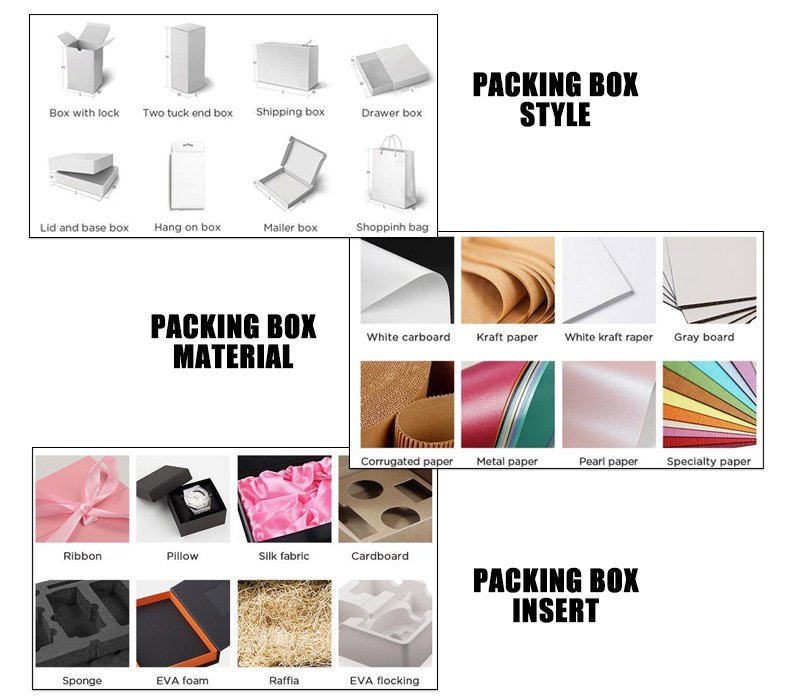
Beyond the bottle, your outer packaging is your first impression. Our team provides custom cosmetic box solutions with tailored box styles, premium cardboard or specialty paper choices, and protective inserts in EVA, molded pulp, or PET.
We also offer specialty printing options, matte or glossy lamination, foil stamping, embossing, and spot UV to create a tactile, luxury feel. Whether for boutique retail, e‑commerce, or professional kits, we ensure your packaging enhances your brand story.
Customization Options Include:
Box style selection: tuck‑end, drawer, magnetic, or folding carton
Material choices: rigid board, kraft, coated paperboard
Insert options: EVA foam, molded pulp, PET, or cardboard
Cosmetic Box Logo Finishing for Premium Branding
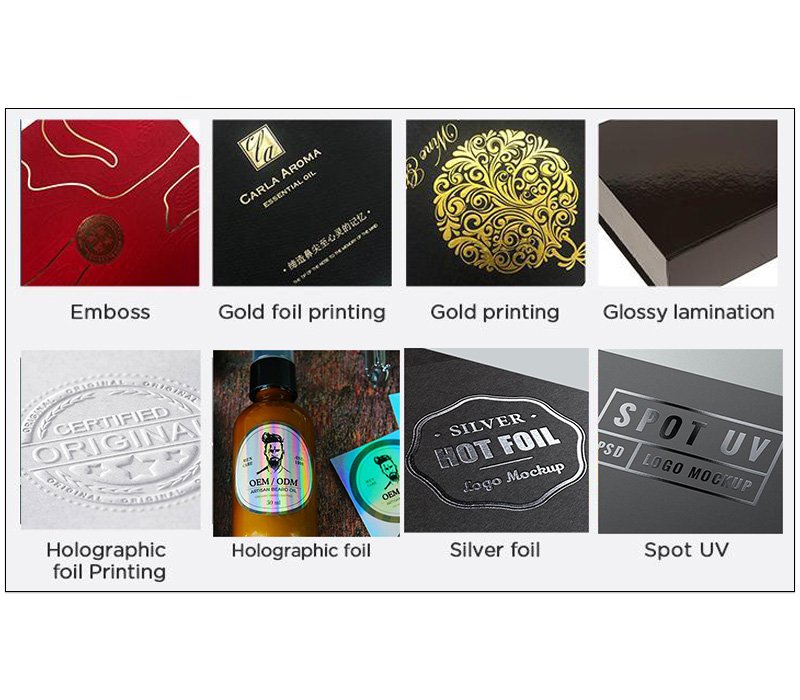
Beyond structure, your logo finish defines your product’s luxury appeal. We offer custom cosmetic packaging logo treatments including emboss, gold foil printing, silver foil, glossy lamination, holographic effects, and spot UV for high-impact shelf presence.
From subtle debossed textures to striking holographic foil, each technique is chosen to enhance your brand story and match your target market positioning. Whether for upscale retail, e‑commerce, or professional use, our finishes help your product stand out.
Finishing Options Include:
Emboss & Deboss logo impressions
Gold, silver, and holographic foil stamping
Spot UV for selective gloss highlights
Glossy or matte lamination for surface protection
Make A Sample First?
If you have your own formula, packaging idea, logo artwork, or even just a concept, please share the details of your project requirements, including preferred product type, ingredients, scent, and customization needs. We’re excited to help you bring your personal care product ideas to life through our sample development process.
More Hair Nourishing product customization instructions and FAQs
Our formulations: Products in this category focus on nutrient-rich care, lipid restoration, and supple softness without waxy weight. These nourishing systems replenish surface lipids, smooth rough cuticles, and protect against dryness, heat, and mechanical stress. The goal is to rebuild suppleness, enhance slip, and revive luster by replacing lost oils, reinforcing the cuticle lipid envelope, and reducing fiber-fiber friction. Formats include rich rinse-off conditioners and masks, oil-serum veils, leave-in butters/creams, pre-shampoo oil treatments, and overnight repair elixirs—each tuned for fine, normal, or coarse textures with clean sensorials, quick absorption, and salon/e-commerce readiness.
Key ingredients and technologies for nourishing care:
- Nutrient-Dense Oils & Butters: Argan, jojoba, coconut, olive squalane/hemisqualane, shea/mango butters deliver fatty acids and emolliency that soften fibers and calm roughness. Blending low-viscosity esters with richer triglycerides creates cushiony slip without greasiness. Micro-dosed oils add glow to fine hair; structured oil gels cocoon coarse or curly textures while rinsing clean. For heat routines, oxidative-stable fractions help maintain clarity and reduce smoke/odor during blow-drying. In leave-ins, fast flash-off carriers keep finish light, touchable, and non-sticky.
- Biomimetic Lipid Rebuilders (Cuticle Envelope Support): Ceramide NP, cholesterol, and 18-MEA analogs help replenish the cuticle’s lipid architecture, improving smoothness and combability. These actives enhance hydrophobicity, lowering friction and snag-related breakage during wet/dry detangling. Paired with fatty alcohols, they assemble into lamellar phases that trap oils and moisture at the surface. Over multiple uses, hair behaves more pliably with less roughness. For premium lines, we incorporate phytoceramides and plant sterols to support a “bio-inspired” positioning without heaviness.
- Peptides & Hydrolyzed Proteins (Surface Filling & Glide): Hydrolyzed silk/keratin, plant peptides, amino acid complexes provide micro-filling and film-forming benefits that even the surface and improve brush-through. These materials reduce fiber-fiber friction, helping strands align for a sleeker look and lower tangle density. In masks, higher payloads create plush, satiny slip; in serums, smaller molecules maintain lightness while polishing the cuticle edge. Pairing peptides with lightweight oils elevates both softness and shine, supporting before/after visuals for DTC.
- Silicone & Silicone-Free Slip Systems: For universal glide, dimethicone, phenyl trimethicone, amodimethicone sheath the cuticle, reduce friction, and guard against moisture loss. For silicone-free briefs, hemisqualane, isoamyl laurate, C13-15 alkane and gloss esters produce clean, airy slip with high camera gloss. Amino-functional silicones target damaged zones for selective deposit; volatile carriers avoid buildup. In curl care, soft film-formers maintain movement while controlling frizz. Regimen guidance (periodic clarifying) preserves long-term lightness.
- Lamellar Conditioners, pH & Chelation Tuning: Behentrimonium methosulfate/behentrimonium chloride, cetrimonium chloride with cetyl/stearyl/behenyl alcohols form lamellar gel networks that lock oils in place and smooth the cuticle. Tuning to pH ~4.0–5.5 (via lactic/citric acid) tightens cuticle plates for silkier feel and better shine. Chelators (e.g., GLDA/EDDS) lift mineral films that dull luster and hinder oil deposition. Optional antioxidants (e.g., tocopherol) help keep oil phases fresh and photo-clear for premium shelf appeal.
For Customize: By integrating nutrient oils/butters, biomimetic lipids, peptide/protein fillers, tailored slip systems, and lamellar/pH/chelation controls, these builds restore softness and resilience while resisting dryness and friction. Hair feels supple, weightlessly conditioned, and richly nourished, with easier detangling, smoother styling, and a healthy, dimensional sheen that supports premium positioning and repeat purchase in salon and e-commerce channels.
Q: Can we make it silicone-free without losing slip?
A: Yes—blend hemisqualane/squalane with lightweight esters and cationic systems (e.g., behentrimonium + lamellar gels). Add flexible film formers for frizz resistance. For gloss, micro-dose high-RI non-silicone polymers. Validate detangling via wet/dry comb tests and ensure sprayability for fine hair formats.
Q: How do we avoid greasy collapse on fine hair?
A: Use fast-evap carriers (hemisqualane, certain isoparaffins where allowed) + low-viscosity esters, keep oil phase modest, and emphasize deposit-on-damage systems over blanket occlusion. Split formats: featherweight daily serum and richer weekly mask to deliver nourishment without everyday heaviness.
Q: What pH and chelation strategy helps shine and feel?
A: Lower pH (≈4.0–4.8) compresses cuticles in rinse-outs; GLDA/EDTA manage minerals that create rough films and dullness. Together, you’ll see smoother combing and better light reflection. Keep antioxidants to protect oils and pigment vibrancy in color-care concepts.
Q: How do we formulate for curls/coils vs. straight hair?
A: Curls/coils benefit from richer lamellar creams, butters, and film flexibility for frizz defense. Straight/fine hair prefers volatile carriers + micro-film for weightless gloss. Offer parallel SKUs with shared story but texture-specific sensorials and hold.
Q: What fragrance approach fits sensitive or salon audiences?
A: Provide fragrance-free SKUs and low-allergen options; where fragranced, offer salon-grade accords at lower IFRA category loads. Keep fragrance-free identical otherwise to simplify stability and claims alignment across markets.
Cooperate with Us to Launch Your Nourishing Line Fast!
We customize lipid rebuild, slip, and heat protection by hair type and climate, then deliver fast sampling, artwork support, and packaging that matches retail price points. From rich masks to featherweight oil-serums, we help you launch quickly and grow repeat purchase.