Skip to content
Custom Hair Protection Formulations Manufacturer
Custom Heat/UV/Mechanical-Protection Solutions for Premium Brands — Build a differentiated line that shields hair from blow-dryers, irons, sun, and daily friction—preserving strength, color, and gloss without residue. We tailor flexible films, lubricity systems, chelation, and antioxidant/UV strategies by hair type and climate, then deliver fast sampling, compliant labeling, and on-brand packaging.
What This Hair Protection Formula Solves
Thermal dullness, color fade, and split-prone ends arise from high surface temperatures, UV oxidation, mineral buildup, and fiber-fiber abrasion during styling. Our protection system delivers heat safety + UV defense + low-friction glide using elastic, brushable films that limit moisture loss, antioxidants/UV filters (where allowed) to preserve chromophores, and chelation to remove metal catalysts. Cationic conditioners anchor benefits to damaged sites; hemisqualane/esters create slip without weight; low-pH rinse care compacts cuticles so light returns as gloss, not frizz. We tune solids and volatility for fine vs. coarse hair, build “style-set but soft” primers for blow-dry/irons, and design color-safe routines for blondes, vivids, and brunettes. From daily acidifying shampoos/conditioners to heat primers, UV mists, leave-in shields, and weekly mineral resets, your line can deliver touchable protection in humid or arid climates—silicone-optional, fragrance-flexible, and salon-home ready.

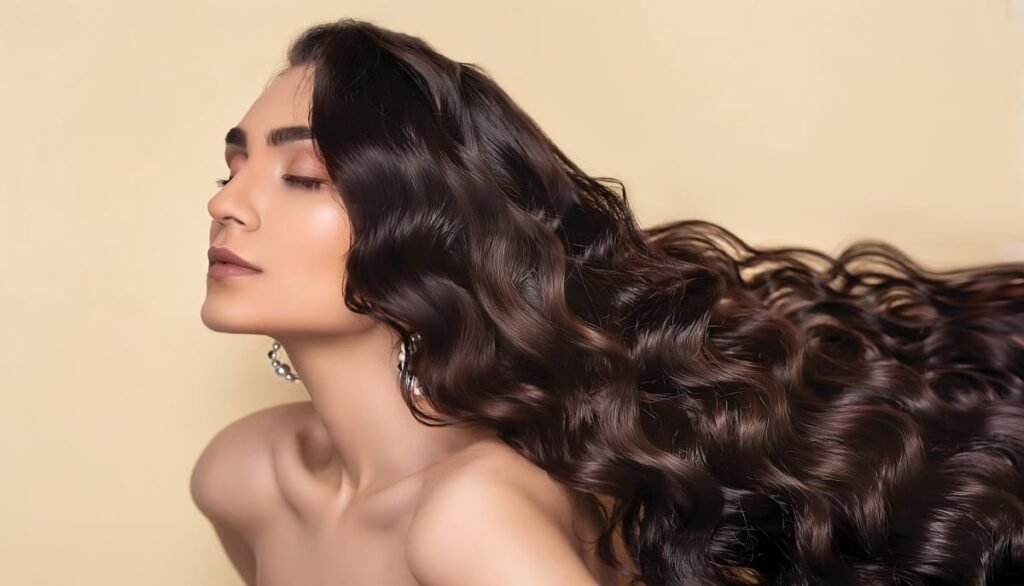
Hair Protection Formula
1.Thermal Damage Mitigation & Strength Retention
After standardized blow-dry/iron cycles, quantify tensile strength, tip cohesion, and Δ comb-force vs. untreated controls. Our heat-tolerant flexible films (polyquats/acrylates) plus lubricity carriers (hemisqualane) reduce hot-stage friction, while acidic care limits cuticle lift. Report % strength retained, Δ wet/dry comb-force, and chip/edge scoring with photo evidence, translating into “less breakage during styling” and “smoother ends” for PDPs and salon sheets.
2. UV/Photo-Oxidation & Color Integrity
Use solar simulator/UVA-340 exposure to track ΔE* fade and yellowing index on dyed tresses; pair with gloss at 60°. Antioxidants and UV filters (where permitted) curb chromophore oxidation; chelators limit metal-catalyzed reactions from hard water. Present ΔE* reduction, Δ gloss retention, and swatch imagery over multi-wash/style cycles to claim “vibrancy that lasts under sun and heat.”
3. Friction/Static Control & Finish Quality
Instrument probe-tack and dry comb-force to show low residue and easy glide; measure static decay after brushing in low RH. Cationic deposition and selective smoothing (optional amodimethicone) cut fiber-fiber catch, while micro-films prevent flyaways without crunch. Communicate “brushable, non-sticky finish” and “anti-static control” supported by panel feel scores and re-style cycles.
Key Hair Protection Actives & Technologies
Elastic film + lubricity + mineral/oxidation control: Flexible polymers set a breathable shield for heat and humidity; hemisqualane/esters cut friction; chelation removes metals; acidic pH compacts cuticles; antioxidants/UV filters (where allowed) protect tone—keeping styles glossy and soft.
Key Ingredients & Their Benefits
| Ingredient (INCI) | Role in System | Typical Use Levels | Formulation Notes | Compliance & Market Proof |
|---|---|---|---|---|
| Polyquaternium-55 / -68 | Flexible, heat-tolerant film & gloss | 0.2–2% | Enhances blow-dry memory; humidity defense | CosmeticsInfo – Polyquaterniums |
| AMP-Acrylates Copolymer | Humidity-resistant hold/film | 0.5–4% | Neutralize for clarity; great in mists/primers | CosmeticsInfo – Acrylates |
| C13-15 Alkane (Hemisqualane) | Ultra-light slip/lubricity | 1–8% | Fine-hair friendly; fast dry, non-greasy | CosmeticsInfo – Alkanes |
| Amodimethicone (optional) | Selective smoothing on damage | 0.5–2% | Targeted deposit; improves glide & shine | CosmeticsInfo – Amodimethicone |
| Panthenol | Moisture/shine support | 0.2–2% | Smooth feel; thermal routine friendly | Wikipedia – Panthenol |
| Tetrasodium Glutamate Diacetate / Disodium EDTA | Chelation (hard water) | 0.05–0.3% | Binds Ca/Fe/Cu; protects feel & tone | Wikipedia – GLDA, Wikipedia – EDTA |
| Tocopheryl Acetate & Antioxidants | Photo-oxidation defense | 0.05–0.5% | Supports color/gloss under heat/UV | Wikipedia – Vitamin E |
| UV Filters (where allowed) | UV absorption for hair surface | Q.S. per region | Select water/oil-soluble per format; confirm markets | Wikipedia – Benzophenone-4, Wikipedia – Ethylhexyl Methoxycinnamate |
| Hydroxypropyl Starch Phosphate | Micro-separation/soft body | 0.5–3% | Airy lift without dimming tone | CosmeticsInfo – Starches |
| Polyquaternium-11 / -4 | Cationic grip & anti-static | 0.2–2% | Low flake; improves brushability | CosmeticsInfo – Polyquaterniums |
| Citric/Lactic Acid | pH optimization | Q.S. to pH | Acidifying care to compact cuticles | Wikipedia – Citric Acid |
| Phenyl Trimethicone (optional) | High-RI gloss | 0.2–1% | Mirror finish; dose low for fine hair | Wikipedia – Trimethicone |

UV Filters — Customization Details for Hair Protection Formulas
INCI & Category Scope
INCI family: UV filters permitted under EU Annex VI (e.g., Benzophenone-4 / Sulisobenzone, Butyl Methoxydibenzoylmethane (Avobenzone), Ethylhexyl Methoxycinnamate (Octinoxate), Titanium Dioxide / TiO₂ (nano/non-nano)). Function: protect hair/skin or the product from UV effects. (CosIng function note; Annex VI list.) (European Commission)
Role in Hair-Protection Efficacy
Anti-photodamage + anti-fade system. UV filters absorb/attenuate UV that causes melanin oxidation, keratin damage, and dye photobleaching—key drivers of color fade, dryness, and roughness. Pair with film formers/antioxidants to cut ΔE shifts and preserve gloss/strength. (Photodamage/photofade reviews & trials.) (PubMed)
Typical Use Levels (formulation custom guide)
Rinse-off (shampoos/co-wash): 0.1–1% water-soluble Benzophenone-4 to buffer wash + daylight exposure; levels far below Annex VI maxima.
Conditioners/masks: 0.1–2% blend (e.g., Benzophenone-4 + oil-soluble UVA/UVB where allowed) with cationic/film-formers for deposition.
Leave-ons/primers/sprays: 0.2–2% filter systems with non-nano TiO₂ or organic filters; avoid TiO₂ (nano) in applications leading to inhalation.
Notes: Always cap by Annex VI “maximum in ready-for-use preparation” for each filter and product type; hair care typically uses lower than sunscreen limits. (Annex VI entries incl. Benzophenone-4 ≤5%, Avobenzone ≤5%, TiO₂ ≤25% with nano restrictions.) (Public Health)
Regulatory Sources & Global Compliance
- EU Cosmetics Regulation (EC) 1223/2009 — Annex VI: allowed UV filters with max concentrations, product-type limits, and warnings; hair products are cosmetic category—apply “as applied” limits after mixing (if two-part). (EUR-Lex)
- SCCS opinions: Benzophenone-4 deemed safe up to 5% considering ED concerns (final, 2023/2024). Check latest SCCS opinions for each filter used. (Public Health)
- TiO₂ nano restriction: allowed up to 25% but not in uses leading to user lung exposure (e.g., certain sprays). (EUR-Lex)
Clinical/Performance Evidence (fade, fiber, gloss)
- Hair photodamage: UV causes bleaching, protein/tryptophan degradation, and lipid peroxidation, reducing strength and shine. UV filtering mitigates these pathways. (PubMed)
- Anti-fade on dyed hair: UVA absorbers (e.g., Benzophenone-3/-4) reduce artificial color fading, outperforming some UVB-only filters in model tests. (ResearchGate)
- Photoprotection overview: Darker hair resists UV better than light hair; topical filters add protection across types and climates. (PMC)
Safety & Risk Assessment (toxicology highlights)
Use within Annex VI/SCCS limits. For sprays/aerosols, manage droplet size (inhalation) and TiO₂ nano prohibitions. Verify aggregated exposure when multiple filtered products are used. Maintain updated PIF/CPSR with SDS, impurities, and photo-stability of the filter blend. (Reg text + SCCS practice.) (EUR-Lex)
Stability & Packaging
Filter-appropriate systems: Solubilize/dispense filters correctly (water-soluble vs oil-soluble) and add chelators/antioxidants to limit drift. Use opaque/UV-safe packs for leave-ons. Validate ΔE across 10–20 washes, gloss (60°), comb force, and Weather-O-Meter photo-aging. (Hair physicochemistry/testing guidelines.) (PMC)
Cost–Benefit
High-impact, low-dose lever for color retention and fiber aesthetics with strong consumer story (“UV shield for colored hair”). ROI increases when filters are paired with film formers (polyquats, starch phosphates) and antioxidants/hemisqualane to address wash-out + photofade simultaneously. (Photofade & polymer-assist literature.) (PubMed)
Claims Language (Do/Don’t)
✅ Helps protect hair against UV-induced fading and surface dryness by absorbing UV and supporting anti-fade systems—validated by ΔE, gloss, and photo-aging tests on finished formulas. (Photodamage/anti-fade evidence.) (PubMed)
✅ Supports longer-lasting color vibrancy in sun exposure when combined with film formers/antioxidants, measured over multi-wash + UV protocols. (Method overviews.) (PMC)
✅ Formulated within EU Annex VI limits with SCCS-supported filters and clear usage directions (especially for sprays). (Regulatory sources.) (EUR-Lex)
❌ Avoid absolute/medical statements (such as “100% UV protection/permanent colorfastness“). Maintain a cosmetic positioning; support this with finished product-level data (ΔE after 10–20 washes, light aging, shine/combing power, user comfort); and specify usage levels, filter combinations/nanomorphology, and spray particle size management in the CPSR. (EUR-Lex)

Polyquaternium-68 — Customization Details for Hair Protection Formulas
INCI & CAS
INCI: Polyquaternium-68 · UNII: R76MNN6P72. A cationic film-forming/hair-fixing polymer (vinylpyrrolidone/imidazole-based copolymer) used to form durable, humidity-resistant films on hair. Listed under CosIng functions: Hair Fixing/Film Forming. (CosIng function list; UNII record; INCI/tech descriptions.) (European Commission)
Role in Hair-Protection Efficacy
Anti-fade + anti-frizz + heat/humidity defense via substantive cationic film. PQ-68 builds high-MW, flexible films that lower dye leaching during washing, buffer UV/heat-induced roughness, and retain style under humidity—key to gloss and color vibrancy maintenance. Supplier studies on PQ-68 (Luviquat® Supreme) show ultra-strong hold, curl retention, and thermal protection in styling/color-care systems; literature supports hydrophobically-modified cationic polymers as best-in-class for wash-out fade control. (Shop@BASF)
Typical Use Levels (formulation custom guide)
Shampoos/cleansers (color-care): 0.2–1% to add anti-fade film assist and creamier foam; structure bases with amphoterics. (Shop@BASF)
Conditioners/masks/primers: 0.3–1.5% for slip + anti-humidity; combine with polyquats/amodimethicone/hemisqualane. (Shop@BASF)
Leave-on sprays/mousses/serums: 0.5–2% (styling/heat routines); validate curl/shape retention at humidity. (Shop@BASF)
Notes: Deposition improves with alkaline pH (~9) in models and with higher MW; tailor to hair state and format. (ResearchGate)
Regulatory Sources & Global Compliance
- EU CosIng: PQ-68 listed with Hair Fixing/Film-Forming functions; CosIng is informational—perform product-level CPSR (EU 1223/2009). (European Commission)
- NICNAS/AICIS (AU) public report: PQ-68 dossier includes identity, high water solubility, hazard profile—supports low systemic concern in cosmetic uses with standard controls. (AU IND CHEM)
- REACH/UNII context: confirm supplier SDS/REACH status for the exact grade (polymer of low concern approach). (GSRS)
Clinical/Performance Evidence (fade, strength, humidity/heat)
- Wash-out fade: In oxidative color models, hydrophobically-modified cationic polymers most effectively prevent dye dissolution during shampooing (reduced ΔE). (PubMed)
- Deposition & pH/MW effects: Experimental work shows PQ-68 (≈300 kDa) at pH≈9 gives best hair deposition, supporting persistent films. (ResearchGate)
- Humidity/heat styling: PQ-68 (Luviquat® Supreme) delivers ultra-strong hold, curl retention at high RH, and thermal protection, aiding shape memory and frizz control in color-treated hair. (Shop@BASF)
Safety & Risk Assessment (toxicology highlights)
Polymer class generally low irritation/sensitization at cosmetic levels; ensure impurity (residual monomers/salts) control via SDS/TDS and include in CPSR. Use spray droplet size management for aerosols. Safety assessments on related polyquats support low concern when formulated to be non-irritating. (AU IND CHEM)
Stability & Packaging
Water-dispersible cationic polymer compatible with anionic/amphoteric systems when salted properly. Validate multi-wash ΔE (CIELAB), gloss (60°), wet/dry comb, curl retention @ high RH, and heat-stress. Use HDPE/PP packs; for leave-ons, prefer opaque/UV-safe packs when co-formulating with UV filters/antioxidants. (PMC)
Cost–Benefit
High-impact anti-fade + anti-humidity lever at low %, with a strong styling + protection story. Synergizes with UV filters, antioxidants, hemisqualane, and starch/film-formers to protect color/gloss and fiber feel across climates—solid ROI for color-care/heat-style lines. (PubMed)
Claims Language (Do/Don’t)
✅ Helps protect color vibrancy by forming a durable, humidity-resistant film that reduces wash-out fade (ΔE) and maintains gloss/combability over multiple washes. (Polymer anti-fade literature.) (PubMed)
✅ Supports heat/humidity styling durability with curl/shape retention and frizz control, suitable for leave-on primers and mousses. (Supplier performance data.) (Shop@BASF)
✅ Formulated within EU compliance with product-level CPSR and supplier SDS/REACH alignment; aerosol formats manage particle size. (CosIng/NICNAS/UNII context.) (European Commission)
❌ Avoid absolute/permanent statements (such as “permanent colorfast/100% heat and moisture resistant“). Maintain a cosmetic positioning; support this with finished product-grade data (ΔE after 10–20 washes, Weather-O-Meter, shine, comb strength/breakage, heat and moisture retention); and specify usage levels, impurity control, and spray particle size management in the CPSR. (PMC)

Tocopheryl Acetate — Customization Details for Hair Protection Formulas
INCI & CAS
INCI: Tocopheryl Acetate (Vitamin E Acetate) · CAS: 7695-91-2 (dl-α-tocopheryl acetate; natural d-α isomer also used). Function: cosmetic antioxidant/skin-conditioning; widely used across haircare as a lipid antioxidant and formula stabilizer. (CosIng info database; supplier/INCI compendia.) (European Commission)
Role in Hair-Protection Efficacy
Lipid antioxidant + photostress buffer. Hair UV/heat exposure accelerates protein/lipid oxidation and color photofade. Tocopheryl acetate (and/or in-situ tocopherol) scavenges radicals and limits peroxidation, helping preserve surface integrity, gloss, and shade; it also supports anti-fade systems alongside UV filters and film formers. (Hair photodamage & antioxidant studies/reviews.) (Wiley Online Library)
Typical Use Levels (formulation custom guide)
Shampoos/cleansers: 0.1–0.5% to protect dye vibrancy during wash cycles and improve foam creaminess/sensory. (SpecialChem)
Conditioners/masks/co-wash: 0.2–1% for anti-oxidative support with polyquats/silicones/hemisqualane. (SpecialChem)
Leave-on primers/serums/sprays: 0.2–2% (higher in oil serums) to bolster UV/heat routines; pair with UV filters/antioxidants (e.g., ferulic/ascorbic systems). (SAGE Journals)
Notes: Levels vary by supplier potency/format; validate ΔE (CIELAB), gloss, comb force, and breakage under multi-wash + UV/heat protocols. (Methodology and practice literature.) (Wiley Online Library)
Regulatory Sources & Global Compliance
- EU (CosIng / SCCNFP): Alpha-tocopheryl acetate: no specific cosmetic restriction; historical SCCNFP opinion (2001) concluded no threat to consumer health at cosmetic use. (CosIng is information-only → product-level CPSR required.) (European Commission)
- CIR Expert Panel (2013/2018): Tocopherol/tocopheryl acetate are safe as used in cosmetics; GRAS in food; typical cosmetic exposure within safe margins. (cir-safety.org)
- ECHA/REACH context: Dossiers available for (dl-)α-tocopheryl acetate; consult supplier SDS/registration for specific grade. (echa.europa.eu)
Clinical/Performance Evidence (fade, integrity, gloss)
- UV/heat hair protection: Vitamin E-loaded carriers reduced UV/heat-induced damage and discoloration; SEM showed smoother surfaces vs. untreated after exposure. (SCI DI)
- Antioxidant systems on dyed hair: Formulations containing antioxidants improved post-UV outcomes (surface morphology, proteins/amino acids) vs. controls, supporting anti-fade positioning. (SCI DI)
- Photoprotection overview: Reviews link UV attenuation + antioxidants to reduced protein degradation/color change; some commercial products underperform, underscoring the need for validated finished-product testing. (Wiley Online Library)
Safety & Risk Assessment (toxicology highlights)
CIR/SCCNFP: Safe as used in cosmetics; irritation/sensitization low at cosmetic levels. For aerosols/sprays, manage droplet size (inhalation). Maintain impurity control per SDS; include in CPSR MoS. (CIR final & SCCNFP opinion.) (cir-safety.org)
Stability & Packaging
Oil-soluble ester with good formulation stability; can protect oils/fragrances in the base. Pair with UV filters/chelators/antioxidants (e.g., ascorbic acid + ferulic) for photostable systems; use opaque/UV-safe packs for leave-ons. Verify ΔE across 10–20 washes, gloss (60°), comb force, tensile, and Weather-O-Meter aging. (MDPI)
Cost–Benefit
Low-dose, high-perception antioxidant that supports color retention, shine, and fiber feel while also stabilizing formulas—valuable in mass to premium hair-protection lines. ROI increases when combined with UV filters and film formers (polyquats, starch phosphates, hemisqualane) to address photo-oxidation + wash-out together. (Evidence/review synthesis.) (Wiley Online Library)
Claims Language (Do/Don’t)
✅ Helps defend color-treated hair from UV/heat-related dullness by neutralizing oxidative stress, supporting gloss and vibrancy—validated by ΔE, gloss, and protein/SEM endpoints on finished formulas. (Hair photodamage/antioxidant data.) (Wiley Online Library)
✅ Stabilizes leave-on/rinse-off systems and supports anti-fade regimens when paired with UV filters and film-forming agents. (Practice/review context.) (Wiley Online Library)
✅ Formulated within EU/CIR safety guidance with clear directions (especially for sprays) and product-level substantiation. (Regulatory sources.) (European Commission)
❌ Avoid absolute/medical statements (such as “completely prevents fading/zero damage“). Maintain a cosmetic positioning; support this with finished product-level data (ΔE after multiple washes, light aging, shine/combing power/breakage, user comfort); specify usage levels, impurity control, and spray particle size management in the CPSR. (Wiley Online Library)
Custom Hair Protection Product Applications
Cover wash care, acidifying conditioners, heat primers, UV mists, leave-in shields, overnight serums, and weekly mineral resets—delivering daily defense and style quality without heaviness. Texture-calibrated formats for fine to coarse hair maintain slip, gloss, and color integrity while surviving real-world heat and sun.


Hair Protection Market Trends & Target Audiences
Search demand for heat protectant, UV hair protection, and color-safe leave-in continues to climb. Shoppers want measurable damage and fade reduction with soft, clean feel. “Silicone-optional,” “hard-water safe,” and “non-sticky primer” tags drive CTR and strong repurchase in humid and sunny regions.

Market Overview
Category leaders publish % strength retained, ΔE* fade control, and gloss retention while offering climate/texture-specific SKUs. Bundles (primer + acidic care + mineral reset) lift AOV. Clean-lean narratives with fragrance options and VOC/claims compliance satisfy retailer gates and fuel reviews, especially among color-treated and daily heat-styling consumers.
Key Market Insights:
- Metrics convert: tensile strength %, ΔE*, gloss units, comb-force, static decay.
- Hard-water edge: chelation + acidic care protect tone and touch.
- Parallel stories: aerosol vs. propellant-free; silicone-optional for broader appeal.

Target Consumer Segments
Daily blow-dry/iron users; outdoor workers or sunny-climate shoppers; color/bleach clients needing fade control; fine hair seeking weightless slip; and clean-lean buyers preferring silicone-optional, fragrance-choice routines. Salon-home hybrids value simple maps: prime before heat/sun, acidic care daily, mineral reset weekly, leave-in shield for static control.
Target Segments after Custom Branding:
- Heat-Style Defense Line: Blow-dry primer + iron shield + leave-in.
- Sun & Color Defense Line: UV mist + antioxidant shield + acidic care.
- Hard-Water Protection Line: Mineral-reset + chelation narrative + low-pH care.
Customization Options for Packaging & Branding
Explore flexible packaging options, bottle types, and private label services. From tube to jar, we match your brand’s tone and market position.
Cosmetic formulation development
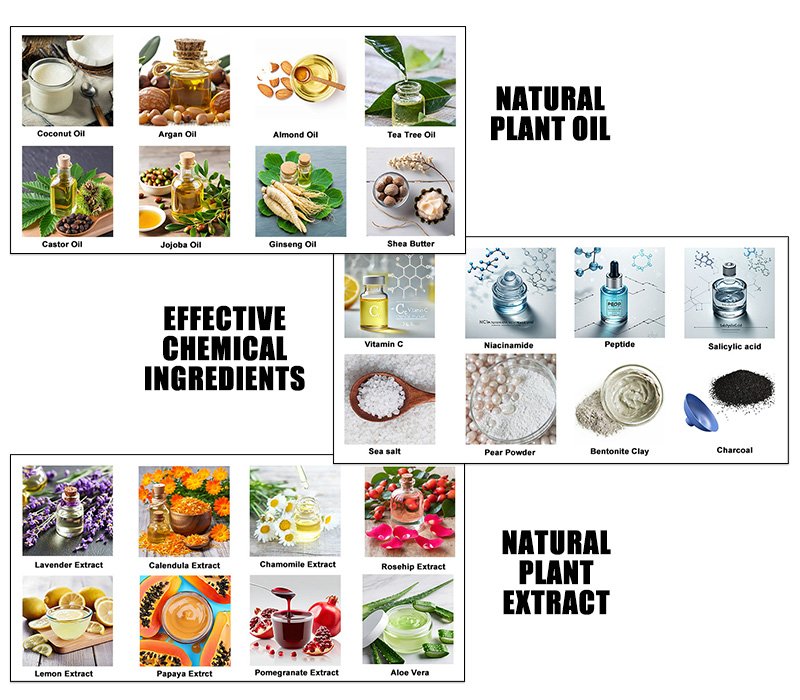
Your formula is the soul of your brand. Whether you’re developing a gentle serum for sensitive skin, a high-efficacy anti-aging cream, or a scalp-purifying shampoo, our in-house chemists create custom cosmetic formulations tailored to your desired effect, skin type, region, and ingredient philosophy.
With over 5,000+ proven base formulas and full white-label development support, we help you build a product that meets your performance goals, brand values, and market trends.
Available Services:
Active ingredient sourcing & formulation balancing
Custom texture creation: gel, cream, balm, lotion, foam, oil
Ingredient selection for target concerns: anti-acne, brightening, anti-aging, hydration
Support for natural, vegan, EWG green-level formulations
Regional compliance: USA, EU, AU, JP standards
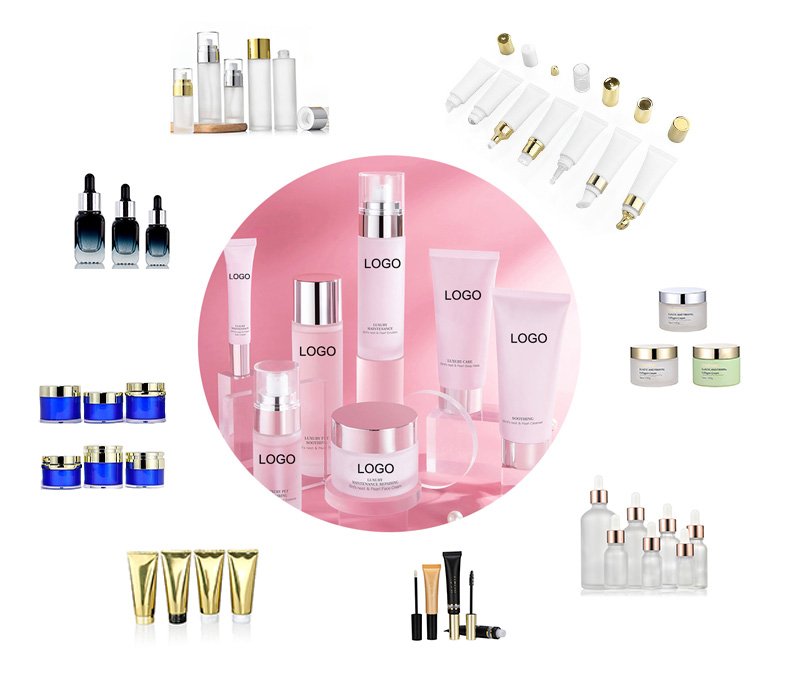
Custom Cosmetic Packaging Styles
Packaging plays a critical role in how your brand is perceived. Whether you need luxury glass droppers, airless pump bottles, eco-friendly refill pouches, or retail-friendly PET tubes, we provide 3000+ stock and customizable packaging options.
From minimalist matte finishes to glossy foil-stamped designs, our packaging engineers help you select the perfect form and material—whether for prestige skincare, professional haircare, or clean beauty positioning.
Available Options:
Glass, PET, PP, PCR, aluminum, bamboo, and more
Airless pumps, sprayers, jars, tubes, and dropper bottles
Color-matching, texture finishes, and custom mold services
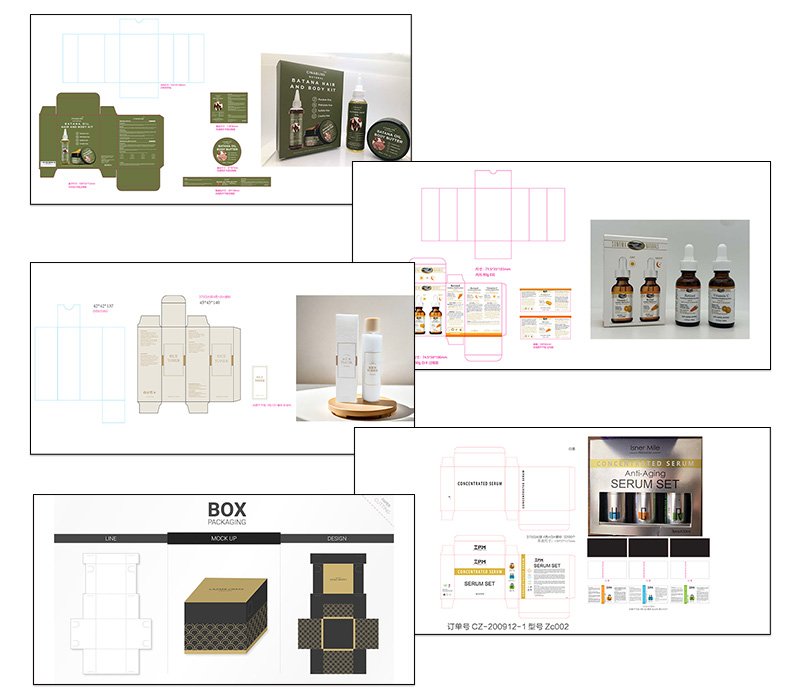
Cosmetic Box, Label Design for skincare brands
Beyond the bottle, your visual identity sets your product apart. Our in-house design team creates custom label layouts, box designs, and full branding suites—including logo placement, font matching, and barcode compliance.
We also offer waterproof labels, UV spot gloss, embossing, foil stamping, and other premium finishes to ensure your packaging feels as high-end as your formula. Whether you’re building an Amazon FBA product or a salon-grade kit, we help make your product shelf-ready.
Design Services Include:
Free artwork design and dieline support
Amazon & retail barcode setup (FNSKU/UPC)
Custom printing on labels, boxes, pouches, and shrink wraps
Cosmetic Box Customization for Skincare Brands
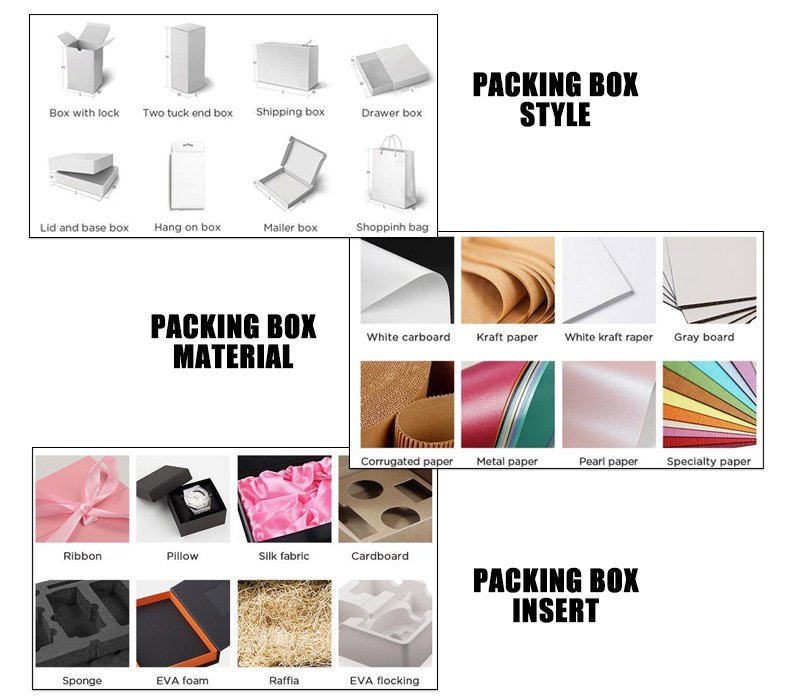
Beyond the bottle, your outer packaging is your first impression. Our team provides custom cosmetic box solutions with tailored box styles, premium cardboard or specialty paper choices, and protective inserts in EVA, molded pulp, or PET.
We also offer specialty printing options, matte or glossy lamination, foil stamping, embossing, and spot UV to create a tactile, luxury feel. Whether for boutique retail, e‑commerce, or professional kits, we ensure your packaging enhances your brand story.
Customization Options Include:
Box style selection: tuck‑end, drawer, magnetic, or folding carton
Material choices: rigid board, kraft, coated paperboard
Insert options: EVA foam, molded pulp, PET, or cardboard
Cosmetic Box Logo Finishing for Premium Branding
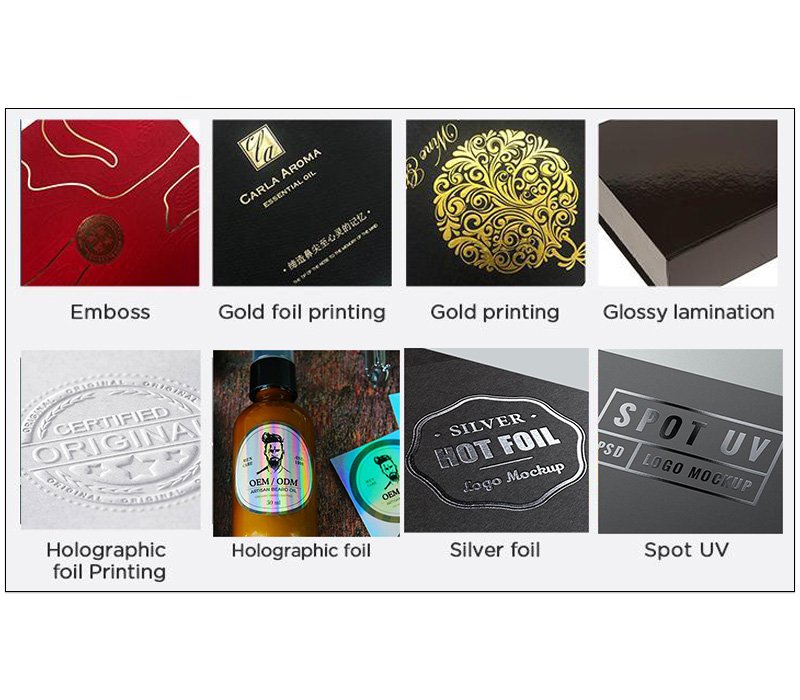
Beyond structure, your logo finish defines your product’s luxury appeal. We offer custom cosmetic packaging logo treatments including emboss, gold foil printing, silver foil, glossy lamination, holographic effects, and spot UV for high-impact shelf presence.
From subtle debossed textures to striking holographic foil, each technique is chosen to enhance your brand story and match your target market positioning. Whether for upscale retail, e‑commerce, or professional use, our finishes help your product stand out.
Finishing Options Include:
Emboss & Deboss logo impressions
Gold, silver, and holographic foil stamping
Spot UV for selective gloss highlights
Glossy or matte lamination for surface protection
Make A Sample First?
If you have your own formula, packaging idea, logo artwork, or even just a concept, please share the details of your project requirements, including preferred product type, ingredients, scent, and customization needs. We’re excited to help you bring your personal care product ideas to life through our sample development process.
More Hair Protection product customization instructions and FAQs
Our formulations: Products in this category focus on proactive fiber defense—heat shielding, UV/visible-light color preservation, anti-pollution barriering, and oxidative damage control—without heaviness, stiffness, or dulling. These protection systems support blowouts, thermal tools, outdoor activity, and color-treated routines across dry winters and tropical summers. The goal is to minimize cuticle lift, reduce protein/lipid loss, and keep pigments vibrant by combining sacrificial films, selective deposition, and antioxidant/chelation strategies while preserving movement and shine. Formats include leave-in sprays/mists, serums/creams, blow-dry primers, UV topcoats, anti-pollution shields, and rinse-off protect-and-repair shampoos/conditioners—each tuned by hair type (fine/normal/coarse), usage context (daily commute, beach, gym), and climate with salon-grade sensorials and retail readiness.
Key ingredients and technologies for hair protection:
- Heat-Activated & Thermal Glide Polymers: Polyurethane/acrylate hybrids, polyimide-1, and VP/DMAPA acrylates form flexible, sacrificial films that soften heat points and reduce hot-spot friction. Paired with PEG/PPG silicones (e.g., PEG-12 dimethicone) and amino-functional amodimethicone, they improve slip, lower surface temperature spikes, and cut breakage during blow-dry/ironing.
- UV/Visible-Light Shields & Color-Fade Control: Hair-safe UV absorbers (e.g., polysilicone-15, benzophenone-4) and iron-oxide/tint micro-filters reduce photon load, while phenyl trimethicone and high-RI gloss esters reflect/redirect light. Encapsulation (polymeric or lipid) stabilizes filters in water/alcohol systems. Antioxidant boosters (ferulic acid derivatives, tocopherol) suppress free-radical chain reactions that fade dyes.
- Anti-Pollution Barriers & Metal Management: Breathable film formers (pullulan, polyquaterniums) create a low-tack shield that limits PM, smoke, and urban grime adhesion. Chelators (GLDA, EDDS) bind copper/iron that catalyze color oxidation and roughen cuticles; clarifying-safe levels in rinse-offs plus micro-doses in leave-ins maintain softness without strip.
- Protein/Lipid Reinforcement & Cuticle Seal: Hydrolyzed keratin/silk and peptide fragments fill micro-chips to reduce friction; 18-MEA analogs, hemisqualane, and lightweight esters replenish surface lipids for aligned plates and water repellency. Fatty-alcohol lamellar systems in conditioners lock alignment, improving combability and reducing wash-to-wash fatigue.
- Rheology, pH & Sensory Tuning: Carbomer/acrylates crosspolymers set mist “hang” and serum pickup; xanthan/CMC cue cream spread for even protection. pH is tuned ~4.0–5.5 to tighten the cuticle and enhance filter/protein stability. Anti-build-up strategies (selective deposition silicones, volatile carriers, balanced solids) preserve bounce and next-day restyleability.
For Customize: By integrating heat-activated films, UV/visible shields, anti-pollution barriers, chelation, and protein/lipid reinforcement—under disciplined rheology and pH control—these builds deliver measurable protection with a featherlight feel. Hair looks glossy and vibrant, blow-dries faster with fewer hot-tool passes, color stays true longer, and ends resist dryness and snap. The result is camera-ready shine, resilient movement, and credible “damage-defense” claims that support premium positioning, strong PDP storytelling, and repeat purchase across e-commerce and salon channels.
Q: Do heat protectants really prevent damage?
A: They reduce friction and moisture loss during styling, helping retain strength and smoothness. We evidence this with tensile and comb-force data after controlled heat cycles—plus panel feel scores for “smoother ends.”
Q: Will UV filters make hair sticky or greasy?
A: Not in our featherweight systems. We dose filters (where allowed) with light carriers and flexible films so the finish stays brushable and color-safe. Always validate per market and format.
Q: Can protection be silicone-free and still glossy?
A: Yes—hemisqualane, flexible films, and high-RI non-silicone polymers deliver slip and shine. For silicone-inclusive SKUs, amodimethicone targets damaged areas without blanket build.
Q: How does hard water affect protection?
A: Minerals roughen cuticles and catalyze oxidation. GLDA/EDTA chelation plus low-pH care preserves feel and color, improving real-world performance and gloss.
Q: Will primers weigh down fine hair?
A: We keep solids low and use fast-dry carriers. Fine-friendly sprays/mists protect at high temperatures while leaving roots airy; verify via tack/comb-force and static tests.
Start Your Hair Protection Line Today
We customize elastic films, lubricity, chelation, and antioxidant/UV strategies by hair type, color status, and climate, then deliver fast sampling, artwork support, and packaging tuned to your price tiers. From blow-dry primers and iron shields to UV mists and mineral resets, we help you launch quickly and grow repeat purchase.