Skip to content
What Facial Routine Really Deeply Moistizes and Nourishes Skin?
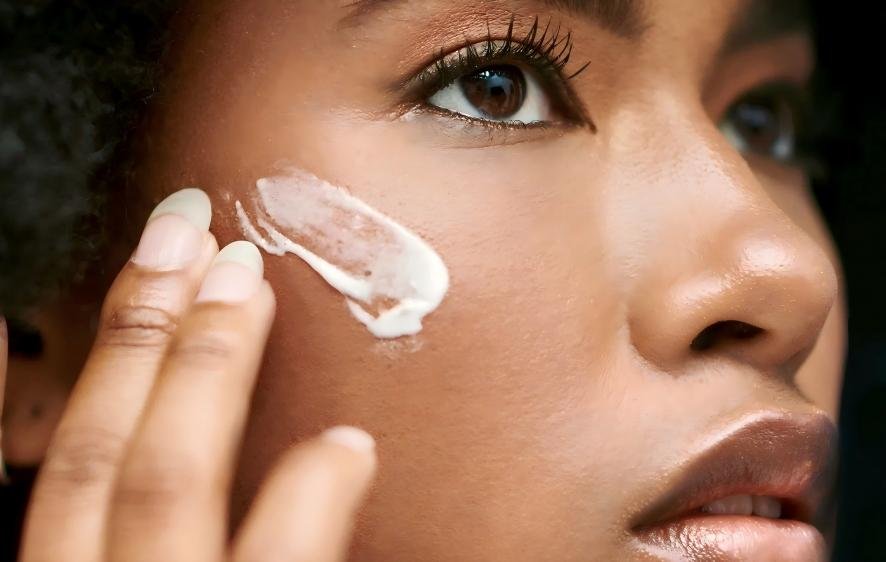
If your customers complain that “my skin feels tight again two hours after moisturizing,” you don’t have a product problem—you have a hydration and nourishment strategy problem. Most face creams only sit on top; only a few routines are truly designed to deeply moisturize and nourish skin in a lasting way.
A facial routine that “deeply moisturizes and nourishes skin” keeps water inside the skin, rebuilds the barrier lipids, and supports skin’s own repair processes over time. In practice, this means humectants to attract water, lipids to seal and repair, and calming actives to reduce micro-inflammation—layered in the right order, with the right textures for each skin type.
For brand owners, this is a powerful claim territory: “deep nourishment” signals comfort, repair, and long-term results, not just a dewy finish on day one. The sections below unpack what this really means, how to choose ingredients, and how the skin barrier decides whether your formula delivers on its promise.
What Does It Actually Mean When A Product Claims It “deeply Moisturizes And Nourishes Skin”?
When a face product truly deeply moisturizes and nourishes skin, it doesn’t just feel rich on the surface. It:
- Increases and maintains water content in the upper layers of the skin
- Replenishes barrier lipids (ceramides, fatty acids, cholesterol)
- Supports skin’s own repair, comfort, and resilience over weeks of use
From a consumer angle, “deeply moisturizes and nourishes” usually translates to:
- Skin feels softer and more elastic, even at the end of the day
- Dry patches and flakiness improve over days, not just minutes
- Tightness after cleansing or air-conditioning is reduced
- Makeup sits better with less emphasis on fine, dry lines
From a brand and formulation angle, this claim should be backed by:
- A balanced formula: humectants + emollients + occlusives + barrier actives
- Appropriate pH and surfactants (if cleanser/toner) to avoid barrier damage
- Texture and sensory that encourage regular use (non-sticky, non-pilling)
- Ideally, instrumental or consumer data showing improved hydration, smoothness, or comfort over time
If “deep nourishment” only comes from heavy occlusive oils, the skin may feel coated but not truly replenished. The most convincing products combine instant comfort with gradual barrier and texture improvement, so reviews match the marketing story.
What Is The Difference Between Hydrating And Nourishing Facial Skin—and Why Does It Matter For Results?
Hydrating the face means increasing water content in the outer skin layers; nourishing means supplying lipids, vitamins, and repair actives that help the barrier stay healthy over time. A routine that only hydrates may give short-term plumpness, while a nourishing routine improves texture, resilience, and comfort over weeks.
For end users, this difference shows up like this:
- Hydrating only: skin feels plump right after application, but dryness and tightness return quickly
- Hydrating + nourishing: skin feels comfortable for hours, dry lines soften, and overall texture improves
For brand owners, understanding the difference helps you position your line clearly:
- “Hydrating serum” = water-binding, lightweight, quick absorption
- “Deeply moisturizing and nourishing cream” = richer textures, barrier-focused actives, night-care focus
To make it clearer, you can think in this simple table:
| Aspect | Hydrating | Nourishing |
|---|---|---|
| Main target | Water content in stratum corneum | Barrier lipids, skin comfort, repair |
| Typical ingredients | Glycerin, hyaluronic acid, PCA, aloe | Ceramides, fatty acids, cholesterol, squalane, plant oils, vitamins |
| Time scale of benefit | Minutes to hours | Days to weeks |
| Sensory profile | Light, watery, fast-absorbing | Creamy, cushioned, sometimes richer or more “comforting” |
| Ideal claims territory | “Hydrating,” “plumping,” “fresh glow” | “Deeply moisturizes and nourishes skin,” “comforting,” “barrier-repairing” |
For a facial nourishment product page, your best-selling story is rarely “only hydrating.” It’s a system: a hydrating base (serum/essence) plus a nourishing cream or oil that locks in hydration and rebuilds the barrier.
Which Skincare Ingredients Can Truly Deeply Moisturize And Nourish Skin From Within?
Ingredients that truly deeply moisturize and nourish skin work on multiple levels: they bind water, replenish lipids, and support barrier repair and comfort. For your formula library or private label range, mix fast-acting humectants with longer-term barrier and soothing actives.
You can think in four main ingredient families:
Humectants (water magnets)
These ingredients pull water into the upper layers of the skin, visibly plumping fine dryness lines:
Glycerin
Hyaluronic acid (different molecular weights)
Sodium PCA, lactic acid (at low hydrating levels)
Betaine, pentylene glycol
In a “deeply moisturizes and nourishes skin” claim, humectants give that instant, measurable hydration.
Barrier lipids and emollients (the nourishing cushion)
These replenish the skin’s lipid matrix and give that smooth, comfortable slip:
Ceramides (e.g., NP, AP, EOP blends)
Cholesterol and fatty acids
Squalane (plant-derived), jojoba oil, meadowfoam oil
Shea butter, mango butter in creamier formats
They help reduce transepidermal water loss (TEWL) and give skin a supple, flexible feel.
Occlusives (the moisture “seal”)
Used in the right amount, occlusives create a breathable film that slows down water loss:
Dimethicone and other skin-friendly silicones
Certain waxes and butters
Petrolatum alternatives in markets where mineral oil is less desired
They are especially relevant for night creams, masks, and products for dry or compromised skin.
Soothing and repair actives
Deep nourishment is not just about lipids—it also means calmer, less reactive skin:
Panthenol (Pro-vitamin B5)
Allantoin
Bisabolol, madecassoside, centella asiatica extracts
Niacinamide at barrier-friendly levels
These support the comfort and resilience story, and help sensitive users stick with a nourishing routine.
For brand owners, the key is to design a stack that fits your positioning:
- Light, daily “deep hydration” serum: more humectants, lighter emollients, minimal occlusives
- “Deeply moisturizes and nourishes skin” night cream: higher lipids, barrier actives, richer texture
- “Overnight repair mask”: all of the above, plus more occlusion and sensorial comfort
When you brief your OEM/ODM partner, ask specifically how each proposed ingredient contributes to hydration, nourishment, barrier support, and sensory feel—so your marketing copy tracks directly to your INCI list.
How Does The Skin Barrier Decide How Deeply A Moisturizer Can Nourish Your Face?
The skin barrier decides how deeply a moisturizer can nourish your face by controlling what can pass through the stratum corneum, the outer “brick and mortar” layer of your skin. Its structure, pH, and lipid balance determine whether a formula can hydrate effectively without irritation.
The “brick and mortar” model
The outermost layer of skin, the stratum corneum, is often described as:
- Bricks = flattened skin cells (corneocytes) packed with natural moisturizing factors (NMF)
- Mortar = lipids (ceramides, cholesterol, fatty acids) that fill the spaces between cells
A product that deeply moisturizes and nourishes skin will:
- Rehydrate the “bricks” with humectants
- Rebuild or support the “mortar” lipids
- Avoid stripping away existing lipids with harsh surfactants or incorrect pH
If the mortar is damaged (from over-cleansing, acids, or climate), even the richest cream may sting or evaporate quickly instead of feeling deeply comforting.
Molecular size, format, and delivery
The barrier also responds to the size and solubility of your ingredients:
- Small, water-loving molecules (like glycerin) quickly hydrate the surface layers
- Larger molecules (like high-MW hyaluronic acid) mostly stay on top, giving a smoothing, film-forming effect
- Lipophilic (oil-soluble) actives and lipids can integrate into the “mortar,” providing nourishment and flexibility
This is why a one-step solution rarely works. A well-designed routine layers:
- A hydrating serum with small humectants
- A nourishing cream with barrier lipids
- Optionally, an overnight mask or oil for additional occlusion in dry climates or mature skin
Barrier condition and tolerance
If the barrier is compromised (after sunburn, aggressive peels, or chronic dryness), the skin may:
- Let in more irritants and water-soluble actives
- React with stinging, redness, or tightness
- Need simpler formulas focused on calming and repairing before stronger anti-aging actives
For brands, this means:
- A true “deep nourishment” line should respect barrier biology: skin-friendly pH, gentle surfactants, fragrance strategy, and tested actives.
- Product messaging can educate consumers: start with barrier-repairing products, then layer in brightening or anti-aging solutions once comfort is restored.
When your formulas align with how the barrier actually works, the claim “deeply moisturizes and nourishes skin” becomes more than a slogan—it becomes the lived experience your reviews, before-and-after content, and long-term customer loyalty are built on.
How Can You Build A Day-to-night Routine That Deeply Moisturizes And Nourishes Skin Without Feeling Greasy?
You build a non-greasy, deeply moisturizing and nourishing routine by layering light hydrating steps under a well-balanced cream, then adjusting textures and amounts between day and night. Think “thin to thick,” with humectants first, barrier lipids second, and SPF on top in the morning.
A simple structure your customers can remember
For most face-care lines, a “deep nourishment” routine can be explained as:
Morning (AM)
- Gentle, non-stripping cleanser
- Hydrating toner or essence
- Hydrating / nourishing serum
- Lightweight nourishing cream or lotion
- Broad-spectrum sunscreen
Night (PM)
- Makeup remover / cleansing balm (if needed)
- Gentle cleanser
- Hydrating toner or essence
- Nourishing serum (more lipids, barrier actives)
- Richer cream or sleeping mask, or a few drops of facial oil
This allows you to say “our routine deeply moisturizes and nourishes skin all day without feeling heavy” and genuinely mean it.
Layering rules that prevent greasiness
For brand owners, the key is to design formulas and education that work together:
- Keep hydrating layers ultra-light: serums and essences should feel water-light, with humectants and a few silky emollients, not heavy oils.
- Let the cream do the heavy lifting: position creams and masks as the main “deep nourishment” step, with barrier lipids and repair actives.
- Adjust night vs. day richness: day creams can be gel-cream or lotion; night creams can be richer, with higher occlusive content.
- Use non-comedogenic emollients: especially important if you want to target combination or acne-prone customers without fear of breakouts.
You can even map it like this:
| Step | AM Texture Focus | PM Texture Focus |
|---|---|---|
| Cleanse | Low-foam, gel-cream or milk, barrier-friendly | Same base or balm/oil if heavy makeup/sunscreen |
| Prep | Watery toner / essence | Hydrating toner / essence |
| Treat | Light hydrating serum | Nourishing / barrier serum |
| Seal | Gel-cream / light lotion | Rich cream / sleeping mask / oil-in-cream |
| Protect | SPF 30–50 (day only) | – |
When you develop your facial nourishment line as a system, you can sell both “non-greasy comfort” in the day and “deep overnight nourishment” in the same story.
Are Deeply Moisturizing And Nourishing Formulas Suitable For Oily, Acne-prone, Or Sensitive Skin Types?
Yes—formulas that deeply moisturize and nourish skin can be ideal for oily, acne-prone, and sensitive types if they use the right textures, non-comedogenic emollients, and barrier-supportive actives. The problem is not “nourishment” itself; it’s heavy, occlusive or fragranced formulas that are poorly matched to the skin type.
For oily and acne-prone skin
Oily and breakout-prone customers often think they need to “dry out” their skin, but that can backfire. A barrier-compromised oily skin overproduces oil to compensate. For this group, your messaging can highlight:
- Oil-free or low-oil formulations with humectants (glycerin, HA, betaine)
- Light, non-comedogenic emollients, such as squalane, caprylic/capric triglyceride, some esters
- Optional soothing + anti-blemish actives (niacinamide, zinc PCA, centella)
- Gel-cream textures that absorb fast and leave a fresh finish
So you can confidently claim that your formula deeply moisturizes and nourishes skin while being “non-greasy, non-comedogenic, and acne-friendly.”
For sensitive and reactive skin
Sensitive skin often needs more nourishment, not less, but with careful formula choices:
- Minimalist INCI lists to reduce trigger overload
- Fragrance-light or fragrance-free options, depending on market strategy
- Barrier-supporting stacks: ceramides, cholesterol, fatty acids, panthenol, madecassoside, allantoin
- Soft, cushiony textures that reduce friction during application
These design choices allow you to market a line that deeply moisturizes and nourishes skin while using claims such as “for sensitive skin,” “soothing,” and “barrier-supporting,” supported by appropriate testing.
Matching skin type with nourishing strategy
You can frame this for customers and retailers with a simple matrix:
| Skin Type | Nourishing Strategy | Recommended Formats |
|---|---|---|
| Oily / acne | Light hydration + barrier repair, oil-controlled | Gel-cream, oil-free lotion, light serum |
| Combination | Balanced nutrition, different textures by zone | Serum + lightweight cream |
| Dry / very dry | Rich lipids + occlusion, intense comfort | Cream, balm, overnight mask |
| Sensitive | Gentle barrier nourishment, focus on soothing | Cream, lotion, serum-in-cream textures |
Used correctly, “deep nourishment” becomes a universal benefit, just expressed differently by skin type.
Which Textures And Formats (serum, Cream, Oil, Mask) Work Best To Deeply Moisturize And Nourish Different Skin Types?
The best format to deeply moisturize and nourish skin depends on skin type, climate, and time of day: serums hydrate and prep, creams deliver balanced nourishment, oils and balms lock in moisture, and masks give an occasional intensive boost. A strong line lets customers mix and match.
Serums: the hydration and actives engine
Serums are usually lightweight, high-actives, fast-absorbing:
- Ideal for all skin types as a first step of deep hydration
- Often focus on humectants (HA, glycerin) + a few lipids or soothing actives
- Can be marketed as “the first step that deeply moisturizes and nourishes skin from within”
They’re also a great entry product in a facial nourishment range, especially for younger or oily customers.
Creams and lotions: the daily nourishment core
Creams and lotions are where your barrier lipid story lives:
- For normal to dry skin, use richer emulsions with ceramides, cholesterol, fatty acids, and butters
- For oily / combination, choose lighter emulsions with non-comedogenic oils and more watery slip
- For sensitive skin, focus on minimal, soothing, fragrance-conscious formulas
Position them as the step that “seals in hydration and deeply nourishes the skin barrier all day or overnight.”
Oils and balms: the occlusive, sensorial extras
Facial oils and balms are perfect for customers who like a ritual:
- Work best for dry, mature, or seasonal use in cold / dry climates
- Can use high-quality plant oils (e.g., squalane, jojoba, meadowfoam) and skin-identical lipids
- Layered over serum or cream, they help lock in water and lipids for deep overnight nutrition
They’re excellent SKUs for spa channels, GWP sets, and seasonal promotions.
Masks: the “intensive” deep nourishment story
Nourishing masks, especially overnight sleeping masks, are great storytelling products:
- Communicate visible next-morning results: smoother, more supple, less tight skin
- Allow higher levels of occlusives and actives within comfort and safety limits
- Can be sold as a 1–2 times per week “reset treatment” to complement daily care
You can present format recommendations clearly :
| Skin Situation | Best Format Emphasis |
|---|---|
| Daily base care (all types) | Hydrating serum + cream/lotion |
| Very dry or cold-season care | Rich cream + oil or balm + occasional sleeping mask |
| Oily yet dehydrated | Hydrating serum + gel-cream, oil-free or low-oil |
| Post-treatment / barrier support | Soothing serum + gentle cream + overnight barrier mask |
This texture mapping helps buyers imagine a product ladder that all supports the same claim: “deeply moisturizes and nourishes skin” across different user profiles.
How Should Brands Brief An Oem/odm Partner To Develop Face Products That Deeply Moisturize And Nourish Skin?
To brief an OEM/ODM partner for products that deeply moisturize and nourish skin, clearly define your target consumer, core claims, preferred textures, ingredient red lines, and testing expectations. A precise brief saves rounds of sampling and aligns formula design with your marketing story.
Clarify target market and positioning
First, give your manufacturer a clear picture of who you’re talking to:
- Target skin types: dry, normal, combination, oily, sensitive, mature
- Target age range and price tier (masstige, derm-inspired, spa, premium, clean, etc.)
- Target channels: Amazon, pharmacies, dermatology clinics, salons, DTC brand site
Link this directly to the positioning:
- “We want a core cream that deeply moisturizes and nourishes skin for dry, sensitive types, suitable for EU and US markets.”
- “We need a gel-cream that feels weightless but has a strong deep hydration story for oily/combo customers.”
Define the “deep nourishment” formula concept
Next, translate marketing words into technical expectations:
- Hydration level: high, medium; specific humectants you like (e.g., multi-weight HA, glycerin)
- Barrier focus: require ceramides, cholesterol, fatty acids, or similar lipids
- Soothing profile: list desired calming actives (panthenol, bisabolol, centella, etc.)
- Sensory and finish: dewy, natural, semi-matte, fast-absorbing, “sleeping mask” cushion, etc.
- Fragrance strategy: fragrance-free, essential oils, allergen-reduced, or fine fragrance style
This lets your OEM/ODM formulator design a coherent ingredients stack instead of guessing.
Share your “no-go” list and compliance needs
To avoid delays later, include:
- Ingredient red lists: mineral oil, certain silicones, specific preservatives, allergens, etc.
- Certifications or standards: vegan, cruelty-free, COSMOS-style, clean-label, halal in certain markets
- Market scope: EU, US, UK, Middle East, ASEAN, etc., to align with regulatory checks
Ask your partner what documentation they can provide: INCI lists, safety assessments, stability and compatibility tests, and any standard test protocols they already run for hydration or barrier support.
Request clear testing and storytelling support
If you want to make strong claims like “deeply moisturizes and nourishes skin for 24 hours” or “supports the skin barrier,” ask your OEM/ODM partner:
- What in-house or third-party tests they typically run for hydration and barrier support
- What usage period they recommend (e.g., 2–4 weeks) to see visible improvements
- If they can help with before-and-after photography or consumer perception data
Finally, ask them to present the concept back to you in simple marketing language—so your product page copy, social content, and packaging all align with the way the formula actually works.
When your brief is this clear, your OEM/ODM partner can build a full facial nourishment line—serum, cream, mask, possibly oil—that genuinely deeply moisturizes and nourishes skin, with strong stories for both AI search and human buyers.
Custom Formulations
Hot Private label Beauty products
Hot ingredients
Custom cosmetic solutions
FAQ Categories
Can't find the answers?
No worries, please contact us and we will answer all the questions you have during the whole process of leather goods customization.
Make A Sample First?
If you have your own formula, packaging idea, logo artwork, or even just a concept, please share the details of your project requirements, including preferred product type, ingredients, scent, and customization needs. We’re excited to help you bring your personal care product ideas to life through our sample development process.