Skip to content
Glutathione Ingredient Custom Cosmetics Manufacturer
Discover glutathione’s brightening and antioxidant power. Learn recommended pH ranges, % use levels and grades, product formats, stabilization strategies, compatible actives, packaging/MOQ, and private-label options to build high-performing skincare for global markets.
What Is Glutathione
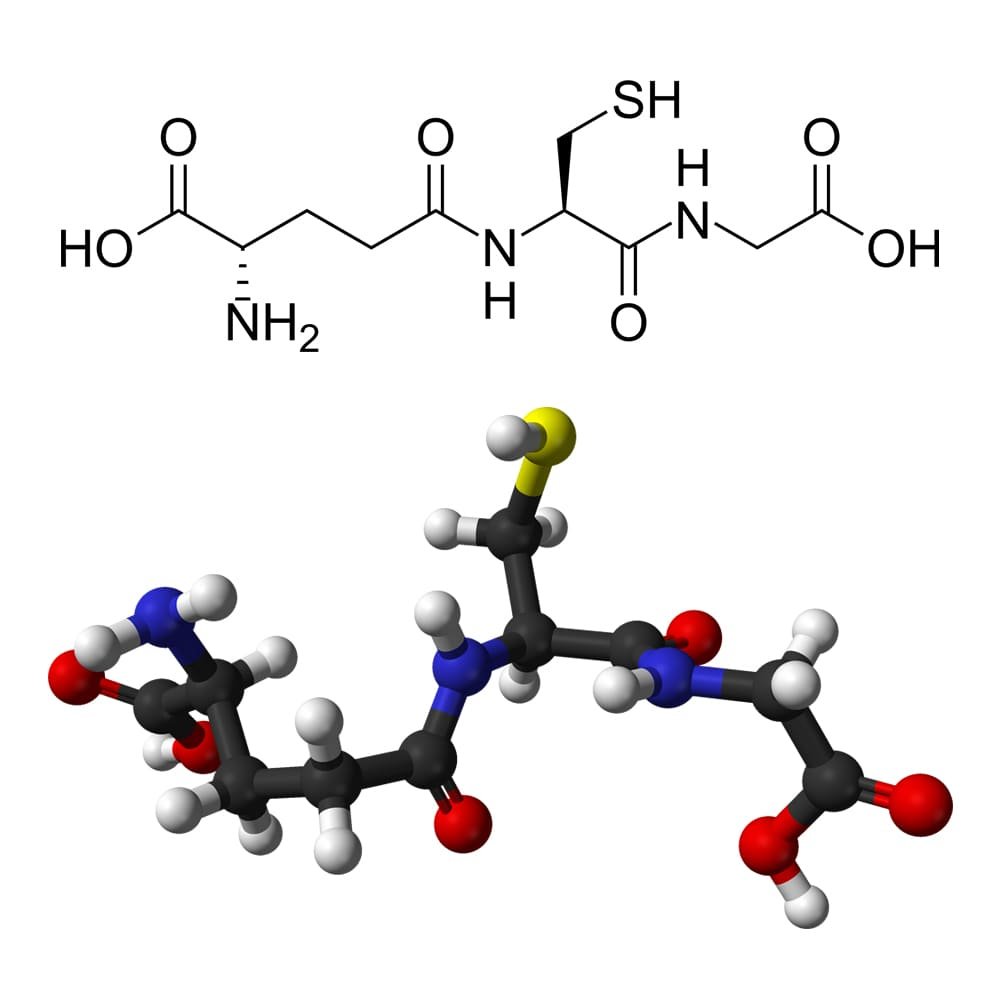
Glutathione (GSH) is a tripeptide antioxidant (γ-Glu-Cys-Gly) prized in skincare for tone brightening, antioxidant defense, and dullness reduction. Cosmetic grades include reduced glutathione (GSH), oxidized glutathione (GSSG), and encapsulated/liposomal forms to enhance stability and delivery.
INCI: Glutathione (reduced, GSH); Oxidized Glutathione (GSSG) · CAS: 70-18-8 (GSH) / 27025-41-8 (GSSG) · White crystalline powder, water-soluble, mild sulfurous note. (EC CosIng, Wikipedia)
Sources: Produced by fermentation + purification to cosmetic/pharma grade; available as bulk powder or pre-dispersion (liposomes/complexes) for improved handling.
Water solubility: Freely water-soluble; dose in water phase. Sensitive to oxidation—use chelators (EDTA/GLDA), low-oxygen handling, and antioxidant partners.
pH flexibility: Performs best in mildly acidic systems (~4.5–6.0); avoid prolonged high heat and high-metal environments to preserve activity and color.
Glutathione Benefits: Mechanisms, Results & OEM Formulation
See how glutathione delivers brightening, tone evenness, antioxidant/pollution defense, anti-dullness glow, and sensitive-skin compatible routines—plus recommended percentages, test methods, and private-label applications.

Brightening & Spot Diminishing
Mechanism: Reduces dopaquinone back to DOPA, chelates copper at tyrosinase sites, and shifts melanin balance toward lighter pheomelanin pathways.
Benefits: Visibly brightens tone and softens the look of dark spots/PIH.
Importance: A non-exfoliating brightening anchor for sensitive lines.
Use level & testing: 0.1–1.0% GSH (up to 2% in masks); or 0.05–0.2% GSSG (stability-friendly). Assess ΔL/ΔE*, Mexameter melanin index, standardized spot grading.
Good pairings: Tranexamic acid (2–3%), alpha-arbutin (1–2%), niacinamide (2–5%), licorice (glabridin).
Antioxidant & Pollution Defense
Mechanism: Central cellular redox buffer that scavenges ROS and supports vitamin C/E recycling; helps limit lipid/protein oxidation from UV/pollution.
Benefits: Preserves radiance and helps prevent stress-induced dullness.
Importance: Strong daily-defense narrative without sensitization.
Use level & testing: 0.1–0.5%; validate ORAC/DPPH, lipid peroxidation markers (MDA/4-HNE), and consumer radiance scoring.
Good pairings: Vitamin C derivatives (EAA/AA2G), tocopherol + ferulic, green-tea polyphenols.
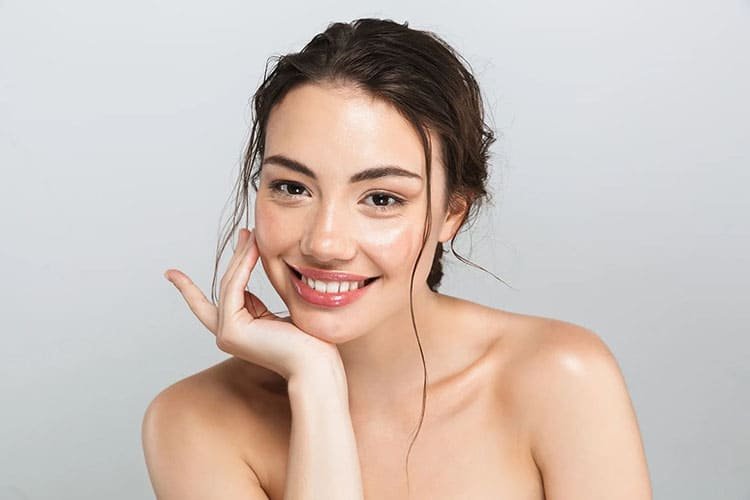
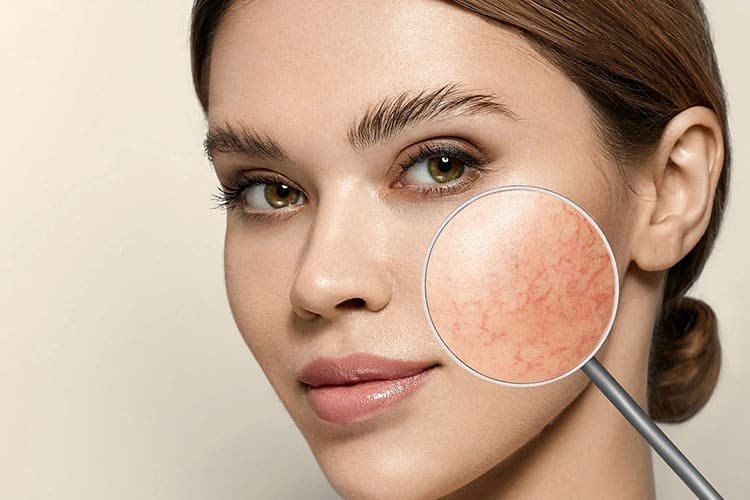
Tone Evenness & Redness Adjunct
Mechanism: Down-modulates oxidative triggers that amplify melanogenesis and uneven tone; gentle support for post-blemish care.
Benefits: More uniform complexion, calmer look alongside routine actives.
Importance: Everyday “even-tone” positioning for global markets.
Use level & testing: 0.2–0.5% in daily serums/gel-creams; track ΔE, panel blotchiness scores, image analysis.
Good pairings: Niacinamide, centella actives, azelaic acid (low–moderate %).
Anti-Dullness & Anti-Yellow Cast (Appearance)
Mechanism: Limits oxidative chromophores that contribute to sallow/yellow appearance; improves surface optics when combined with film formers/humectants.
Benefits: Fresher, clearer glow and better makeup laydown.
Importance: Quick perceived-radiance wins to boost user satisfaction.
Use level & testing: 0.1–0.5%; evaluate colorimetry (b)*, gloss/illumination imaging, tactile panels.
Good pairings: HA/glycerin, light film formers, micro-blur elastomers.
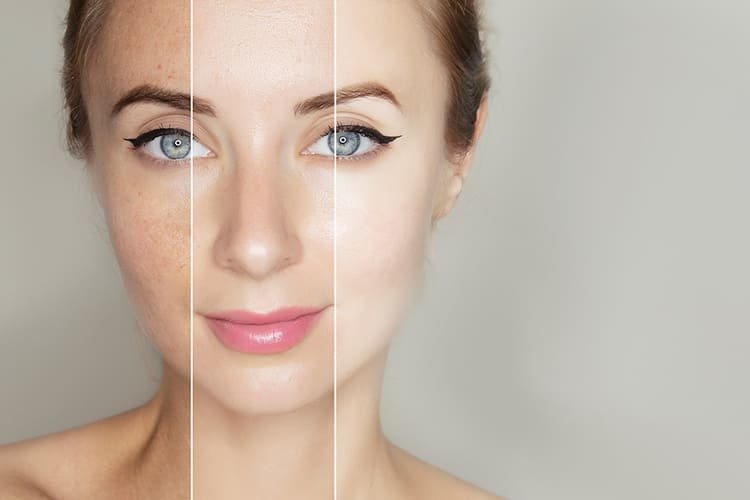

Sensitive-Skin Friendly Brightening
Mechanism: Non-acidic, non-keratolytic approach to tone management; supports barrier-friendly routines.
Benefits: Brightening with low sting, compatible with retinoid/AHA nights via alternate-day strategies.
Importance: Reduces dropout in sensitive cohorts.
Use level & testing: 0.2–0.5%; run stinging/erythema panels and tolerance diaries.
Good pairings: Panthenol, ceramides + cholesterol + FFAs, squalane.
Best Product Formats for Glutathione
Glutathione fits leave-on formats focused on brightening and antioxidant defense. It performs best in pH 4.5–6.0 systems, dosed in the water phase, with chelators, low-oxygen handling, and airless/UV-safe packaging.
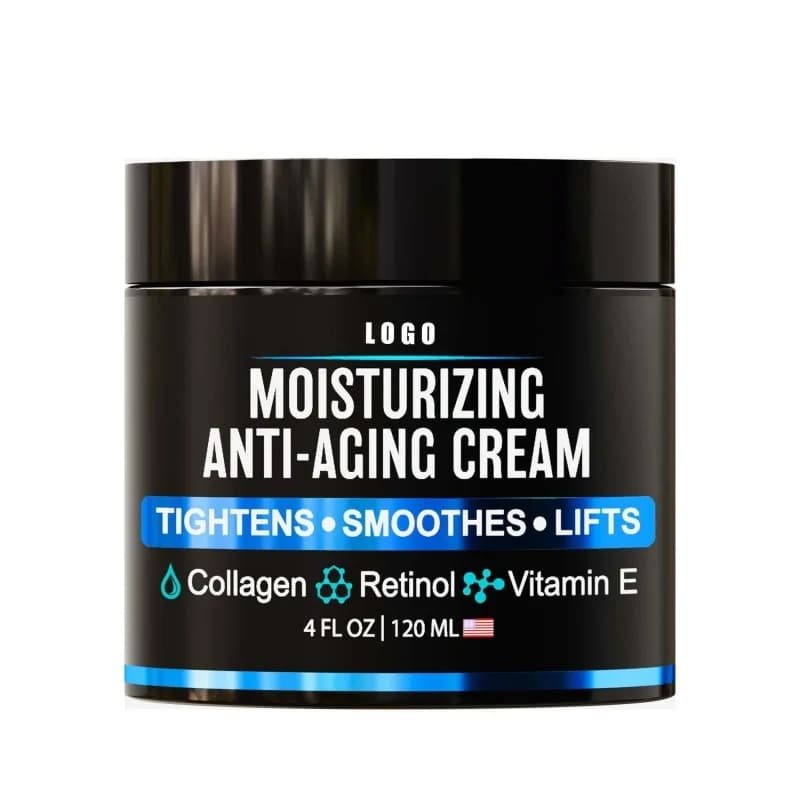
Anti Aging Cream
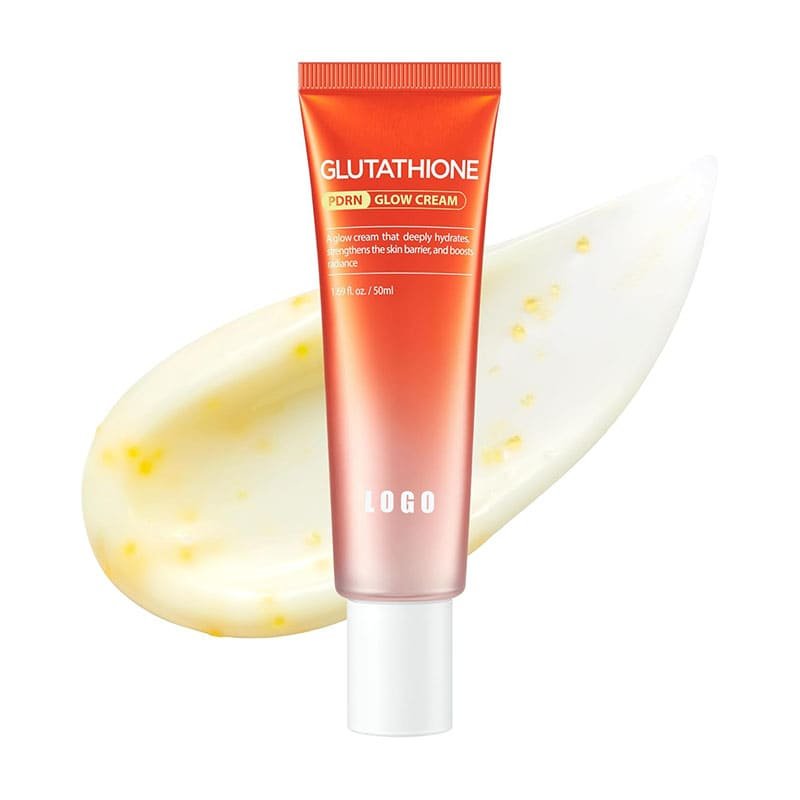
Glutathione Cream

Glutathione Soap
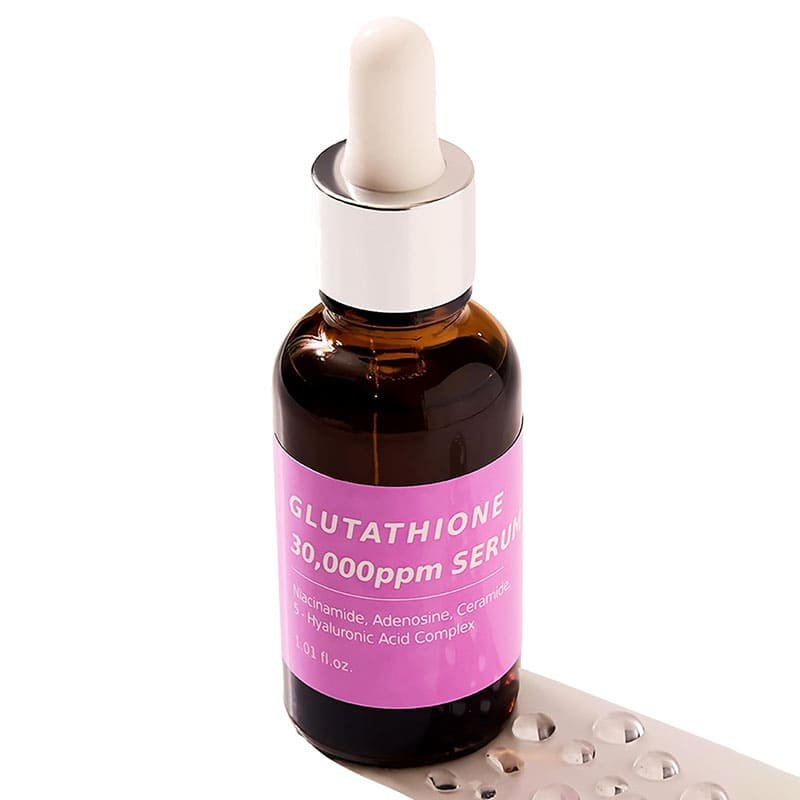
Glutathione Serum
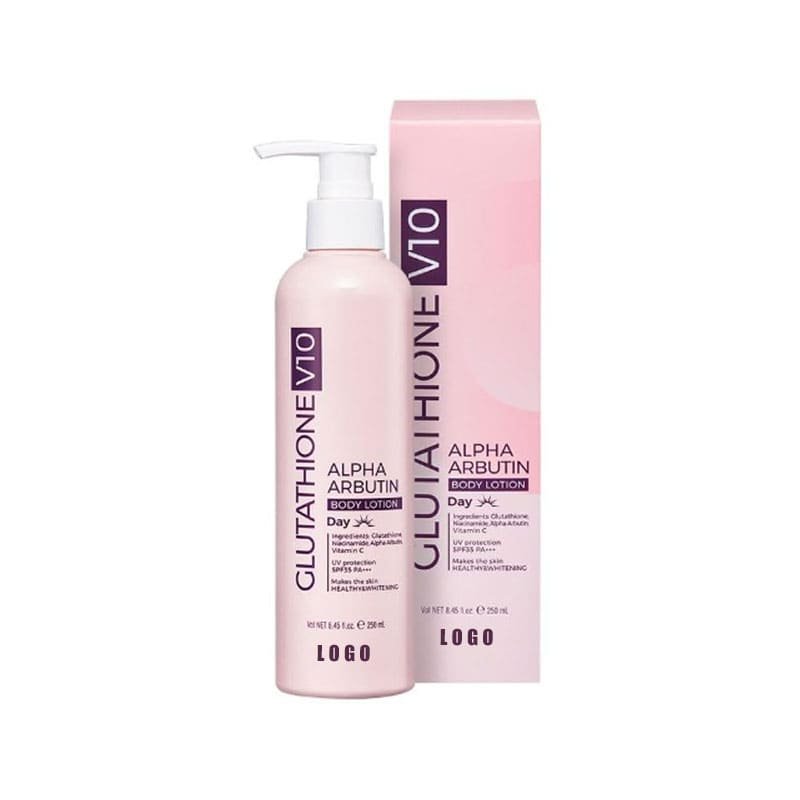
Glutathione Lotion

Antioxidant Face Cleanser
Ready to Launch Your Glutathione Skincare Line?
Talk to our formulation experts today and receive a formula proposal within 48 hours—including recommended % , target pH (4.5–6.0), base selection, stabilization, and co-actives. We’ll help you deliver validated claims, premium sensorials, custom packaging, and compliant documentation.
Glutathione Concentration Options | Custom 0.05–2% for OEM/ODM
Choose the right glutathione type and loading for your claim, pH-adjusted base, and format. We optimize GSH vs. GSSG vs. liposomal selections, chelation, oxygen control and low-temperature post-add (<40 °C)—with testing and documentation for safe, compliant launches.
1. Concentration Range
Typical cosmetic levels:
- daily brightening/antioxidant care: GSH 0.1–0.5%
- targeted spot products: GSH 0.5–1.0%
- wash-off masks/sheet masks: up to 2.0%
GSSG 0.05–0.2% offers greater oxidative stability; liposomal GSH 0.2–0.5% (as GSH-eq.) can improve delivery. Formulate at pH 4.5–6.0; avoid prolonged heat and metal contamination.


2. Typical Use Levels
| Target Use Case | Glutathione % (type) | Best Formats | pH Window | Proof & QA |
|---|---|---|---|---|
| Daily antioxidant / maintenance | 0.1–0.3% GSH or 0.05–0.1% GSSG | essence, light serum | 4.8–6.0 | ORAC/DPPH, color/odor stability, tolerance panels |
| Brightening / even tone | 0.2–0.5% GSH or 0.1–0.2% GSSG | serum, lotion/gel-cream | 4.5–5.8 | ΔL/ΔE*, Mexameter melanin index, photo grading |
| Targeted dark-spot corrector | 0.5–1.0% GSH or 0.2–0.5% liposomal (GSH-eq.) | spot gel, ampoule | 4.8–5.5 | Standardized spot grading, image analysis |
| High-load masks / short-contact | 1.0–2.0% GSH or ≤0.2% GSSG | sheet mask, rinse-off gel | 5.0–5.8 | Radiance (gloss/illumination), user comfort diaries |
| Sensitive-skin brightening | 0.1–0.3% GSH (buffered) | gel-cream, cream | 5.2–6.0 | Stinging/erythema panels, TEWL, consumer comfort |
*Final percentage depends on target claim, skin type, and regional compliance.
Glutathione Formulation & Actives Ingredient Customization
Build formulas around glutathione (GSH/GSSG, liposomal grades) for brightening, even tone, and antioxidant defense, complemented by niacinamide, tranexamic acid (TXA), vitamin C derivatives, tocopherol + ferulic, and barrier humectants. We provide stability + ISO 11930 testing, flexible MOQs, and full OEM/ODM documentation.
1. Formulation Systems
2. Ingredient Customization Case

Daily Brightening Serum
Benefits: Fast radiance boost and progressive tone-evening with low sting; layers under SPF/makeup.
Actives: GSH 0.3% + AA2G 2% + Niacinamide 3% + GLDA 0.1% + HA (LMW) 0.10% (pH 5.3).
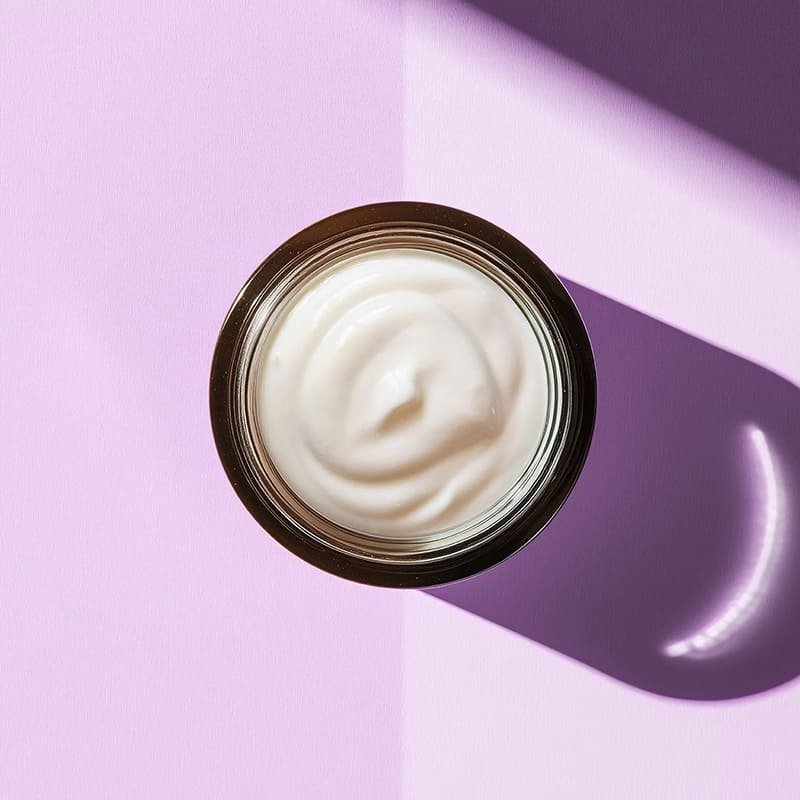
Even-Tone Gel-Cream
Benefits: Brightening without acids, cushioned glide, improved tolerance.
Actives: GSH 0.2% + GSSG 0.05% + Ceramide Complex 0.20% + Cholesterol 0.15% + FFAs 0.15% + Panthenol 2%.

Targeted Spot Corrector
Benefits: Focused dark-spot appearance reduction; precise on-the-spot application.
Actives: GSH 0.8–1.0% + TXA 3% + Alpha-Arbutin 1% + EAA 3% + EDTA 0.05% (pH 5.0–5.4).
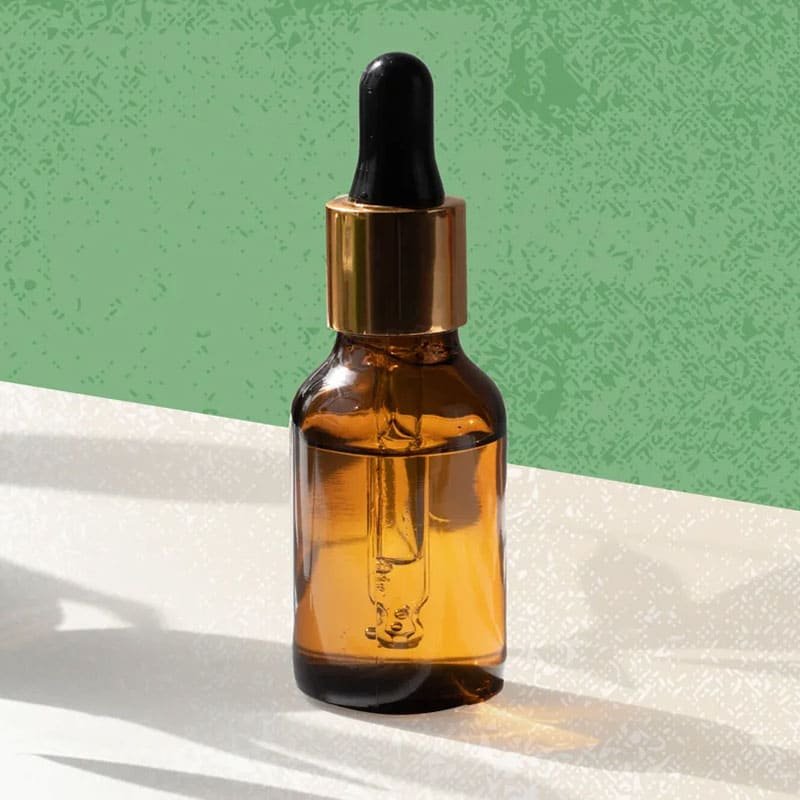
Day Defense Antioxidant Fluid
Benefits: Daily exposome defense and radiance preservation with a light, non-tacky finish.
Actives: GSH 0.2% + Tocopherol 0.2% + Ferulic 0.3% + EAA 2% + Glycerin 4%.
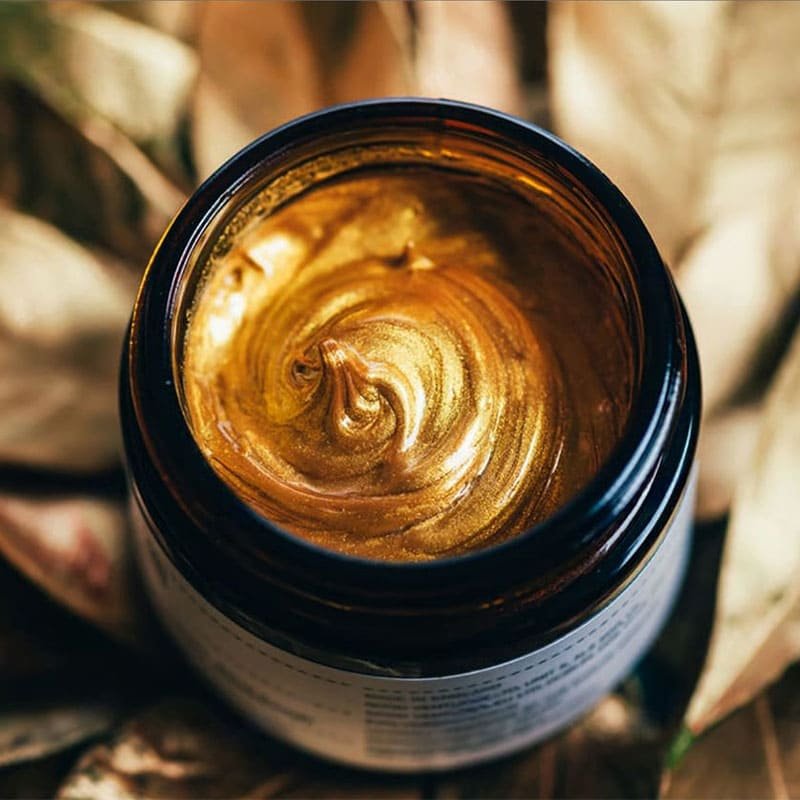
High-Load Sheet Mask Essence
Benefits: Immediate glow and hydrated feel; boosts uniformity before events.
Actives: GSH 1.2% + Niacinamide 2% + HA 0.20% + PGA 0.10% + Allantoin 0.30% (short-contact; pH 5.2–5.6).

Monodose Liposomal Ampoules
Benefits: Enhanced stability & freshness; single-use dosing minimizes oxidation.
Actives: Liposomal GSH 0.5% (as GSH-eq.) + Resveratrol 0.1% + GLDA 0.1%; nitrogen-flushed filling, amber glass.
Glutathione Global Trends & Regional Analysis
The rapid expansion of the global chemical and pharmaceutical industry is driven by a considerable demand in cosmetic and dietary supplements end-use industries. The increasing awareness of the anti-aging ingredients and the growing focus on the immune health are driving the market.
1. Glutathione Global Trends
The global glutathione market was valued at USD 252.9 million in 2024 and is estimated to grow at a CAGR of over 6.8% from 2025 to 2034. The development of advanced technologies in product manufacturing will help the market to grow.


Glutathione Application Insights
With respect to application, the glutathione market is bifurcated into pharmaceutical, cosmetics, nutraceutical and food. The pharmaceutical segment dominates the market by holding 45.3% of revenue share in 2024 and is expected to expand at more than 6.8% CAGR between 2025 and 2034, with an estimated target valuation exceeding USD 221.5 million by 2034.
The use of glutathione in the medical field has grown significantly due to its important cleansing and antioxidative properties in human health. These features make it valuable in the pharmaceutical sector. Glutathione has proven effective when fighting against the liver-related diseases comprising free radical quenching, oxidative stress relief, self-defending from harmful cellular activities, and hepatitis and cirrhotic as well as fatty liver.
2. Glutathione Regional Analysis
Regarding the regional landscape, the North America glutathione market is anticipated to depict a CAGR of more than 7.3% from 2025 to 2034. The regional industry may account for over USD 207.60 billion revenue by 2034.
The U.S. is a major player in the pharmaceutical industry. For instance, according to Statista, the pharmaceuticals market in the U.S. is expected to reach USD 660 billion in 2025. Also, the U.S. is the worldwide leader in per capita prescription drug spending, representing between 30% and 40% of the global market. Glutathione consumption is also high in the U.S. as compared to other countries due to the awareness about the glutathione health benefits and the advanced infrastructure for the health sector.
Asia Pacific is another leading region in the glutathione market. China is aiming to become the highest consumer of cosmetic and personal care products; for instance, according to Statista in 2025, China’s beauty & personal care market is projected to generate a revenue of USD 73.6 billion. This market is expected to experience at an annual growth rate of 3.7% CAGR for the period 2025 to 2030. The online sales of beauty products in China have been growing; it holds approximately 56.4% in 2024. Hence, the demand for glutathione-based products is increasing on platforms day by day.

More Glutathione product customization instructions and FAQs
Q: What skin types is Glutathione suitable for?
A: Glutathione (GSH/GSSG) is non-acidic and generally well-tolerated by sensitive, dry, normal, oily/acne-prone, and mature skin. It brightens without exfoliation, making it a good option for users who can’t tolerate strong acids or retinoids. As with any active, patch test first—especially around the eye area.
Q: GSH vs. GSSG vs. liposomal—what’s the difference and which should I choose?
A: GSH (reduced) offers strong antioxidant/brightening activity but is more oxidation-sensitive. GSSG (oxidized) is more stable, converting to GSH on skin; useful in formulas prone to discoloration. Liposomal GSH enhances stability and delivery at lower apparent % with improved sensory. Choose based on format, stability needs, and regulatory/claim targets.
Q: What concentration should I use for different goals?
A: Typical leave-on ranges are 0.1–0.3% GSH for daily antioxidant maintenance, 0.2–0.5% GSH (or 0.1–0.2% GSSG) for even-tone/brightening, and 0.5–1.0% GSH for targeted dark-spot gels. Short-contact formats (sheet/rinse-off masks) may go up to 2% GSH. Aim for pH 4.5–6.0, post-add <40–45 °C, and include chelators (EDTA/GLDA).
Q: Can Glutathione be combined with Niacinamide, Vitamin C, Tranexamic Acid, or Alpha-Arbutin?
A: Yes. It pairs well with Niacinamide (2–5%), Vitamin C derivatives (EAA/AA2G 2–5%), Tranexamic Acid (2–3%), and Alpha-Arbutin (1–2%) for multi-pathway tone management. Avoid strong oxidants and minimize metal contamination; use airless/UV-safe packaging and consider nitrogen headspace to keep color and odor stable.
Q: How long does it take to see visible results—and how do you validate efficacy?
A: Many users notice radiance/anti-dullness in 2–4 weeks, overall tone-evening in 4–8 weeks, and stubborn spots (PIH) in 8–12+ weeks with consistent use and daily SPF. We substantiate with colorimetry (ΔL/ΔE)*, Mexameter melanin index, standardized photography, and tolerance (stinging/erythema) panels to support claims.
Launch Your Custom Cosmetics Line Now!