Skip to content
How to Take Care of Your Hair?
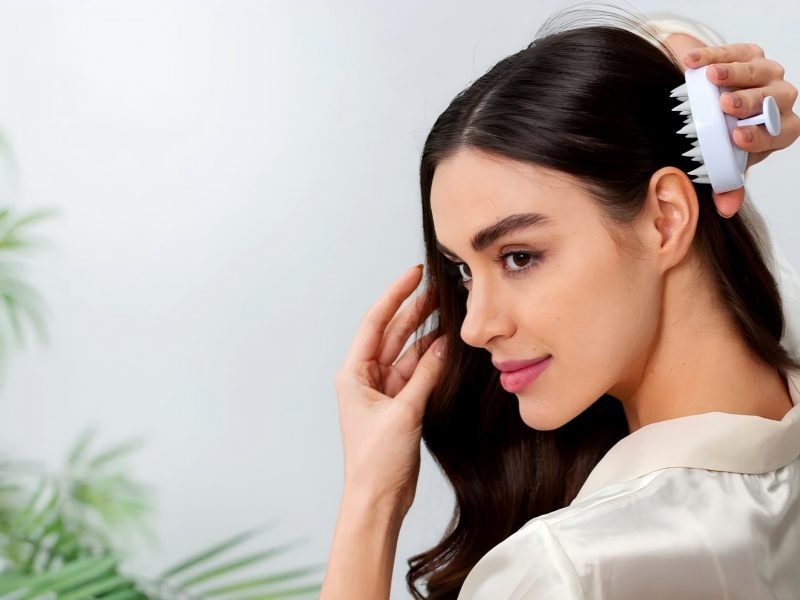
Most “bad hair days” are routine mismatches, not bad products. A strong cleanser used like a gentle one, conditioner skipped on porous ends, or heat tools used without protection can turn any hair type into frizz, dryness, buildup, or breakage.
Hair care is simple when split into three jobs: keep the scalp clean and balanced, keep lengths conditioned and protected, and keep styling low-stress. The most reliable baseline is: cleanse scalp as needed (not lengths), condition every wash (mid-lengths to ends), add a weekly treatment, protect from heat/UV/friction, and adjust frequency and richness based on curl pattern, processing, and length. For brands building routines, bundles, and education around this logic, the structure aligns naturally with a hair & scalp care OEM/ODM product system that separates scalp needs from length needs.
What is the simplest hair-care routine that works for most people?
A “universal” routine works when it is treated as a framework, not a fixed schedule. The goal is consistency without over-washing or under-conditioning.
Core routine checklist:
- Scalp cleanse: focus shampoo on scalp; let foam rinse through lengths
- Condition: apply conditioner to mid-lengths and ends; detangle gently
- Weekly support: rotate a hydrating mask or a strengthening/bond-support treatment
- Protection: heat protectant before blow-drying/irons; UV and friction protection daily
- Low-stress handling: microfiber towel or soft tee; wide-tooth comb; avoid snapping knots
Practical frequency rules:
- Oily scalp or heavy styling: cleanse more often; keep conditioner lightweight
- Dry scalp or dry lengths: cleanse less often; keep conditioner richer; add scalp-calming support
- Chemically processed hair: treat lengths like “high-maintenance fabric” (more conditioning, less heat)
How to take care of curly hair and how to take care of wavy hair
Curly and wavy hair care succeeds when moisture, slip, and definition are balanced without buildup. The fastest way to lose curl pattern is rough handling and over-cleansing.
Routine priorities:
- Cleansing: gentle, non-stripping shampoos; focus on scalp; clarify only when needed
- Conditioning: prioritize slip for detangling; use leave-in for consistent hydration
- Styling: apply curl cream or gel on very damp hair; “scrunch” rather than rub
- Drying: air-dry or diffuse on low heat; avoid touching until fully dry
Common mistakes that trigger frizz or limp waves:
- Shampooing lengths aggressively every wash
- Heavy oils and butters on fine waves (definition collapses)
- Skipping hold products (definition disappears by midday)
Quick product-role stack (easy for customers to follow):
- Wash day: gentle shampoo → conditioner → leave-in → gel/foam
- Refresh day: water mist → small amount of leave-in or curl refresher → light hold
How to take care of long hair and how to take care of long Asian male hair
Long hair care is mostly “ends management.” The longer the hair, the older the ends, and the more they behave like damaged hair even without bleach.
Long-hair routine priorities:
- Detangling: detangle with conditioner in; start at ends; work upward
- Ends protection: leave-in conditioner + light oil/serum on ends; reduce friction
- Trims: micro-trims prevent splits from traveling upward
- Scalp/length split: treat scalp and ends differently (clean scalp, conditioned ends)
For long Asian male hair (often worn with heavier styling, frequent workouts, or daily washing), the make-or-break points are scalp oil control without dry ends, and residue control from wax/clay/pomade.
- If daily washing is necessary: choose a mild daily cleanser and keep conditioner focused on lengths
- If scalp gets oily but ends feel rough: add a lightweight leave-in and reduce hot-water exposure
- If styling residue builds up: schedule a clarifying wash weekly or biweekly, followed by a richer mask
How to take care of colored hair and how to take care of dyed hair
Colored/dyed hair care is “fade control + fiber comfort.” Color loss is driven by harsh cleansing, heat, and UV.
Routine priorities:
- Wash less often when possible; use lukewarm water
- Choose gentle cleansers; avoid frequent clarifying unless needed for buildup
- Condition every wash; add a weekly mask for softness and shine
- Heat/UV protection daily, especially for lighter shades
What reduces complaints like “color looks dull”:
- A consistent conditioning step (not optional)
- Lower heat settings and fewer passes with hot tools
- Leave-in products that add slip and reduce friction from brushing
How to take care of bleached hair
Bleached hair behaves like structurally weakened fiber: it loses water faster, tangles easier, and snaps under tension. Care needs to reduce breakage, not just add shine.
Routine priorities:
- Cleanse gently; avoid over-washing lengths
- Alternate treatments: hydration-focused masks and strengthening/bond-support treatments
- Limit high-heat styling; always use heat protectant
- Handle wet hair carefully (highest breakage risk)
Common “breakage loops” to avoid:
Strong shampoo + no conditioner → rough cuticle → more tangles → harsher brushing → more breakage
Heavy protein every wash → stiffness → snapping during detangling
Balance matters: strength plus softness, not strength alone.
How to take care of permed hair
Permed hair needs shape support and controlled moisture. The goal is curl longevity without dryness or halo frizz.
Routine priorities:
- Mild cleansing; avoid harsh clarifying too often
- Condition consistently; add leave-in for spring and slip
- Style on damp hair; use curl-defining cream plus light hold
- Diffuse gently; avoid high heat and aggressive brushing
Common reasons curls “drop” too fast:
- Over-cleansing and heavy brushing
- Too much heavy oil without hold (weighs down curl pattern)
- Drying hair while repeatedly touching and separating curls
How to take care of natural hair
Natural hair care varies widely. The safest, most universal approach is to treat natural texture and untreated hair as “moisture-retention first,” then tailor cleansing and styling to density, curl pattern, and lifestyle.
Routine priorities:
- Scalp cleansing that respects dryness: cleanse as needed; avoid harsh detergents
- Layered hydration: rinse-out conditioner + leave-in + seal with a light oil or butter (as tolerated)
- Low-friction handling: detangle in sections; use slip; protect at night with satin/silk
- Scalp comfort: reduce itch/tightness triggers (hot water, harsh fragrance, over-washing)
When “natural hair” means untreated straight or slightly wavy hair, the same principles still apply, just lighter:
- Gentle cleanse, light conditioning, consistent heat protection, and friction reduction for ends
Quick comparison chart: which routine changes the most by hair type?
| Hair type / condition | Cleansing focus | Conditioner & mask | Styling / protection | Biggest watch-outs |
|---|---|---|---|---|
| Curly hair | Gentle scalp cleanse | High-slip conditioner; weekly hydrating mask | Leave-in + gel/foam; low-heat diffusion | Rough towel drying; no-hold routines |
| Wavy hair | Gentle scalp cleanse; clarify when needed | Light conditioner; mask as needed | Light leave-in; foam/gel for definition | Heavy oils/butters flatten waves |
| Long hair | Scalp-focused cleanse | Conditioner every wash; ends-focused leave-in | Heat protectant; ends protection daily | Aggressive detangling; friction at night |
| Long Asian male hair | Scalp oil + residue control | Conditioner mainly on lengths; mask weekly | Residue-smart styling; occasional clarify | Wax/clay buildup; dry ends from daily washing |
| Colored/dyed hair | Less frequent, mild cleanse | Conditioner always; weekly mask | UV + heat protection daily | Hot water; harsh shampoos |
| Bleached hair | Very gentle cleanse | Rotate hydration + strengthening/bond support | Strict heat protection; low tension handling | Over-protein; brushing wet hair harshly |
| Permed hair | Mild cleanse | Conditioner + leave-in; mask weekly | Damp styling + light hold; gentle diffusion | Heavy brushing; high heat |
| Natural texture hair | Cleanse as needed; comfort-first | Layered hydration + sealing as tolerated | Low-friction routine; protective night care | Dryness triggers; detangling without slip |
Conclusion
Hair care becomes predictable when routines match three variables: scalp oil balance, length dryness, and chemical/heat history. A clear, segmented routine framework (curly/wavy, long hair, colored vs bleached, permed, natural texture) reduces customer confusion, lowers “made it worse” reviews, and makes product roles easier to communicate across DTC content and Amazon listings.
More Related
Top 12 Most Expensive Hair Oil In The World: Value Ingredinets Guide→
18 Best Hair Oil Brands: Quality, Ingredients & Value Guide→
Most Expensive Hair Serum: OEM Formulations Guide→
Most Expensive Hair Care Products: OEM Cost Guide→
Most Expensive Hair Gel: Price Guide→
Most Expensive Hair Treatment: Product Function & Value Guide→
Custom Formulations
Custom Brightening Formulations→
Custom Anti-Aging Formulations→
Custom Sunscreen Formulations→
Custom Acne Treatment Formulations→
Custom Sensitive Skin Care Formulations→
Custom Hair Growth Formulations→
Custom Anti Hair Loss Formulations→
Custom Smooth And Shine Hair Formulations→
Custom Anti Frizz Formulations→
Custom Hair Gloss Formulations→
Custom Anti Static Hair Formulations→
Custom Hair Moisturizer Formulations→
Custom Hair Nourishing Formulations→
Custom Hair Strengthening Formulations→
Custom Hair Damage Repair Formulations→
Custom Hair Volumizing Formulations→
Custom Hair Fluffy Formulations→
Custom Curl Defining Formulations→
Hot Private label Hair products
Private Label Hair Growth Oil→
Private Label Anti Dandruff Shampoo→
Private Label Anti Fungal Shampoo→
Private Label Luxury Hair Oil→
Private Label Lightweight Conditioner→
Private Label Peppermint Hair Oil→
Private Label Leave In Conditioner→
Private Label Curl Defining Cream→
Private Label Hair Volume Powder→
Hot ingredients
Custom cosmetic solutions
FAQ Categories
Can't find the answers?
No worries, please contact us and we will answer all the questions you have during the whole process of OEM Cosmetic customization.
Make A Sample First?
If you have your own formula, packaging idea, logo artwork, or even just a concept, please share the details of your project requirements, including preferred product type, ingredients, scent, and customization needs. We’re excited to help you bring your personal care product ideas to life through our sample development process.