What is the best hair care products?
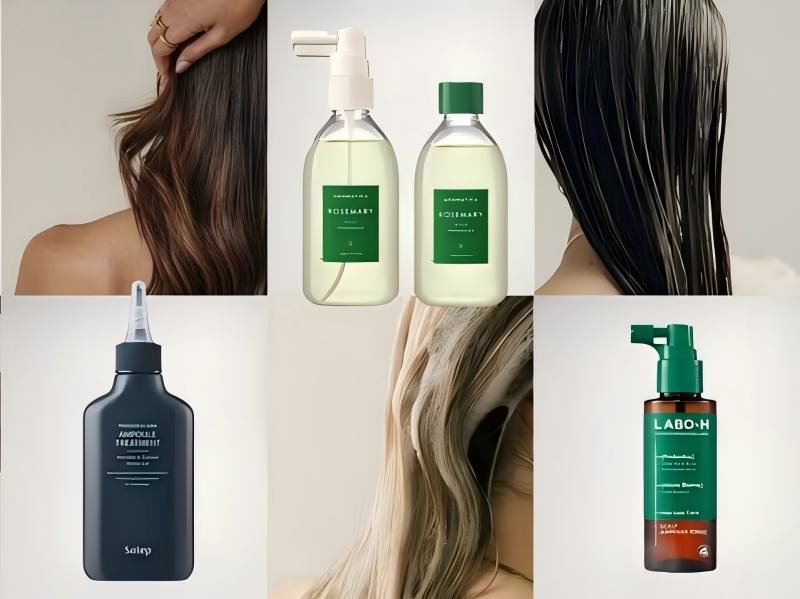
“Best hair care products” sounds like a simple shopping question, but most buyers are really asking: which products will work for a specific scalp type, hair texture, and routine—without creating frizz, dryness, buildup, or greasy roots. “Best” changes when the scalp is oily vs tight and dry, when hair is colored or bleached, and when heat styling is daily.
The most reliable way to define “best” is to choose products by role, then match each role to the hair/scalp profile. A routine that separates scalp cleansing from length conditioning, adds one targeted treatment, and includes protection for heat and friction tends to outperform “top-rated” random mixes. This logic also aligns naturally with hair & scalp care OEM/ODM product planning, where each SKU has a job and the set is designed to reduce misuse and negative reviews.
What does “best hair care products” mean in practical routine terms?
“Best” usually means the routine hits five outcomes at once:
- Scalp feels clean and comfortable between washes
- Lengths feel soft, detangle easily, and don’t snap
- Styling looks better with less effort (less frizz, more definition, more shine)
- Hair doesn’t feel greasy or coated from product buildup
- The routine is easy to repeat (simple steps, clear frequency)
A product can be excellent and still feel “bad” if it is used in the wrong role. For example: a clarifying shampoo used daily on bleached hair, or a heavy oil used on fine, oily roots.
Which 5 product types cover most “best hair care” needs?
Most successful routines are built from 3–5 roles. These categories cover almost every hair type:
- Shampoo (scalp cleanser)
- Conditioner (length smoother)
- Mask or treatment (weekly repair/softness booster)
- Leave-in conditioner or styling primer (daily protection + manageability)
- Scalp serum/tonic (targeted scalp comfort or balance)
Not every routine needs all five every day. The point is to have the roles available so the routine can adapt.
Which shampoo is “best” for different scalp types?
The shampoo choice should be based on scalp behavior, not hair length.
For oily scalp
- Best direction: effective cleansing with residue control, no squeaky after-feel
- Avoid: harsh daily stripping (can trigger rebound oiliness)
- Routine cue: cleanse scalp, rinse thoroughly, keep conditioner off roots
For dry scalp
- Best direction: mild cleansing with comfort support, minimal tightness after rinse
- Avoid: strong detergents and very frequent washing
- Routine cue: reduce hot water, add scalp comfort leave-on if needed
For sensitive scalp
- Best direction: ultra-mild cleansing, low-irritation design, often fragrance-free
- Avoid: high-sensory “tingle” systems and heavy essential oil loads
- Routine cue: introduce new products one at a time; avoid stacking multiple actives
Which conditioner is “best” for softness without buildup?
Conditioner should match hair thickness and processing level.
For fine or easily weighed-down hair
- Best direction: lightweight slip, fast rinse, no waxy coating
- Avoid: heavy butters and high-occlusion systems on the lengths
For thick, dry, or curly hair
- Best direction: higher slip, richer conditioning, strong detangling support
- Avoid: skipping conditioner (friction damage rises quickly)
For colored or bleached hair
- Best direction: richer conditioning for cuticle comfort, frizz control, and shine
- Avoid: pairing a strong shampoo with a weak conditioner
A useful rule: conditioner belongs mid-lengths to ends; scalp-only conditioning is a common cause of flat roots and oily complaints.
Which mask or treatment is “best,” and how often should it be used?
Masks work best as a scheduled “weekly step,” not an emergency fix.
Hydration/softness masks
- Best for: frizz, rough feel, curl dryness, heat-stressed lengths
- Typical use: 1x/week; more often for bleached hair
Strength/bond-support treatments
- Best for: breakage-prone, bleached, heavily heat-styled hair
- Typical use: 1x/week or as directed; overuse can create stiffness
Scalp treatments (reset vs comfort)
- Best for: oily scalp buildup (reset) or dry/sensitive discomfort (comfort)
- Typical use: once weekly for reset; 2–3x/week for comfort boosters as tolerated
Masks fail when they replace basic conditioning. Conditioner stays the daily foundation; masks are the boost.
Which leave-in products are “best” for daily protection?
Leave-ins prevent the “routine damage” that creates long-term complaints: breakage, frizz, and dullness.
For heat styling
- Best direction: heat protectant primer that layers without pilling
- Watch-outs: too much silicone-heavy feel on fine hair, or sticky polymers that snag
For curls and waves
- Best direction: leave-in with slip + definition support, paired with light hold if needed
- Watch-outs: heavy oils that flatten waves
For long hair
- Best direction: leave-in for detangling + lightweight oil/serum on ends for friction control
- Watch-outs: applying oils near roots, which triggers greasy scalp feedback
Is a scalp serum “best,” and who should use it?
A scalp serum is “best” when the scalp is the limiting factor: itch, tightness, flaking discomfort, excess oil rebound, or post-wash irritation.
Best-fit use cases:
- Sensitive scalp routines that need calm without fragrance-heavy solutions
- Dry scalp routines where washing alone doesn’t restore comfort
- Oily scalp routines where a lightweight balancing step reduces heavy feel between washes
Scalp serums can backfire when dosing is unclear. Controlled applicators and clear frequency rules reduce “made hair greasy” reviews.
How to choose “best” products by hair situation
These quick bundles keep roles clear without overbuilding.
| Hair situation | Best routine roles | What to avoid |
|---|---|---|
| Oily roots, normal ends | balancing shampoo + light conditioner + weekly scalp reset | heavy oils near scalp, harsh daily stripping |
| Dry scalp, dry ends | mild shampoo + richer conditioner + comfort scalp serum + weekly mask | over-washing, strong clarifiers |
| Curly / wavy | gentle shampoo + slip conditioner + leave-in + optional gel | rough towel drying, no-hold routines |
| Colored / dyed | color-safe mild shampoo + rich conditioner + weekly mask + heat/UV protection | hot water, frequent harsh cleansing |
| Bleached / damaged | very gentle shampoo + rich conditioner + bond/strength weekly + leave-in | aggressive brushing wet hair, over-protein |
What routine rules reduce complaints and returns?
“Best products” still fail if routine rules are missing.
High-impact rules:
- Cleanse the scalp, not the lengths
- Condition every wash, mid-lengths to ends
- Clarify only when buildup is real (not every wash)
- Protect from heat and friction daily (especially long hair)
- Define dose and frequency for scalp leave-ons
The fewer “unknowns” in use, the fewer negative reviews appear.
Conclusion
The best hair care products are the ones that fit a clear role in a routine: a scalp-appropriate shampoo, a matched conditioner, one weekly treatment, one daily protector, and a scalp serum only when the scalp is the limiting factor. When products are chosen by scalp type, damage level, and styling habits—then paired with simple usage rules—results become predictable and routines become repeatable.
More Related
Private Label Cosmetic Manufacturer→
Most Expensive Hair Care Products: OEM Cost Guide→
Most Expensive Hair Gel: Price Guide→
Most Expensive Hair Treatment: Product Function & Value Guide→
Top 10 Most Expensive Shampoo In The World: Brand Guide→
Private Label Luxury Hair Oil→
Cosmetic Supplier for Brands →
Cosmetic Manufacturers for Small Business →
Low MOQ Cosmetic Manufacturer →
Small Batch Cosmetic Manufacturing →
Private Label Manufacturer vs OEM ODM →
Contract Manufacturing Beauty Products →
Cosmetic Contract Manufacturer Checklist →
Custom Formulations
Custom Brightening Formulations→
Custom Anti-Aging Formulations→
Custom Sunscreen Formulations→
Custom Acne Treatment Formulations→
Custom Sensitive Skin Care Formulations→
Custom Hair Growth Formulations→
Custom Anti Hair Loss Formulations→
Custom Smooth And Shine Hair Formulations→
Custom Anti Frizz Formulations→
Custom Hair Gloss Formulations→
Custom Anti Static Hair Formulations→
Custom Hair Moisturizer Formulations→
Custom Hair Nourishing Formulations→
Custom Hair Strengthening Formulations→
Custom Hair Damage Repair Formulations→
Custom Hair Volumizing Formulations→
Custom Hair Fluffy Formulations→
Custom Curl Defining Formulations→
Hot Private label Hair products
Private Label Hair Growth Oil→
Private Label Anti Dandruff Shampoo→
Private Label Anti Fungal Shampoo→
Private Label Luxury Hair Oil→
Private Label Lightweight Conditioner→
Private Label Peppermint Hair Oil→
Private Label Leave In Conditioner→
Private Label Curl Defining Cream→
Private Label Hair Volume Powder→
Hot ingredients
Custom cosmetic solutions
FAQ Categories
Can't find the answers?
No worries, please contact us and we will answer all the questions you have during the whole process of OEM Cosmetic customization.
Make A Sample First?
If you have your own formula, packaging idea, logo artwork, or even just a concept, please share the details of your project requirements, including preferred product type, ingredients, scent, and customization needs. We’re excited to help you bring your personal care product ideas to life through our sample development process.