Skip to content
Jojoba Oil Ingredient Custom Cosmetics Manufacturer
Discover jojoba oil’s biomimetic wax-ester emolliency for barrier repair, TEWL reduction, sensorial slip, and hair/scalp conditioning—a highly oxidation-stable oil-phase hero for modern formulas. See use levels, pairing strategies, packaging choices, and OEM/ODM documentation for fast, compliant private-label launches.
What Is Jojoba Oil

Jojoba oil is a liquid wax-ester (not a triglyceride) expressed from the seeds of Simmondsia chinensis. Its sebum-like chemistry gives elegant slip, robust oxidative stability, and broad compatibility in skin, hair, and scalp care systems.
INCI: Simmondsia Chinensis (Jojoba) Seed Oil · CAS: 90045-98-0 (also used: 61789-91-1) · UVCB natural oil. (INCIDecoder, Wikipedia)
Source: Cold-pressed/refined from jojoba seeds; grown in arid regions.
Chemistry: Predominantly long-chain wax esters (C38–C44; rich in C20:1/C22:1 moieties), structurally close to human sebum.
Solubility/Phase: Oil-soluble; ideal for anhydrous, O/W and W/O emulsions, balms, oils, and cleansers.
Stability: Naturally oxidation-stable; lower rancidity risk than many triglyceride oils; antioxidant top-up optional per shelf-life targets.
Jojoba Oil Benefits: Mechanisms, Results & OEM Formulation
See how jojoba oil supports barrier repair/TEWL reduction, sebum-mimicking comfort, sensorial elegance, oxidative stability/formulation reliability, and hair/scalp conditioning—with recommended % and testing for private-label projects.
Barrier Repair & TEWL Reduction
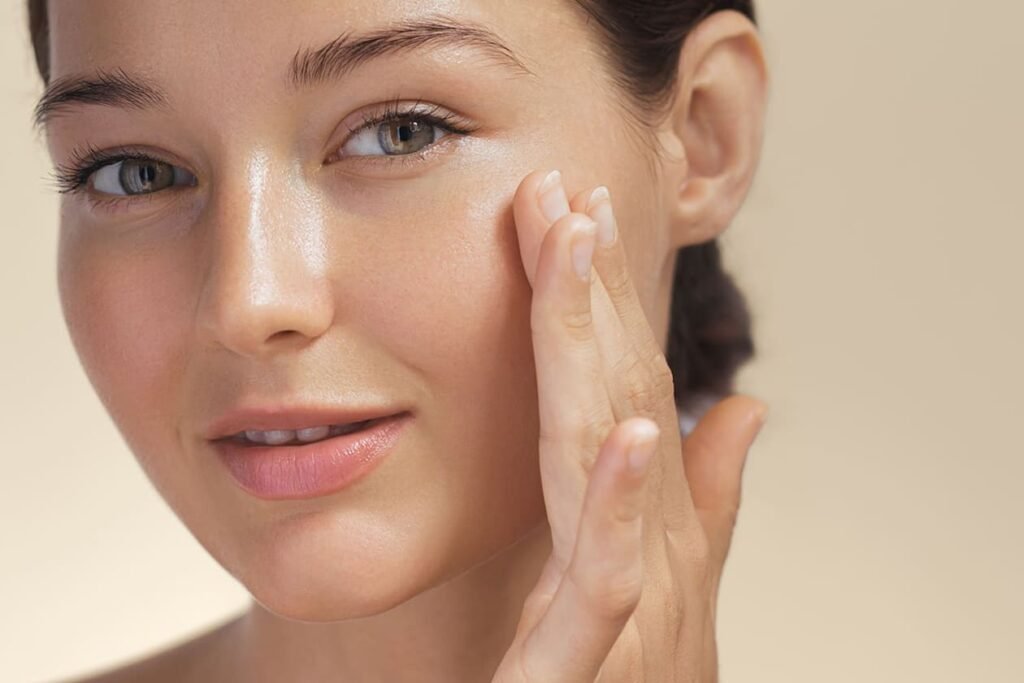
Mechanism: Liquid wax-esters form a breathable, biomimetic lipid film that complements intercellular lipids, helping reduce water loss and tactile tightness.
Benefits: Softer feel, improved comfort, and sustained hydration support.
Importance: A gentle emollient strategy for dry, sensitive, or retinoid-treated skin.
Use level & testing: 1–5% in face serums/lotions; 2–10% in creams/balms. Track TEWL, corneometry, and user comfort over 2–4 weeks.
Good pairings: Ceramide + cholesterol + FA systems, glycerin/HA, panthenol, light silicones.
Sebum-Mimicking Balance & Comfort
Mechanism: Long-chain wax-esters resemble human sebum, aiding pleasant spread and “balanced” finish without heavy occlusion.
Benefits: Comfortable wear, reduced greasy feel, and make-up compatibility.
Importance: Biomimicry supports broad skin-type tolerance, including combination/oily users.
Use level & testing: 1–4% in daily moisturizers; sensory panels for shine, tack, and pilling with SPF/makeup.
Good pairings: Niacinamide (2–4%), zinc PCA (0.3–1%), light esters.


Sensorial Slip & Spread Optimization
Mechanism: Low-tack emolliency enhances glide, reduces “soaping,” and improves pigment dispersion in tinted bases.
Benefits: Elegant application, faster rub-in, and nicer finish.
Importance: Upgrades everyday moisturizers, SPFs, and makeup hybrids.
Use level & testing: 1–6%; measure spreadability, rub-in time, and pilling under SPF.
Good pairings: Isododecane, light esters, dimethicone crosspolymers; optional silica for finish control.
Scalp & Hair Conditioning
Mechanism: Film-forming wax-esters lubricate fibers and help reduce frictional damage; comfortable on scalp due to sebum-like profile.
Benefits: Enhanced combability, frizz/flake management, and soft shine.
Importance: Versatile in serums, masks, leave-ins, and scalp oils.
Use level & testing: 1–5% in rinse-off/leave-in; test wet/dry comb, breakage, and scalp comfort.
Good pairings: Panthenol, lightweight quats, cyclomethicone, mild acids for scalp pH balance.

Best Product Formats for Jojoba Oil
Explore how jojoba oil (liquid wax-ester) elevates formulas—from lightweight face fluids to scalp serums—delivering barrier comfort, sensorial slip, oxidative stability, and hair fiber lubrication with broad skin-type tolerance.

Massage Oil

Jojoba Oil Hair Oil

Scalp Serum

Barrier Repair Cream

Jojoba Oil Cleansing Oil

Jojoba Oil Shampoo
Ready to Create Your Jojoba Oil Skin/Hair care Line?
Talk to our formulation experts today and receive a 48-hour proposal covering jojoba grade & %, emulsifier system, finish control, oxidation plan, and packaging tuned to your claims and markets. We deliver sampling, stability & micro (ISO 11930), compatibility/pilling checks, and regulatory-ready tech packs to accelerate your launch.
Jojoba Oil Concentration Options | Custom for OEM/ODM
Choose the optimal jojoba oil pathway for your claims and bases: biomimetic barrier care, shine-controlled daily wear, cleansing oils, and hair/scalp conditioning. We align % with system rheology, finish targets, antioxidants/chelators, preservation, and low-OTR, amber packaging—and deliver testing dossiers for safe, compliant launches.
1. Concentration Range
Typical cosmetic levels:
Face lotions/gel-creams: 1–5%
Body creams: 2–10%
Cleansing oils and balms: 10–40%
Scalp/hair serums: 1–5%


2. Typical Use Levels
| Target Use Case | Jojoba Type & % | Best Formats | pH Window | Proof & QA |
|---|---|---|---|---|
| Daily barrier comfort | Refined jojoba 2–5% | gel-cream, lotion | 5.0–6.0 | TEWL, corneometry, sensory (tack/shine), pilling with SPF |
| Shine-controlled moisturizer | Jojoba 1–3% + light esters/silica | oil-control fluid | 5.0–6.0 | Gloss/shine scores, Sebumeter, make-up compatibility |
| Overnight repair | Jojoba 5–12% + ceramide system | balm/cream | 5.0–6.0 | TEWL, comfort diary, peroxide value (PV) trending @40 °C |
| Cleansing oil/milk | Jojoba 10–40% + surfactant/PEG-free emulsifier | anhydrous oil / OCM milk | N/A (anhydrous) / 5.5–6.5 | Makeup removal efficacy, ocular tolerance, rinse feel |
| Scalp & hair serum | Jojoba 3–8% | leave-in serum/mist | N/A (anhydrous) / 5.0–6.0 | Wet/dry comb, breakage, scalp comfort, build-up over 5 uses |
*Final percentage depends on target claim, skin type, and regional compliance.
Jojoba Oil Formulation & Actives Ingredient Customization
Build formulas around jojoba oil for barrier repair/TEWL reduction, sensorial slip with low tack, oxidative stability, and hair/scalp conditioning. Pair with ceramides/cholesterol/FA, glycerin/HA, panthenol, niacinamide, silicone or silicone-alternatives, and antioxidants. Use chelators, nitrogen headspace, amber/low-OTR airless, and trend peroxide value for shelf-life confidence.
1. Formulation Systems
2. Ingredient Customization Case
Barrier Comfort Gel-Cream
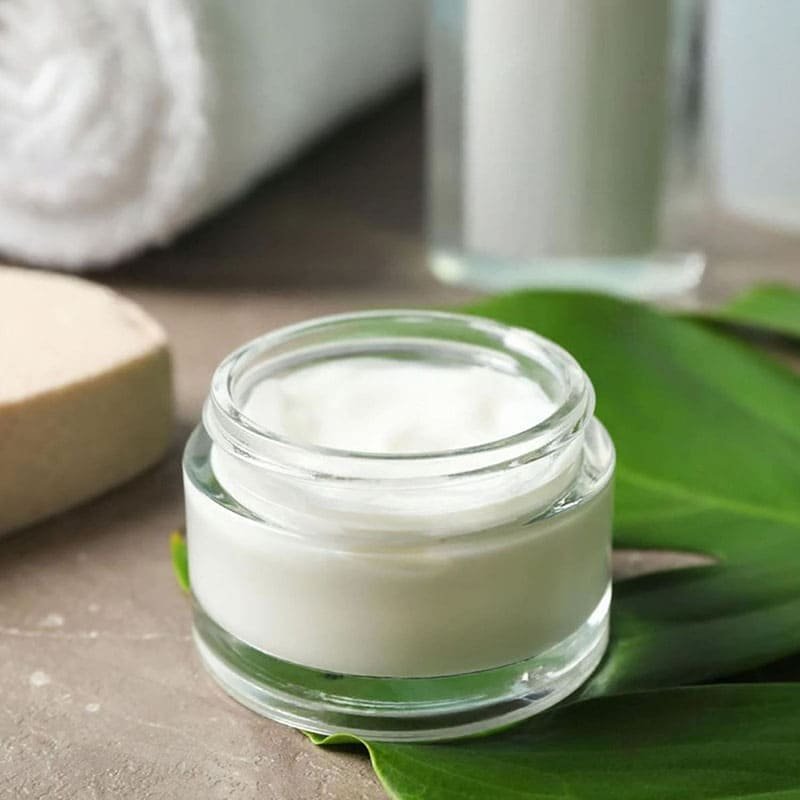
Benefits: Cushions dryness, reduces tightness, and delivers a breathable, soft-focus finish with minimal tack and no pilling.
Actives: Jojoba 3% + Glycerin/HA + Ceramide/Cholesterol/FA; pH 5.2–5.8.

Oil-Control Fluid
Benefits: Controls midday shine, smooths texture, and preserves lightweight slip for makeup layering without clogging or cakiness.
Actives: Jojoba 1.5% + Niacinamide 4% + Silica/Light esters; pH 5.0–5.6.
Overnight Repair Balm
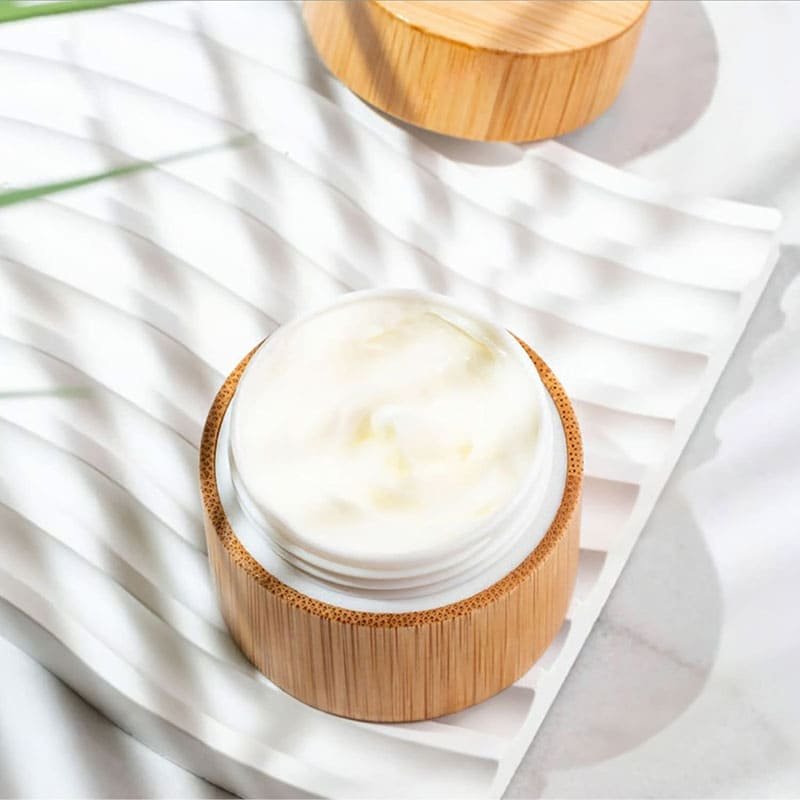
Benefits: Seals moisture overnight, reduces morning roughness, and strengthens barrier during retinoids or cold, low-humidity seasons.
Actives: Jojoba 10% + Squalane + Ceramide system + Tocopherol; anhydrous / pH N/A.

Cleansing Oil
Benefits: Rapidly dissolves long-wear sunscreen and makeup, rinsing clean without squeak, sting, or cloudy post-rinse residue.
Actives: Jojoba 20–30% + High-HLB emulsifier + Antioxidant/Chelator; pH 5.5–6.5 (milk).
Scalp & Hair Serum
Benefits: Improves slip and combability, tames frizz, and soothes dryness while avoiding heavy, greasy buildup on roots.
Actives: Jojoba 5% + Panthenol + Dimethicone/Alt + Light esters; anhydrous / pH N/A.

Body Massage Oil
Benefits: Delivers fast, luminous hydration and silky glide with a non-sticky finish for quick-dress, daily body routines.
Actives: Jojoba 15–40% + Volatile esters + Tocopherol; anhydrous / pH N/A.
Jojoba Oil Global Trends & Regional Analysis
Jojoba oil, extracted from the seeds of the Simmondsia chinensis plant, is increasingly valued across various industries, especially within the food and beverage sector. This oil’s growing popularity stems from its health-enhancing properties and its ability to maintain stability under high temperatures, making it a preferred choice as a natural additive and supplement.
1. Jojoba Oil Global Trends
The global Jojoba Oil Market size is expected to be worth around USD 292.3 Million by 2033, from USD 140.5 Million in 2023, growing at a CAGR of 7.6% during the forecast period from 2023 to 2033.


Jojoba Oil Application Insights
In 2023, Cosmetics & Personal Care held a dominant market position in the Jojoba Oil market, capturing more than a 70.3% share. This segment thrives due to the high demand for natural and organic ingredients in beauty products. Jojoba oil is favored for its moisturizing properties and compatibility with all skin types, making it a staple in formulations for creams, shampoos, and conditioners.
The Pharmaceutical segment also leverages jojoba oil, particularly for its healing properties. It’s used in products like wound healers and lip balms, contributing to overall market growth. Although it commands a smaller share compared to cosmetics, its impact is significant in specialized health and wellness products.
2. Jojoba Oil Regional Analysis
North America holds a dominant position in the global jojoba oil market, accounting for 35.8% of the market share, valued at USD 50.299 million. This region’s leadership is driven by high consumer demand for natural and organic personal care products.
The United States, in particular, is a significant contributor, with a strong market for skincare, haircare, and cosmetics products that incorporate jojoba oil due to its beneficial properties such as moisturizing and anti-inflammatory effects. The market’s growth is supported by the increasing awareness of natural ingredient benefits and a robust e-commerce infrastructure that facilitates widespread product availability.
Europe is a substantial market for jojoba oil, driven by the rising demand for natural and clean-label beauty products. Countries such as Germany, France, and the United Kingdom are leading in this region, where consumers are highly conscious of ingredient safety and environmental sustainability.
The European market benefits from stringent regulations promoting natural ingredients and the strong presence of cosmetic and personal care industries that emphasize organic formulations. The market in Europe is growing steadily, supported by a well-established network of organic product retailers and increasing consumer preferences for high-quality, natural ingredients.

More jojoba oil product customization instructions and FAQs
Q: What skin types is Jojoba Oil suitable for?
A: Jojoba oil’s sebum-like wax-ester profile makes it broadly tolerant for dry, sensitive, combination, and mature skin. It cushions tightness, reduces rough feel, and adds slip without heavy occlusion. For very reactive skin, start at low levels (1–2%) in gel-creams and build gradually.
Q: Is Jojoba Oil comedogenic—and is it okay for acne-prone or oily skin?
A: Jojoba oil is generally considered low-comedogenic and lightweight compared with many triglyceride oils. Used at modest levels, it can balance feel without greasiness and pairs well with oil-control systems. Patch test first and keep totals in oil-phase balanced for shine and pore comfort.
Q: Can Jojoba Oil be combined with actives like retinoids, niacinamide, or acids?
A: Yes. It layers well with niacinamide, panthenol, ceramides, and even retinoids (applied after water-based serums to buffer dryness). With low-pH acids or vitamin C solutions, apply oil after the water phase to avoid slip interference. Avoid over-layering multiple heavy oils to reduce pilling.
Q: What are typical use levels of Jojoba Oil in different products?
A: For face lotions/gel-creams use 1–5%; body creams 2–10%; cleansing oils and balms 10–40% (or more in anhydrous systems); scalp/hair serums 1–5%. Choose levels by finish targets (matte vs glow), climate, and skin type. Antioxidants/chelators help long-haul stability.
Q: Does Jojoba Oil oxidize easily—and how should it be stored?
A: Jojoba oil is more oxidation-stable than many plant oils due to its wax-ester chemistry, but good practice still matters: add tocopherol if needed, minimize headspace, and use amber/low-OTR airless packaging. Store cool and cap tightly to maintain color, odor, and performance.
Launch Your Custom Cosmetics Line Now!