Skip to content
Lactic Acid Ingredient Custom Cosmetics Manufacturer
Discover lactic acid’s proven benefits for gentle exfoliation, texture smoothing, radiance, and hydration—a sensitive-skin–friendly AHA for daily glow.
See formulation tips, recommended percentages (2–10%) and pH (~3.5–4.5), buffering/neutralization guidance, compatible actives, packaging, MOQ, and private-label/OEM solutions.
What Are Lactic Acid

Lactic acid is a water-soluble alpha-hydroxy acid (AHA) valued for gentle exfoliation, texture smoothing, and hydration support via the lactate/humectancy pathway. Compared with glycolic acid, its larger molecular size makes it milder, suiting dry or sensitive skin in daily brightening and resurfacing formulas.
INCI: Lactic Acid (L-/DL-lactic acid) · CAS: 50-21-5 · colorless to slightly yellow, syrupy liquid or crystals; water-miscible, faint acidic odor; acid/heat sensitive in alkaline conditions. (EC CosIng, Wikipedia)
Source: Predominantly fermentation of plant sugars (corn, sugarcane) to L-lactic acid; racemic DL grades from chemical synthesis. Cosmetic grades are standardized for purity and low color/odor.
Water Solubility: Freely soluble/miscible in water and lower alcohols; salts like Sodium Lactate are highly water-soluble humectants that can boost moisturization and buffering.
pH Flexibility: Activity is pH-dependent. For leave-on resurfacing, formulate around pH ~3.5–4.5; for comfort or rinse-offs, pH 4–5.5 with appropriate buffering/neutralization. Avoid high-alkaline bases that destabilize or reduce efficacy.
Lactic Acid Benefits: Mechanisms, Results & OEM Formulation
See how lactic acid (AHA) delivers gentle exfoliation, texture smoothing, radiance, and hydration/NMF support—including KP/rough-zone care and sensitive-skin–friendly buffering—plus recommended % and testing for private-label formulations.
Gentle Exfoliation & Resurfacing
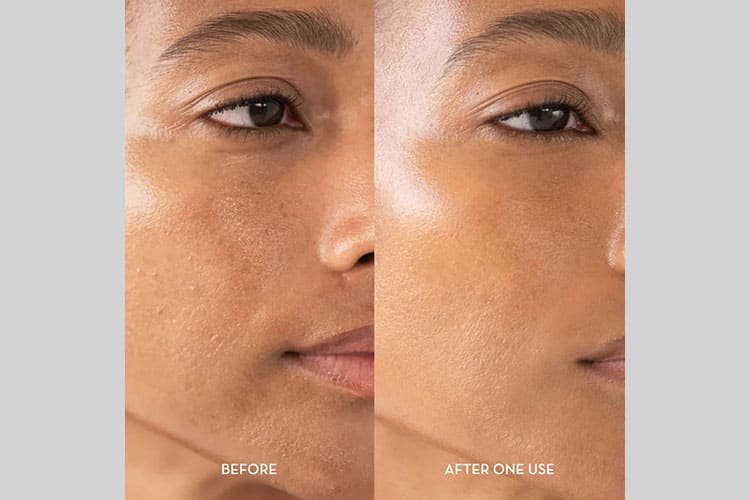
Mechanism: Alpha-hydroxy acid action loosens corneodesmosomes, accelerating desquamation and renewing the stratum corneum.
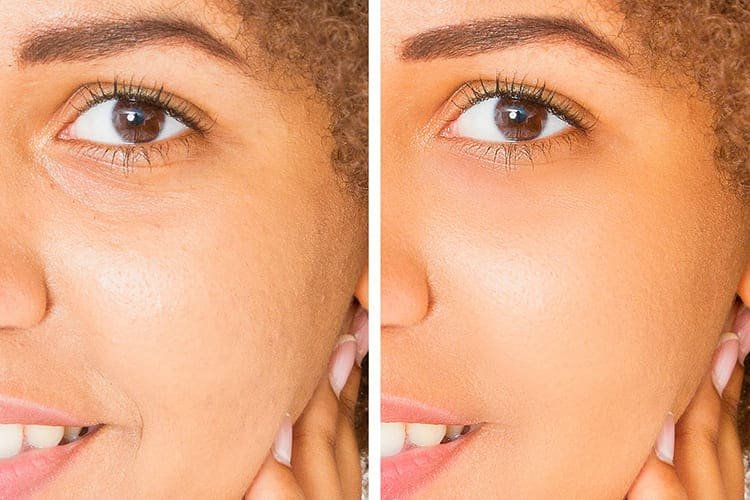
Benefits: Smoother micro-relief, fewer dry flakes, better light reflection, and improved makeup laydown.
Importance: A sensitive-skin–friendly alternative to stronger AHAs when properly buffered.
Use level & testing: Leave-on 2–10% @ pH 3.5–4.2; rinse-off 5–12% @ pH 3.8–5.5. Validate PRIMOS 3D (Ra/Rz), squamometry/D-Squame, stinging panels, and HRIPT.
Good pairings: Sodium lactate/HA/glycerin, niacinamide, panthenol, low-tack film formers.
Hydration & Natural Moisturizing Factor (NMF) Boost
Mechanism: The lactate anion is a key NMF component that binds water and improves corneocyte plasticity; lactic acid also up-regulates aquaporin/NMF pathways.
Benefits: Higher corneometry, softer feel, and more elastic surface with reduced tightness.
Importance: Enables “exfoliate + hydrate” claims without heavy occlusion.
Use level & testing: 2–6% leave-on with balanced lactate salts and humectants; measure corneometry, TEWL, sensory softness, and 8-hr wear feel.
Good pairings: Sodium lactate/urea/HA, ceramides + cholesterol + FA, allantoin, ectoine.
Tone Evenness & Radiance
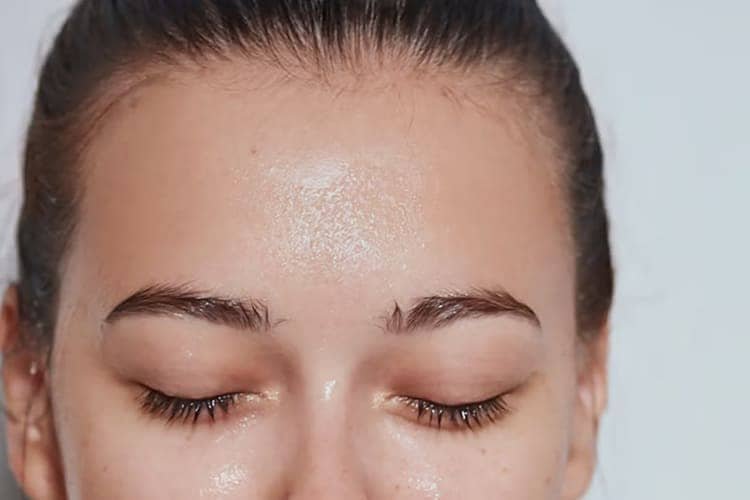
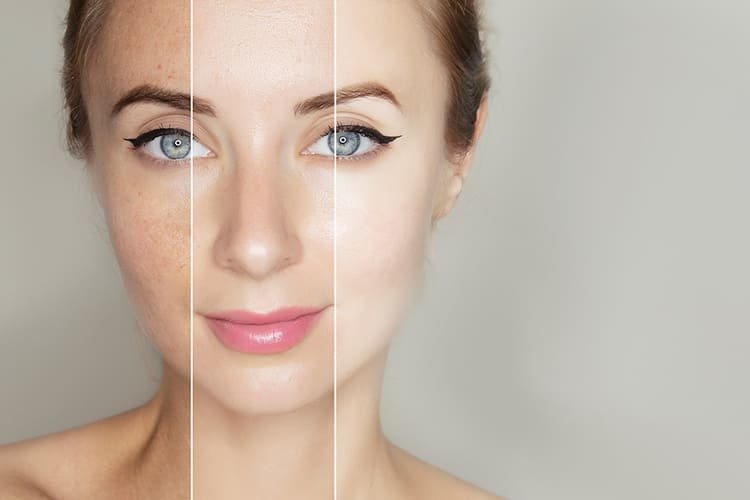
Mechanism: Faster turnover reduces dyschromic corneocyte retention; improved surface regularity enhances specular reflection.
Benefits: Brighter look, more even tone, and quicker fade of post-dullness shadows.
Importance: Daily radiance driver that complements non-acid brighteners.
Use level & testing: 3–8% leave-on @ pH ~3.8–4.2; track ΔL* colorimetry, gloss/illumination imaging, standardized photography over 4–8 weeks.
Good pairings: Niacinamide, tranexamic acid, vitamin C derivatives (EAA/AA2G), licorice (glabridin); daytime with SPF.
Texture Smoothing & Rough-Zone Care
Mechanism: Keratolysis plus hydration softens hyperkeratotic plugs (e.g., keratosis pilaris) and rough elbows/knees.
Benefits: Fewer bumps, smoother touch, improved sleeve glide, and better lotion spread.
Importance: Expands AHA story to body care with visible, fast sensory wins.
Use level & testing: 5–12% rinse-off or 5–10% leave-on body lotions; assess tactile panels, PRIMOS on target zones, and photographic grading after 2–4 weeks.
Good pairings: Salicylic acid (0.5–2%), urea (5–10%), shea esters, light silicones, glycerin.
Barrier-Friendly Clarifying
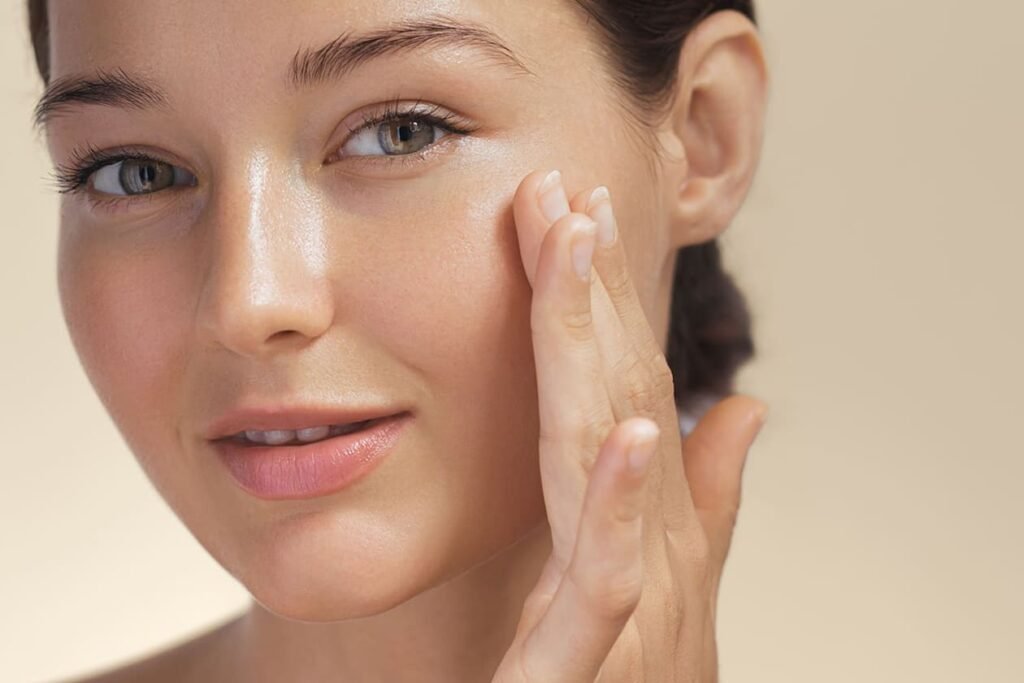
Mechanism: Proper buffering/neutralization limits sting while maintaining efficacy; lactate helps maintain acid mantle supportive of a balanced microbiome.
Benefits: Clearer look with low irritation risk, steady comfort in daily routines.
Importance: Suitable for retinoid users or sensitive skins when staggered/alternated.
Use level & testing: 2–5% @ pH 4.0–4.5 for gentle regimens; measure TEWL, redness a*, self-perceived comfort, and compatibility/pilling with SPF/makeup.
Good pairings: Panthenol, ceramides, bisabolol, PHAs (gluconolactone); avoid strong bases and heavy fragrance; choose airless, corrosion-safe packs.
Best Product Formats for Lactic Acid
Explore how lactic acid (AHA) works across formats—from daily radiance serums to KP body care—balancing gentle resurfacing, hydration, and comfort.

Exfoliating Face Scrub

Exfoliating Cleanser

Exfoliating Toner

Lactic Acid Serum

Lactic Acid Lotion

Lactic Acid Cream
Ready to Create Your Lactic Acid Skincare Line?
Talk to our formulation experts and get a 48-hour proposal with lactic acid %, neutralization/buffering plan, base selection, and co-actives tailored to claims and markets. We provide sampling, stability & micro (ISO 11930), compatibility/pilling checks, and regulatory-ready tech packs to speed your launch.
Lactic Acid Concentration Options | Custom for OEM/ODM
Choose the right lactic acid pathway for your claims and bases: gentle leave-ons for daily radiance, buffered gel-creams for sensitive users, KP body lotions, and rinse-off cleansers. We align % with pH/neutralization, solvent system, humectants (sodium lactate/HA), chelators/preservation, and corrosion-safe packaging—and deliver testing dossiers for safe, compliant launches.
1. Concentration Range
Typical cosmetic levels:
2–4%: Daily glow and gentle smoothing with minimal sting.
5–8%: Intensified resurfacing for uneven texture/tone in tolerant users.
10%: Targeted body/KP leave-ons or rinse-off masks/cleansers.


2. Typical Use Levels
| Target Use Case | Lactic Acid Type & % | Best Formats | pH Window | Proof & QA |
|---|---|---|---|---|
| Daily radiance (leave-on) | LA 3–5% + sodium lactate 1–2% | serum/essence | 3.8–4.3 | PRIMOS 3D (Ra/Rz), ΔL*, stinging panel |
| Sensitive brightening | LA 2–4% (buffered) + HA/niacinamide | gel-cream | 4.2–4.8 | TEWL, a* redness, comfort diary |
| KP/rough-zone smoothing | LA 5–10% + urea 5–10% | body lotion/cream | 3.8–4.5 | Tactile panel, photo grading, PRIMOS |
| Exfoliating cleanser | LA 5–8% + mild surfactants | gel/cream cleanser | 4.5–5.5 | Squamometry, cleansing/irritation balance |
| Tone-evening combo | LA 3–5% + TXA 2–3% / AA2G 2–3% | serum/essence | 3.9–4.3 | ΔL*, illumination imaging, pilling test |
*Final percentage depends on target claim, skin type, and regional compliance.
Lactic Acid Formulation & Actives Ingredient Customization
Build formulas around lactic acid for gentle resurfacing, hydration/NMF support, radiance, and KP care. Pair with sodium lactate/HA/glycerin, niacinamide, tranexamic acid, vitamin C derivatives, urea, ceramides/cholesterol/FA, and soothers . Engineer buffering/neutralization, add chelators, and select airless, corrosion-safe packaging.
1. Formulation Systems
2. Ingredient Customization Case
Radiance Daily Serum
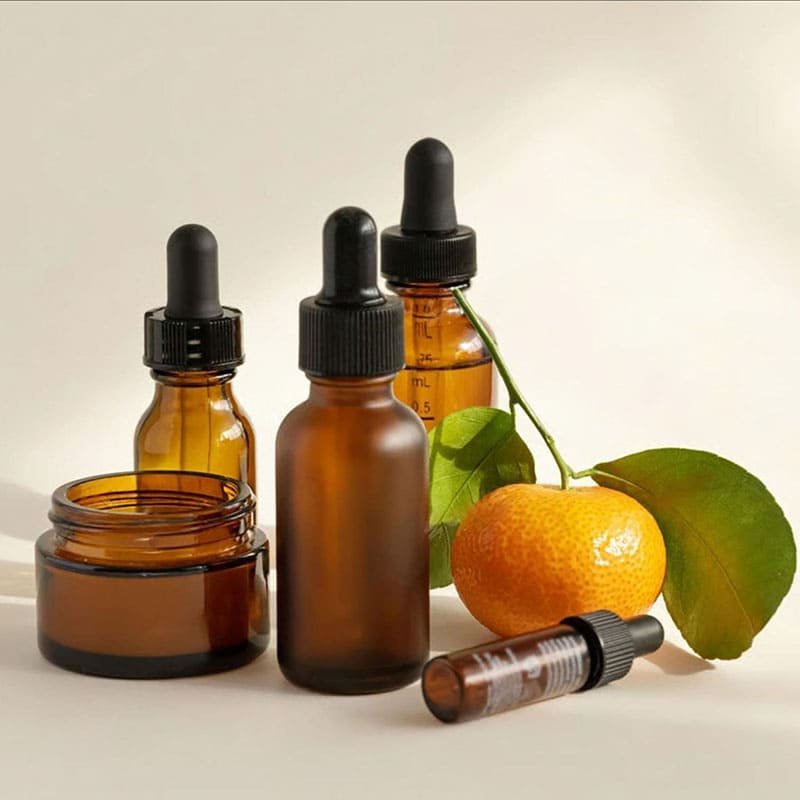
Benefits: Delivers quick, even glow with smoother micro-relief and minimal sting; layers cleanly under sunscreen and makeup without pilling or tack.
Actives: LA 4% + Sodium Lactate 1.5% + HA 0.2% + Niacinamide 3%;pH ~4.1.
Sensitive-Skin Gel-Cream
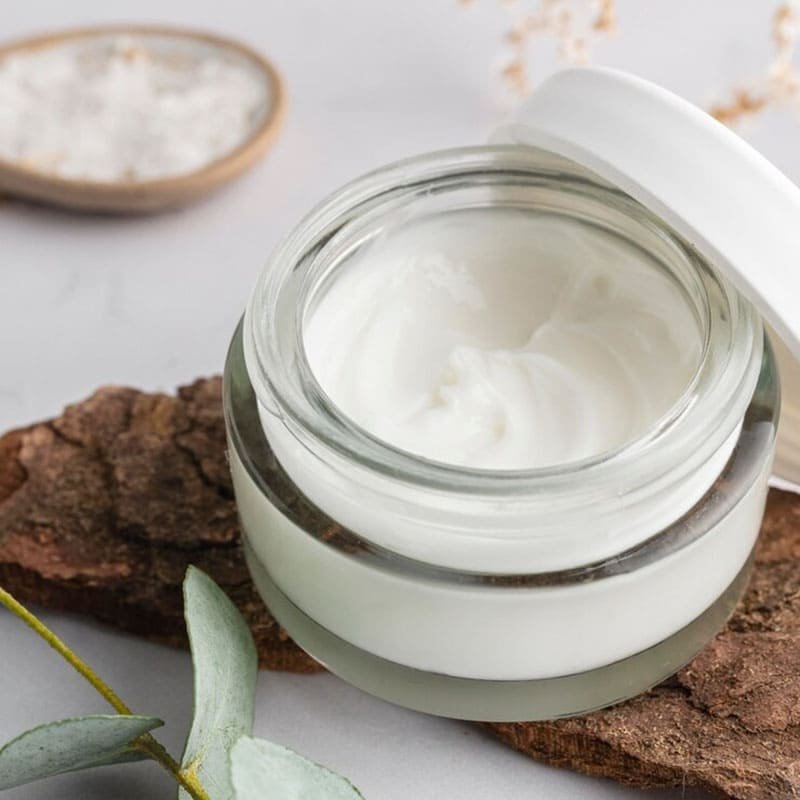
Benefits: Gentle, buffered brightening reduces tightness and visible dryness while maintaining daily comfort for retinoid users and highly sensitive complexions.
Actives: LA 3% (buffered) + Ceramide System + Bisabolol + Panthenol 2%;pH 4.5–4.7.
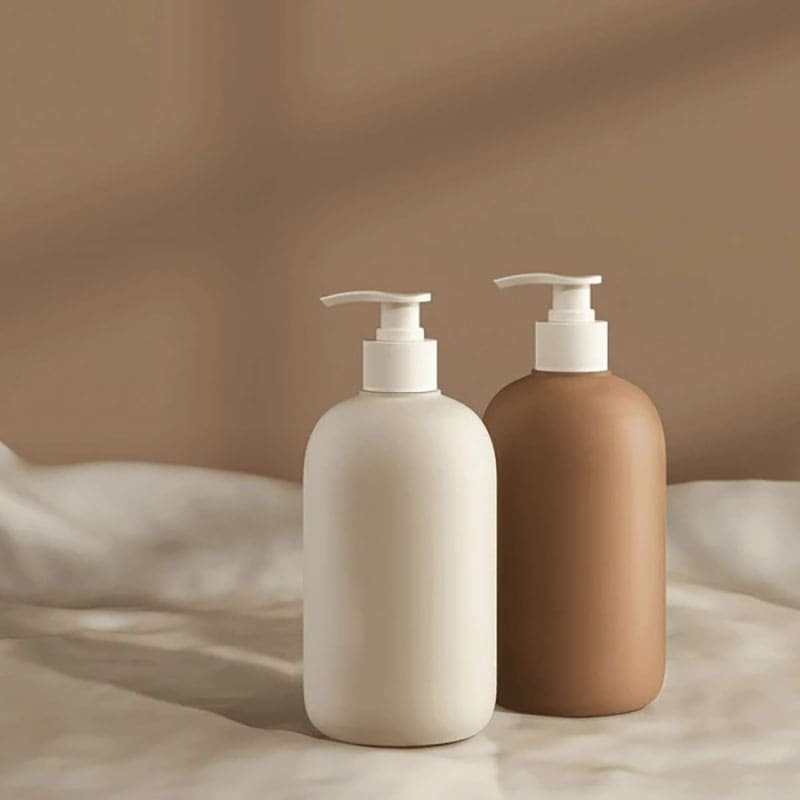
KP Smoothing Body Lotion
Benefits: Softens keratotic bumps, smooths rough patches, improves sleeve glide and overall visual uniformity across arms and legs within weeks of consistent use.
Actives: LA 8% + Urea 10% + Shea Esters 3%;pH ~4.1.
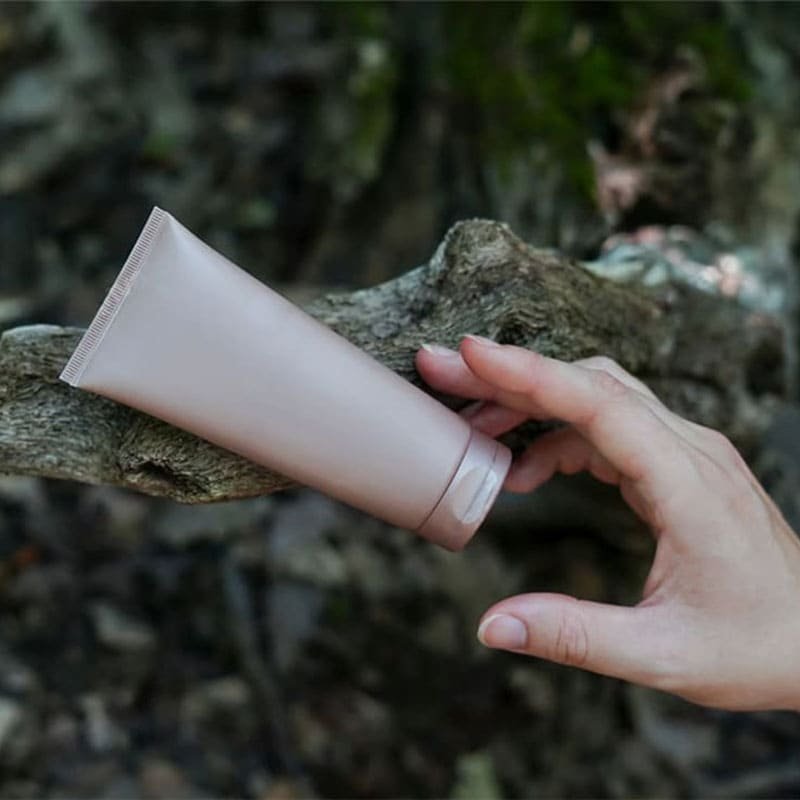
Exfoliating Cleanser
Benefits: Polishes away dulling flakes during cleansing yet preserves post-rinse comfort and slip, supporting radiant tone without stripping or squeak.
Actives: LA 6% + Mild Surfactants + Humectant Blend;pH 5.0–5.5.
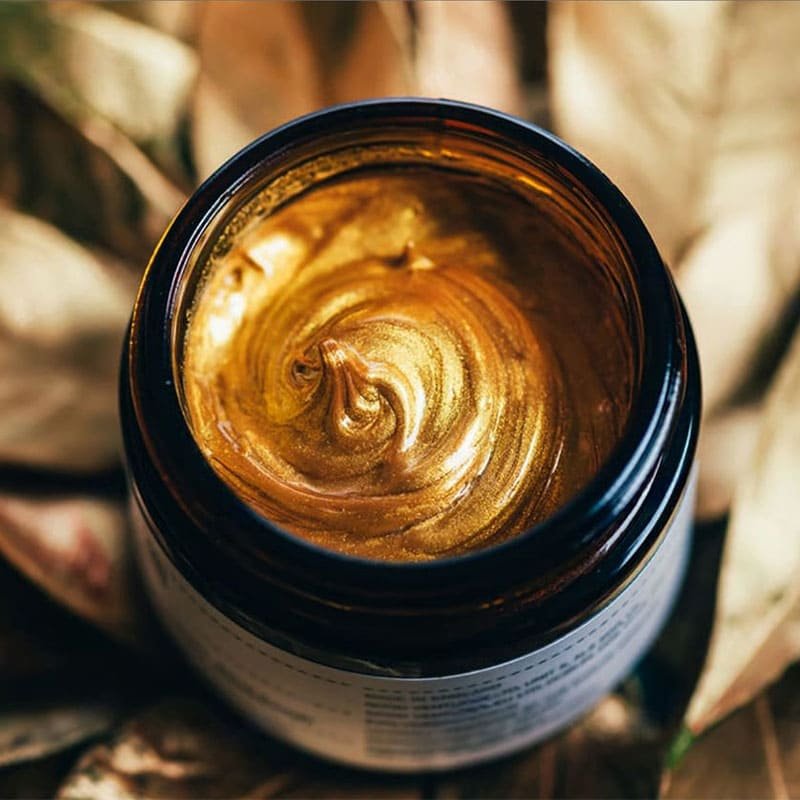
Overnight Resurfacing Mask
Benefits: Cushions skin overnight to brighten tone, enhance morning luminosity, and refine texture with controlled release and low-sting delivery.
Actives: LA 5% + AA2G 2% + Panthenol 2% + Sodium Lactate 1%;pH 4.0–4.3.
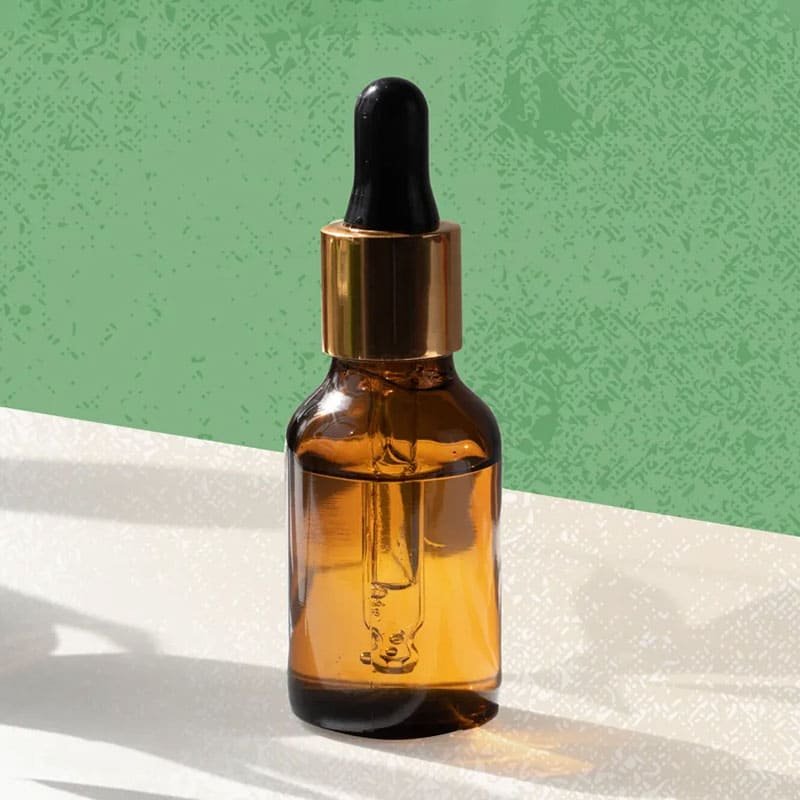
Tone-Evening Essence
Benefits: Featherlight splash improves tone uniformity and hydration, minimizes redness and stinging, and enhances makeup grip for sensitive, daily-use routines.
Actives: LA 3% (buffered) + TXA 2% + Niacinamide 3% + Ectoine 0.3%;pH 4.2–4.6.
Lactic Acid Global Trends & Regional Analysis
The rising awareness about the harmful effects of synthetic chemicals has led to a surge in the demand for lactic acid as a key ingredient in skincare and hair care products. The demand is also being driven by the increasing consumer preference for natural and organic products, especially in the personal care and cosmetics industry.
1. Lactic Acid Global Trends
The global lactic acid market size was estimated at USD 3,454.6 million in 2024 and is expected to reach USD 6,653.7 million by 2033, and is projected to grow at a CAGR of 7.7% from 2025 to 2033.


Lactic Acid Application Insights
Food & beverages emerged as second largest application segment in the year 2024. This form has ability to enhance flavor and increase the shelf life of food & beverages forms by controlling the development of pathogenic microorganisms.
The pharmaceutical industry based lactic acid application is expected to grow fastest with a CAGR of 8.0% from 2025 to 2033 during the forecast period, as it is a key component in the growth of this form market over past few years on account of its increasing application in drug manufacturing and as an electrolyte in intravenous solutions used for supplementing the required bodily fluids. Personal care application segment is expected to be a key driver for this form, which can be attributed to increasing form use in skincare forms. Lactic acid-based skin moisturizers improve dry skin, remove acne scars, improve discoloration, and prevent damage to skin tissues.
2. Lactic Acid Regional Analysis
U.S. held over 91.1% revenue share of the North America lactic acid market. North America dominated the market with a revenue share of 45.4% in 2024.This high share is attributable to growing personal care, pharmaceutical, and food & beverages industries.
U.S. Lactic Acid Market Trends
The lactic acid market in U.S. held a substantial share of the North America market in 2024, driven by factors such as an aging population, the prevalence of chronic and lifestyle-related diseases, and advancements in technology that are fueling growth in the pharmaceutical sector. The personal care industry is also projected to grow substantially, fueled by rising demand for products such as sunscreen lotions, anti-aging creams, and facial skincare. Moreover, strong demand for men’s fragrances, including brands such as Axe and Old Spice, combined with ongoing innovation and product differentiation within the sector, is anticipated to drive increased lactic acid consumption over the coming years.
Europe Lactic Acid Market Trends
The lactic acid market in Europe held 20.4% of the global revenue share in 2024. Robust manufacturing base of cosmetics industry in Europe coupled with growing demand for the same in Germany, Italy, France, and the UK is expected to augment the demand for lactic acid in Europe over the forecast period. In addition, cosmetics industry in Europe is driven by innovation of new color pallets and skin-specific treatments. In European countries, growing concerns about skin cancer and exposure to harmful rays have boosted the use of sun care products. Increasing number of cosmetics distribution chains and broadening consumer demand for natural cosmetics are some additional factors supplementing the growth of cosmetics industry in the region.

More Lactic Acid product customization instructions and FAQs
Q: What skin types is Lactic Acid suitable for?
A: Lactic acid is generally well-tolerated by normal, dry, combination, and mature skin, and is often preferred for sensitive types versus stronger AHAs due to its larger molecule and NMF (lactate) hydration benefits. Start with 2–4% buffered leave-ons, avoid broken/compromised skin, and patch test if you’re reactive.
Q: Can Lactic Acid be used together with Niacinamide or Vitamin C in a single formula?
A: Yes—with pH-aware design. Lactic acid works well with niacinamide in pH ~4.2–4.8 gel-creams and with stabilized vitamin C derivatives (e.g., AA2G/EAA) in serums. For routines, apply AHA first, then niacinamide/antioxidants. Classic L-ascorbic acid (low pH ~2.5–3.5) is best layered separately, not co-formulated with buffered AHA systems.
Q: What’s the difference between low, mid, and high Lactic Acid concentrations?
A:
- 2–4% (buffered): Daily glow and gentle smoothing with minimal sting.
- 5–8%: Intensified resurfacing for uneven texture/tone in tolerant users.
- 10%: Targeted body/KP leave-ons or rinse-off masks/cleansers; buffer and monitor comfort. Efficacy depends on both % and pH—lower pH increases activity and potential sting.
Q: Will Lactic Acid irritate acne-prone or inflamed skin?
A: It’s an AHA, so tingling is possible—especially on active lesions. Used buffered at modest %, lactic acid can smooth surface buildup and improve post-blemish dullness, but it’s not oil-soluble like BHA. Pair with soothers (panthenol, ectoine) and consider alternating with BHA/PHA. Reduce frequency if redness or burning occurs.
Q: How long does it take to see visible results with Lactic Acid?
A: Many users notice smoother feel and better makeup laydown in 1–2 weeks; radiance/brightness in 2–4 weeks; more even tone in 4–8 weeks. KP/rough-zone softening often appears within 2–4 weeks. Consistency, proper pH/buffering, and daily SPF are critical to sustained results.
Launch Your Custom Cosmetics Line Now!