Skip to content
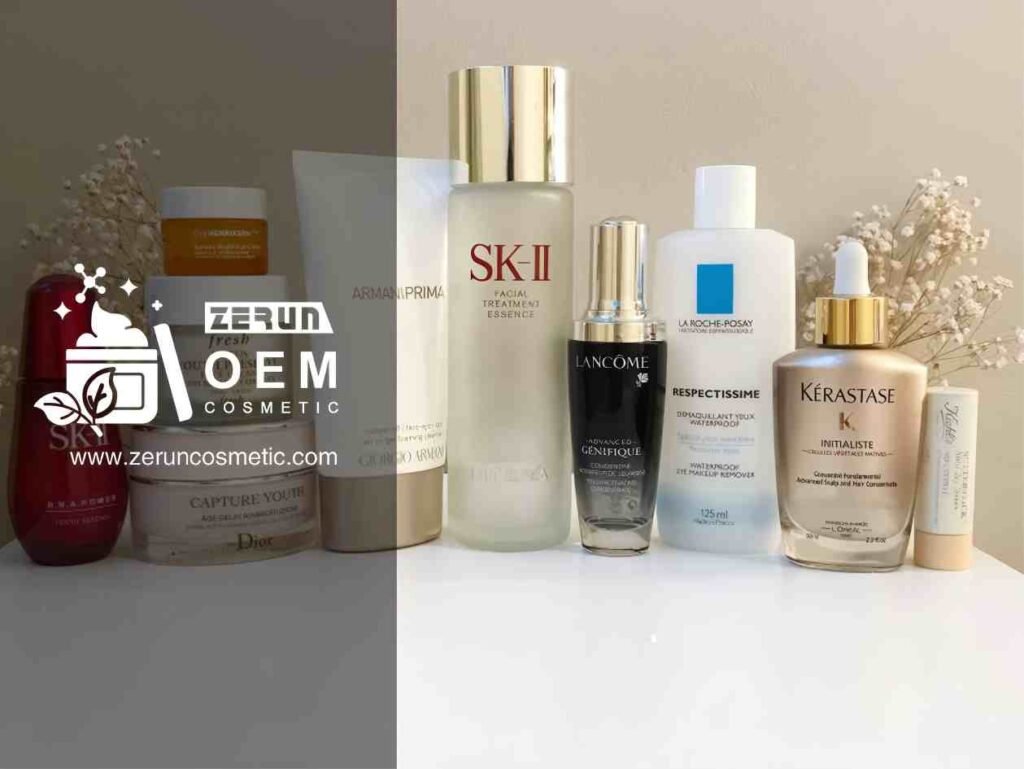
High-priced skin care is never only about luxurious ingredients or heavier glass. For brand owners, it is a positioning decision that must hold together under the scrutiny of buyers, retailers, and consumers across different routes to market and price tiers.
This guide on Most Expensive Skin Care: Channel Strategy & Cost Guide explains how premium pricing should be built on a clear channel plan, a transparent cost structure, and coherent product design. It shows how different channels define “expensive,” how formulas, packaging and testing need to adjust, and how an OEM/ODM partner with channel experience can help brands build credible, profitable high-end lines instead of isolated prestige SKUs.
High-end ranges that succeed over time tend to share the same pattern: each channel has a defined role, each hero SKU has a clear task inside the portfolio, and every extra dollar in cost is tied to a visible benefit in perception, performance or compliance.
What Makes “Most Expensive Skin Care” for Brands?

For brand owners, “most expensive skin care” is not simply a high retail price. It is a deliberate combination of channel selection, perceived value, technical quality and story-telling that allows a line to carry premium prices while still feeling credible, repeatable and commercially sustainable.
When you look at “most expensive skin care” from a brand perspective, the main question is not “How high can we price?” but “What does the customer actually receive, in this channel, that justifies this price every day?”. The answer sits at the intersection of formulation, packaging, testing, service and narrative, all aligned with margin and brand equity goals.
Beyond the price tag: a positioning decision
An expensive product automatically sends a strong signal about your brand. At higher price points, buyers and consumers expect:
- Visible formula differences compared with your core range
- Higher reliability in performance and tolerance, with fewer negative surprises
- A more refined sensorial profile in texture, scent and after-feel
- A more thoughtful presentation, including packaging, unboxing and usage ritual
If the price increases without clear added value in these areas, your most expensive line starts to erode trust instead of building it. A prestige tier should reinforce your credibility, not depend on marketing language alone.
Core components of “expensive” for a brand
In practice, “most expensive skin care” usually involves coordinated upgrades in five connected dimensions:
- Actives and formula architecture
- Higher levels or more advanced forms of key actives
- More complex support systems (antioxidants, soothing agents, barrier-supportive components)
- Additional development time to optimise stability, compatibility and skin tolerance
- Texture and sensorial design
- Detailed work on rheology, slip, absorption and after-feel
- Sophisticated textures such as balm-to-cream, serum-in-oil or gel-cream hybrids that feel clearly different from mass products
- Fragrance and emotional profile
- More refined or layered fragrance compositions, or intentionally subtle “derm-style” neutrality
- Scent integrated into the overall channel and brand narrative, not added at random
- Packaging and presentation
- Glass or airless systems, heavier jars, metal details or refill structures
- Secondary packaging, gift boxes and inserts designed for both protection and perceived value
- Testing, documentation and proof
- Additional stability, safety or claim-support testing where relevant
- Clear documentation for clinics, pharmacies, marketplaces or export markets
Only when these elements are orchestrated around a defined channel strategy does the higher price start to feel coherent to distributors, retailers and end users.
“Most expensive” is relative to your channel
A cream priced at 80 USD can be the most expensive SKU in a direct-to-consumer range, but only mid-priced in a luxury department store. Each channel has its own internal price ladder:
- Entry or accessible tier
- Core range
- Premium tier
- Ultra-luxury or clinic-grade tier
Your “most expensive” products sit at the top of this ladder within a given route to market, not necessarily at the top of the global market. They must make sense inside your own brand architecture, relative to your other lines and to neighbouring brands on the same shelf or platform.
Why channels must come before formulas
If you create a very sophisticated formula first and define the channel later, you risk:
- Over-investing in actives and packaging for a route that cannot support the required retail price
- Under-investing in documentation and testing for channels where these are essential buying criteria
- Designing textures or formats that do not match usage patterns in that environment
Defining your channel strategy first gives you a concrete framework:
For this channel and target buyer, our “most expensive” tier should deliver these benefits, in these formats, at this price range, with this level of supporting data.
Only after this step should you brief laboratories and OEM/ODM partners to design formulas, sensorial profiles, packaging and testing plans that fit the commercial logic instead of fighting against it.
Where “Most Expensive Skin Care ” Sells?
Premium and “most expensive” skin care ranges behave very differently across channels. Department stores, e-commerce, salons, clinics, pharmacies, travel retail and gifting programs each reward specific formats, claims and packaging, and each supports its own realistic ceiling for high-end price points.
Not every channel can sustain ultra-luxury serums, and not every buyer wants them. Mapping the channel landscape first helps you decide where your premium products should appear, what role they play in that environment, and which cost levers are worth investing in for each route to market.
Department stores and beauty specialty chains
In department stores and specialist beauty retailers, “most expensive” usually corresponds to the top tier of a brand’s visible ladder:
- High-service environment: beauty advisors, consultations, application services and testers.
- Strong visual merchandising: branded counters, back-wall displays, podiums and seasonal animations.
- Clear internal laddering: a visible step up from core lines to more concentrated, technology-heavy or limited ranges.
Typical “most expensive” SKUs in this channel include:
- Advanced serums with strong anti-ageing, firming or intensive repair positioning
- Rich face creams with distinctive textures and detailed ingredient or technology stories
- Eye treatments and targeted boosters, often sold in sets or rituals
Category buyers here will closely examine gross margin, training materials, in-store activation plans and supply reliability before allocating space to a premium tier. Your cost structure must leave room for retail margins, staff incentives and periodic promotions while still delivering a product that clearly earns its price.
DTC e-commerce and marketplaces
Direct-to-consumer websites and marketplaces such as Amazon combine broad assortment and instant comparison. In these environments, “most expensive” must be justified in a very transparent way:
- Clear benefits in titles, subtitles and bullets so shoppers immediately understand why the product is different
- Visible ingredient or texture differentiation in hero images, secondary images and video
- Social proof: reviews, before-and-after imagery and clinic-inspired claims, presented carefully within platform rules
Premium pricing online is easier to defend when:
- The product photographs and films exceptionally well
- There is a clear visual step up in packaging and perceived quality versus mid-tier items
- The listing structure (bundles, deluxe kits, subscription options) lifts average basket value
For many DTC brands, the “most expensive” offer is not a single SKU but a ritual set or curated bundle built around a hero serum or cream, supported by cleansers, toners and masks that complete the routine. Cost planning therefore must consider set architecture, carton and insert design, extra fulfillment steps and potential returns.
Spas, salons and aesthetic clinics
In spas, salons and aesthetic clinics, “most expensive skin care” products are often integrated into treatment protocols rather than sold as isolated prestige items. They typically appear as:
- Professional-grade treatment products used inside cabins
- Post-procedure or intensive cure products for home use
- Signature rituals combining several SKUs into a high-ticket service plus take-home kit
This channel places particular weight on:
- Skin tolerance, soothing performance and long-term comfort
- Detailed usage protocols and training materials for therapists or practitioners
- Packaging that looks professional, reassuring and aligned with medical or spa environments
An expensive serum or cream in a clinic must feel structurally linked to the treatment experience. OEM/ODM partners working with this channel need to support brands with:
- Protocol documentation and treatment menus
- Sampling strategies for practitioners
- Clear explanations of actives and testing that can be communicated to patients or clients
From a cost perspective, investment shifts toward formula robustness, tolerance testing and educational materials, while outer packaging may remain more restrained than in purely retail luxury settings.
Pharmacies and derm-style retail
Pharmacies and derm-inspired retailers treat “most expensive” as the upper tier within a clinically focused portfolio. Products at the top of this ladder usually feature:
- Stronger or more targeted active systems, still framed within safety and tolerance language
- Ingredient choices recognised by dermatologists and consumers as appropriate for sensitive or problem-prone skin
- Packaging with clinical or derm-style visual cues: clean layouts, precise labels and rational claims
In this channel, premium pricing is justified by:
- References to in-use tests, dermatologist-supervised studies or tolerance data
- Clear differentiation from the brand’s own entry or core lines in both formula and documentation
- Compliance with local cosmetic regulations and pharmacy expectations
Buyers will ask whether the product can anchor a “best” tier without overstating what a cosmetic can legally claim. Extra budget often goes into testing, documentation and regulatory work, and OEM/ODM partners need to plan these items into timelines and quotations from the beginning.
Travel retail, gifting and corporate programs
In travel retail, gifting and corporate programs, “most expensive” is frequently expressed through sets and presentation value rather than through formula complexity alone. Here, brands create perceived value by:
- Designing coffrets, mini kits and discovery sets around a premium hero
- Using limited editions or channel-specific formats that feel exclusive
- Investing more in boxes, pouches, sleeves and unboxing details
The added value is driven largely by:
- Perceived generosity (number of SKUs, visible volume, minis included)
- Visual impact and gift-readiness
- Practicality for travel or corporate distribution (size, protection, packing efficiency)
For these routes, brands often keep formulas close to existing core or premium lines, while OEM/ODM partners focus on:
- Efficient set assembly and packing at the factory
- Cost-effective but attractive packaging options
- Shipping, labelling and documentation ready for airports or corporate logistics
Understanding this channel landscape early allows brand teams to design “most expensive” tiers that are channel-appropriate rather than generic, and to brief manufacturers in a way that aligns formulation, packaging and cost decisions with realistic commercial outcomes.
How Channel Strategy Shapes Brand Cost Structure?

Once you decide which channels your premium skin care will live in, the formula, packaging and testing strategy must follow. Each channel rewards different textures, active levels, claims and packaging choices, which in turn define your cost structure and final retail price.
When you work backwards from channels to products, you are essentially building an internal matrix: for each route to market, you define acceptable price bands, target users, expected claims, sensorial style, documentation needs and retail margin. From there, formula complexity, packaging choices and testing depth are no longer abstract; they become controlled levers inside that matrix instead of random upgrades.
Formula & actives by channel
Each channel has a different tolerance for high active levels, complex combinations and technical language.
Spas, salons and clinics
In professional environments, buyers expect formulas that justify treatment pricing and clinical narratives. This often means:
- Higher active levels within safe cosmetic limits
- Stacks that combine repair, soothing and barrier support around core claims such as anti-ageing or post-procedure care
- Additional focus on tolerance, especially for sensitised or post-treated skin
Formulas here should feel clearly more substantial than mass-market products, but still comfortable for repeated use within protocols.
DTC e-commerce and marketplaces
Online, formulas must be understandable at a glance. Ingredient stories need to be both memorable and easy to communicate in product titles, bullets and visuals. Typical patterns include:
- Recognisable “hero ingredients” paired with supportive complexes
- Clear naming such as “10% niacinamide brightening serum” or “retinol + peptide night cream”
- Active levels balanced between visible results, acceptable tolerance and realistic margin
Complex architecture is valuable, but only if it can be translated into simple, credible benefits on screen.
Pharmacies and derm-style retail
In pharmacy channels, the emphasis shifts toward safety, regulatory compliance and long-term use on sensitive or problem-prone skin. This usually leads to:
- Moderately dosed, well-documented actives supported by soothing and barrier-protective systems
- Simplified ingredient lists with low fragrance or fragrance-free options
- Conservative combinations that align with local guidelines and professional expectations
Here, your “most expensive” tier is defined less by how aggressive the formula is and more by its documentation, consistency and suitability for long-term use.
Packaging & format by channel
Once the formula architecture is clear, packaging and format choices further refine cost and positioning.
- Glass bottles and jars confer weight and visual prestige but increase unit cost, freight weight and breakage risk. They are often reserved for department stores, spas or premium DTC.
- Airless pumps help protect sensitive actives and support claims such as “minimal air exposure”, which can be aligned with higher pricing in pharmacies, clinics and premium online ranges.
- Refill systems (inner cartridges, pouches) allow brands to maintain an expensive outer presentation while managing long-term cost and sustainability narratives.
- Gift boxes, sleeves and rigid cartons add perceived value, especially in travel retail and corporate gifting, but require additional design work, storage and assembly costs.
- Travel sizes, discovery kits and minis are useful for DTC and gifting channels, but involve more components and packing steps per unit of revenue.
Each channel also tends to favour different volumes and set structures. Salons may prefer large back-bar packs plus small retail sizes; department stores focus on full-size hero products and curated sets; pharmacies often favour practical, moderate sizes optimised for everyday use.
Testing, documentation & cost
Testing and documentation requirements have a direct impact on both timelines and cost, and they vary significantly by route to market.
- Stability testing (including accelerated conditions) is essential across all channels once you plan to export or place products in professional environments.
- Safety assessments and HRIPT become more important when positioning products as suitable for sensitive skin, post-procedure routines or long-term use under professional recommendation.
- Instrumental or clinical studies (for example, wrinkle depth reduction, hydration curves, TEWL) may be expected for high-priced serums and creams in department stores, clinics and derm-style retail.
- In-use tests and user perception studies often support language around comfort, cosmetic elegance and real-world acceptability, particularly for DTC and pharmacy listings.
Each test adds cost and time, but also increases the credibility of your “most expensive” tier. The goal is not to run all possible studies, but to choose the minimum effective combination that satisfies buyers in your target channels and supports your claims strategy.
When you view decisions in this way, it becomes clear that channel strategy is the upstream decision for both product design and cost structure. If you do not define channels early, it is very easy to invest in the wrong places and end up with “expensive” products that are misaligned with their commercial reality.
How to Decide Premium Price Tiers Based On Channels?
High-end skin care is rarely one single price. Most strong brands design a ladder of entry, core, premium and ultra-luxury lines, each with distinct formulas, packaging and channel roles. This ladder must align with realistic costs and buyer expectations.
A coherent premium portfolio does not treat every product as equally expensive. Instead, it defines tiers with clear roles, each supported by appropriate formulas, packaging depth and documentation. Below is a practical four-tier model that many brands implicitly follow.
Entry Premium
This tier sits above mass market, but remains accessible. It often serves as the first step into the brand’s world.
- Typical product types: cleansers, toners, basic serums, day creams, introductory sets.
- Core channels: DTC websites, marketplaces, some pharmacies and selected retail chains.
- Formula, packaging and testing focus:
- Reliable, well-known actives at moderate levels
- Pleasant, easy-to-like textures and simple yet clean packaging
- Basic stability and safety testing, with claims framed conservatively
Entry Premium supports volume and discovery. Costs are controlled, but the experience must be clearly superior to conventional mass offerings.
Core Premium
Core Premium is usually the heart of the brand, combining stronger claims with still-manageable prices.
- Typical product types: advanced serums, richer creams, eye care, targeted masks, structured routines.
- Core channels: DTC, department stores, beauty specialty retailers, stronger pharmacy placements, selected salons.
- Formula, packaging and testing focus:
- More elaborate active combinations and support systems
- Textures with a visible difference in slip, playtime and finish
- Upgraded packaging (glass, higher-end pumps, more detailed cartons)
- Expanded stability and compatibility testing, with selected in-use studies
Most brands will place their hero products in this tier, as it balances desirability, performance and margin potential across several channels.
Luxury
The Luxury tier starts to define the upper boundary of what many retail buyers will accept outside of ultra-exclusive environments.
- Typical product types: intensive repair serums, sculpting or lifting creams, cure-based treatments, limited-edition sets.
- Core channels: department stores, prestige beauty chains, spas and clinics, more selective pharmacies, flagship DTC.
- Formula, packaging and testing focus:
- Higher active levels or patented technology combinations
- Highly engineered textures and refined fragrance design
- Premium packaging with glass, metal components, special finishes or partial refill systems
- More robust testing, potentially including instrumental or clinical data supporting key claims
Costs rise significantly in this tier, but so does the expectation of visible difference and professional documentation.
Ultra-Luxury
Ultra-Luxury represents the top step of the ladder and is not necessary for every brand, but it plays a strong symbolic role where it exists.
- Typical product types: flagship serums or creams, intensive multi-week cures, clinic-partnered lines, very limited collections.
- Core channels: aesthetic clinics, selected spas, flagship department stores, curated online flagships.
- Formula, packaging and testing focus:
- Highly sophisticated formula architectures, often with rare or very costly actives
- Exceptional textures designed for memorability and comfort
- Distinctive packaging concepts, sometimes with refillable systems and elaborate presentation
- A high level of testing, including clinical or instrumental evidence, plus comprehensive documentation for professional partners
Because costs are high, Ultra-Luxury works best when volumes are planned carefully and when products are tightly integrated into professional services or high-level brand storytelling.
How to match tiers to channels
Deciding where each tier belongs is as important as defining the tiers themselves. Some typical patterns include:
- Clinics and medical spas
- Often host Luxury and Ultra-Luxury serums or treatment programs, especially where post-procedure care or intensive anti-ageing is central.
- Entry Premium and Core Premium may be present as maintenance products but are not positioned as the main focus.
- DTC and marketplaces
- Usually build around Entry Premium and Core Premium for regular replenishment and broad customer acquisition.
- Luxury tiers may appear as special sets or limited online exclusives; Ultra-Luxury is used selectively due to price sensitivity and display limitations.
- Gifting, travel retail and corporate programs
- Commonly combine Entry Premium and selected Core Premium products in curated sets.
- Perceived value is expressed through number of items, packaging design and storytelling rather than extreme price points per unit.
A practical approach is to first map your current and planned channels, then decide:
- Which tier will act as your volume driver
- Which tier will serve as your image or halo layer
- Which tiers will be channel-exclusive or shared
Once that structure is clear, you can brief your OEM/ODM partner to assign formula complexity, packaging investments and testing depth to each tier in a way that keeps your “most expensive” products credible for buyers and sustainable for your business model.
Ccomparison table of cost by Channel:
| Channel | Product design (types & structure) | Packaging style | Typical “most expensive” price range (USD, per main SKU or set) | Typical price tier |
|---|---|---|---|---|
| Department stores & beauty specialty chains | Advanced serums, rich face creams, eye creams, intensive masks; mostly single hero SKUs plus curated ritual sets | Heavy glass bottles and jars, airless pumps, secondary cartons with refined finishes, occasional limited-edition gift boxes | Single SKU: 80–220+ • Ritual sets: 180–450+ | Core Premium / Luxury (select Ultra-Luxury for flagships) |
| DTC e-commerce & marketplaces | Hero serums, gel-creams, ampoules; bundles and discovery kits built around 1–2 flagship products | Visually distinctive but shippable packs (glass or high-grade PET), clean labels for photography, simple yet strong outer boxes | Single SKU: 40–120 • Sets/bundles: 90–260 | Entry Premium / Core Premium (selected Luxury hero items) |
| Spas, salons & aesthetic clinics | Treatment serums, post-procedure creams, professional-use masks; back-bar sizes plus take-home kits and cure programs | Clinical-meets-spa look, airless and hygienic pumps, larger professional bottles, protocol-based sets in practical but premium boxes | Professional back-bar: 70–200 • Home kits: 120–320+ | Core Premium / Luxury / Ultra-Luxury (for signature programs) |
| Pharmacies & derm-style retail | Derm serums, barrier creams, targeted care (acne, redness, ageing); mainly single SKUs with occasional regimen sets | Clean, medical-inspired tubes and bottles, minimalistic labels, carton boxes focused on ingredients and instructions | Single SKU: 35–110 • Regimen sets: 80–240 | Entry Premium / Core Premium (select Luxury derm flagships) |
| Travel retail, gifting & corporate programs | Gift sets, discovery kits, travel-size routines; usually sets rather than single SKUs | Rigid or folding gift boxes, sleeves, pouches, strong unboxing experience, coordinated artwork, travel-friendly formats | Sets: 70–260+ depending on size and brand level | Entry Premium / Core Premium (occasionally Luxury gift editions) |
How to Sell “Most Expensive” Skin Care in Each Channels?
Different channels require different playbooks. The same expensive cream will be sold with clinical language in a pharmacy, ritual storytelling in a spa, and content plus social proof online. Brands should design clear, channel-specific narratives and product bundles.
Playbook 1 – Department stores & beauty specialty
1. Hero products & price roles
Top-priced items are usually intensive serums, sculpting or lifting creams, and eye treatments, supported by curated ritual sets. They act as halo products that justify the brand’s overall premium positioning at the counter.
2. Key claims & ingredient angles
Claims focus on visible anti-ageing, firming, radiance, texture refinement and repair. Ingredient stories highlight advanced complexes, patented technologies or dermatologist-referenced actives, explained clearly but with an aspirational tone.
3. Texture & packaging expectations
Textures must feel unmistakably sophisticated: elegant slip, fast comfort, refined finish under makeup. Packaging leans toward glass or high-grade components with weight, precise detailing and elevated secondary cartons suitable for display.
4. Proof & content formats
Buyers expect structured dossiers: stability data, safety assessments and, for higher tiers, instrumental or clinical results. In-store, brands support products with training manuals, counter visuals, trial stations and sometimes consultation tools.
5. Typical pitfalls to avoid
Common errors include pricing products into the luxury bracket without corresponding upgrades in packaging or testing, overloading claims that cannot be substantiated, and under-investing in counter staff training, leading to weak sell-out.
Playbook 2 – DTC sites & marketplaces
1. Hero products & price roles
Hero SKUs are often high-performance serums, concentrated treatments or fully built ritual sets. The most expensive offer is frequently a kit or bundle that lifts basket value while demonstrating a complete routine.
2. Key claims & ingredient angles
Claims must be instantly legible in titles and bullets: clear percentages, visible benefits and timeframes that remain within platform rules. Ingredient angles typically emphasise recognizable actives, clean formulations and targeted benefits for specific skin concerns.
3. Texture & packaging expectations
Formulas should perform well both in real use and on camera: visually appealing textures, easy application, non-greasy finishes. Packaging needs clean labels, good legibility on mobile screens, and structures that survive shipping without damage.
4. Proof & content formats
Conversion relies on strong product pages: close-up texture shots, before-and-after images where allowed, user testimonials, expert quotes and clear ingredient breakdowns. Short-form video, routine diagrams and routine-mapping images are powerful assets.
5. Typical pitfalls to avoid
Brands often misalign price and presentation, relying on high pricing without sufficiently differentiated visuals or content. Other pitfalls include overly technical language that confuses shoppers, and failure to manage reviews and Q&A, which quickly undermines premium positioning.
Playbook 3 – Spas, salons and clinics
1. Hero products & price roles
The most expensive products are typically treatment serums, recovery creams, intensive masks or cure programs directly linked to in-cabin procedures. They function as both professional tools and high-value retail items for home continuation.
2. Key claims & ingredient angles
Claims concentrate on comfort, repair, barrier support and visible improvement of specific signs such as fine lines, texture, redness or dehydration. Ingredient narratives emphasise clinically recognised actives, soothing components and carefully calibrated tolerability.
3. Texture & packaging expectations
Textures must support professional massage and application techniques while remaining pleasant and non-irritating for repeated use. Packaging tends to combine a clinical feeling of safety with spa-level elegance: hygienic pumps, airless systems and practical sizes.
4. Proof & content formats
This channel values written protocols, training manuals, usage diagrams and clear explanations for therapists and practitioners. In-use studies, tolerance data and carefully framed before-and-after documentation help professionals feel confident recommending the products.
5. Typical pitfalls to avoid
Typical errors include creating products that feel like consumer retail items with no clear treatment role, underestimating the need for protocols and training, and relying on aggressive marketing claims that do not align with clinical expectations.
Playbook 4 – Pharmacies and derm-focused retail
1. Hero products & price roles
Top-priced items often include derm-style serums, barrier-strengthening creams and targeted solutions for ageing, pigmentation or sensitivity. They occupy the upper step of a medically framed good–better–best ladder.
2. Key claims & ingredient angles
Claims must be precise, conservative and aligned with local regulation. Ingredient messaging focuses on clinically established molecules, tolerance, non-comedogenicity and suitability for sensitive or compromised skin, often with dermatologist endorsement.
3. Texture & packaging expectations
Textures are elegant but discreet: non-irritating, quickly absorbed, suitable under medication or sunscreen. Packaging uses tubes or bottles with simple, clinical layouts, clear language and emphasis on directions, precautions and active percentages where appropriate.
4. Proof & content formats
Buyers expect full safety assessments, stability data and often dermatologist-supervised or in-use studies for key claims. Pharmacy-facing materials, shelf talkers, leaflets and professional recommendation guides support the premium tier on shelf.
5. Typical pitfalls to avoid
Over-claiming results, using fragrance or complex sensory features that feel out of place in a derm context, or failing to supply adequate documentation are frequent mistakes. These issues quickly block listings or limit the price a pharmacy will accept.
Playbook 5 – Gift sets, travel retail and corporate programs
1. Hero products & price roles
The “most expensive” offers are usually curated sets: seasonal coffrets, discovery kits or corporate gifts built around a premium hero product. Price is perceived through the set value and presentation, not only through formula complexity.
2. Key claims & ingredient angles
Claims highlight generosity, convenience and suitability for travel, gifting or first-time trial. Ingredient narratives borrow from the brand’s core and premium ranges, focusing on safety, enjoyment and simple, easy-to-understand benefits.
3. Texture & packaging expectations
Textures should be broadly compatible with many users and climates, avoiding extremes. Packaging emphasises presentation: rigid boxes, sleeves, coordinated artwork, and formats that pack efficiently, travel safely and look impressive when unboxed.
4. Proof & content formats
Technical documentation may be simpler than in clinics or pharmacies, but still needs to support export and retailer requirements. Visual assets focus on pack shots, unboxing views and clear explanations of what is inside each set.
5. Typical pitfalls to avoid
The main risks are building sets that are visually attractive but operationally complex or unprofitable, over-investing in packaging that cannot be reused across seasons, and neglecting logistics details such as weight, dimensions and labelling for large-scale distribution.
Cost Breakdown: How to Invest in a “Most Expensive” Line?
A successful expensive line does not overspend everywhere. Brands should decide where to invest—actives, textures, fragrance, packaging, testing or service—based on channel, target customers and margin goals. The cost structure must support both image and profitability.
For premium and “most expensive” skin care, cost is not just the formula. The real structure combines formula and raw materials, texture and fragrance development, packaging and design, testing and compliance, and channel and launch activities, all within the gross margin requirements of each route to market. Understanding these components by priority helps brands decide where to invest heavily and where to stay disciplined.
Formula & actives budget
This part of the budget covers ingredient grades, active levels and laboratory work.
- What drives cost
- Use of premium or patented actives, encapsulation systems and complex support stacks
- Number of iterations required to reach target performance and tolerance
- Additional requirements such as avoiding certain preservatives, fragrances or silicones
- Where to invest more
- In hero serums and key creams that carry your top-tier positioning
- In clinic or derm channels where professionals scrutinise composition closely
- Where to stay cautious
- In high-volume entry premium products and basic cleansers, where overspending on actives rarely translates into proportionally higher perceived value.
Texture & fragrance budget
Texture and fragrance can dramatically elevate perceived luxury, but both require time and specialised work.
- What drives cost
- Complex rheology systems, multi-phase textures and extended stability work
- Bespoke fragrance creations, allergen considerations and regional adaptations
- Where to invest more
- In products that are central to the user experience, such as leave-on serums, night creams and masks used in spa rituals
- In lines where fragrance is part of the brand signature, especially in department stores and spa channels
- Where to stay cautious
- In pharmacy and derm-focused lines, where neutral or very low-fragrance profiles can both reduce cost and support the positioning.
Packaging & design budget
Packaging includes primary containers, closures, secondary boxes and graphic design.
- What drives cost
- Glass, airless systems, custom moulds, metal details and heavy-walled jars
- Rigid boxes, inserts, special finishes like foil, embossing or soft-touch coating
- Design fees, artwork adaptation and regulatory layout work
- Where to invest more
- In visible flagship products and sets for department stores, travel retail and gifting, where packaging strongly influences price perception
- In channels where unboxing and visual content (DTC, marketplaces) are key to conversion
- Where to stay cautious
- In high-volume pharmacy items and refill components, where overly complex formats undermine margin and add logistics risk.
Testing & compliance budget
Testing and documentation are essential for regulatory compliance, claim support and retailer approval.
- What drives cost
- Stability, compatibility and packaging interaction studies
- Safety assessments, HRIPT, instrumental or clinical studies for specific claims
- Preparation of dossiers for EU, US or multi-country distribution
- Where to invest more
- In clinic, pharmacy and derm-focused retail, where professional buyers demand solid data
- In the premium and luxury tiers where claims are central to the value story
- Where to stay cautious
- In purely emotional or sensorial gift sets where claims are simpler and channels do not require advanced testing, as long as basic safety and regulatory requirements are fully met.
Channel & launch budget
This segment covers samples, merchandising, training, content and launch-specific activities.
- What drives cost
- Production and distribution of samples, testers and discovery sizes
- In-store materials, digital content, education sessions and sales tools
- Launch campaigns and promotional bundles for specific channels
- Where to invest more
- In channels with high touch and high influence, such as department stores, spas and clinics, where trained staff and strong presentation directly affect sell-through
- On DTC and marketplaces, in the form of carefully designed product pages, photography, video and educational content
- Where to stay cautious
- With one-off, highly expensive activations that are difficult to repeat or scale, especially when the portfolio is still being tested.
When all these blocks are mapped against your channel plan, it becomes easier to see that not every product and not every line should be maximised in every dimension. A disciplined “most expensive” strategy invests heavily where the channel and target buyer will notice and reward the difference, while keeping other components efficient enough to protect long-term profitability.
How to Choose a Reliable OEM/ODM Partner?
An OEM/ODM partner with channel experience can help translate your strategy into formulas, packaging and testing plans that match each route to market. Instead of guessing, you co-design price tiers, hero SKUs and timelines based on previous successful projects.
A reliable OEM/ODM partner is not only a manufacturer; it is an extension of your commercial and channel strategy team. The right factory understands that Amazon, salons, pharmacies and gifting programs all require different product architectures, and it helps you design each line accordingly rather than offering one generic formula in many bottles.
An experienced partner will:
- Understand how assortment logic changes by channel – for example, hero serums and rituals for department stores, sets and bundles for DTC, professional back-bar plus home care for salons and clinics, and curated gift boxes or amenity kits for corporate programs.
- Use an existing formula library plus an active R&D team to design different active levels, textures and packaging concepts for each route to market, while maintaining a coherent brand identity and realistic cost structure.
- Provide cost bands and indicative retail price ranges for each product and channel, so your team can model margins, promotions and long-term portfolio roles before committing.
- Plan ahead for regulatory, labelling and logistics constraints, helping you avoid situations where products are technically finished but delayed by missing documents, packaging issues or shipping restrictions.
A practical 4-step collaboration process
A structured process helps both brand and factory keep premium projects on time and on budget:
Step 1 – Clarify target channels and price tiers
Define where the line will sell (DTC, department store, salon, clinic, pharmacy, travel retail, gifting) and map your internal ladder: Entry Premium, Core Premium, Luxury, Ultra-Luxury. Agree on realistic retail price ranges and target margins per tier.
Step 2 – Select base formulas and active stacks by channel
With those targets in mind, review the OEM/ODM partner’s formula library and identify candidate bases for each channel and tier. Decide where you will invest in higher active levels, more complex stacks or specific “hero” technologies, and where simpler, robust systems are sufficient.
Step 3 – Co-design packaging, sizes and set structures
Translate channel and pricing plans into concrete formats: primary packs, material choices, capacities and kit compositions. For each SKU or set, align on perceived value, logistics practicality and long-term scalability, using the partner’s packaging and printing capabilities.
Step 4 – Plan testing, documentation and launch calendar
Agree on which tests and documents are required for each route (stability, safety, instrumental studies, in-use tests, local assessments). Map these requirements against a realistic development and launch timeline, including sampling rounds, artwork approval and shipping preparation.
When an OEM/ODM partner has already worked across multiple channels and regions, it can bring real case experience into each step, helping you design a “most expensive” strategy that is ambitious, technically sound and operationally achievable. A partner like Zerun Cosmetic can use its existing formula bank, packaging network and regulatory experience to help you think through this chain from the beginning instead of correcting course later.
Questions Checklist Before You Build an Expensive Line
Before investing in “most expensive” skin care, brands should ask structured questions about channels, positioning, margin, formulas, packaging and compliance. A clear checklist reduces risk, avoids misaligned launches and improves negotiation with OEM/ODM partners.
Use the following questions internally and with your manufacturing partner before you lock in any premium or luxury concept.
Channels & pricing
- Which channels will carry this line in the first 12–24 months?
- In each channel, what is the target retail price range for our hero SKUs and sets?
- What gross margin do we need at brand level and at retailer level?
- Is this line meant to be our halo tier, or a strong core premium range?
Product architecture
- For each channel, what is the hero SKU (for example, serum, cream, cure program or set)?
- How many price tiers do we need: Entry Premium, Core Premium, Luxury, Ultra-Luxury?
- Which products drive volume, and which mainly support image or treatment positioning?
- Do we plan single hero items, complete routines, or mainly discovery and gift sets?
Formula & ingredients
- Which core benefits are non-negotiable (anti-ageing, brightening, barrier repair, sensitivity, etc.)?
- Are there specific ingredient families we must include or avoid for our brand positioning?
- What tolerance or skin-type requirements must the formulas respect (sensitive, post-procedure, acne-prone)?
- How differentiated must the premium line be from our existing or planned mid-tier ranges?
Packaging & supply chain
- Do we have preferred packaging types or materials (glass, airless, refills, tubes, jars) that must be used?
- What MOQs and lead times can we realistically accept for both formulas and packaging components?
- Are there size or weight constraints for shipping, e-commerce fulfilment or specific retailers?
- How flexible do we need the packaging platform to be for future shade/variant extensions?
Testing & compliance
- Which markets will this line target in phase one (for example, EU, US, UK, Middle East, APAC)?
- Which tests are essential for positioning and regulatory expectations in those markets?
- What documentation will retailers or distributors require before listing the line?
- How will test timing and regulatory review affect our planned launch calendar?
Using this checklist with your OEM/ODM partner will bring most potential issues to the surface early, before they become costly or delay your launch.
FAQ: Most Expensive Skin Care & Channel Planning
Brand teams often ask similar questions when planning high-priced skin care ranges. This FAQ addresses typical concerns around pricing, channels, MOQs, testing, timelines and working with manufacturers, so you can prepare a realistic launch roadmap.
Q1. Do we need at least one “most expensive” product in every channel?
Not necessarily. It is usually more effective to define one or two channels where your premium story is strongest, and let other routes support that positioning with core or entry premium lines. For some brands, a single flagship tier in clinics or department stores is enough to create a halo for other channels.
Q2. How high can we price without over-investing in formula and packaging?
The ceiling depends on channel, competition and perceived value. Start by mapping target price bands per route, then work backwards with your OEM/ODM partner to identify the minimum level of formula, packaging and proof required to justify those prices. Avoid adding costly elements that your target buyers will not recognise or reward.
Q3. Which tests matter most for premium positioning in EU/US markets?
At a minimum, you will need robust stability and safety documentation. For premium anti-ageing, brightening or sensitive-skin claims, buyers often expect tolerance tests and instrumental or in-use studies that support the headline claims. The exact mix depends on markets, categories and channels, so align early with both your regulatory advisors and manufacturing partner.
Q4. Can small brands realistically launch an expensive line with low MOQs?
Yes, if the line is tightly focused. Many smaller brands start with one or two hero products and limited but carefully chosen packaging platforms. Low MOQ is easier when you adapt from existing, validated base formulas and standard packaging families, rather than requiring full custom developments for every item.
Q5. How long does it take to develop a channel-specific premium range?
Timelines vary, but a realistic plan for a new premium range that includes development, testing, packaging and artwork often spans 6–12 months, especially when multiple markets or complex claims are involved. Using existing formula bases and standard packaging can shorten this, while clinical testing and custom moulds will extend it.
Q6. Should we standardise formulas across channels or tailor each one?
A hybrid approach works best. Many brands use shared base systems across channels for efficiency and quality control, then adjust active levels, textures, fragrance and packaging to meet the expectations of each route. Fully separate formulations for every channel increase complexity and cost without always adding observable value.
Q7. How can we brief an OEM/ODM partner if we only have competitor references?
Competitor products are a useful starting point. A strong brief should include: target channels and price tiers, reference products with comments on what you like and dislike, key claims and ingredients, packaging preferences, markets, and expected MOQs. An experienced OEM/ODM partner can then propose base formulas, packaging options and test plans that translate those references into a coherent, ownable range.
Conclusion
Expensive skin care only works when channel strategy, cost structure and product design support each other. With the right OEM/ODM partner, you can move from abstract premium ambitions to a clear, testable range that fits your markets, margins and timelines.
Many manufacturers can produce a serum or cream; far fewer can help you design a channel-specific premium ladder that makes commercial sense in North America, Europe, the Middle East or Asia. Zerun Cosmetic combines skin care R&D, packaging development and international trade experience, so your “most expensive” projects are planned with both branding and compliance in mind, not only with a formula sample.
Our team can work with you to translate a high-level idea—“we want a prestige anti-ageing line” or “we want the most expensive routine in our e-commerce portfolio”—into a practical design:
- channel roles and price tiers
- hero SKUs and supporting products
- formula and active stacks by market
- packaging, sets and refill logic
- testing, documentation and launch milestones
If you are considering a premium or “most expensive” skin care range, prepare your target channels, price bands, reference products and initial MOQ expectations, and share them with us.
Share your target channels, price tiers and reference products, and our team will help you design a premium or “most expensive” skin care line that is technically sound, commercially realistic and ready for global launch.