Skip to content
OEM Rice water skincare and haircare line: how to build a product range?
If you’ve ever tried to launch a “rice water” range, you already know the trap: each SKU can sound right on its own, but the line doesn’t feel like one family. The toner is milky but separates, the shampoo feels “protein-heavy,” the cleanser strips, and suddenly your “range” becomes a set of unrelated products with one keyword.
A sellable rice water line is built like an engineering system: one master promise, one standardized rice-derived ingredient lane, clear SKU roles across skin and hair, measurable specs (so sample ≈ bulk), packaging chosen for rice-specific risks, and sampling gates that prevent odor drift and separation.
Can't find the answers?
No worries, please contact us and we will answer all the questions you have during the whole process of OEM Cosmetic customization.
Frequently Asked Questions
Q1. Does a rice water line need to look milky or cloudy?
- No—appearance depends on the formula system (clear can still fit the concept)
- Choose visuals that match your positioning (gentle / clean / premium)
- Lock color/opacity range early to protect bulk consistency
Q2. Is “rice ferment” necessary, or can it be non-fermented?
- Both work; ferment is a positioning choice, not a requirement
- Ferment directions need stricter odor/stability management
- Decide upfront so the whole line stays coherent
Q3. What is the most “review-visible” benefit for this concept?
- Hair: smoothness + shine appearance without weight
- Skin: comfortable hydration and soft finish
- Pick one primary win and keep every SKU aligned
Q4. Will lightweight textures feel “too weak”?
- Not if rinse feel and after-feel targets are designed properly
- Avoid sticky/filmy textures that feel “cheap” over time
- Use 2–3 clear pass rules per SKU (easy to execute)
Q5. Can skincare and haircare share the same story without feeling forced?
- Yes, if the story is “daily gentle nourishment,” not “strong treatment”
- Keep product roles clear: scalp vs lengths, cleanse vs treat vs seal
- Unify naming and finishes so it looks like one family
Q6. Which SKUs should launch first for MOQ control?
- Hair: shampoo + conditioner as the core
- Skin: cleanser + toner/essence + cream as the core
- Add one “hero add-on” only after the core is stable
Q7. How should brands talk about benefits without medical claims?
- Focus on feel/appearance: smoothness, shine, hydrated look, comfort
- Avoid “regrow,” “treat,” “repair follicles,” or disease-related language
- Keep claims consistent with the testing plan you choose
Q8. What testing matters most before the first bulk run?
- Stability screening to prevent separation/odor drift/viscosity shift
- Sensory consistency anchors (odor, feel, finish)
- A pilot gate to verify repeatability before full MOQ
Q9. What causes the most returns or complaints for rice water lines?
- Hair: heaviness, flat roots, residue buildup
- Skin: tacky finish, pilling in layering, tightness after cleansing
- Most issues are texture discipline issues, not “ingredient choice”
What does “rice water” mean in commercial formulas?
If you don’t define “rice water,” your suppliers will—each in a different way. The safest approach is to choose one primary lane (plus an optional enhancer), then lock it as your range DNA.
Lane 1: Extract-led (simple, clean, lowest odor risk)
- What it feels like: soft hydration, gentle comfort, easy to keep consistent
- Best for: cleanser, toner, moisturizer, shampoo/conditioner (mild story)
- Typical pitfalls: too generic, hard to differentiate
- Controls to request: supplier spec, standardized extract grade, stability plan
Lane 2: Rice-derived complex (strongest “range DNA” across skin + hair)
- What it feels like: a signature “milky softness” identity across multiple SKUs
- Best for: milky toner + conditioner/mask + leave-in (family resemblance)
- Typical pitfalls: haze/sediment, viscosity drift
- Controls to request: solubility notes, filtration, sediment tolerance, drift limits
Lane 3: Fermented-led (premium story, tight controls required)
- What it feels like: refined, “elegant” glow positioning; sensitive-friendly versions are common
- Best for: toner/essence/serum lane, optional “rice + ferment” hero
- Typical pitfalls: odor drift, color shift, micro risk
- Controls to request: ferment spec, odor control plan, micro/challenge triggers
Rice Water Ingredient Spec
Primary lane (choose 1): Extract-led / Complex-led / Fermented-led
Optional enhancer (choose 1): rice protein (hair) / rice bran oil (skin creams) / rice starch (soft-focus feel)
Non-negotiables: odor drift limits, color drift limits, separation/sediment tolerance, packaging compatibility plan
Rice water market reality: why brands customize it
Rice water sells when it’s built as a repeatable range story—not a single ingredient claim. Brands customize it to own a distinct “rice lane” (milky softness, fermented refinement, or shine + strength) that works across skincare and haircare without conflicting promises.
Why brands keep asking for “rice water”
- It’s an easy-to-understand “gentle refinement” story that works across price tiers, from prestige cleanser to mass toner. You can see this clearly in how market-leading products describe the result: “washes away daily buildup without stripping” and “soft, luminous” outcomes rather than aggressive “treatment” language.
- It supports a full routine narrative: hydrate + soothe + “natural glow,” then extend into hair as shine + slip + stronger-feeling strands.
- The category signal is strong enough that many brands prefer to own a distinctive “rice lane” rather than list rice as a minor supporting extract. Market research firms are explicitly tracking “rice-based skincare” as a growing segment.

What consumers are trying to achieve
Skincare “jobs to be done”
- Comfortable daily hydration, barrier-friendly feel, less tightness after cleansing
- “Refined glow” look (radiant-looking, even-looking finish), without harsh actives
- Milky/soft sensory cues that feel premium and calming
Haircare “jobs to be done”
- Smoothness and detangling without heaviness or residue
- Shine and polished slip (especially for frizz-prone lengths)
- Stronger-feeling strands (but not the brittle, over-protein feel)

Rice Water Selling Point Map
Selling point A: “Milky softness”
- Best SKUs: milky toner/essence, gentle cleanser, conditioner/mask
- What you can safely say: soft, comfortable, non-stripping, smooth feel
- Guardrails: avoid “heals,” “repairs skin barrier damage,” “treats dermatitis”
- Mandatory checks: separation limit for milky formats, odor drift limits
Selling point B: “Comfort hydration + calm”
- Best SKUs: toner/essence, lightweight moisturizer, scalp mist (optional)
- What you can safely say: moisturize, soothe-feeling, sensitive-skin-friendly
- Market proof cue: “free of alcohol & fragrance” positioning is common in rice toner lanes.
- Mandatory checks: preservative strategy, micro/challenge triggers (water-rich formats)
Selling point C: “Polished glow / shine”
- Best SKUs: serum, sunscreen-as-moisturizer feel, leave-in conditioner
- Market proof cue: “30% rice extract and fermented grain extracts… moisturize and soothe” is a typical claim structure for a rice + ferment lane.
- Guardrails: avoid “whitening,” avoid medical outcomes
- Mandatory checks: pilling risk (skin), residue risk (hair)
Step-by-Step — How to build a Rice Water skincare + haircare range
Build one consistent rice-water story, then lock SKU roles, textures, tests, and a unified packaging system—so the range feels premium, repeatable, and scalable in bulk.
Step 1 — Define your “Rice Water” ingredient route
Options to lock (pick 1 primary route + 1 optional enhancer)
Rice extract / rice starch / rice bran extract (non-fermented direction)
Best when you want a clean, gentle, “soft finish” story with low odor complexity.
Rice ferment filtrate (fermented direction)
Best when you want a more differentiated “refined, lightweight, silky” positioning, but it requires odor and stability controls from day one.
Hydrolyzed rice protein (structure + feel support)
Often used to support “strength-feel” and slip in haircare, and a smoother finish in skincare when balanced correctly.
Rice-derived complex (signature stack)
A controlled combination of 2–3 rice-derived inputs to create a proprietary-feeling platform that works across skin + hair.

Step 2 — Set one master range promise that works for both categories
Recommended promise directions
- Milky softness (a softer touch/finish, not heavy)
- Weightless smoothness (slip without residue)
- Healthy-looking glow & shine (appearance + feel, not treatment outcomes)
Output: 1 “Master Promise” line + 1-page “Category Role Map”
Master Promise examples you can use as a working line:
- “Designed for milky softness and weightless smoothness across skin and hair routines.”
- “A rice-water platform built for a soft finish, clean slip, and healthy-looking glow and shine.”
Category Role Map (keep it simple and non-conflicting)
Skincare role: comfort hydration + soft, radiant-looking finish
Haircare role: smoothness/slip + clean shine + strength-feel (without heaviness)
Boundary note (define what the range will not claim): no regrowth, no hair-loss stopping, no healing/repair as treatment, no infection/medical language.

Step 3 — Choose your launch architecture
Recommended approach
Use “1 Hero + 2 Amplifiers + 1 Stabilizer” for launch. Then expand once the signature feel is proven stable and repeatable.
Two common architectures
Option A: Skincare-led launch
Hero: Rice Water Essence or Rice Milk Serum (the signature feel anchor)
Amplifier 1: Gentle cleanser (supports comfort and clean finish)
Amplifier 2: Lightweight cream or gel-cream (locks softness + glow look)
Stabilizer: Soothing mist / toner (daily-use repeater)
Hair support: conditioner or leave-in milk that shares the same “soft + smooth” signature.
Option B: Haircare-led launch
Hero: Rice Water Conditioner/Mask or Leave-in Milk (the slip + shine anchor)
Amplifier 1: Shampoo (mild cleanse + reduced squeaky feel)
Amplifier 2: Scalp comfort tonic/toner (cosmetic comfort language)
Stabilizer: Finishing serum/spray (light, non-greasy manageability)
Skin support: one comfort-glow SKU (essence or cream) to extend the platform.

Step 4 — Convert rice water into sensory targets
Sensory dimensions to lock
Skin feel (choose 1 signature direction)
- Crisp watery: fast-absorbing, non-sticky, clean finish
- Milky-rice: soft, cushiony, “rice-milk” elegance without heaviness
- Light gel: silky glide, bouncy feel, quick dry-down
Hair feel (define your slip source + your “no heaviness” boundary)
- Slip direction: polymer slip, conditioning system slip, or protein-supported smoothness
- Shine direction: clean shine vs glossy shine (do not over-oil if targeting fine hair)
- Boundary: “no greasy finish, no build-up feel” (define by usage dose + rinse/leave-in format)
Odor profile (especially critical for fermented routes)
- Low-odor route: raw material selection + minimal masking
- Low-fragrance route: clean, soft, skin-close scent that does not “cover problems”
- Fragrance-free route: requires tighter control on fermented notes and micro plan

Step 5 — Lock rice-water-specific quality cues early
Must-lock quality cues
Odor control (fermented direction must-have)
Define acceptable vs unacceptable notes using clear descriptors (e.g., “clean, mild fermented note acceptable” vs “sour/over-fermented, sharp, rancid, or strong yeasty notes unacceptable”).
Color & clarity
Define the appearance target: crystal clear / slightly hazy / milky. Then define whether minor natural variation is acceptable and how it will be judged (visual reference sample or simple clarity metric).
Stability expectations
Define what changes are acceptable after heat/cold cycles and accelerated storage: no phase separation, no unexpected sediment, no major viscosity drift, no odor shift beyond the defined window.
Micro-risk plan
Define minimum micro requirements and whether you will run challenge testing. For water-like and fermented concepts, this should be written into the brief—not discussed later.

Step 6 — Build the formula system
Choose the base system that can carry your rice-water route reliably, then add differentiators. This prevents the common failure mode where an “exciting active stack” breaks odor, clarity, or stability.
Key principles
- If using fermented direction, solve compatibility + odor control first, then enhance the story.
- In haircare, make slip and shine controllable and layer-friendly. Avoid heavy oils if the range targets fine hair or “weightless smoothness.”
- In skincare, avoid letting high-irritation “hero actives” hijack a gentle rice-water positioning unless you intentionally design a separate sub-line.
What to define in each SKU blueprint
- Base system choice (cleanser system / emulsion system / conditioner system / leave-in system)
- The rice-water role (platform carrier vs highlighted input)
- Differentiators (what makes this SKU unique while staying inside the platform)
- Packaging compatibility notes (material, pump/nozzle, and any fill/viscosity constraints)

Step 7 — Validate and package for decision
Recommended sampling gates
Gate 1: Sensory & odor alignment
Confirm the signature feel and the odor window match the route card and intent cards.
Gate 2: Stability & appearance drift
Check clarity/color drift, sediment tolerance, viscosity drift, and odor shift under planned stability conditions.
Gate 3: Micro + packaging compatibility
Confirm micro plan readiness (limits + challenge testing path) and packaging fit (pump/nozzle performance, leakage, compatibility, fill window).
Proof Pack (buyer-ready deliverables)
- Rice Water Route Card (INCI direction + route definition)
- Rice Water Quality Cue Spec (odor/clarity/stability/micro acceptance rules)
- Stability summary (accelerated + room-temp snapshot, with pass/fail logic)
- Micro plan / results (limits + challenge test approach/results as available)
- Packaging compatibility notes (material choice, dispensing performance, and key constraints)

| Buyer requirement (what you say) | Engineer translation (what we lock) | Typical formulation direction | Common failure we prevent |
|---|---|---|---|
| “Gentle, not stripping” cleanser/shampoo | foam level + after-feel + pH window | mild surfactant system + cushion after-feel | squeaky feel, rebound oiliness, scalp tightness |
| “Milky rice toner that feels premium” | opacity + separation limit + viscosity drift | controlled milky system + rice extract/complex | layer separation, sediment, clogging |
| “Glow but no sticky, no pilling” serum | tack limit + film behavior + SPF compatibility | low-tack hydration + finish modifiers | pilling under SPF, greasy shine, roll-off |
| “Hair feels stronger, less breakage” | slip/combability targets + protein dosage guardrail | balanced rice protein direction | over-protein dryness, brittle feel complaints |
| “Fragrance-light or fragrance-free” | scent intensity scale + allergen strategy | FF option + low-odor raw material selection | returns due to scent, “ferment smell” risk |
| “Same range feel across skin + hair” | sensory family + visual family + claim boundary | unified range DNA + role-based variation | SKUs feel unrelated, story conflicts |
What will go wrong when building a rice water range
Most rice water lines fail for only three reasons: the range doesn’t feel like one family, rice-specific formats become unstable (milky separation or fermented odor drift), and the approved sample doesn’t match bulk production. Lock these three points early and you’ll cut rework dramatically.

The range feels “patched together.”
Fix: Set one family standard first—clear vs milky identity, fragrance intensity level, and finish direction—then use 1–2 anchor SKUs (typically toner/essence + conditioner/mask) to align every other product.
Rice-specific instability shows up (separation or odor drift).
Fix: Turn separation tolerance and odor-drift limits into hard acceptance criteria, and complete accelerated stability/heat-cold checks before packaging and artwork are finalized. If fermented notes can’t stay stable, don’t force a “fermented” story.
Sample-to-bulk drift happens at scale.
Fix: Define allowable drift ranges (odor, color, viscosity, foam/slip feel), then set in-line QC checkpoints during pilot and first bulk release. If any metric is out of tolerance, hold and correct—don’t ship “close enough.”
What Rice water related products we developed?
These are the product categories that can be developed under a rice water positioning (rice water / rice extract / rice ferment). The “rice” concept is carried by texture, sensory feel, and story consistency—so the SKU names can stay clean and shopper-friendly.
Zerun Helps to design more cosmetic products
Skincare products
☑Gentle gel cleanser
☑Low-foam cream cleanser
☑Micellar cleansing water
☑Hydrating toner
☑Face mist
☑Hydrating serum
☑Barrier-support serum
☑Daily lotion moisturizer
Haircare products
☑Daily mild shampoo
☑Smoothing shampoo
☑Scalp-balancing shampoo
☑Lightweight conditioner
☑Smoothing conditioner
☑Hair mask
☑Scalp Serum
☑Hair gloss serum

Which packaging formats keep the line reliable and premium-looking?
The goal is simple: safe in shipping, easy in daily use, and visually consistent on shelf and online. Below are packaging types that work well for a rice water skincare + haircare line.
| Product Type | Recommended Pack | Why It Works (Safe + Premium) |
|---|---|---|
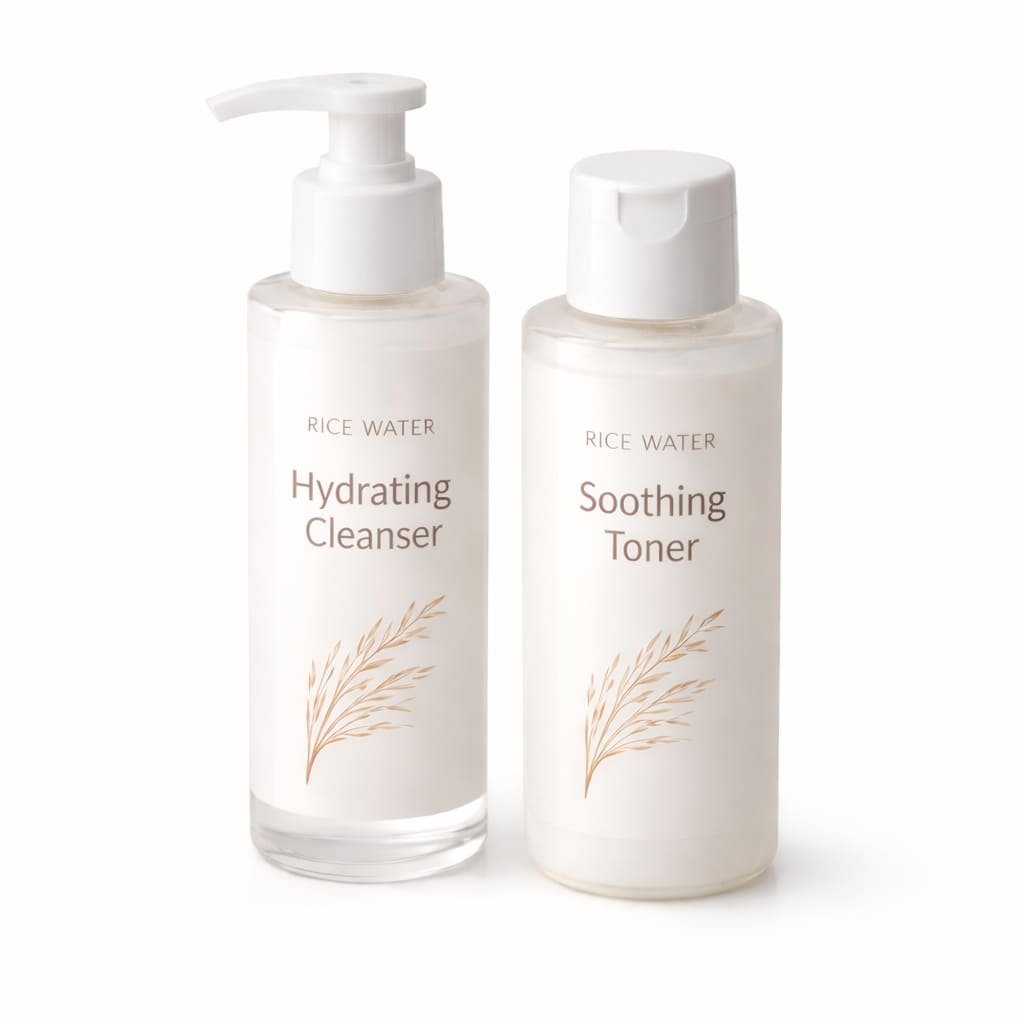
| Cleanser / Shampoo | Pump or flip-top bottle | Easy wet-hand use, low leak risk, tall “salon” look |
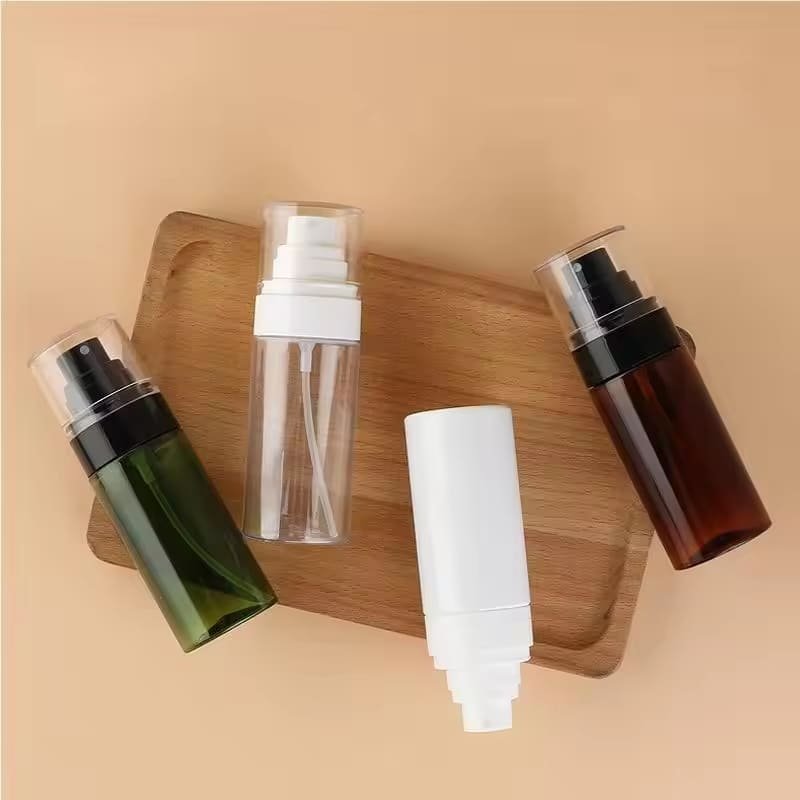
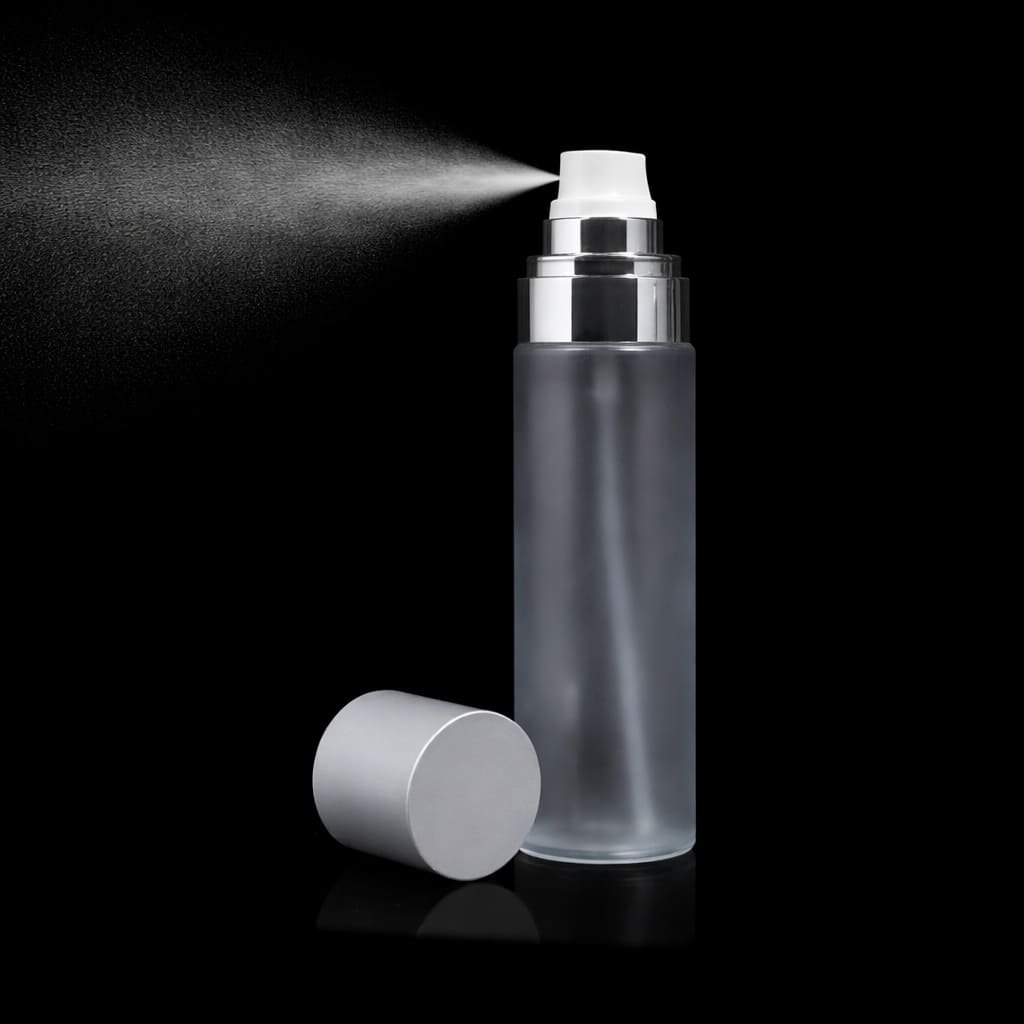
| Toner / Essence / Mist | Slim bottle with spray or treatment pump | Controlled dosing, elegant routine feel |
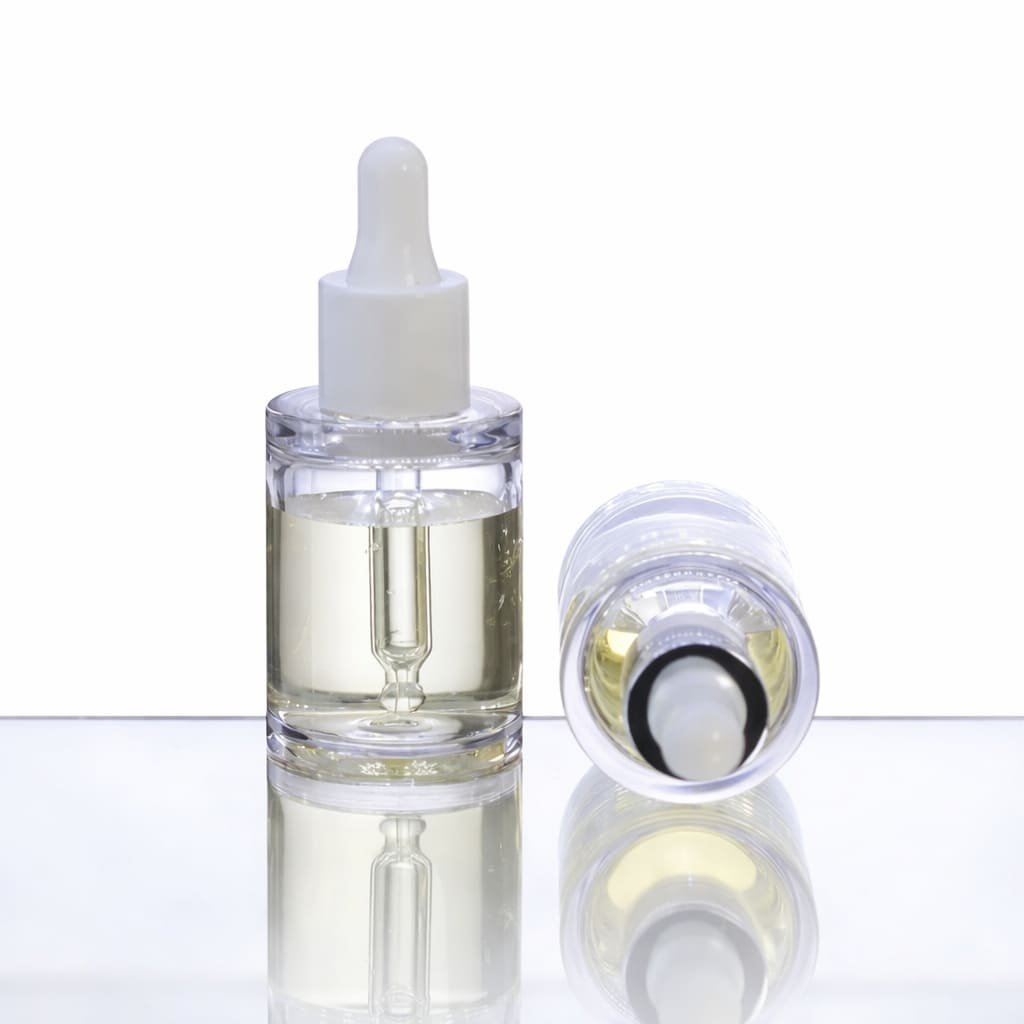
| Serum | Dropper bottle (glass or thick PETG) | Precision use, strong “treatment” signal |
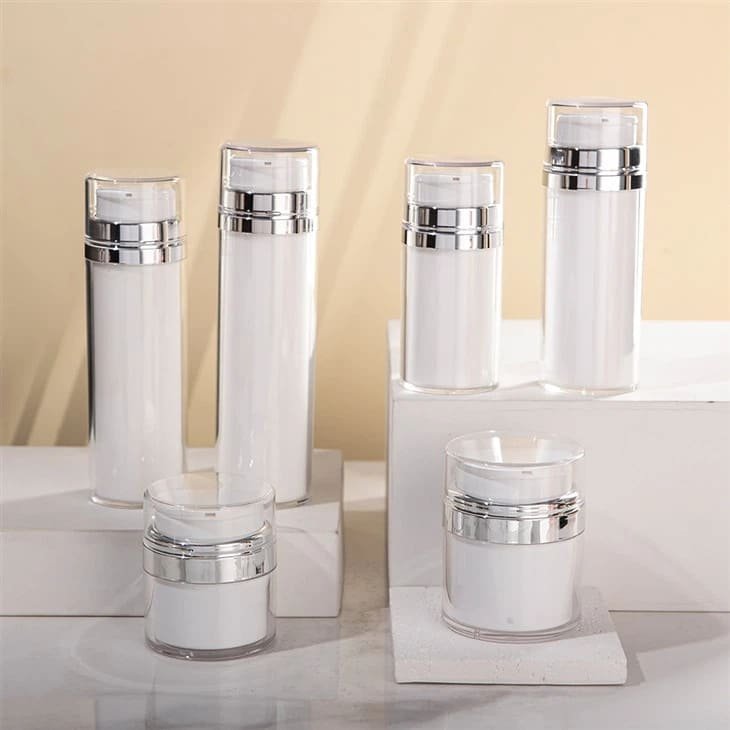
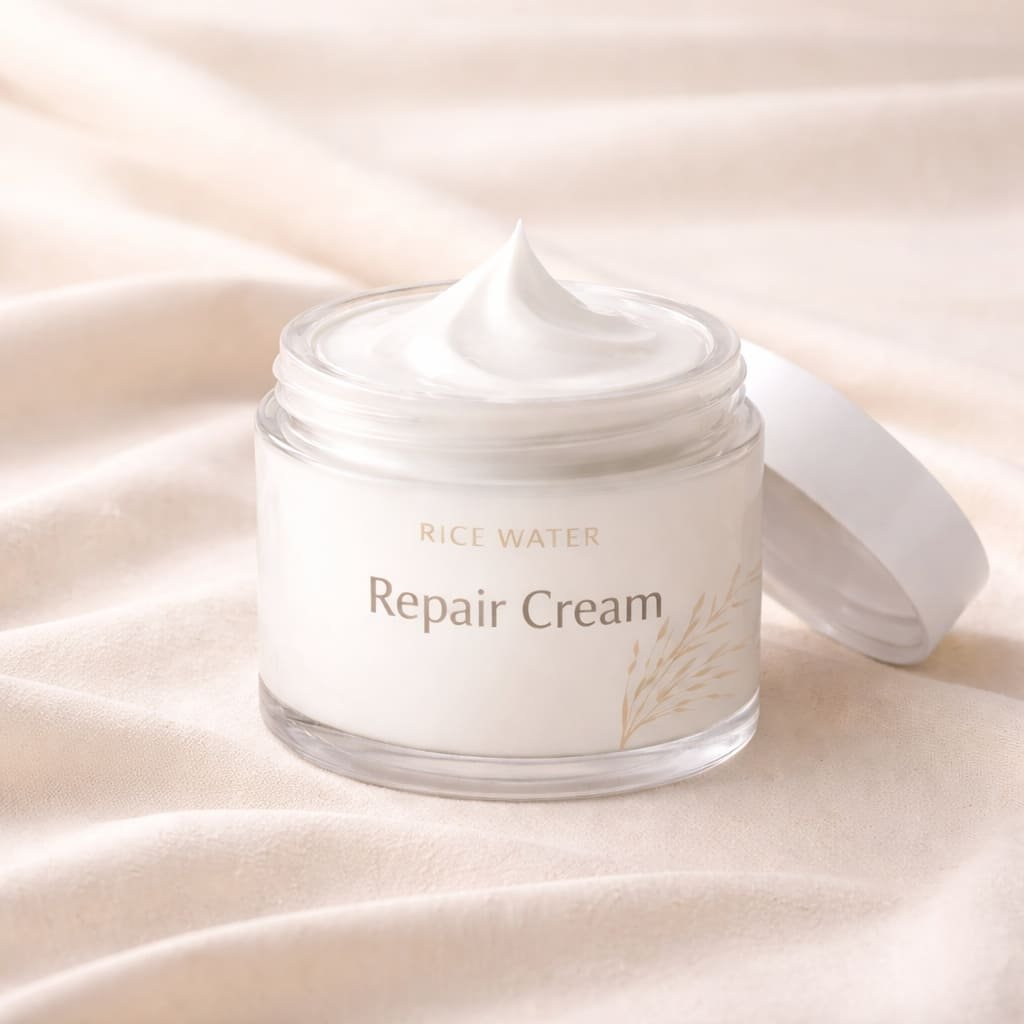
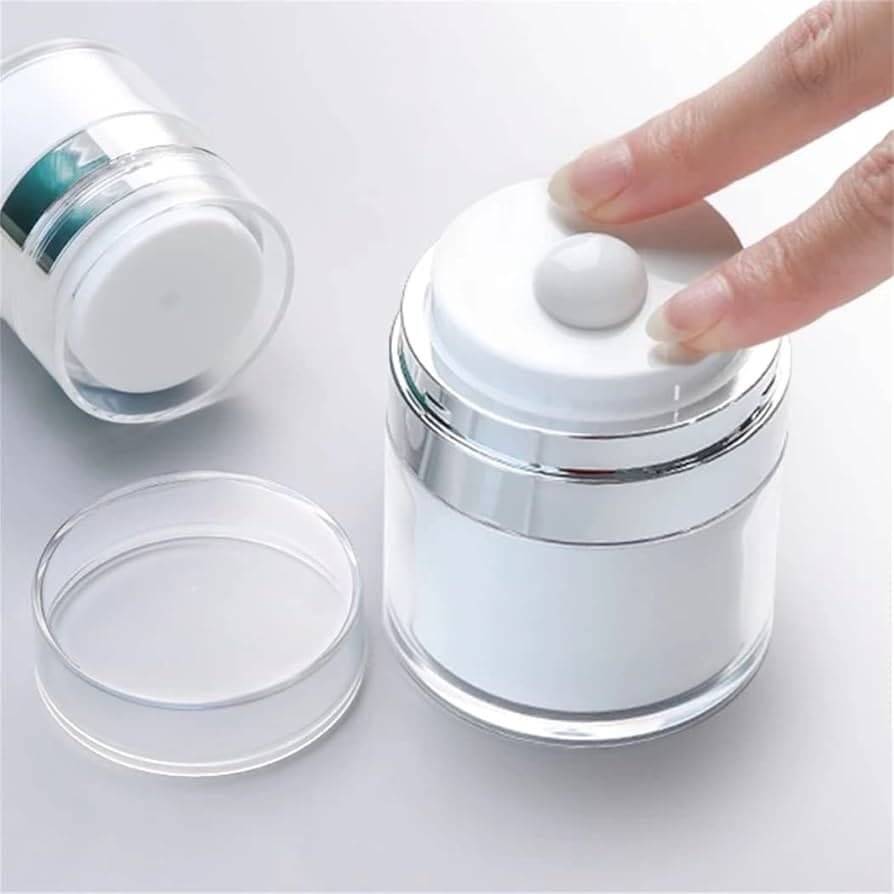
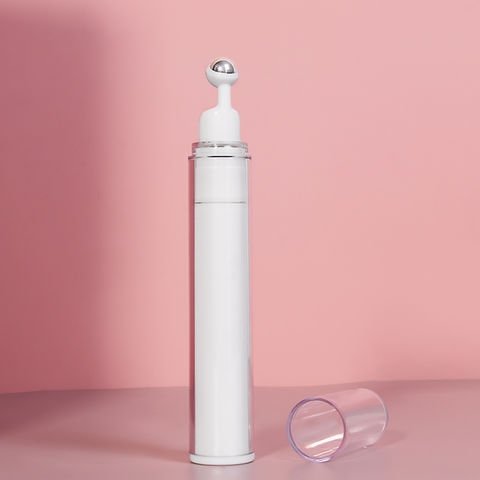
| Cream / Gel Cream | Airless pump or double-wall jar | Formula protection + modern premium look |
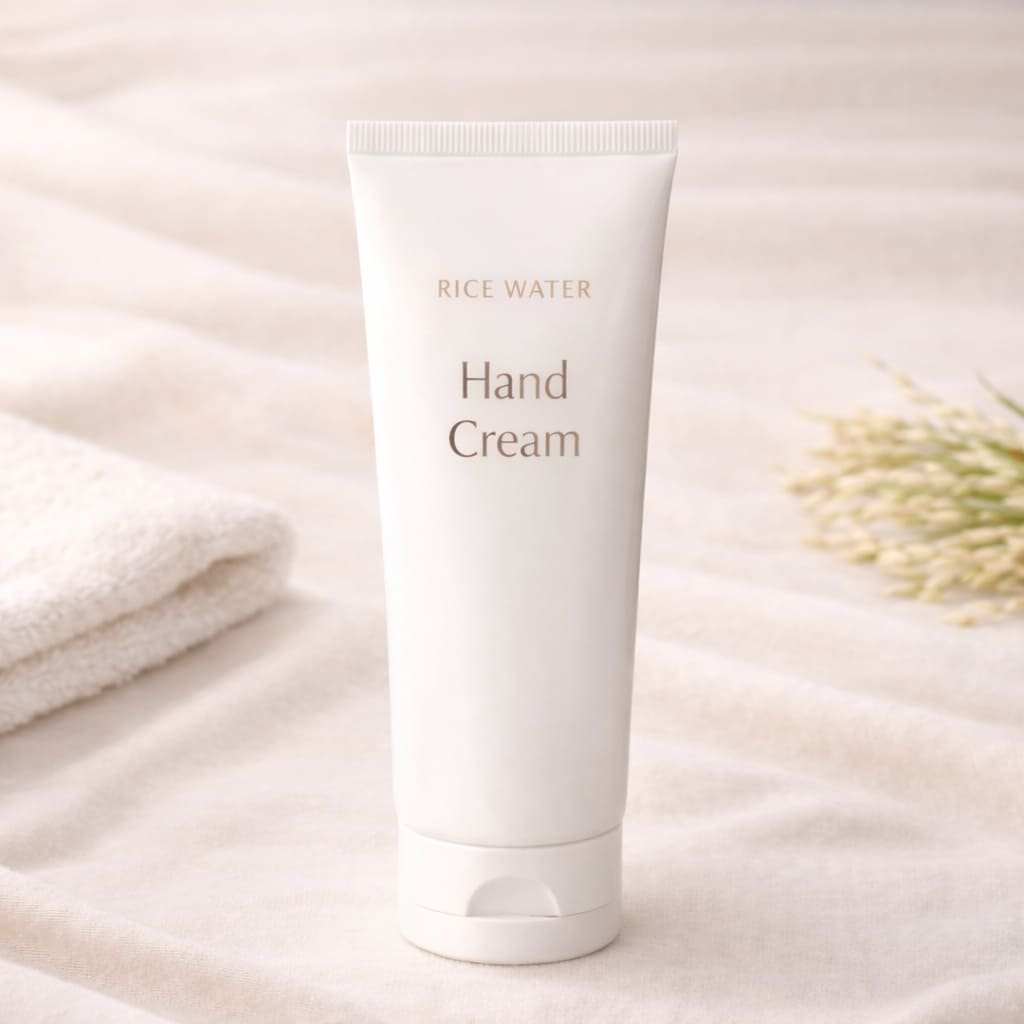
| Mask (hair/face) | Wide jar or soft tube | Easy access for thick textures, stable in shipping |
| Leave-in / Gloss | Fine-mist spray or slim nozzle | Even distribution, lightweight professional feel |
| Scalp Tonic | Precision nozzle bottle | Direct-to-scalp control, clinical-style appearance |
Why choose Zerun Cosmetic for a rice water skincare + haircare line?
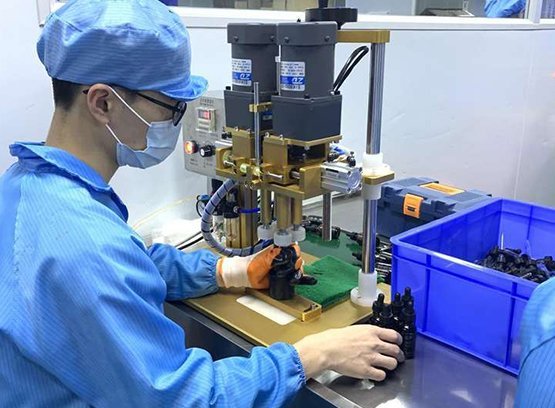
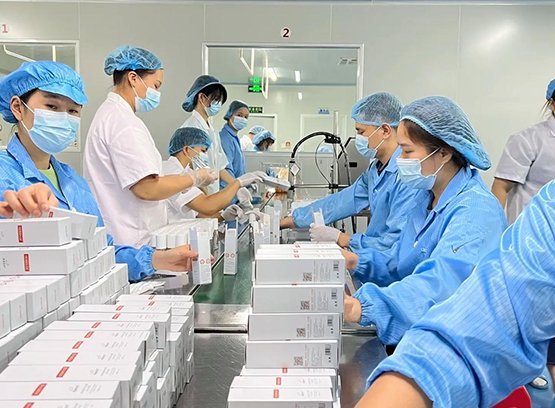
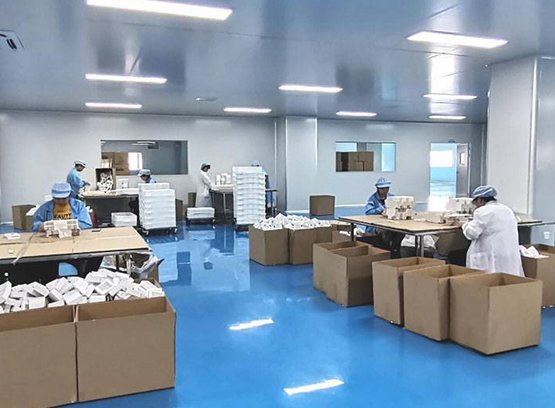
Zerun helps brands make rice water positioning feel real in bulk production—not just as a story.
What makes Zerun different for this positioning
Active-first product development: formulas are built around outcomes and tolerance, then optimized for texture, finish, and layering in real routines.
Clean policy flexibility: fragrance-free and low-irritant lanes can be developed without making products feel bland or “too basic.”
Stability and compatibility discipline: early checks reduce the classic failures—separation, discoloration, odor drift, pump clogging, and active performance drop.
Range consistency at scale: shared base systems and standardized packaging components help keep reorders consistent across batches and markets.
Where buyers see the advantage most clearly
Faster decision-making: clear sample iterations with controlled variables (active level, texture, finish, fragrance policy).
Better channel readiness: packaging sourcing and packaging design services support make it easier to land a premium look without custom-mold overreach.
Documentation mindset: structured ingredient, safety, and quality information that supports compliant labeling and smoother market entry planning.








Make A Sample First?
If you have your own formula, packaging idea, logo artwork, or even just a concept, please share the details of your project requirements, including preferred product type, ingredients, scent, and customization needs. We’re excited to help you bring your personal care product ideas to life through our sample development process.
How Zerun Cosmetic supports a rice water line from brief to reorder
- Our team will answer your inquiries within 12 hours.
- Your information will be kept strictly confidential.
- Turn your brief into a clear plan
- Confirm the rice-water direction (rice water / rice extract / rice ferment) and lock one “hero feel” target (lightweight, rinse-clean, non-sticky).
- Align red lines early: fragrance level, color/odor expectations, and residue tolerance for haircare.
- Build a launch set that can reorder
- Start with a tight SKU set with clear roles: 1 hero + 2–4 repeat drivers, then keep add-ons optional.
- Define simple usage rules (daily vs weekly; scalp vs lengths; skincare step order) to reduce confusion and bad reviews.
- Approve samples with measurable anchors
- Agree on pass rules before sampling: key feel checkpoints (slip, finish, absorption) plus “must-not” issues (tack, pilling, flat roots).
- Lock basic QC anchors that protect bulk consistency: viscosity range, odor reference, appearance, and fill behavior.
- Keep bulk consistent and reorders stable
- Use retained references (approved sample + first bulk) and tolerance windows so future batches stay consistent.
- Extend the line by routine roles (mask, mist, scalp tonic) while keeping the same visual system and sensory rules.