Skip to content
Panthenol Ingredient Custom Cosmetics Manufacturer
Discover panthenol (pro-vitamin B5)’s soothing, barrier-strengthening, and long-lasting hydration benefits. Learn recommended % levels and pH ranges, water-phase stable formulations, product formats, compatible actives, packaging/MOQ, and private-label options to build high-performing skincare for global markets.
What Is Panthenol

Panthenol (pro-vitamin B5) is the alcohol analogue of pantothenic acid and a water-soluble humectant/conditioning active valued for soothing, barrier support, and long-lasting hydration. The biologically active D-isomer (dexpanthenol) converts in skin to vitamin B5, making panthenol suitable for virtually all skin types, including sensitive and post-procedure care.
INCI: Panthenol (aka Dexpanthenol/Pro-vitamin B5) · CAS: 81-13-0 (D-panthenol); 16485-10-2 (DL-panthenol) · Clear to slightly yellow, hygroscopic viscous liquid or crystalline solid; water-soluble, faint odor. (EC CosIng, Wikipedia)
Sources: Typically manufactured by chemical synthesis (e.g., pantolactone + 3-aminopropanol), supplied as D- or DL- grades for personal-care applications.
Water solubility: Freely soluble in water and common glycols/alcohols; essentially insoluble in oils—ideal for water-phase serums, essences, toners, gel-creams, and lotions.
pH flexibility: Performs well in mildly acidic to neutral systems (~4.5–7); avoid prolonged high heat during processing to preserve activity (post-add ≤45–50 °C when possible).
Panthenol Benefits: Mechanisms, Results & OEM Formulation
See how panthenol (pro-vitamin B5) delivers soothing, barrier repair, long-lasting hydration, post-procedure comfort, tolerance boosting, and scalp/hair conditioning—plus recommended percentages, test methods, and private-label applications.

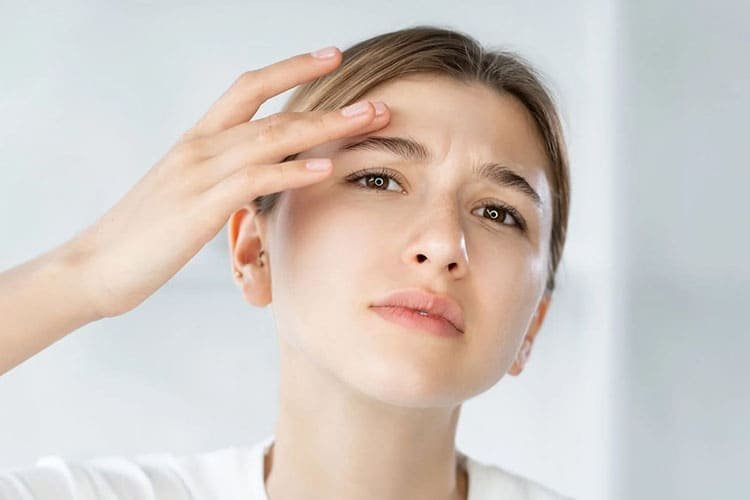
Soothing & Redness Relief
Mechanism: Converts in skin to pantothenic acid (vitamin B5), modulating irritation pathways and supporting keratinocyte recovery for calmer skin.
Benefits: Reduces sting/tightness, visibly eases erythema, improves comfort after cleansing or environmental stress.
Importance: A gentle daily “calm & comfort” claim anchor across all skin types.
Use level & testing: 0.5–2% in serums/gel-creams; evaluate Δa* (redness), stinging/tolerance panels, expert photo grading.
Good pairings: Allantoin, bisabolol, centella actives, beta-glucan, madecassoside.
Barrier Repair & TEWL Reduction
Mechanism: Fuels coenzyme A–dependent lipid synthesis and stratum-corneum renewal, improving corneocyte cohesion and reducing TEWL.
Benefits: Stronger barrier, less dryness and micro-flaking, improved resilience to irritants.
Importance: Core benefit for sensitive-skin and daily repair lines.
Use level & testing: 1–2% daily; up to 3–5% in intensive creams/masks. Measure TEWL, tape-stripping recovery, and cohesion metrics.
Good pairings: Ceramides + cholesterol + FFAs, niacinamide, squalane, oat β-glucan.


Long-Lasting Hydration & NMF Support
Mechanism: Highly hygroscopic; enhances water binding and supports NMF optimization for sustained moisturization.
Benefits: Softer texture, improved suppleness, smoother fine dehydration lines.
Importance: Drives comfort/repurchase and reduces dryness complaints.
Use level & testing: 0.5–2% daily serums/lotions; 2–5% for masks/hand care. Track Corneometer/Skicon curves and 24–72 h wear studies.
Good pairings: Multi-weight hyaluronic acid, polyglutamic acid, glycerin, ectoine, amino acids.
Post-Procedure & Wound-Care Adjacent Comfort
Mechanism: Supports epithelial renewal and barrier reconstruction; helps down-regulate visible signs of irritation after procedures or retinoid onboarding.
Benefits: Faster comfort return, reduced roughness, more even feel.
Importance: Ideal for recovery serums, soothing masks, and after-sun SKUs (non-medical positioning).
Use level & testing: 1–3% in gel-creams/masks; assess comfort diaries, TEWL trend, texture grading under standardized lighting.
Good pairings: Aloe, beta-glucan, centella actives, allantoin, trehalose.
Tolerance Booster with Strong Actives
Mechanism: Strengthened barrier and hydration buffering help reduce sting/peel from acids, retinoids, or vitamin C routines.
Benefits: Higher tolerance threshold, smoother onboarding, better regimen adherence.
Importance: Key in multi-active private-label systems for all seasons/climates.
Use level & testing: 0.5–2% alongside actives; stinging panels, adherence tracking, TEWL follow-up during escalation.
Good pairings: Niacinamide (2–4%), PHAs/AHAs (pH-appropriate), retinoids (encapsulated), vitamin C derivatives.
Scalp & Hair Conditioning
Mechanism: Film-forming humectant improves fiber hydration, slip, and gloss, supporting cuticle smoothness and breakage resistance.
Benefits: Healthier-looking scalp comfort, improved hair feel, reduced frizz and dryness appearance.
Importance: Expands lines into scalp serums, shampoos, conditioners, and leave-ins.
Use level & testing: 0.2–1.5% in hair/scalp formats; measure combing force, gloss, breakage; scalp flake/comfort scoring.
Good pairings: Niacinamide, zinc PCA (scalp), hydrolyzed proteins, quats, lightweight esters/silicones.
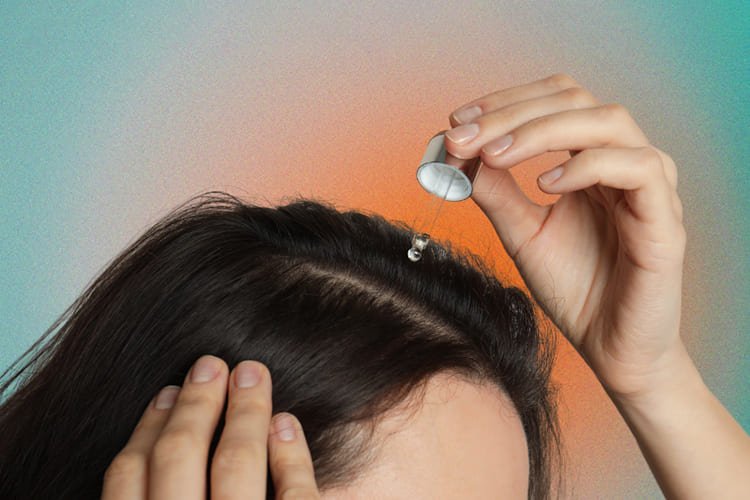
Best Product Formats for Panthenol
Panthenol (pro-vitamin B5) suits leave-on and rinse-off formats for soothing, barrier support, and long-lasting hydration. It performs best in mildly acidic to neutral systems (pH 4.5–7), dissolves in the water phase, and pairs well with ceramides, niacinamide, and hyaluronic acid.

Leave-In Conditioner

Hydrating Toner

Scalp Serum
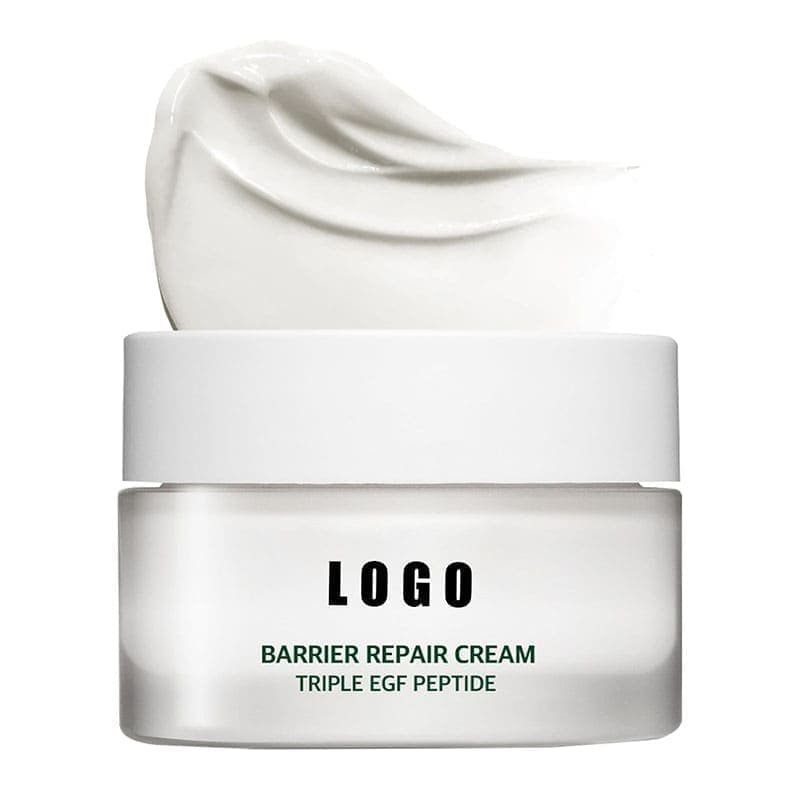
Barrier Repair Cream

Vitamin B5 Serum

Panthenol Face Cream
Ready to Build Your Panthenol Product Line?
Talk to our formulation experts today, get a formula proposal with recommended percentage, base, and co-actives in 48 hours. Our formulation team will help you create high-performance panthenol products with proven efficacy, custom packaging, and compliant safety documentation.
Panthenol Concentration Options | Custom 0.2–5% for OEM/ODM
Choose the right panthenol (pro-vitamin B5) concentration for soothing, barrier repair, and long-lasting hydration in water-phase systems. We guide % use levels, pH 4.5–7 bases, heat/post-add processing, and validation—backed by testing and documentation for safe, compliant launches.
1. Concentration Range
Typical concentrations range from 0.5–2% in leave-on face care, up to 3–5% in intensive masks/hand creams, and 0.2–1% in hair/scalp products. Final selection depends on skin/hair type, claim strength, sensorial target, and regional rules.


2. Typical Use Levels
| Target Use Case | Panthenol % | Best Formats | pH Window | Proof & QA |
|---|---|---|---|---|
| Daily soothing & hydration | 0.5–1% | serum, toner/essence, light lotion | 5.0–6.5 | Δa* redness, stinging/tolerance panels, Corneometer |
| Barrier repair & TEWL reduction | 1–2% | gel-cream, cream, lotion | 5.0–6.0 | TEWL↓, tape-stripping recovery, cohesion metrics |
| Intensive recovery / hand & mask care | 2–5% | overnight mask, hand/foot cream | 5.0–6.5 | 24–72h hydration curves, profilometry, comfort diaries |
| Tolerance booster with strong actives | 0.5–2% | serum, gel-cream, lotion | 5.0–6.0 | Stinging tests, regimen adherence, TEWL trend |
| Scalp comfort & hydration | 0.2–1% | shampoo, conditioner, scalp serum | 5.0–6.5 | Flake/comfort scoring, sebum/itch questionnaires |
| Hair fiber slip & gloss | 0.2–0.8% | conditioner, leave-in, mask | 4.5–6.0 | Combing force, glossmeter, breakage reduction |
*Final percentage depends on target claim, skin type, and regional compliance.
Panthenol Formulation & Actives Ingredient Customization
Build formulas around panthenol (pro-vitamin B5) for soothing, barrier repair, and long-lasting hydration, complemented by ceramides/cholesterol/FFAs, niacinamide, multi-weight HA/PGA, beta-glucan, and ectoine. We provide stability + ISO 11930 testing, flexible MOQs, and full OEM/ODM documentation (PIF, SDS, claims substantiation, consumer testing).
1. Formulation Systems
2. Ingredient Customization Case
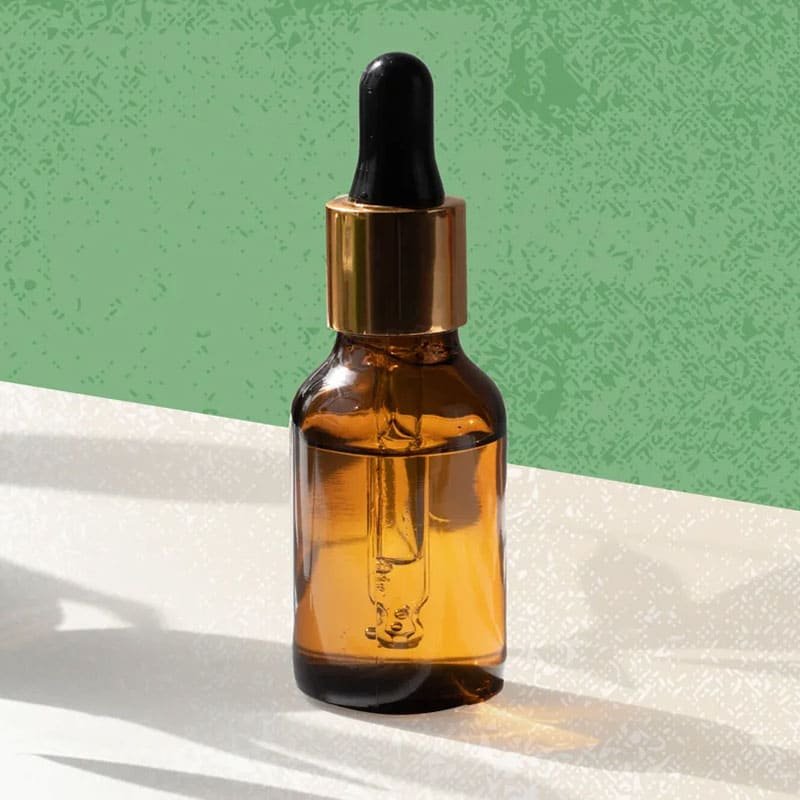
Daily Soothing Serum
Benefits: Rapid comfort, visible redness reduction, smoother feel; layers under sunscreen and makeup without pilling.
Actives: Panthenol 1.5% + Glycerin 4% + Low-MW HA 0.10% + Allantoin 0.30%.
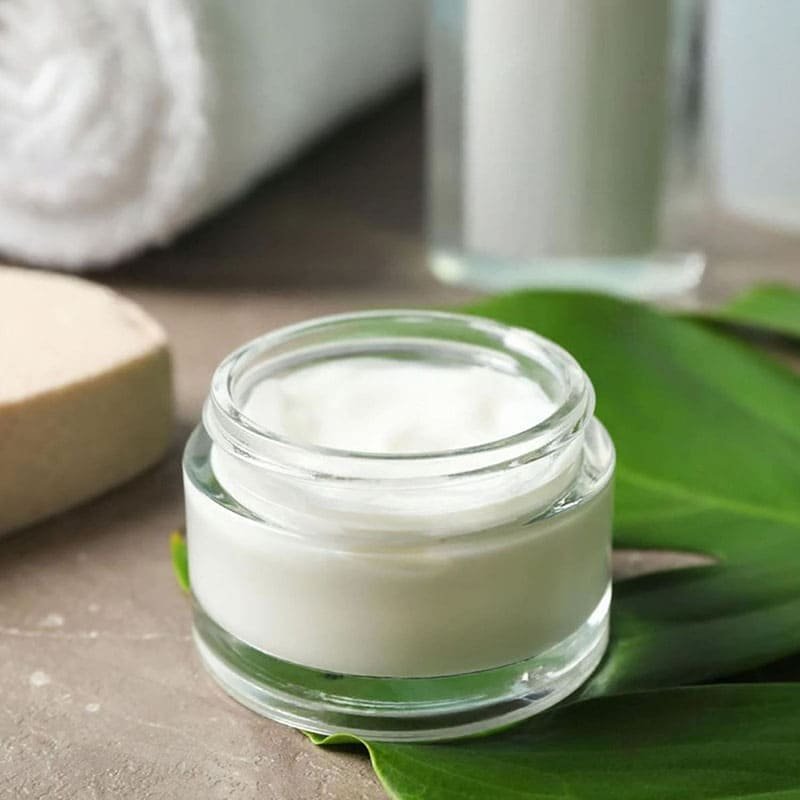
Barrier-Repair Gel-Cream
Benefits: Stronger barrier with TEWL reduction, silk-cushion sensorial, year-round tolerance for sensitive users.
Actives: Panthenol 2% + Ceramide NP 0.20% + Cholesterol 0.15% + FFAs 0.15% + Beta-glucan 0.30%.
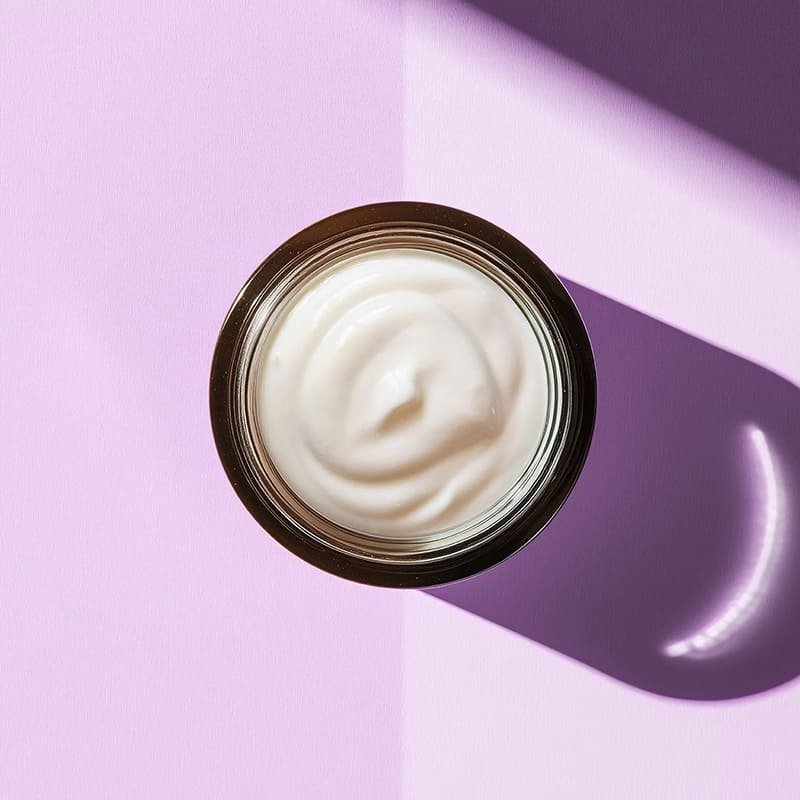
Overnight Recovery Mask
Benefits: Intensive hydration and comfort boost overnight; softens dehydration lines and morning tightness.
Actives: Panthenol 3–5% + Multi-weight HA 0.20% + Ectoine 0.20% + Squalane 1%.

Oil-Control Hydrating Fluid
Benefits: Balances shine while maintaining hydration; non-greasy daily wear for combination/oily skin.
Actives: Panthenol 1% + Niacinamide 4% + Zinc PCA 0.5% + HA (LMW) 0.10%.

Hand/Body Repair Lotion
Benefits: Reduces roughness and flaking on dry areas; long-lasting softness with clean, non-sticky after-feel.
Actives: Panthenol 3% + Urea 5% + Shea Ester 2% + Glycerin 5%.

Scalp Hydration Serum
Benefits: Comforts dry, itchy scalp; improves flake appearance with lightweight, residue-free finish at roots.
Actives: Panthenol 0.5–1% + Niacinamide 1% + Aloe 0.50%.
Panthenol Global Trends & Regional Analysis
With rising demand for gentle skincare, Panthenol is trending in European and U.S. markets—especially in hydration-focused and post-treatment products. It’s highly valued in cosmeceuticals and daily barrier-repair skincare.
1. Panthenol Global Trends
The global panthenol market size was valued at USD 107.1 million in 2023 and is expected to grow at 4.2% CAGR from 2024 to 2032, driven by its diverse applications across industries, especially in cosmetics, personal care, pharmaceuticals, and food and beverages. In the cosmetics and personal care sectors, panthenol is prized for its moisturizing and healing properties, which enhance both skin and hair health.


Panthenol Market Trends
Current trends in the panthenol industry include the rising consumer preference for clean-label and natural products, driving brands to incorporate panthenol for its skin and hair benefits. The demand for multifunctional ingredients that provide multiple benefits in a single product is also gaining momentum. Upcoming trends are expected to focus on the integration of panthenol into innovative formulations targeting specific consumer concerns, such as aging and sensitivity.
Additionally, the growing popularity of personalized beauty and wellness products will likely lead to tailored formulations featuring panthenol, enhancing its appeal. Sustainability will continue to be a key driver, influencing sourcing and production practices.
2. Panthenol Regional Analysis
Europe panthenol market will record 4.2% CAGR and USD 46.81 million by 2032, driven by increasing consumer awareness of natural ingredients in cosmetics and personal care products. The Western European region, particularly in countries like Germany, France, and the UK, leads in demand due to a strong emphasis on sustainable and eco-friendly formulations.
Meanwhile, Eastern Europe is witnessing a rising trend in the adoption of panthenol, fueled by growing middle-class populations and an expanding cosmetics industry. Regulatory support for clean-label products and innovative formulations further enhances market potential across the continent, positioning Europe as a key player in the market.

More Panthenol product customization instructions and FAQs
Q: Which panthenol form should I choose—D-panthenol vs DL, liquid vs powder?
A: Choose D-panthenol (dexpanthenol) for the most biologically active profile and consistent claims. DL-panthenol can be cost-effective for rinse-offs or large-volume body care. Liquids (50–75%) are easy to dose and dissolve; powder (≥98%) suits anhydrous concentrates or where tight INCI control is required. Confirm supplier assay, optical rotation, and residual solvents.
Q: What is the optimal % range and co-humectant strategy for lasting hydration?
A: For leave-on face care, use 0.5–2%; step to 2–5% in masks/hand creams. In hair/scalp, 0.2–1% typically suffices. Blend with multi-weight HA/PGA, glycerin/1,3-propanediol, ectoine, amino acids to extend water binding and reduce tack. Keep systems at pH 4.5–7 and balance film formers to avoid “sticky shine”.
Q: Can panthenol be combined with acids, retinoids, vitamin C, or niacinamide?
A: Yes—panthenol buffers irritation and improves regimen tolerance. With AHAs/PHAs/L-ascorbic, consider time separation or layering panthenol after acids. Works seamlessly with niacinamide, vitamin C derivatives, encapsulated retinoids, and azelaic derivatives in pH-neutral (≈5–6) emulsions. Validate with stinging panels, adherence tracking, and TEWL trends during onboarding.
Q: How long before consumers see results?
A: Immediate: softer feel and comfort post-application. 1–2 weeks: measurable hydration rise (Corneometer) and reduced tightness/flaking. 4–8 weeks: clearer TEWL↓, smoother texture, and improved perceived tolerance to strong actives. Outcomes depend on dose, vehicle, layering discipline, and climate.
Q: Any formulation and packaging watch-outs?
A: Panthenol is heat- and color-sensitive—post-add ≤45–50 °C to limit yellowing. Its hygroscopic nature can plasticize gels or shift viscosity; optimize polymer ratio and salts. Use chelators (EDTA/GLDA), robust preservation (ISO 11930), and deaeration to minimize haze. In sprays/essences, tune surface tension for even misting. Prefer airless or amber packages; verify pump torque, suck-back, leak, and shipping stability.
Launch Your Custom Cosmetics Line Now!