Skip to content
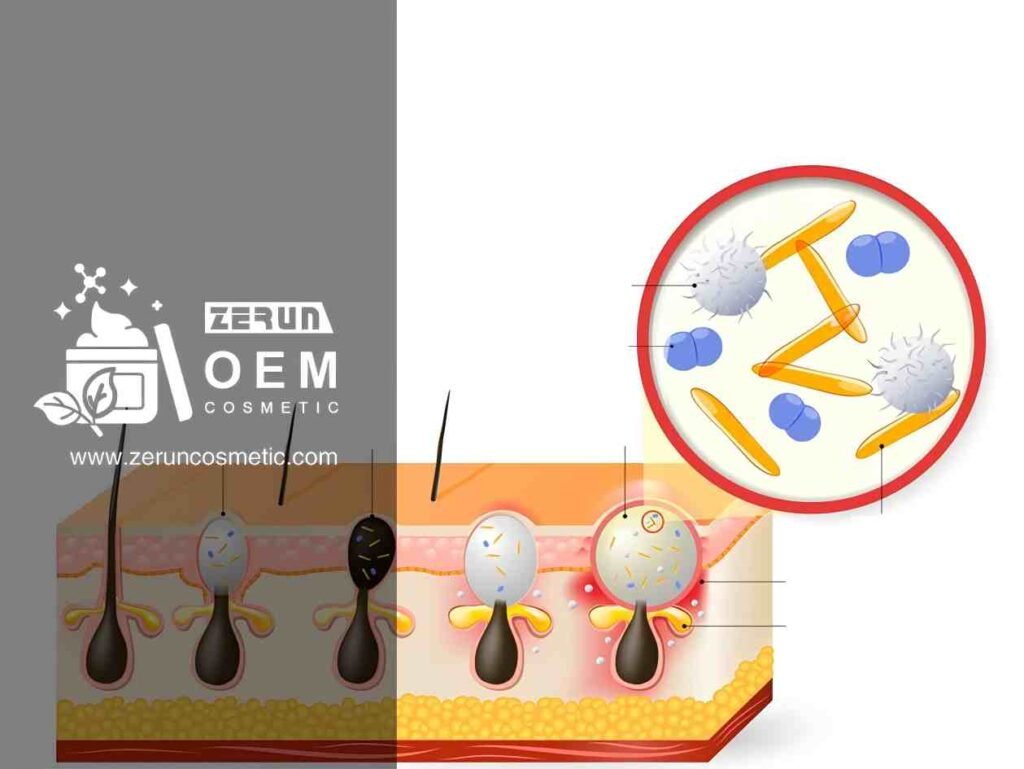
Butt “pimples” are one of those annoying problems people try to ignore… until sitting hurts, workouts sting, or a swimsuit suddenly feels like a spotlight. The tricky part is that many bumps on buttocks aren’t classic face acne at all—so “acne routines” can backfire.
Pimples on buttocks are usually butt bumps caused by sweat, friction, and clogged hair follicles—often folliculitis or keratosis pilaris rather than true acne. The fastest first steps are to reduce rubbing and heat, shower after sweating, and use a gentle body cleanser. If bumps are painful, hot, spreading, or recurring as deep lumps, treat it as more than simple pimples and get checked.
Is it butt acne—or folliculitis, KP, or a boil?
Most “pimples on buttocks” are follicle-related bumps triggered by sweat and friction, so identifying the type is the quickest way to choose the right routine.
Here’s a simple, practical cheat sheet. It’s not a diagnosis—just a way to stop guessing.
| What it might be | What it looks/feels like | Common triggers | Best first steps | Get checked sooner if… |
|---|---|---|---|---|
| Acne-like breakouts | small inflamed pimples, sometimes blackheads/whiteheads | occlusive products, sweat, friction | gentle wash, start one acne active slowly | scarring, widespread, not improving |
| Folliculitis | pimple-like bumps centered on hair follicles, itchy/tender | sweat + friction, tight clothing, shaving | reduce friction, shower promptly, consider targeted wash | spreading redness, strong pain, fever |
| Keratosis pilaris (KP) | rough “sandpapery” bumps, usually less inflamed | dry skin, genetics, over-scrubbing | moisturize consistently, gentle smoothing actives | persistent irritation or cracking |
| Boil/abscess | deep painful lump, warmth, may drain | infection + friction, repeated irritation | do not squeeze, warm compress | large, worsening, recurring deep lumps |
How to quick self-check?
If you’re not sure, these clues usually help:
- If bumps are rough and uniform and don’t look “infected,” KP is more likely.
- If bumps are itchy/tender and centered on hair follicles, folliculitis is likely.
- If there’s a deep, hot, painful lump, think boil/abscess—don’t attack it with acids.
- If you see blackheads/whiteheads, acne-like breakouts are more plausible (though butt skin behaves differently than face skin).
The biggest mistake: treating everything like face acne
On buttocks, friction + heat + sweat are often the real drivers. If you only “go stronger” with actives—more scrubs, more acids, more frequent use—without fixing friction and moisture trapping, bumps can get angrier and marks can last longer.
How can butt pimples calm down in 48–72 hours?

Fast relief comes from removing friction and heat first, then using one targeted active instead of stacking multiple harsh products.
Step 1: Stop the friction loop
This is the highest ROI move, and it’s boring—which is why people skip it.
- Switch to looser, breathable fabric for a few days (cotton or sweat-wicking that isn’t compressive).
- Avoid sitting in sweaty clothes after workouts. Change fast.
- If you’re sitting for long periods, reduce rubbing:
- softer underwear seams
- avoid rough denim for a couple days
- consider a breathable seat cushion if you’re commuting a lot
Step 2: Cleanse like you’re calming skin, not punishing it
- Shower after sweating when you can (even a quick rinse helps).
- Use warm water (not hot).
- Use your hands, not a harsh loofah.
- Pat dry—don’t rub.
If you can only do one thing, do “shower quickly after sweat + stop friction.” It’s the difference between bumps that fade and bumps that multiply.
Step 3: Warm compress for tender bumps (10 minutes)
If bumps feel sore or “deep,” warm compresses can help the area calm down and drain naturally without squeezing.
- 10 minutes, 1–2 times a day
- gentle pressure only
- do not pick or pop
Step 4: Choose one active for the next 3 days
Pick one lane based on how it looks:
If it looks acne-like:
- Start with a mild acne-supporting wash or leave-on used sparingly (details below).
If it looks folliculitis-like:
- Prioritize friction control and a targeted cleanser approach rather than layering multiple leave-ons.
If it looks KP-like:
- Skip “spot treatments” and go for consistent gentle smoothing + moisturization.
How to know it’s working by Day 3
You’re on the right track if:
- bumps feel less tender
- the area looks less red
- fewer new bumps appear
- skin doesn’t feel raw/tight
If it’s more painful, warmer, spreading, or turning into a deep lump—don’t keep escalating home care.
Why do pimples on buttocks keep coming back?
Recurrence is usually a lifestyle loop—sweat, sitting, friction, and fabric—so prevention is mostly “environment control,” not stronger acids.
Workouts and sweat
Common pattern: train → stay in leggings/shorts → friction + moisture → bumps.
- Change out of sweaty clothes quickly.
- If you can’t shower right away, a quick rinse or wipe-down helps.
- Rotate workout bottoms; avoid re-wearing tight items without washing.
Desk sitting and long commutes
Sitting increases heat and pressure, and seams rub the same spots repeatedly.
- Choose underwear with smoother seams.
- Avoid overly tight pants for long seated days.
- Take micro-breaks if possible (even standing for a minute reduces pressure).
Tight fabrics and “trapped moisture”
Compression can be great for performance, but bad for bump-prone skin.
- If bumps flare, temporarily switch to less compressive options.
- Prioritize breathability over “snatched” fit until things calm.
Shaving and hair removal
Hair removal can create micro-inflammation + ingrowns that look like acne.
- If bumps follow shaving days, treat it as a technique/aftercare issue first, not an “acne severity” issue.
Over-scrubbing (the silent offender)
Many people try to “scrub it off.” That often leads to:
- barrier disruption
- more inflammation
- darker marks afterward
If your skin feels stinging or tight after showering, that’s a sign you’re doing too much.
Which ingredients work best for butt acne vs folliculitis vs KP bumps?

Choose actives by bump type and tolerance—one hero active first, then add barrier support to avoid irritation that worsens marks.
This is the “smart shopping” section: what to use, how often, and what to avoid stacking.
If it’s acne-like breakouts
Goal: unclog pores and reduce inflammation without stripping.
- Salicylic acid (BHA): great for pores and oily, sweat-prone skin Start 2–4x/week, then increase if comfortable.
- Benzoyl peroxide (BPO): helpful for acne-type bacteria and inflamed breakouts Can be drying/bleaching to fabrics; patch test; start low frequency.
- Azelaic acid (leave-on): good for redness and post-bump marks, usually gentler than strong acids Useful if you tend to mark easily.
Avoid going “all in” on day one. Overdoing it is a common reason people end up with more discoloration.
If it looks like folliculitis
Goal: reduce follicle irritation triggers, keep the area clean, and avoid compounding inflammation.
- Prioritize friction + sweat control first.
- Consider targeted cleansing actives used at a sensible frequency rather than stacking multiple leave-ons.
- If it’s worsening or spreading, don’t keep experimenting—get checked.
A practical note: folliculitis can have different causes. If you keep treating it like acne and it doesn’t budge, that’s your signal to reassess rather than intensify.
If it’s KP (rough bumps)
Goal: smooth texture gently and rebuild barrier.
- Lactic acid: smoothing and hydration-friendly for many people
- Urea: great for roughness and dry, bumpy texture
- Gentle AHAs in a body lotion format can work well because consistency matters more than intensity.
KP responds best to “small, steady steps,” not aggressive scrubbing.
Universal support: the calm-and-protect layer
No matter the bump type, these help prevent the “I fixed bumps but destroyed my skin” problem:
- Barrier-support moisturizers (think: non-greasy but protective)
- Soothing ingredients if you’re easily irritated
- A routine that doesn’t leave skin tight or raw after cleansing
If the area starts stinging, scaling, or feeling tight, reduce frequency before you change ingredients.
How should hair removal be managed to prevent ingrown bumps?
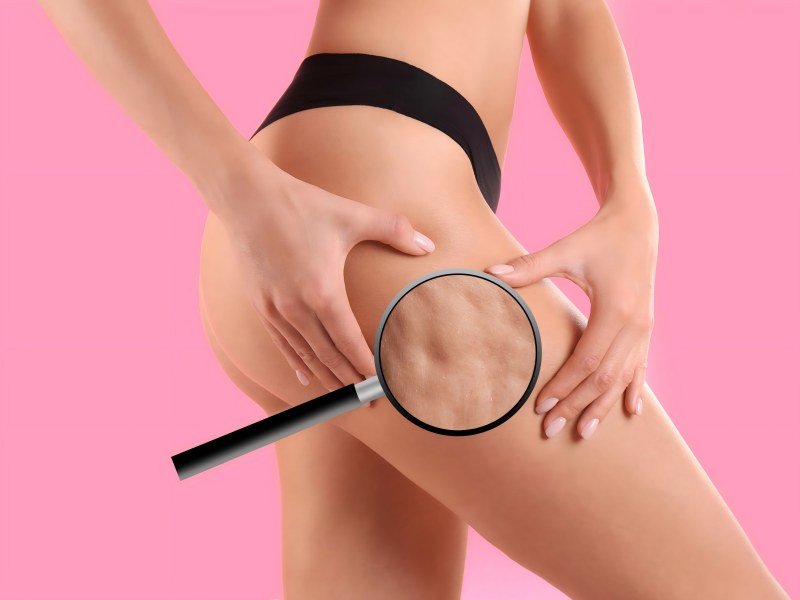
Most post-shave butt bumps are friction + micro-irritation + ingrowns, so technique and aftercare beat stronger exfoliation.
Before hair removal
- Don’t shave when skin is already inflamed.
- Use a clean, sharp tool.
- Avoid dry shaving.
During
- Shave with the grain when possible.
- Use light pressure.
- Don’t do repeated passes over the same area.
After
- Keep the area cool and dry.
- Avoid tight clothing immediately afterward.
- Use a gentle calming moisturizer rather than hitting it with multiple acids right away.
If bumps spike every time you remove hair, it’s not “bad luck.” It’s a predictable inflammation loop you can interrupt.
What should be avoided when treating butt bumps?
Over-scrubbing, picking, and stacking strong actives are the fastest ways to turn small bumps into long-lasting marks.
Here are the common traps that keep people stuck:
- Picking or popping (more inflammation, higher risk of dark spots)
- Harsh body scrubs on already-inflamed bumps
- Hot showers + aggressive rubbing
- Using multiple strong actives at once “to speed it up”
- Tight clothing on active breakouts
- Re-wearing sweaty workout bottoms
- Heavy, occlusive products that trap heat and sweat
- Fragrance-heavy products on irritated skin (especially if you’re sensitive)
If you change nothing else, stop the “scrub + pick + tighten + repeat” cycle.
When should butt bumps be checked by a clinician?
Painful deep lumps, spreading redness, fever, or recurring boils are not a “skincare problem” and shouldn’t be self-treated for long.
Use these practical triggers:
- A bump becomes a deep, very painful lump
- The area feels hot, looks like it’s spreading, or you see rapidly expanding redness
- You have fever or feel unwell
- You see recurring boils/abscess-like lumps
- No improvement after about 7–10 days of sensible home care
- Frequent recurrence in the same areas
It’s always better to get clarity early than to keep irritating skin and end up with longer-lasting marks.
How can you fade dark spots and butt acne marks safely?
Marks fade fastest when new inflammation stops first, then gentle brightening and barrier support are added consistently.
First: stop new bumps from forming
If new bumps keep appearing, mark-fading products won’t keep up. Prioritize friction control and a tolerable routine first.
Then: choose gentle, consistent brightening
Look for approaches that support even tone without making skin reactive.
- Gentle brightening leave-ons used consistently
- Avoid “peel-level intensity” unless you truly tolerate it well
- If you’re sensitive, reduce frequency rather than quitting entirely
Be realistic about timing
Body marks often take longer than face marks because friction and repeated irritation keep re-triggering the area. The win is steady improvement without creating new inflammation.
What routines work best for athletes, desk workers, and sensitive skin?
The best routine depends on friction and sweat exposure, so matching routine to lifestyle beats copying face-acne routines.
Athlete routine (sweat and friction first)
Morning or pre-workout:
- Keep it simple: gentle cleanse if needed
- Lightweight moisturizer if skin gets dry easily
After workout:
- Shower or rinse promptly
- Use a targeted cleanser a few times per week (not necessarily daily)
- Change into breathable clothing quickly
Desk routine (pressure and seams first)
Daily:
- Gentle cleanse once a day
- Moisturize to reduce friction
- Choose smoother underwear seams
On long seated days:
- Avoid tight pants that rub the same spot for hours
- If bumps flare, simplify actives and focus on calm + consistency
Sensitive skin routine (barrier first)
Base routine:
- Gentle cleanser
- Barrier-friendly moisturizer
Add actives slowly:
- Start 2–3x/week
- Increase only if there’s no stinging, tightness, or peeling
If your skin is sensitive, “less but consistent” almost always beats “strong but short-lived.”
If building a product line, which SKUs and claim language make the most sense?
The most sellable “butt bump” line is a small system—one wash + one leave-on + one barrier helper—built around friction/sweat realities and cosmetic-grade wording.
This is where your content can quietly shift from C-end problem solving to B-end business clarity, without feeling like an ad.
A simple, high-conversion SKU map (start small, sell a system)
A practical lineup that fits how people actually use products:
- A targeted body wash for bump-prone zones (butt, back, chest)
- A leave-on option (spray, light lotion, or pads) for convenience and repeat use
- A barrier support body lotion to prevent the “too dry, too irritated” spiral Optional add-ons if the brand wants a bigger story:
- A post-hair-removal calming product
- A “travel/workout” mini format
- A fragrance-free variant for sensitive users
Texture and packaging decisions that reduce complaints
Bump-prone users hate:
- sticky residue that increases friction
- heavy films that trap heat and sweat
- harsh products that sting
Smart packaging/format choices tend to be:
- pumps or sprays for quick post-workout use
- lightweight lotions that spread fast and dry down cleanly
- formats that avoid “over-application” by accident
Safer, more compliant claim framing (cosmetic-style)
Instead of medical or absolute promises, winning brands use language like:
- “helps reduce the look of bumps”
- “supports clearer-looking skin”
- “helps keep pores looking clear”
- “helps smooth rough, bumpy texture”
- “helps soothe post-workout skin discomfort”
Also, a good product page or label usually includes a sensible “when to seek medical advice” note for severe symptoms. It reads responsible and builds trust.
If your website goal is B2B lead capture, this is the section that should quietly point readers toward: (1) a related custom formulation page, (2) the relevant product development page (body wash / body lotion / body spray formats), and (3) a compliance/testing overview—using calm, solution-style anchor text rather than salesy CTAs.
Frequently Asked Questions about pimples on buttocks
These are the practical questions people ask when they’ve tried “random fixes” and want something that actually works.
Is it normal to get pimples on buttocks?
- Very common, especially with sweat, sitting, tight clothing, or hair removal.
- Many cases aren’t classic acne—follicle irritation is a frequent driver.
- The routine that works is usually friction control + simple, consistent care.
Can salicylic acid be used on butt bumps?
- Often helpful for acne-like bumps and clogged pores.
- Start a few times per week; daily use can be too drying for some people.
- If skin stings or gets tight, reduce frequency and rebuild barrier first.
Why do bumps show up after workouts?
- Sweat + friction + tight fabric creates a warm, moist environment.
- Staying in sweaty clothes makes the irritation cycle stronger.
- The biggest fix is changing quickly and cleansing gently afterward.
Should butt pimples be popped?
- Usually no—picking increases inflammation and dark marks.
- Deep painful lumps shouldn’t be squeezed; warm compress is safer.
- If bumps are worsening or spreading, get checked.
How long do butt acne marks take to fade?
- It varies; consistent prevention matters more than “strongest brightener.”
- If new bumps keep forming, marks last longer.
- Gentle brightening plus barrier support works better than over-peeling.
Are butt bumps contagious?
- Most are not “catchy” in a casual sense (friction/KP/acne-like issues).
- Some folliculitis cases can involve microbes and can spread in certain conditions.
- If multiple people get bumps after a hot tub or similar exposure, reassess and get advice.
What if bumps are painful and keep coming back?
- Recurring deep painful lumps are a reason to get evaluated.
- Don’t keep escalating acids and scrubs.
- Focus on friction control, stop picking, and seek clinical guidance for persistent recurrence.
Conclusion
Most pimples on buttocks are really “butt bumps” driven by sweat, friction, and irritated follicles—so the fastest fix is usually not harsher products, but smarter routine design. Identify whether you’re dealing with acne-like breakouts, folliculitis-style bumps, KP texture, or a deeper boil-like issue, then keep the plan simple: reduce friction, cleanse gently, use one targeted active at a tolerable frequency, and protect the barrier so marks don’t linger.
For brands, the opportunity is to turn this common frustration into a small, practical body-care system that people can actually stick with—built around the real triggers (workouts, sitting, tight clothing, hair removal) and framed with compliant, cosmetic-grade claims that reduce risk and returns.