Private Label AHA Body Lotion Manufacturer for Body Care Brands
Custom exfoliating body lotion development with adjustable AHA systems, texture, comfort, packaging and market positioning.
Develop an AHA body lotion around your target exfoliation level, skin feel and body-care positioning.
AHA System: Lactic acid, glycolic acid or balanced AHA blend directions
Product Positioning: Daily smoothing, rough-texture care or more intensive body-care routines
Texture Customization: Lightweight lotion, silky emulsion, rich lotion or gel-lotion
Comfort Balance: Combine exfoliation with hydration, emollients and soothing-support ingredients
Packaging Options: Pump bottles, squeeze tubes and airless packaging
OEM/ODM Support: Formula development, sampling, packaging matching, QC and bulk production from 1,000 pcs per SKU
Choose Your AHA Body Lotion Positioning
Define the product around your target user, exfoliation experience and body-care routine before deciding the final AHA system, texture and supporting ingredients.
Daily Smoothing
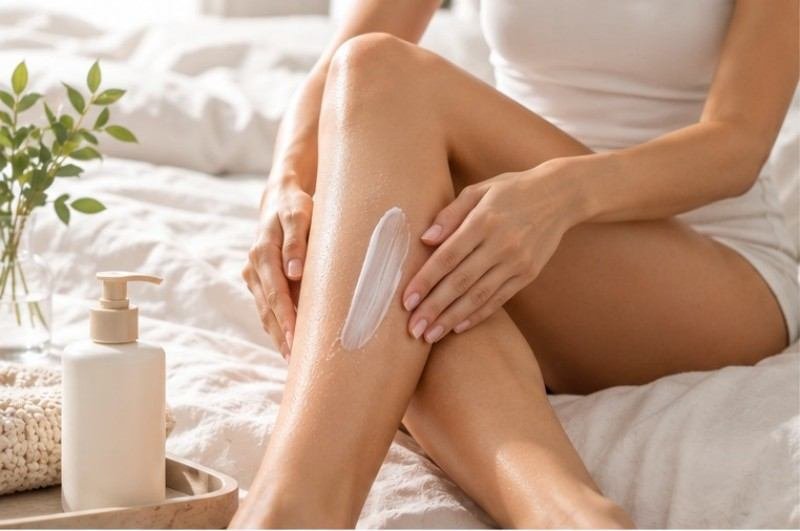
Gentle Everyday Care
A lighter AHA lotion direction designed to combine regular body exfoliation with a comfortable moisturizing feel.
Product Goal: Support smoother-feeling body skin
Formula Focus: Mild AHA direction with hydration support
Texture: Lightweight lotion or silky emulsion
Positioning: Suitable for regular body-care routines
This direction works well for brands that want an approachable active body lotion rather than a highly intensive exfoliating product.
Rough Texture Care
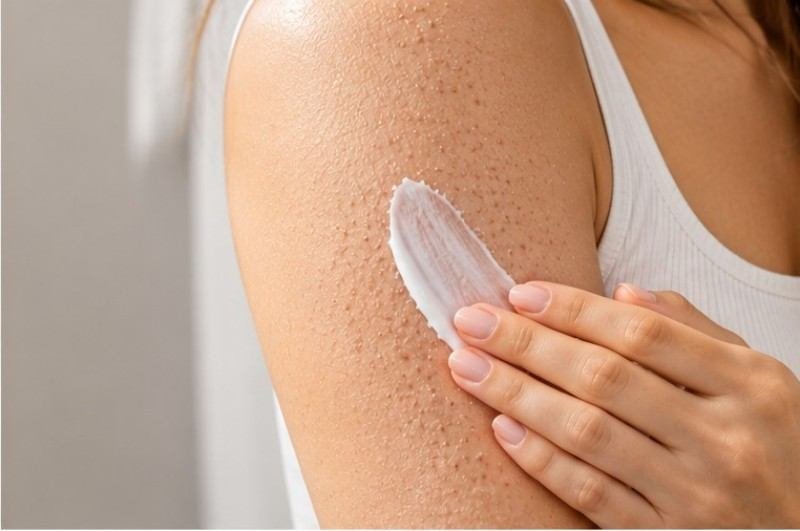
Target Uneven Texture
A more focused direction for areas where skin commonly feels rough or looks uneven, such as the arms, legs, elbows and knees.
Product Goal: Improve the appearance and feel of rough body texture
Formula Focus: More defined exfoliation with moisture balance
Texture: Medium-weight lotion with good spreadability
Positioning: Functional body-care and targeted smoothing routines
The formula should balance exfoliation performance with comfort instead of relying on acid level alone.
Dry & Rough Skin
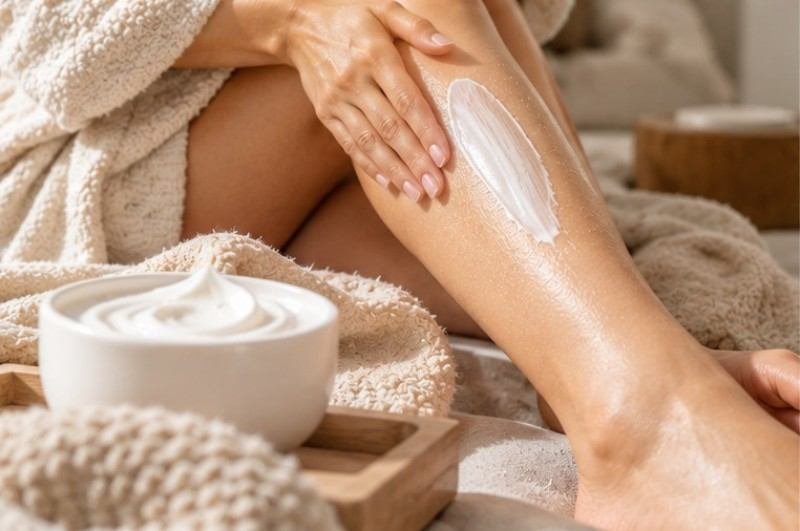
Exfoliate With Comfort
Designed for brands that want to address rough-feeling body skin without making the lotion feel overly drying or aggressive.
Product Goal: Combine exfoliation with richer conditioning
Formula Focus: AHA plus humectants, emollients and soothing-support ingredients
Texture: Rich lotion or comfort-focused emulsion
Positioning: Dry, rough-feeling body skin
This route places more emphasis on maintaining a moisturized after-feel while supporting gradual surface smoothing.
Texture & Radiance

Refine Dull-Looking Skin
AHA can also support body-care products positioned around smoother, fresher and more even-looking skin appearance.
Product Goal: Support smoother and more radiant-looking body skin
Formula Focus: AHA combined with hydration and antioxidant-support directions
Texture: Silky lotion or fast-absorbing emulsion
Positioning: Premium active body care and DTC beauty brands
This direction is better suited to brands that want a broader body-skin appearance story rather than a single roughness-focused product.
How Is AHA Body Lotion Different?
AHA body lotion combines leave-on exfoliating care with daily moisturization. Compare it with standard body lotion, body scrub and body serum to choose the format that best fits your product positioning and routine.
| Decision Point | AHA Body Lotion | Standard Body Lotion | Body Scrub | Body Serum |
|---|---|---|---|---|
| Primary Product Role | Combines exfoliating care with daily moisturization | Focuses mainly on hydration, conditioning and skin softness | Provides a separate exfoliating step during cleansing | Provides a lightweight leave-on format for targeted active care |
| Exfoliation Approach | Leave-on chemical exfoliation through an AHA system | Usually does not contain a dedicated exfoliating system | Primarily physical exfoliation using particles such as sugar, salt or other scrub materials | Depends on the formula; may contain exfoliating actives but is not necessarily an exfoliating product |
| Moisturizing Role | Moisturization is built into the same formula as the exfoliating system | Moisturization is the main product function | Moisturization is secondary and depends on the oil or cream base | Usually lighter than a lotion, with hydration depending on the serum system |
| Typical Texture | Lightweight lotion, silky emulsion, rich lotion or gel-lotion | Lightweight to rich lotion or cream | Granular gel, oil, cream or paste-like rinse-off texture | Watery serum, gel serum or lightweight emulsion |
| Use Pattern | Leave-on after cleansing; can be designed for regular or more focused routines | Leave-on daily body moisturization | Rinse-off product used periodically during shower or bath | Leave-on; used alone or layered with another body moisturizer |
| Development Priority | AHA system, final pH, comfort, hydration, emulsion stability and packaging compatibility | Hydration, emollience, texture, fragrance and sensory experience | Particle size, scrub intensity, rinse feel and suspension stability | Active compatibility, absorption, tackiness and layering experience |
| Best Fit for Brands | Brands building functional or ingredient-led active body care | Brands focused on everyday hydration, fragrance or general body moisturization | Brands building spa, sensory or periodic exfoliating routines | Brands seeking lightweight, treatment-style or ingredient-focused body care |
| Role in a Body-Care Line | Can act as the main daily active moisturizing step | Works as the core everyday moisturization step | Adds a separate exfoliating step before leave-on care | Adds a lightweight treatment step before lotion or cream |
Choose the Right AHA System
Lactic acid, glycolic acid and blended AHA systems can support different body-lotion positioning. The right direction depends on your target exfoliation experience, comfort level, texture and intended routine—not the acid name alone.
Lactic Acid-Led
Comfort-Focused Smoothing
A lactic-acid-led system is well suited to brands that want noticeable exfoliating care while keeping moisturization and everyday body-care comfort central to the product.
Positioning: Daily smoothing and dry, rough-feeling skin
Product Feel: Better suited to a comfort-oriented lotion concept
Formula Pairing: Works well with humectants, emollients and soothing-support ingredients
Texture Direction: Lightweight lotion, silky emulsion or richer moisturizing lotion
Development Focus: Balance exfoliation with hydration, spreadability and after-feel
This route is especially useful when the product needs to feel like a complete moisturizer rather than an acid treatment placed inside a lotion base.
Glycolic Acid-Led
More Defined Exfoliation
A glycolic-acid-led system fits brands that want exfoliation to play a more prominent role in the product story, especially for rough or uneven-looking body texture.
Positioning: More focused texture-refining body care
Product Feel: Exfoliation is more central to the user experience
Formula Pairing: Requires careful support from moisturizing and comfort-focused ingredients
Texture Direction: Lightweight to medium-weight lotion
Development Focus: Final pH, comfort, stability and intended use frequency
The goal is not simply to increase the acid level. The complete formula should be designed so the exfoliating direction remains practical for the intended body-care routine.
Balanced AHA Blend
Combine Multiple AHA Roles
A blended AHA system can combine lactic acid, glycolic acid or other suitable AHA directions to create a more customized exfoliation profile.
Positioning: Multi-benefit active body care
Product Feel: Adjustable according to the balance of the acid system
Formula Pairing: Can combine exfoliation with hydration and barrier-support directions
Texture Direction: Flexible across lotion and emulsion formats
Development Focus: Total acid load, final pH, buffering, comfort and stability
This route is useful when a brand wants a more differentiated formula instead of building the product story around one single acid.
Build More Than an Acid Formula
An effective AHA body lotion is not defined by the acid percentage alone. The formula needs to balance exfoliation with hydration, emollience, comfort and barrier-support ingredients, while maintaining the intended pH, viscosity and emulsion stability. Each part of the system should work together so the finished lotion provides a controlled smoothing experience, comfortable body-care feel and consistent performance through sampling, packaging and bulk production.
AHA Exfoliating System
Define the Exfoliation Profile
The AHA system sets the core direction of the product, but acid selection should always be considered together with the final formula rather than treated as an isolated percentage.
Acid Direction: Lactic acid, glycolic acid or a balanced AHA blend
Formula Variables: Total acid level, final pH and degree of neutralization
Product Positioning: Daily smoothing or more focused texture-refining care
Usage Planning: Intended frequency and target body areas
The objective is to create an exfoliation profile that fits the intended product experience instead of simply maximizing the acid level.
Hydration System
Balance Exfoliation With Moisture
A leave-on exfoliating lotion should still perform as a body moisturizer. The hydration system helps prevent the finished product from feeling unnecessarily dry or uncomfortable after application.
Humectant Direction: Glycerin, betaine, hydroxyethyl urea or compatible hydration systems
Skin Feel: Support a softer, more moisturized after-feel
Texture Impact: Maintain hydration without making the lotion sticky
Formula Balance: Match the hydration level with the selected AHA direction
This system becomes especially important when the product is designed for regular use or for dry, rough-feeling body skin.
Emollient System
Control Slip, Richness and After-Feel
The emollient phase determines how easily the lotion spreads over larger body areas and how the skin feels after application.
Lightweight Direction: Faster absorption and lower greasy residue
Richer Direction: More conditioning for dry or rough-feeling skin
Finish Control: Natural, silky or more nourishing after-feel
Spreadability: Easy distribution across arms, legs and other body areas
A well-balanced emollient system helps the lotion remain pleasant to use even when the formula has a more functional exfoliating positioning.
Comfort Support
Design for a More Balanced Experience
Comfort-support ingredients can help make an exfoliating body lotion feel more balanced, especially when the formula is intended for repeated leave-on use.
Supporting Ingredients: Panthenol, allantoin, beta-glucan, oat-derived ingredients or suitable soothing directions
Formula Role: Complement the exfoliating system rather than replace proper acid control
User Experience: Reduce an overly harsh or stripped after-feel
Positioning: Useful for comfort-focused or dry-skin body-care concepts
Comfort depends on the complete formula, including acid type, acid level, pH, base composition and use frequency—not on one soothing ingredient alone.
Barrier & Lipid Support
Strengthen the Moisturizing Role
For formulas targeting dry and rough-feeling body skin, lipid and barrier-support components can make the product feel more complete than a simple exfoliating lotion.
Ingredient Direction: Ceramide, squalane, shea butter and suitable lipid systems
Formula Role: Support conditioning and moisture retention
Texture Direction: From silky lotion to richer body emulsion
Product Positioning: Active body care with a stronger moisturizing story
This route is particularly useful when the brand wants exfoliation and moisturization to carry similar importance in the final product.
pH, Stability & Preservation
Keep the Formula Controlled
An AHA body lotion must remain stable as a complete emulsion while maintaining the intended acid environment throughout its shelf life.
pH Control: Confirm the final pH after the complete formula is built
Buffering: Review neutralization and pH drift during stability testing
Emulsion Stability: Monitor separation, viscosity and appearance
Preservation: Ensure compatibility with the acidic formula environment
Packaging Fit: Confirm pump or tube dispensing with the final viscosity
Scale-Up: Check whether the approved sample remains consistent during bulk production
This is where laboratory development, stability review and manufacturing control become especially important.
What Really Determines AHA Lotion Strength?
AHA percentage is only one part of formula design. The actual exfoliating experience depends on the acid type, total acid level, final pH, neutralization, lotion base and intended use. These variables need to be evaluated together before deciding whether a formula is suitable for daily smoothing or a more focused body-care routine.
| Factor | What It Changes | Development Consideration | Why It Matters |
|---|---|---|---|
| AHA Type | Different acids create different exfoliation and sensory profiles | Choose lactic acid, glycolic acid or a blended AHA system according to the intended product direction | The acid type affects how the formula should be balanced for comfort, moisturization and positioning |
| Total Acid Level | Influences the overall exfoliating direction | Set the acid level according to the selected AHA system, intended use and target user | A higher percentage does not automatically mean a better or more suitable product |
| Final pH | Influences how the acid system behaves in the finished formula | Confirm pH after the complete lotion system is developed and equilibrated | Final pH can affect exfoliation experience, comfort, viscosity and overall formula stability |
| Neutralization & Buffering | Adjusts how the acid system behaves over time | Review the degree of neutralization and monitor pH during stability evaluation | Helps maintain a more controlled and consistent formula instead of relying only on the initial pH reading |
| Lotion Base | Changes how the same acid system feels on the skin | Balance humectants, emollients, oil phase, thickeners and supporting ingredients | The same AHA direction can feel lighter, richer, drier or more comfortable depending on the base |
| Use Frequency | Changes total exposure within the body-care routine | Define whether the product is intended for regular use or a more focused routine | A formula designed for frequent use may require a different comfort and moisturization strategy |
| Target Body Area | Changes application amount, spreadability and expected sensory feel | Consider whether the product is for broad body use or more targeted rough-feeling areas | Full-body use and targeted-area use may require different texture and comfort priorities |
| Supporting Actives | Can increase the overall activity and complexity of the formula | Review combinations with other exfoliating or high-activity ingredients carefully | Overloading the formula can make comfort, stability and product positioning more difficult to control |
Choose the Right Texture and After-Feel
AHA performance is only part of the product experience. Texture, spreadability, absorption and residue also influence whether consumers are comfortable using the lotion consistently. The final sensory profile should match the acid system, target skin condition, climate, packaging and intended routine.
Lightweight Daily Lotion
Light and Easy to Apply
A fluid lotion direction designed for broad body application and regular use, with faster absorption and a cleaner finish.
Texture: Lightweight, fluid lotion
Spreadability: Easy to distribute over arms, legs and larger body areas
After-Feel: Fresh, lower-residue and less heavy
Product Fit: Daily smoothing and warm-climate body care
Packaging: Pump bottle or suitable squeeze packaging
This direction works well for brands that want an active body lotion to feel approachable enough for regular use rather than rich or treatment-like.
Silky Body Emulsion
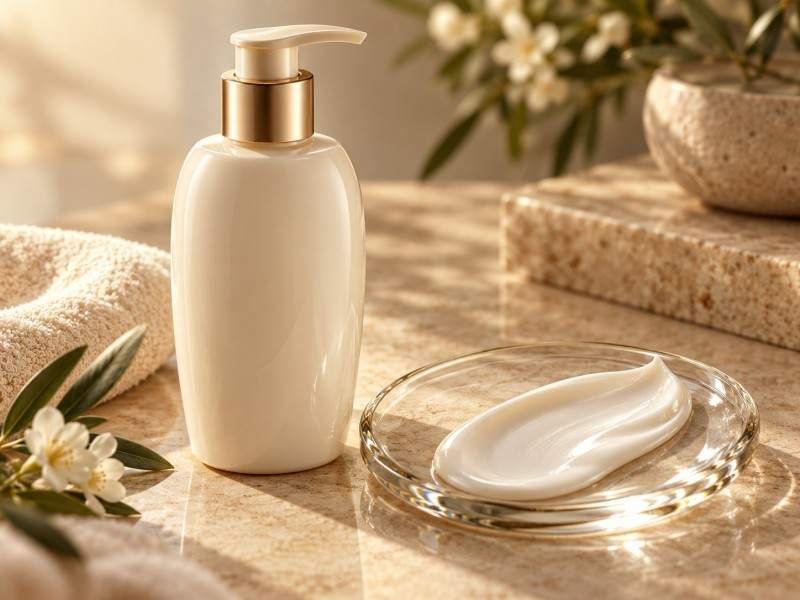
Smooth With a Refined Finish
A medium-light emulsion designed to provide more cushion and slip than a very fluid lotion while maintaining a polished, non-heavy after-feel.
Texture: Silky lotion-emulsion
Spreadability: Smooth glide with controlled richness
After-Feel: Soft, refined and lightly conditioned
Product Fit: Premium DTC body care and all-season use
Packaging: Pump bottle or airless format
This route is suitable when the brand wants exfoliation to feel integrated into a more premium daily body-care experience.
Rich Comfort Lotion
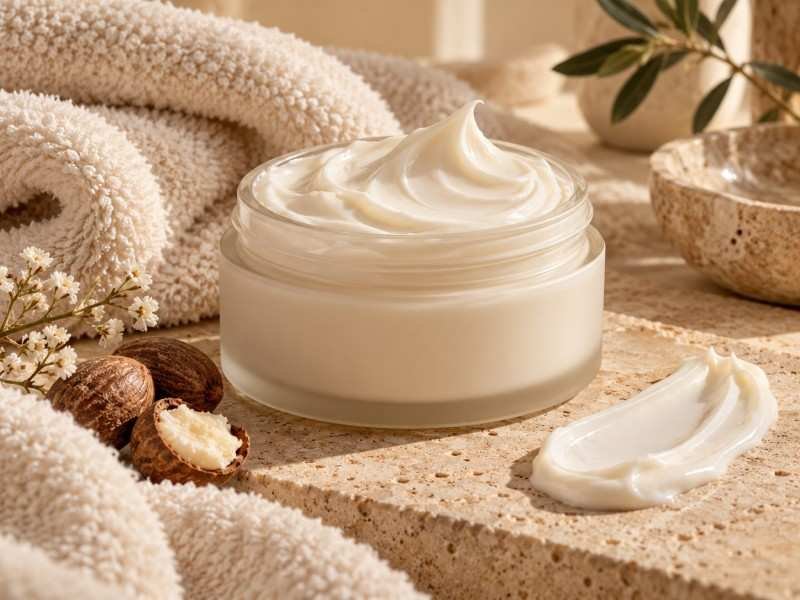
More Conditioning for Dry Skin
A richer lotion direction for brands targeting dry, rough-feeling body skin where moisturization and conditioning are as important as exfoliation.
Texture: Creamier, more substantial lotion
Spreadability: Cushioned application with longer working time
After-Feel: Nourished and more protective
Product Fit: Dry-skin, winter or comfort-focused body care
Packaging: Pump, tube or wide-opening format depending on viscosity
The richer base should still avoid becoming overly greasy or difficult to spread across larger body areas.
Fast-Absorbing Gel-Lotion
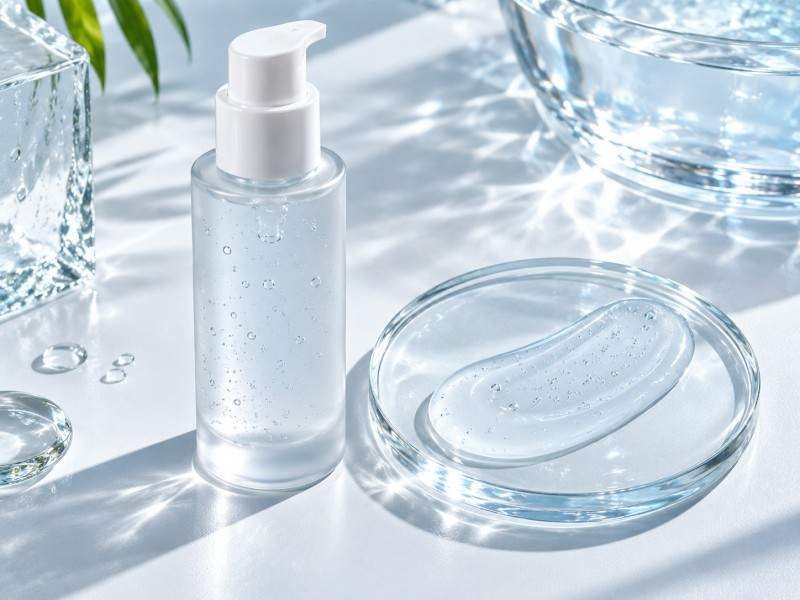
Fresh and Lightweight Finish
A gel-lotion hybrid combines the freshness of a gel with enough emollience to function as a complete leave-on body product.
Texture: Lightweight gel-emulsion
Spreadability: Quick, smooth distribution
After-Feel: Fresh, fast-absorbing and low in heavy residue
Product Fit: Modern active body care, humid climates and younger DTC positioning
Packaging: Pump or airless bottle
This route is useful for brands that want the AHA concept to feel modern and lightweight rather than similar to a traditional rich body cream.
Sensory Development Focus
The final texture should be evaluated together with:
Initial Pickup
Spreadability
Absorption Speed
Tackiness
Greasy Residue
Skin Softness After Application
Compatibility With the Selected Packaging
The best texture is not simply the lightest or richest option. It should support the intended AHA routine while remaining comfortable enough for repeated body application.
Common AHA Body Lotion Development Problems
AHA body lotion development becomes more complex when exfoliation, moisturization and emulsion stability need to work in the same leave-on formula. Problems may appear as excessive skin discomfort, dryness, pH drift, viscosity changes, overloaded active systems or poor packaging compatibility. Identifying these risks during formula development and sampling helps prevent a promising concept from becoming difficult to use, unstable or inconsistent in bulk production.
01
Excessive Sting or Discomfort
When the Formula Feels Too Aggressive
AHA products can become uncomfortable when the acid system, final pH and intended frequency of use are not properly aligned.
Common Causes
Acid direction is too aggressive for the intended positioning
Final pH does not match the target use experience
Multiple exfoliating ingredients are stacked without enough balance
The product is positioned for more frequent use than the formula supports
Possible Impact
Strong stinging or uncomfortable after-feel
Lower repeat-use acceptance
Product positioning no longer matches the intended audience
Development Response
Review the complete acid system, final pH, supporting ingredients and intended routine instead of trying to correct the problem with soothing ingredients alone.
02
Dry or Tight After-Feel
Exfoliation Overpowers Moisturization
A body lotion may contain a strong moisturizing base on paper but still feel dry if the acid system and supporting phases are not balanced correctly.
Common Causes
Insufficient humectant support
Oil phase is too light for the target skin condition
Active load dominates the sensory profile
Formula is designed around acid percentage rather than total skin feel
Possible Impact
Tight or stripped sensation after use
Poor fit for dry or rough-feeling body skin
Consumers may compensate with another moisturizer
Development Response
Adjust humectants, emollients and lipid support so the finished product still performs as a complete leave-on body lotion.
03
pH Drift During Stability
The Formula Changes Over Time
The pH measured immediately after production may not remain identical during storage, especially after the complete emulsion has equilibrated.
Common Causes
Incomplete neutralization strategy
Interaction between acids and other formula components
Changes during temperature cycling or long-term storage
Insufficient buffering control
Possible Impact
Different use experience from the approved sample
Changes in viscosity or formula behavior
Reduced confidence in batch consistency
Development Response
Monitor pH at multiple stability checkpoints instead of relying only on the initial laboratory reading.
04
Emulsion or Viscosity Instability
The Lotion Does Not Stay Consistent
An acidic environment can place additional demands on emulsifiers, thickeners and the overall lotion structure.
Common Causes
Thickener is not suitable for the final pH
Emulsification system is not sufficiently robust
Active additions alter viscosity
Oil and water phases are not properly balanced
Possible Impact
Formula becomes thinner or thicker over time
Separation or uneven appearance
Pumping and dispensing behavior changes
Bulk texture differs from the approved sample
Development Response
Select emulsifiers and rheology systems that remain compatible with the intended acid environment and verify them under stability testing.
05
Overloaded Active System
More Actives Do Not Always Mean Better
Adding multiple exfoliating, brightening or renewal-focused ingredients can make the formula harder to control without necessarily creating a better product.
Common Causes
Too many acids in one concept
AHA combined with multiple intensive active directions
Marketing ingredient list becomes more important than formula balance
Supporting system is not adjusted as active load increases
Possible Impact
Less comfortable user experience
More complicated stability and compatibility work
Unclear product positioning
Difficulties defining a practical use routine
Development Response
Prioritize a clear core benefit and build supporting ingredients around it instead of adding actives only to increase label complexity.
06
Packaging and Dispensing Mismatch
The Formula Works but the Pack Does Not
A stable formula can still create problems if the final viscosity, acidity or dispensing behavior does not match the selected packaging.
Common Causes
Pump output is too small for a body lotion
Formula becomes difficult to dispense as viscosity increases
Tube or pump materials are not assessed with the final formula
Packaging is selected before formula texture is confirmed
Possible Impact
Poor dispensing
Product left inside the pack
Leakage or user inconvenience
Packaging appearance does not match the intended product positioning
Development Response
Confirm packaging compatibility using the final approved formula, not an early laboratory prototype.
How Do We Evaluate an AHA Body Lotion?
AHA body lotion needs more than an approved texture and acid direction. Before bulk production, the formula should be reviewed for pH behavior, viscosity, appearance, emulsion stability, microbial control and packaging compatibility. These checks help confirm that the approved sample can remain consistent through storage, filling and commercial production rather than performing well only at the first laboratory stage.
| Quality Check | What We Review | Why It Matters |
|---|---|---|
| Final pH | Measure the finished formula after complete mixing and equilibration | Confirms that the acid system remains within the intended formulation range |
| pH Stability | Track pH at different stability checkpoints | Helps identify drift that may affect comfort, viscosity or overall formula behavior |
| Viscosity | Compare lotion thickness, flow and consistency | Ensures the texture remains consistent and suitable for the selected pump or tube |
| Appearance | Review color, gloss, uniformity and visible separation | Helps identify emulsion instability or ingredient interaction |
| Odor | Check fragrance and base odor during stability evaluation | Unexpected changes may indicate formula or raw-material instability |
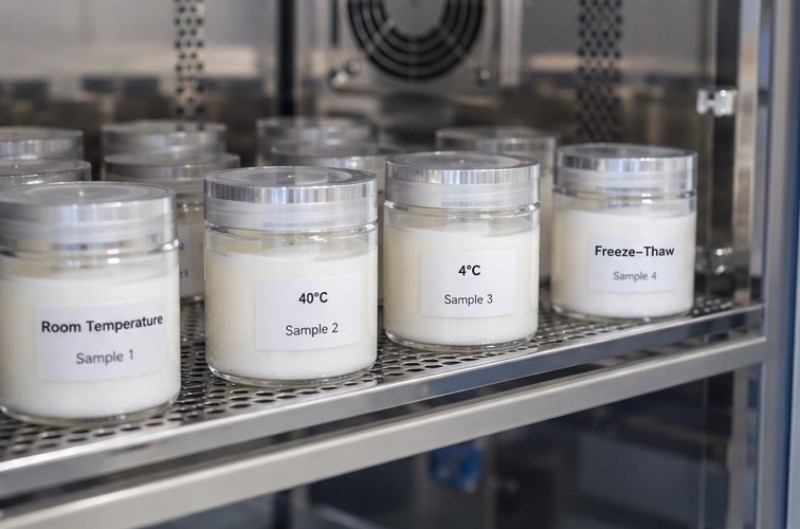
| Temperature Stability | Observe the lotion under selected temperature conditions | Helps identify separation, thinning, thickening or appearance changes during storage |
| Accelerated Observation | Use suitable accelerated evaluation methods during development | Helps identify potential emulsion instability before commercial production |
| Microbial Control | Evaluate the preservation system according to the final formula and project requirements | Supports product quality and microbiological control during the intended shelf life |
| Packaging Compatibility | Fill the approved formula into the proposed packaging and observe interaction | Helps identify leakage, material interaction, discoloration or dispensing problems |
| Pump / Tube Dispensing | Check priming, dosage and repeated dispensing performance | Confirms that the final viscosity works correctly with the selected packaging |
| Sample-to-Bulk Consistency | Compare bulk texture, appearance, pH and other key parameters with the approved sample | Helps reduce differences between the confirmed development sample and commercial batch |
| Finished Product Inspection | Review filling, sealing, coding, packaging condition and visual consistency | Confirms that finished products meet the agreed production and presentation requirements |
What We Compare Before Bulk Production
The development sample becomes the reference point for later production.
Before scale-up, the team should confirm:
Texture: Does the bulk lotion match the approved spreadability and richness?
Appearance: Is the color and emulsion uniform?
pH: Does the finished batch remain within the confirmed formulation target?
Viscosity: Does the lotion still dispense correctly?
Odor: Is the fragrance or base odor consistent?
Packaging Fit: Does the formula work correctly in the final bottle, tube or pump?
Batch Consistency: Does the bulk product remain close to the approved sample standard?
The objective is not only to make a stable laboratory formula, but to reproduce the approved product consistently during commercial manufacturing.
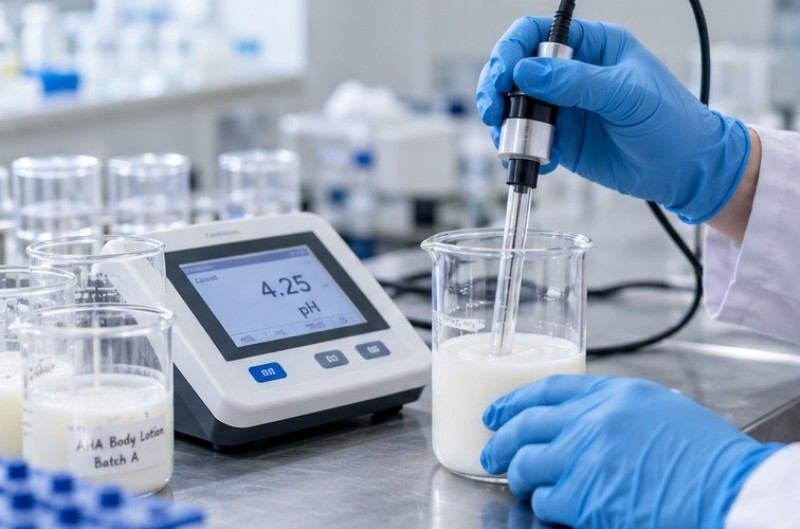
Make A Sample First?
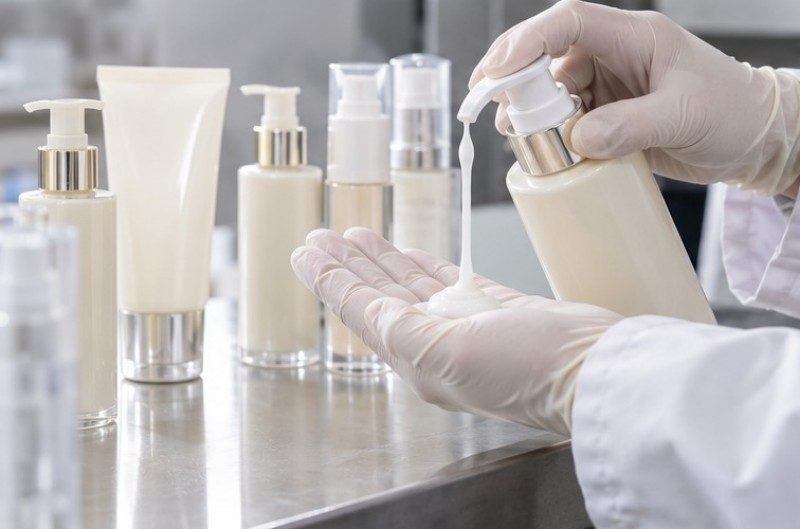
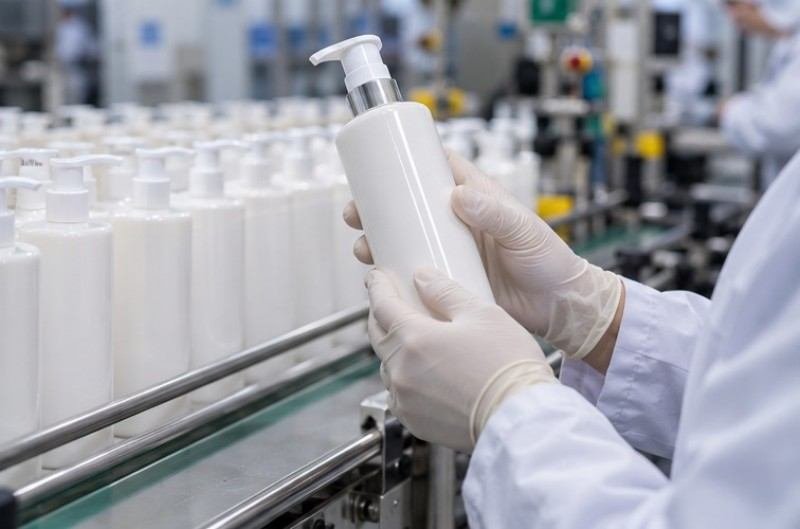
If you have your own formula, packaging idea, logo artwork, or even just a concept, please share the details of your project requirements, including preferred product type, ingredients, scent, and customization needs. We’re excited to help you bring your personal care product ideas to life through our sample development process.
Choose Packaging That Fits the Formula
AHA body lotion packaging should be selected according to the final viscosity, dispensing volume, product positioning and formula compatibility. A pump bottle, squeeze tube or airless pack can create very different user experiences even when the formula is the same. Packaging should therefore be confirmed after the texture direction is clear and checked again with the final approved formula before bulk production.
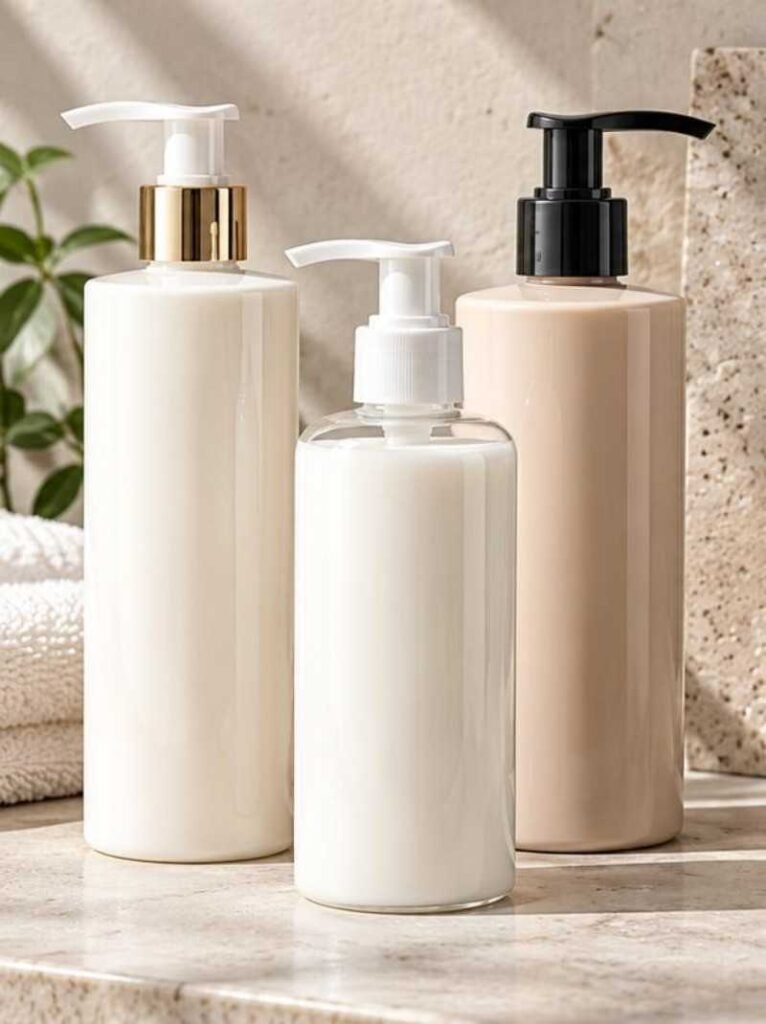
Pump Bottle
Easy for Daily Body Application
Pump bottles are a practical choice for medium to fluid body lotions, especially when the product is designed for regular use across larger body areas.
Best For: Lightweight lotion and silky body emulsion
User Experience: Convenient one-hand dispensing
Dose Control: Suitable for repeated daily application
Product Positioning: Everyday active body care and family-size formats
Development Focus: Pump output, priming and final viscosity
A pump bottle works well when the lotion needs to be easy to dispense over arms, legs or the full body without opening or squeezing the pack repeatedly.
Consider Before Selection
The pump system should be tested with the actual formula because a lotion that becomes too thick may dispense poorly, while a very fluid formula may require different output control.
Squeeze Tube
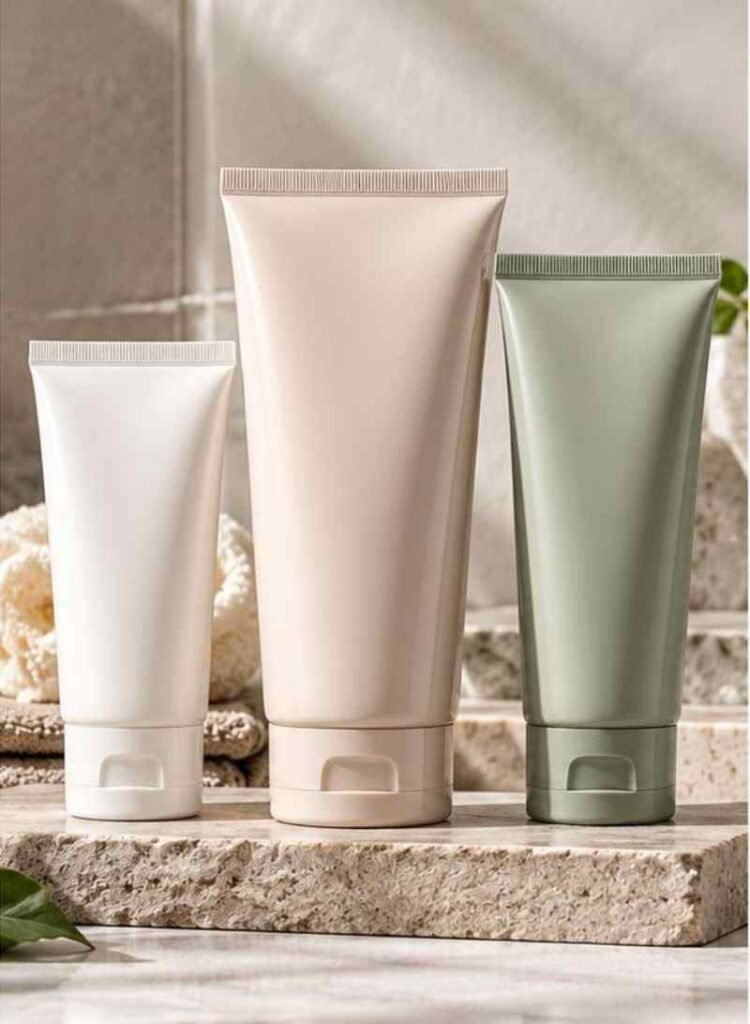
Flexible for Targeted and Travel-Friendly Use
Squeeze tubes are suitable for lotions and creamier body-care textures where portability, controlled application and compact presentation are important.
Best For: Medium to richer lotion textures
User Experience: Easy to carry and apply directly
Dose Control: Flexible according to squeeze pressure
Product Positioning: Targeted body care, travel formats and retail-friendly products
Development Focus: Tube material, orifice size and formula viscosity
This format can work especially well for products designed around rough-feeling areas such as elbows, knees, arms or legs.
Consider Before Selection
Tube size, opening diameter and wall material should be matched with the finished viscosity. Packaging MOQ may also differ from stock bottle options and should be confirmed before final artwork and production planning.
Airless Pump
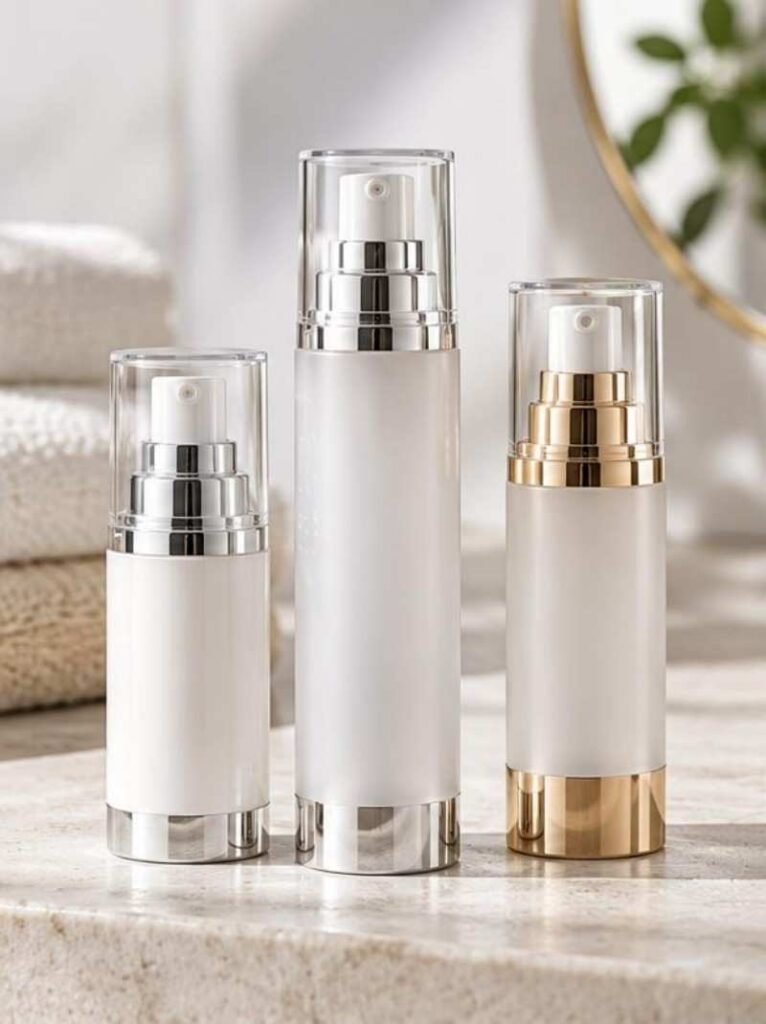
Premium and Controlled Dispensing
Airless packaging creates a more premium presentation and can provide controlled dispensing while limiting repeated direct exposure of the formula to the external environment.
Best For: Lightweight to medium lotion or emulsion formats
User Experience: Clean, measured dispensing
Dose Control: Consistent pump output
Product Positioning: Premium active body care and ingredient-led collections
Development Focus: Formula flow, pump compatibility and filling method
Airless packaging is useful when the brand wants a more refined treatment-style presentation rather than a traditional body-lotion appearance.
Consider Before Selection
Airless packaging is not automatically the best option for every AHA formula. The final viscosity, filling process, component structure and packaging cost should all be reviewed before selection.
Prepare Your AHA Body Lotion for Market
AHA body lotion requires more than a stable formula and attractive packaging. Ingredient documentation, product specifications, labeling, safety information and market-specific requirements should be considered before commercial launch. Shenzhen Zerun Cosmetics Co., Ltd. can prepare manufacturing and formula-related documents to support your regulatory workflow, while final registration, notification, Responsible Person arrangements and market authorization remain subject to the requirements of your target market.
INCI Ingredient List
Confirm the Formula Declaration
An accurate INCI list is prepared according to the confirmed production formula and can be used as the basis for ingredient labeling and regulatory review.
Can Support
Full INCI ingredient list
Ingredient declaration based on the approved formula
Formula information required for downstream regulatory review
Updates when the commercial formula changes
The final printed ingredient list should always correspond to the formula actually used in production.
COA & Product Specification
Define the Finished Product Standard
Finished-product specifications establish the key parameters used to evaluate production consistency.
Can Support
Certificate of Analysis where applicable
Product specification
Appearance and odor references
pH and viscosity control parameters
Other agreed finished-product quality criteria
These documents help connect the approved development sample with later commercial batches.
SDS / MSDS Support
Provide Product Safety Information
Safety data documentation may be prepared when required for transportation, warehousing, customer documentation or downstream compliance workflows.
Can Support
SDS / MSDS documentation where applicable
Basic product identification
Handling and storage information
Relevant transport or logistics information
Required document format may vary according to the destination market, product and logistics route.
Manufacturing & Quality Documents
Support Supplier Qualification
Manufacturing and quality-system documentation can help brands, distributors and regulatory partners evaluate the production source.
Documentation May Include
GMP-related manufacturing information
ISO 22716 documentation
Batch and production records where applicable
Quality-control documentation
Product testing and inspection records
Document availability should be confirmed according to the specific project and customer requirement.
Label & Claim Review Support
Keep the Product Positioning Cosmetic
AHA body lotion claims should remain consistent with cosmetic positioning and the evidence available for the finished product.
Suitable Directions
Helps smooth rough-feeling skin
Supports softer, more refined-looking body skin
Combines exfoliation with moisturization
Avoid Without Regulatory Basis
Treats keratosis pilaris or body acne
Medical-grade or permanent-results claims
Guaranteed clinical results
Final wording should be reviewed according to the target market and available product evidence.
AHA-Specific Labeling
Plan Warnings Before Artwork Approval
AHA products may require additional label attention because exfoliating acids can affect how the skin responds to sun exposure.
During packaging development, review:
Directions for use
Intended frequency
Body areas of application
Sun-exposure precautions
Appropriate warning statements
Target-market labeling requirements
For U.S.-market AHA cosmetics, the label review should specifically consider FDA’s recommended sun-sensitivity warning before artwork is finalized.
Choose the Right Development Route
Not every AHA body lotion project needs to start from zero. Depending on your launch timeline, product positioning and formula requirements, development can begin with a mature formula, refine an existing base or build a more customized system around your target AHA direction. Choosing the right route helps control unnecessary sampling while keeping the formula aligned with the intended texture, comfort, packaging and market positioning.
Mature Formula Route
Start From a Proven Formula Base
This route begins with an existing AHA body lotion formula that already has a defined texture, acid system and manufacturing process.
Best For
Brands looking for a faster product launch
First-time body-care projects
Private label programs with straightforward positioning
Projects that do not require major formula restructuring
What Can Be Adjusted
Fragrance direction
Product color where suitable
Minor sensory adjustments
Packaging selection
Branding and artwork
Development Focus
The existing formula is first reviewed against your target market and product concept. If the direction is suitable, sampling can focus on confirming texture, skin feel and packaging rather than rebuilding the entire system.
Key Advantage
Fewer development variables can make the path from sample confirmation to commercial production more straightforward.
Semi-Custom Formula Route
Refine a Mature Base Around Your Positioning
Semi-custom development uses an existing formula structure as the starting point while making meaningful adjustments to better match your brand concept.
Best For
Brands with a clear AHA direction
Projects requiring a different texture or comfort level
Ingredient-led body-care concepts
Brands wanting more differentiation without full redevelopment
What Can Be Adjusted
Lactic acid, glycolic acid or blended AHA direction
Hydration and emollient balance
Comfort-support ingredients
Texture and absorption
Fragrance direction
Selected supporting ingredients
Development Focus
The goal is to preserve a workable formulation framework while modifying the areas that directly influence product positioning and user experience.
Key Advantage
This route offers more differentiation than a standard private label formula while avoiding unnecessary redevelopment of every part of the lotion system.
Full Custom Development
Build Around a Defined Product Brief
Full custom development is suitable when the brand has specific requirements for the acid system, texture, supporting ingredients, sensory profile and overall product positioning.
Best For
Established brands with a detailed product brief
Distinctive active body-care concepts
Projects with specific texture or ingredient requirements
Product lines that need stronger formula differentiation
Development Can Cover
AHA system selection
Acid balance and final pH strategy
Hydration and lipid systems
Comfort and barrier-support direction
Texture and after-feel
Supporting active ingredients
Fragrance or fragrance-free direction
Packaging compatibility
Development Focus
Each part of the formula is evaluated as one system. Changes to the acid direction, pH, emulsion or supporting ingredients may require additional sampling and stability review before the formula is ready for scale-up.
Key Advantage
Greater control over the final product direction and a formula designed more closely around the intended brand positioning.
Project Boundary
Full custom development is provided as part of an OEM/ODM manufacturing project. Formula development is intended to move toward sampling, packaging matching and commercial production rather than standalone formula development or formula-rights transfer.
From Product Brief to Bulk Production
AHA body lotion development moves through several connected stages. Formula direction, texture, packaging and quality requirements should be confirmed in sequence so that decisions made during sampling can be carried consistently into scale-up and commercial production.
Step 1
Define the Product Brief
Clarify the Product Direction
We first review the basic project requirements and define what the product needs to achieve from a brand and formulation perspective.
Key Information
Target market
Product positioning
Preferred AHA direction
Desired texture and after-feel
Fragrance or fragrance-free preference
Supporting ingredient direction
Packaging preference
Target order quantity
This stage helps determine whether the project should begin from a mature formula, semi-custom route or full custom development.
Step 2
Build the AHA & Formula Direction
Match the Formula to the Positioning
The formulation direction is then developed around the intended exfoliation experience, moisturization level and sensory profile.
Development Review
Lactic acid, glycolic acid or blended AHA system
Target acid direction
Final pH strategy
Hydration and emollient system
Comfort and barrier-support ingredients
Texture and absorption
Preservation and emulsion compatibility
The objective is to create one balanced leave-on system rather than treating the acid separately from the lotion base.
Step 3
Prepare and Evaluate Samples
Test the Product Before Scale-Up
Laboratory samples are prepared for evaluation before the formula moves toward commercial production.
Sample Review
Appearance
Texture
Spreadability
Absorption
Tackiness
After-feel
Fragrance
Overall comfort
Feedback is used to decide whether the sample can move forward or requires adjustment.
Typical sample preparation for suitable projects is around 7–10 days, depending on the formula and customization requirements.
Step 4
Confirm Packaging Compatibility
Match the Final Formula With the Pack
Once the texture direction is sufficiently clear, the formula is checked with the proposed packaging.
Packaging Review
Pump, tube or airless format
Final formula viscosity
Dispensing output
Priming and repeated use
Filling suitability
Packaging material compatibility
Packaging MOQ and customization requirements
Packaging should be confirmed with the actual approved formula rather than selected only from appearance.
Step 5
Preproduction & Quality Confirmation
Prepare the Approved Formula for Manufacturing
Before bulk production, the confirmed formula and packaging direction are converted into production requirements.
Preproduction Review
Approved sample reference
Final formula specification
pH and viscosity targets
Raw material preparation
Packaging and artwork confirmation
Filling requirements
Quality-control checkpoints
Required project documentation
This step helps reduce differences between the approved development sample and the later commercial batch.
Step 6
Bulk Production & Finished QC
Scale Up and Inspect the Final Goods
The approved formula is produced, filled and packed according to the confirmed project specifications.
Production & QC
Bulk mixing and emulsification
In-process checks
pH and viscosity review
Filling and sealing
Packaging inspection
Finished-product sampling
Batch documentation
Final shipment preparation
The finished product is compared against the agreed production standard before release.
Brief → Formula Direction → Sample → Packaging → Preproduction → Bulk & QC
Each stage confirms a different part of the product. Moving through the process in sequence helps keep the formula, packaging and finished commercial product aligned.
Plan the Right Starting Quantity
AHA body lotion projects should be planned around more than the finished-product MOQ. Formula route, packaging type, decoration method and order quantity can all affect the practical starting point. A 1,000-piece project may be straightforward with suitable stock packaging, while custom tubes, special components or more complex decoration can require higher packaging quantities. Confirming these factors early helps keep the sample, packaging and bulk-production plan realistic.
01
1,000 PCS
Standard MOQ Per SKU
For most AHA body lotion projects, our standard finished-product MOQ starts from 1,000 pieces per SKU.
This quantity is suitable for many private label and semi-custom projects using practical packaging options.
Suitable For
New product launches
DTC body-care brands
Retail test programs
Existing formulas or semi-custom development
Stock or lower-MOQ packaging where available
The final feasibility still depends on the formula, packaging and decoration requirements.
02
SAMPLE FIRST
Confirm Before Bulk Production
Sampling allows the formula direction to be evaluated before committing to commercial production.
During the sample stage, you can review:
Texture
Spreadability
Absorption
After-feel
Fragrance
Overall comfort
AHA direction
Sample fees apply. If the sample does not meet the agreed direction, adjustments can be made based on feedback. When the approved sample proceeds into the first bulk order, the paid sample fee can be deducted from that first order.
03
PACKAGING MOQ
Packaging May Set a Higher Starting Point
The formula MOQ and packaging MOQ are not always the same.
For example:
Stock bottles may be available from around 1,000 pieces
Custom tubes may require around 5,000 pieces
Custom colors, printing or special components may require higher quantities
Certain airless packs may have their own supplier MOQ
This is why packaging should be confirmed before the final quotation and production plan are locked.
04
SCALE UP
Start Practical, Then Expand
The first order should match the brand’s actual launch plan rather than be oversized only to reach a packaging target.
Once the product is validated in the market, later orders can expand through:
Larger production quantities
Additional fragrances
New texture directions
More advanced packaging
Related active body-care products
A practical first order can help establish a clearer path toward repeat production and line extension.
Extend AHA Lotion Into a Body Care Line
An AHA body lotion can become the core product in a broader active body-care collection. By keeping the product roles clearly differentiated, brands can expand into cleansing, lightweight treatment, richer moisturization and targeted-area care without simply repeating the same formula in different packaging. The right line structure should give each SKU a distinct use step, texture and product purpose.
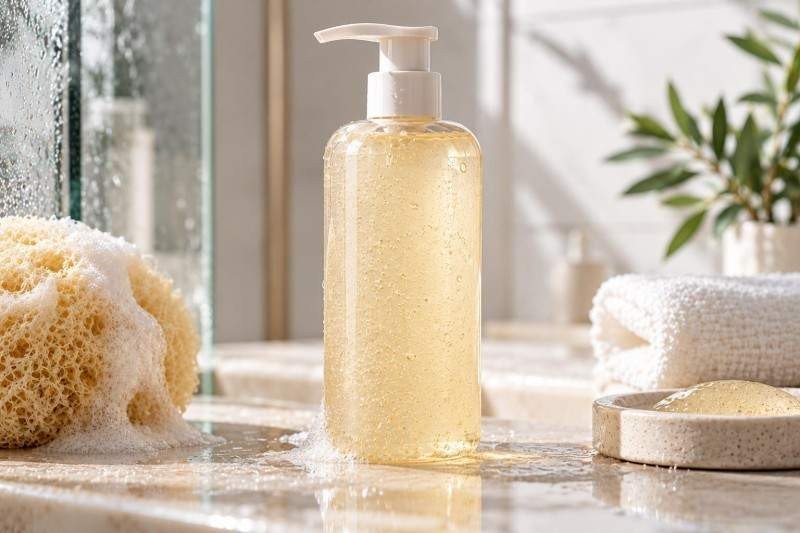
Exfoliating Cleansing Step
A rinse-off body cleanser designed to introduce mild exfoliating care during the shower while maintaining a comfortable cleansing experience.
Product Role: Cleansing + surface-smoothing support
Texture: Gel, gel-cream or low-viscosity wash
Formula Direction: Mild surfactant system with compatible AHA direction
Best Use: Daily or routine body cleansing
Line Position: Entry step before leave-on body care
This format works well when the brand wants to build an exfoliating routine rather than relying on one leave-on product alone.
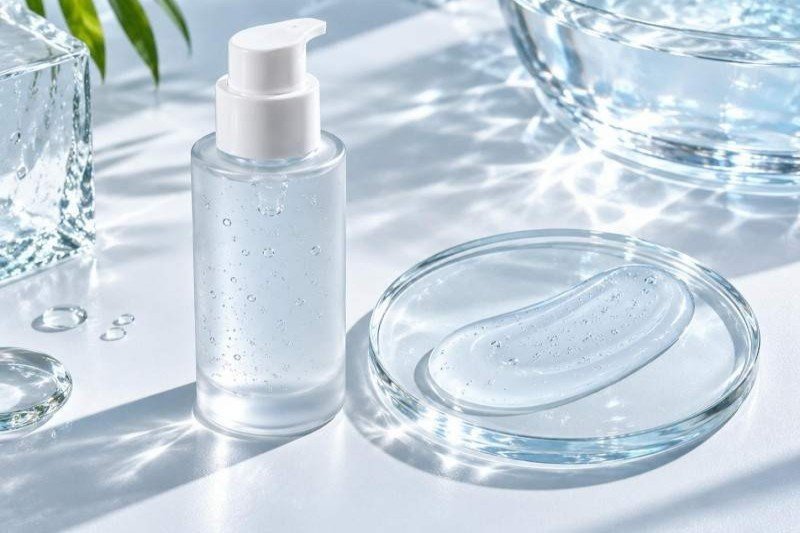
Lightweight Active Treatment
A lighter leave-on format for brands that want a more concentrated, ingredient-led body-care product with faster absorption.
Product Role: Targeted active body care
Texture: Watery serum, gel serum or lightweight emulsion
Formula Direction: AHA with hydration and comfort support
Best Use: Layered before body lotion or used alone
Line Position: Treatment step
This format creates clearer separation from the main lotion by focusing on a lighter, more active-forward sensory experience.
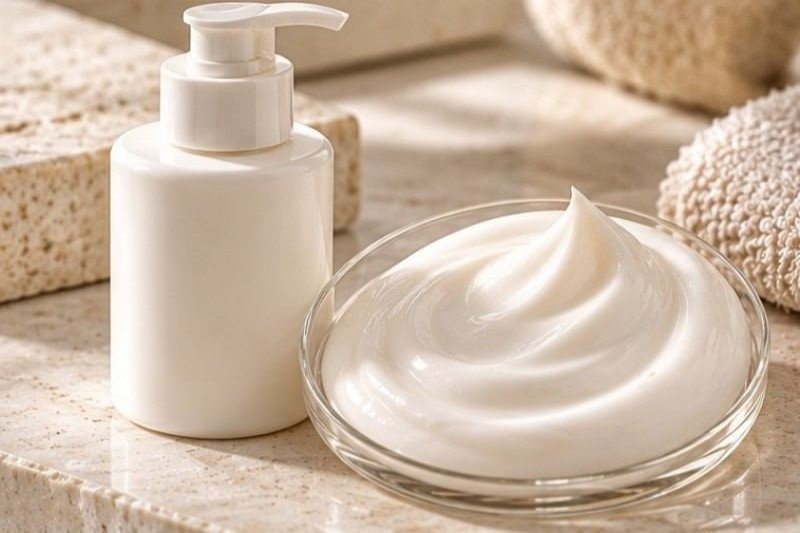
Richer Moisturizing Support
A richer cream designed for dry, rough-feeling body skin where conditioning and moisture retention are more important.
Product Role: Smoothing + richer moisturization
Texture: Cream or rich body butter-style emulsion
Formula Direction: AHA or compatible smoothing direction with stronger lipid support
Best Use: Dry skin, colder seasons or evening routines
Line Position: Rich moisture step
This product should not simply be the lotion made thicker. Its oil phase, cushion and after-feel should be designed specifically for a richer care experience.
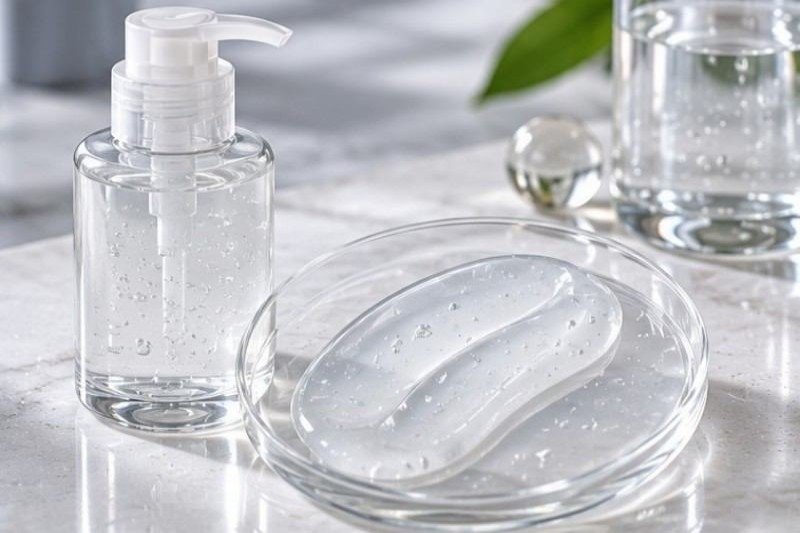
Occasional Exfoliating Care
A more focused rinse-off or short-contact exfoliating format for brands that want an occasional treatment step within the range.
Product Role: Periodic texture-refining care
Texture: Gel or controlled treatment format
Formula Direction: Exfoliation-focused system designed around the intended method of use
Best Use: Occasional body-care routine
Line Position: Weekly or periodic treatment step
This direction requires clearer use instructions and careful formulation planning so the product remains positioned as cosmetic body care rather than a medical or professional peel.
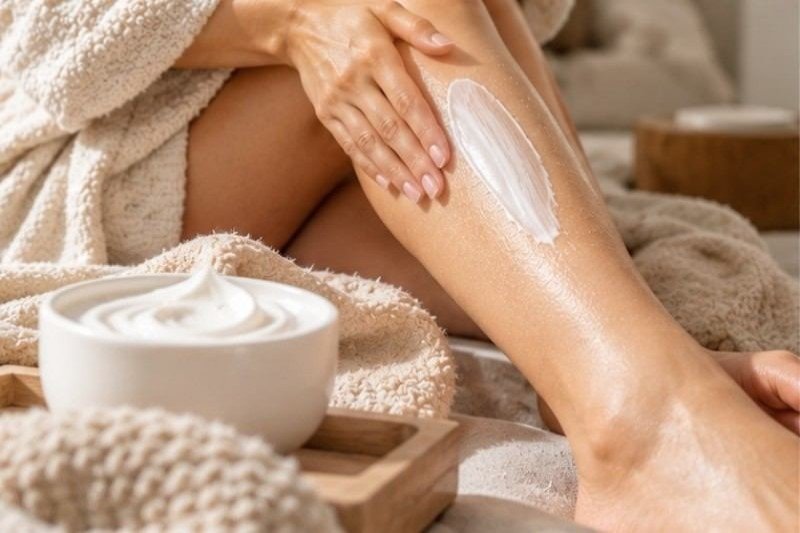
More Focused Care for Dry Areas
A richer hand or foot product designed for areas that commonly feel drier, thicker or rougher than the rest of the body.
Product Role: Conditioning + smoothing support
Texture: Rich cream, balm-cream or intensive lotion
Formula Direction: AHA with urea, humectants or lipid-support options
Best Use: Hands, heels and other dry-feeling areas
Line Position: Targeted care
This format allows the line to address more demanding body areas without forcing the main body lotion to become overly rich.
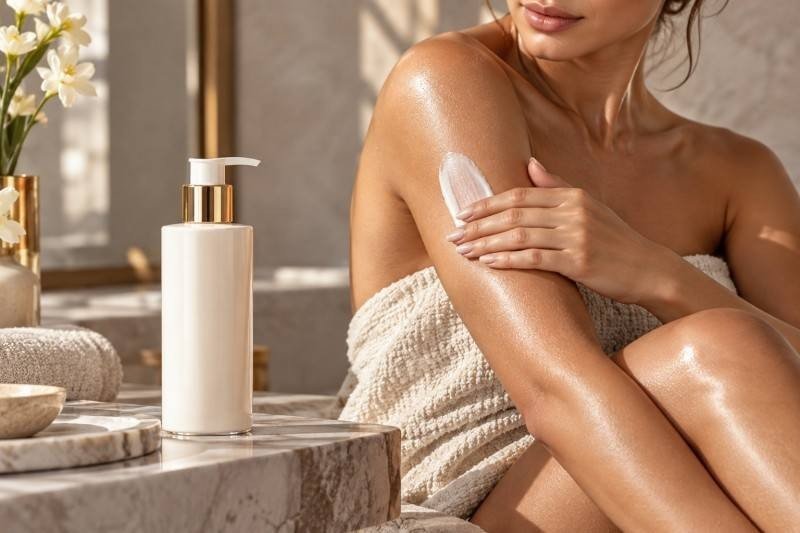
Targeted High-Contact Area Care
A compact treatment-style cream designed for localized rough-feeling areas such as elbows and knees.
Product Role: Targeted smoothing and conditioning
Texture: Medium to rich cream
Formula Direction: AHA-based or compatible exfoliating system with stronger moisturization
Best Use: Small targeted areas
Line Position: Precision care step
A smaller-pack format can help distinguish this product from the full-body lotion and support a more focused application routine.
Frequently Asked Questions about Private Label AHA Body Lotion Manufacturing
Before starting an AHA body lotion project, brands often need to confirm acid direction, customization limits, packaging, sampling, MOQ and market documentation. These questions can help clarify the practical development path before formula sampling begins.
1. Which AHA Is Better for a Body Lotion?
There is no single best AHA for every project.
Lactic acid-led systems are suitable for brands prioritizing exfoliation together with moisturization and comfort.
Glycolic acid-led systems can support a more exfoliation-focused product direction.
Blended AHA systems allow the exfoliation profile to be adjusted around a more customized concept.
The final choice should also consider acid level, pH, lotion base, intended use frequency and target product positioning.
2. Can You Customize the AHA Percentage?
Yes, the AHA direction can be adjusted during formula development, but percentage should not be selected as an isolated marketing number.
We normally review:
Acid type and total acid system
Final formulation pH
Intended product positioning and use frequency
A higher percentage does not automatically mean a better body lotion. The complete formula needs to remain practical, stable and appropriate for the intended use.
3. Can You Make the Formula More Comfortable for Regular Use?
Yes. Comfort can be considered as part of the complete formula design.
Possible directions include:
Adjusting the AHA system and pH strategy
Increasing hydration and emollient support
Adding suitable comfort- and barrier-support ingredients
However, adding soothing ingredients alone does not automatically make an aggressive acid system gentle. The acid system and lotion base need to be assessed together.
4. Can AHA Body Lotion Be Positioned for Rough or Bumpy-Looking Skin?
Yes. Cosmetic positioning can focus on improving the appearance and feel of rough, uneven or bumpy-looking body texture.
Suitable wording may include:
Helps smooth rough-feeling skin
Supports softer-feeling body skin
Helps improve the appearance of uneven body texture
Medical or disease-treatment language such as treating keratosis pilaris should not be used without the appropriate regulatory basis.
5. Can You Combine AHA With Other Body-Care Ingredients?
Yes, depending on formula compatibility and the intended product concept.
Possible supporting directions include:
Urea and humectants
Niacinamide
Panthenol and beta-glucan
Ceramide or lipid-support systems
Suitable antioxidant or botanical ingredients
Adding more actives is not always better. The overall active load, pH compatibility, stability and user experience should be reviewed before finalizing the formula.
6. Can You Make a Fragrance-Free AHA Body Lotion?
Yes. Fragrance-free development can be considered for brands that want a more minimalist or comfort-focused positioning.
The development team would still review:
Base formula odor
Raw-material odor
Acid-system sensory characteristics
Finished-product stability
“Fragrance-free” should be confirmed according to the final formula rather than assumed simply because no perfume is added.
7. What Packaging Works Best for AHA Body Lotion?
The best packaging depends mainly on the final viscosity, dispensing requirements and brand positioning.
Common options include:
Pump bottle: suitable for broad daily body application
Squeeze tube: suitable for medium to richer textures or targeted use
Airless pump: suitable for controlled, premium dispensing
The selected packaging should be checked with the final approved formula before bulk production.
8. What Is the MOQ and Sampling Process?
Our standard finished-product MOQ for most AHA body lotion projects starts from 1,000 pieces per SKU, subject to formula and packaging requirements.
For development:
Samples typically take around 7–10 days for suitable projects.
Sample fees apply, and adjustments can be made based on feedback.
If the approved sample proceeds into the first bulk order, the paid sample fee can be deducted from that order.
Packaging MOQ may be different from the finished-product MOQ. For example, certain custom tubes or special packaging components can require higher quantities.
9. Can You Support U.S. and EU Market Documentation?
We can provide manufacturing- and formula-related documentation to support the customer’s regulatory process.
Support may include:
INCI ingredient list
Product specification and COA where applicable
SDS / MSDS where required
Manufacturing and quality-system documents
Formula information required for downstream regulatory review
Final registration, notification, Responsible Person arrangements and market authorization remain subject to the requirements of the destination market and the customer’s regulatory workflow.
10. Can I Start With an Existing Formula Instead of Full Custom Development?
Yes. AHA body lotion projects can normally follow different development routes:
Mature Formula: suitable for faster and simpler launches
Semi-Custom: suitable for brands needing meaningful texture, AHA or supporting-ingredient adjustments
Full Custom: suitable for projects with a detailed formula and positioning brief
We recommend choosing the simplest route that can achieve the intended product rather than automatically starting with full custom development.
Start Your Private Label AHA Body Lotion Project
What Should You Prepare?
You do not need a complete formula before contacting us. A clear product idea is enough to start the discussion.
Please share as much information as possible about:
Target market
Product positioning
Preferred AHA direction
Desired texture and after-feel
Supporting ingredient ideas
Fragrance preference
Packaging style
Target quantity
Reference products, if available
If some details are not yet decided, we can review the project brief and help define the next development step.
- Our team will answer your inquiries within 12 hours.
- Your information will be kept strictly confidential.